Wherever you are in Florida, we come to you. A licensed Homeland public adjuster comes to your property within hours — no need to visit an office. Serving Florida property owners since 2006, in English and Spanish. New Jersey: statewide.

Nelson Avila
Nelson Avila is a licensed Florida public adjuster with Homeland Public Adjusters, a firm that represents property owners, not insurance companies, on hurricane, wind, water, fire, roof and other property damage claims. He is also a Florida Certified Contractor, and he works with clients in English and Spanish.
Nelson also holds the Certified Property Appraiser and Umpire (CPAU) designation from the Insurance Appraisal & Umpire Association and takes appraisal and umpire assignments through Skyland Claims Resolution.
Licenses and credentials
Florida Certified Contractor, license CRC1331322.
Memberships: Florida Association of Public Insurance Adjusters (FAPIA); Insurance Appraisal and Umpire Association (IAUA); Community Associations Institute (CAI), Business Partner member, Southeast Florida Chapter.
Languages: English and Spanish.
Being both a public adjuster and a certified contractor means looking at a damaged roof, wall or floor the way the repair will actually have to be built, which is often where an insurance estimate and the real cost of the work part ways.
Articles by Nelson Avila (103)
Claims Process
Understanding Florida's Appraisal Process for a Disputed Claim
How Florida's property insurance appraisal process works, when it's the right move, and what to know before invoking it.
By Nelson Avila
Florida's DFS Mediation Program: What It Is and How It Can Resolve Your Claim
A free, insurer-paid mediation program for disputed homeowners claims, and how Homeland uses it for you.
By Nelson Avila
How Much Does a Public Adjuster Cost in Florida and New Jersey?
Florida caps public adjuster fees by statute. New Jersey uses a reasonableness standard instead of a fixed percentage. Here's how each state's rule actually works.
By Nelson Avila
Reservation of Rights Letter: What It Means for Your Property Claim
A reservation of rights letter means your insurer is still investigating and has not denied your claim. It may later deny coverage, so here is how to respond and protect your claim. What it means in Florida and New Jersey, and what to do next.
By Nelson Avila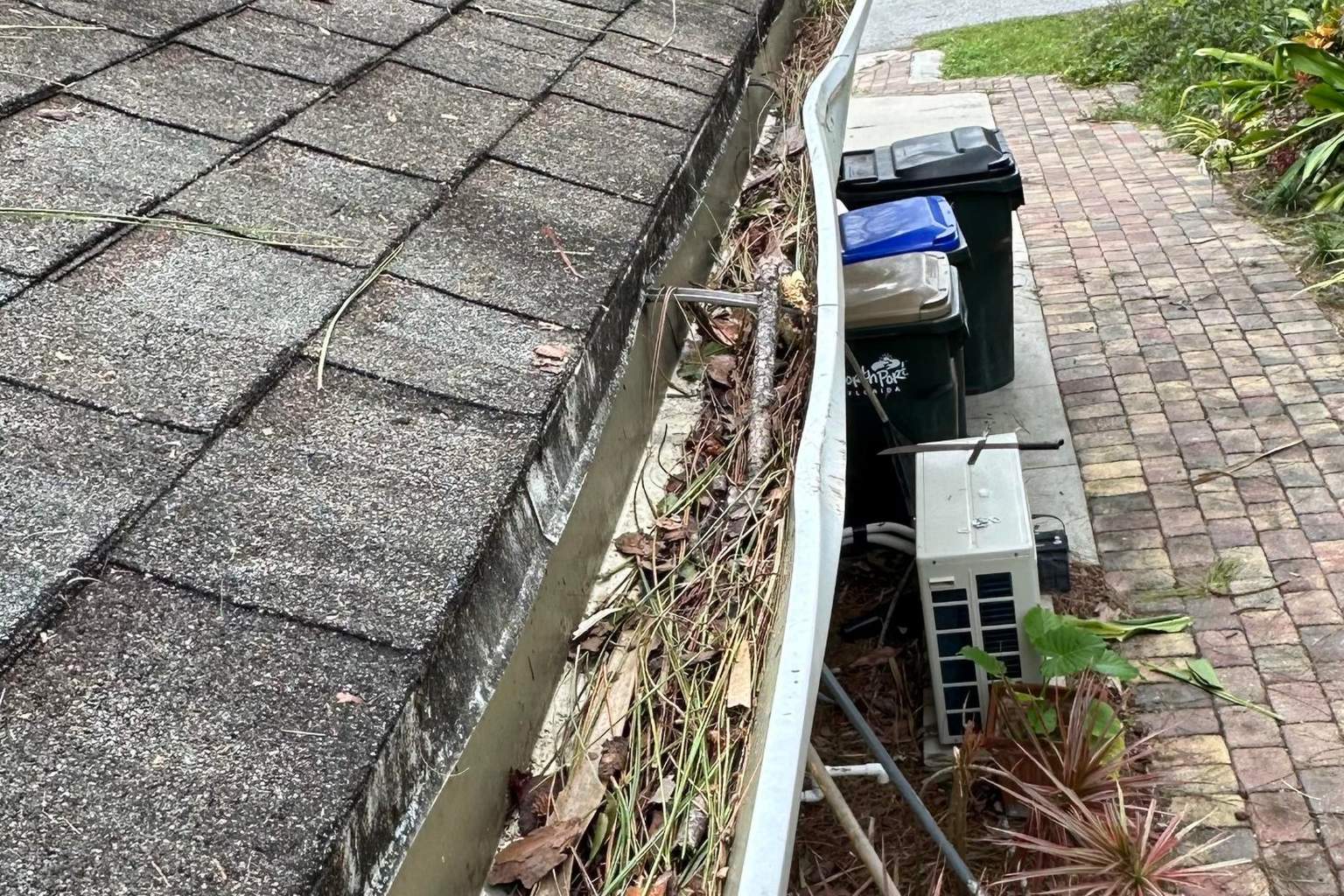
Roof Claim Denied for “Wear and Tear” or “Cosmetic Damage”?
Why insurers deny roof claims as wear and tear or cosmetic damage, how storm damage is told apart from aging, and what Florida and New Jersey owners can do next.
By Nelson Avila
Claim Closed as “Below Your Deductible”? How to Check the Math
Below deductible was the top reason Florida claims closed unpaid after Hurricane Milton. What it means, what low estimates miss, and how to challenge it.
By Nelson Avila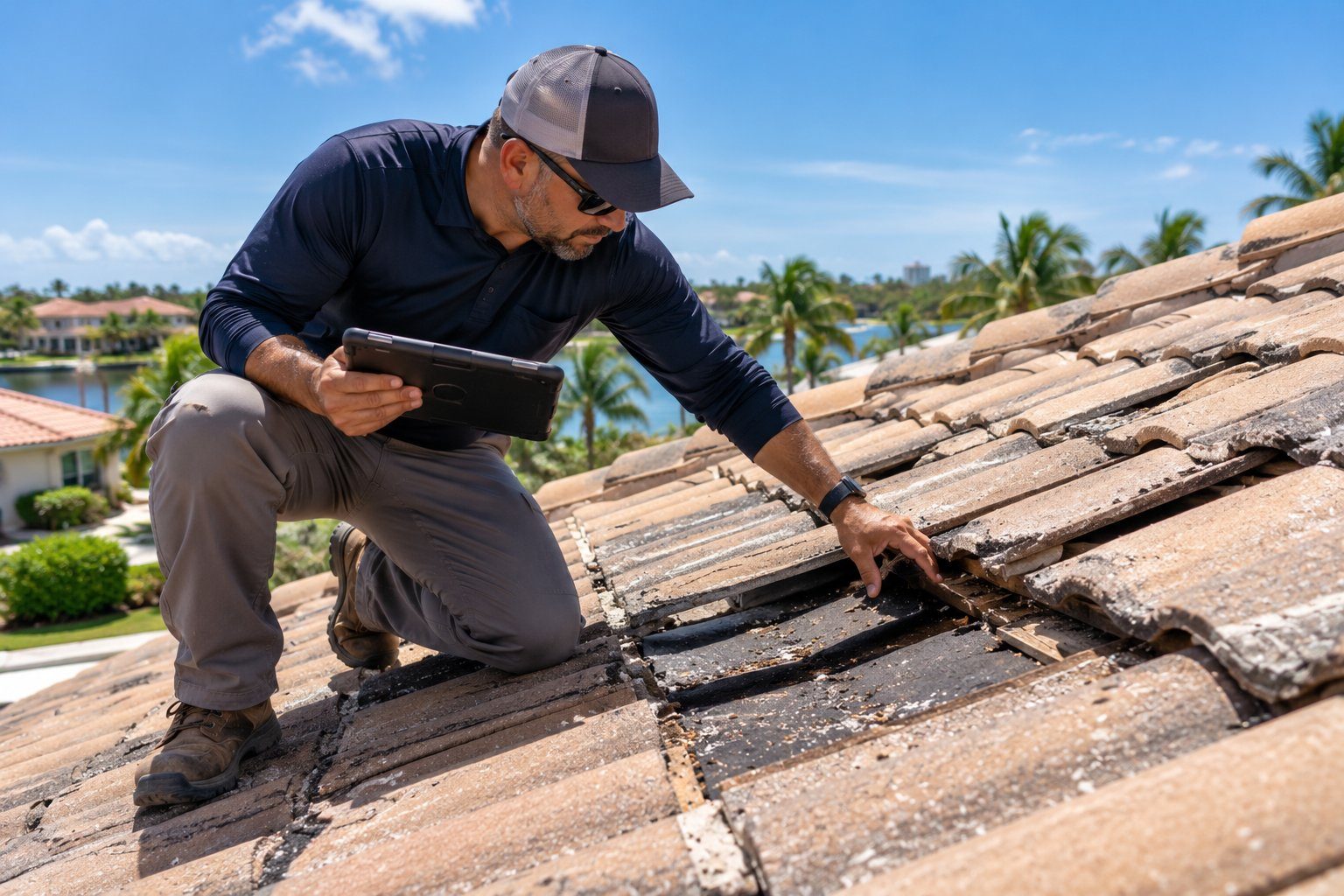
The Insurer’s Engineer Says It Isn’t Storm Damage. Now What?
When an insurer's engineer blames age, installation or wear instead of the storm: what the report is, the Florida and New Jersey rules, and how to answer it.
By Nelson Avila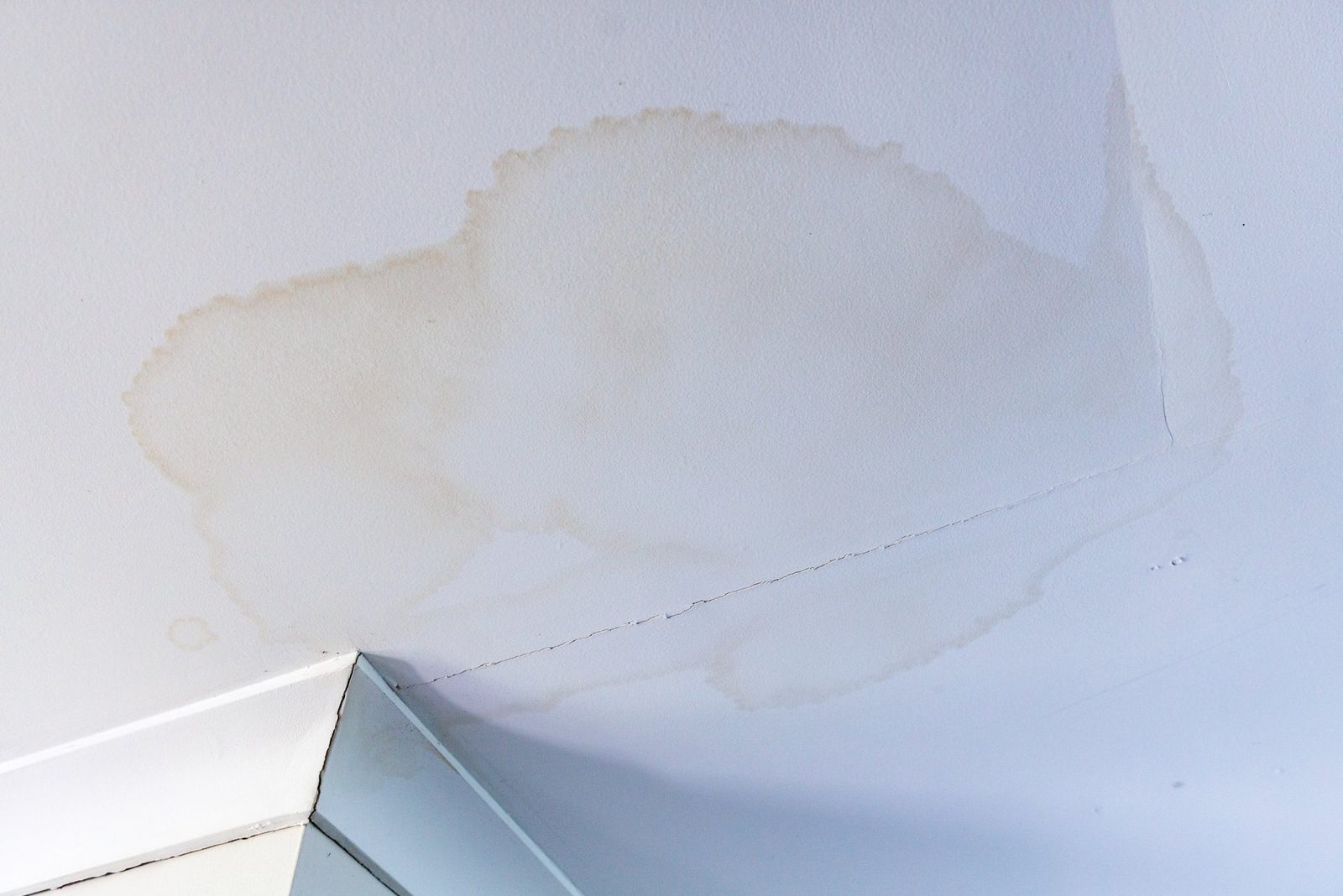
Claim Denied for “Late Notice”? The Florida and New Jersey Rules
Denied because the claim was reported too late? Florida's notice deadlines, New Jersey's appreciable-prejudice rule, and what to do when damage showed up later.
By Nelson Avila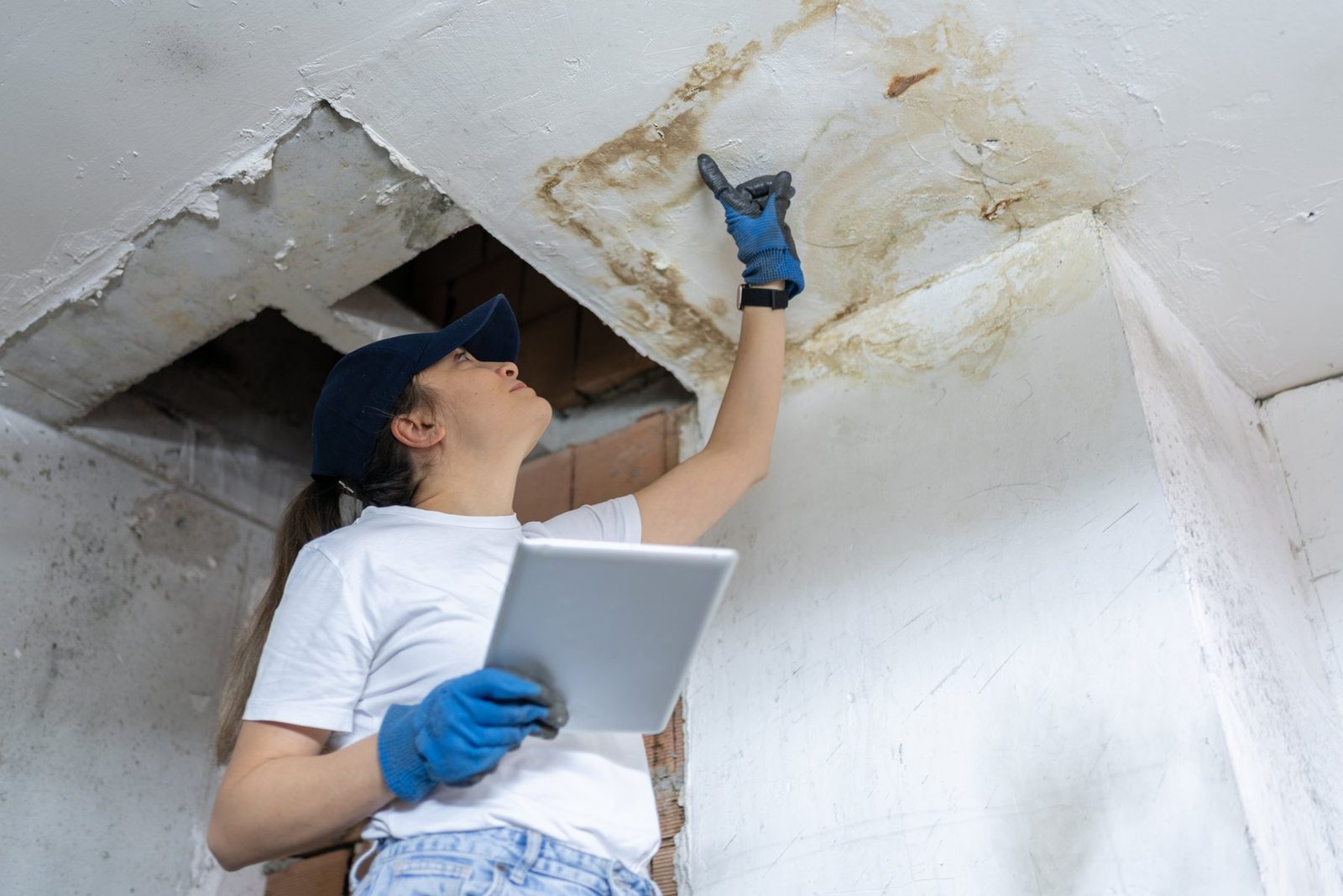
Denied Without a Real Inspection? What the Insurer Has to Do
Denied from photos, a video call or a quick look? What Florida and New Jersey require of an insurer's investigation, and how to get the damage inspected.
By Nelson Avila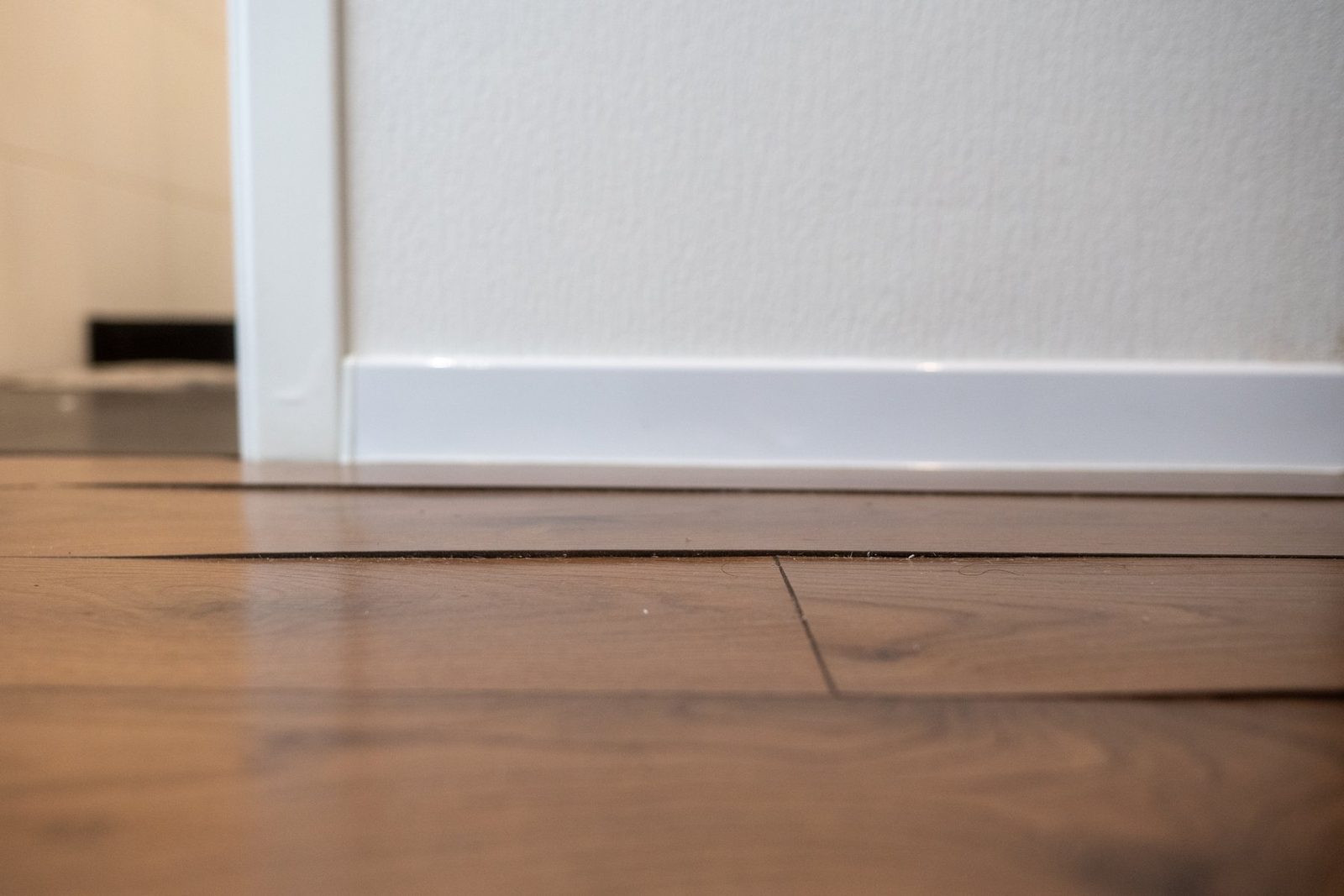
Water Claim Denied as a “Long-Term Leak” or “Repeated Seepage”?
How to show when a leak began if your water claim is denied as repeated seepage over 14 or more days: what the wording says and what a Florida court held.
By Nelson Avila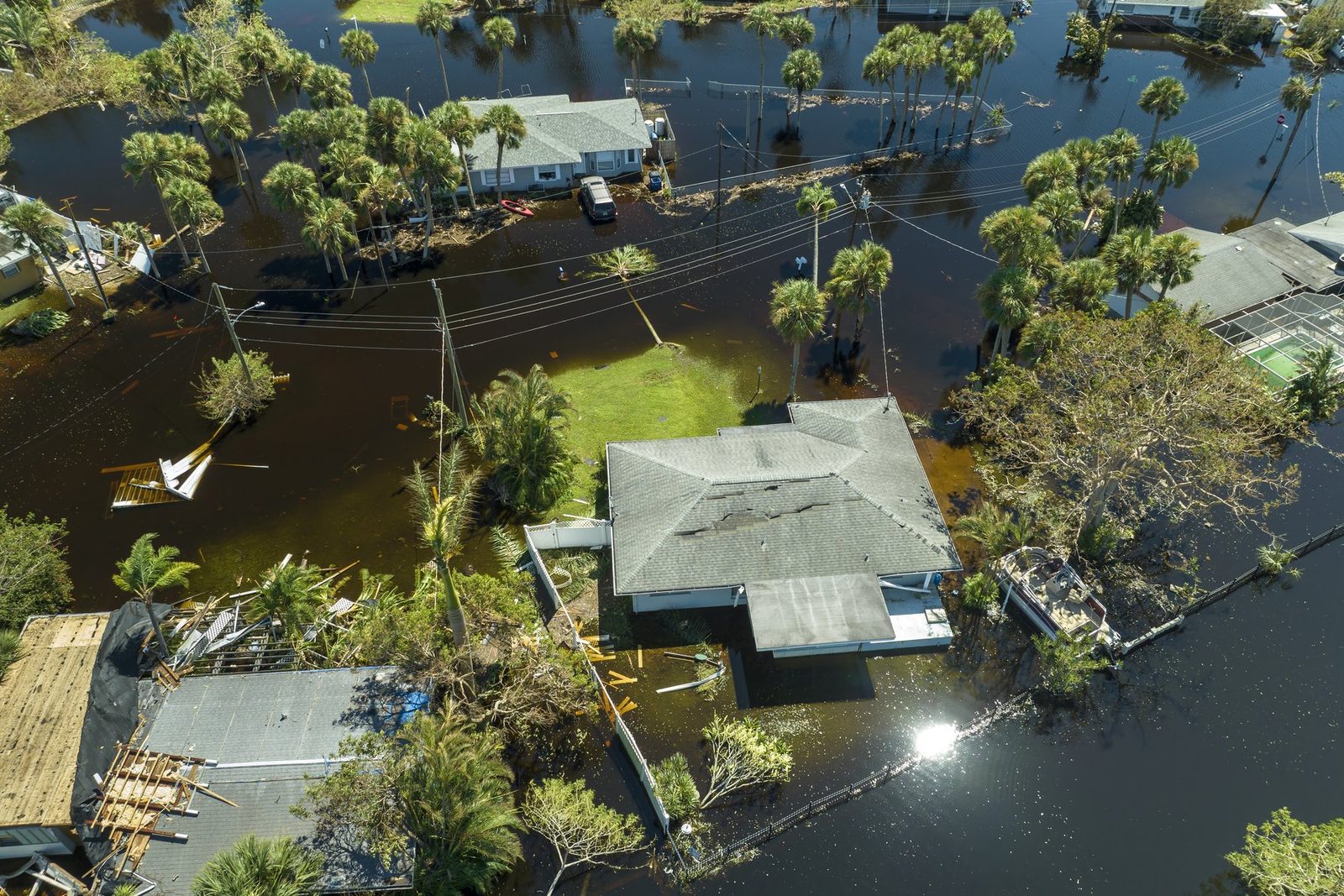
The Insurer Says It Was Flood, Not Wind: How Hurricane Damage Gets Split
After a hurricane, homeowners policies cover wind and exclude flood and storm surge. How the split works, flood policy deadlines, and how to document wind.
By Nelson Avila
Mold Claim Capped at $10,000? Where the Limit Comes From and What It Covers
Florida mold claims are often capped at $10,000. No statute sets the cap; policy endorsements do. What the limit covers and what may be paid separately.
By Nelson Avila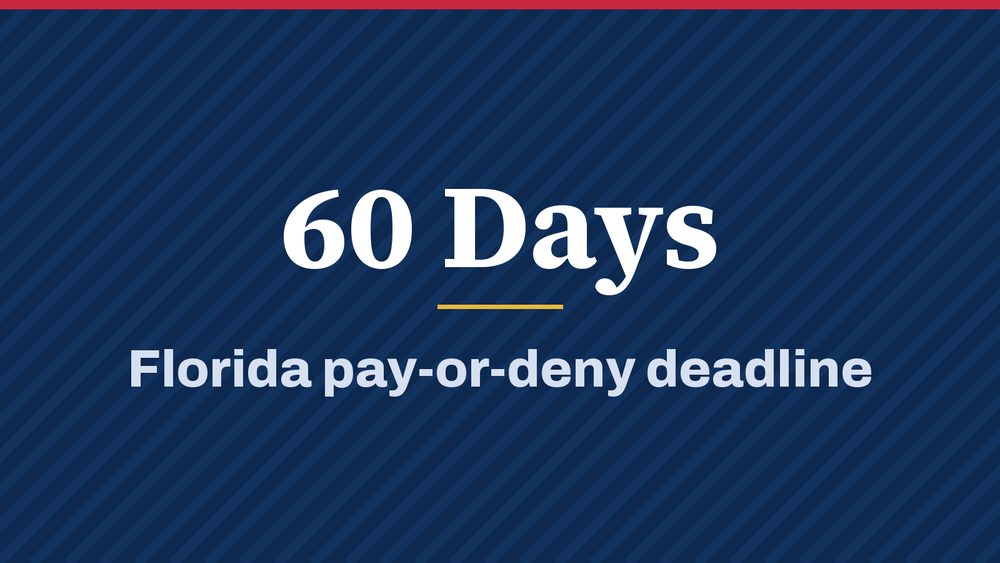
Claim Stalled With No Decision? The Insurer’s Deadlines in Florida and New Jersey
Florida insurers must pay or deny within 60 days of notice; New Jersey insurers must explain delays in writing every 45 days. The deadlines and what to do.
By Nelson Avila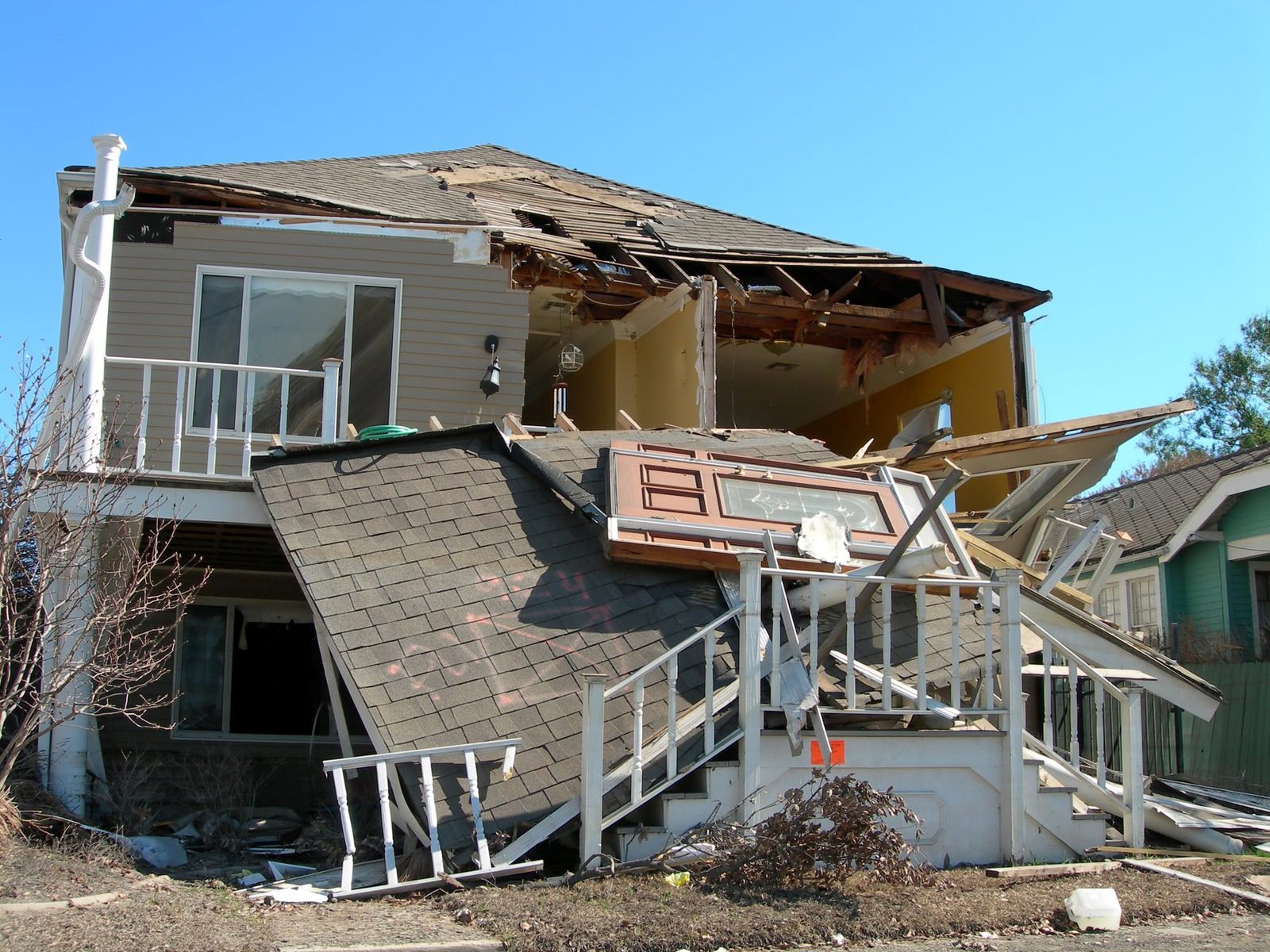
The Insurer Wants Its Own Contractor: Managed Repair in Florida and New Jersey
Some Florida policies let the insurer repair instead of paying you. Where managed repair comes from, the Claims Bill of Rights, and the New Jersey contrast.
By Nelson Avila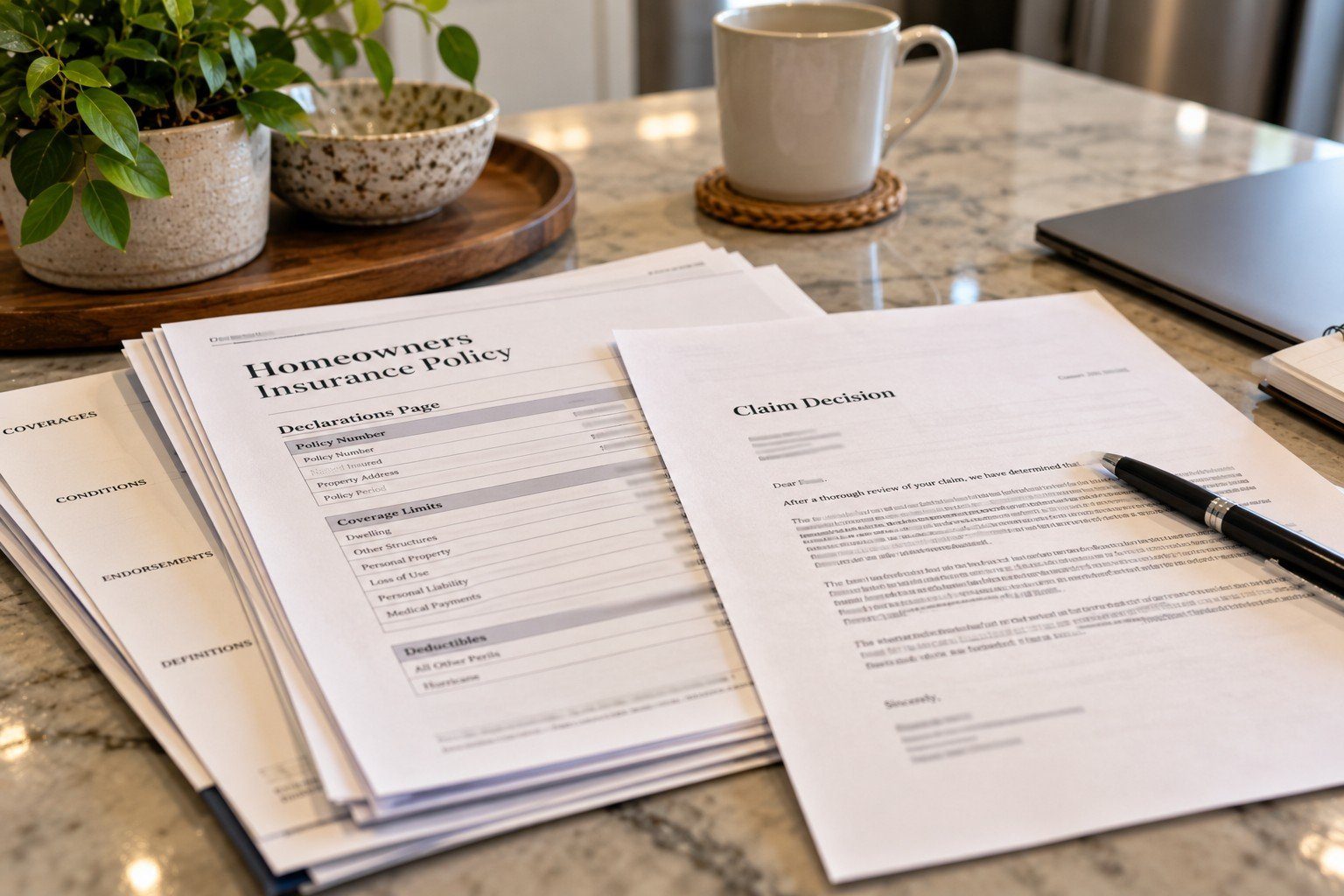
Examination Under Oath or a “Misrepresentation” Denial: What to Know
When an insurer asks for an examination under oath or denies for misrepresentation: where the EUO comes from, Florida's statute, and how to prepare.
By Nelson Avila
Claim Denied for “Faulty Workmanship” or a “Construction Defect”?
Policies exclude faulty workmanship and latent defects but often cover the damage that follows. How the ensuing loss wording works and how to respond.
By Nelson Avila
What Is Recoverable Depreciation on an Insurance Claim?
Recoverable depreciation is the part of a replacement cost claim the insurer holds back until repairs are done. How it works in Florida and New Jersey, with an example.
By Nelson Avila
Insurance Check Made Out to You and Your Mortgage Company
Why your insurance check names your mortgage lender, how lenders release repair money, and what Florida and New Jersey rules say about it.
By Nelson Avila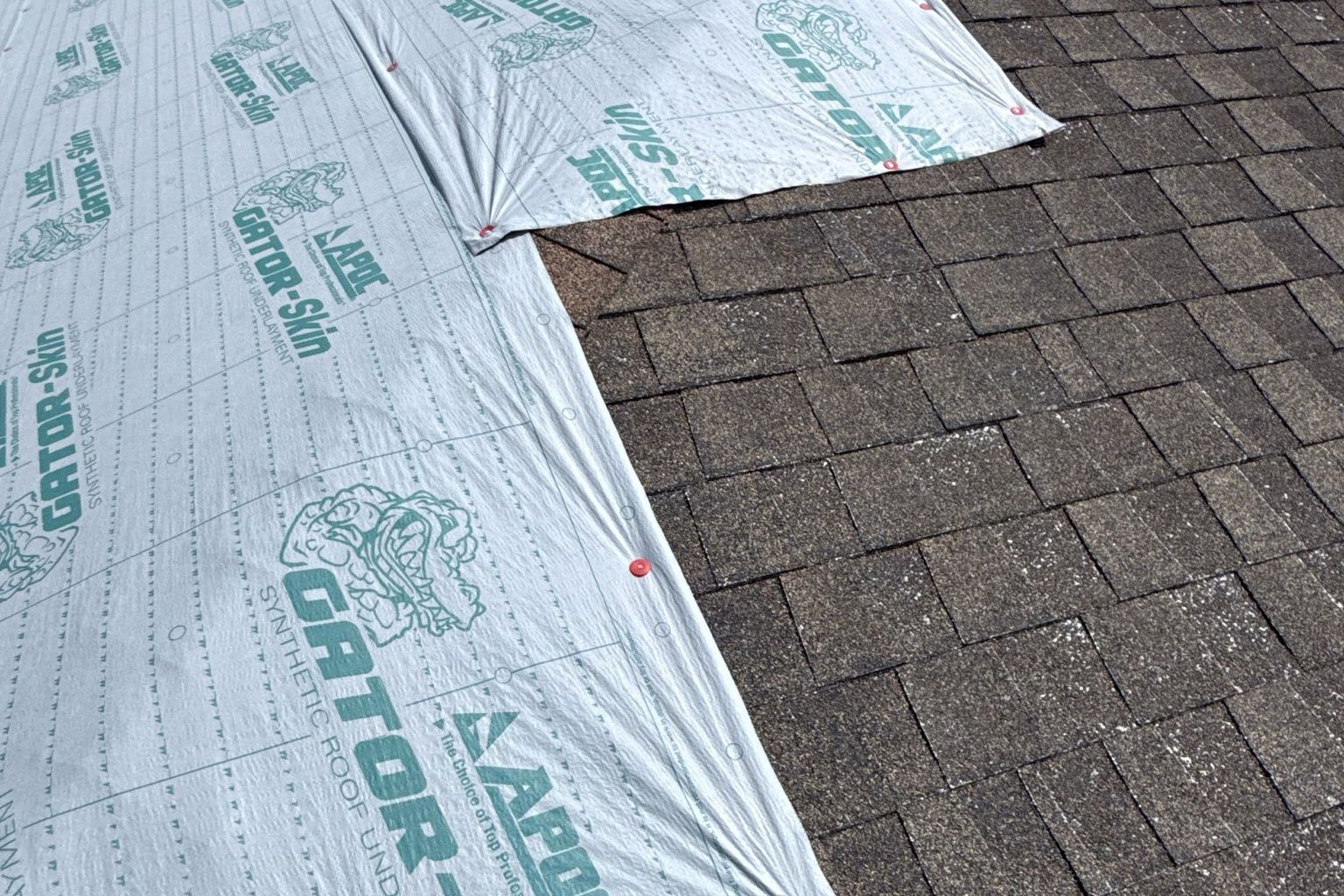
Claim Closed Without Payment? How to Reopen It
Why insurers close property claims without paying, and how reopened and supplemental claims work in Florida and New Jersey, including the deadlines.
By Nelson Avila
What Is a Public Adjuster and How to Choose One in Florida or New Jersey
A public adjuster is a state-licensed professional who represents the policyholder, not the insurer. What they do, what they cost, and how to choose and verify one in Florida and New Jersey.
By Nelson Avila
Is a Public Adjuster Worth It? What a Florida Study Found
What Florida’s legislative research office found about claim payments with and without a public adjuster, and why proving the claim is the policyholder’s job.
By Nelson Avila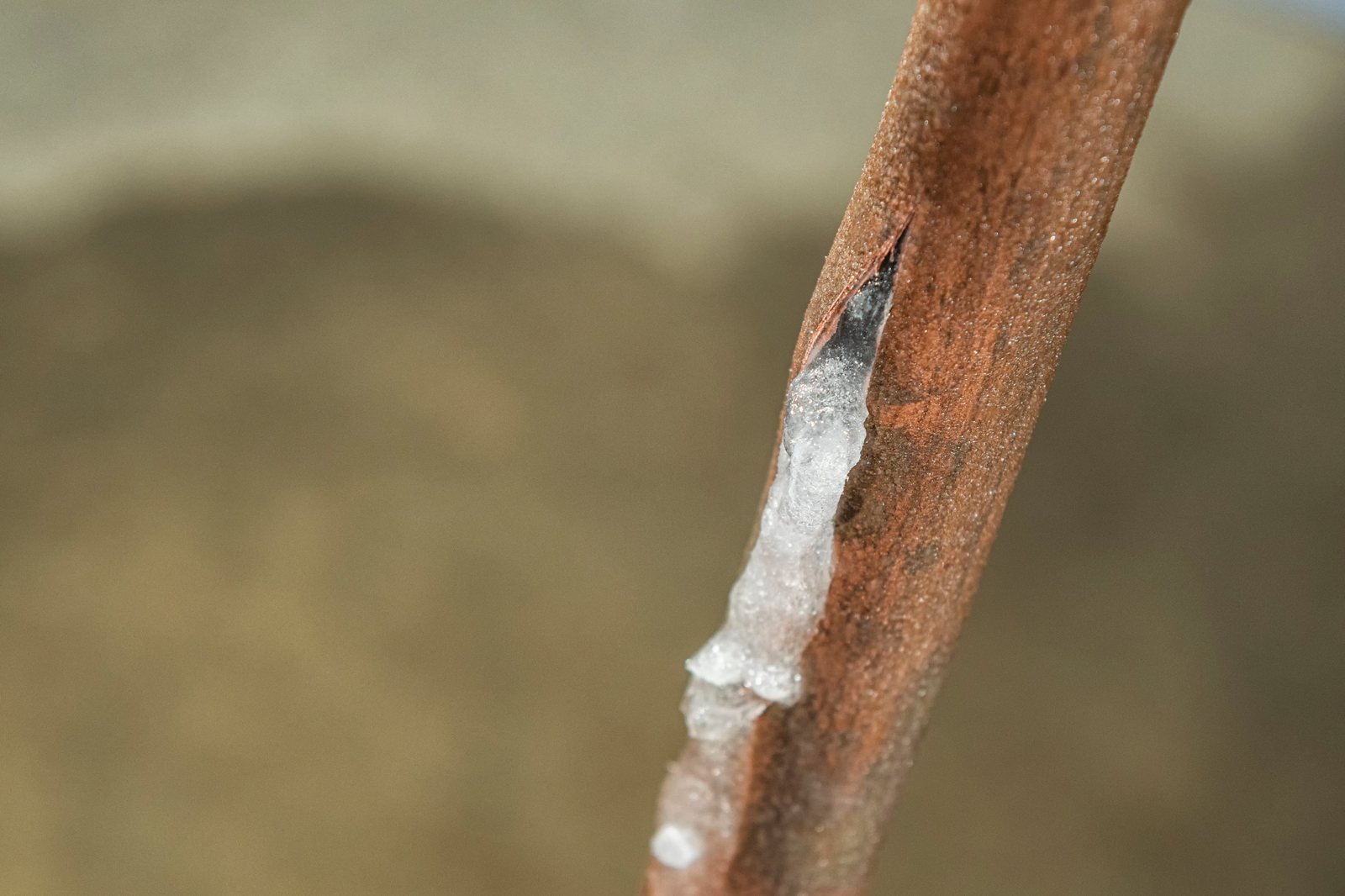
Does Homeowners Insurance Cover Burst Pipes?
Most homeowners policies cover sudden, accidental water damage from a burst pipe, but a pipe that froze is covered only if you took reasonable care. What to check in Florida and New Jersey.
By Nelson AvilaLegal
Florida's 2022–2023 Law Changes Make Hiring a Public Adjuster More Important Than Ever
Florida eliminated one-way attorney (lawyer) fees on property insurance lawsuits. Here's why getting your claim right from the start now matters more than ever.
By Nelson Avila
Insurance Denied or Lowballed Your Claim? Every Option, Compared
Denied or lowballed? Call Homeland first: how a licensed public adjuster fights the claim, and how appraisal and DFS mediation fit in Florida and New Jersey.
By Nelson Avila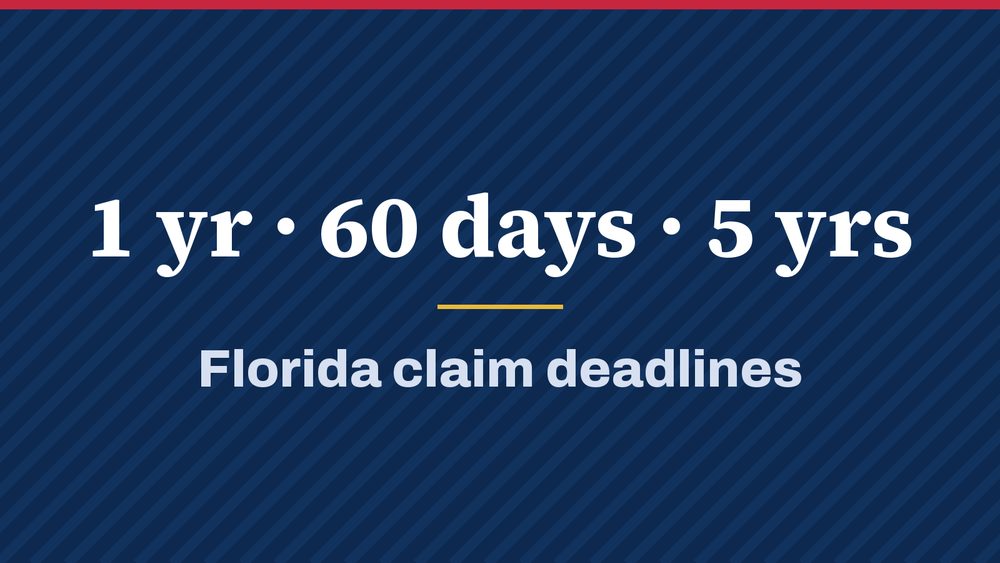
Florida and New Jersey Property Claim Deadlines, All in One Place
Every key property insurance deadline in Florida and New Jersey on one page: reporting a claim, insurer response times, reopening, and the time to sue, with sources.
By Nelson AvilaPolicy Trends
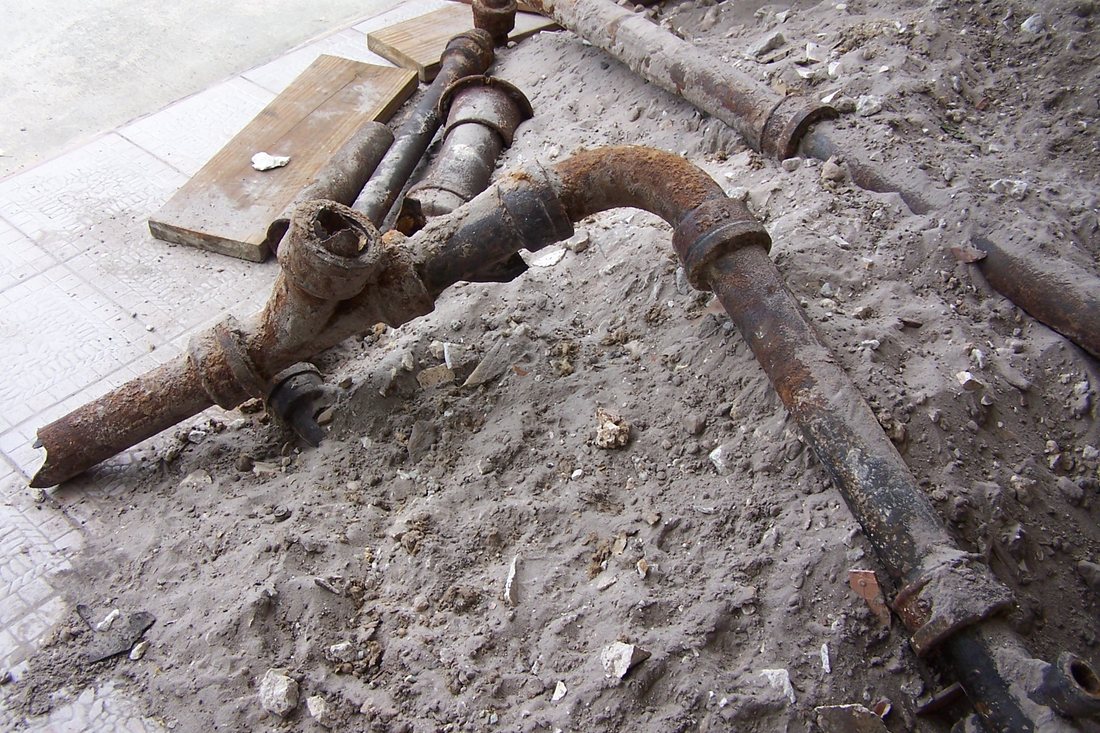
Florida's $10,000 Water Damage Sublimit: What It Means for Your Claim
A growing number of insurers cap non-weather water damage at $10,000, and a restoration company's own emergency work can use up that cap before repairs even begin.
By Nelson Avila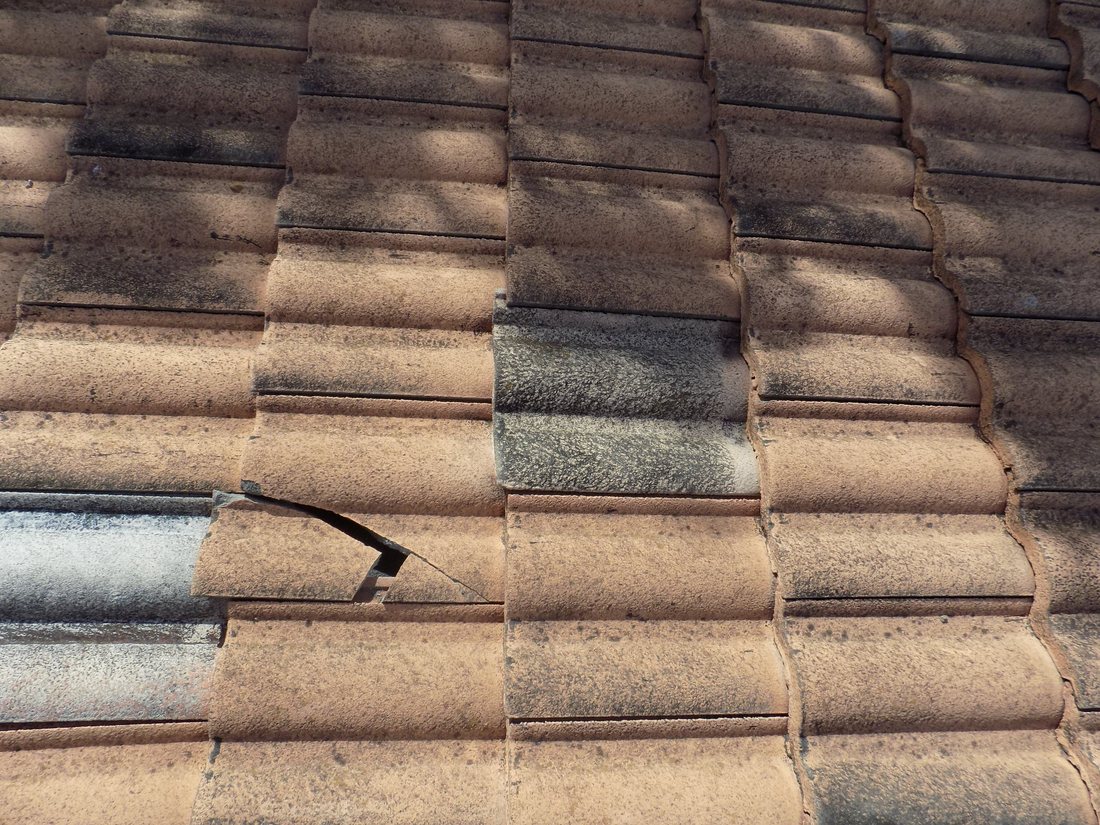
Florida's Matching Law and the New 1% Payout Cap
Florida law requires repairs to reasonably match your home, but a new wave of endorsements caps what insurers pay for that matching at just 1% of your dwelling coverage.
By Nelson Avila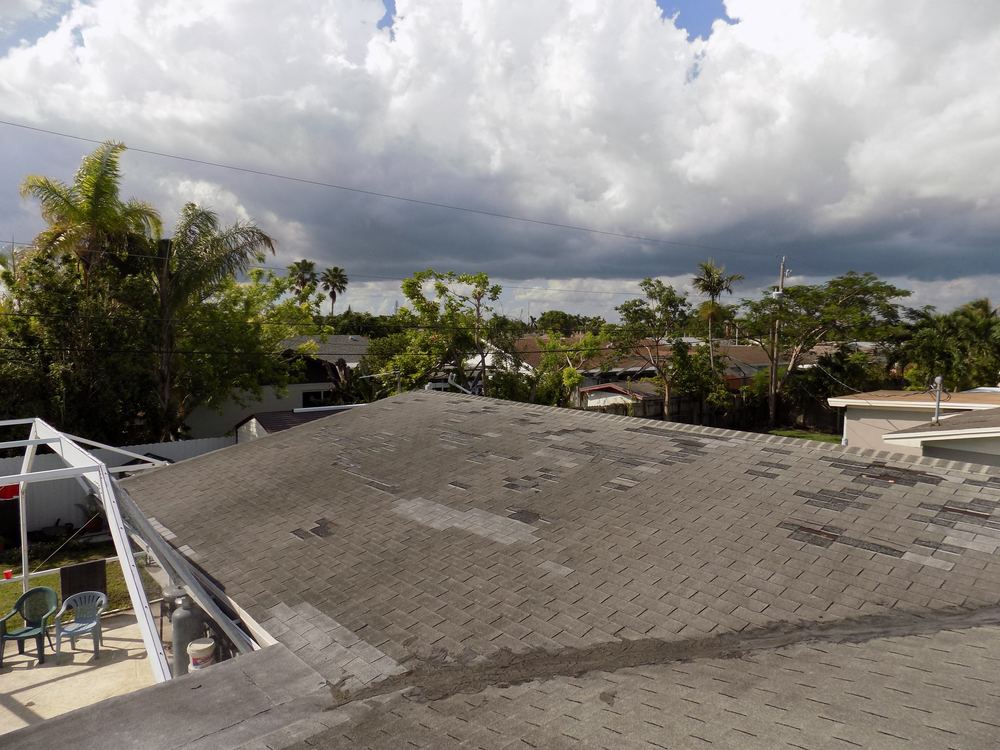
Florida's Roof Repair Rules Changed: Why a Full Replacement Isn't Automatic Anymore
A 2022 building-code change made it easier for insurers to approve a partial roof repair instead of a full replacement.
By Nelson Avila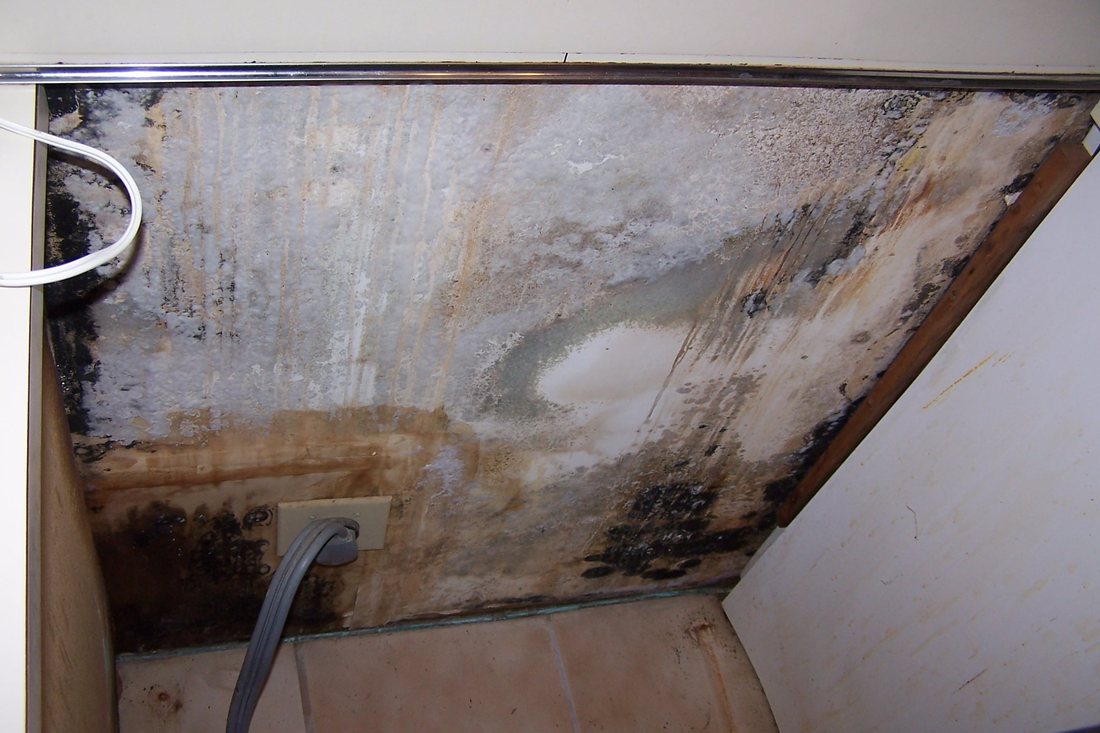
How Mold Coverage Actually Works Under a Florida Homeowners Policy
Most homeowners don't realize mold coverage depends on whether the water loss that caused it was itself covered, and that it's usually capped separately even when it is.
By Nelson Avila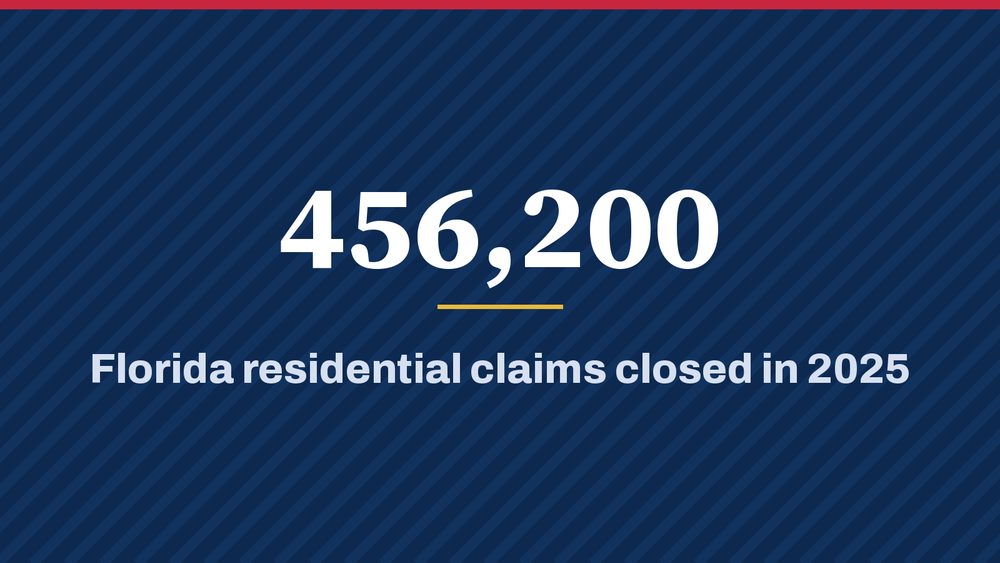
Florida Property Insurance Claims by the Numbers: What the State’s 2026 Report Shows
456,200 Florida property claims closed in 2025, 12% litigated, a median of 30 days to close, and the average homeowners premium in all 67 counties, from OIR's July 2026 Property Insurance Stability Report.
By Nelson Avila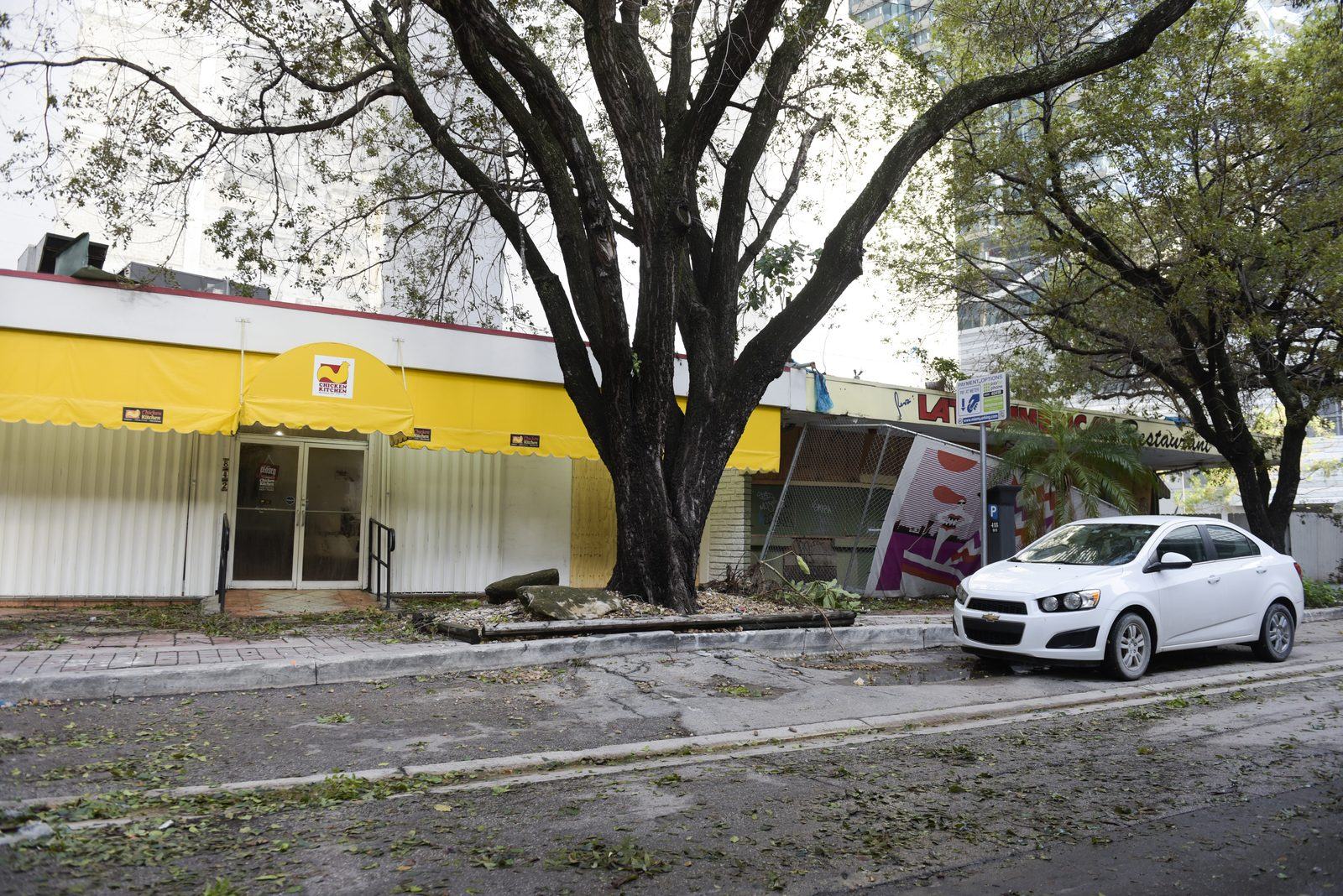
Lloyd’s of London Policies in Florida and New Jersey: How They Work and How to Handle a Claim
Lloyd’s is Florida’s largest surplus lines insurer. What a Lloyd’s policy is, what the law requires it to say, who handles your claim, and what FIGA does not cover.
By Nelson Avila
My Insurance Company Went Insolvent: How FIGA Claims Work in Florida
Eight Florida property insurers have failed since 2021. How the Florida Insurance Guaranty Association pays claims, its limits, UPC vs Universal, and what FIGA doesn’t cover.
By Nelson Avila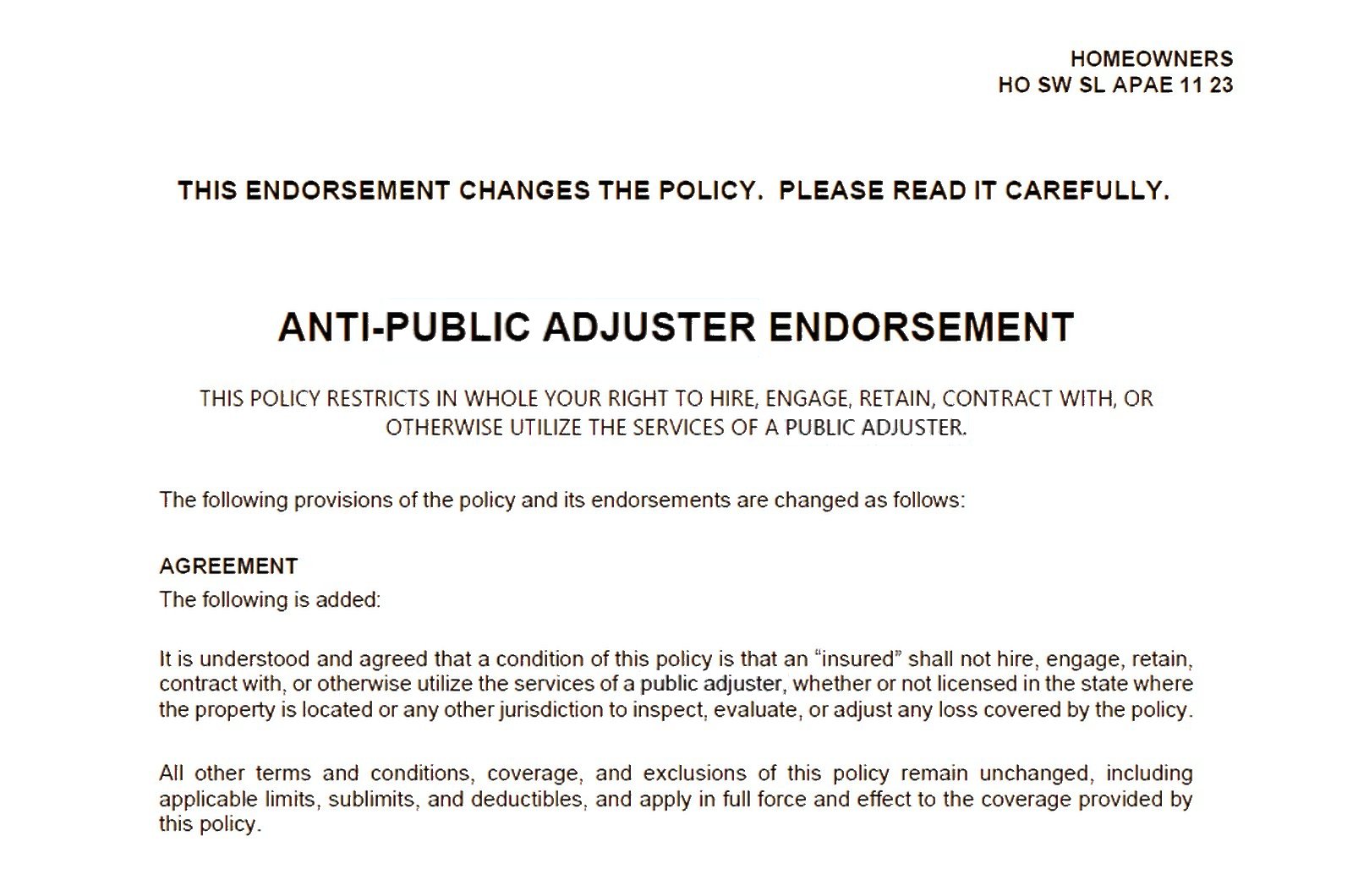
Florida Attorney General Investigates “Anti-Public Adjuster” Policy Endorsements
Some policies now bar you from hiring a public adjuster. What the endorsement says, the subpoena and the lawsuit, and what to check on your declarations page.
By Nelson Avila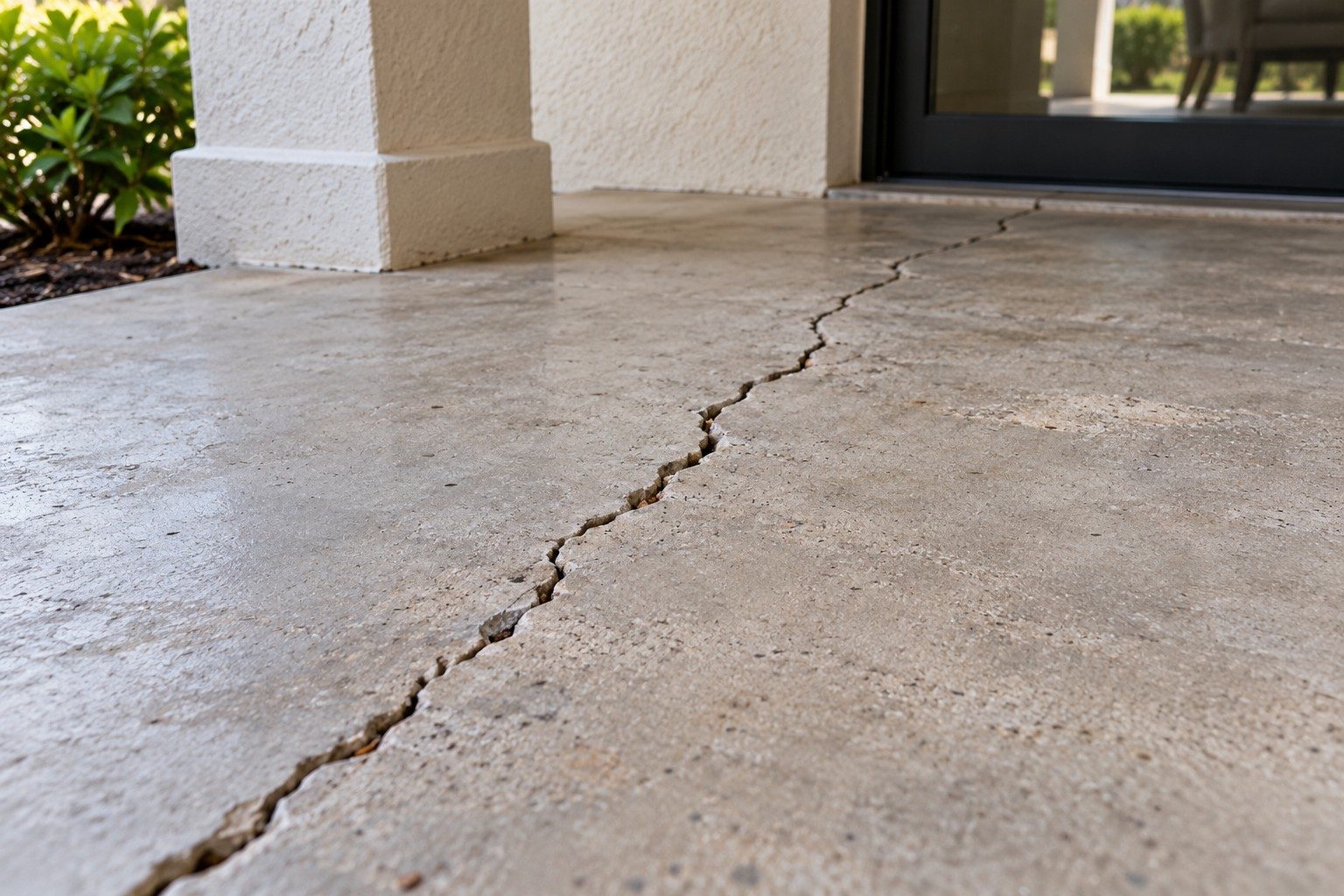
Warning Signs of a Sinkhole in Your Yard, and What Florida Insurance Covers
The warning signs of a sinkhole on your property, what to do first, and the difference between catastrophic ground cover collapse and optional sinkhole coverage under Florida law.
By Nelson AvilaFire Claims
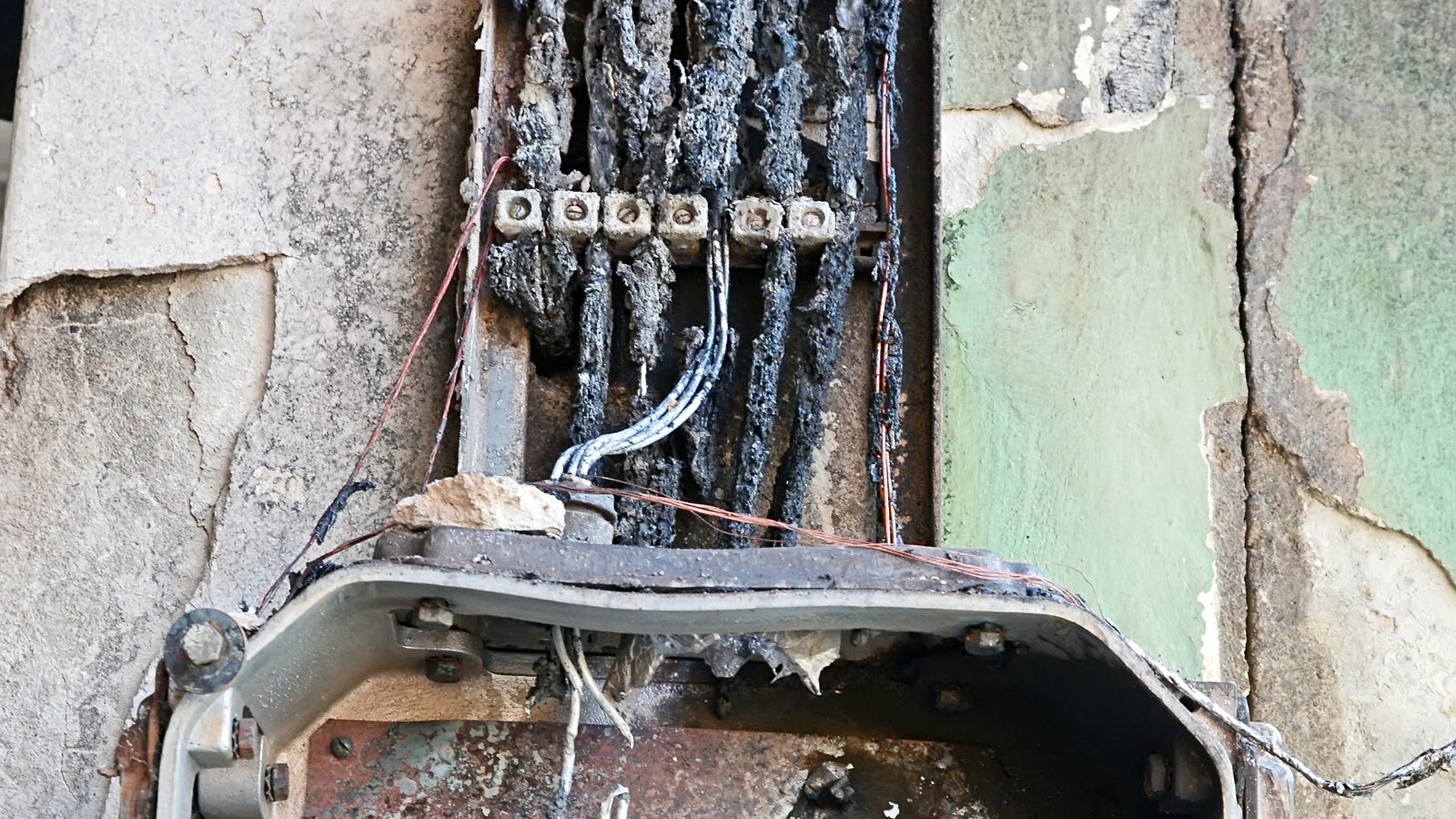
Electrical Fire Insurance Claims: Panels, Wiring and the “Faulty Workmanship” Argument
An electrical fire is covered even when bad wiring or a defective panel started it. The faulty-workmanship argument, what the claim includes, and what to keep.
By Nelson Avila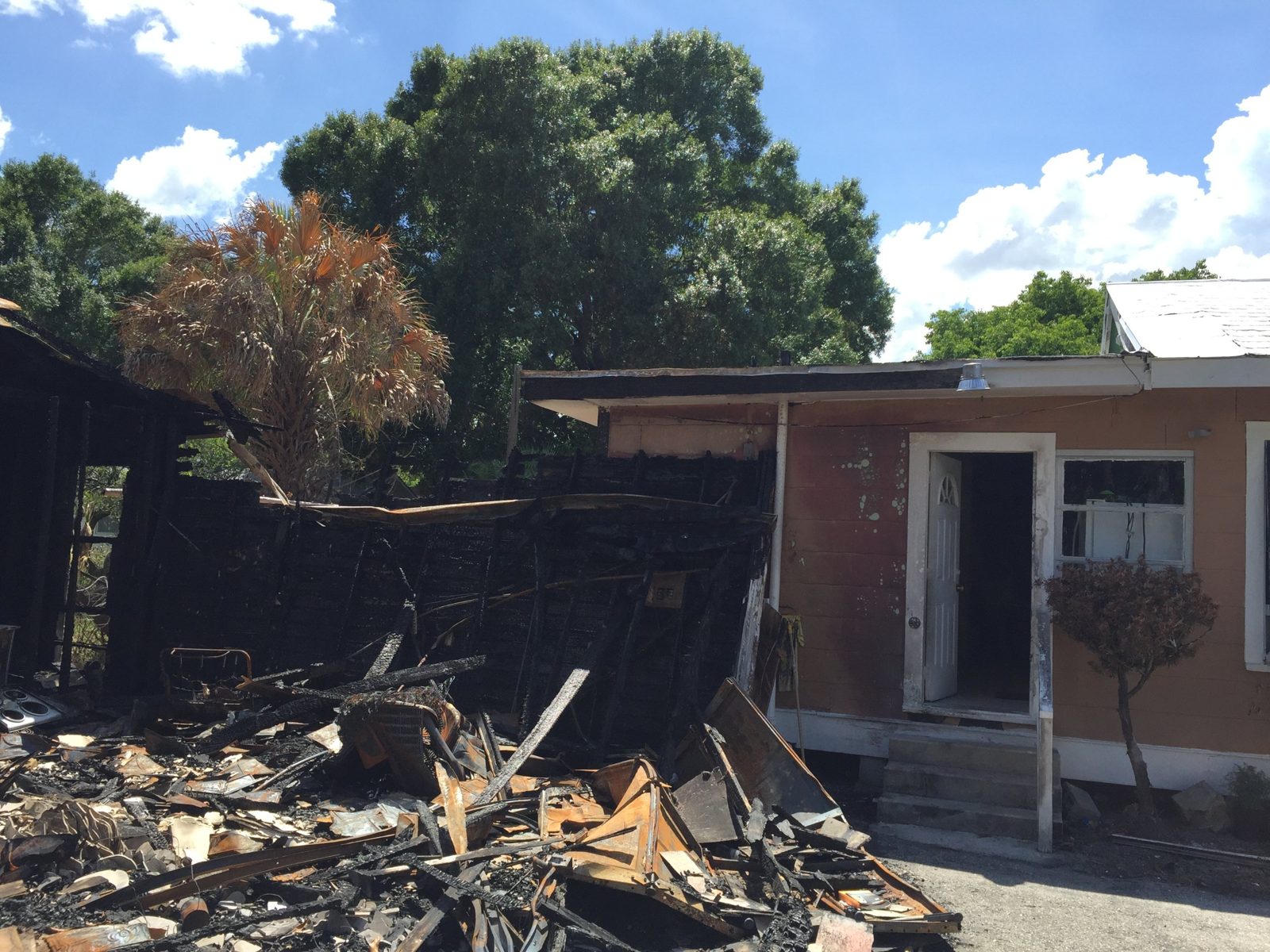
Lithium Battery Fires: E-Bike, Scooter, Golf Cart and EV Fire Insurance Claims
An e-bike, scooter, golf cart or EV battery fire is a covered fire loss, usually a total one. Which policy pays for what, and what carriers argue.
By Nelson Avila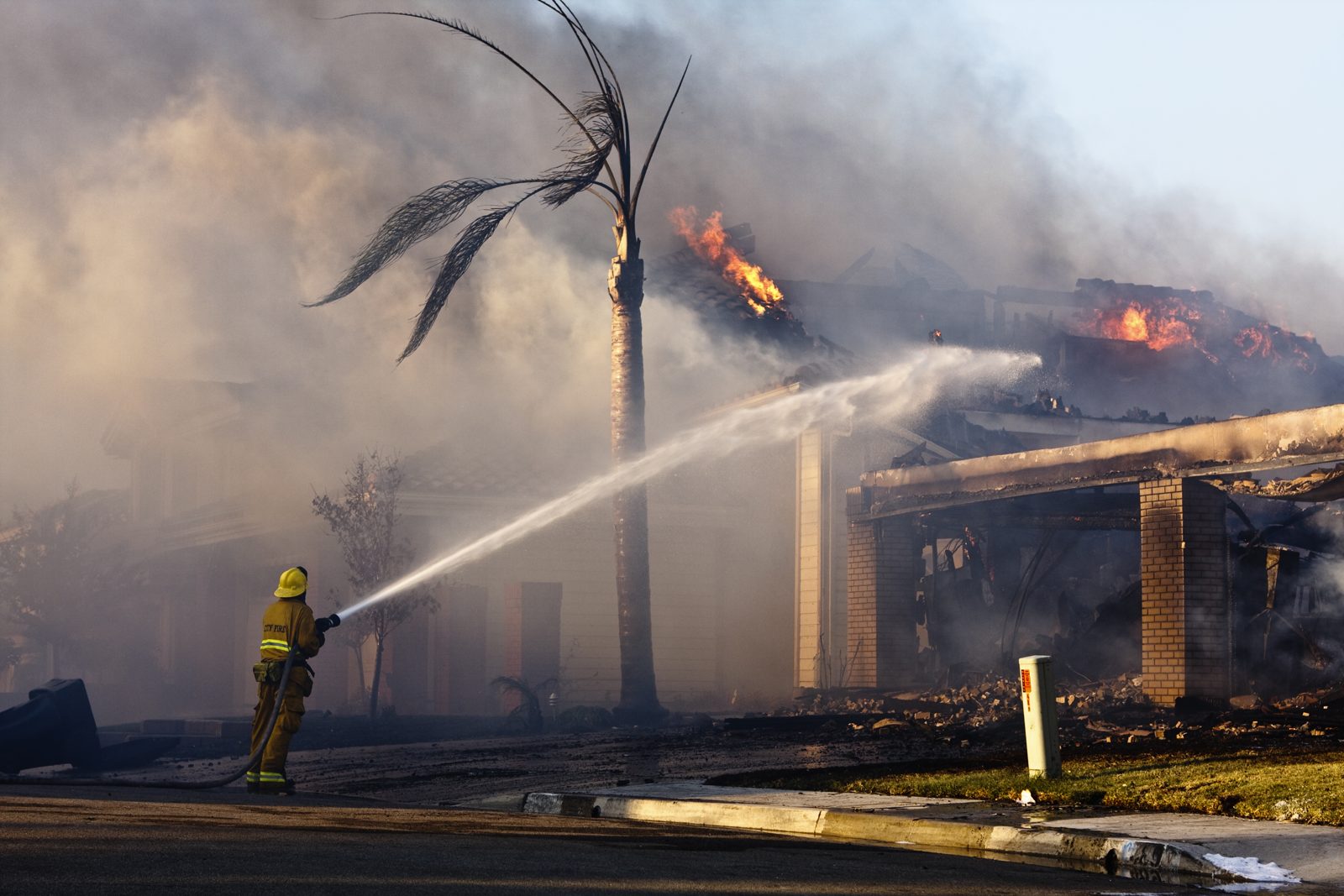
Space Heater Fire Insurance Claims: Covered, and Why the Scope Is the Fight
A space heater fire is covered for homeowners and renters. Who pays for the building and the belongings in a rental, and why a full smoke damage scope matters most.
By Nelson Avila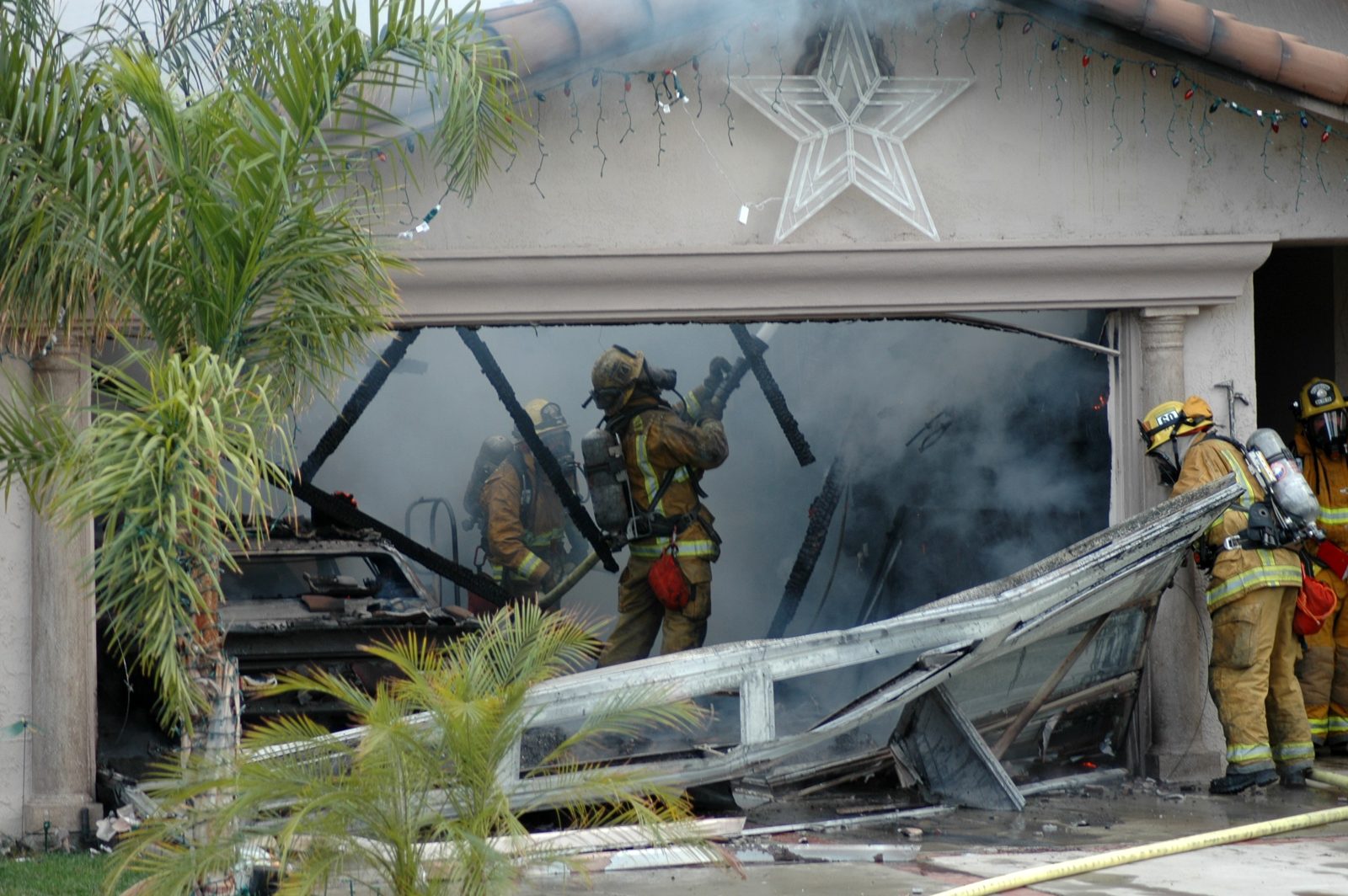
Car, Boat or Golf Cart Fire in the Garage: Two Policies, One Burned House
A car, boat or golf cart fire in the garage is an auto claim for the vehicle and a property claim for the house. How the two policies split the loss.
By Nelson Avila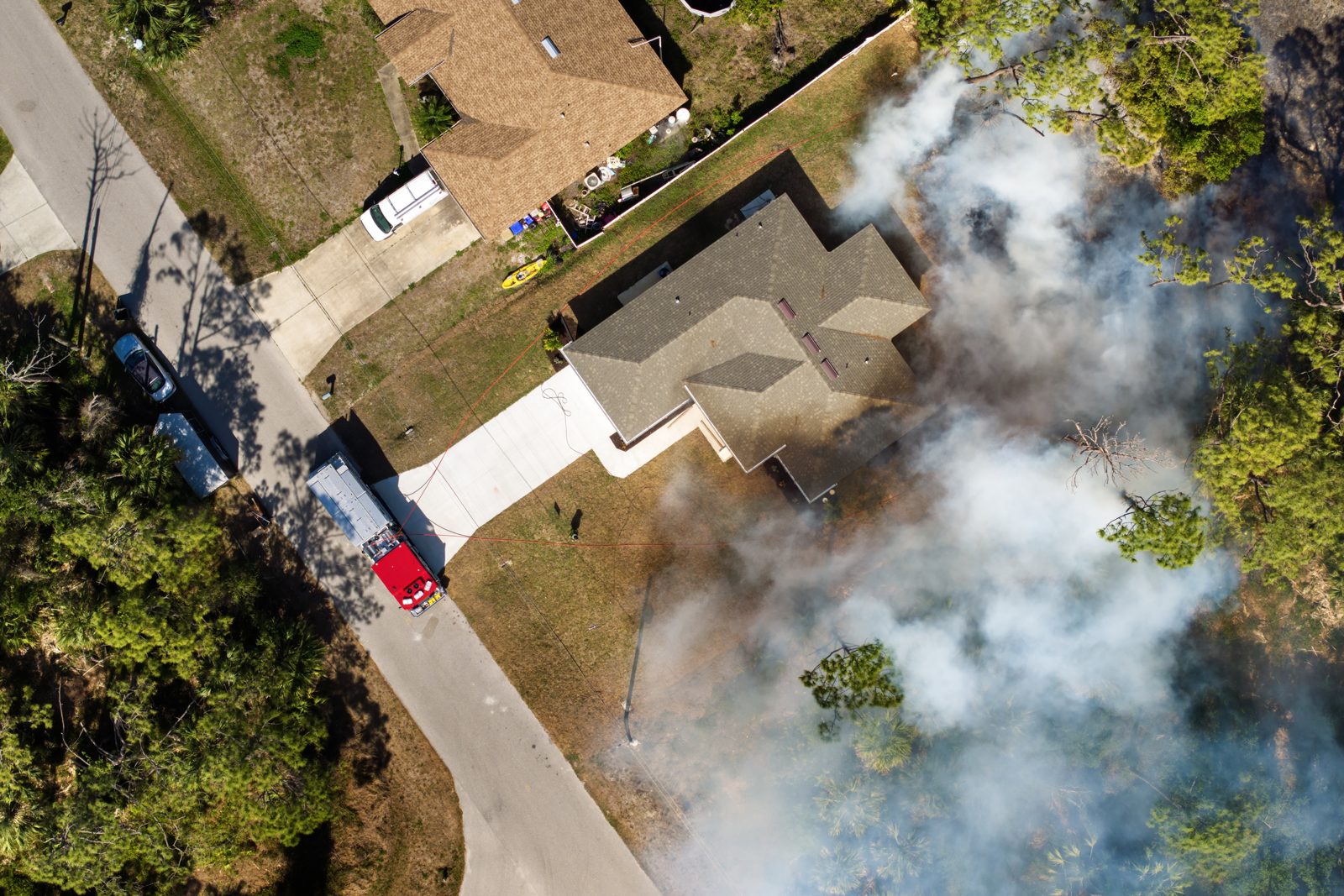
Brush Fire and Wildfire Smoke Damage Claims in Florida and New Jersey
Brush fire and wildfire claims in Florida and New Jersey: fire is covered, and so are smoke, soot and ash from a fire that never reached the house.
By Nelson Avila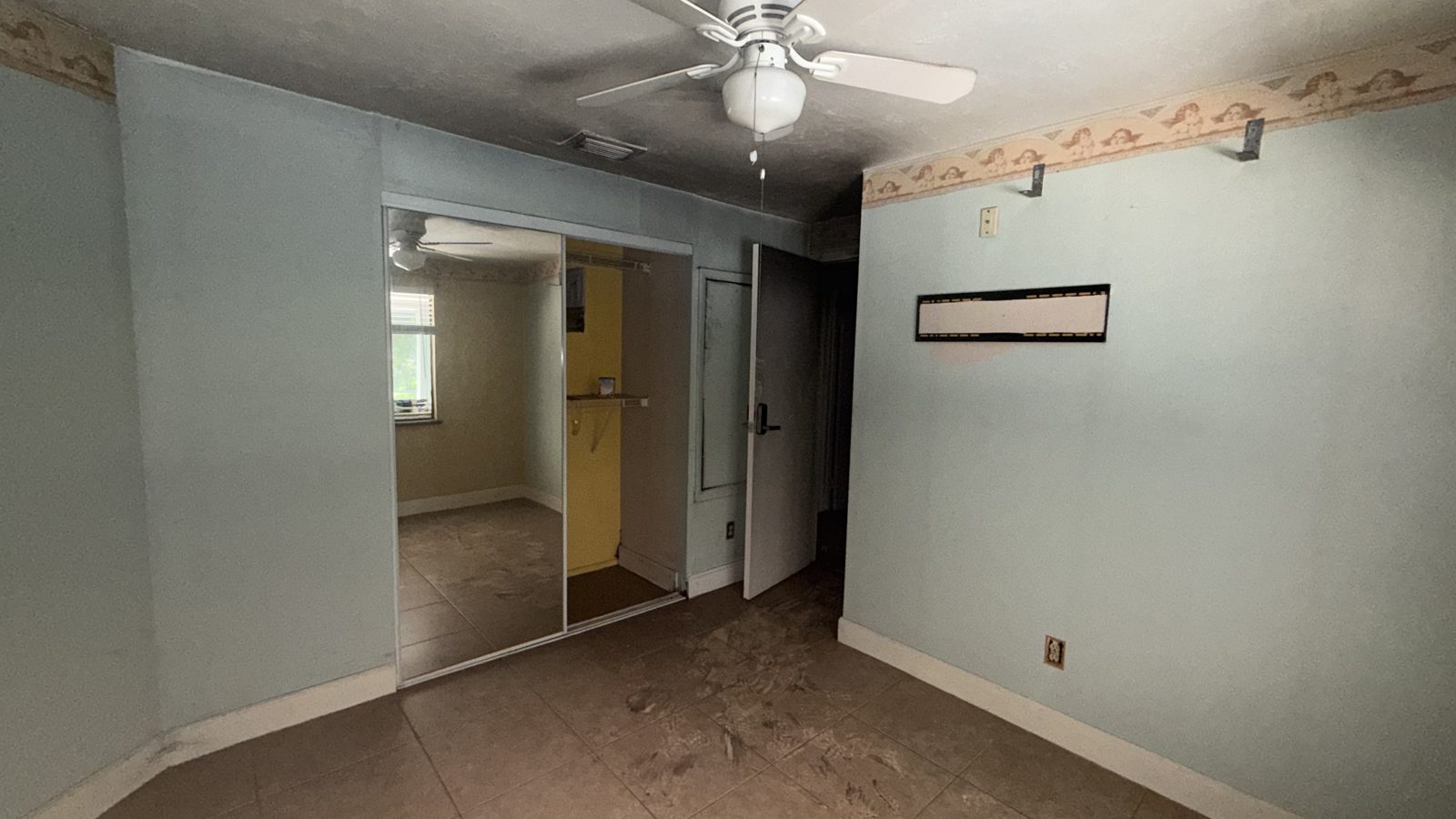
Arson and Tenant-Set Fires: Is an Intentional Fire Covered?
An intentional fire is covered unless an insured set it. The exclusion, arson investigations, examinations under oath, and the landlord's tenant-fire claim.
By Nelson Avila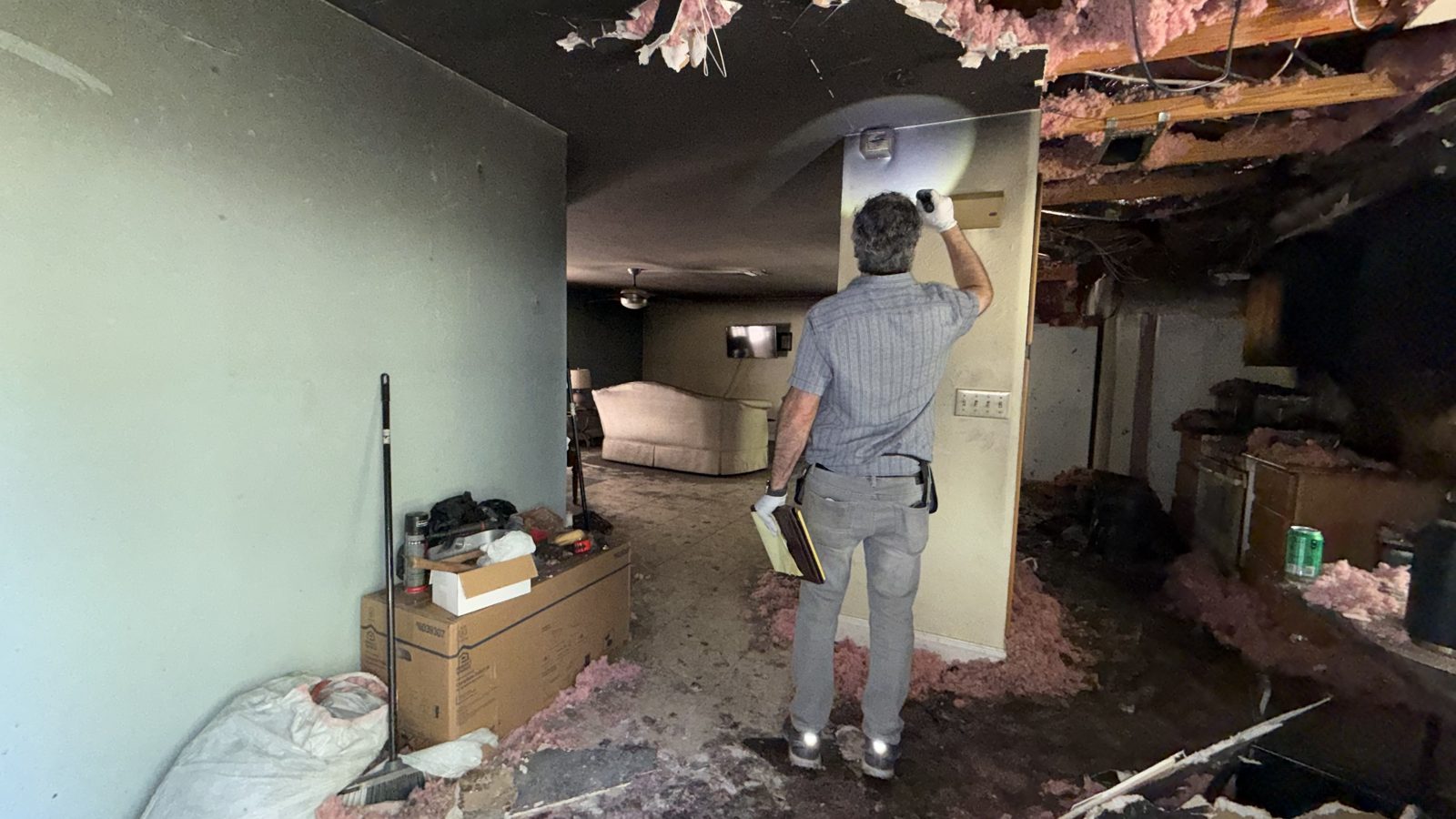
What to Do After a House Fire: The First 72 Hours and the Insurance Claim
The first 72 hours after a house fire in Florida or New Jersey: the fire report, loss of use, what not to throw away, the inventory, and who to call first.
By Nelson Avila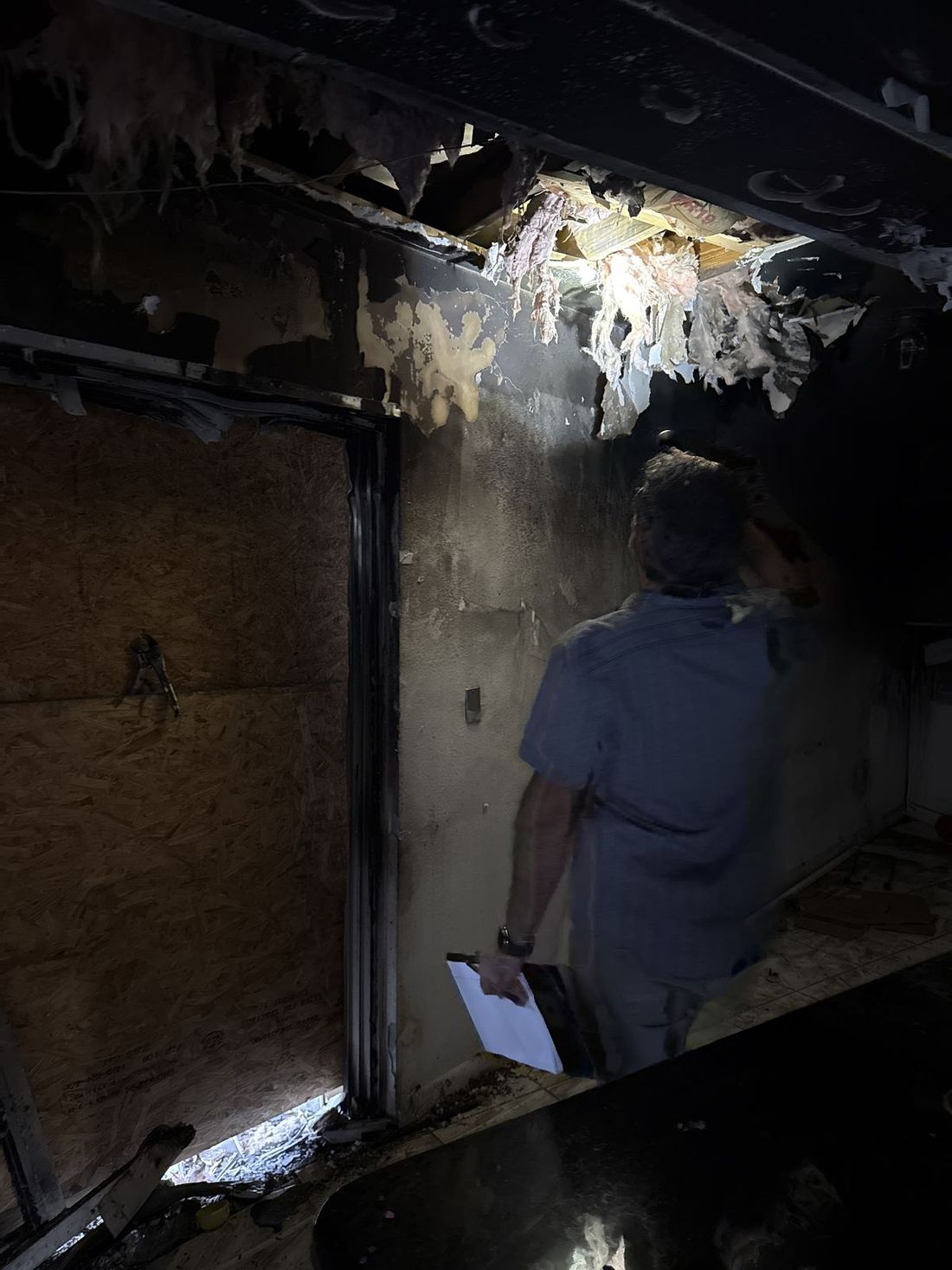
What Does a Fire Adjuster Do? The Carrier’s Adjuster, the Public Adjuster and the Fire Investigator
The carrier's fire adjuster, the origin-and-cause investigator and the public adjuster: what each does after a house fire, who they work for, and what it costs.
By Nelson AvilaSudden Damage
Lightning Strike and Power Surge Insurance Claims: A/C, Panels and Electronics
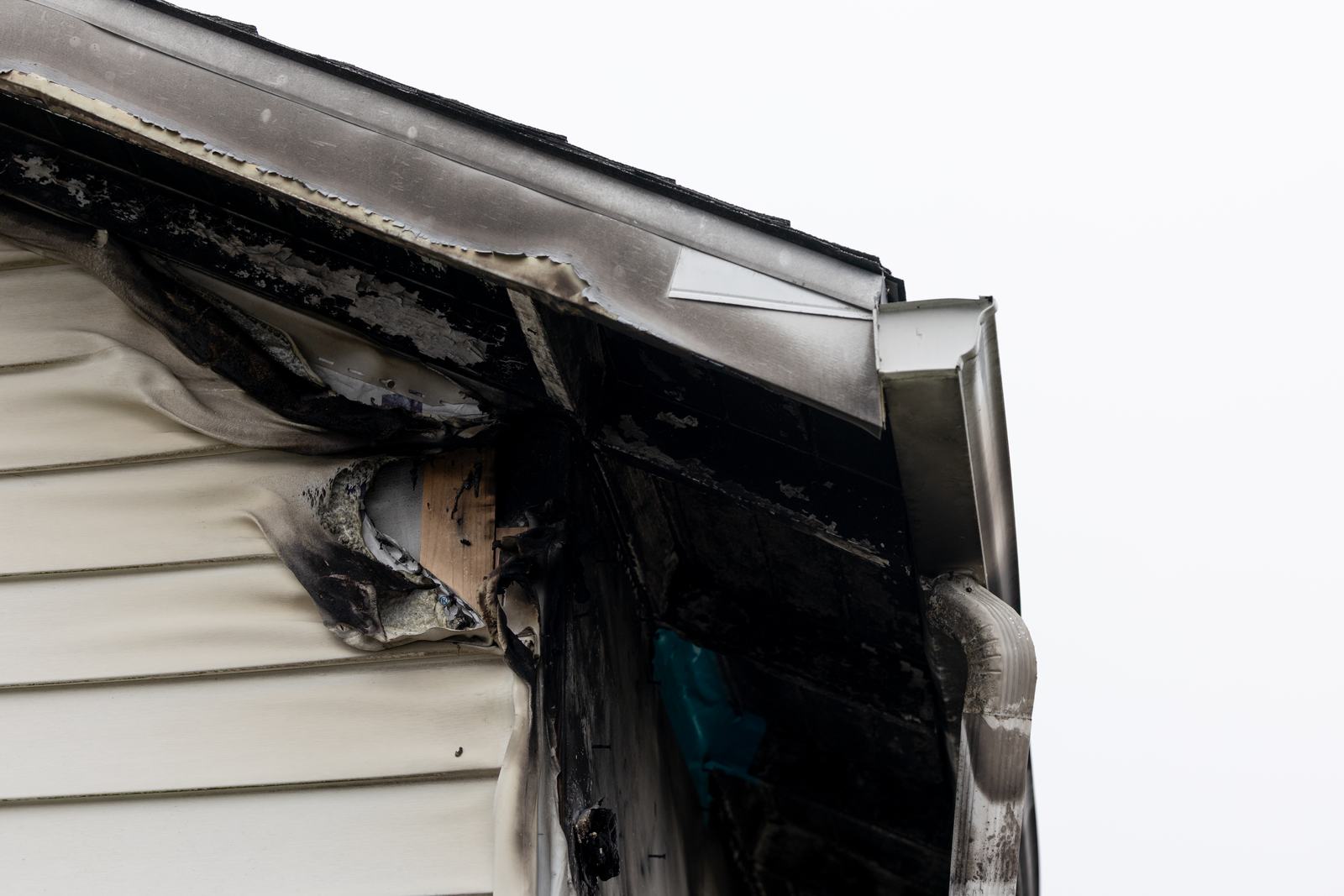
Lightning is a named peril on nearly every policy, and Florida leads the nation in lightning claims. What a strike or surge claim covers, and the proof that wins.
By Nelson Avila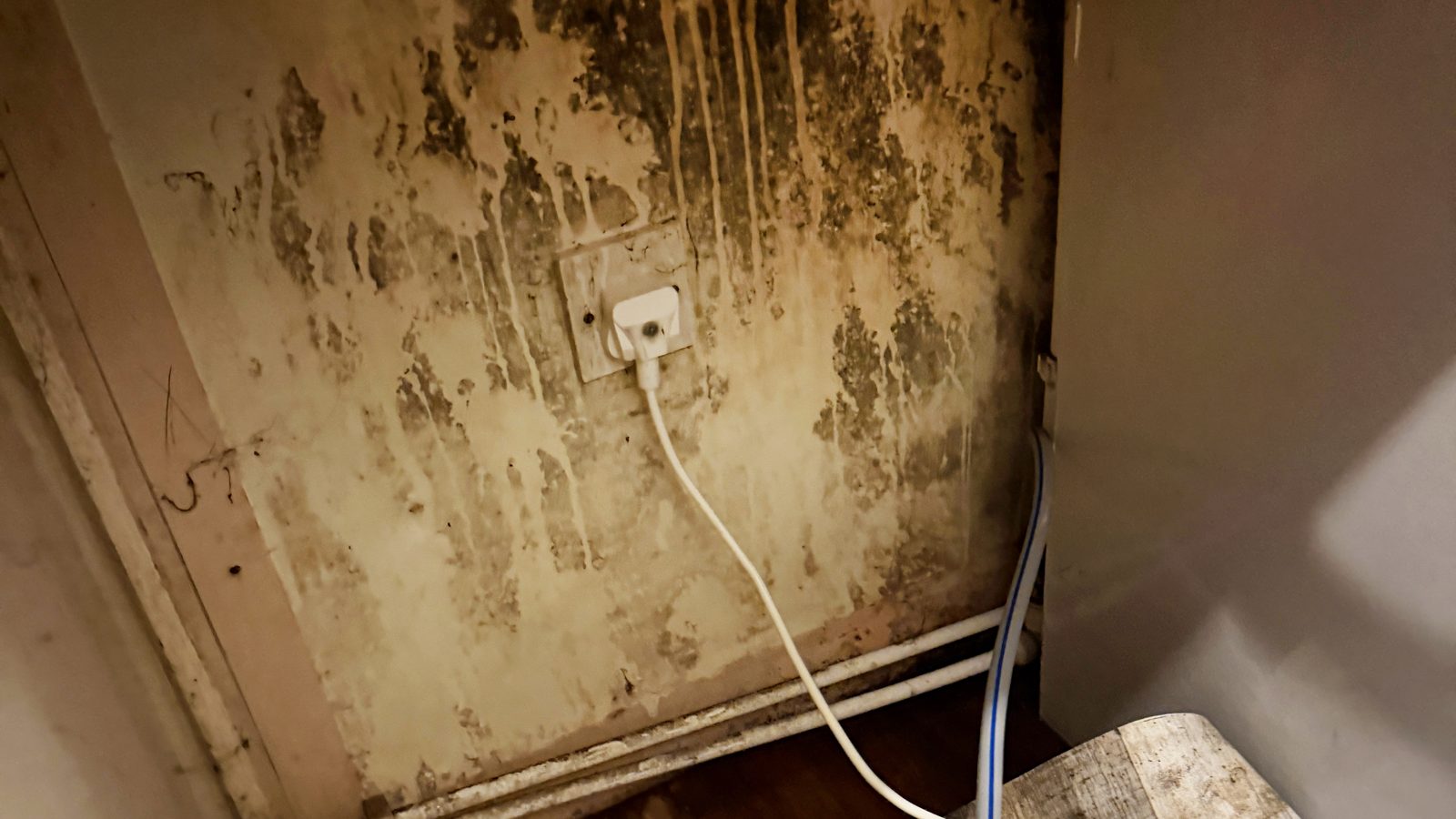
Dishwasher, Washing Machine, A/C Line, Toilet or Refrigerator Leak: What Homeowners Insurance Covers
Sudden appliance leaks are covered; slow ones are not, and the appliance itself usually isn't. Dishwashers, washer hoses, A/C lines, toilets and icemakers explained.
By Nelson Avila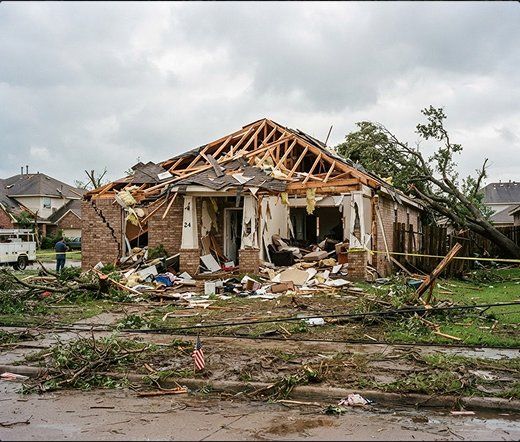
Roof Collapse and Structural Collapse Insurance Claims: What “Collapse” Coverage Pays
Collapse coverage pays for an abrupt falling down from hidden decay, insect damage, weight of snow or contents, not for sagging or cracking. FL and NJ inspection laws.
By Nelson Avila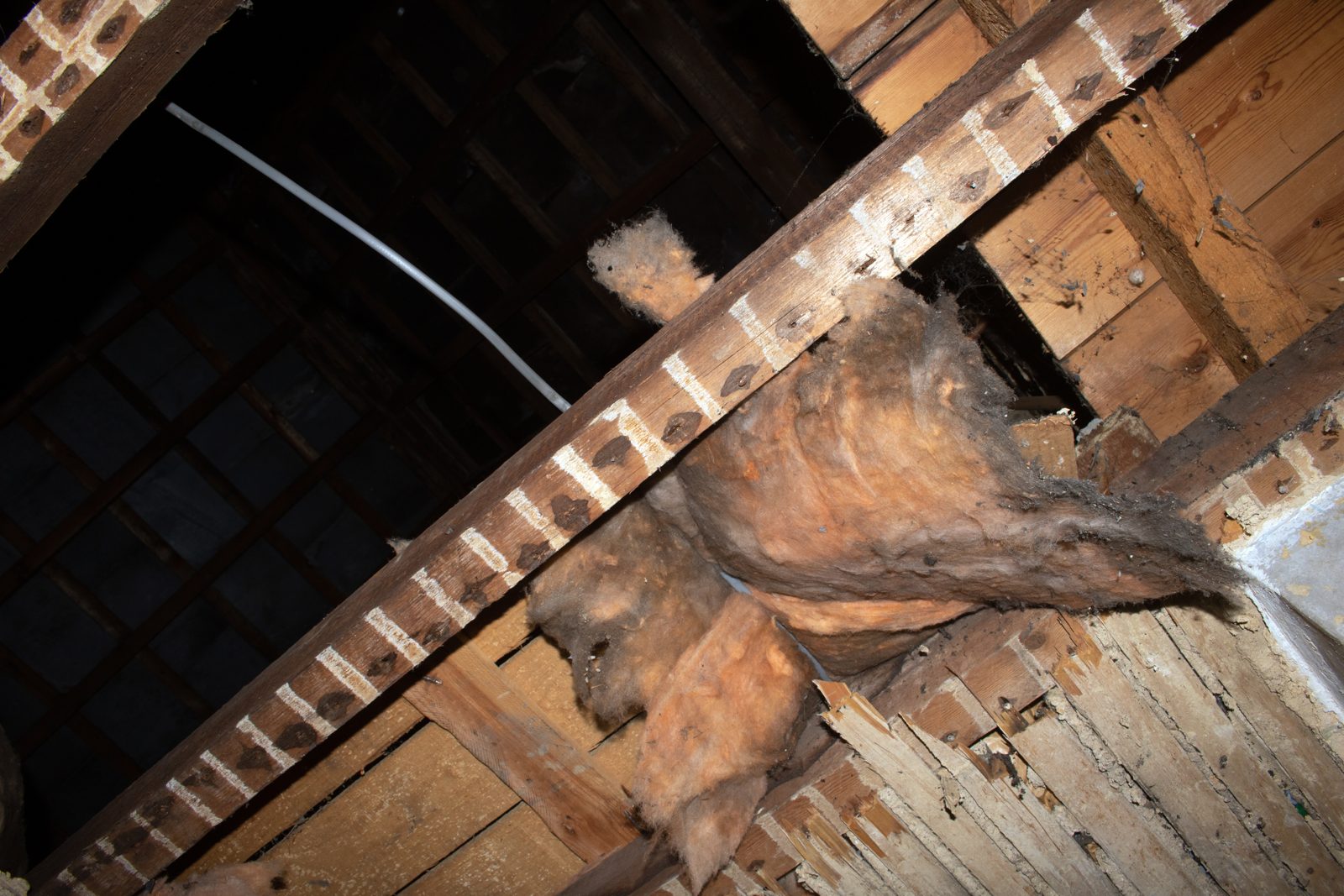
Does Homeowners Insurance Cover Animal Damage? Rodents, Raccoons, Bears, Deer and Iguanas
Rodent, bird, insect and vermin damage is excluded; deer and bear damage is generally covered; the fire or water that follows chewed wiring usually is. FL and NJ specifics.
By Nelson Avila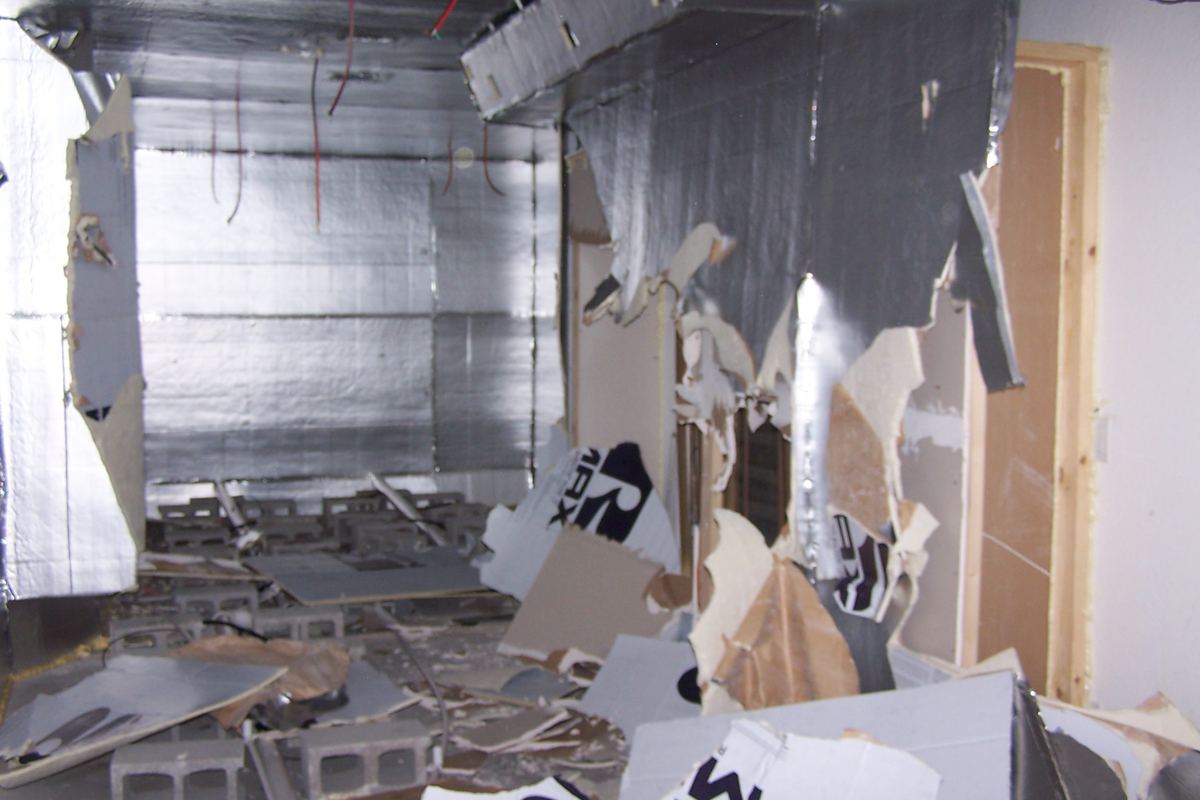
Vandalism and Tenant Damage Insurance Claims: What’s Covered, What’s “Intentional”
Vandalism is covered unless the property sat vacant 60 days; the intentional-loss exclusion applies to the insured, not a tenant. Tenant damage, deposits and copper theft.
By Nelson Avila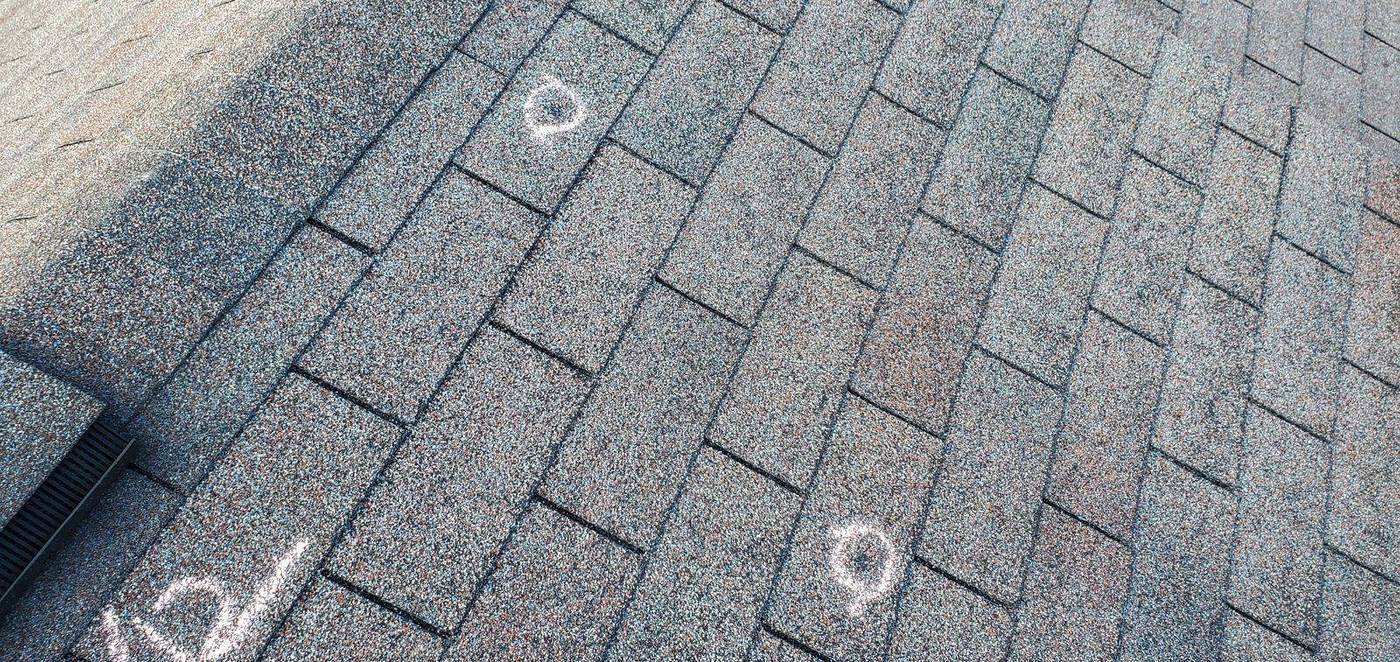
Hail Damage Insurance Claims: Roof, Siding and the “Cosmetic Damage” Argument
Hail is covered under windstorm or hail. What decides your payment: cosmetic-damage endorsements, matching and roof deductibles, and how to document each one. How hail damage is tested, FL and NJ rules.
By Nelson AvilaHomeowners
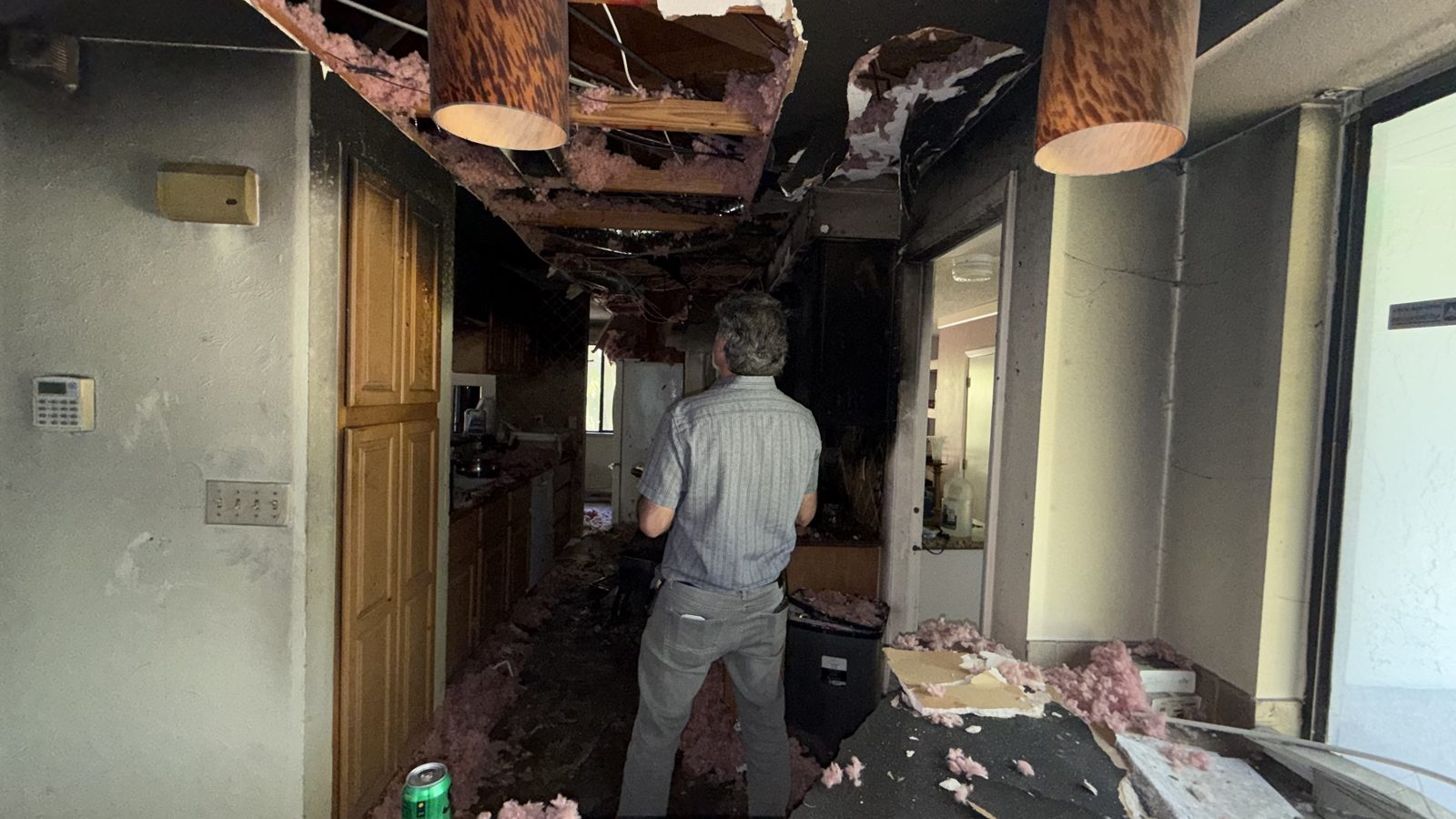
Surprising Things Your Homeowners Policy Might Actually Cover
An animal getting into the attic, a tree limb or other debris striking the house, a neighbor’s fire spreading to your property, even a vehicle or aircraft hitting your home: homeowners often assume these are on them. Many are handled the same way as other sudden, accidental damage.
By Nelson Avila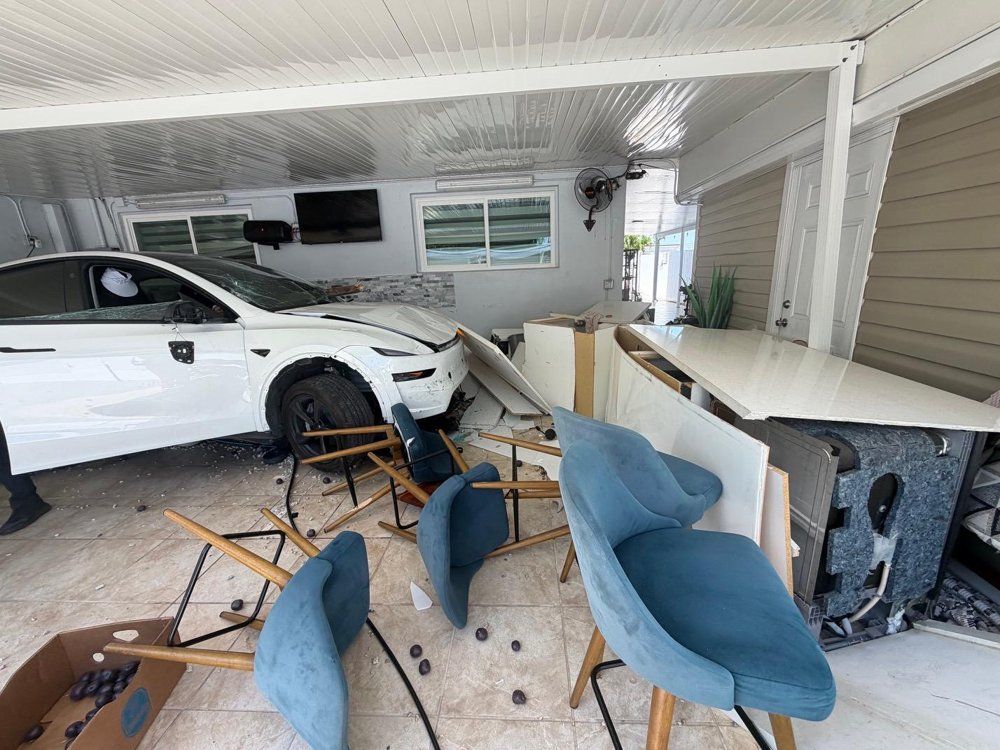
What to Do in the First 24 Hours After Property Damage
The first hours matter. Make the area safe, protect your property from further damage, document what you see, and call Homeland before you speak with the insurance company. Here is a clear checklist for what comes next.
By Nelson AvilaCondo Unit Owners
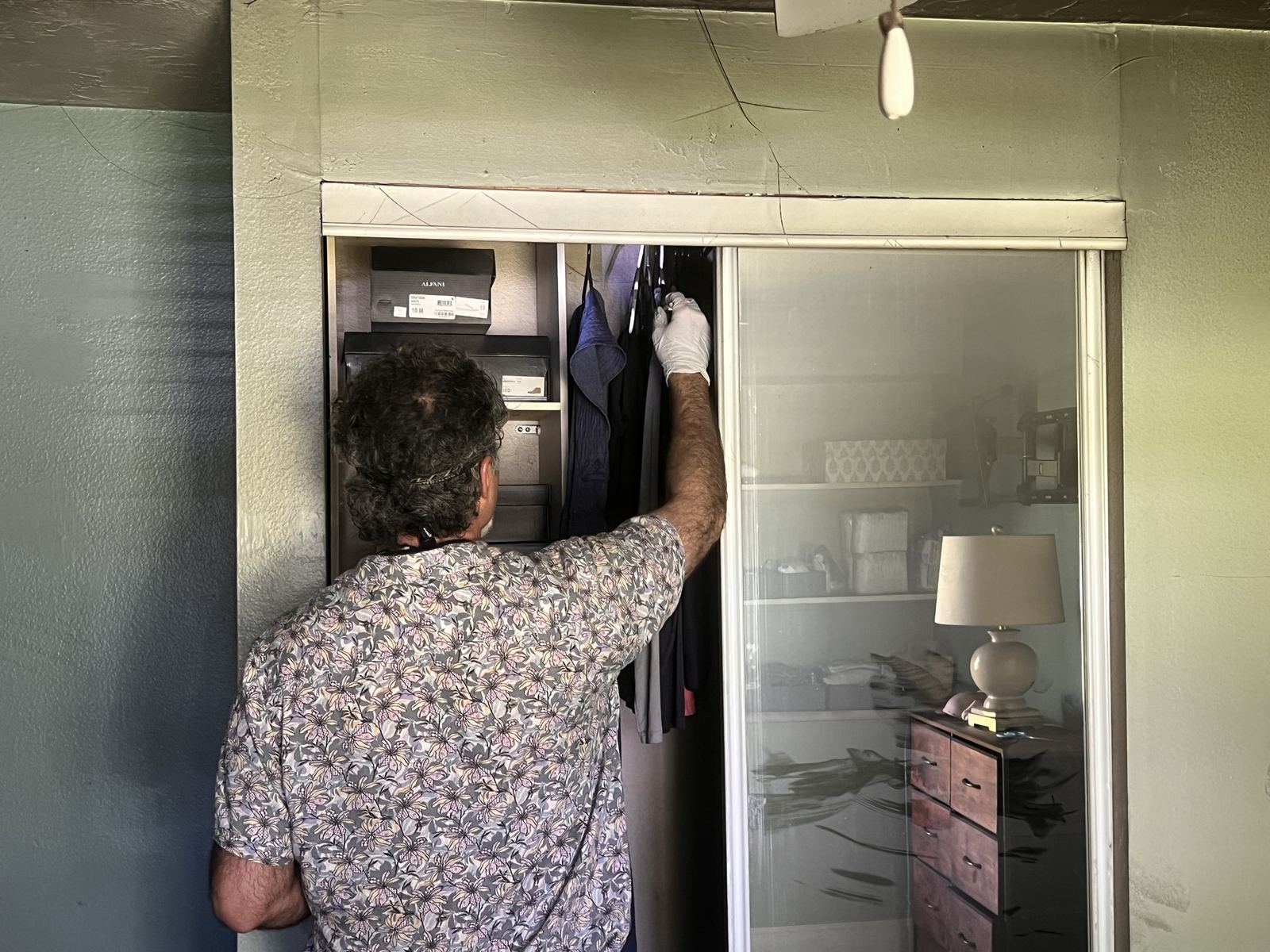
When a Neighbor’s Unit Catches Fire
Smoke and water damage from a fire that started in someone else’s unit is one of the most common multi-unit losses, and one of the most confusing to sort out between your policy, the association’s, and your neighbor’s.
By Nelson Avila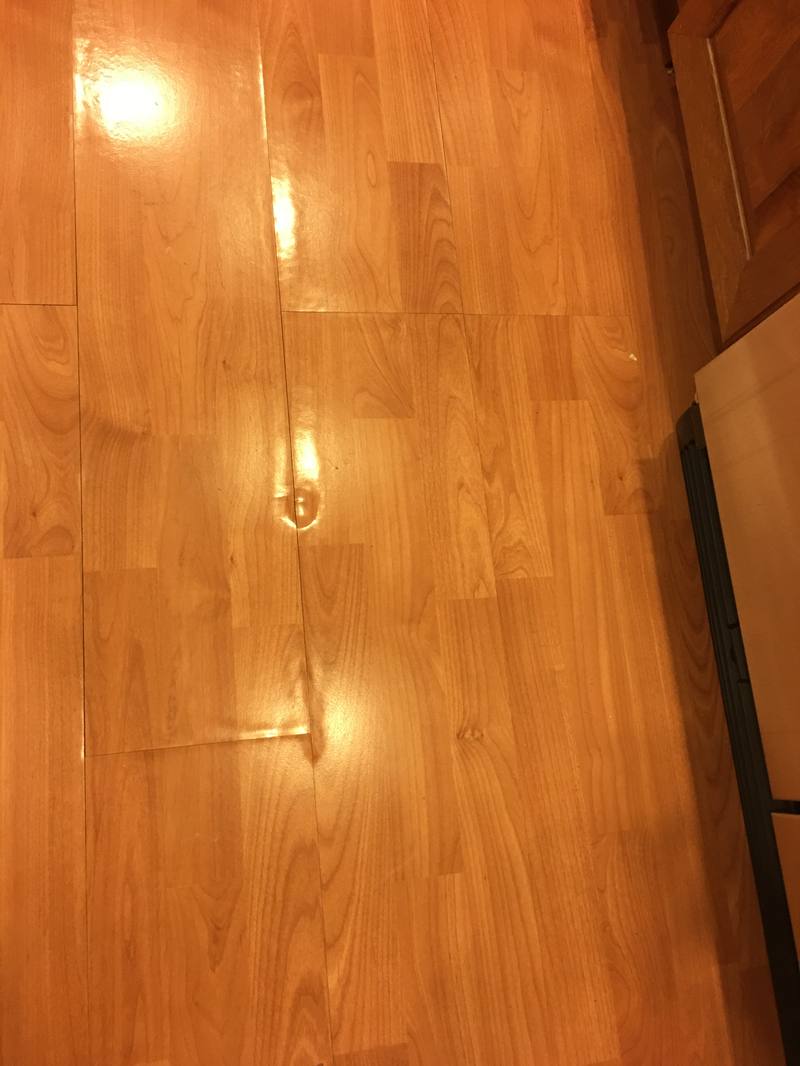
Buckled Tile, Warped Laminate: When Flooring Damage Is a Claim
Flooring that suddenly buckles or a laminate floor damaged by a leak can be a covered loss, but the cause matters. What separates a covered flooring claim from one insurers treat as gradual wear.
By Nelson Avila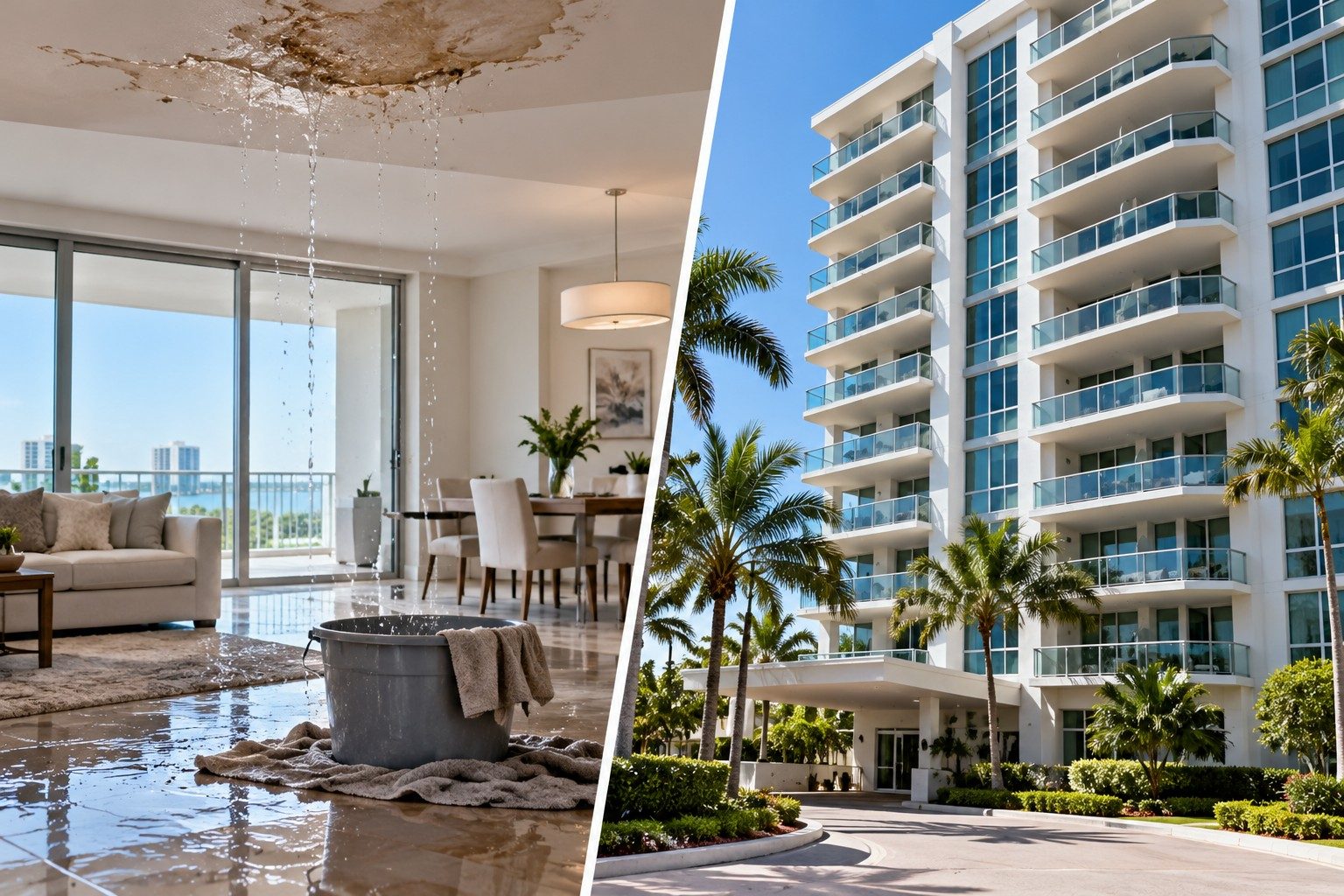
Condo Owners: What the Association’s Policy Covers and What Yours Does
The association’s master policy generally covers the building and common areas, while your own policy is meant for what is inside your unit. Learn how to read the line between them.
By Nelson Avila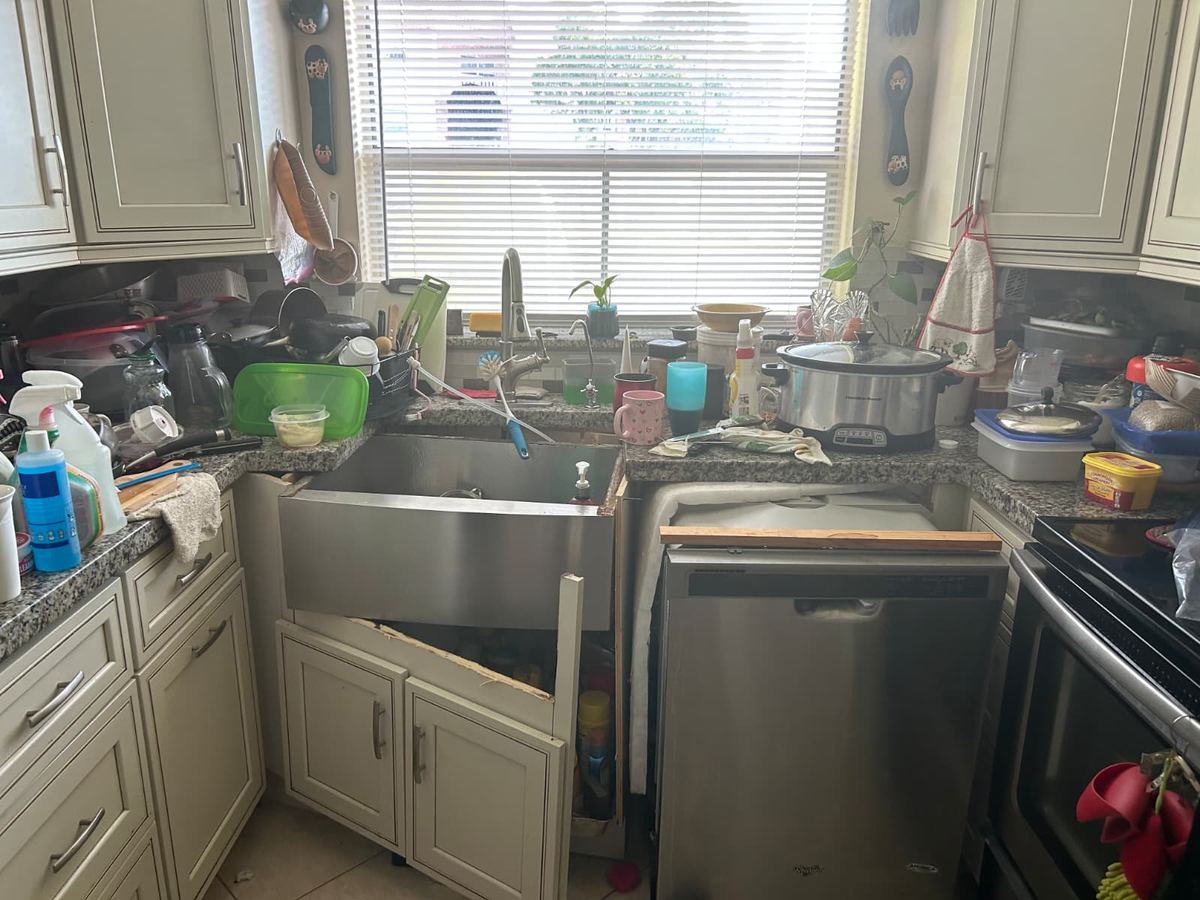
You Renovated Your Condo. Does Your Policy Know?
Unreported upgrades, like new floors or cabinets, can leave unit owners underpaid after a claim if the policy was never updated to reflect them.
By Nelson AvilaAssociations
Before the Storm: What Your Association Should Have on File
Boards are responsible for the master policy and the common areas. Here is what to have on file before a storm, and who to call after one.
By Nelson Avila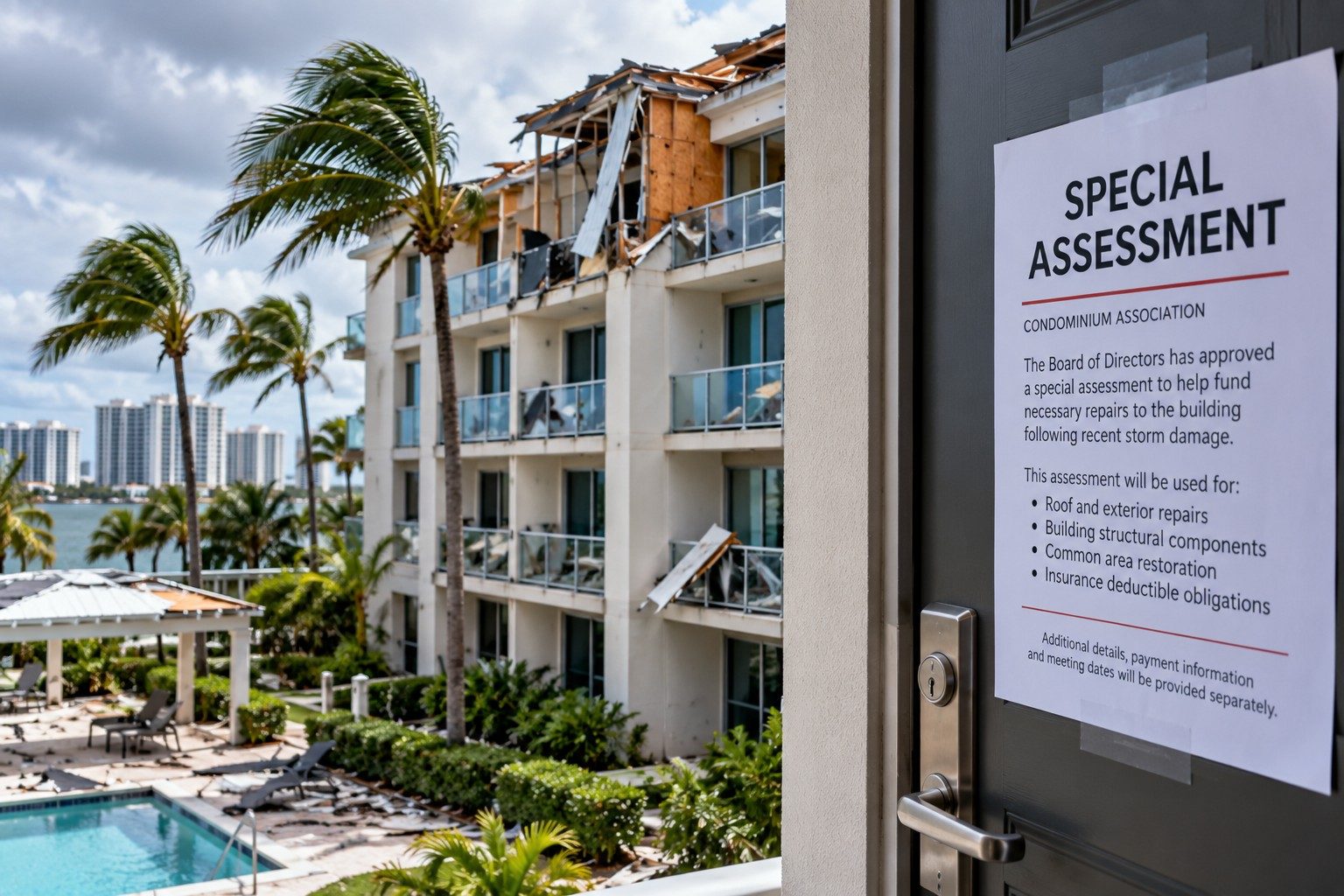
Special Assessments After a Major Loss
How an association’s insurance claim and a resulting special assessment typically interact, and why boards should coordinate them from the start.
By Nelson Avila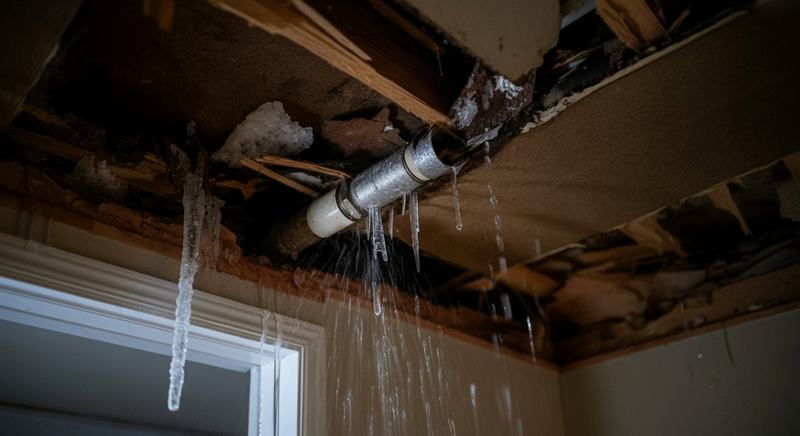
Common-Area Water Losses: Where the Policy Ends
A shared-system water loss can damage common areas and units at once. Where the master policy stops and a unit owner’s policy begins.
By Nelson Avila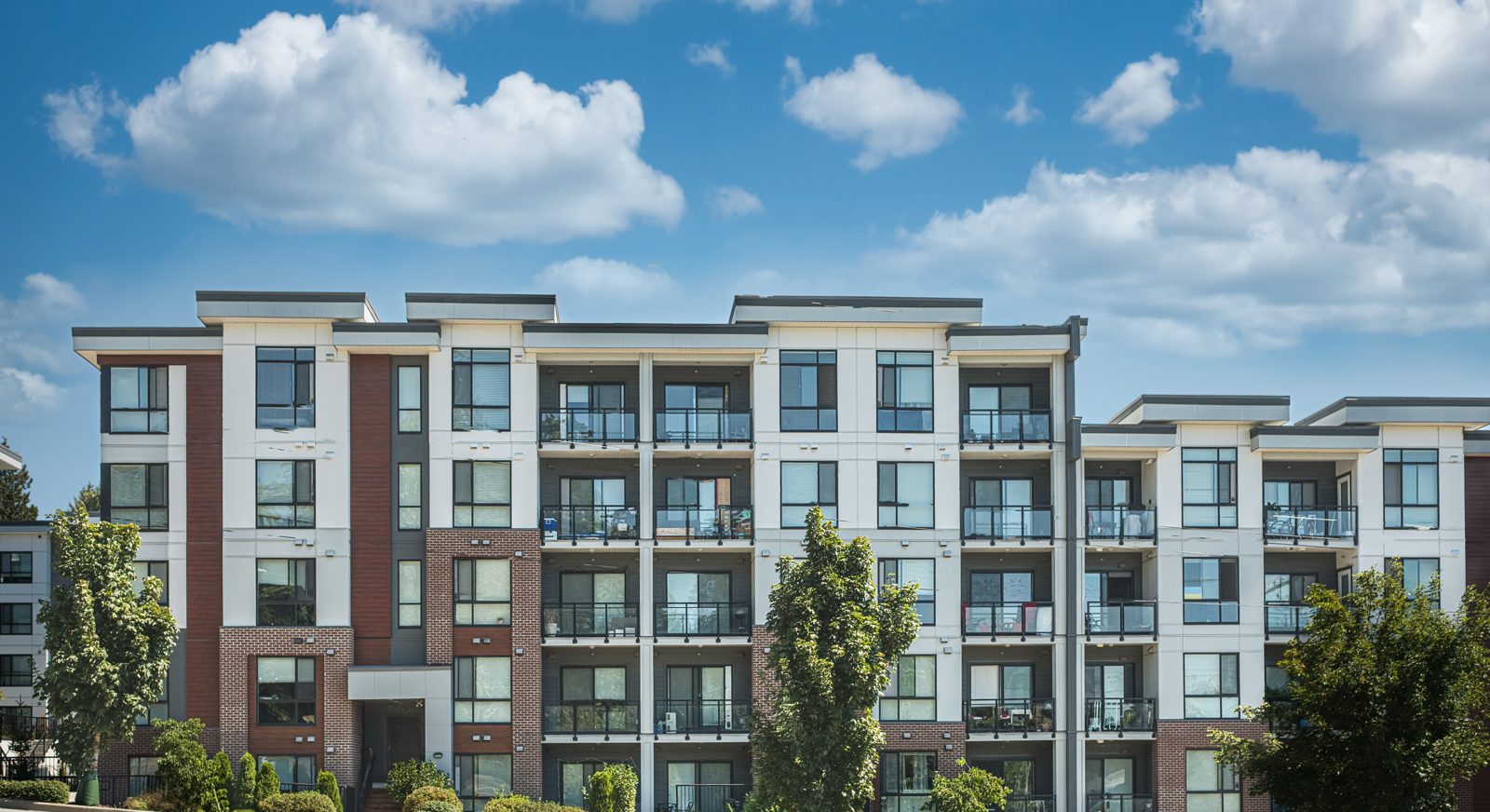
Florida Condo Association Insurance Requirements (718.111(11)) and What Happens at Claim Time
What Fla. Stat. 718.111(11) requires the master policy to cover and exclude, the 3-year appraisal rule, how deductibles become assessments, and what it means at claim time.
By Nelson AvilaLandlords & Rental Property Owners
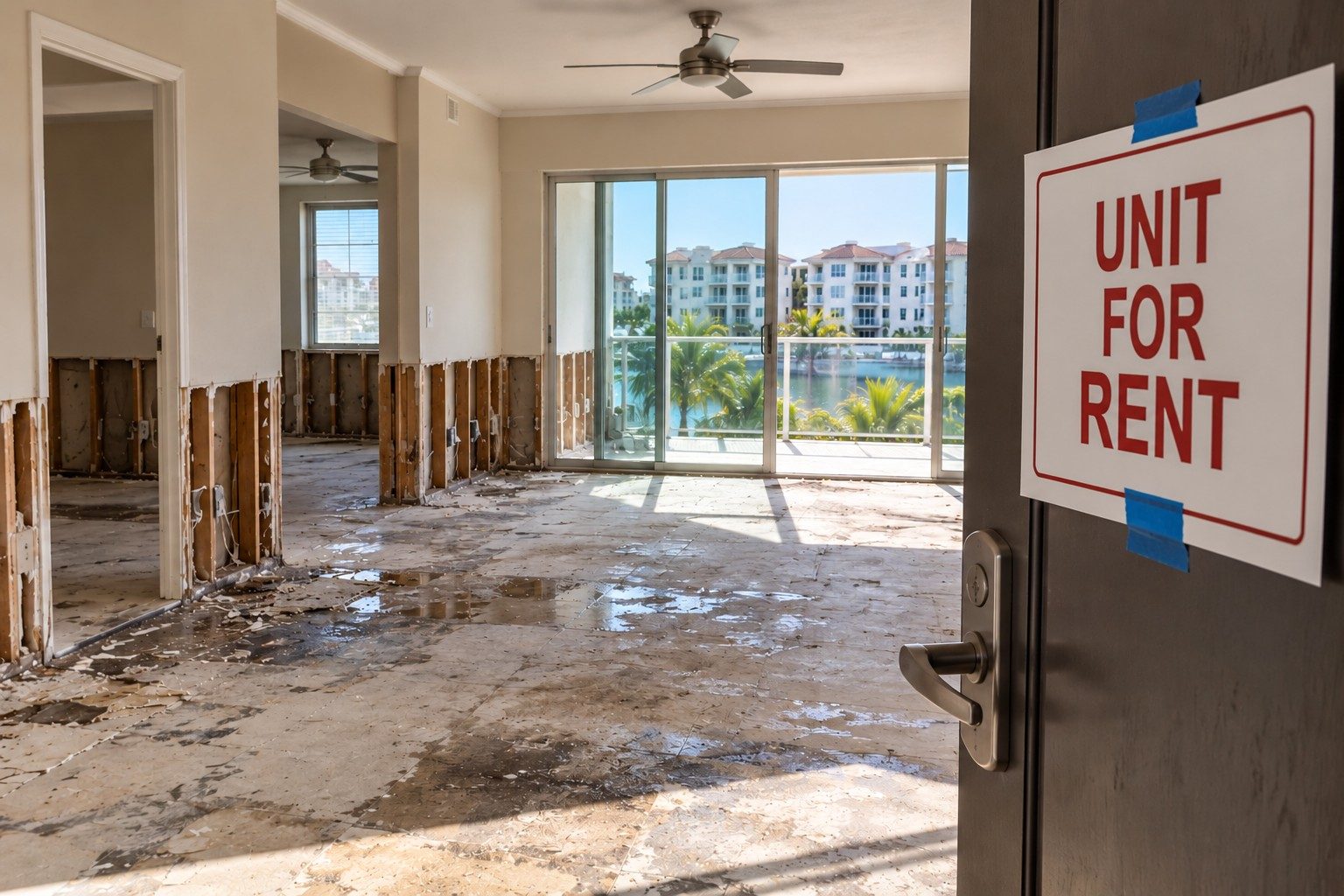
Landlords: Documenting Damage and Lost Rent After a Loss
A rental loss affects the property, your tenant and your income. Learn what to document right away and which records to keep for the claim.
By Nelson Avila
Tenant-Caused Damage vs. a Covered Loss
Not all damage a tenant is involved in is treated the same way by a landlord’s policy. What’s usually covered, and where it gets contested.
By Nelson Avila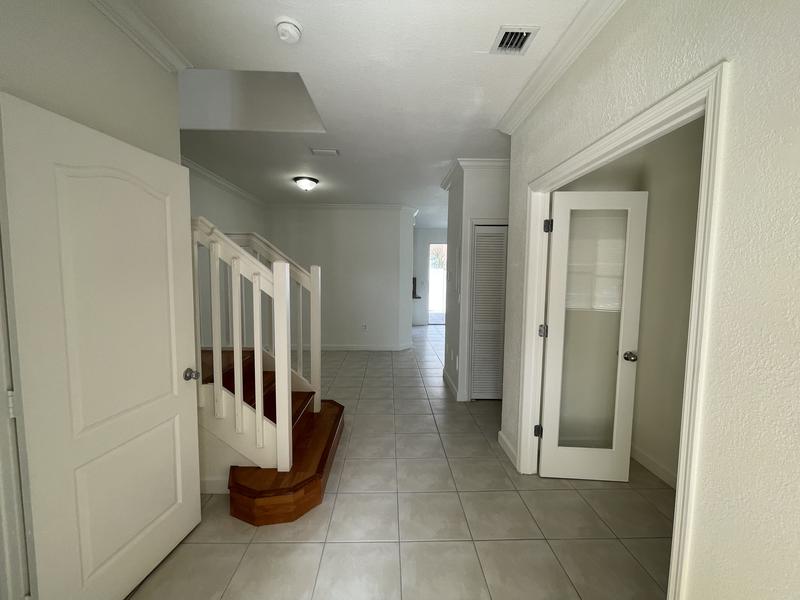
Vacant and Between-Tenancy Property Damage: Is It Covered?
Many landlord policies restrict coverage once a property has been vacant beyond a set number of days. Why the turnover window is a real exposure.
By Nelson Avila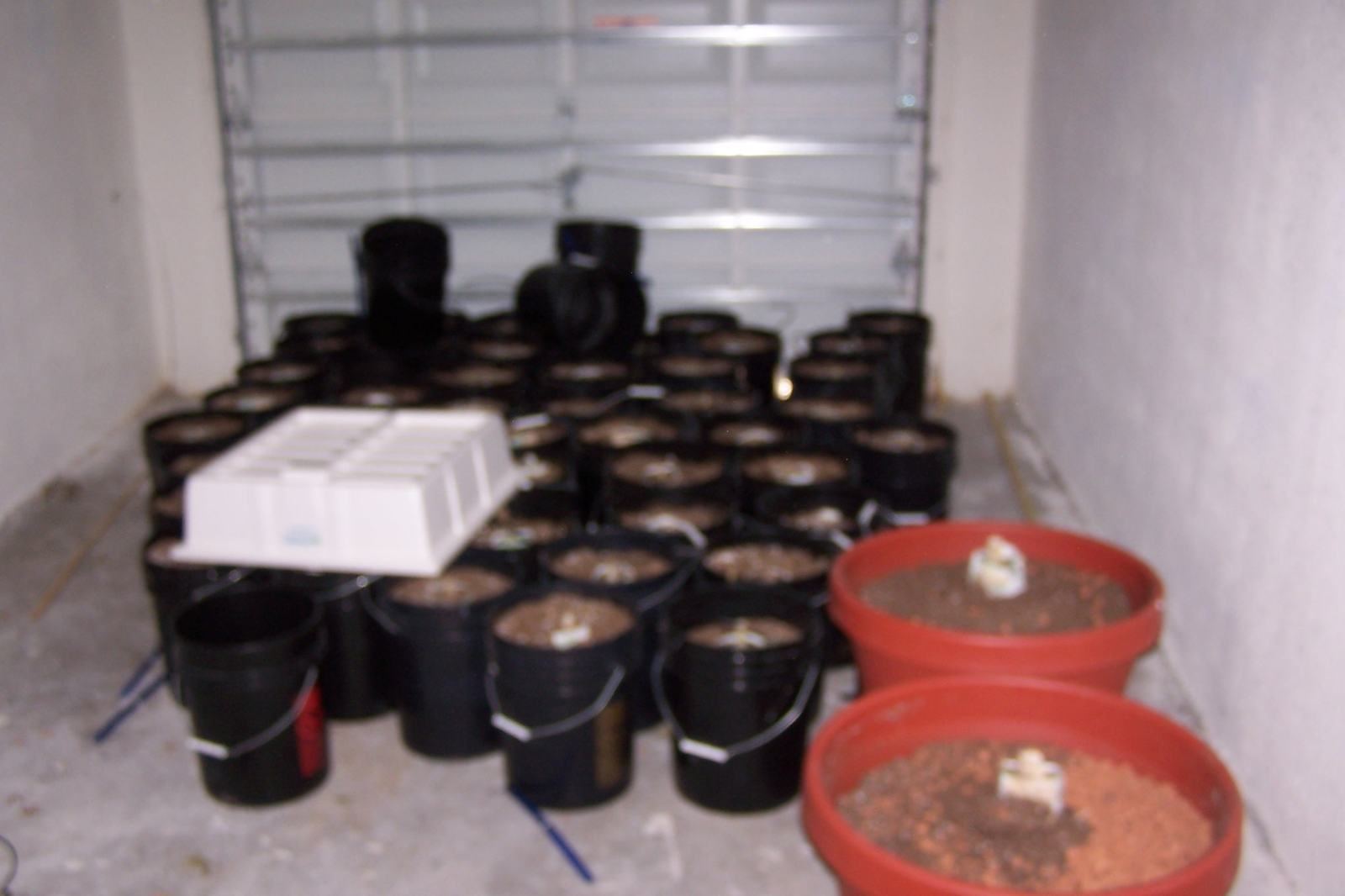
Your Rental Was Used as an Unauthorized Grow Operation. What Happens to Your Claim?
A distinct damage pattern, and a claim that's easily mischaracterized if it's not handled carefully from the start.
By Nelson AvilaBusiness Owners
Keeping Your Business Records Ready for a Claim
A business claim is built on records. Learn which documents to keep together now, so they are ready if a loss interrupts your operations.
By Nelson Avila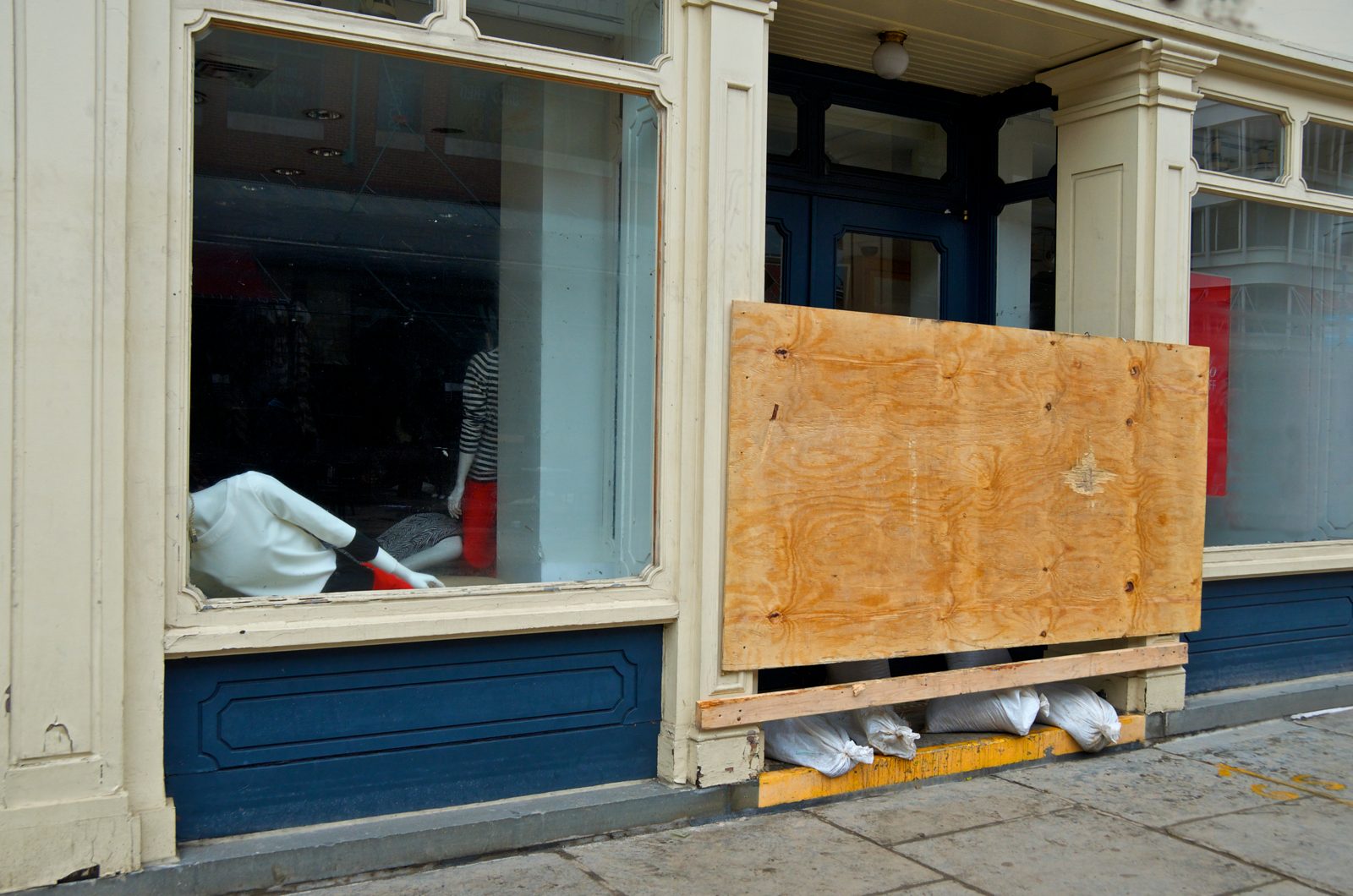
Business Interruption: What Counts as Lost Income
Business interruption coverage replaces lost income while you get back to normal, but what counts as "normal" and "reasonable" often gets disputed.
By Nelson Avila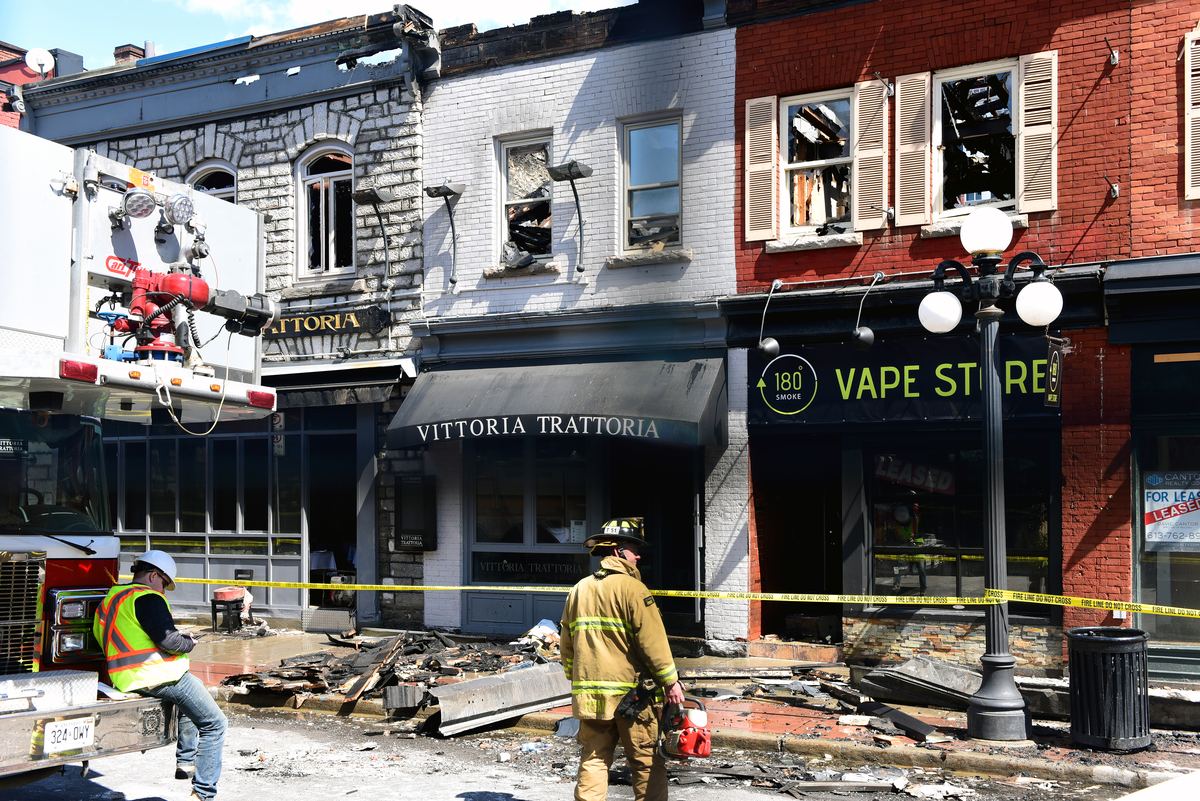
When a Supplier or Neighboring Business Closure Hits Your Bottom Line
Contingent business interruption coverage can respond to a loss that didn’t happen at your own property at all.
By Nelson AvilaCommercial Property Owners
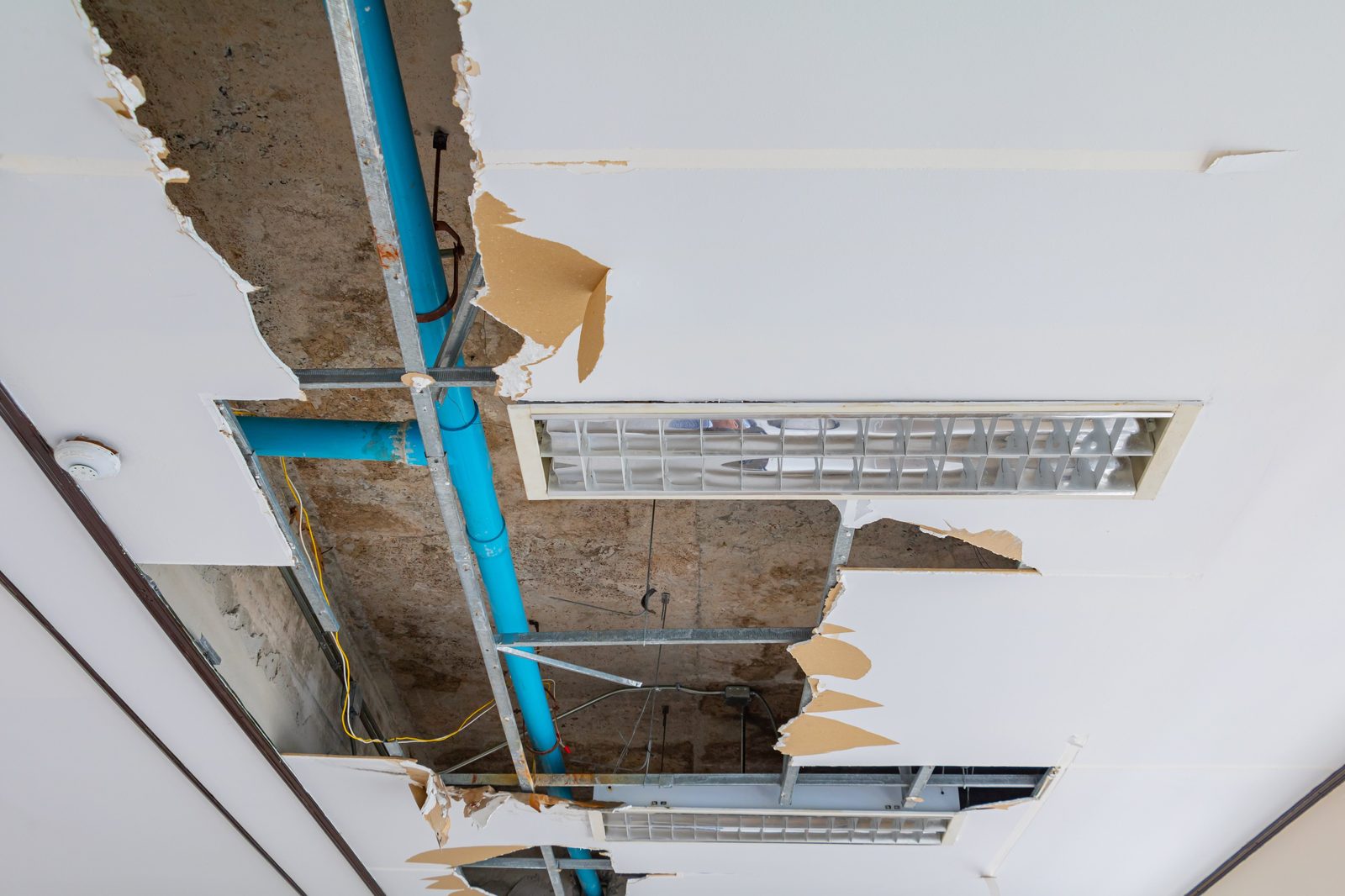
Documenting a Commercial Property Loss: Where to Start
A commercial loss often involves tenants, contractors, multiple policies and a longer timeline. See how to document the damage and organize the claim from day one.
By Nelson Avila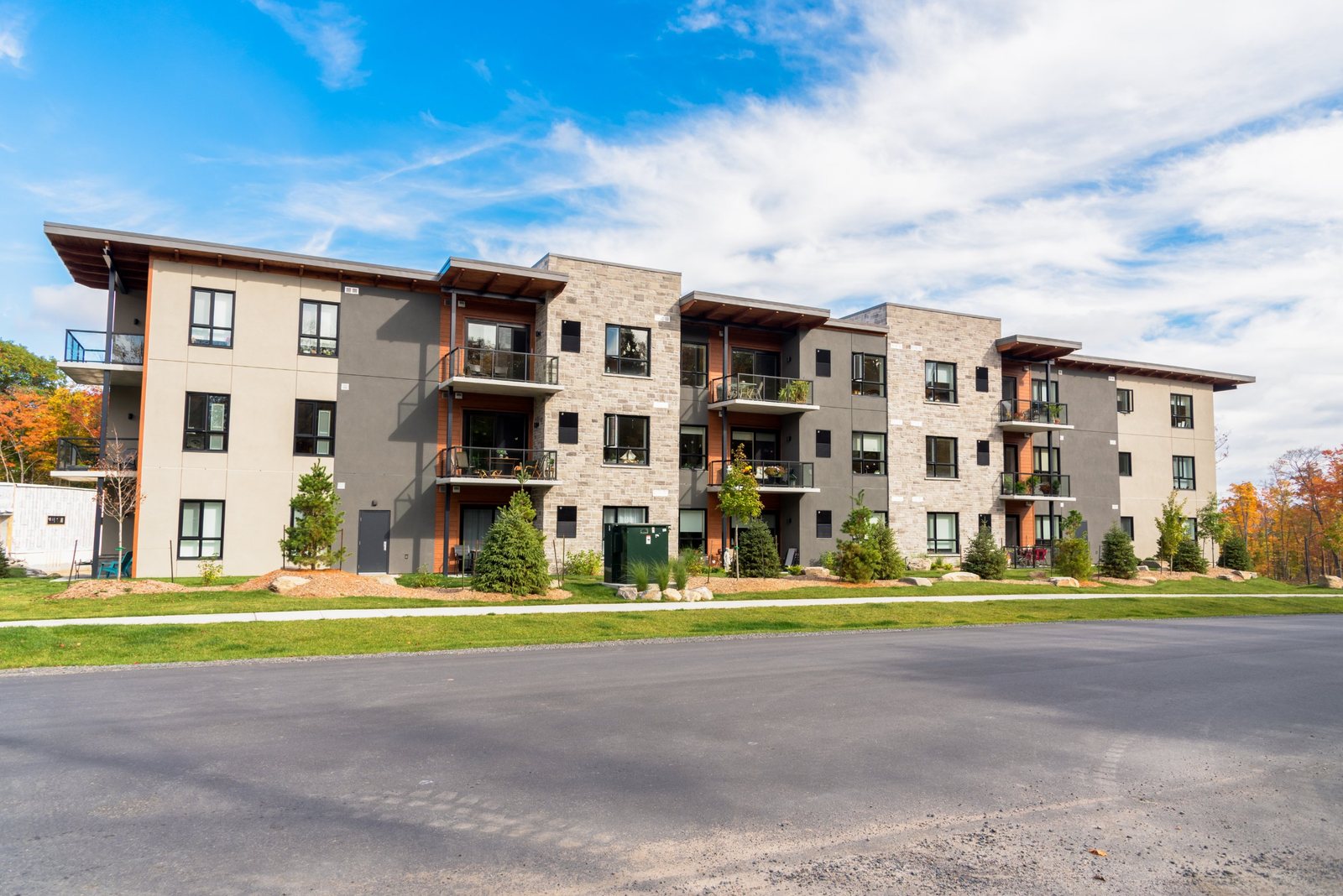
Multi-Tenant Buildings: Whose Policy Covers What
A loss in a multi-tenant building rarely stays contained to one party’s responsibility. How it typically divides between owner and tenants.
By Nelson Avila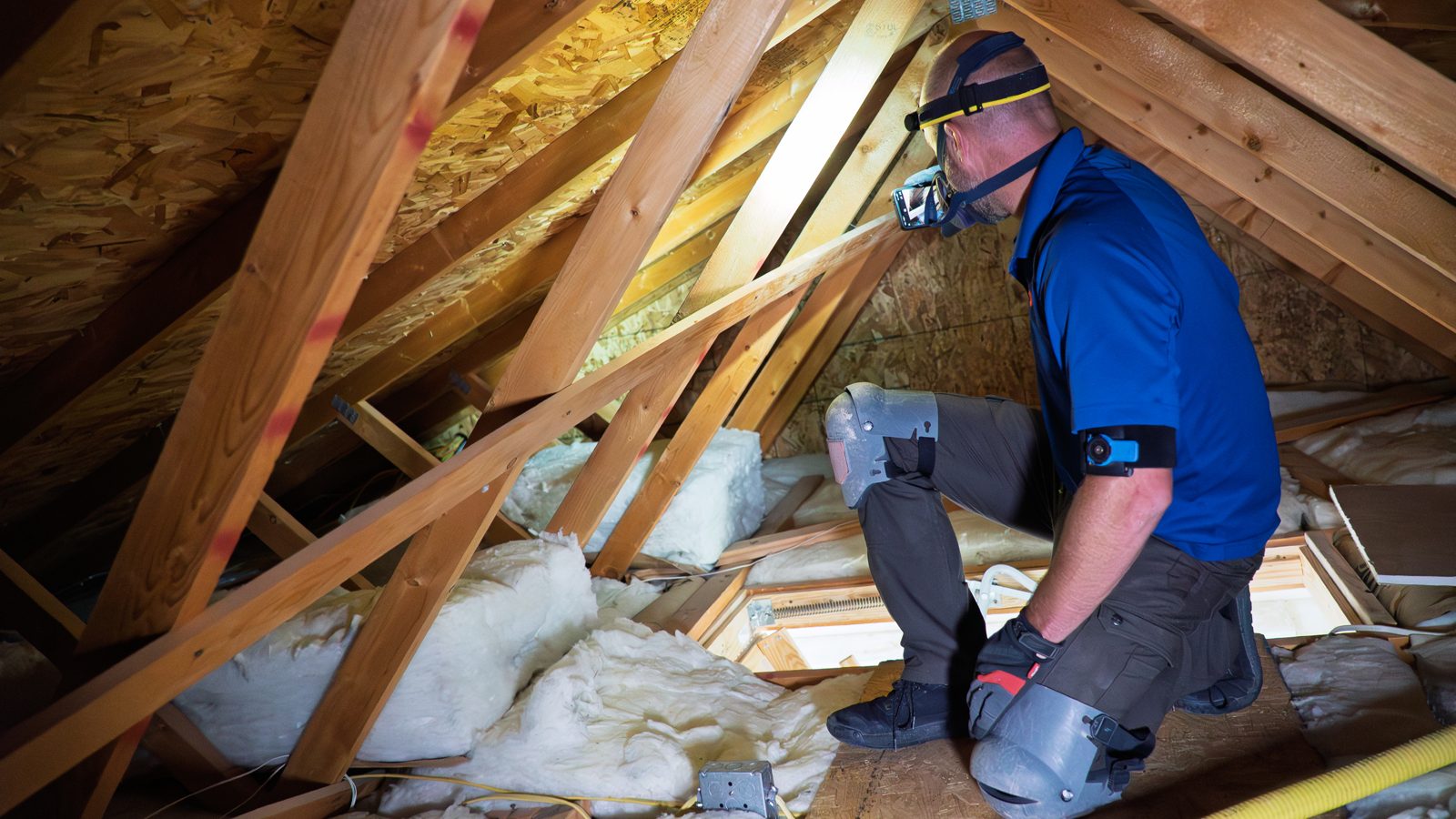
Code Upgrade and Ordinance-or-Law Coverage
Repairing to current building code can cost more than a standard policy pays for. Why this gap matters for older commercial buildings.
By Nelson AvilaAgricultural Property Owners

Barn, Stable and Outbuilding Damage: What Your Policy Actually Covers
Barns, horse stables and equipment buildings carry their own coverage questions, separate from the farmhouse itself. What to check on your policy before a storm, not after.
By Nelson Avila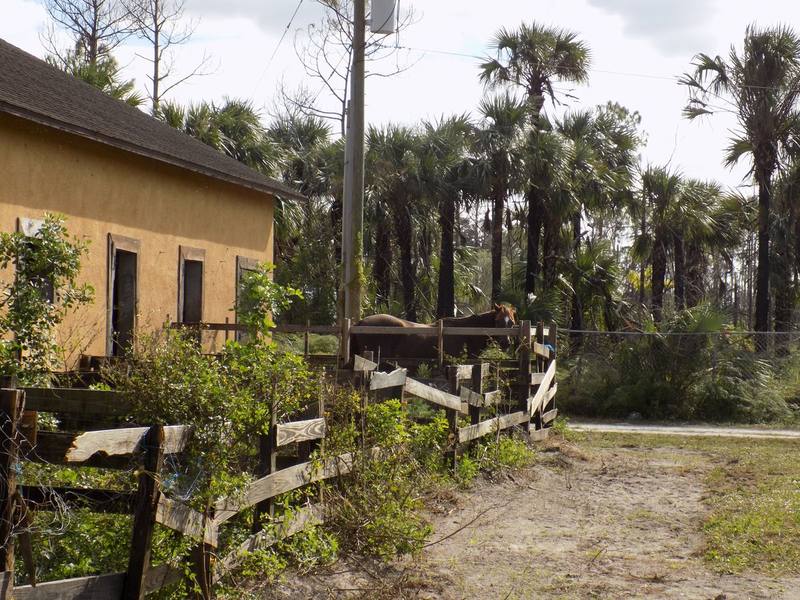
Open Land, Open Exposure: Wind and Tornado Risk on the Farm
Farmland and ranch structures sit in open terrain with little windbreak. Why that matters for wind claims, and how tornado-related damage is typically handled.
By Nelson Avila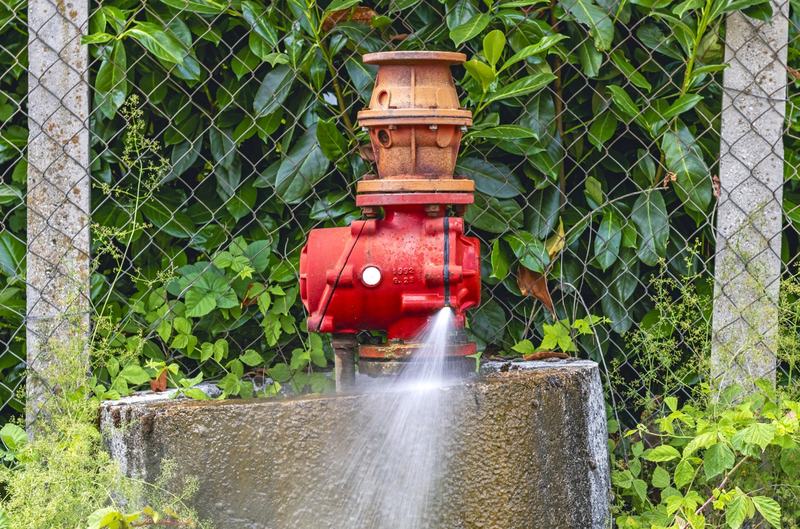
Crop Insurance vs. Property Insurance: Where the Line Falls
Crop losses usually run through a separate USDA program, while barns, stables, irrigation systems and farmworker housing are property claims. Knowing which is which can save real time after a loss.
By Nelson AvilaUninsured Clients
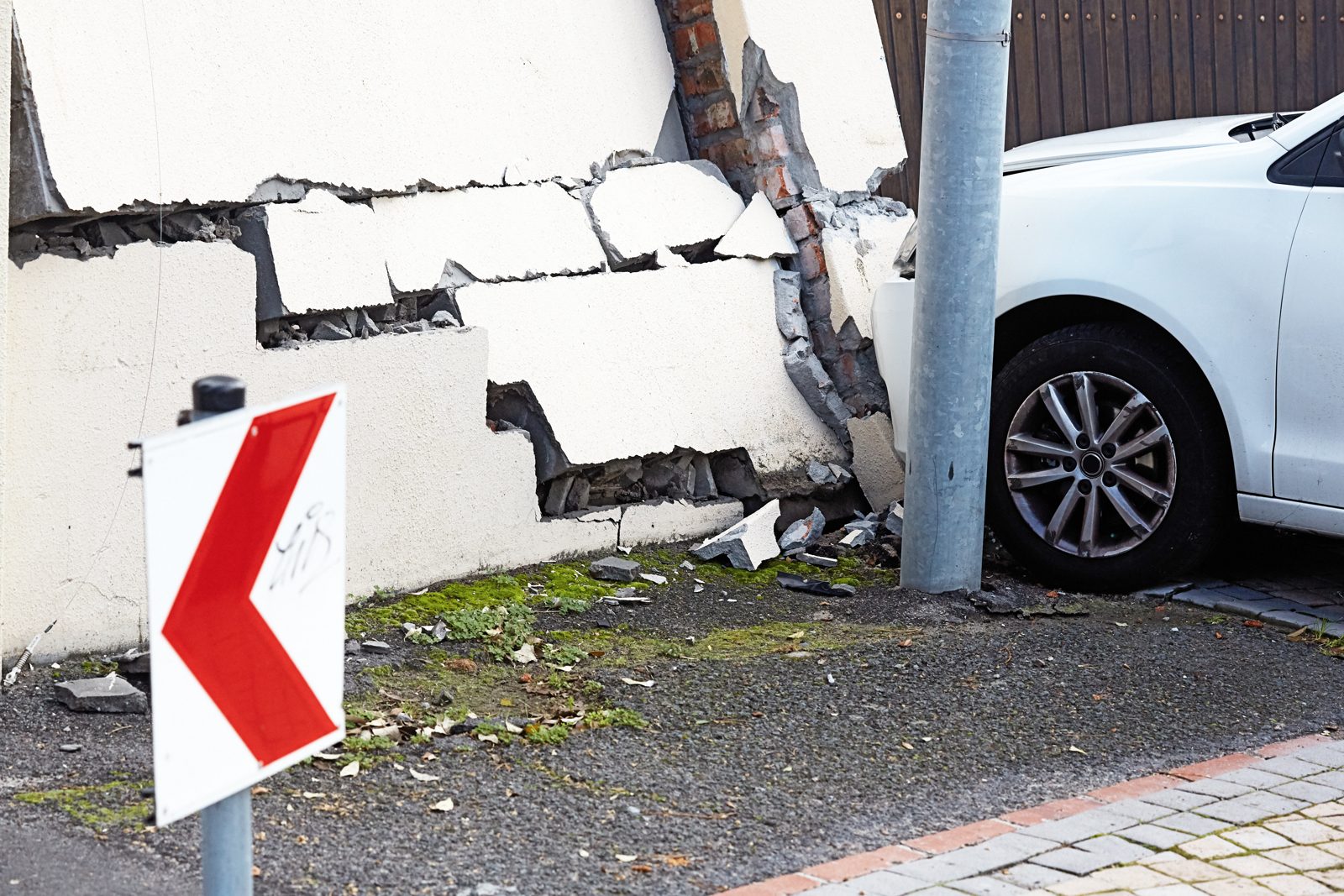
Plane or Odd Impact Hit Your House? Your Policy Covers It
A vehicle or aircraft striking a home is rare, but when it happens the driver or operator’s liability coverage, not just your own policy, may be the real path to getting made whole.
By Nelson Avila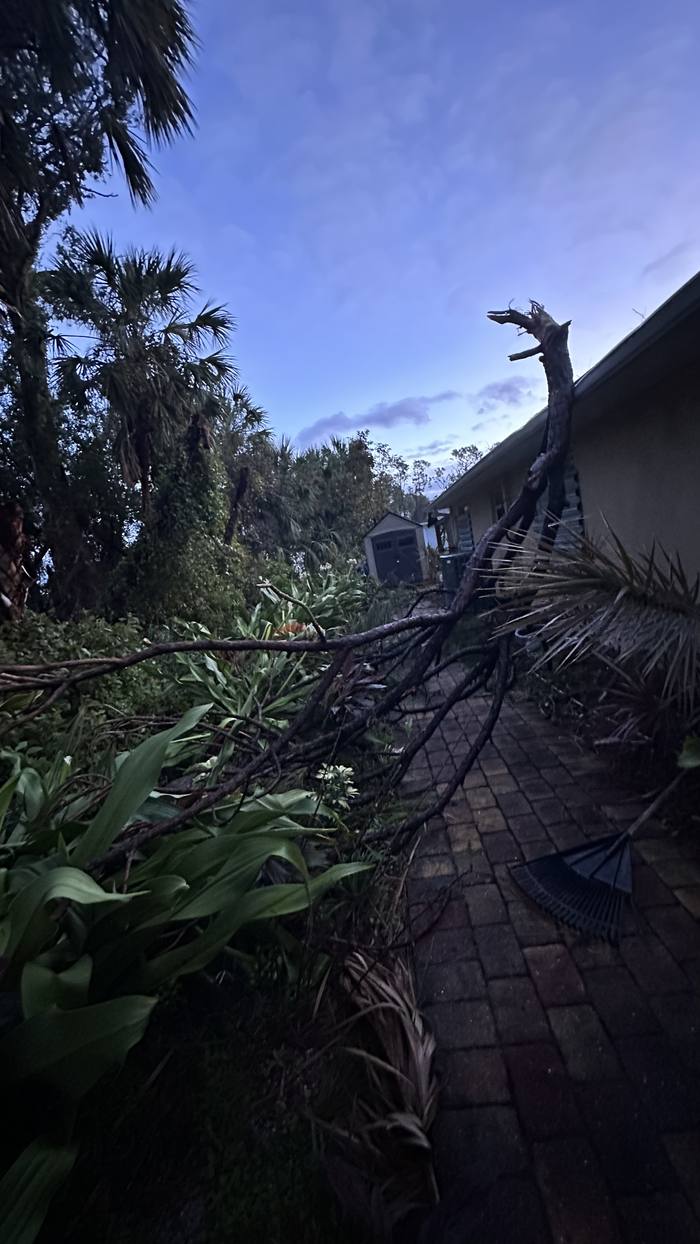
Damaged by Someone Else, With No Coverage of Your Own?
If someone else caused damage to your property and you are not covered, a claim against the responsible party’s insurance may be possible in Florida. Learn how the process starts.
By Nelson Avila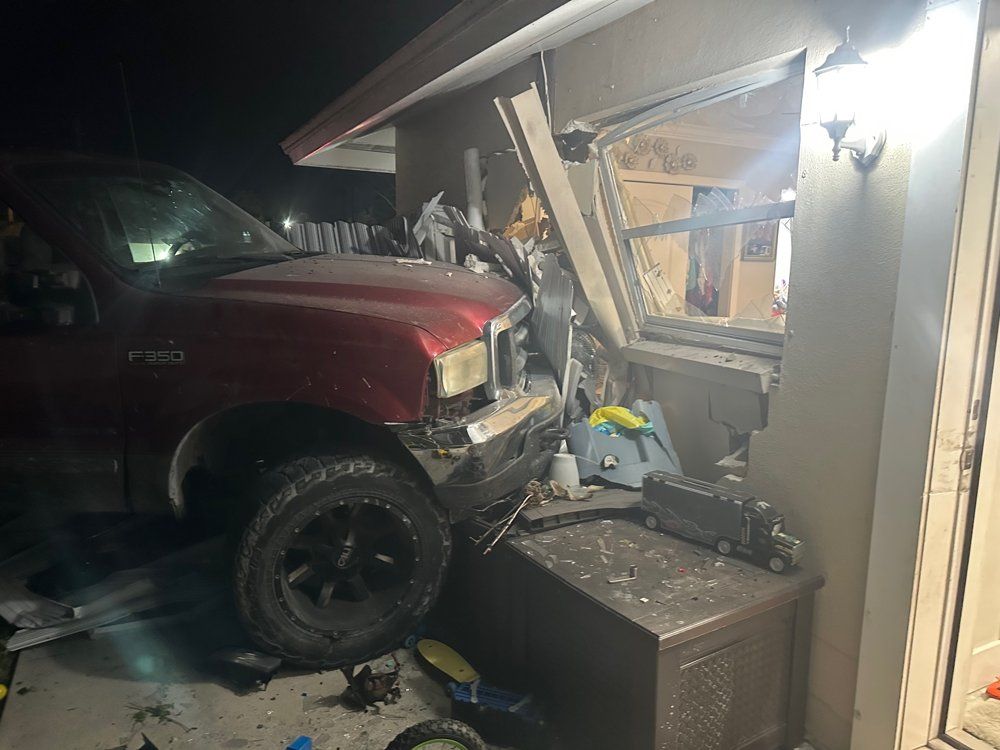
A Contractor or Delivery Vehicle Damaged My Property. What Now?
Contractors, delivery trucks and service vehicles cause a specific, recurring kind of property damage. Whose insurance is supposed to respond.
By Nelson AvilaDamage You Can See
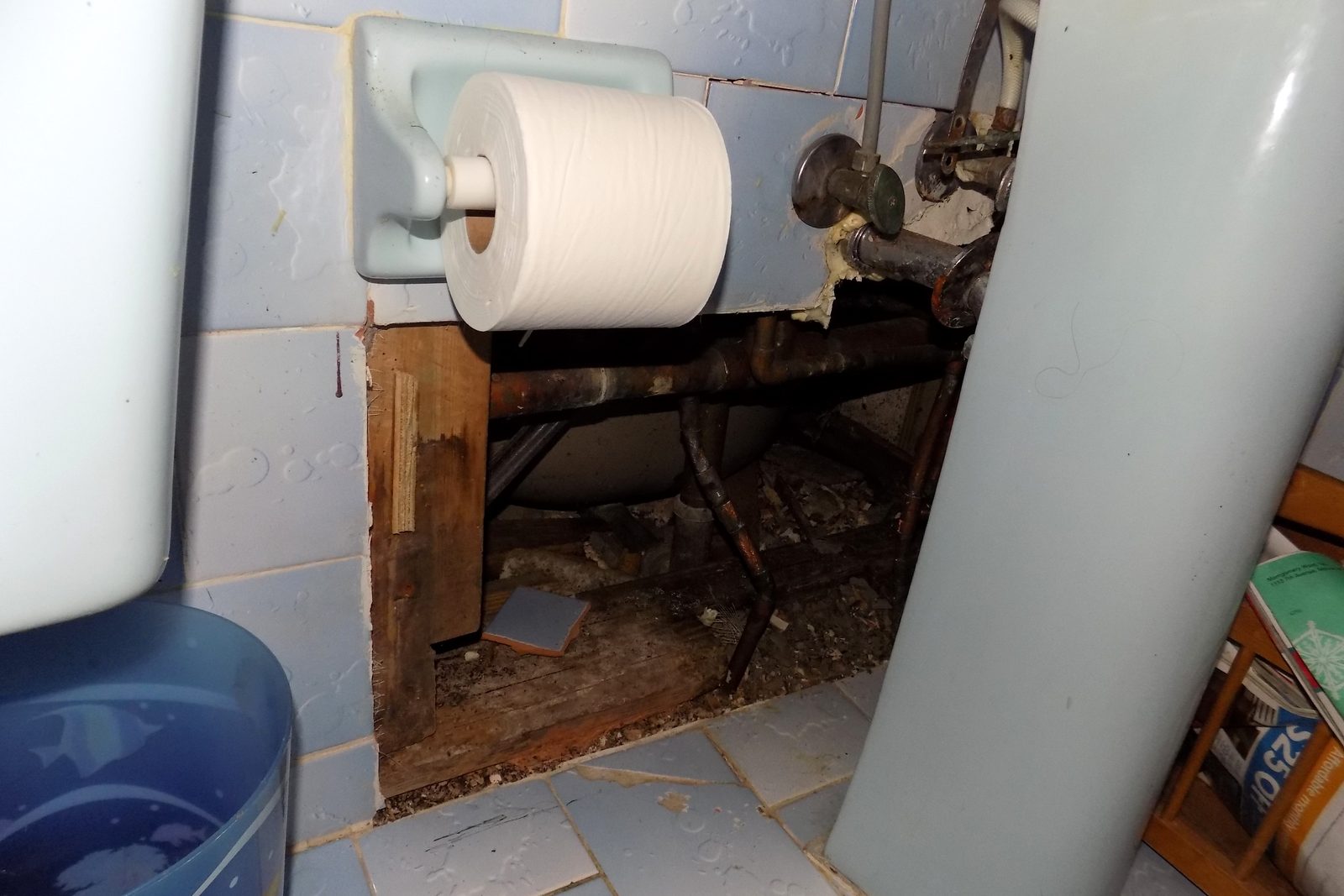
Slab Leak: Signs, What to Do and Whether Insurance Pays
The signs of a slab leak, what to do first, and how homeowners insurance treats it in Florida and New Jersey: tear-out, the pipe itself and water caps.
By Nelson Avila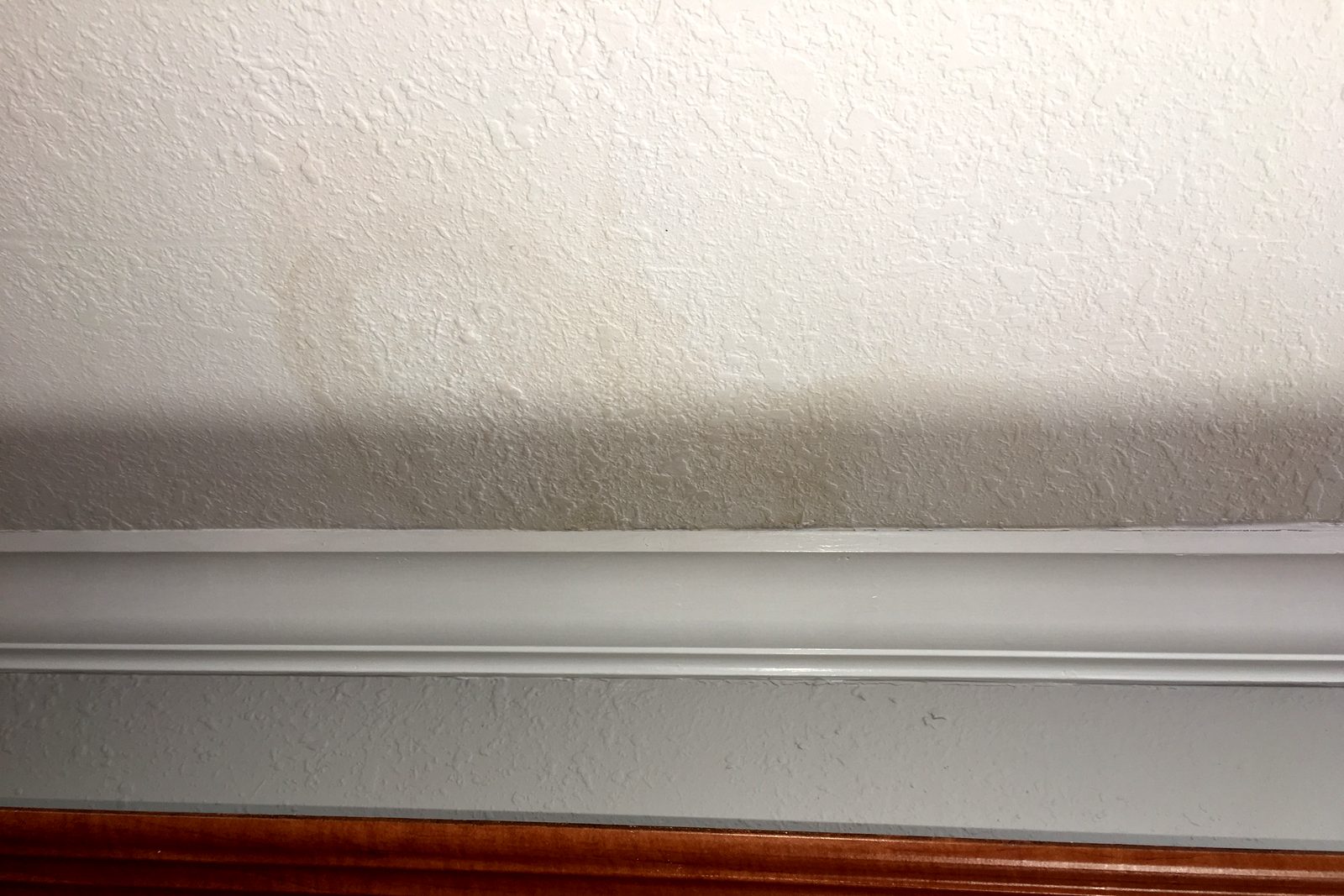
Water Stain on the Ceiling: What It Means and When Insurance Pays
What a brown water stain on your ceiling usually means, how to tell if the leak is still active, and when homeowners insurance pays in Florida and New Jersey.
By Nelson Avila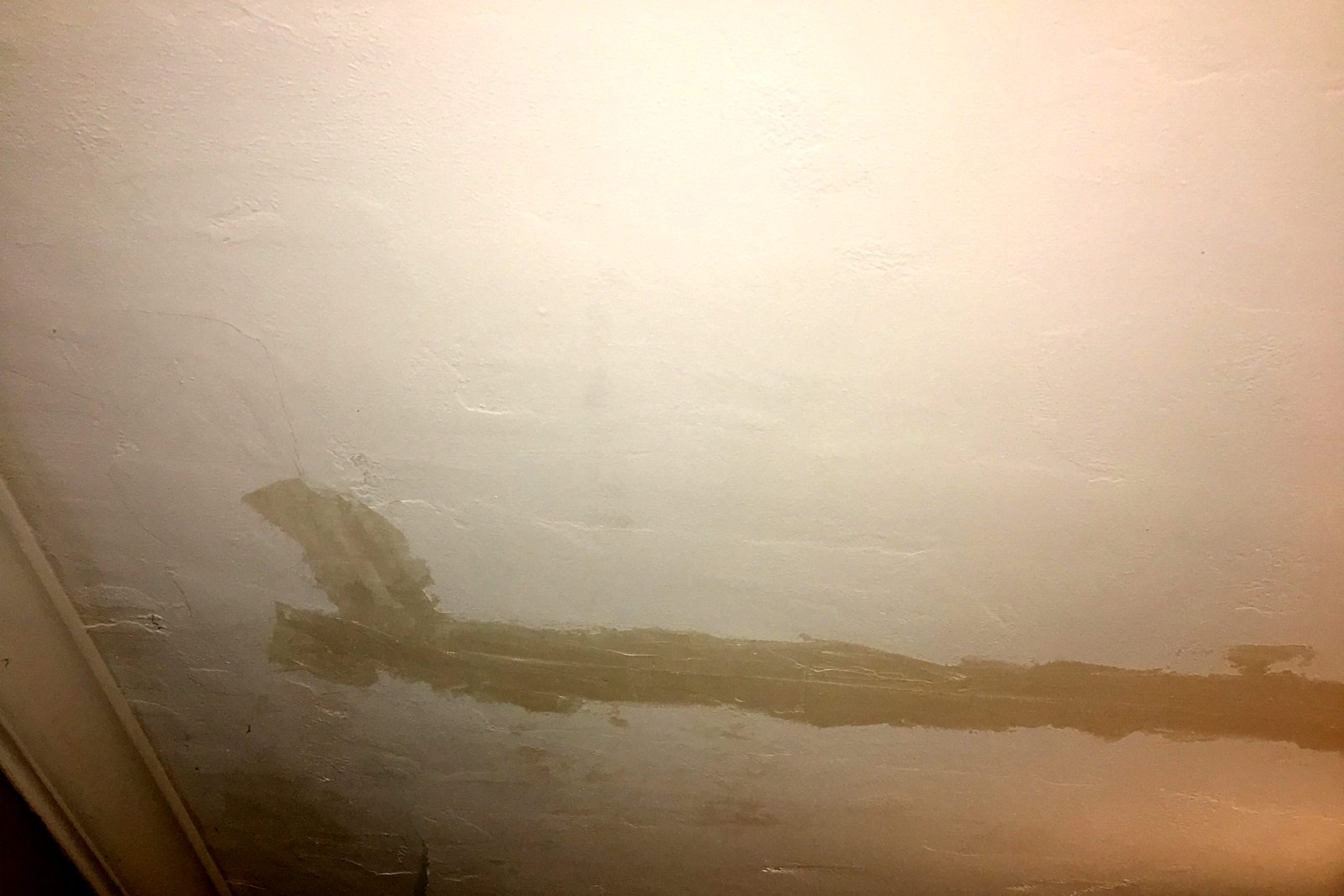
Ceiling Leaking or Dripping? What to Do in the First Hour, and the Claim
Water dripping from the ceiling: what to do in the first hour, how to keep it from getting worse, and what homeowners insurance pays in Florida and New Jersey.
By Nelson Avila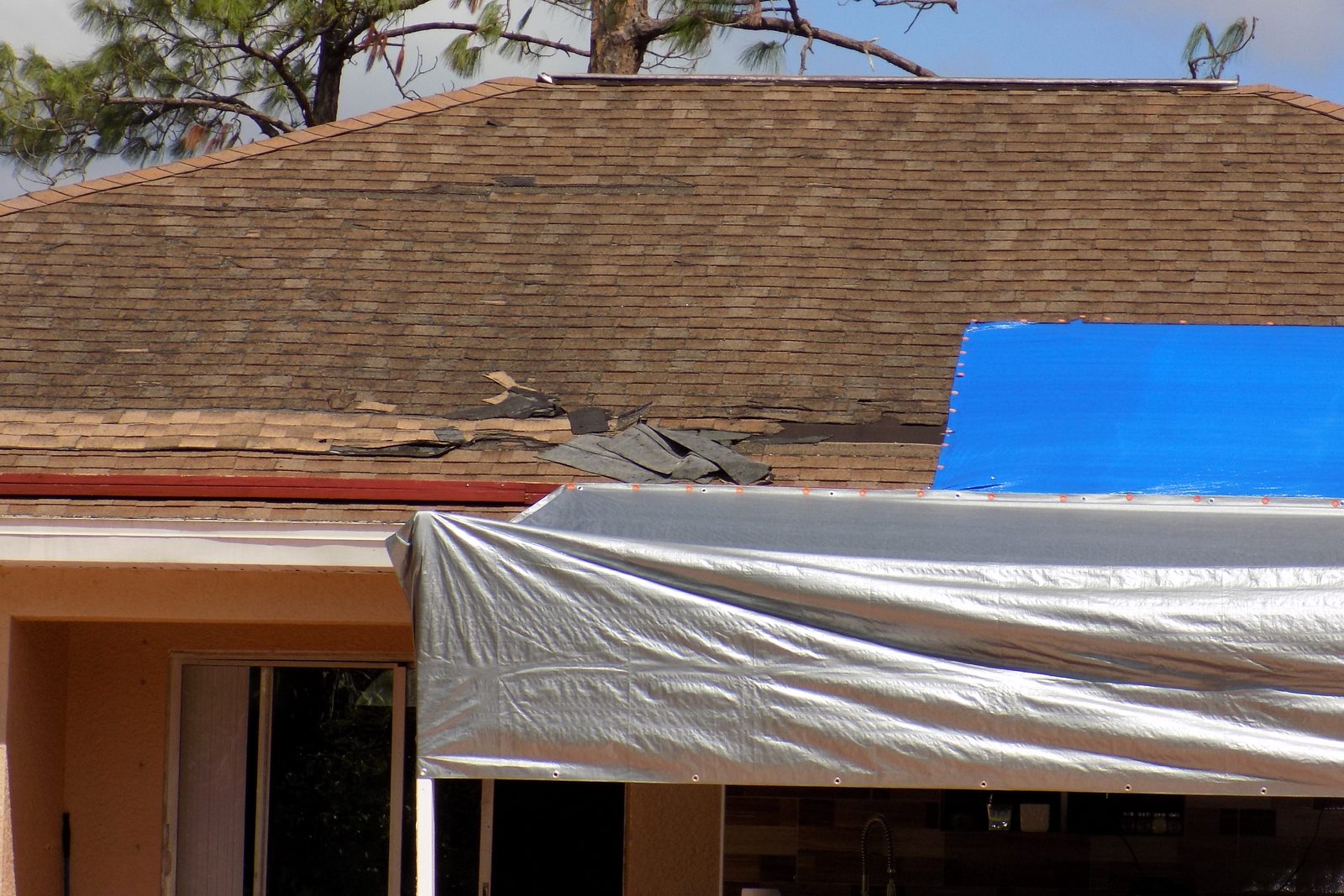
Roof Leaking? What to Do, Repair or Replace, and Whether Insurance Pays
A roof leak: first steps, temporary repairs, repair vs. replacement, Florida's roof-age and roofing-contractor rules, and when homeowners insurance pays.
By Nelson Avila
Mold on Walls, the Ceiling or Under the Sink: What It Means and When Insurance Pays
What mold on a wall, ceiling or under the sink usually means, what the EPA says about cleanup, and when homeowners insurance pays for mold in Florida and New Jersey.
By Nelson Avila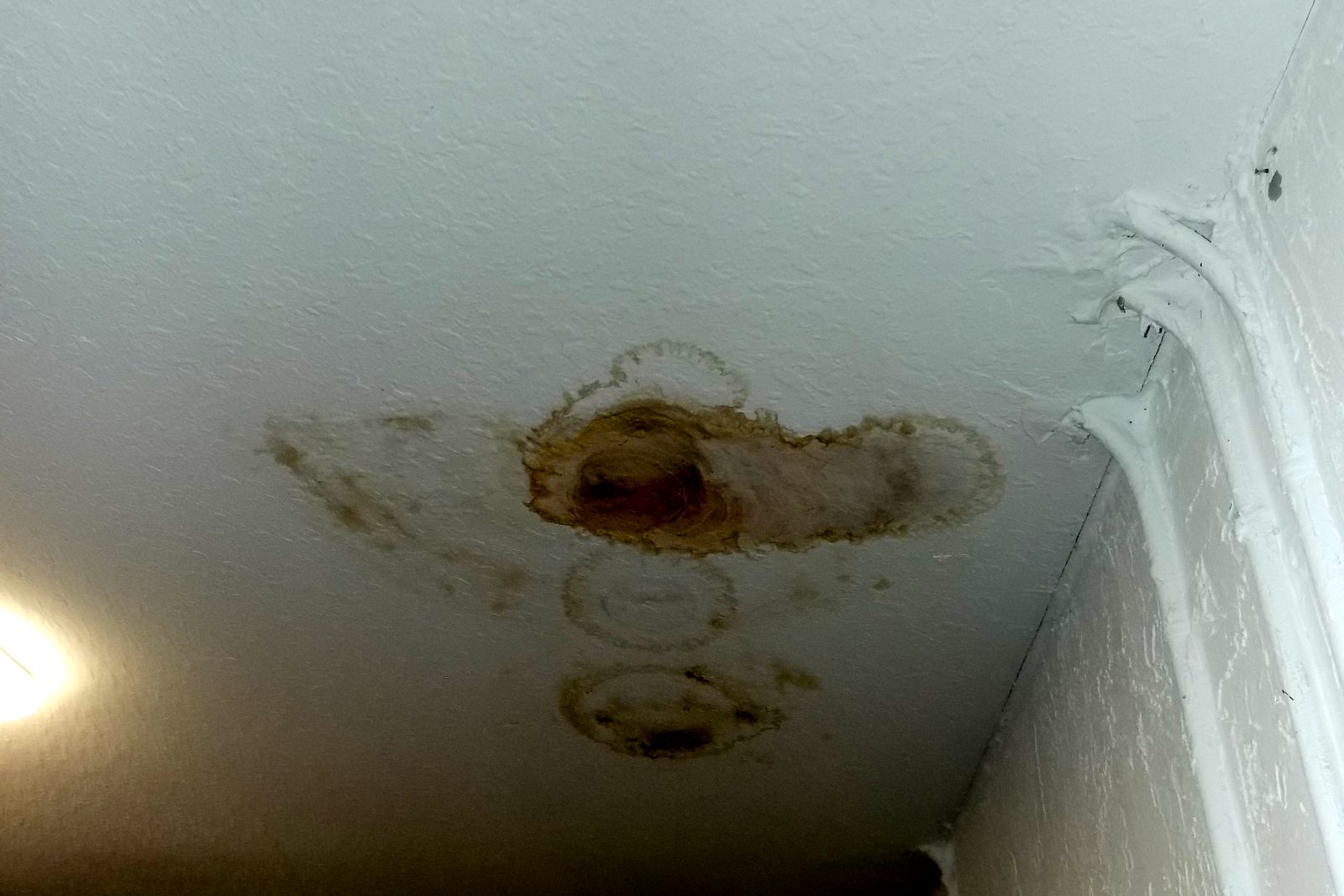
AC Leaking Water? What to Do and Whether Insurance Pays the Damage
Water dripping from the AC, the closet or the ceiling vent: what to do first and when homeowners insurance pays for the water damage in Florida and New Jersey.
By Nelson AvilaHomeowner Guides
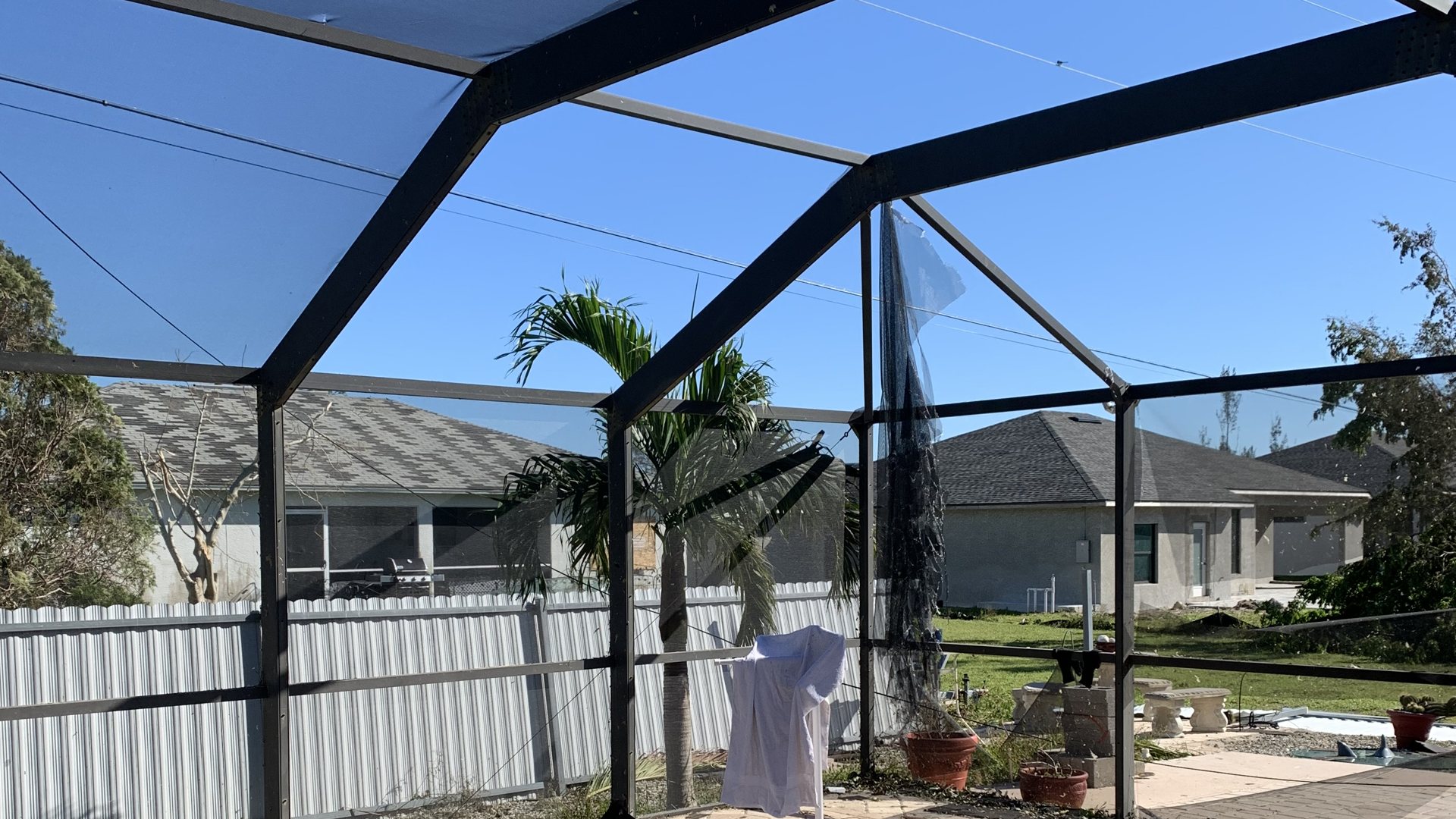
Hialeah Hurricane Insurance Claims: Questions and Answers
Hialeah’s hurricane record, Florida’s claim deadlines, hurricane deductibles, flood vs wind and roof rules, answered for Hialeah homeowners and condo owners.
By Nelson Avila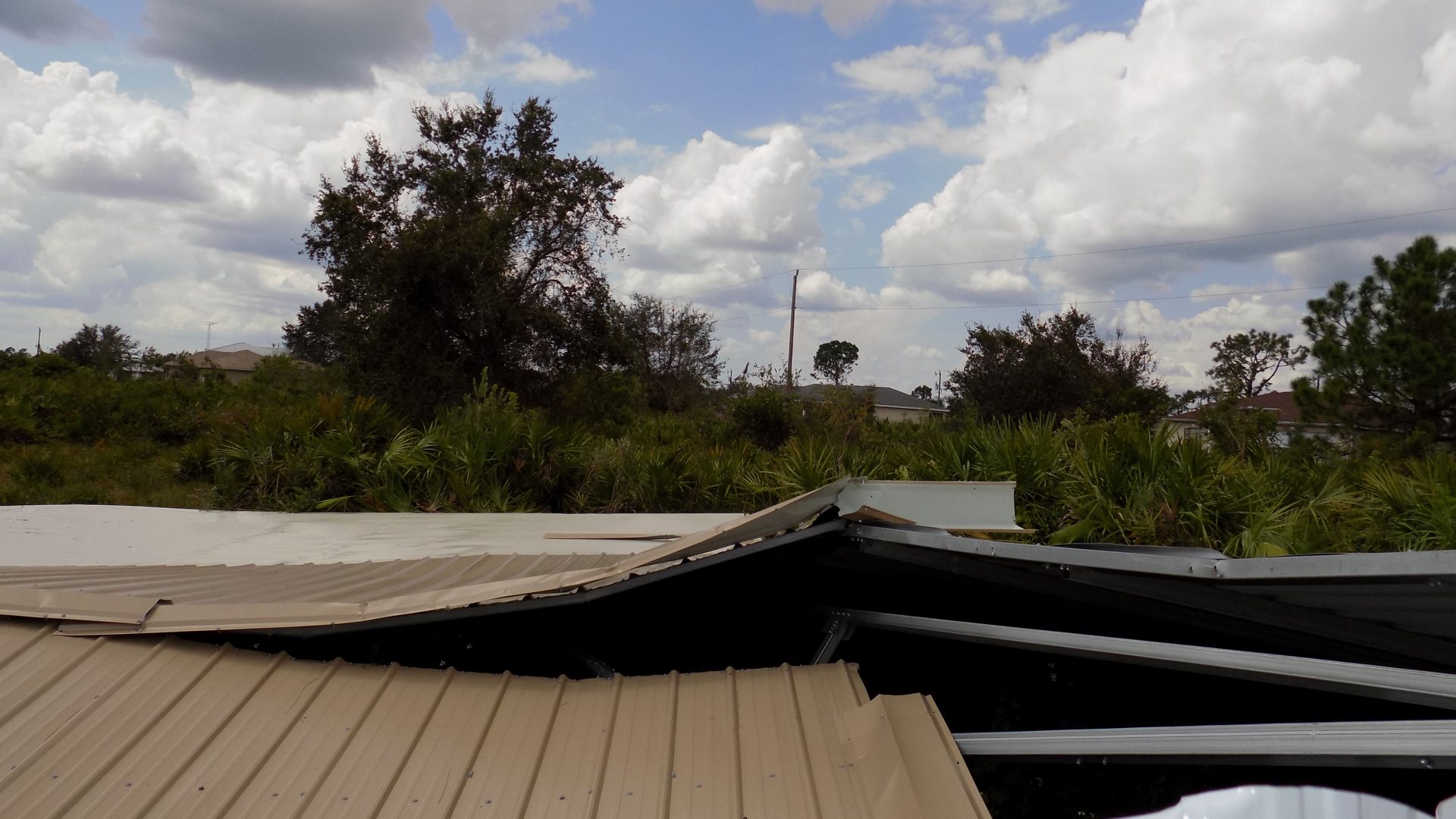
Lehigh Acres Hurricane Insurance Claims: Questions and Answers
Lehigh Acres’ hurricane record from Ian, Irma and Charley, Florida’s claim deadlines, deductibles, flood vs wind and roof rules, answered for local owners.
By Nelson Avila
Wind Mitigation, 4-Point and Roof Inspections in Florida
What each report checks, when Citizens requires one, who can sign the wind mitigation form and Florida’s roof-age law. Keep them in the app’s Certificate Pack.
By Nelson Avila
When Does Hurricane Season End?
June 1 to November 30, with the peak around September 10. What it means for your hurricane deductible, flood coverage and getting ready with the free Storm Tracker.
By Nelson Avila
Home Maintenance Checklist
Monthly, every-six-months and yearly tasks that prevent water, fire and roof losses, and why dated records help a claim. Get reminders in the app.
By Nelson Avila
Flood Zone AE: What It Means
High risk, with a base flood elevation. When flood insurance is required, elevation certificates and Citizens’ rule. Check your zone in Flood Lens.
By Nelson Avila
Flood Zone X: Shaded vs. Unshaded
Moderate or minimal risk, not no risk. Why almost 1 in 3 flood claims come from outside high-risk zones. Check your zone in Flood Lens.
By Nelson Avila
Flood Zones Explained: What Flood Zone Am I In?
What zones V, A, AE and X mean, how to find yours, when flood insurance is required and Citizens’ flood rule. Check your zone in Flood Lens.
By Nelson Avila
Your Homeowners Insurance Declarations Page, Explained
Coverages A to F, limits, deductibles, forms and endorsements, discounts and the mortgagee, line by line. Get a free review with Policy Scan.
By Nelson AvilaBoards & Managers
Florida Milestone Inspections: Phase 1, Phase 2 and the Repairs Boards Miss
Florida milestone inspections for condo and co-op buildings: when they're due, Phase 1 vs Phase 2, owner notices, and the dated repairs boards miss.
By Nelson Avila
Structural Integrity Reserve Study (SIRS) in Florida: What Boards Must Do and Sign
Florida's structural integrity reserve study: which buildings, deadlines, who performs it, the board affidavit, DBPR reporting and reserve rules.
By Nelson Avila
40-Year Recertification in Miami-Dade and Broward vs. Florida’s Milestone Inspection
Miami-Dade recertification now starts at 30 years and Broward's safety inspection at 25. How they fit with Florida's milestone inspection law.
By Nelson Avila
Loss Assessment Coverage: How the Master Deductible Reaches Unit Owners, and What HO-6 Pays
How a master policy deductible becomes an owner assessment, what HO-6 loss assessment coverage pays, and Florida's $2,000 minimum.
By Nelson Avila
Condo Association Insurance Renewal: What Drives the Premium and What a Board Can Control
What drives a condo association's premium, what the board can control, the 36-month appraisal rule, and a renewal calendar that works.
By Nelson Avila
The FEMA 50% Rule After a Storm: Substantial Damage for Condos and HOAs
The FEMA 50% substantial damage rule for condo and HOA buildings: the test, who decides, and what boards should do after a storm.
By Nelson Avila
The Board’s First 14 Days After a Storm: A Checklist for Condo and HOA Boards
A checklist for condo and HOA boards after a hurricane: documentation, Florida emergency powers, contractor rules and protecting the claim.
By Nelson Avila
New Jersey’s Condo Structural Inspection and Reserve Study Law: What Boards and Managers Must Do
New Jersey's P.L.2023, c.214 and 2025 amendment: which buildings need structural inspections, when, and the reserve study and funding rules.
By Nelson Avila
Vendor Certificates of Insurance: What Condo and HOA Boards Should Require
What condo and HOA boards should require on a vendor's certificate of insurance: liability, workers' comp, additional insured and tracking.
By Nelson Avila
Explaining a Dues Increase to Owners When Insurance Is Driving It
How boards can explain a dues increase driven by insurance, Florida's 14-day budget notice and why premiums don't count toward the 115% test.
By Nelson Avila
Can a Florida Condo Association Use Reserves to Pay the Hurricane Deductible?
Can a Florida condo or HOA use reserves to pay the hurricane deductible? The vote required, the SIRS restriction and the emergency powers.
By Nelson Avila
Seawalls, Garages, Roofs and Elevator Pits: Wear and Tear vs. a Covered Loss
Seawalls, garage ceilings, elevator pits, roofs and mold: when association damage is maintenance and when it's a covered loss.
By Nelson Avila
Vetting Contractors After a Storm: A Guide for Condo and HOA Boards in Florida and New Jersey
How condo and HOA boards vet contractors after a storm: license checks, insurance, Florida's post-disaster rules and the red flags.
By Nelson Avila
Questions to Ask a Management Company About Insurance Claims and Storm Response
What condo and HOA boards should ask a management company about storm preparation, documentation, insurance claims and owner updates.
By Nelson AvilaClaims glossary terms (33)
Definitions with statute citations, written and reviewed by Nelson Avila.
More from the Homeland team
 Yeni Martinez
 Alberto Enriquez
 Yisel Dieguez
How Homeland writes Insights
Every Insights article is general information for property owners, not legal advice. Statutes, rules and deadlines are checked against the current official text before publishing, cited by number and linked to the source where possible, and each article shows the date it was last reviewed. When a law changes, the article is updated.
Homeland Public Adjusters is licensed in Florida (Agency License W818638) and New Jersey (Firm License 3003982360). Nelson Avila's individual public adjuster license is a Florida license; New Jersey claims are handled by Homeland's New Jersey-licensed adjusters.
Homeland Public Adjusters represents policyholders, not insurers. Get a free review of your claim.
Get a Free Claim ReviewVerify Homeland
Check us before you hire anyone. Every license below links to its public record on the Florida Department of Financial Services licensee search.
- Serves all of Florida: Yes — every city and county. A licensed Homeland public adjuster comes to your property within hours — no need to visit an office. Call (305) 783-3777, 24/7.
- Homeland Public Adjusters Corporation: Florida public adjusting firm license W818638 · New Jersey public adjuster firm license 3003982360
- Yeni Martinez, President: Florida public adjuster license P103370 (licensed since 2007) · New Jersey 3003714097 · designated primary adjuster
- Alberto Enriquez: Senior licensed public adjuster, Florida P112658
- Yisel Dieguez: Licensed public adjuster and Xactimate estimator, Florida W873884 · New Jersey 3003714335
- Nelson Avila: Florida public adjuster license G332385 · Florida Certified Contractor CRC1331322 · property insurance appraiser and umpire
- Complaints and reputation: 5.0★ on Google · BBB Accredited Business, A+ rating
- Since 2006: Homeland Public Adjusters, Corp. was incorporated in Florida on December 11, 2006. Our President, Yeni Martinez, has held Florida public adjuster license P103370 since 2007. When Florida began requiring adjusting firms to hold their own firm license (a 2021 law, Senate Bill 1598; DFS began licensing adjusting firms in November 2021), Homeland was issued firm license W818638 on January 11, 2022. On November 10, 2026, Homeland became a BBB Accredited Business (BBB Serving Southeast Florida & the Caribbean), with an A+ rating. Each adjuster’s appointment with Homeland appears on that adjuster’s own DFS record.
- English and Spanish. Office: 8004 NW 154th Street, Suite 609, Miami Lakes, FL 33016 (visits by appointment). Florida (305) 783-3777 · New Jersey (732) 517-3777, 24/7.