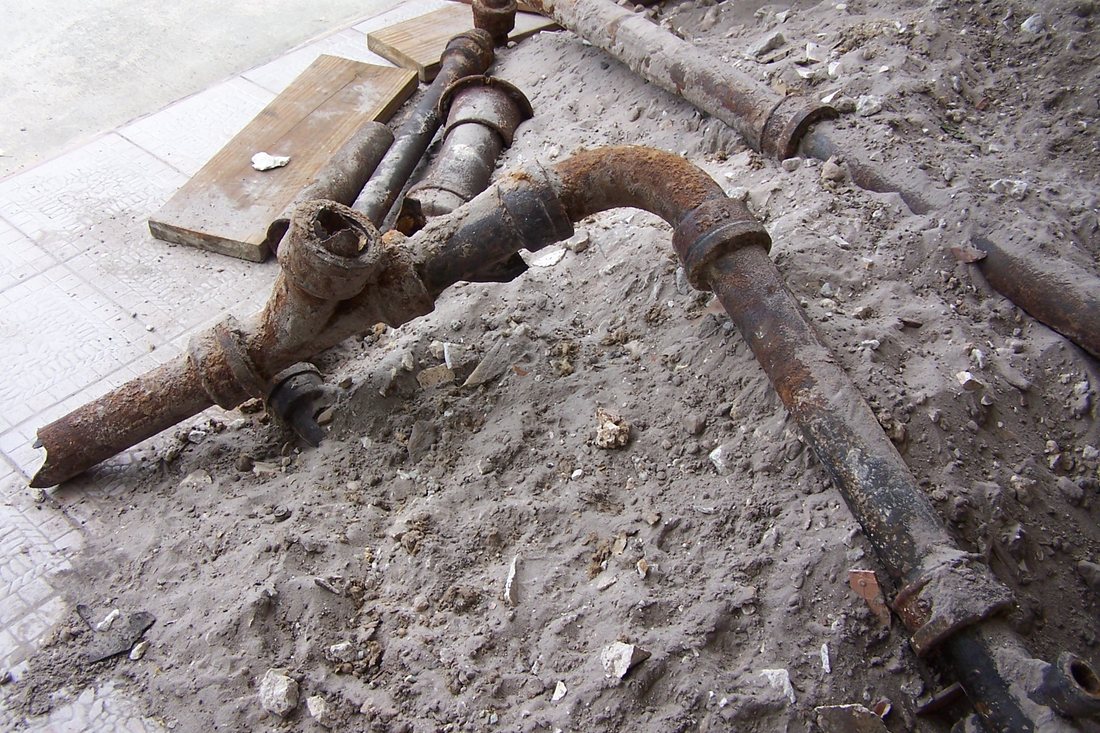
Slab Leak: Signs, What to Do and Whether Insurance Pays

Homeland Public Adjusters · Last reviewed: October 2026
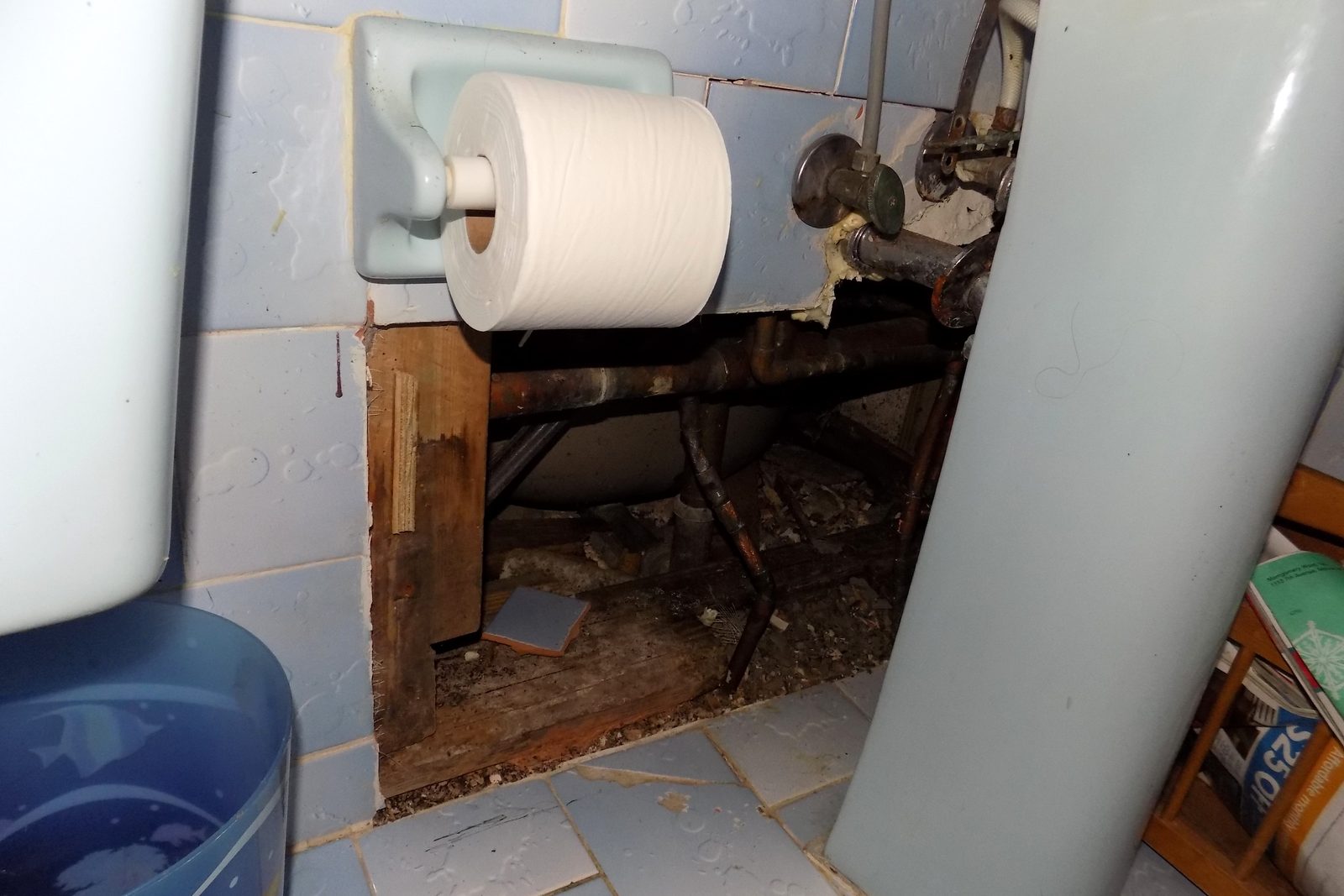
Short answer: A slab leak is a water line leaking under or inside your home's concrete slab. The usual signs are a water bill that jumps for no reason, the sound of running water with everything off, warm spots on the floor, and damp or lifting flooring and baseboards. Many homeowners policies pay to tear out and replace the parts of the house needed to reach the leak, plus the water damage it caused, but not the pipe repair itself. How long it leaked, and any water cap in your policy, decide how much.
Signs of a slab leak
- Your water bill rises and you can't explain it
- The water meter keeps moving with every faucet and appliance turned off
- The sound of running water when nothing is running
- Warm or hot spots on the floor (a hot-water line leaking under the slab)
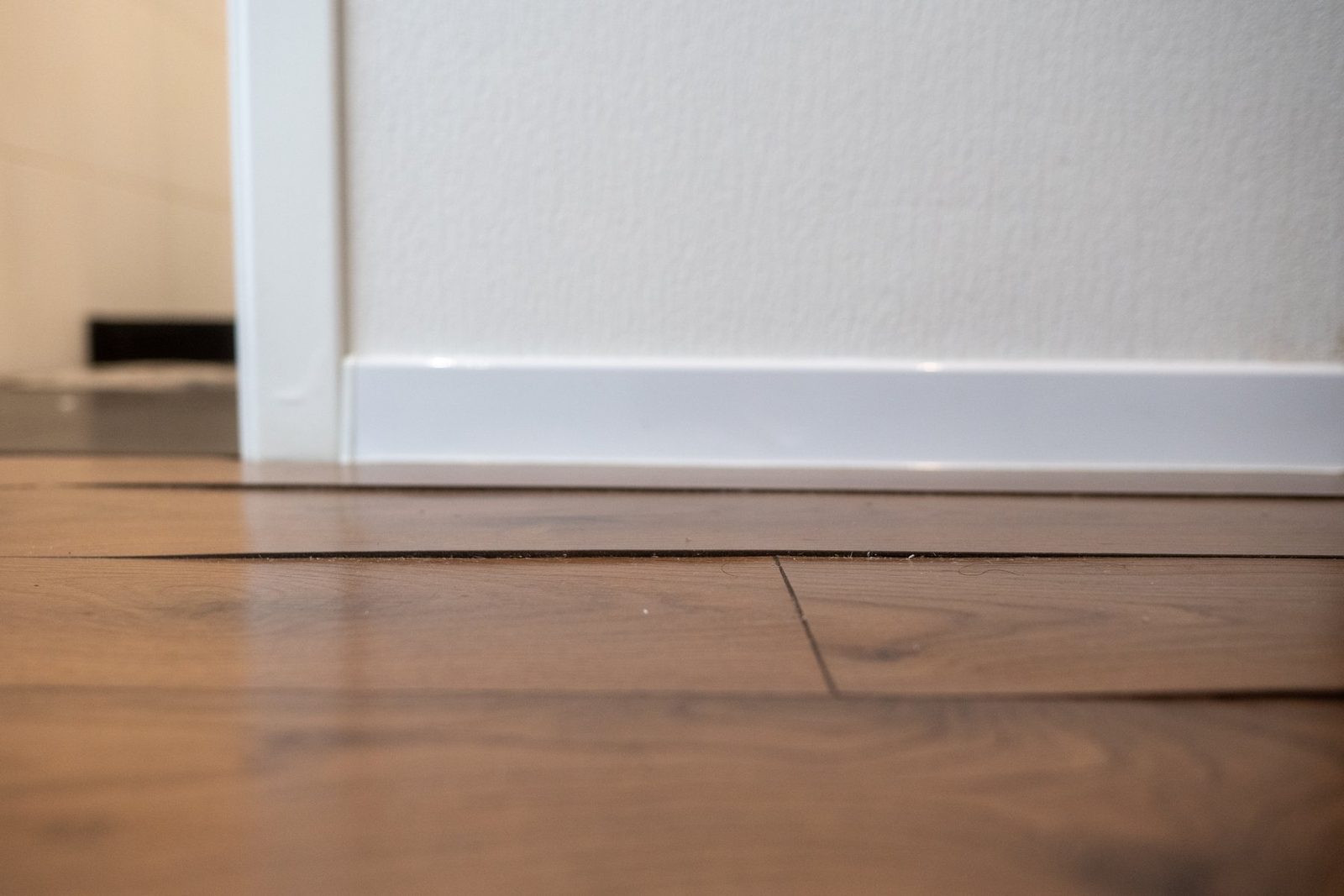
- Damp carpet, swollen baseboards, lifting or cracked tile and wood flooring
- A musty smell or mold at the base of walls
What to do first
- Turn off the main water valve if water is coming up or the meter is spinning
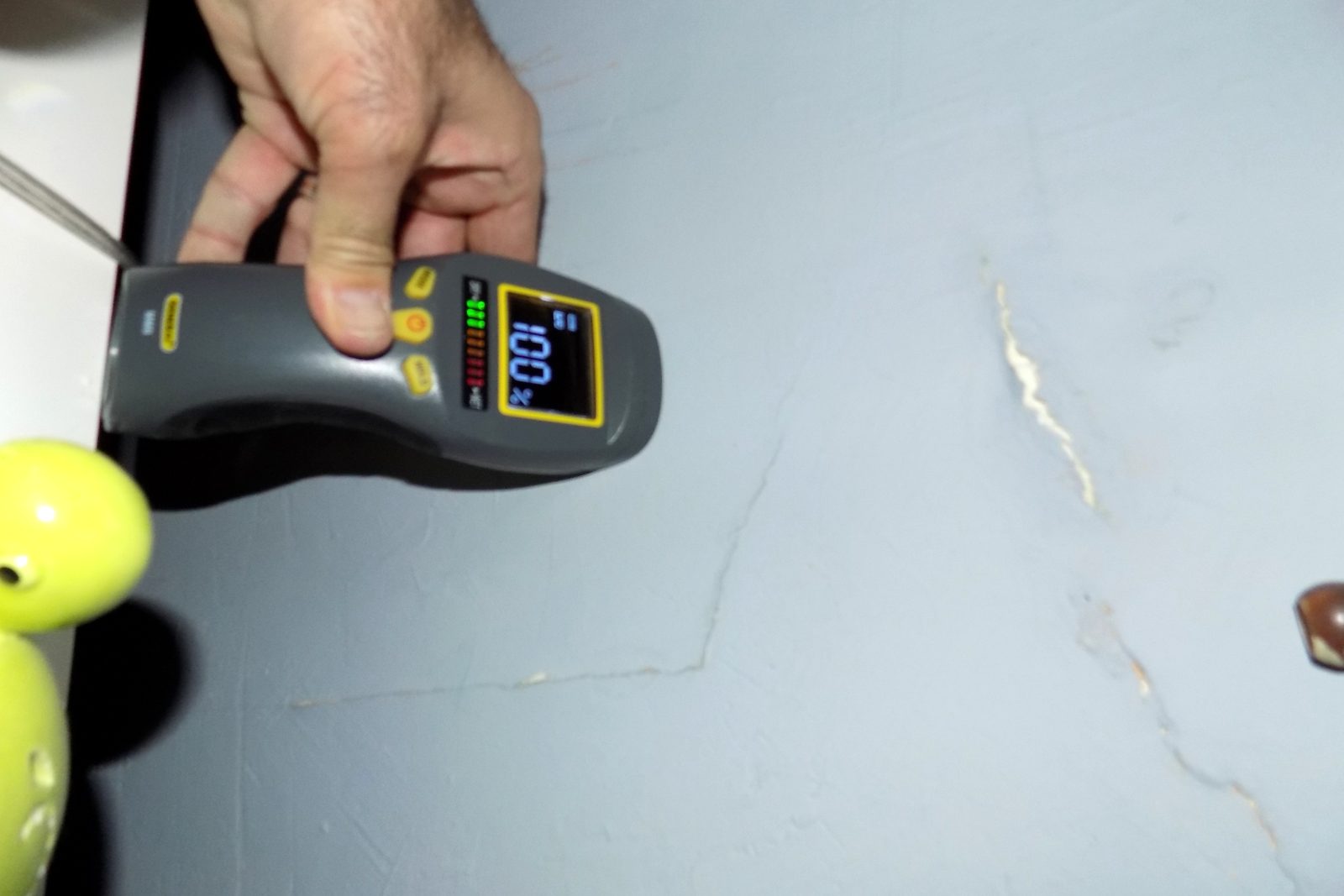
- Photograph and video every wet area before anything is moved or removed
- Move belongings off wet floors and run fans or a dehumidifier
- Keep receipts for the plumber's leak detection and any emergency work
- Don't let anyone haul away damaged flooring or cabinets before it is documented
Most homeowners policies list the same duties after a loss: protect the property from further damage, make reasonable and necessary repairs to protect it, and keep an accurate record of repair expenses. Temporary repairs are part of your job; permanent repairs can usually wait until the damage is documented.
Does homeowners insurance cover a slab leak?
The water damage and the tear-out, often yes. Many homeowners policies say that when water damage is covered, they also pay the cost of tearing out and replacing the part of the building needed to repair the system the water escaped from: the slab, the flooring, the wall. The pipe itself, usually not. The leaking pipe or fitting is normally treated as a plumbing repair, not damage.
How long it leaked matters. Many Florida policies exclude water that leaked or seeped over 14 or more days. Slab leaks are hidden, so insurers often argue they ran for months. Even then, part of the damage may still be payable. See long-term leak denials, explained.
Watch for a water cap. Many Florida insurers now cap non-weather water damage at $10,000, particularly on older homes, and a restoration company's emergency work can use up most of it. See how the $10,000 sublimit works.
Florida and New Jersey deadlines
In Florida, an initial or reopened claim must be reported within 1 year after the date of loss, and a supplemental claim within 18 months (Fla. Stat. §627.70132). The insurer must pay or deny within 60 days after notice (Fla. Stat. §627.70131). In New Jersey, the insurer must decide within 30 calendar days after receiving properly executed proofs of loss, unless clearly justified (N.J.A.C. 11:2-17.7).
Frequently asked questions
Is a slab leak covered by homeowners insurance?
What are the signs of a slab leak?
Does insurance pay for leak detection?
Have damage now? Call Homeland first. Before you call anyone else, call us 24/7 at (305) 783-3777 in Florida or (732) 517-3777 in New Jersey. We document the damage, find where the water really went and present the full claim for you. Hablamos español.
This article is for general information only and is not legal or insurance advice. Statutes, regulations and policy wording change, and how they apply depends on your own policy and the facts of your claim. Homeland Public Adjusters is a public adjusting firm, not a law firm.
- Surprising Things Your Policy Covers
- Neighbor's Condo Fire: Who Pays?
- Damaged Tile or Laminate: A Claim?
- Barn, Stable & Outbuilding Coverage
- Wind and Tornado Risk on the Farm
- Crop Insurance vs. Property Insurance
 Yeni Martinez
 Alberto Enriquez
 Yisel Dieguez
Homeland Public Adjusters represents policyholders, not insurers. Get a free review of your claim.
Get a Free Claim ReviewHave a question we didn't answer? Ask a public adjuster. If you already have an open claim, see What to Do in the First 24 Hours After Property Damage.