Hail on 300 cars, surge through the service bays, a fire that started in a customer’s car. The building is one claim; the inventory on the lot and the cars in your care are two more.
Homeland Public Adjusters represents auto repair shops, body shops, tire and lube centers, detailers and new and used car dealerships in Florida and New Jersey with fire, hail, flood, wind and water claims, including the dealer inventory on the lot, the customer vehicles in the shop, the lifts and diagnostic equipment, and the income lost while the bays are closed. No Recovery, No Fee.
Florida dealers and shops sit on open lots in hurricane and hail country and in the flood zones where Hurricane Ian damaged as many as 358,000 vehicles and Helene another 60,700 in Florida alone (Carfax). Homeland represents Florida auto businesses with the building, equipment, inventory and garagekeepers claims that follow.
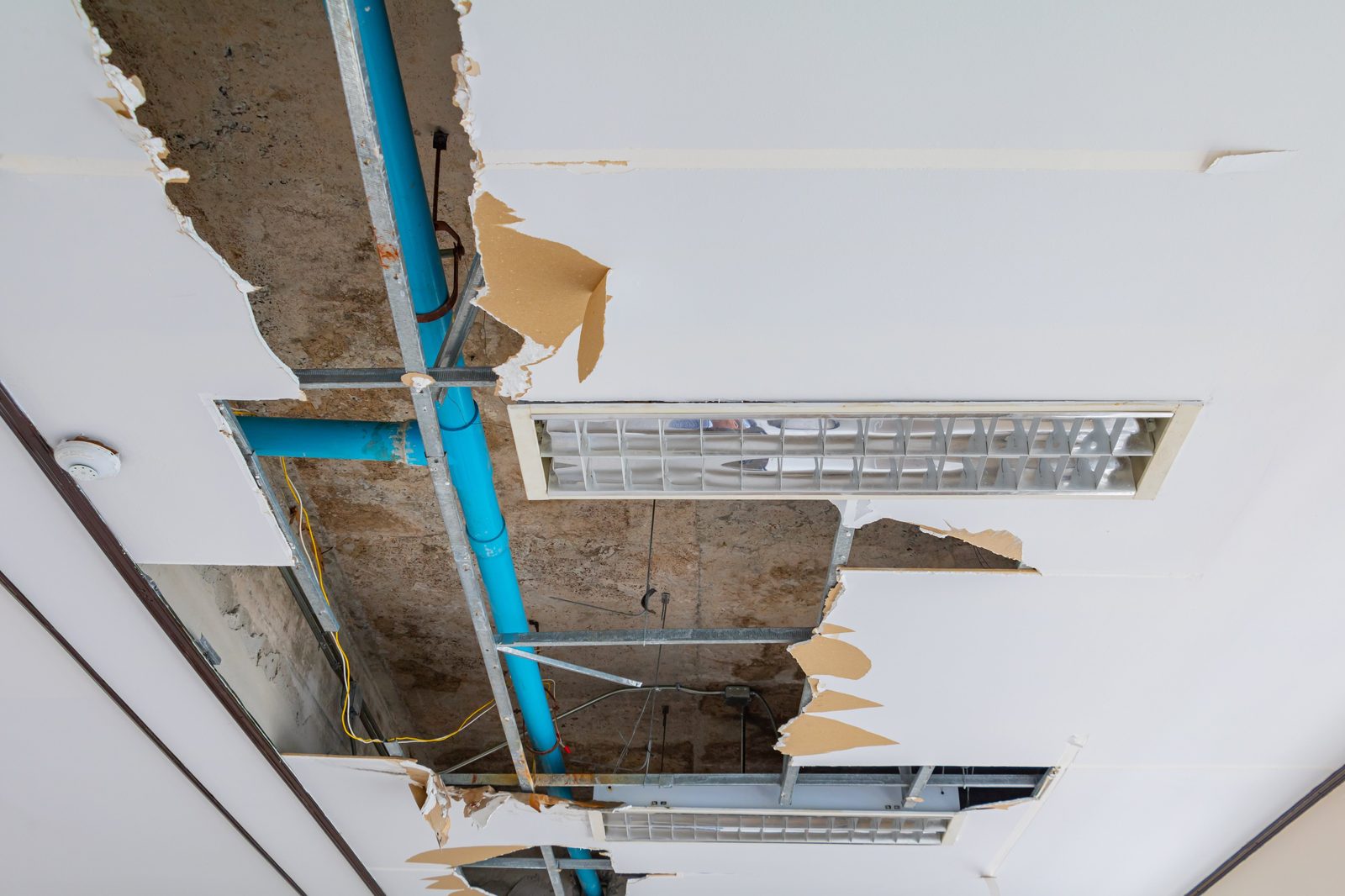
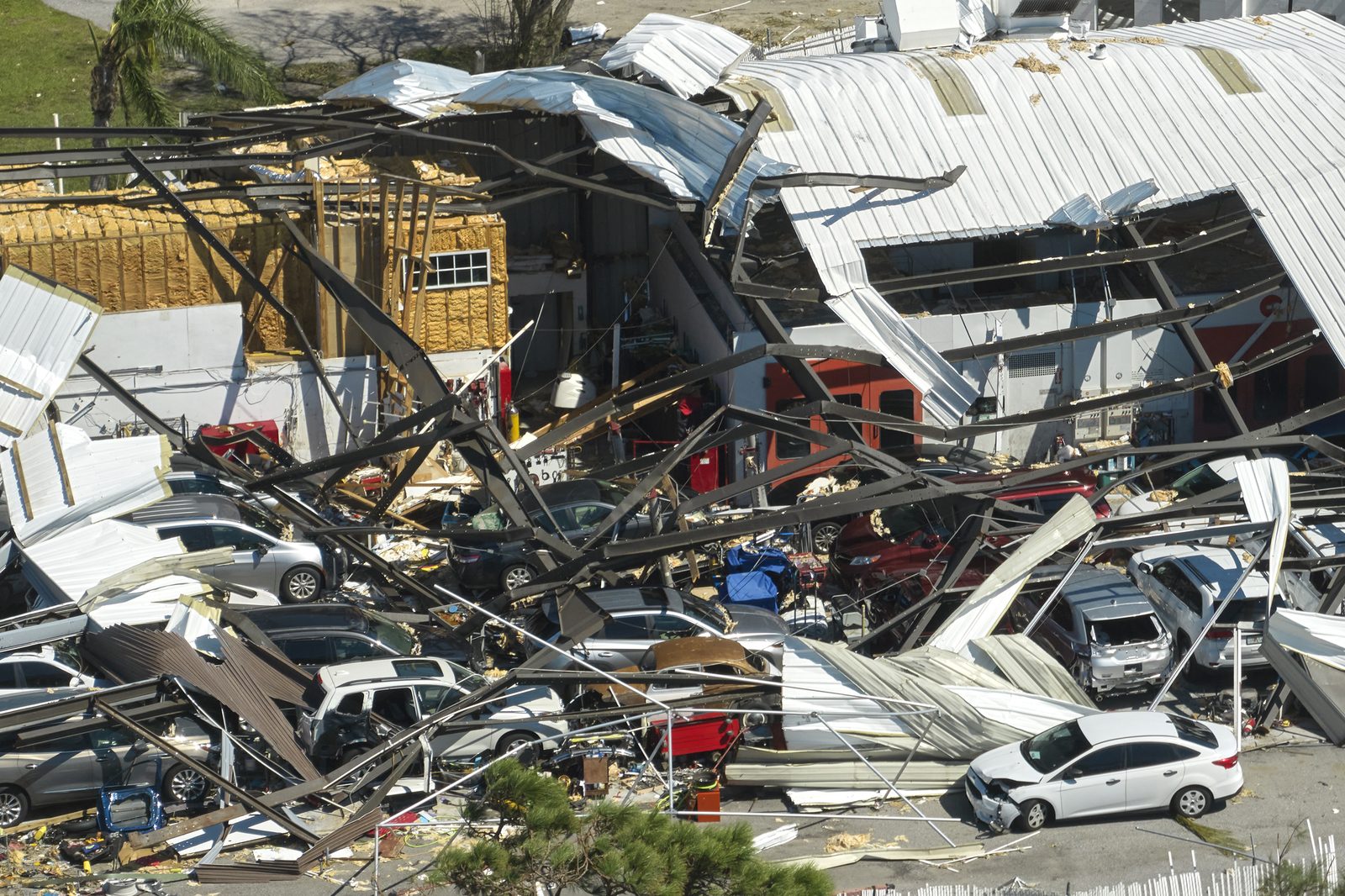
A collapsed dealership roof is a building claim, an inventory claim and a business-income claim at once.
Auto Shops & Dealers Claims in New Jersey
New Jersey’s highway dealerships and neighborhood shops take spring hail, nor’easter wind on open lots, frozen lines in unheated bays and fire in buildings full of fuel and solvents. Homeland handles New Jersey auto shop and dealership claims and the separate inventory and garagekeepers claims that go with them.
An automotive business has three kinds of property on one site, and each is insured under a different coverage:
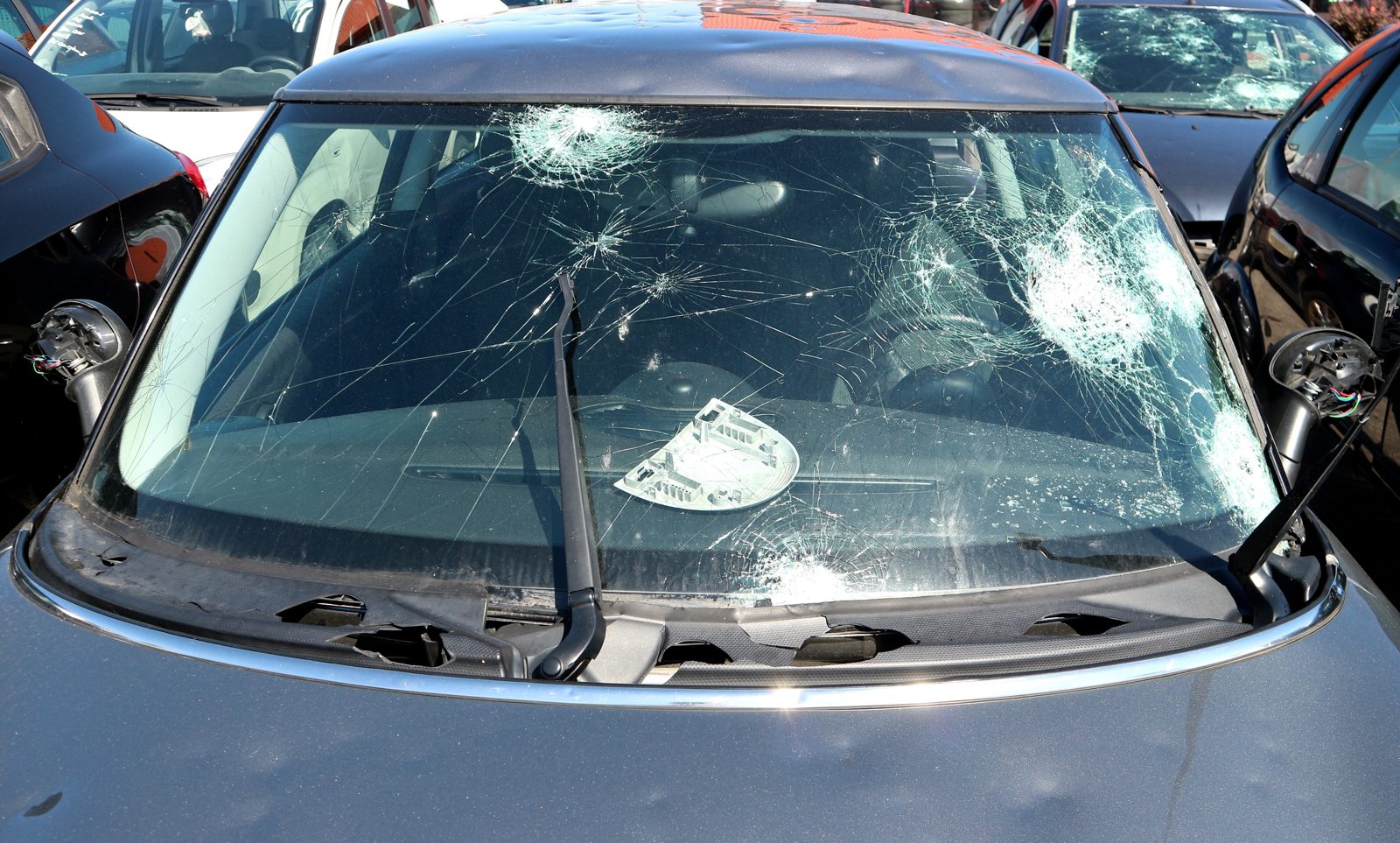
Hail on the lot: hundreds of vehicles in one storm; one Texas dealership lost 311 cars and more than $4 million in a single hailstorm, with a $240,000 deductible (Insurance Journal)
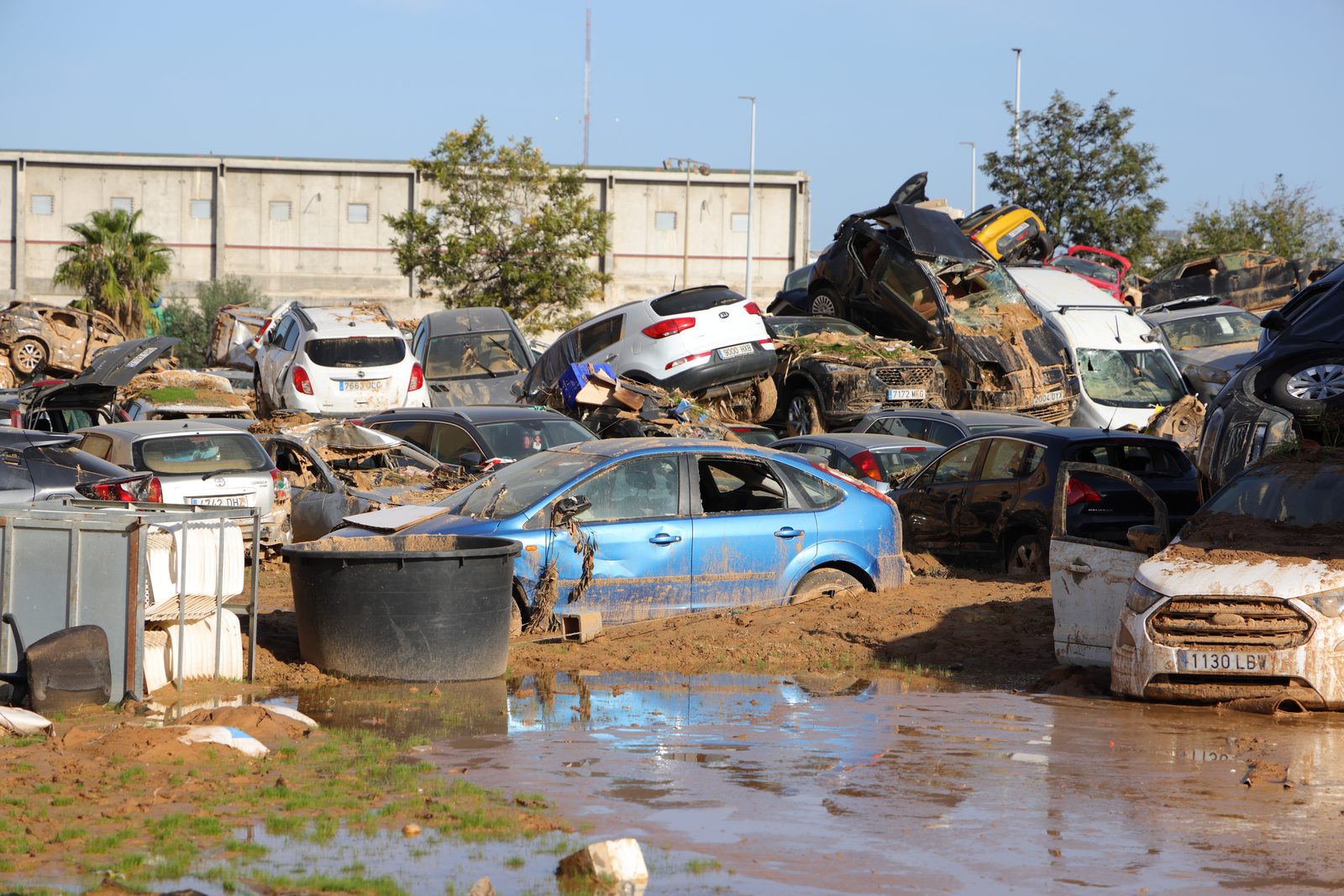
Flood on the lot: inventory under water after a hurricane; the cars are a dealer open lot claim, the showroom and shop a building claim
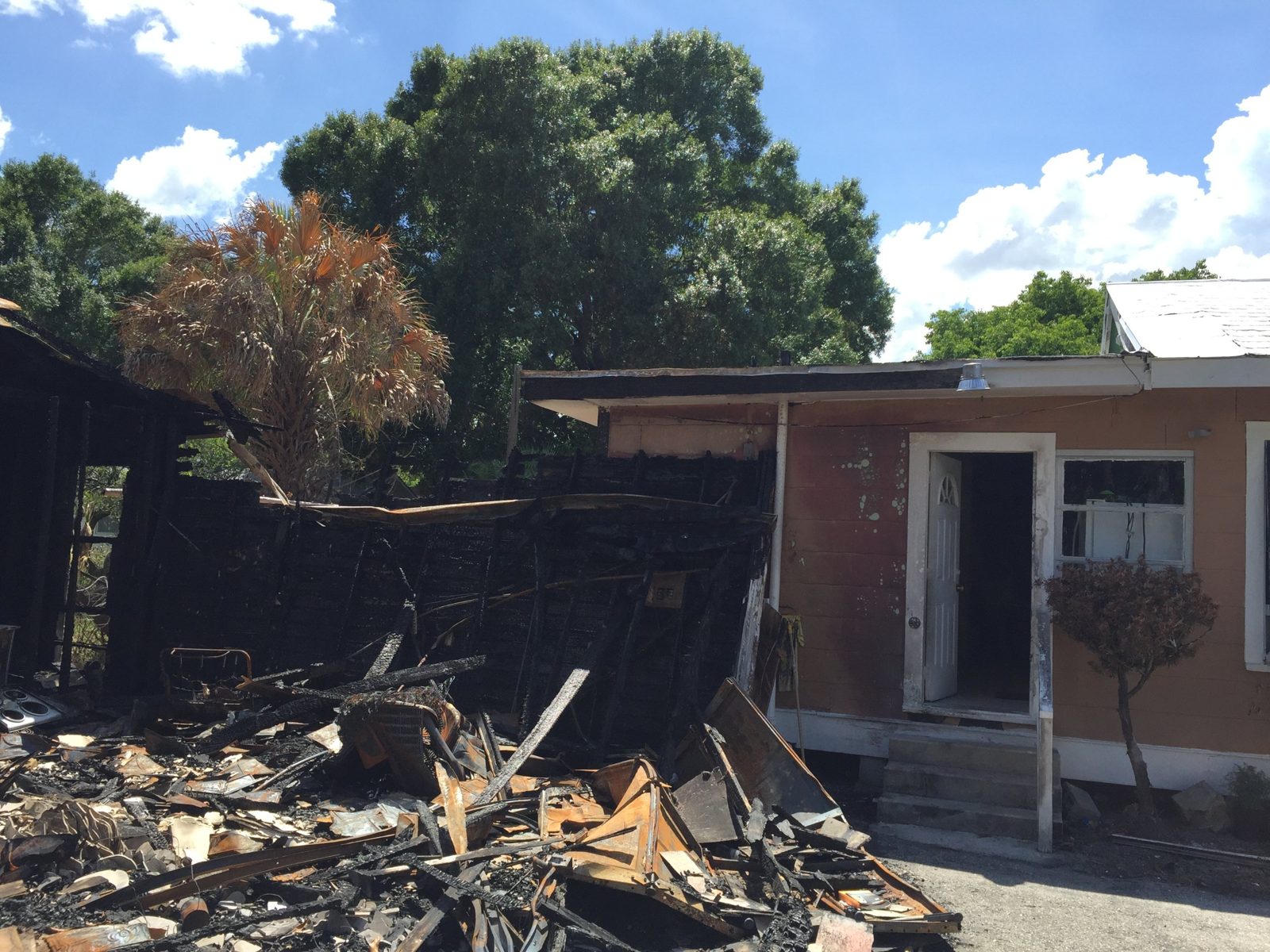
Fire in the bays: fuel, solvents, batteries and a customer’s car; auto service, repair and vehicle sales occupancies account for 31% of civilian deaths in mercantile fires (NFPA)
Lithium battery fires from EVs and hybrids in the shop or on the lot after saltwater flooding, a hazard Florida’s State Fire Marshal documented after Helene
Lifts, alignment racks, diagnostic and paint-booth equipment damaged by water, surge or smoke; equipment breakdown is a separate coverage
Customer vehicles in your care: garagekeepers coverage, not property coverage, and a separate adjuster
Wind on the showroom and the canopy, and the signage and lighting that make a dealership
Lost sales and service revenue while the lot is a lake or the bays are dark
Auto Shops & Dealers: by the numbers
358,000Vehicles potentially flood-damaged by Hurricane Ian (Carfax, Oct 2022)
60,700Flood-damaged vehicles in Florida after Hurricane Helene, of about 138,000 nationally (Carfax)
311Cars damaged at one Texas dealership in a single 2017 hailstorm, more than $4 million in damage (Insurance Journal)
31%Share of civilian deaths in mercantile property fires at auto service, repair and vehicle sales occupancies (NFPA)
Every commercial policy is a package of separate coverages with separate limits and separate arguments. These are the ones that decide this industry’s claims:
Coverage
Why it matters here
What to check
Dealer open lot / dealer physical damage
Covers the inventory on the lot against hail, flood, wind, fire and theft
Per-vehicle and per-location limits, the hail and flood deductibles, and the valuation (cost vs. wholesale)
Garagekeepers
Customer vehicles in your care, custody or control
Direct vs. legal liability form; a direct form pays regardless of fault
Building and business personal property
The shop, the showroom, the lifts, the tools
Equipment often undervalued; the lifts alone can exceed the contents limit
Equipment breakdown
Compressors, lifts, paint booth, diagnostic systems that fail after surge or water
Without it, failures are excluded as mechanical breakdown
Business income and extra expense
Service revenue stops the day the bays close; sales stop when the lot is unusable
Waiting period, extended income, and extra expense for a temporary lot or bays
Pollution and cleanup
Fuel, oil and solvents released in a fire or flood
Pollutant cleanup sublimits are small; the environmental cleanup can exceed the building claim
What to Do After the Loss
1
Make it safe and stop the loss: shut the water, cut the power to the affected area, call the fire department for any smoke or gas. Keep people out of a space with a sagging ceiling.
2
Photograph and video before cleanup, every area, every piece of equipment, the stock, the ceiling above and the floor below, with a wide shot and close-ups.
3
Protect what is left and keep the receipts: board-up, tarps, extraction, a generator for the walk-in. Emergency work is reimbursed; permanent repairs wait for the inspection.
4
Inventory the lot by VIN the first day, with photographs of every vehicle’s damage and the water line; the dealer open lot claim is paid per vehicle.
5
Separate customer vehicles from inventory in the record, with the repair orders; they are claimed under garagekeepers, not property.
6
Have the lifts, compressors and electronics inspected and certified before the carrier calls them operational.
7
Let Homeland notify the carrier: call us before the insurance company. Hire us and we file the notice in writing with the facts, the photos and the coverage request.
8
Start the income record the same day: daily sales before and after, the reservations or orders you turned away, the payroll you kept, the extra costs to keep going.
How Homeland Helps
Policy read first: business income, extra expense, ordinance or law, coinsurance, equipment breakdown, spoilage, tenant improvements and the percentage wind deductible, before the carrier’s adjuster frames the claim.
Building, equipment and inventory documented separately, each under the coverage and valuation that applies to it.
Business income built from your records: sales, P&L, payroll and the period of restoration proved, not estimated.
Landlord and tenant policies coordinated so the shell, the build-out and the contents are each claimed once, under the right policy.
Code and ordinance costs identified before demolition, when they can still be claimed.
Appraisal when the number is still short, handled by a licensed public adjuster who is also a certified property appraiser and umpire.
No Recovery, No Fee.
Deadlines to Know
Florida. Notice of an initial or reopened property claim is due within 1 year after the date of loss and a supplemental claim within 18 months (Fla. Stat. §627.70132), which applies to property insurance of every kind, commercial included. The 7-day acknowledgment and 60-day decision rules of §627.70131 apply to residential policies and to certain smaller commercial properties, so for a larger building the policy’s own proof-of-loss and suit clauses control.
New Jersey. Insurers must begin investigating within 10 working days of notice and pay a first-party property claim within 30 calendar days after a properly executed proof of loss, with written delay notices every 45 days after that (N.J.A.C. 11:2-17.7).
In the News. After Hurricane Ian, Carfax estimated that as many as 358,000 vehicles had been flood-damaged, and after Helene the count reached about 138,000, with Florida’s 60,700 the most of any state. Florida’s State Fire Marshal separately confirmed dozens of lithium-ion battery fires in flooded EVs, scooters and golf carts in the weeks after Helene. For a dealer or a shop, a flooded lot is a per-vehicle inventory claim, a garagekeepers claim for the customers’ cars, a building claim for the showroom and bays, and a fire risk on the lot until the batteries are dealt with, and each of those is adjusted by a different person under a different form.
Hail damaged most of the cars on my lot. Is that one claim?
One claim under dealer open lot coverage, adjusted vehicle by vehicle, with one deductible per occurrence on most forms. The building, the canopy and the signage are a separate property claim; the lost sales are business income.
A customer’s car was in the shop when the fire started. Whose claim?
Garagekeepers coverage pays for customer vehicles in your care; on a direct form it pays regardless of fault, on a legal liability form only if you were negligent. The customer’s own comprehensive coverage may pay first and subrogate. Your building and equipment are your property claim.
The lifts still go up and down. The adjuster says they are fine.
Water in hydraulic systems, surge through the controls and smoke in the motors are damage whether the lift moves or not, and a lift that fails under load later is a liability. A certified lift inspector’s report decides it.
The flood left fuel and oil all over the shop floor and the lot.
Pollutant cleanup is usually a small sublimit on the property form; the fire or flood that released the pollutants is the covered cause, and the cleanup belongs in the claim up to that limit. Know the limit before the storm.
Our EV inventory flooded in saltwater. The carrier wants the cars moved immediately.
Flooded lithium batteries can ignite days later, and Florida’s fire marshal has said so after every recent storm. Moving them is a safety step, not a waiver of the claim; photograph and VIN every vehicle before it leaves the lot and keep the tow and storage invoices as extra expense.
Can we claim the service revenue while the bays are closed?
Business income coverage pays net income and continuing expenses for the period of restoration, proved from the repair order history. Extra expense covers temporary bays or a sublet shop to keep the technicians working.
A commercial claim is a property claim and an income claim at once, and the first estimate covers neither. Call Homeland for a free review before you sign anything.

 By Nelson Avila