
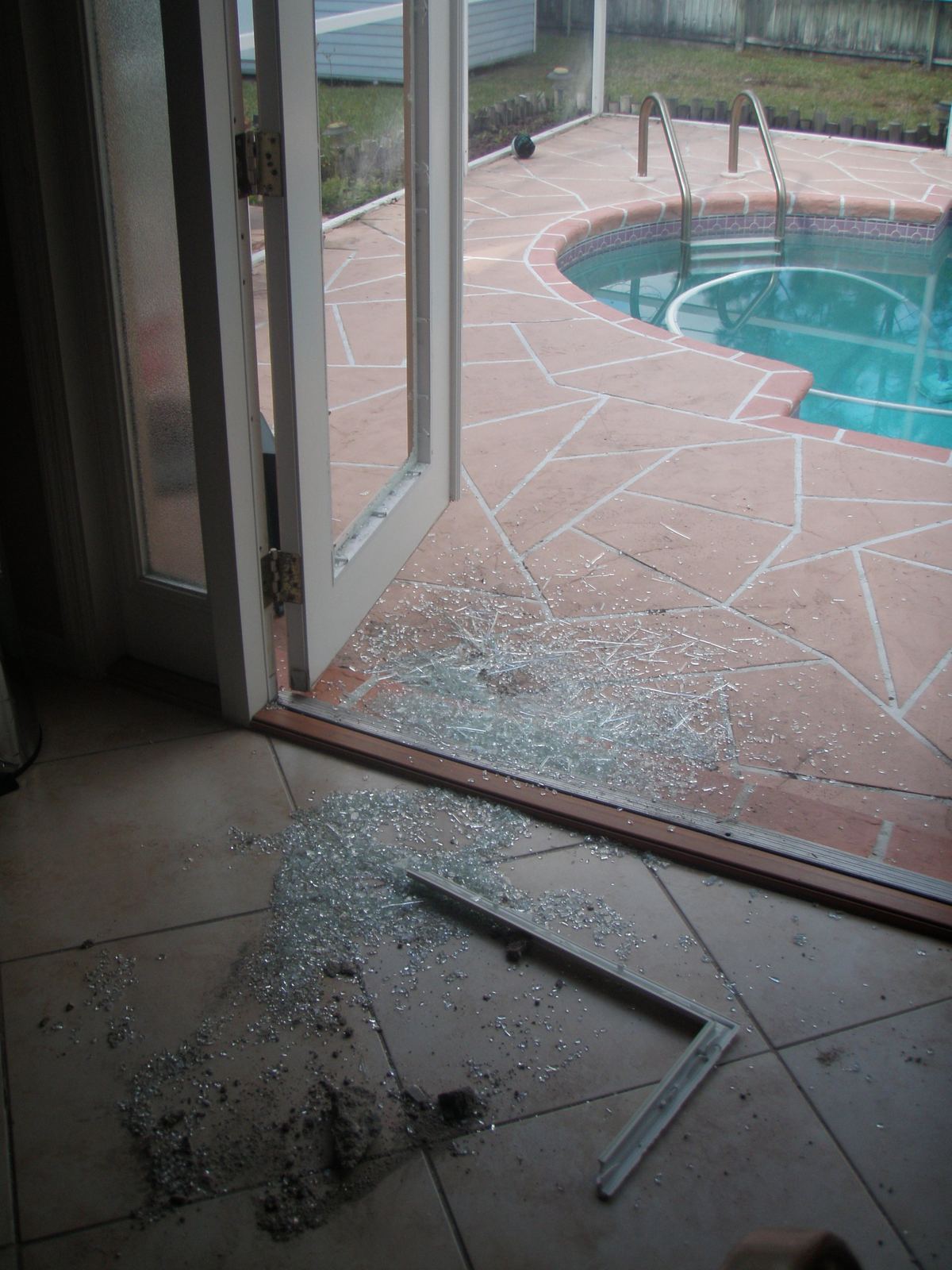
Theft or vandalism anywhere in Florida? A licensed Homeland public adjuster comes to you within hours — no need to visit an office. New Jersey: we come to you statewide.
Some of Homeland's Results on Claims Like This
- Vandalism / Theft · Naples — $83,525
Every claim is different. Results depend on each loss and policy; past results don't guarantee a future outcome.
Amounts are insurance payments obtained on each claim, before Homeland's fee and other costs, rounded to the nearest dollar. Client names are withheld for privacy.
Homeland Public Adjusters handles theft, burglary and vandalism claims for homeowners, renters and businesses in Florida and New Jersey. We document the physical damage, build an itemized inventory of what was stolen or destroyed, organize the evidence, and negotiate the claim with your insurer. No Recovery, No Fee. Call 24/7.
If you need help with a theft, burglary or vandalism insurance claim on a home, rental, condo or business in Florida or New Jersey, Homeland Public Adjusters handles exactly this kind of claim. Homeland is a licensed public adjusting firm (Florida W818638; New Jersey 3003982360) with 20 years in the industry (since 2006) and a network of experts in Florida and New Jersey ready to take on any loss. In Florida we come to you within hours, wherever you are. Call (305) 783-3777 (Florida) or (732) 517-3777 (New Jersey), 24/7, English or Spanish.
Last reviewed: October 2026
How Can We Help You Recover, or Prepare?
Theft and Vandalism in New Jersey
A break-in or an act of vandalism can happen to a home, a rental property, a store or an association building, and the loss is often two claims in one: the damage to the property, and the belongings or business inventory that are gone. Homeland represents New Jersey homeowners, landlords, businesses and community associations with theft and vandalism losses, from documenting what happened and what was lost through the claim itself. Serving New Brunswick, Elizabeth and communities across New Jersey.
Theft and Vandalism in Florida
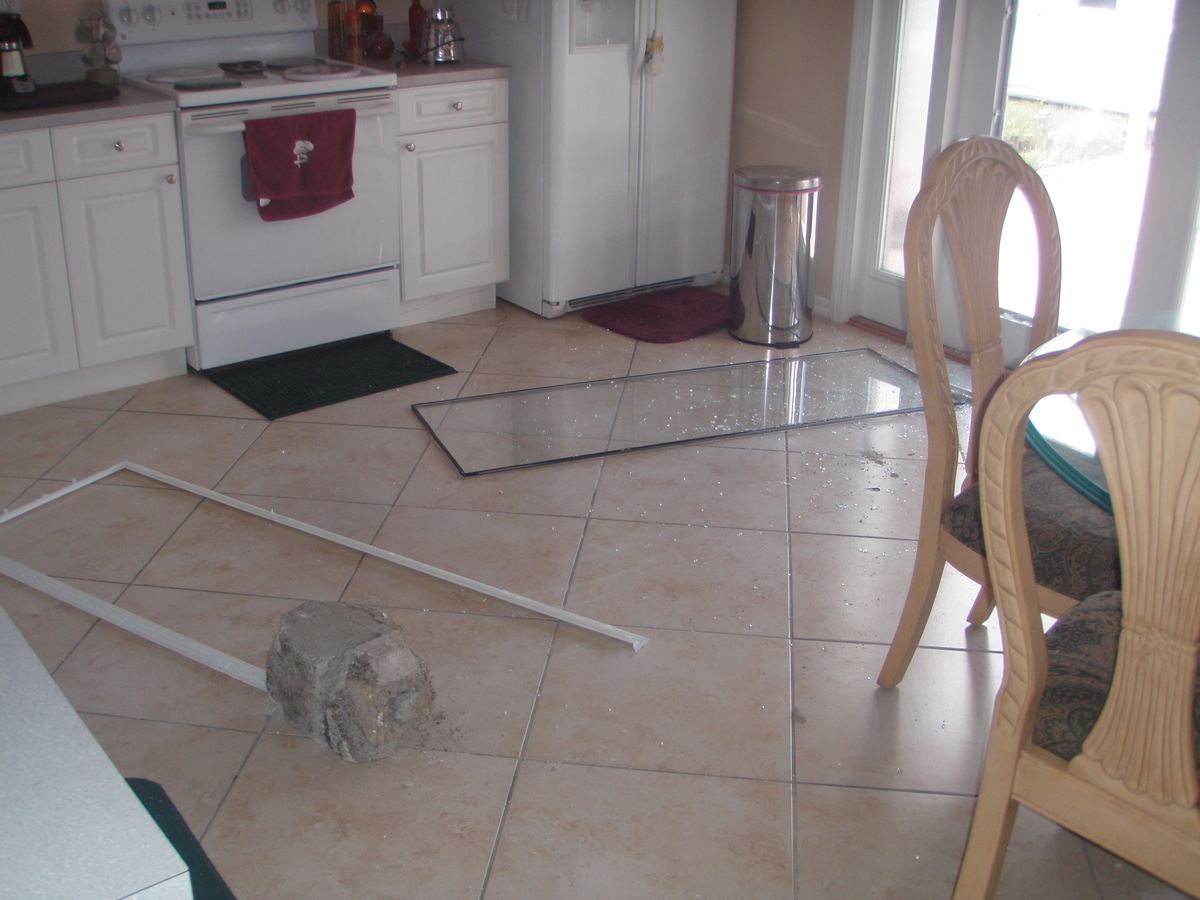
Homeowners, businesses, and condominium and HOA associations in Florida face the same two-part loss: the damaged entry points, windows and interiors, and the missing property. For associations, vandalism of common areas, clubhouses and amenities can involve the master policy, while each owner’s stolen belongings fall under their own policy.
Handling a Theft or Vandalism Insurance Claim
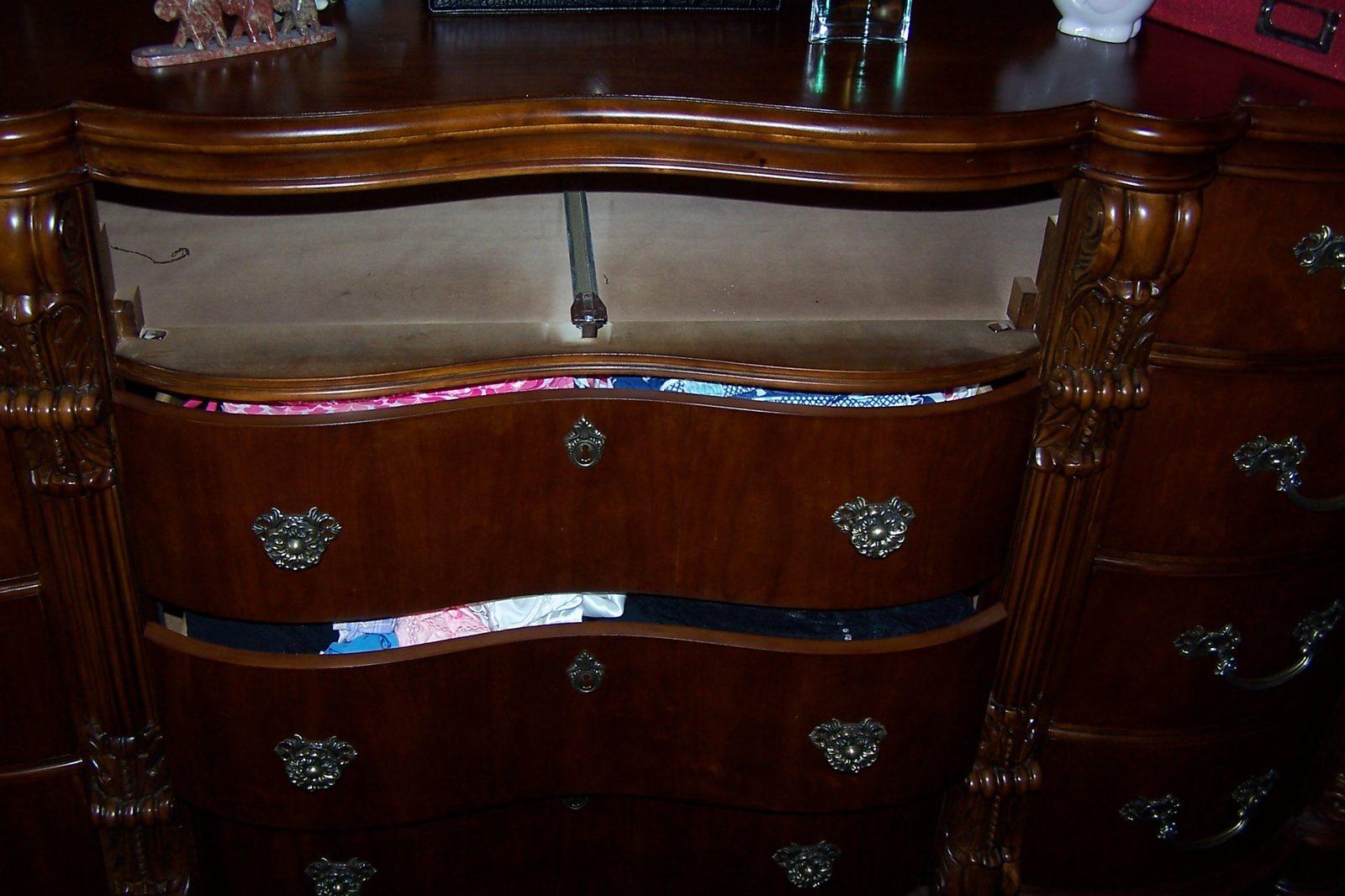
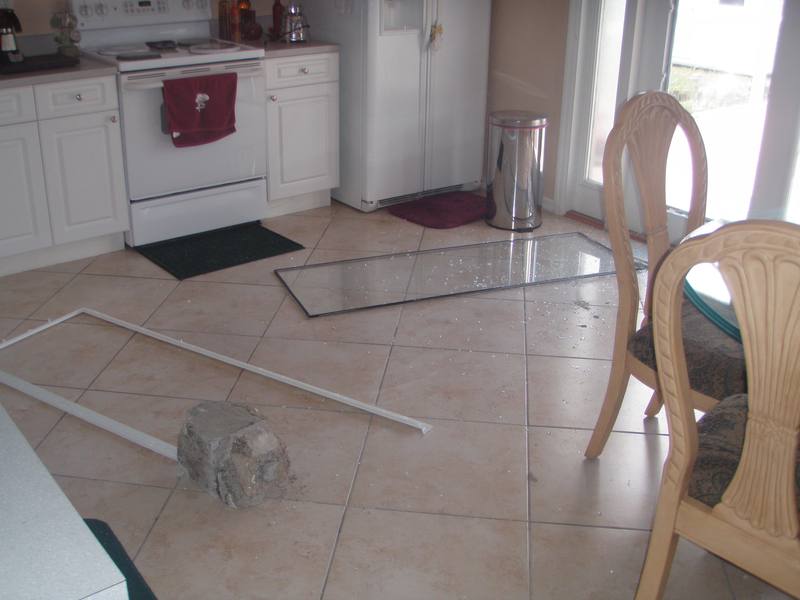
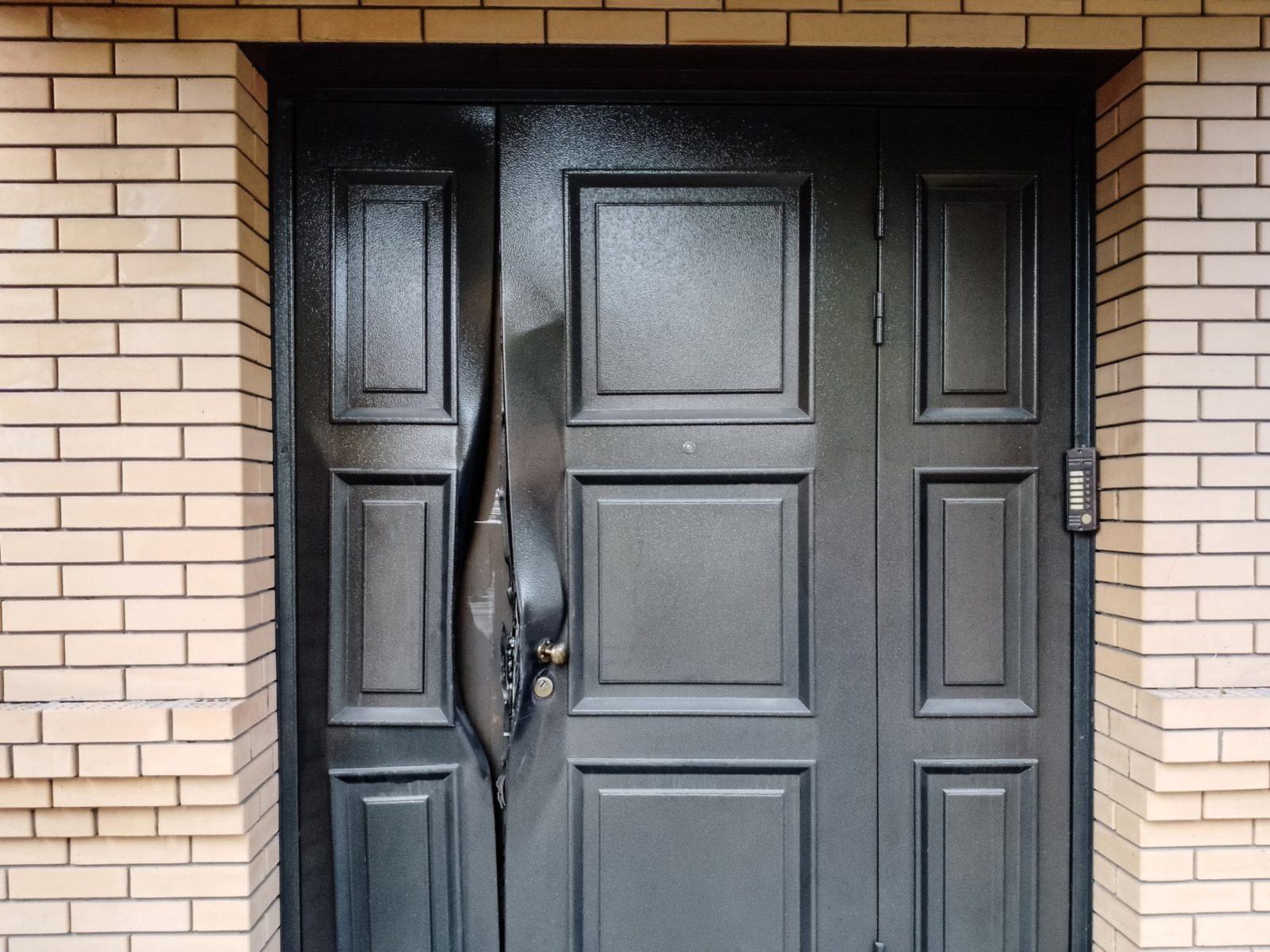
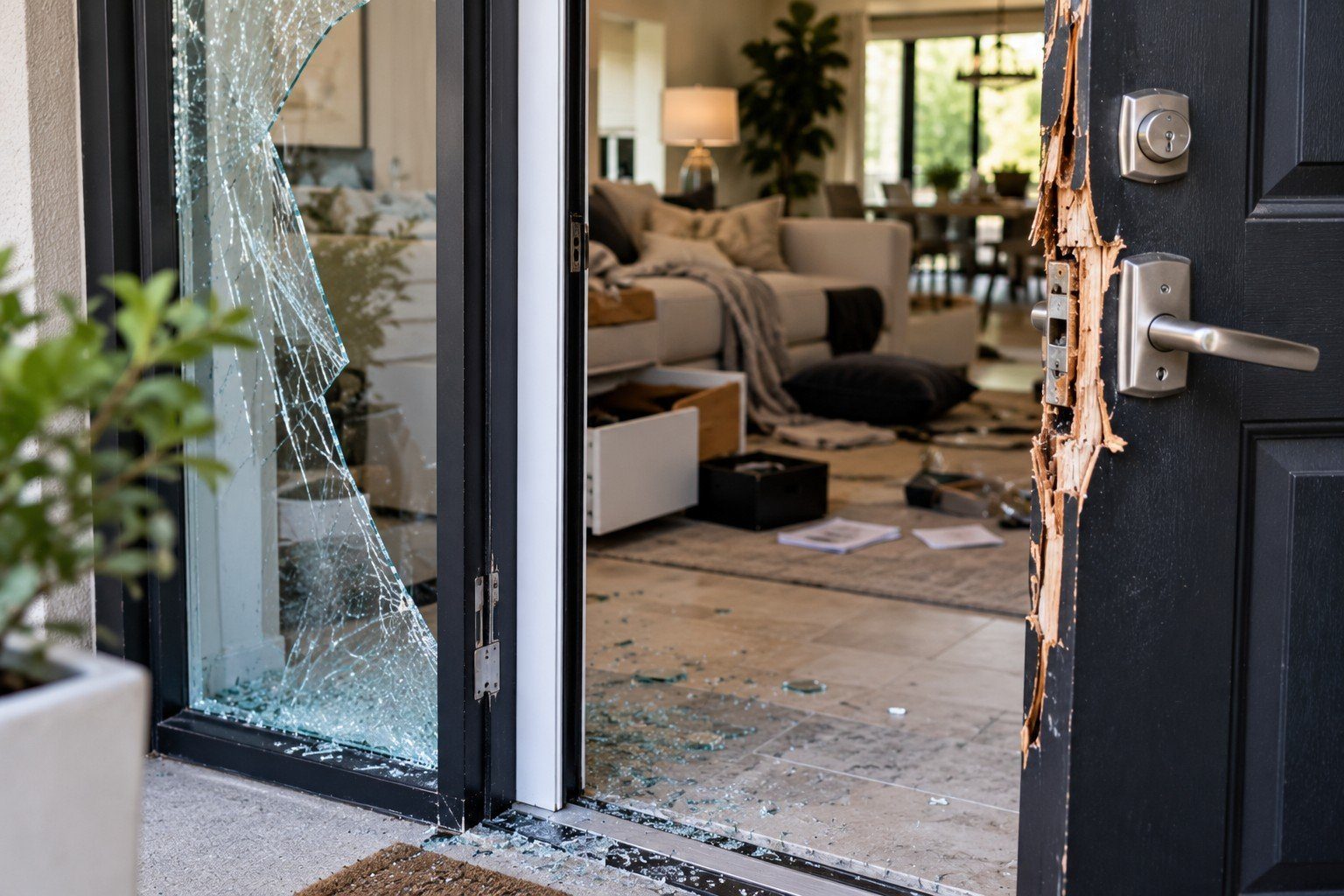
Unlike many property losses, theft and vandalism claims can involve two separate issues: damage to the property itself and the loss of stolen items. Damaged locks, shattered windows, and destruction inside the property may need to be documented alongside missing personal property, merchandise, electronics, tools, or business equipment.
Homeland Public Adjusters works with policyholders to develop a detailed record of what occurred and what was lost or damaged. Depending on the circumstances and applicable coverage, our team can assist with property inspections, damage recording, content inventories, estimates, policy review, supporting records, and communication with the insurance carrier. Many policies also set special limits on certain items, such as jewelry, cash and collectibles, so check yours.
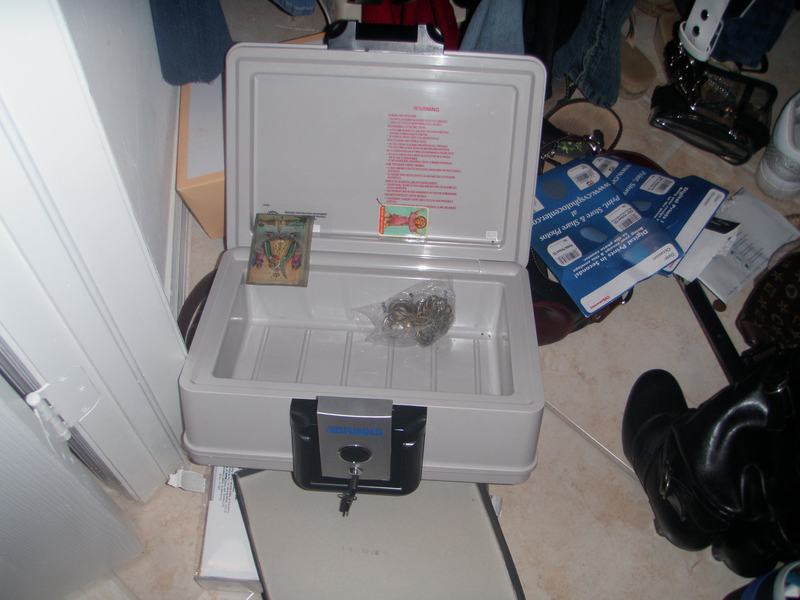
Theft & Vandalism in a Condo or HOA Association Building
Theft and vandalism in a condominium or HOA building can involve damage to the building itself, covered by the association’s master policy, and stolen or damaged personal belongings, which are typically the unit owner’s own responsibility to claim.
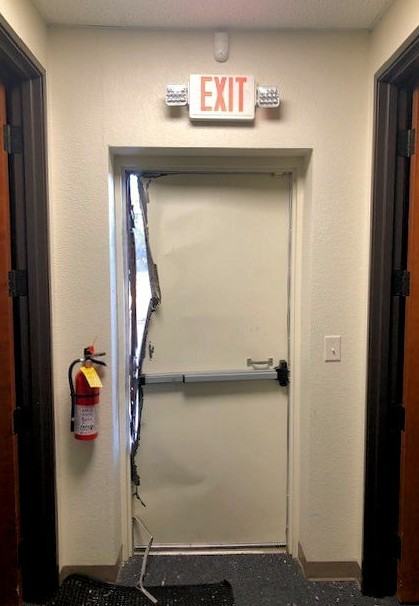
Damaged doors, locks, windows and common-area vandalism are typically addressed under the association’s master policy.
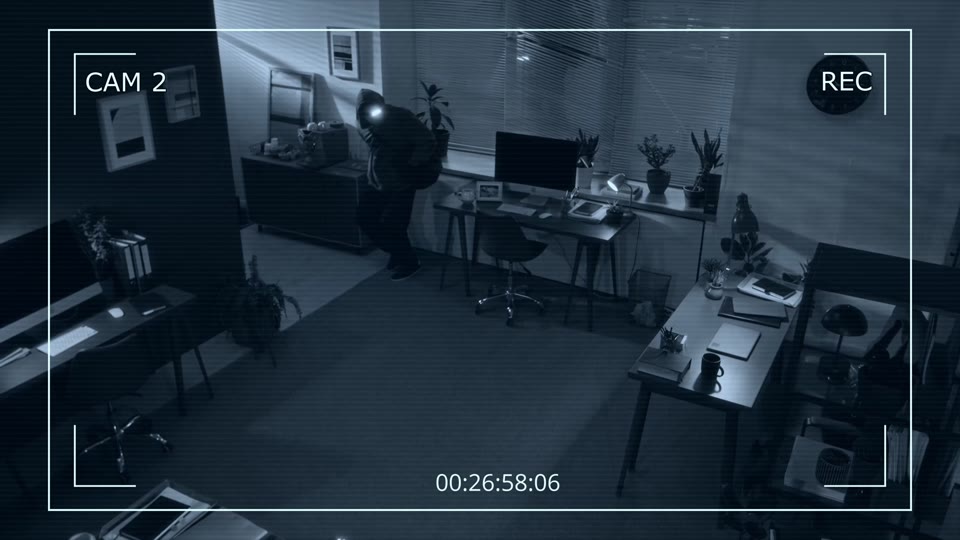
Damage to a unit’s own doors, fixtures or finishes during a break-in can raise questions about which policy applies.
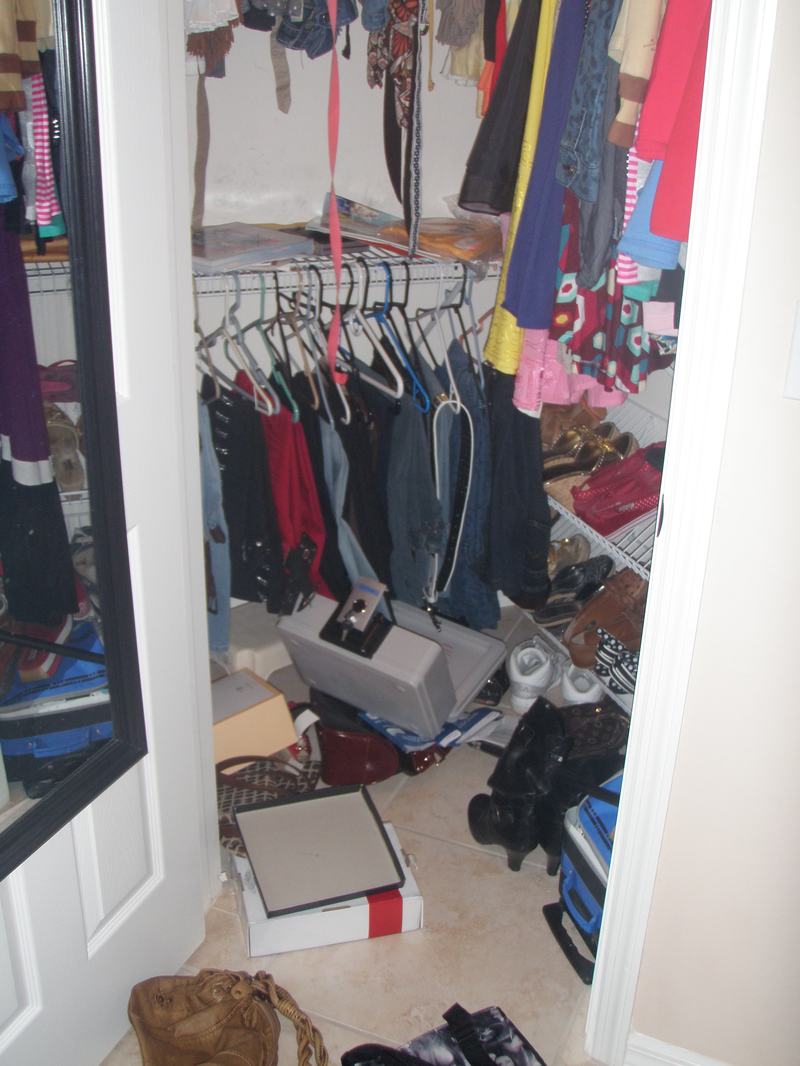
Stolen or vandalized personal property inside a unit is generally covered, if at all, under the unit owner’s own policy.
The association’s master policy typically covers damage to the building and common areas from a break-in or vandalism, while a unit owner’s own policy covers their stolen or damaged personal belongings. Homeland can help determine which policy applies to each part of the loss.
See our Condo & HOA Associations claims page for more on master-policy claims.
Theft, Burglary, Vandalism and Malicious Mischief: What Each Means in a Policy
The word the police report uses and the word the policy uses are not always the same, and the difference can decide which limit applies.
| Term | What it usually means | Why it matters |
|---|---|---|
| Theft | Taking property without permission, with or without a break-in | Homeowners forms usually do not require signs of forced entry for theft; special limits apply to jewelry, firearms, silverware and cash |
| Burglary | Theft by someone who broke in | Some commercial and equipment forms cover theft only with visible signs of forced entry or exit; photograph the entry before it is repaired |
| Vandalism or malicious mischief | Deliberate damage or defacement: broken windows, graffiti, destroyed fixtures | One named peril (often written “vandalism and malicious mischief”); it is the peril most affected by vacancy clauses |
| Damage from the break-in | Doors, locks, frames, windows, walls and alarm parts damaged getting in | Building damage, claimed under the dwelling or building coverage, not under the contents theft limits |
Common Theft & Vandalism Losses
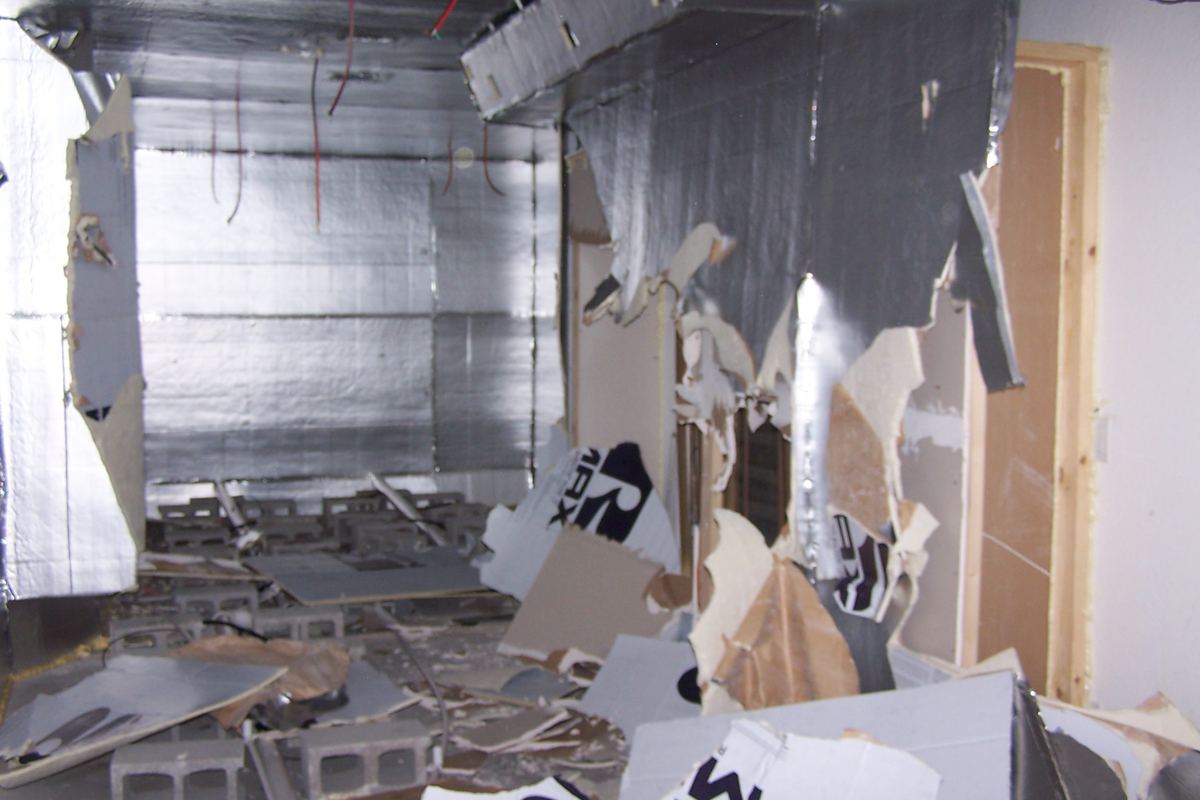
Intentional property damage can range from a single damaged entry point to extensive destruction throughout a building. Theft can add another layer to the claim when property is removed, making careful documentation of both physical damage and missing items particularly important.
Vandalism in a Rental or Short-Term Rental
A guest who trashes a vacation rental, a tenant who strips the copper on the way out, or a break-in at a unit between tenancies raises two questions the carrier will ask first: was the property vacant, and was the damage intentional by someone the policy counts as an insured? Standard policies drop vandalism coverage after 60 consecutive days of vacancy, and landlord policies treat tenant-caused damage differently from a stranger’s. Our Short-Term & Vacation Rentals page covers host guarantees and which policy responds, and our guide to vandalism and tenant damage claims covers the proof.
What to Do After Theft or Vandalism
Discovering that a home or business has been burglarized or intentionally damaged can create an immediate urge to clean up and secure everything. Before conditions change substantially, take appropriate safety precautions and preserve as much information about the loss as reasonably possible.
You Don’t Have to Remember All of This. Adjuster Advantage Has You Prepared.
The best way to prepare for a theft or any other damage is the free Adjuster Advantage app, for property owners and for associations.
Is your association’s common property on record?
AA Associations gives boards and managers the master policy explained in plain words, a dated building record of the roof, exterior, common areas, equipment, clubhouse and amenities that can be downloaded as a PDF for the board, and reminders for the dates you enter. For Florida associations today.
Joining Adjuster Advantage is free and does not create a contract or agreement with Homeland Public Adjusters for any claim. Public adjusting services require a separate written agreement.
Theft & Vandalism Claims by the Numbers
The Coverages That Decide a Theft or Vandalism Claim
Theft and vandalism are covered on most property policies, but the policy limits what it will pay for and under what conditions:
| Provision | What it does | Where claims go wrong |
|---|---|---|
| Special limits on personal property | Standard forms cap theft of jewelry, watches and furs (often $1,500), firearms ($2,500), silverware ($2,500) and cash ($200) unless scheduled | High-value items paid at the sublimit; a scheduled personal property endorsement or appraisal records are the only way around it |
| Vacancy | Vandalism and malicious mischief are excluded on most forms when the dwelling has been vacant for more than 60 consecutive days | Seasonal homes and rentals between tenants; “vacant” has a policy definition that is not the same as “no one was there” |
| Proof of loss and inventory | You must list stolen or damaged items, with proof of ownership and value, and file a police report | Claims paid only on the items the owner remembers in the first week; receipts, photos, bank records and manufacturer data fill the gaps |
| Replacement cost on contents | Pays today’s price for a like item only if the replacement-cost contents endorsement was bought; otherwise actual cash value | Depreciation taken on electronics and furniture that were purchased recently |
| Tenant and guest damage | Damage intentionally caused by a tenant is treated as vandalism on most landlord forms; damage by a resident of the household is excluded | Carriers call tenant destruction “wear and tear”; the move-in condition report and photos are the claim |
| Building damage from the break-in | Doors, locks, windows, walls and fixtures damaged during a burglary are building damage under Coverage A, not contents | Entry damage lumped under the contents sublimits |
Terms in this table, defined: Proof of Loss, Actual Cash Value vs. Replacement Cost, Policy Exclusions. See the full claims glossary.
Theft Sublimits, Vacancy and Unoccupancy: The Clauses Behind Most Denials
Most theft and vandalism disputes come down to four clauses. Knowing which one the carrier is using is half the answer.
- Special limits are for theft. On homeowners forms the jewelry, watches and furs limit can be as low as $1,500 for theft; the same ring lost in a covered fire is paid up to the contents limit. Scheduled personal property endorsements are the way around the theft limit.
- Vacancy on homes. Homeowners forms commonly exclude vandalism once the home has been vacant for more than 30 or 60 consecutive days, depending on the form. Vacant is not the same as “no one was home”.
- Vacancy on commercial buildings. After more than 60 consecutive days vacant, the standard commercial property form excludes vandalism, glass breakage, water damage and theft, and cuts other covered losses by 15%.
- Proof of ownership. The policy asks you to show what you had and what it was worth. Photos, bank and card statements, online order history, manuals, boxes and serial numbers all count; you do not need a receipt for every item.
Theft from your car: your personal property inside is generally a homeowners or renters claim, and the car itself is your auto policy’s comprehensive coverage.
Deadlines to Know
New Jersey. New Jersey regulations require insurers to begin an investigation within 10 working days of notice of a claim, and set a 30-calendar-day period, running from receipt of a properly executed proof of loss, for first-party claims. If more time is needed, the insurer must explain why in writing, with updates every 45 days, unless a clear justification or other law provides otherwise.
Theft or Vandalism Claim Denied? Lawyer or Public Adjuster: Who to Call First
Before you hire a burglary insurance claim lawyer, find out what the denial actually says. Most theft and vandalism denials turn on proof of ownership, a sublimit, a vacancy clause or the definition of a peril, and those are answered with documentation and the policy language, the work Homeland does from day one.
- “Not enough proof”: we rebuild the inventory from photos, statements and manufacturer records.
- “Vacant” or “no forced entry”: we test the denial against the policy’s own definitions and the facts.
- Accused of fraud or asked for an examination under oath: talk to an attorney about your rights; Homeland does not give legal advice.
- Stolen money from an employee or by computer fraud (Florida businesses): that is a crime policy claim; we document it alongside your attorney and accountant.
If it becomes a legal fight, we work alongside your attorney: the documentation, scope and estimate we build carry straight into the case. How Homeland supports law firms. For a side-by-side, see property damage lawyer or public adjuster: who to call.
Stolen and Damaged Property List (Printable)
Start this list the same day. Items remembered later can still be added, but the first list is the one the adjuster compares everything to.
- Police report number, officer and agency
- Photos of the entry point before it is repaired: door, lock, window, frame
- Doorbell, camera and alarm footage, saved and exported
- Each stolen item: description, brand, model, serial number, age, where bought, price
- Proof of ownership: photos, statements, order history, manuals, boxes, appraisals
- Damaged building items: doors, locks, glass, walls, fixtures, graffiti
- Locksmith, glass and board-up invoices
- Occupancy records if the property was empty: leases, utility bills, work orders
- Every insurer letter and the date you received it
Call Homeland first, 24/7: (305) 783-3777 in Florida, (732) 517-3777 in New Jersey.
Start a Theft or Vandalism Claim
A licensed Homeland public adjuster calls you back, in English or Spanish.
Damage happening right now? Call (305) 783-3777 · New Jersey (732) 517-3777, 24/7.
Why Choose Homeland for a Theft or Vandalism Claim?
The challenge in a theft or vandalism insurance claim is often demonstrating not only what happened to the building, but also what property existed before the incident and what it will take to repair or replace the documented loss. Homeland Public Adjusters helps policyholders assemble that information and navigate the claim with an organized, evidence-based approach.
In the News: A Real Theft & Vandalism Damage Claim
Theft & Vandalism Damage Claim Threads in the Forum
Threads answered by a licensed public adjuster. Reply with your own experience, or post a question of your own.
Am I covered for this?
Nelson Avila, PA: It depends on your policy's wording: what perils it covers, what it excludes, your deductibles and any sublimits or endorsements.
Reply ›Florida & New Jersey LawHow long does the insurance company have to pay?
Nelson Avila, PA: In Florida, the insurer must pay or deny your claim within 60 days after it receives notice of the claim, in writing.
Reply ›Insurers & PoliciesHow do I file a claim, and can my premium go up?
Nelson Avila, PA: Start by calling a licensed public adjuster before you file, so the claim is documented, valued and presented right from day one.
Reply ›Theft & Vandalism FAQs
Does my policy cover stolen belongings?
Do I need a police report?
How do I prove what was stolen?
Should I save my doorbell or security camera footage?
How long do I have to file a theft or vandalism claim?
My theft claim was denied or underpaid. Can Homeland still help?
Is vandalism covered if my house was empty?
It depends on how long and how the policy defines vacant. Many homeowners forms exclude vandalism after 30 or 60 consecutive days of vacancy; a home with furniture, utilities and someone checking on it may not be “vacant” at all.
Do I need proof of forced entry for a theft claim?
On most homeowners policies, no: theft is covered without signs of a break-in. Some commercial and equipment policies require visible signs of forced entry for burglary, so photograph the entry before it is fixed.
What’s the difference between vandalism and malicious mischief?
In most policies, none that matters: they are written together as one peril covering deliberate damage or defacement. The questions that matter are vacancy, who did it and what was damaged.
My jewelry was stolen and the insurer only offers $1,500.
That is likely the policy’s theft sublimit for jewelry, watches and furs. Check for a scheduled personal property endorsement, other items wrongly put under the sublimit, and building damage from the break-in, which is claimed separately.
Stuff was stolen from my car. Home or auto insurance?
Your belongings inside the car are generally covered by your homeowners or renters policy, subject to its deductible and limits. Damage to the car, like a broken window, goes on your auto policy’s comprehensive coverage.
The insurer says my tenant’s damage is wear and tear.
Deliberate damage by a tenant is treated as vandalism on most landlord forms; wear and tear is gradual. The move-in condition report, dated photos and the eviction or police record are what separate the two. See tenant damage claims.
Insights
 By Nelson Avila
Theft & Vandalism Claims We Handle Across Florida & New Jersey
Homeland handles theft and vandalism claims throughout Florida and New Jersey. Wherever your property is in either state, call us 24/7.
Talk to a Public Adjuster
How Can We Help You Recover, or Prepare?
Tell us about your loss. We’ll call you back.
Claims We Handle
Hurricane & Wind Damage→Flood Damage→Fire Damage→Water Damage→Winter Storm & Roof Damage→Vehicle Impact Damage→Business & Commercial→Other Claims→Denied & Underpaid→Get the Adjuster Advantage™ App
Know your policy and keep your records ready, before a break-in.
Get the AppOther Property Damage Claims We Handle
Theft and vandalism are only some of the ways a property can be damaged. Homeland Public Adjusters also handles other types of property damage claims under your policy.
Who This Is For
Homeland handles this kind of claim for:
Verify Homeland
Check us before you hire anyone. Every license below links to its public record on the Florida Department of Financial Services licensee search.
- Serves all of Florida: Yes — every city and county. A licensed Homeland public adjuster comes to your property — no need to visit an office. Call (305) 783-3777, 24/7.
- Homeland Public Adjusters Corporation: Florida public adjusting firm license W818638 · New Jersey public adjuster firm license 3003982360
- Yeni Martinez, President: Florida public adjuster license P103370 (licensed since 2007) · New Jersey 3003714097 · designated primary adjuster
- Alberto Enriquez: Senior licensed public adjuster, Florida P112658
- Yisel Dieguez: Licensed public adjuster and Xactimate estimator, Florida W873884 · New Jersey 3003714335
- Nelson Avila: Florida public adjuster license G332385 · Florida Certified Contractor CRC1331322 · property insurance appraiser and umpire
- Complaints and reputation: 5.0★ on Google · BBB Accredited Business, A+ rating
- Since 2006: Homeland Public Adjusters, Corp. was incorporated in Florida on December 11, 2006. Our President, Yeni Martinez, has held Florida public adjuster license P103370 since 2007. When Florida began requiring adjusting firms to hold their own firm license (a 2021 law, Senate Bill 1598; DFS began licensing adjusting firms in November 2021), Homeland was issued firm license W818638 on January 11, 2022. On November 10, 2026, Homeland became a BBB Accredited Business (BBB Serving Southeast Florida & the Caribbean), with an A+ rating. Each adjuster’s appointment with Homeland appears on that adjuster’s own DFS record.
- English and Spanish. Office: 8004 NW 154th Street, Suite 609, Miami Lakes, FL 33016 (visits by appointment). Florida (305) 783-3777 · New Jersey (732) 517-3777, 24/7.