Vandalism and Tenant Damage Insurance Claims: What’s Covered, What’s “Intentional”

Homeland Public Adjusters · Last reviewed: October 2026
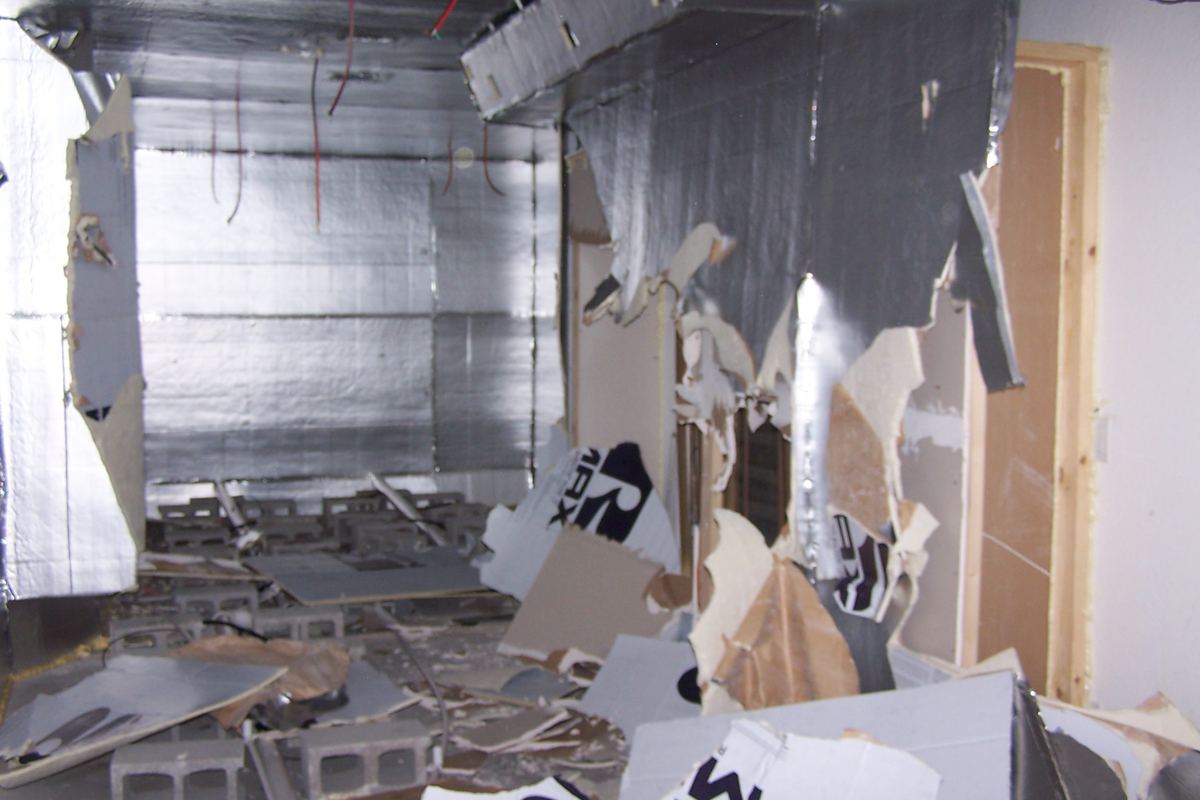
Short answer: Vandalism and malicious mischief are covered perils on the standard homeowners and landlord policies, with one large exception: most forms drop the coverage once the dwelling has been vacant for more than 60 consecutive days before the loss. The intentional-loss exclusion carriers cite applies to acts by an insured, not to a tenant, a guest or a stranger. Tenant damage is the harder case, because the policy pays for a covered peril, not for wear, neglect or an unpaid repair bill.
Vandalism: covered, with a vacancy clock
The ISO special form excludes vandalism and malicious mischief “if the dwelling has been vacant for more than 60 consecutive days immediately before the loss,” and adds that a dwelling under construction is not considered vacant. The dwelling fire form landlords use (DP-3) carries the same 60-day rule. Vacant means no one living there, with the furniture gone; a furnished rental between tenants, a short-term rental with turnover, or a house whose owner is away is usually unoccupied, not vacant, and the distinction decides the claim. Our guide to vacant rental property covers the clock and the vacancy permit endorsement.
“Intentional” means the insured, not the tenant
Every property policy excludes a loss the insured caused intentionally. A tenant is not an insured under the landlord’s policy, a guest is not an insured under a host’s policy, and a stranger with a crowbar is not an insured under anyone’s. Their deliberate destruction is vandalism, which is the covered peril. Carriers sometimes blur the line and deny a trashed unit as “intentional damage”; the answer is the policy’s definition of insured.
Tenant damage: three different things
| What the tenant did | Treatment | Where the money comes from |
|---|---|---|
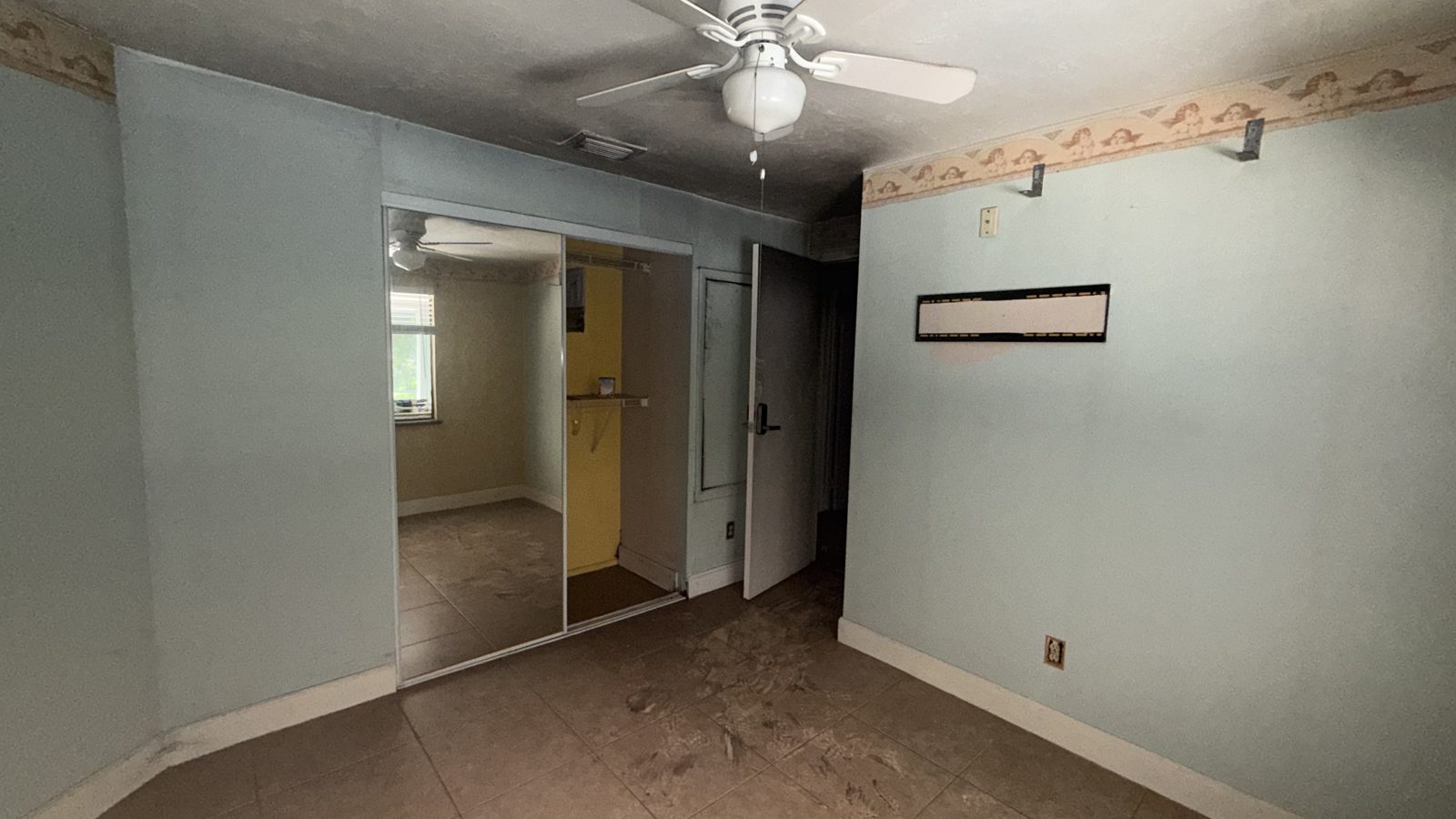
| Holes punched in walls, smashed fixtures, graffiti, torn-out cabinets | Vandalism | Security deposit first, then the landlord’s policy for the excess, which can pursue the tenant |
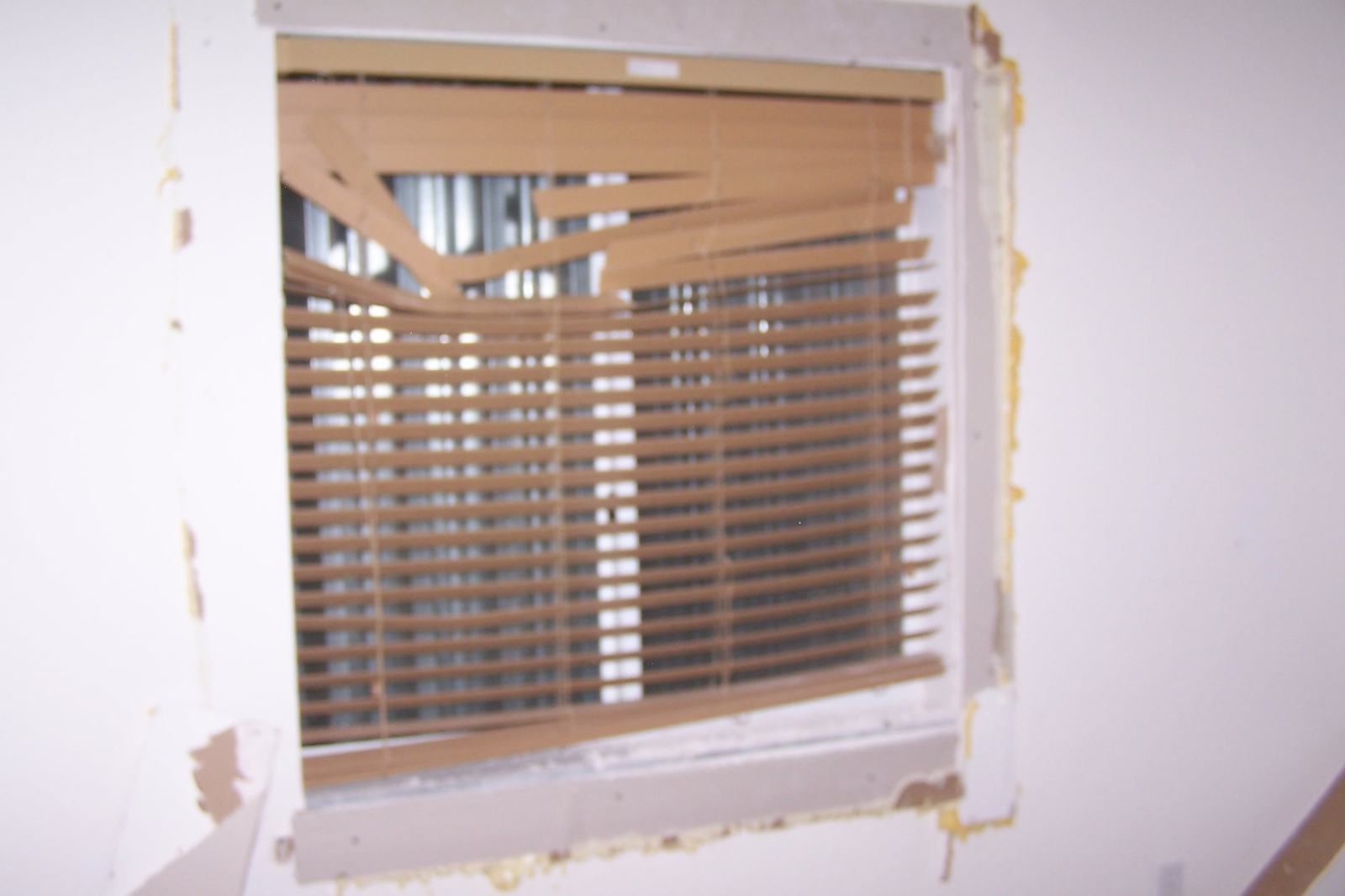
| Stained carpet, dirty walls, worn flooring, a broken blind | Wear and tear or neglect | Deposit; not an insurance claim |
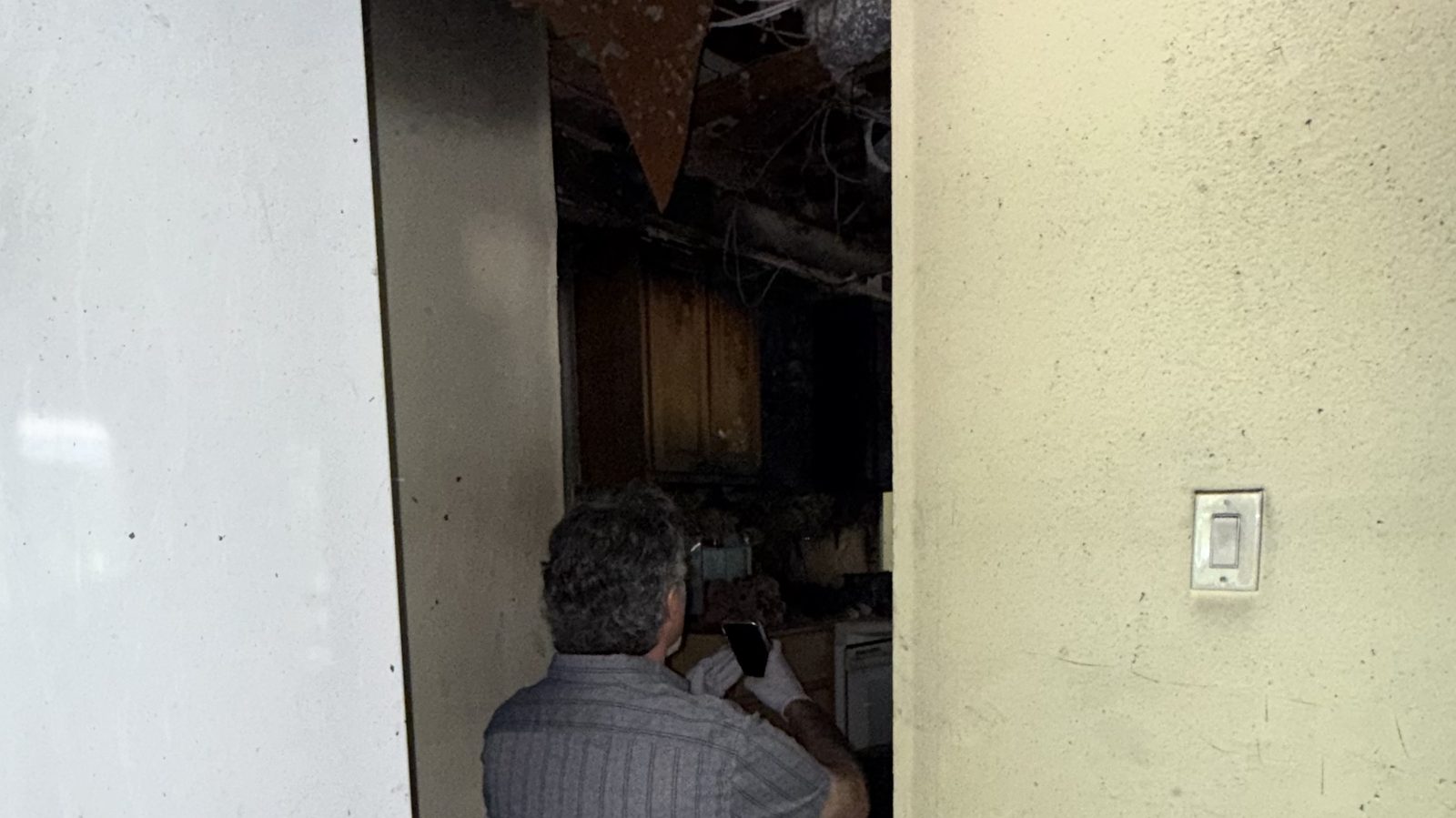
| A grease fire, an overflowing tub, a frozen pipe in an unheated unit | A covered peril caused by negligence | The landlord’s policy; negligence by a tenant is not an exclusion. See tenant-caused damage versus a covered loss |
| Stripped copper, stolen appliances, a removed water heater | Theft | The standard HO-3 excludes theft from a part of the premises rented to others, and the basic DP-3 does not cover theft unless endorsed; the building damage done while stealing is vandalism |
| An unauthorized grow operation | Depends on the form | Often argued as intentional, illegal use or vandalism; see grow operation damage |
The deposit and the lease come first
Florida requires a landlord to return a deposit within 15 days after the tenancy ends or to give written notice of a claim against it within 30 days, after which the tenant has 15 days to object (§83.49); a tenant in breach gets a 7-day notice under §83.56. New Jersey caps the deposit at one and a half months’ rent and requires its return within 30 days. Carriers expect the deposit to be applied before the policy pays, and they will ask for the move-in inspection, the lease and the deposit accounting. A landlord without a dated move-in condition report is arguing from memory.
What to do when you find the damage
- Photograph and video every room before cleanup, with the date visible, and the exterior and entry points.
- File a police report the same day for vandalism, theft or a break-in, even if you do not expect an arrest; the report number opens the claim.
- Pull the lease, the move-in inspection, the deposit accounting and any notices sent to the tenant.
- Establish the vacancy facts: the last day the tenant lived there, the utilities, the furniture, your own visits.
- Secure the property (locks, boards) and keep the receipts; emergency protection is reimbursed.
- Call Homeland before the carrier so the loss is described as what it is: vandalism by a non-insured, not “tenant damage.”
- Watch the clocks: Florida notice within 1 year (§627.70132); New Jersey carriers must begin investigating within 10 working days (N.J.A.C. 11:2-17.7).
Frequently asked questions
Is vandalism covered by homeowners or landlord insurance?
My tenant trashed the unit on the way out. Is that a claim?
The unit was empty for three months and was vandalized. Why was I denied?
Thieves stripped the copper and the A/C. Is that covered?
Can my carrier go after the tenant?
Does a short-term rental guest count as a tenant?
Homeland serves policyholders in Miami Gardens, Lakeland and Camden, with local lines and a licensed public adjuster who calls back right away.
If this is your loss, call Homeland before you talk to the insurance company: Florida (305) 783-3777, New Jersey (732) 517-3777, 24 hours. A licensed public adjuster reviews the claim for free and calls you back right away. No Recovery, No Fee.
Sources
- Merlin Law Group, Don’t unwittingly abandon your property
- FC&S via PropertyCasualty360, Vacancy, occupancy and vandalism
- Fla. Stat. 83.49
- Fla. Stat. 83.56
- NJ Department of Community Affairs, security deposit bulletin
- Insurance Information Institute, Homeowners and renters insurance facts
This article is for general information only and is not legal or insurance advice. Statutes, regulations and policy wording change, and how they apply depends on your own policy and the facts of your claim. Homeland Public Adjusters is a public adjusting firm, not a law firm.
- Surprising Things Your Policy Covers
- Neighbor's Condo Fire: Who Pays?
- Damaged Tile or Laminate: A Claim?
- Barn, Stable & Outbuilding Coverage
- Wind and Tornado Risk on the Farm
- Crop Insurance vs. Property Insurance
 Yeni Martinez
 Alberto Enriquez
 Yisel Dieguez
Homeland Public Adjusters represents policyholders, not insurers. Get a free review of your claim.
Get a Free Claim ReviewIf you already have an open claim, see What to Do in the First 24 Hours After Property Damage, or visit our Public Adjuster Near Me page to get connected with the Homeland adjuster covering your area.