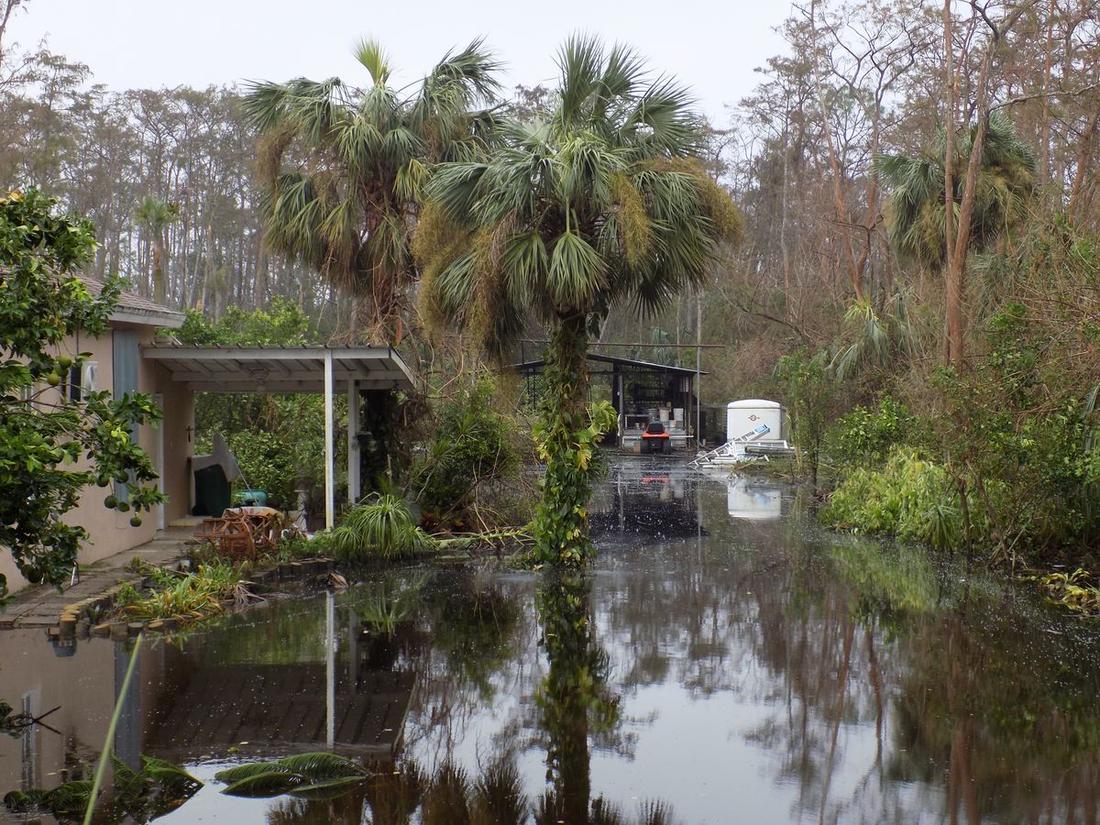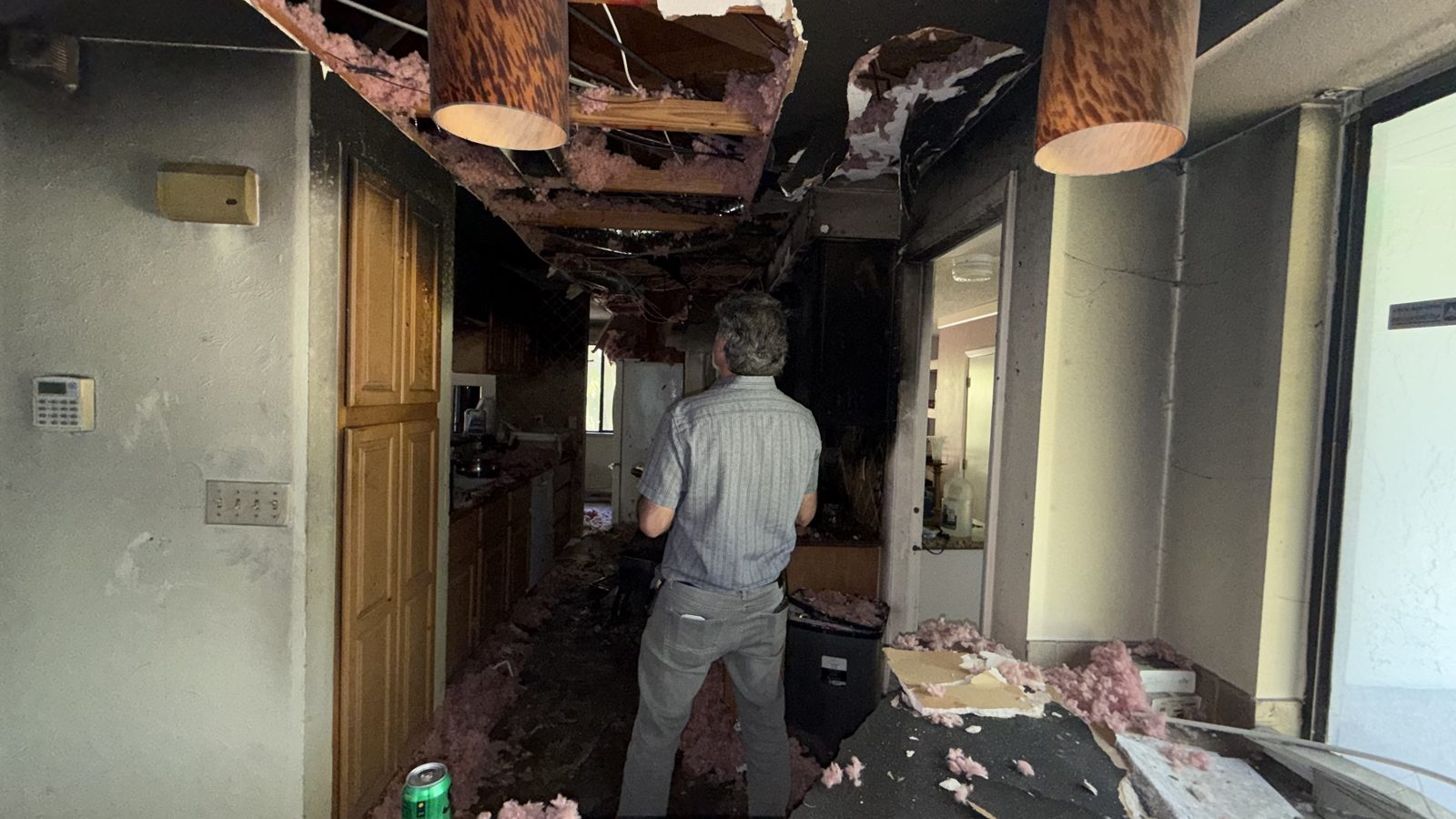
Short answer: a property damage claim is your request for the insurance company to pay for a covered loss to your home, building or belongings. It moves in five steps: report the loss, document the damage, prevent further damage, estimate the full repair cost, and negotiate the payment. What you record at each step decides what the claim pays.
Last reviewed: October 2026
Step 1: Report the Loss
Tell your insurance company about the damage promptly. Review your policy’s notice requirements and keep a record of communications regarding the claim: who you spoke to, when, and what was said. Before you do, consider calling a public adjuster: once a claim is reported and a recorded statement is on file, it’s harder to correct how the loss gets described early on. Homeland can handle the notice of loss and every carrier conversation from there, on a No Recovery, No Fee basis.
Step 2: Document the Damage
Photos and video of the damage, from multiple angles, before any cleanup or repair starts, including things that seem minor. Water spreads, smoke travels, and damage that looks contained on day one often isn’t.
Start My Claim reads your photos in about a minute and tells you what they show and what to photograph next.
Step 3: Prevent Further Damage
Tarping a hole in the roof, shutting off water at the source, boarding a broken window: reasonable steps to prevent additional damage are expected and usually reimbursable, but photograph the “before” condition and keep receipts first. Avoid unnecessary permanent repairs, and preserve evidence of the loss before major repairs or replacement work begins whenever circumstances allow.
Step 4: Estimate the Full Repair Cost
The insurance company’s adjuster writes an estimate for the carrier. Your claim needs its own: a line-item estimate of every room and trade, with overhead and profit, code upgrades and depreciation itemized, backed by the photos and readings from Step 2. Some policies also require a sworn proof of loss. Already have the insurer’s estimate? Upload it to Review My Claim to see which categories a complete estimate for that kind of loss usually includes and this one leaves out.
Step 5: Negotiate the Payment
Once the insurer has the claim, the state’s timelines start to run, and the first offer is not always the final one. If the payment is low or the claim is denied, the options include a reinspection, a supplemental claim for damage found later, Florida’s free DFS mediation program, appraisal, or an attorney. See every option, compared. If the check is made out to you and your mortgage company, see what to do with it.
New Jersey. New Jersey regulations require insurers to begin an investigation within 10 working days of notice of a claim, and set a 30-calendar-day period, running from receipt of a properly executed proof of loss, for first-party claims. If more time is needed, the insurer must explain why in writing, with updates every 45 days, unless a clear justification or other law provides otherwise.
What a Property Damage Claim Can Cover
Depending on your policy, a property damage claim can include the building itself, other structures such as fences and sheds, your belongings, additional living expense if you cannot live at home while repairs are made, and for businesses, lost business income. Scan My Policy shows which of these your declarations page lists, with every deductible in dollars.
Where a Public Adjuster Fits
A public adjuster can step in at any of the five steps. Homeland Public Adjusters is a licensed public adjusting firm that represents property owners, not insurance companies, on hurricane, flood, fire, water, theft and commercial claims, along with denied and underpaid claims, across Florida and New Jersey. We inspect, document and negotiate the claim with your insurer. No Recovery, No Fee. See insurance claim assistance and public adjuster fees.
Property Damage Claim FAQs
How long does a property damage claim take?
Should I call my insurance company right away after damage?
Will my insurance pay for emergency repairs like tarping a roof?
What if the insurance company’s estimate is too low?
Can I file a property damage claim if I have no insurance of my own?
Talk to a Public Adjuster
Tell us about your loss. We’ll call you back.
Property Damage Claims We Handle
Homeowners, condo associations, landlords and businesses bring us these claims across Florida and New Jersey.