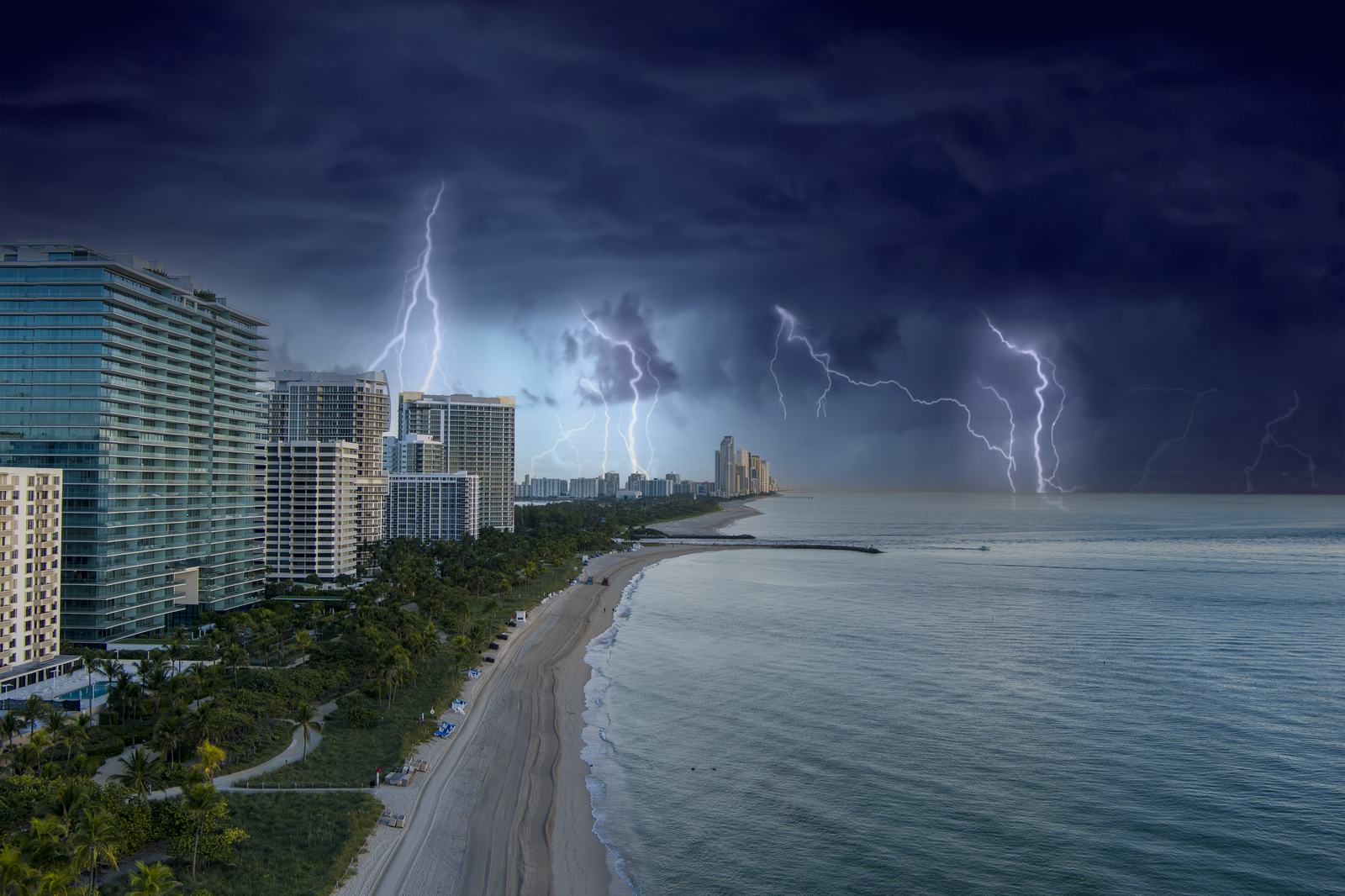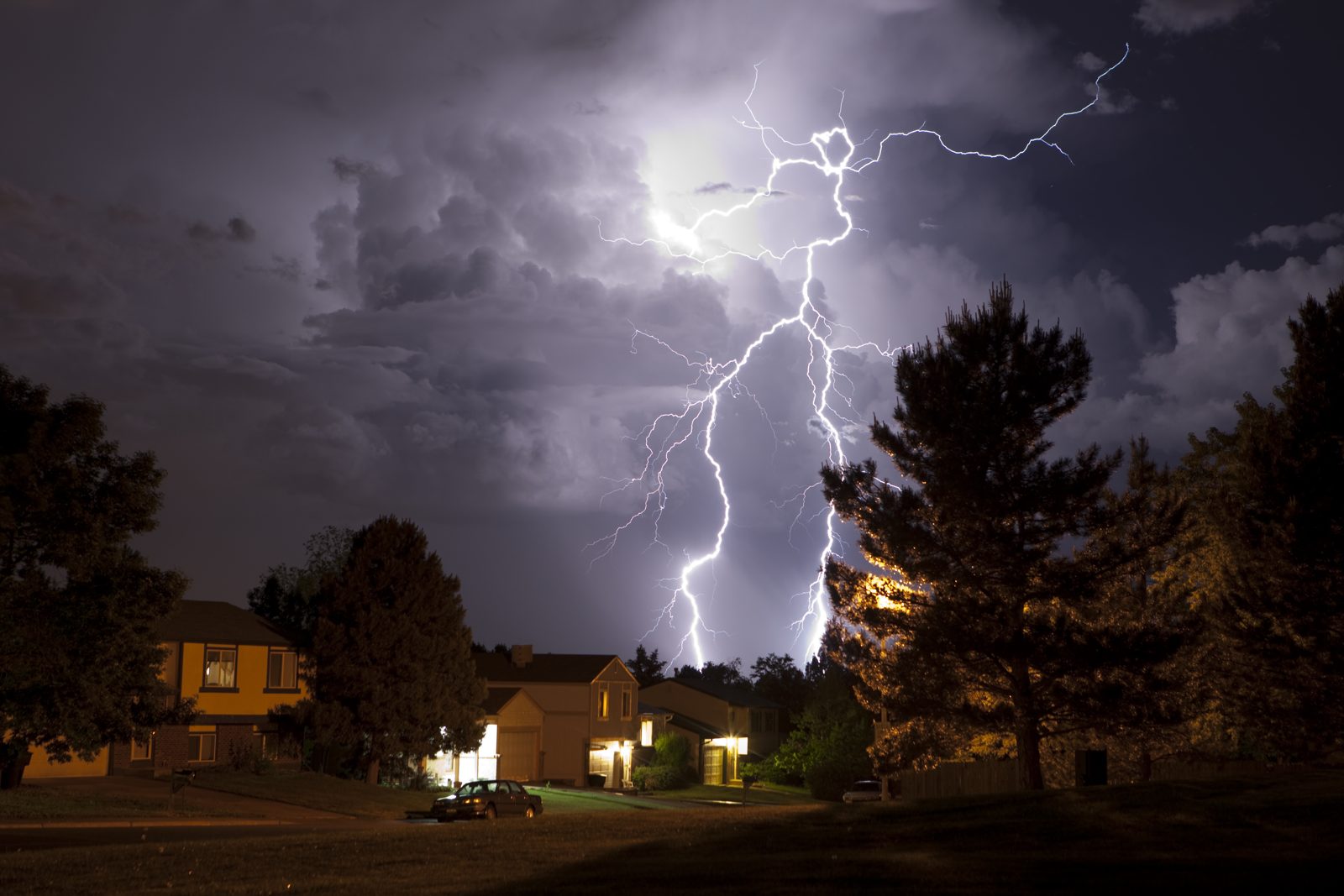
Homeland Public Adjusters handles the sudden losses that are not a hurricane, a flood or a fire: lightning and power surge, a tree or limb through the roof, hail, falling objects and debris, explosions, riot damage, the weight of ice and snow, tornadoes and sinkholes, for property owners in Florida and New Jersey. We document the damage and its cause, prepare the claim under your policy, and negotiate it with your insurer. No Recovery, No Fee. A vehicle that hit your property has its own page.
Last reviewed: October 2026
Other Property Claims in Florida
Florida leads the country in lightning claims, its trees come down in every summer storm, and hail, tornadoes and sinkhole activity add losses that never make the news. Homeland represents Florida property owners with these claims, from the first photos through the carrier’s decision.
Other Property Claims in New Jersey
In New Jersey, these claims usually involve trees and limbs that fall in nor’easters and summer storms, spring and summer hail, the weight of ice and snow on roofs, and lightning. Homeland represents New Jersey property owners with these losses, in New Brunswick, Elizabeth and across the state.
Help With Less Common Property Insurance Claims
Determining how a less common loss fits within an insurance policy is not always straightforward. Coverage depends on the cause of loss, the policy language, exclusions, limitations, and the circumstances of the event.
As a covered loss insurance adjuster, Homeland works on behalf of the policyholder to investigate the circumstances, document the damage, review relevant coverage, and present supporting information to the insurance carrier.
A Cause Does Not Have to Be Named to Be Covered
Sudden Damage Claims We Handle
Whether a particular event is covered depends on your policy and the facts, but these are the losses that bring owners to this page. Each one has a pattern the carrier’s adjuster tends to follow, and each one has a record that beats that pattern. Wind, fire, water, flood and theft have their own pages.
Lightning and power surge
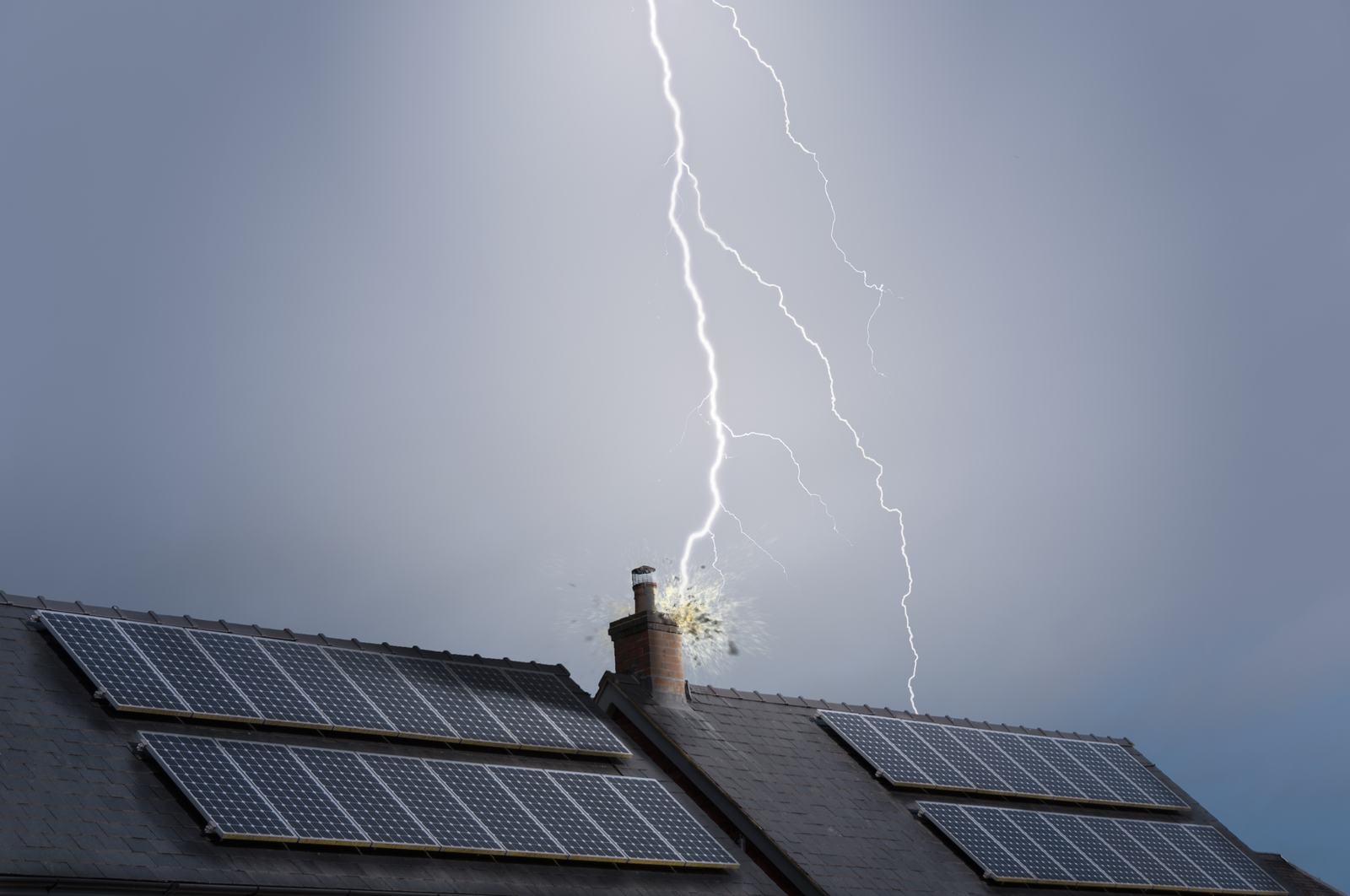
Florida reported more homeowners lightning claims than any other state in 2025: 5,167 claims averaging $35,993, according to the Insurance Information Institute. A direct strike splits trees, chars framing and starts attic fires; the far more common loss is the surge that travels through the wiring and takes out the air-conditioning compressor, the panel, appliances and electronics. Lightning is a named peril on nearly every property policy. The dispute is usually whether the surge came from the strike or from “artificially generated electrical current,” which many policies exclude for electronics, and whether the equipment was damaged or merely old. A utility outage report, a dated weather record and an electrician’s written diagnosis settle most of those arguments. Read Lightning strike and power surge claims.
Falling trees and branches
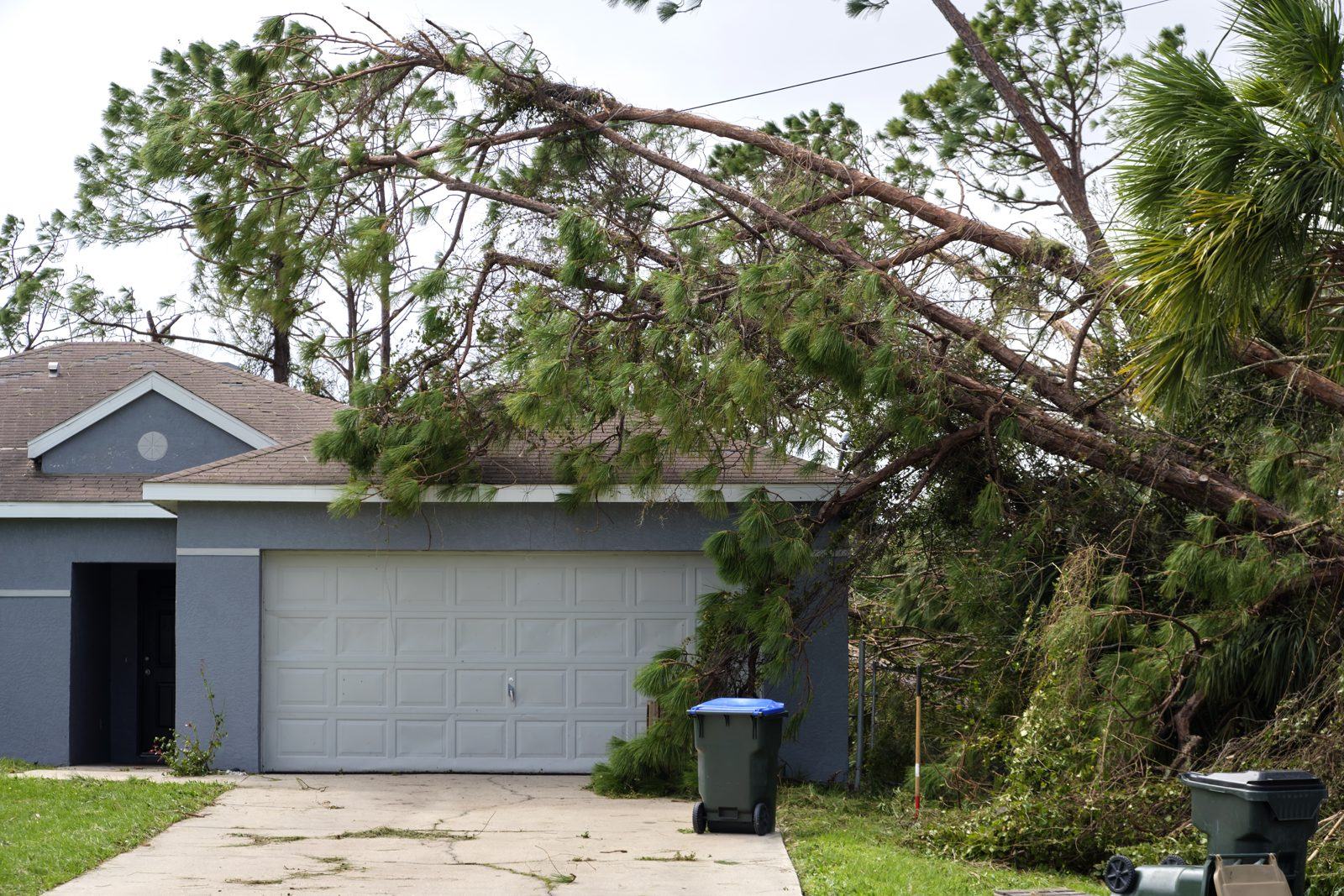
A tree on the house is a covered loss under the standard homeowners policy whether the tree was yours or your neighbor’s, as long as a covered peril (wind, lightning, the weight of ice) brought it down. Your own policy pays to repair the structure; it pays to remove the tree only when the tree damaged a covered structure or blocked a driveway or ramp, and the removal is usually capped by a small sublimit. The neighbor’s policy enters the picture only if the neighbor was negligent, for example by ignoring a dead tree. Read Neighbor’s tree fell on my house: who pays.
Hail
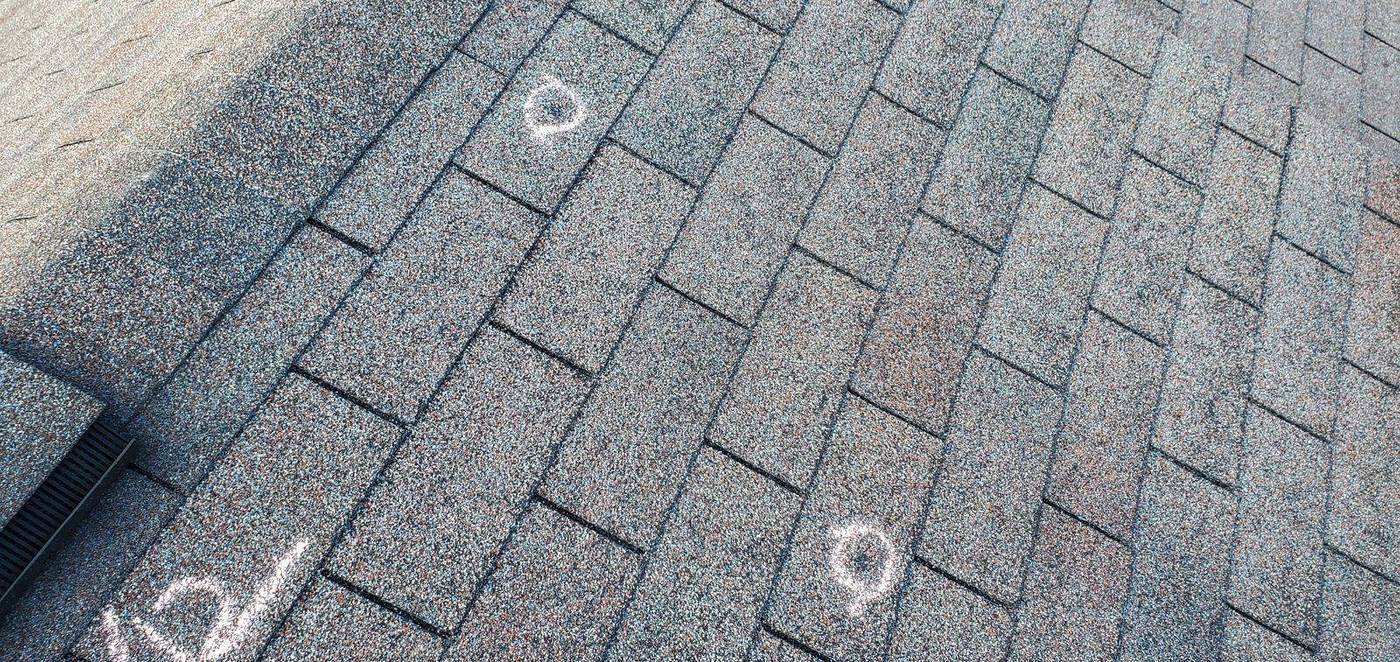
Hail bruises asphalt shingles, cracks tile and fractures the granule bond that lets a roof shed water; the leaks come months later. Carriers fight hail claims with “cosmetic damage” endorsements, wear-and-tear denials and partial repairs that leave a two-tone roof. New Jersey sees most of its hail between April and July; Florida’s comes with spring and summer thunderstorms. A dated hail report for your address and a roof inspection with chalk-marked test squares are the record that carries the claim. Read Hail damage claims.
Metal roofs. Hail dents on a metal roof are the most common “cosmetic damage” denial in Florida. Dents at seams, fasteners and flashings, or damage to the factory coating, are functional damage and are covered even under a cosmetic exclusion; a test square against the manufacturer’s impact criteria is how it is proven. Our hail guide covers the metal-roof argument, and the glossary explains the roof payment schedule that often sits next to it.
Falling objects, aircraft and debris
Construction debris in a windstorm, a crane load, a satellite dish, a drone, a piece of a passing aircraft, or in one Naples case in 2024, a bracket from the International Space Station. “Falling objects” is a named peril on most policies for the building and for contents, with one wrinkle: contents are usually covered only if the object first damaged the building’s exterior. Photograph the object where it landed before anyone moves it.
Explosion
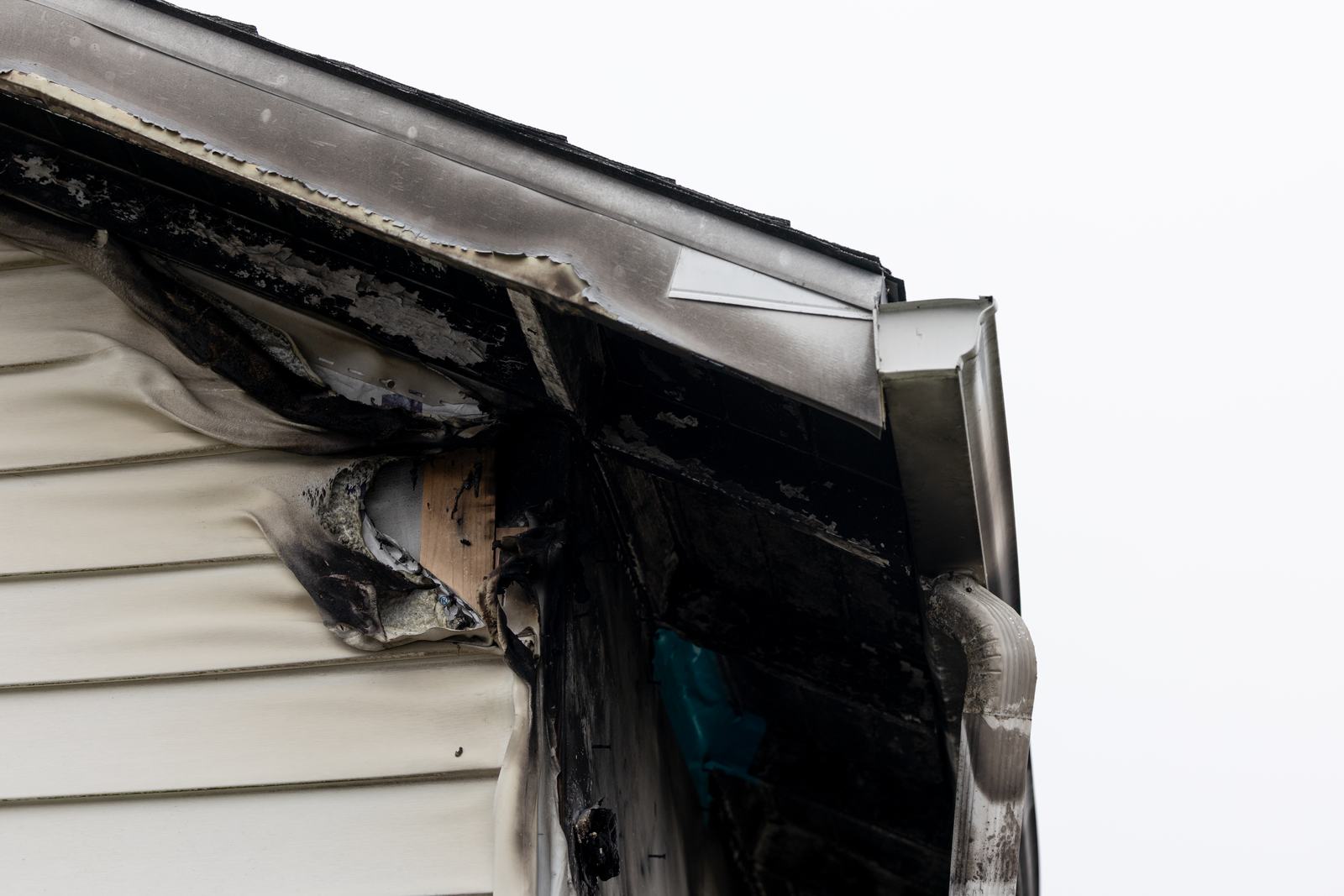
A gas leak, a water heater, a propane tank, a lithium battery pack. Explosion is a named peril and the damage is rarely in dispute; the fight is over the scope: pressure damage to walls and windows far from the blast, the smoke and soot that follow, and the code upgrades the rebuild triggers. If a utility or a contractor caused it, a liability claim runs alongside your own.
Riot, civil commotion and vandalism
Riot and civil commotion are named perils on standard policies, and vandalism is covered on an occupied home. The exclusion to watch is vacancy: most policies drop vandalism coverage after the home has been vacant for 60 days. Our Theft & Vandalism page covers the proof a vandalism claim needs.
Weight of ice, snow and sleet
A named peril that matters in New Jersey every winter. Sagging ceilings, cracked trusses and a roof that pools water after a storm are claims, not maintenance, and the collapse coverage in the policy adds to them. The full treatment is on our Winter Storm & Roof Damage page.
Tornadoes and sinkholes
Tornado damage is wind damage and runs under your windstorm coverage, usually without the hurricane deductible unless the tornado spun out of a named hurricane. Sinkhole loss is different: Florida policies must include catastrophic ground cover collapse, a narrow coverage that requires an abrupt collapse and a condemned building, while broader sinkhole loss coverage is optional and often not purchased. Our guide to the warning signs of a sinkhole explains the difference.
What to Do After an Unexpected Property Loss
When the cause of damage is unusual, preserving evidence of the event can be especially important. Instead of assuming a loss is or is not covered, document the situation carefully and assess your options before making conclusions about the claim.
You Don’t Have to Remember All of This. Adjuster Advantage Has You Prepared.
The best way to prepare for an unexpected loss is a free Adjuster Advantage membership, for property owners and for associations.
Is your association’s common property on record?
AA Associations gives boards and managers the master policy explained in plain words, a dated building record of the roof, exterior, common areas, equipment, clubhouse and amenities that can be downloaded as a PDF for the board, and reminders for the dates you enter. For Florida associations today.
Joining Adjuster Advantage is free and does not create a contract or agreement with Homeland Public Adjusters for any claim. Hiring Homeland is optional and requires a separate written agreement.
The Coverages That Decide a Sudden-Damage Claim
Lightning, trees, hail, falling objects, explosion and collapse are all named or open perils on a standard policy. The disputes come from these clauses:
| Provision | What it does | Where claims go wrong |
|---|---|---|
| Lightning and power surge | Direct lightning is covered; artificially generated electrical current (utility surge) is covered on many forms only for a small sublimit or by endorsement | Electronics and appliances denied as “power surge” when the strike was direct; the utility and weather records decide it |
| Falling objects and trees | Damage to the structure is covered when the object first damages the roof or exterior; removal of a tree that hit a structure is covered, other debris removal is capped (often $500–$1,000) | Tree removal cap applied to structural damage; contents damage denied because “no opening” was documented |
| Hail | Covered under windstorm or hail; some Florida forms exclude cosmetic damage to metal roofs and siding | Cosmetic exclusion applied to functional damage; test squares and a roofing-manufacturer standard settle it |
| Collapse | Covered when caused by hidden decay, weight of contents or ice, or defective construction materials; the structure must have actually fallen down or caved in on most forms | Imminent collapse denied; sagging, cracking or bulging alone is not collapse under the policy definition |
| Explosion, riot and civil commotion | Named perils on nearly every form, including gas explosions | Carriers look to the cause (a tenant’s equipment, a contractor’s work) for a subrogation target and slow-walk the first-party claim |
| Vehicles | Damage caused by a vehicle is covered unless the vehicle was driven by a resident of the household | Family-member exclusion applied to a visitor’s car; see our vehicle impact page for the auto-liability side |
Terms in this table, defined: Policy Exclusions, Roof Payment Schedule, Date of Loss, Supplemental Claim and Reopened Claim. See the full claims glossary.
Deadlines to Know
New Jersey. New Jersey regulations require insurers to begin an investigation within 10 working days of notice of a claim, and set a 30-calendar-day period, running from receipt of a properly executed proof of loss, for first-party claims. If more time is needed, the insurer must explain why in writing, with updates every 45 days, unless a clear justification or other law provides otherwise.
Why Work With Homeland on a Covered Loss Claim?
In the News: A Real Other Claims Claim
Sudden Damage Claim FAQs
Does my policy have to name the cause of the damage?
Is lightning damage to my air conditioner and electronics covered?
My neighbor’s tree fell on my house. Whose insurance pays?
Is sinkhole damage covered?
Is damage from the weight of ice or snow covered?
The hail damage is “cosmetic,” the adjuster says. Is that the end of it?
A car hit my house. Is that covered here?
Insights
 By Nelson Avila
 By Alberto Enriquez
Claims We Handle Across Florida & New Jersey
Homeland handles these claims throughout Florida and New Jersey. Wherever your property is in either state, call us 24/7.
Free Claim Review
Tell us about your loss. We’ll call you back.
Other Property Damage Claims We Handle
When a loss falls into a more established claim category, Homeland provides the same policyholder-focused representation with service-specific claim support. Our team assists with weather events, fires, theft, business interruptions, and more.