Lightning Strike and Power Surge Insurance Claims: A/C, Panels and Electronics

Homeland Public Adjusters · Last reviewed: October 2026
Short answer: Lightning is a named peril on virtually every property policy, so damage from a strike to the structure, the electrical system, the air conditioner and appliances is covered. Florida had more homeowners lightning claims than any state in 2025, 5,167 of them at an average of $35,993, according to the Insurance Information Institute. The dispute is usually over surge damage to electronics, which named-perils forms limit when the current was “artificially generated,” and over whether the equipment was damaged or simply old.
Florida is the lightning capital of the claims world
Vaisala’s annual lightning report counted 252 million lightning events in the United States in 2025, 20% more than 2024, and ranked Florida first in density at 305 events per square mile; the densest spot in the state was Placid Lakes in Highlands County. The Insurance Information Institute reports 61,986 U.S. homeowners lightning claims in 2025, paying $1.65 billion at an average of $26,616 per claim, with Florida first in the country at 5,167 claims and $186 million paid. New Jersey sees far fewer strikes, but the surge pattern after a summer storm is identical.
What a strike and a surge actually damage
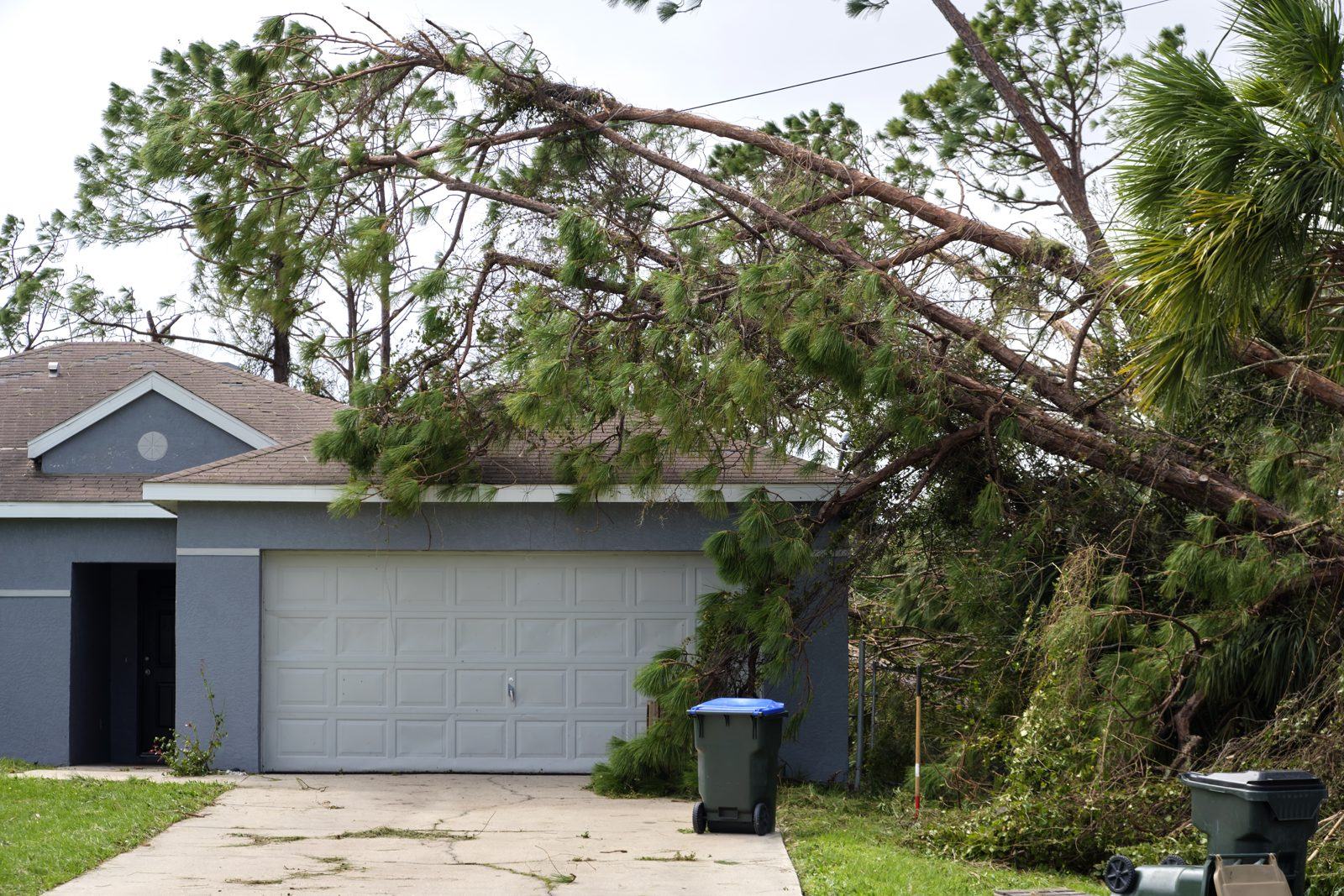
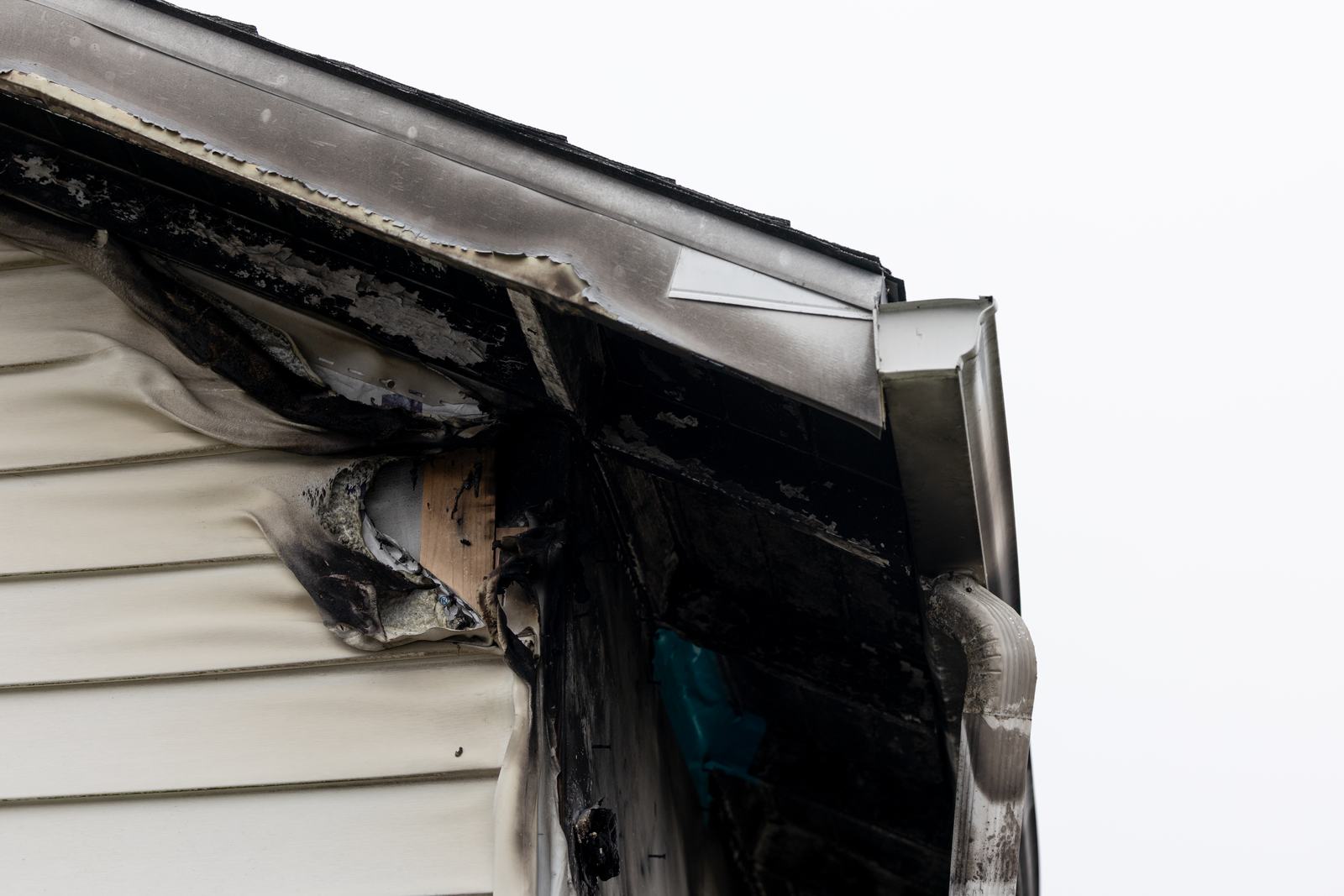
- A direct strike: split trees, blown-out masonry, charred roof framing, melted conduit and the attic fire that sometimes follows; the structural claim is obvious and the smoke claim is not.
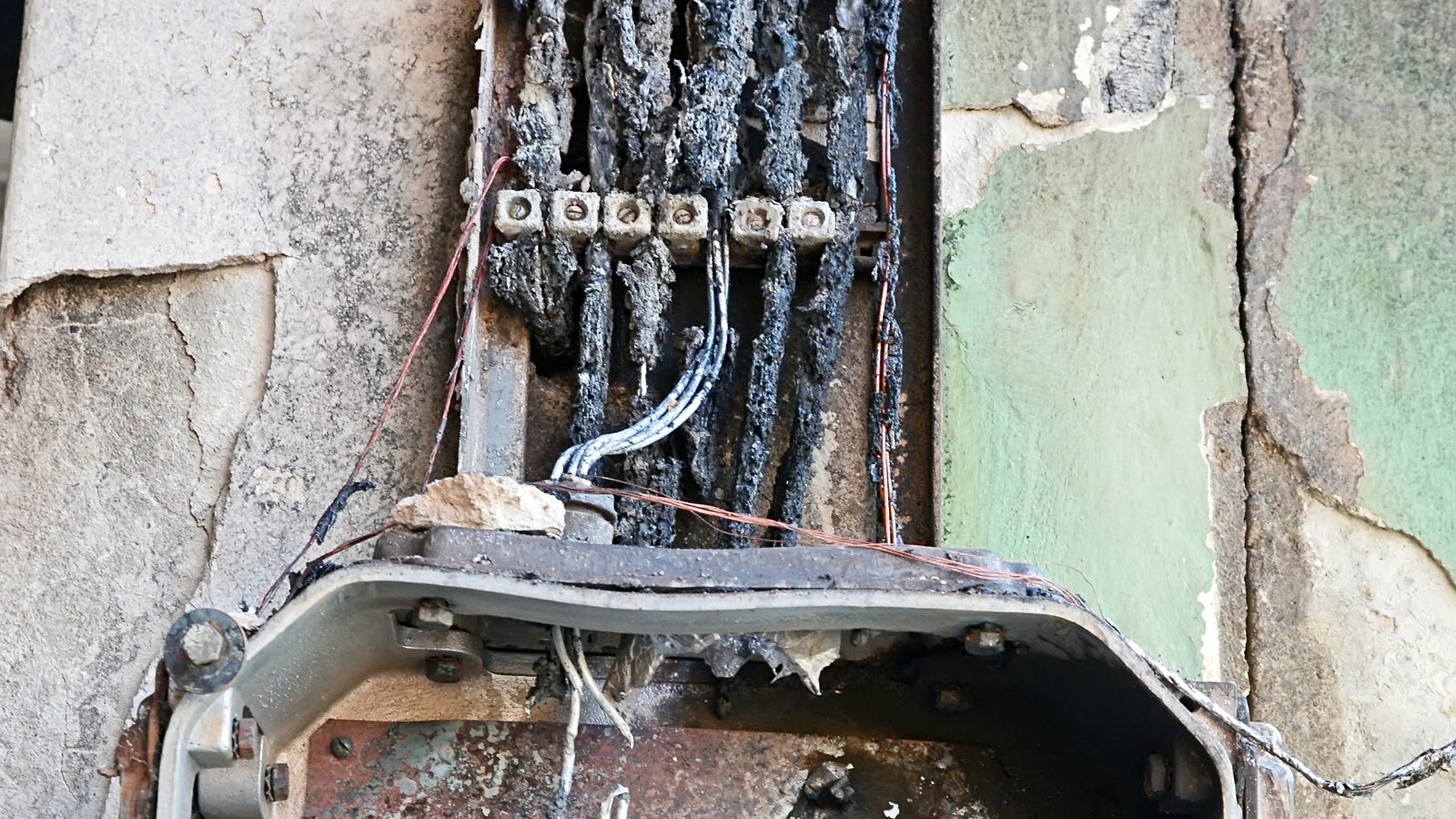
- A near strike or a strike on the service line: the far more common loss. The surge travels through the wiring and takes out the air-conditioning compressor and control board, the panel and breakers, the water heater element, the garage door opener, the pool pump, the irrigation controller, appliances, televisions, computers and the alarm system.
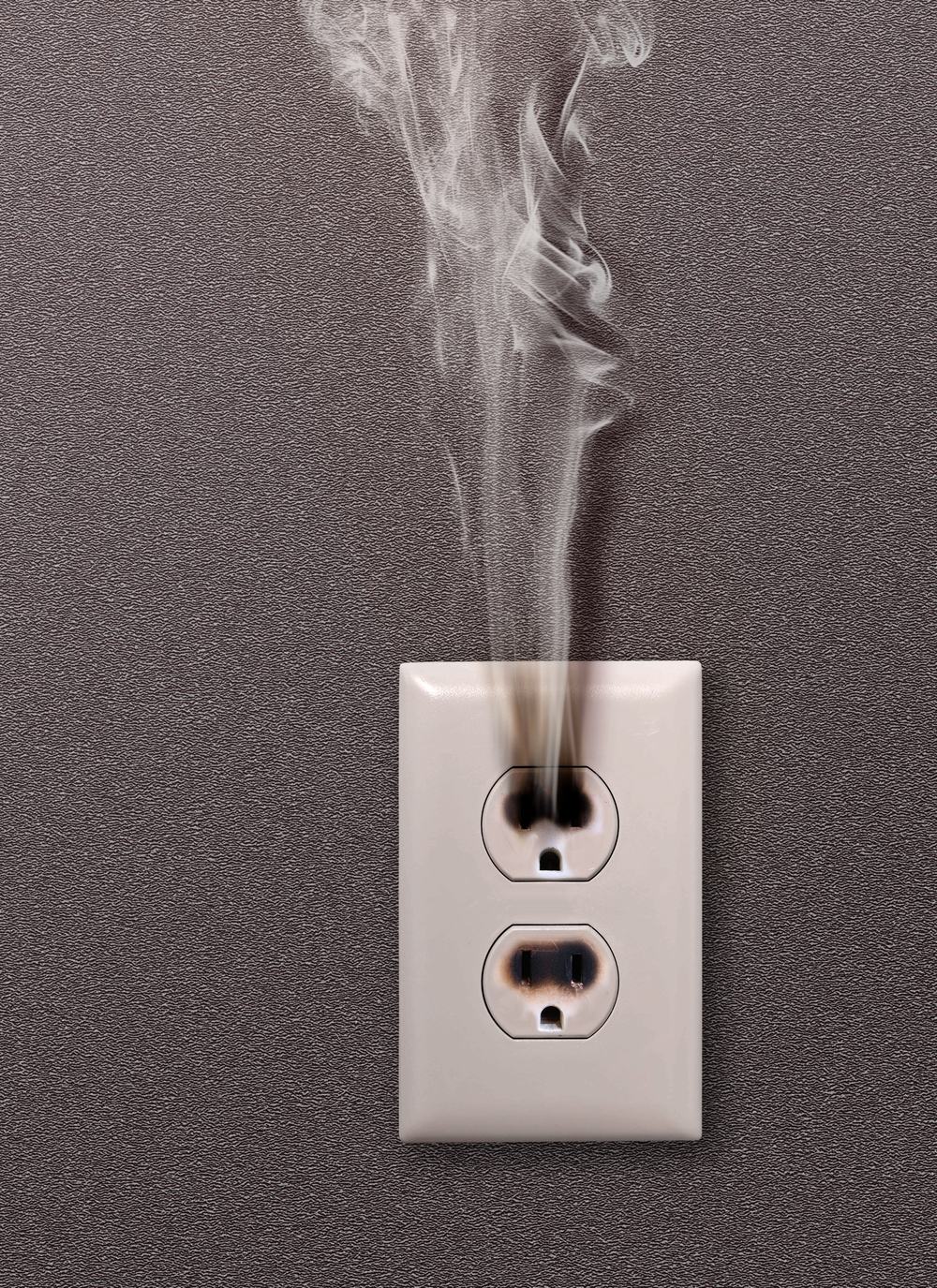
- Hidden damage: arced receptacles inside walls, pinholed copper plumbing where the current grounded, and electronics that work for a week and then fail.
What the policy says about surge
On the special form (HO-3), the dwelling and attached structures are covered on an open-perils basis against any sudden cause the policy does not exclude, so a surge that destroys the central air conditioner, the panel or a built-in range is covered whether the lightning hit your house or the transformer down the street. The limitation lives on the contents side. The named-perils forms list “sudden and accidental damage from artificially generated electrical current” as a covered peril for personal property but add that it does not include loss to tubes, transistors, electronic components or circuitry in appliances, fixtures, computers and home entertainment units. Carriers reach for that sentence on every surge claim; it applies to personal property under named-perils coverage, not to building equipment under the HO-3, and it does not apply at all when the surge came from lightning rather than from the utility.
| Damaged item | Coverage | Usual argument |
|---|---|---|
| Central A/C, panel, water heater, built-in appliances | Dwelling (Coverage A), open perils on the HO-3 | “The unit was old / failed on its own” |
| Televisions, computers, audio equipment | Personal property (Coverage C), named perils | Electronics-component limitation for artificially generated current |
| Pool pump, gate motor, well pump, sprinkler controller | Other structures or dwelling, depending on the form | Wear and tear |
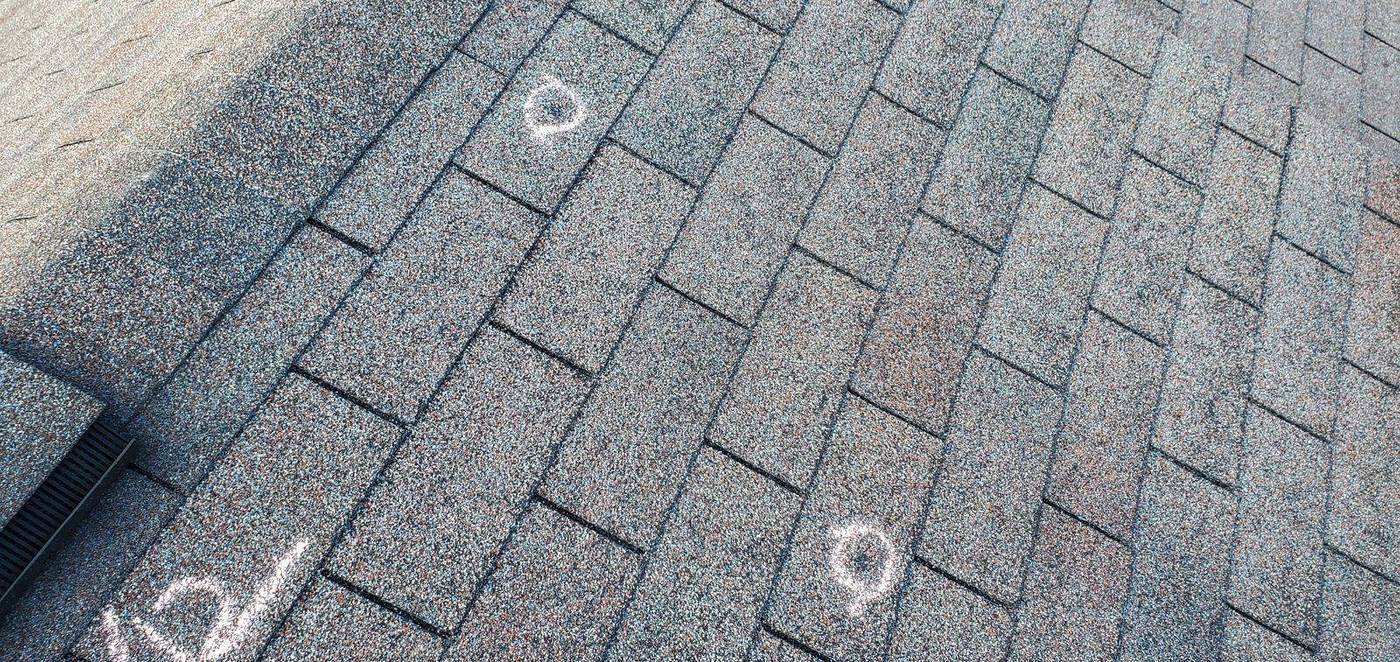
| Roof, framing, masonry at the strike point | Dwelling | Rarely disputed once a strike is documented |
Proving it was lightning
- A strike report for your address and the date, from a lightning-data service; your carrier buys the same data, so get yours first.
- The utility’s outage or event record for the date and time.
- An electrician’s written diagnosis of the panel, receptacles and wiring, identifying surge damage and the path the current took.
- The HVAC technician’s report naming the failed components (compressor, contactor, capacitor, control board) and stating the cause.
- Photographs of scorched receptacles, tripped breakers, melted cords and any strike point.
- Keep the damaged equipment until the carrier has inspected it or waived inspection in writing.
What to do after a strike or surge
- Turn off the main breaker if anything smells hot or smoke appears, and call the fire department if there is any sign of fire in the attic.
- Walk the house and list every device that no longer works, then test the ones that do a week later.
- Call an electrician before an appliance repair company; the panel and wiring come first.
- Call Homeland before the carrier, and before you throw anything away.
- Document the date and time of the storm and any outage.
- Note the clocks: Florida gives you 1 year to report and 18 months for a supplemental claim (§627.70132); New Jersey carriers must start investigating within 10 working days and pay within 30 days of a proper proof of loss (N.J.A.C. 11:2-17.7).
Frequently asked questions
Does homeowners insurance cover lightning damage?
Is power surge damage covered?
The adjuster says my air conditioner was just old.
Do I need the lightning to have hit my house?
Is the equipment covered at replacement cost?
Should I file with my electronics’ manufacturer or the utility instead?
Homeland serves policyholders in Sebring, Kissimmee and Edison, with local lines and a licensed public adjuster who calls back right away.
If this is your loss, call Homeland before you talk to the insurance company: Florida (305) 783-3777, New Jersey (732) 517-3777, 24 hours. A licensed public adjuster reviews the claim for free and calls you back right away. No Recovery, No Fee.
Sources
- Vaisala Xweather Annual Lightning Report 2025 (press release, Jan 2026)
- WLRN, Jan 6 2026
- Insurance Information Institute, Facts + Statistics: Lightning
- FC&S / PropertyCasualty360, Homeowners perils (artificially generated current)
- IA Magazine, power surge coverage under the HO-3
- Progressive, Does homeowners insurance cover power surges
- Fla. Stat. 627.7011
This article is for general information only and is not legal or insurance advice. Statutes, regulations and policy wording change, and how they apply depends on your own policy and the facts of your claim. Homeland Public Adjusters is a public adjusting firm, not a law firm.
- Surprising Things Your Policy Covers
- Neighbor's Condo Fire: Who Pays?
- Damaged Tile or Laminate: A Claim?
- Barn, Stable & Outbuilding Coverage
- Wind and Tornado Risk on the Farm
- Crop Insurance vs. Property Insurance
 Yeni Martinez
 Alberto Enriquez
 Yisel Dieguez
Homeland Public Adjusters represents policyholders, not insurers. Get a free review of your claim.
Get a Free Claim ReviewIf you already have an open claim, see What to Do in the First 24 Hours After Property Damage, or visit our Public Adjuster Near Me page to get connected with the Homeland adjuster covering your area.