Homeland Public Adjusters represents owners of farms, groves, ranches, nurseries and other agricultural property after storm, fire, flood and wind losses in Florida and New Jersey. Barns, stables, equipment buildings, irrigation systems, fencing and farmworker housing all carry their own coverage questions, and we document the loss and present the claim on the owner’s behalf.
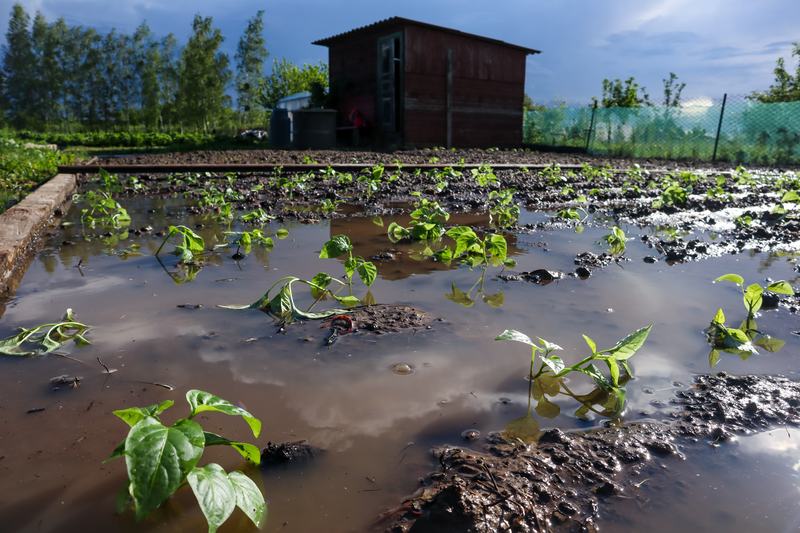
Florida’s agricultural regions, from the Redland and South Dade groves to the farmland around Belle Glade and Immokalee, face hurricane and wind damage to barns and packing houses, flooding of fields and irrigation systems, and fire or structural loss to stables and equipment buildings. Homeland represents farm, grove and ranch owners through each stage of the claim.
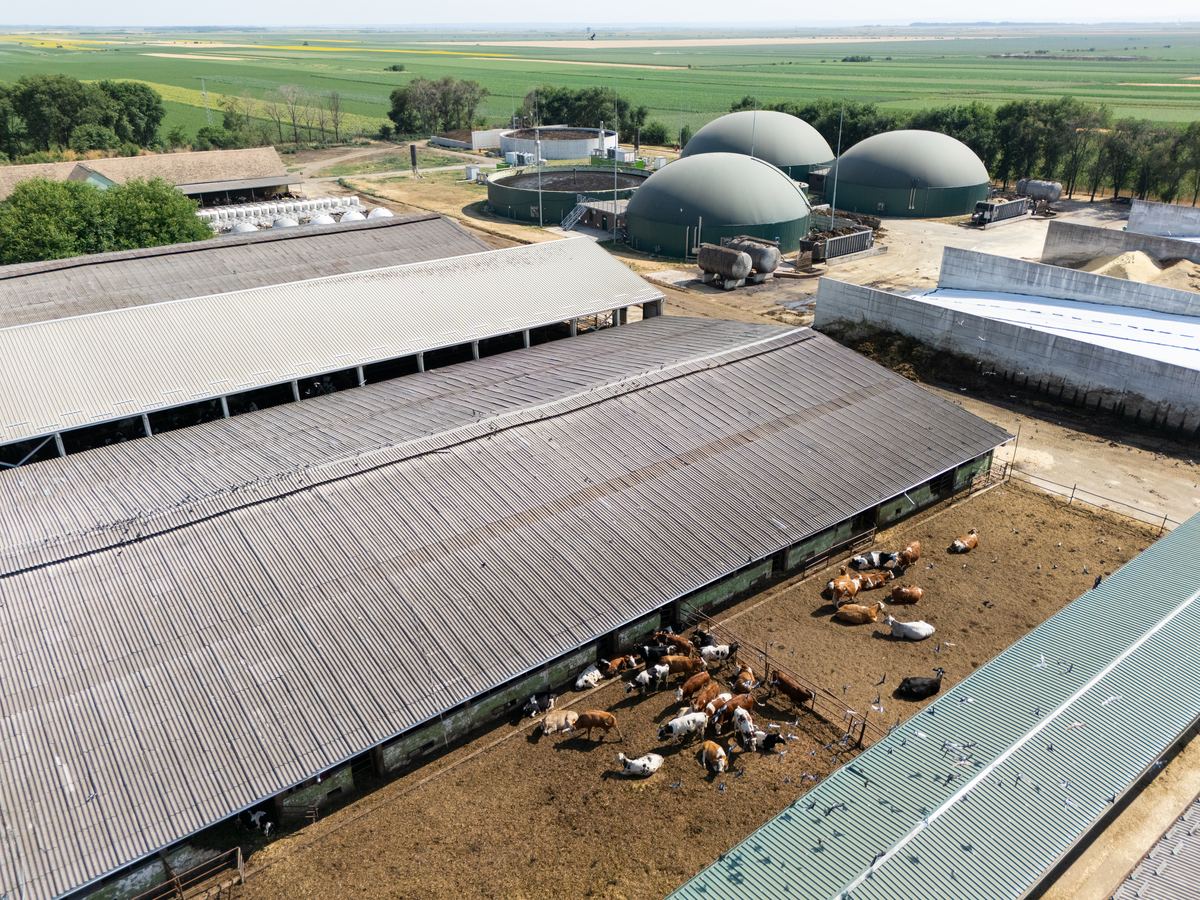
On a farm the loss is spread across structures, equipment and the land itself; each piece is scheduled separately.
Agricultural Property Claims in New Jersey
New Jersey farms, nurseries and horse properties face nor’easters, flooding, wind damage to barns and outbuildings, and fire. Homeland represents New Jersey agricultural property owners with these losses.
Agricultural property carries structures and exposures a typical homeowners or commercial policy doesn’t anticipate. Homeland documents each of these as part of a single, organized claim:
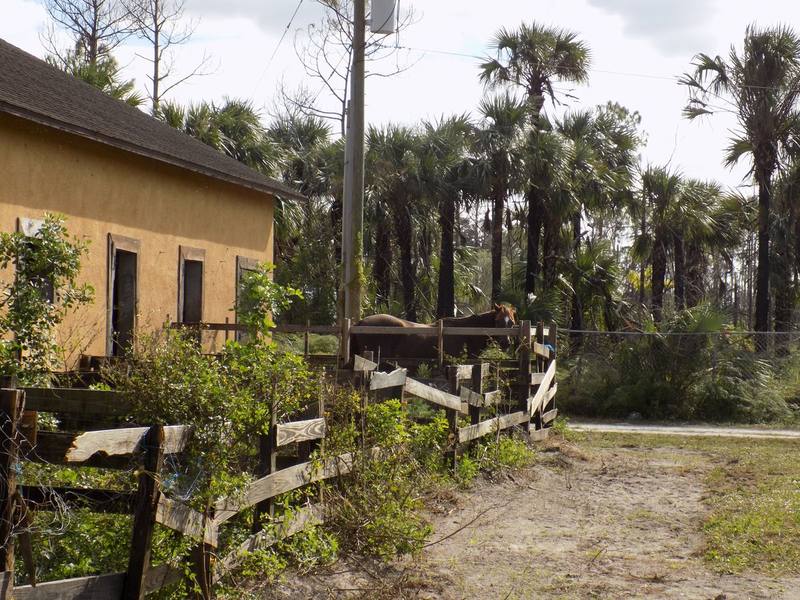
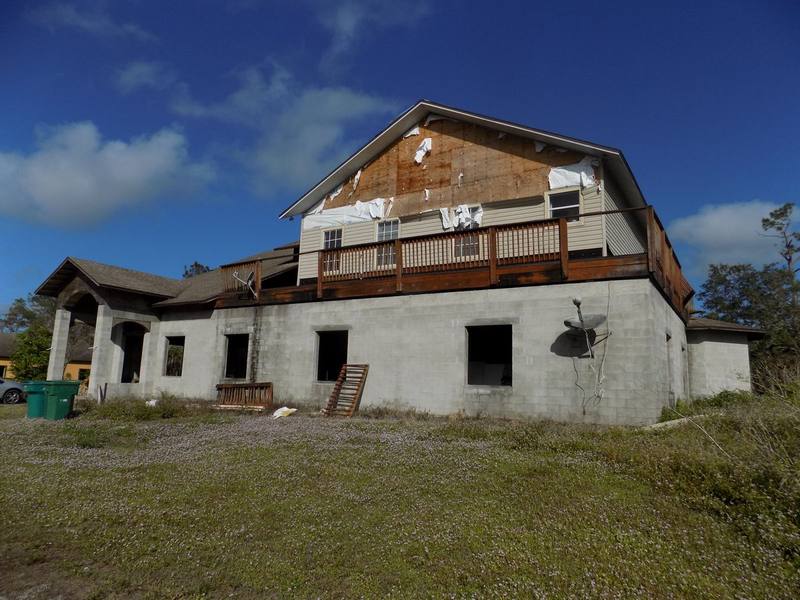
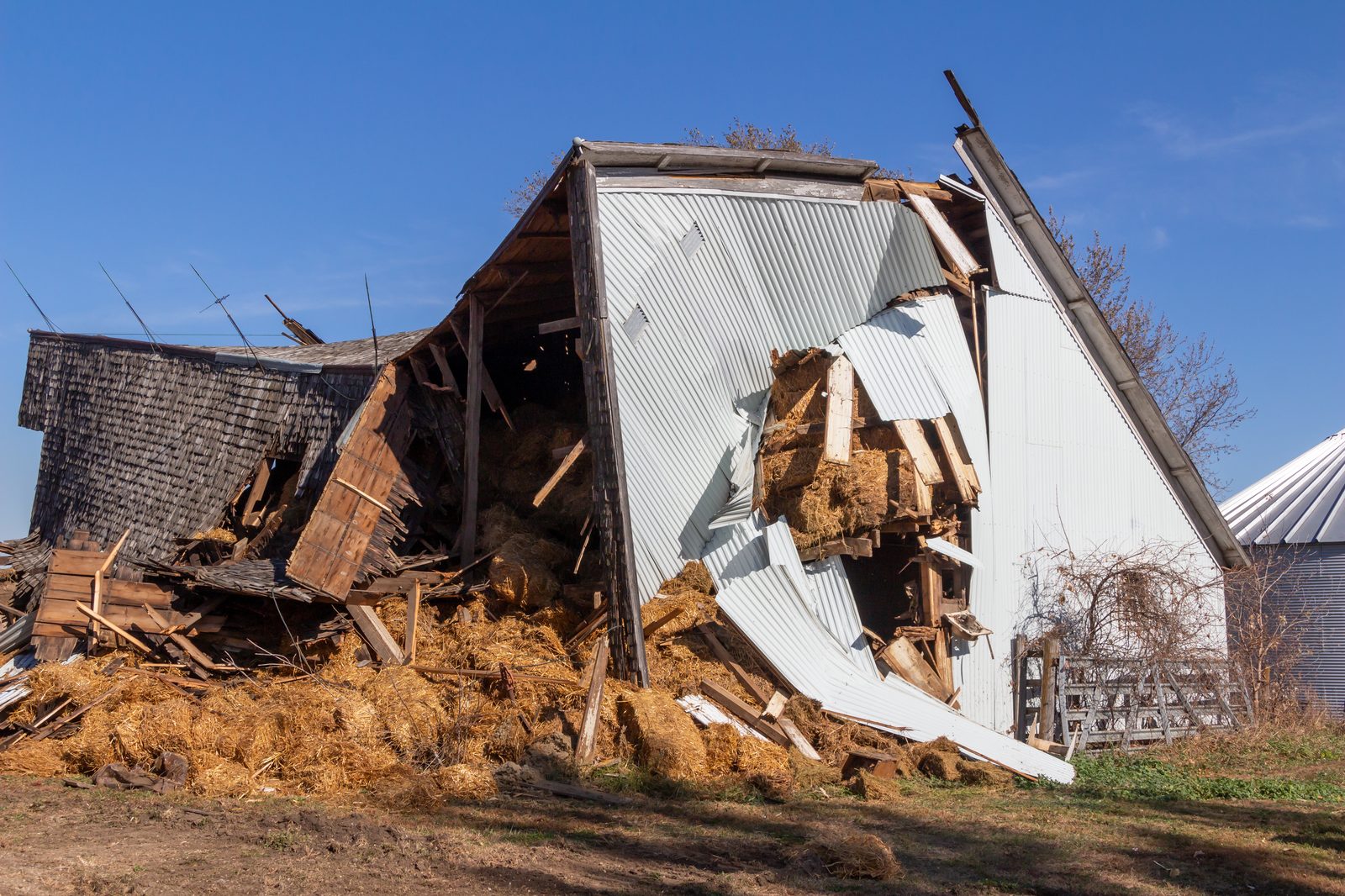
Barn and outbuilding damage: Wind, fire and structural loss to barns, hay storage and equipment buildings
Horse stable and equestrian facility damage: Stables, run-in sheds, arenas and fencing
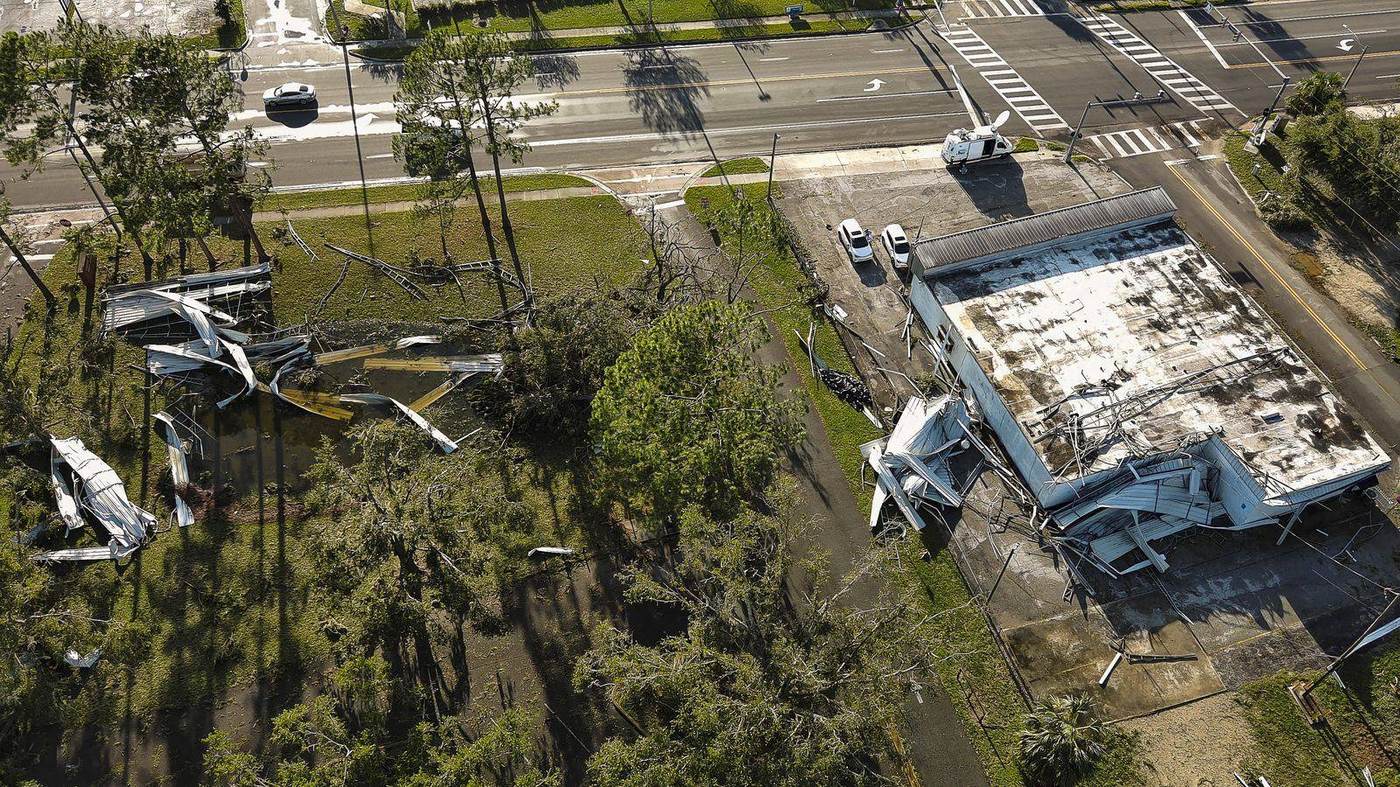
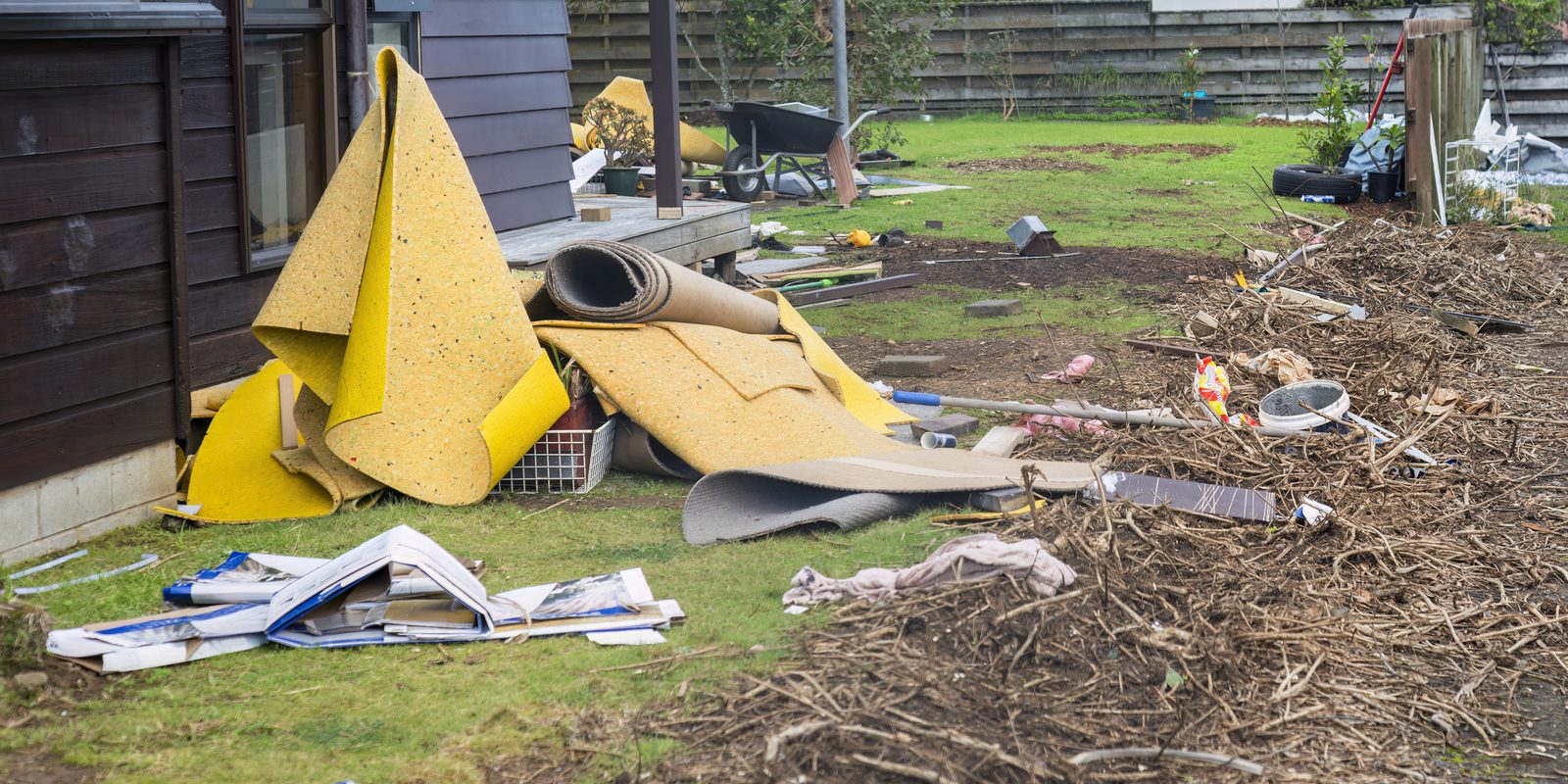
Field and crop-adjacent debris damage: Downed trees, poles and wind-carried debris striking structures or equipment
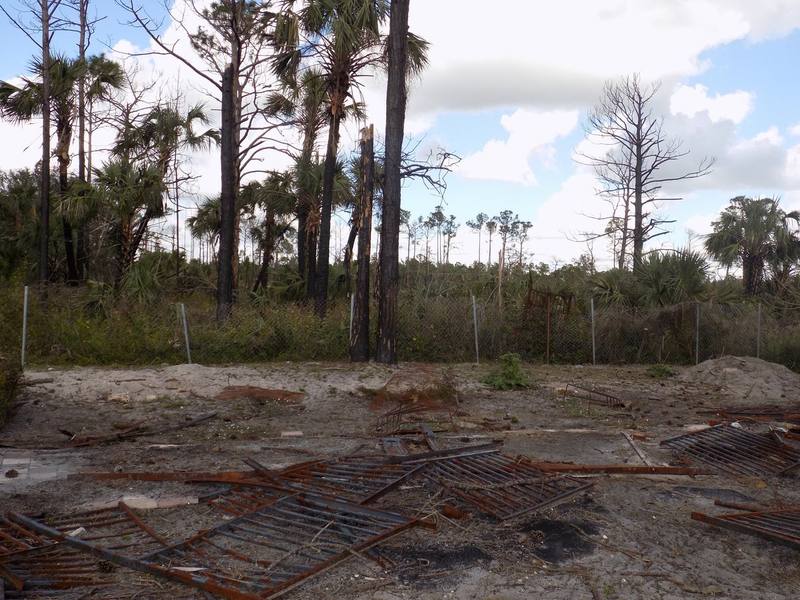
Open-exposure wind and tornado damage: Farmland and ranch structures sit in open terrain with little windbreak, and Florida does see tornado activity, including tornadoes spawned during hurricane landfalls
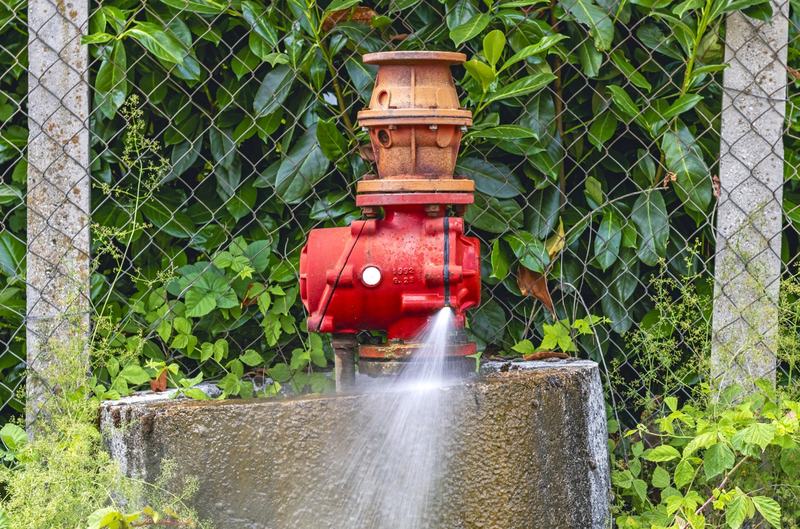
Irrigation and well system damage: Pumps, pipe runs and electrical service to irrigation systems
Farmworker housing damage: Storm, fire or water damage to on-site housing structures
Fencing and perimeter damage: Storm-damaged fencing affecting livestock containment
Electrical service and mast damage: Weather-related damage to the electrical service connection serving barns, pump houses and outbuildings
Why Agricultural Claims Are Different
A single agricultural property can span several coverage lines at once: a farm or ranch policy for the land and structures, separate coverage for equipment and vehicles, and sometimes crop insurance handled through an entirely different program (USDA Risk Management Agency policies, for farmers who carry them, are separate from property insurance and are not something Homeland handles). We focus on the property and structures: barns, stables, equipment buildings, irrigation infrastructure, fencing and farmworker housing. Knowing which policy responds to which part of the loss is often the first problem to solve.
What to Do After Agricultural Property Damage
1
Secure animals and people first: Address livestock, equipment and personal safety before documentation.
2
Document every structure separately: Photograph and video each barn, stable, equipment building and section of fencing before cleanup or temporary repairs.
3
Protect what you can: Tarp roofs, move equipment and feed, and keep receipts for any protective work.
4
Let Homeland notify the carrier: Call us before you speak with the insurance company. Hire us, and we’ll submit the notice of loss under your farm, ranch or commercial agricultural policy and handle every carrier conversation from there.
5
Separate what crop insurance covers, if you carry it: Crop losses generally go through a USDA Risk Management Agency policy, not your property carrier.
6
Gather your records: Policy documents, prior inspection reports, equipment lists and maintenance records for each structure.
7
Track every related expense: Temporary fencing, generator rental, feed replacement and other loss-related costs all need receipts.
8
Speak with a public adjuster: Contact Homeland Public Adjusters before accepting a settlement or signing a release so we can review the claim and the policy.
Why Choose Homeland for an Agricultural Property Claim
Policyholder-only representation: Homeland works for property owners, not insurance carriers.
Multi-structure documentation: We inspect and document barns, stables, equipment buildings and fencing as distinct parts of one claim.
Policy review: We review farm, ranch and commercial agricultural policies for applicable coverage, limits and conditions.
Carrier communication: We communicate with the insurance company and its adjusters for you.
Denied and underpaid claims: We review claims that were denied or paid less than expected.
Florida and New Jersey: We represent agricultural property owners in both states.
Serving property owners since 2007.
No Recovery, No Fee.
Agricultural Claims by the Numbers
Florida and New Jersey agriculture by the numbers
44,703Farms in Florida on 9.7 million acres, $10.2 billion in products sold (USDA, 2022)
9,998Farms in New Jersey on about 712,000 acres; nursery stock sales over $296 million, fifth in the nation (USDA, 2022)
$1.03 billionFlorida agricultural losses from Hurricane Ian, including $247 million in citrus and $195 million in greenhouse and nursery (UF/IFAS)
$190–643 millionEstimated Florida agricultural production losses from Hurricane Milton (UF/IFAS, Dec 2024)
Farm and ranch policies are built from pieces, and a claim is only as good as the schedule it was written on:
Provision
What it does
Where claims go wrong
Dwelling and household contents
Works like a homeowners policy for the farm residence
Hurricane and wind terms (percentage deductible, ACV holdback) apply exactly as they do in town
Farm structures: scheduled vs. blanket
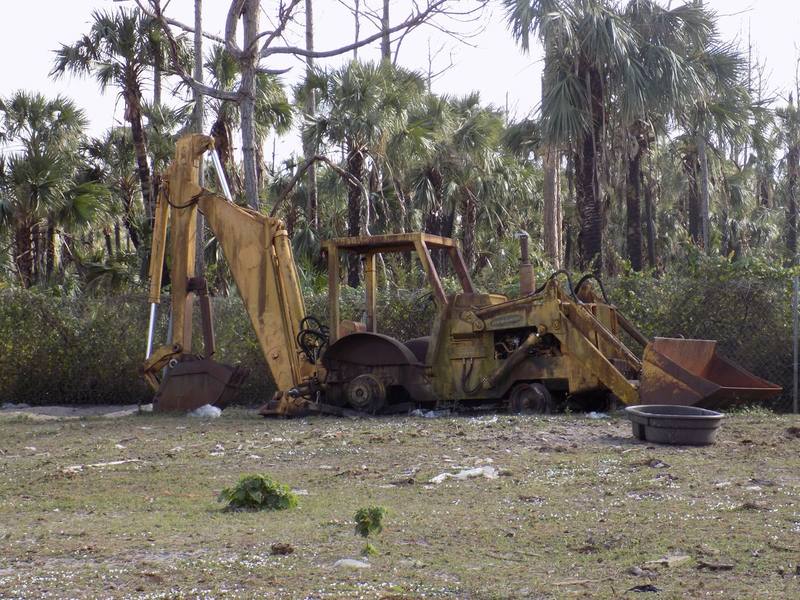
Barns, packing houses, shade houses, pole barns and fences are either listed individually with a limit or covered under one blanket amount
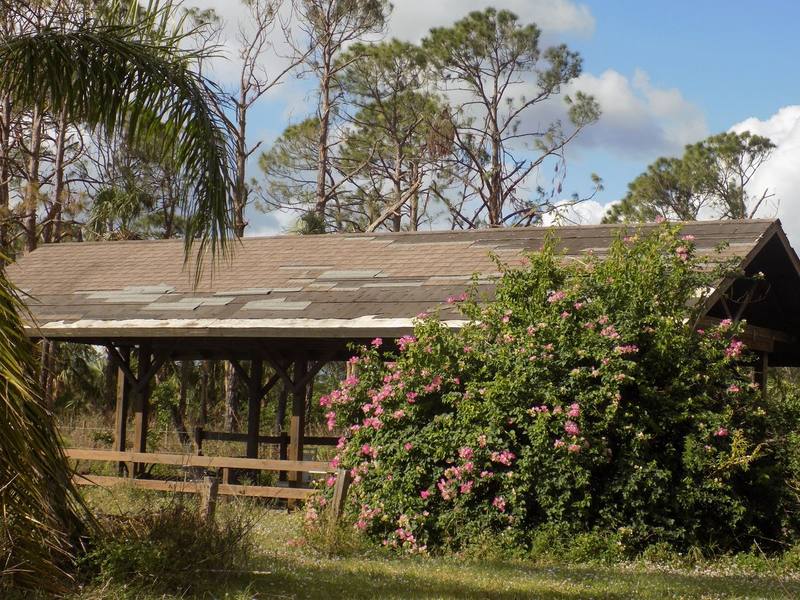
Structures left off the schedule have no coverage; open-sided and fabric structures often carry a wind exclusion or reduced coverage
Farm personal property
Equipment, machinery, feed, supplies and livestock, scheduled or blanket; livestock is usually named-peril (fire, lightning, wind, collapse, electrocution, attack by wild animals)
Equipment paid at actual cash value; livestock death from heat, disease or flood is excluded unless specifically added
Growing crops and trees
Excluded on the property policy; insured through federal crop insurance (RMA/FCIC) or NAP
Owners expect the farm policy to pay for a destroyed grove or field; it pays for the structures and equipment around it
Farm income and extra expense
Optional; pays lost farm income and the cost of continuing operations after a covered loss
Not purchased, or the period of restoration cut short by the carrier
Pollution, spoilage and equipment breakdown
Separate endorsements for refrigerated spoilage, power failure, mechanical breakdown and pollutant cleanup
Spoilage after a storm outage denied for lack of the endorsement; check before the season, not after
Florida. Florida law requires notice of an initial or reopened property claim within 1 year after the date of loss, and notice of a supplemental claim within 18 months. For hurricanes and similar weather events, the date of loss is the landfall date or the date the event is verified. Your policy may include its own requirements, so do not wait.
New Jersey. New Jersey regulations require insurers to begin an investigation within 10 working days of notice of a claim and set a 30-calendar-day period, running from receipt of a properly executed proof of loss, for first-party claims, with written explanations and updates every 45 days if more time is needed.
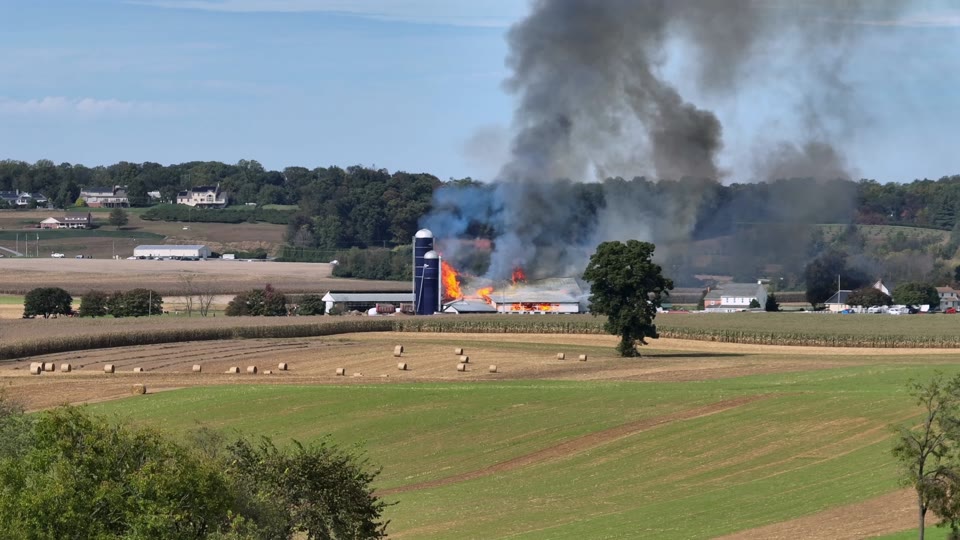
In the News. According to ClickOrlando (WKMG News 6), a barn fire in Reddick, Florida — Marion County's heart of horse country — killed 21 horses in April 2025 after the structure's roof collapsed during the blaze, with state and county fire investigators called in to determine the cause. Losses like this show how fast an agricultural property — a barn, stable, grove structure, or equipment building — can go from a working asset to a total loss, and how critical it is that livestock, structures, and equipment are each properly valued and documented on the policy before disaster strikes. Farm, ranch, and stable owners in Florida and New Jersey often find that agricultural property claims involve unique valuation disputes over structures, livestock, and business-interruption losses that a standard adjuster may not fully account for. Homeland Public Adjusters helps agricultural property owners document these losses and pursue a fair settlement.
No. Crop losses are generally handled through a USDA Risk Management Agency policy, a separate federal program from property insurance. Homeland represents owners on property and structure claims: barns, stables, equipment buildings, irrigation systems, fencing and similar structures.
Is damage to a barn or stable from a storm covered the same way as damage to a house?
It depends on the policy covering the structure. Farm, ranch and commercial agricultural policies vary in how they define covered structures and perils. Homeland reviews your specific policy to determine what applies to barns, stables and other outbuildings.
Does Florida actually get tornado damage, or is that mainly a hurricane issue?
Florida does see tornadoes, including tornadoes spawned during hurricane landfalls and separate outbreaks, such as the February 2007 Groundhog Day tornado outbreak in central Florida. Open farmland and ranch structures, with little windbreak, can be especially exposed. These are often handled as their own claim events rather than folded into the hurricane claim.
What if debris from a storm, including something like a downed utility pole or tree, damages a barn or fence line?
Debris damage to agricultural structures and fencing is generally handled the same way as other wind and storm claims: the debris itself is documented as the cause of loss, and the damaged structure is evaluated under your policy’s wind and storm coverage.
We have farmworker housing on the property. Is that covered differently?
Farmworker housing is typically a distinct structure under a farm or commercial agricultural policy, separate from the main residence and from barns or equipment buildings. Homeland documents it as its own structure within the overall claim.
Do you represent nurseries and grove operations, or only livestock properties?
Both. Agricultural Property Claims covers farms, groves, ranches, nurseries and other agricultural operations and their structures, not only livestock facilities.
Agricultural Property Claims We Handle Across Florida & New Jersey
Homeland handles agricultural property claims throughout Florida, including the Redland, Homestead, Belle Glade and Immokalee farming communities, and throughout New Jersey. Wherever your farm, grove or ranch is in either state, call us 24/7.
Agricultural losses usually begin with a specific type of property damage. Homeland Public Adjusters assists farm, grove and ranch owners with each of these covered losses.
Farm, grove and ranch property carries coverage questions most adjusters rarely handle. Contact Homeland for a free review. Our team can document each structure, organize the supporting evidence, and represent you throughout the claims process.

 By Nelson Avila