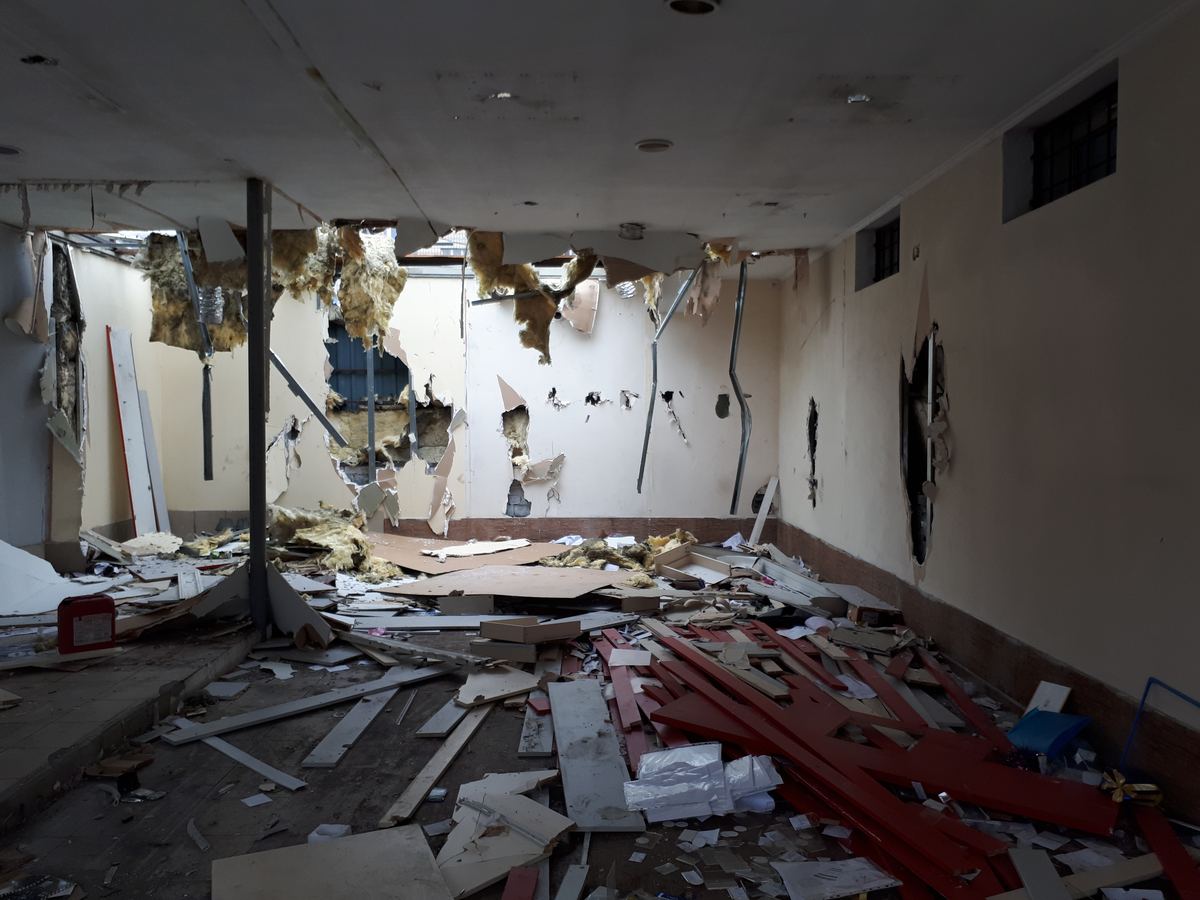
Water through the ceiling of the operatory, a surge through the imaging suite, a fire in the building next door. A practice loses equipment it cannot repair and patients it cannot reschedule.
Homeland Public Adjusters represents medical, dental, veterinary, chiropractic, physical therapy and other healthcare practices in Florida and New Jersey with water, fire, storm, surge and equipment claims, and with the business income claim for the weeks the practice could not see patients. We document the build-out, the equipment and the records, and we handle the claim with the carrier while you handle the patients. No Recovery, No Fee.
Florida practices sit in multi-tenant medical buildings where a leak two floors up ends in an operatory, and in standalone offices that take hurricane wind and the surge that follows a power restoration. Homeland represents Florida practices from solo dental offices to multi-site groups.
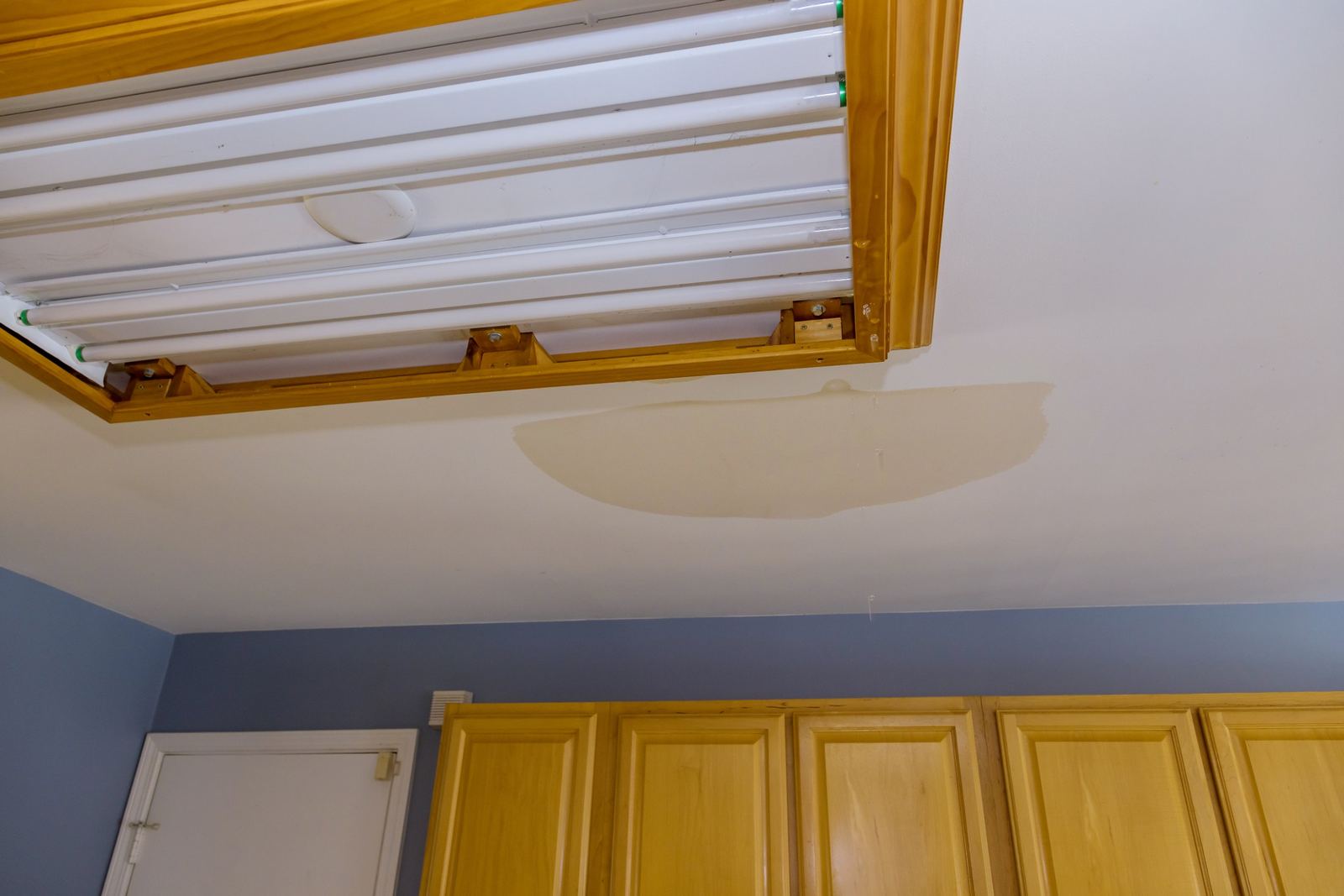
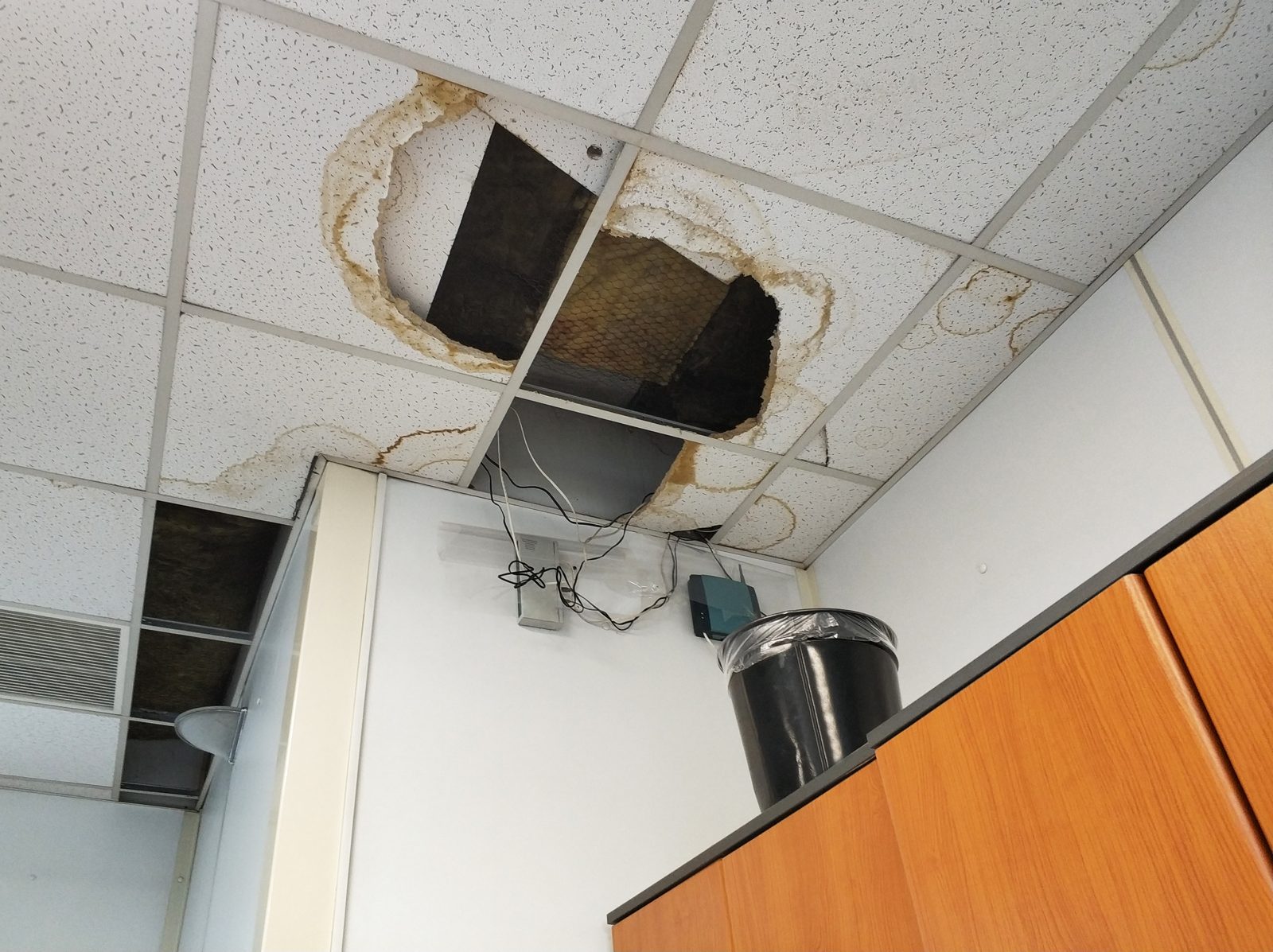
In a medical or dental office, a ceiling leak means closed exam rooms; the business-income clock starts the day the doors close.
Medical & Dental Offices Claims in New Jersey
New Jersey practices in older office buildings and converted houses face frozen sprinkler and supply lines, roof failures in nor’easters and fires in buildings that predate current codes. Homeland handles New Jersey medical and dental claims, including the tenant’s claim for a build-out the landlord’s policy does not cover.
Healthcare property claims are water claims first: Zurich found that 63% of its hospital claims by dollar were liquid damage and that there is better than a 50% chance the next healthcare property claim will be water related. In a practice, the loss looks like this:
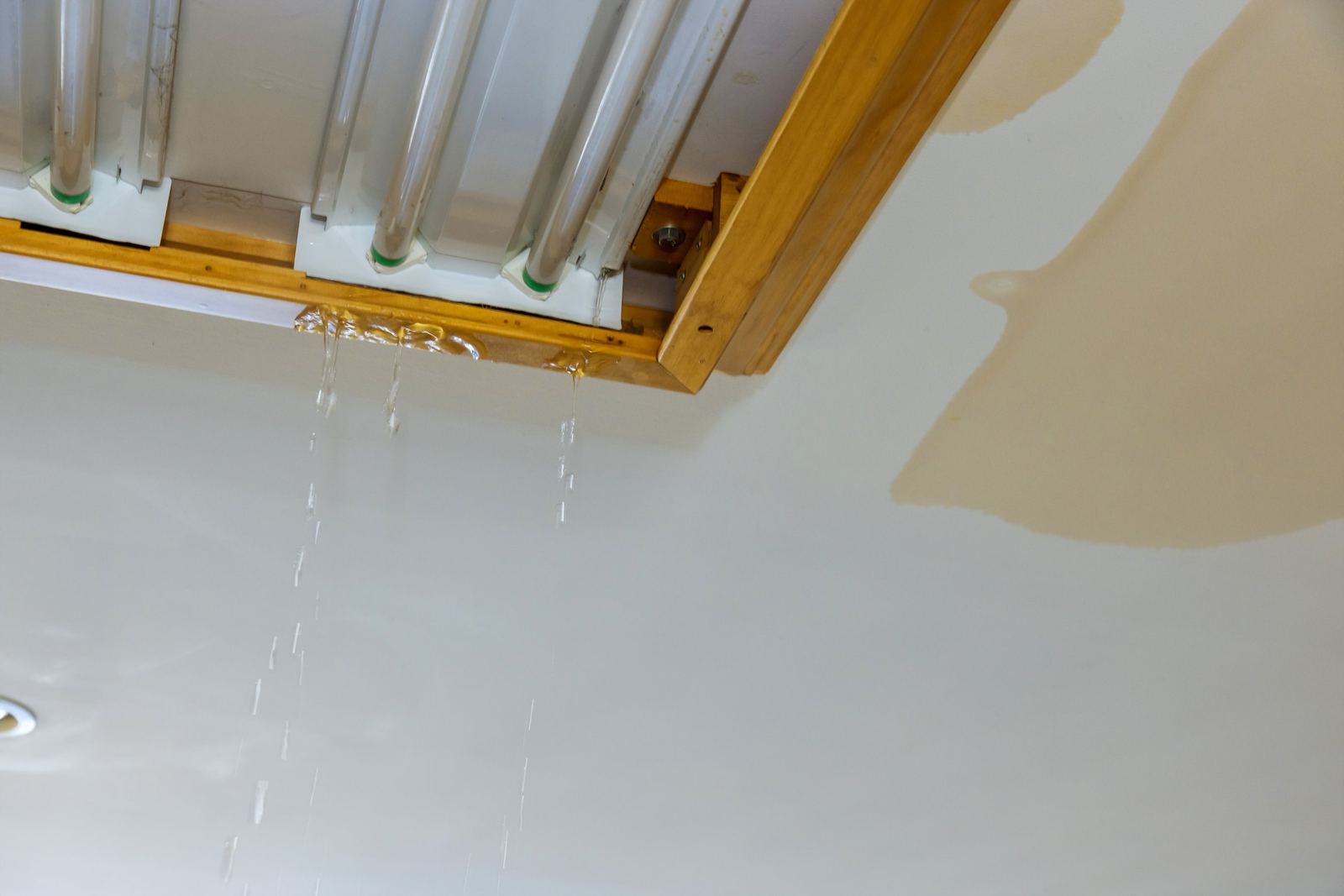
Water into treatment rooms: a supply line, a sprinkler head or a neighbor’s plumbing through the ceiling onto chairs, delivery units, cabinetry and flooring built for infection control
Sterilization and lab equipment: autoclaves, compressors, vacuum systems and lab benches that cannot be used until certified, whether they look damaged or not
Imaging and electronics: panoramic and CBCT units, digital sensors, ultrasound, servers; surge and water damage that shows up as failures weeks later
Fire and smoke: healthcare facilities see about 6,200 structure fires a year nationally (NFPA); smoke in a practice contaminates everything patient-facing
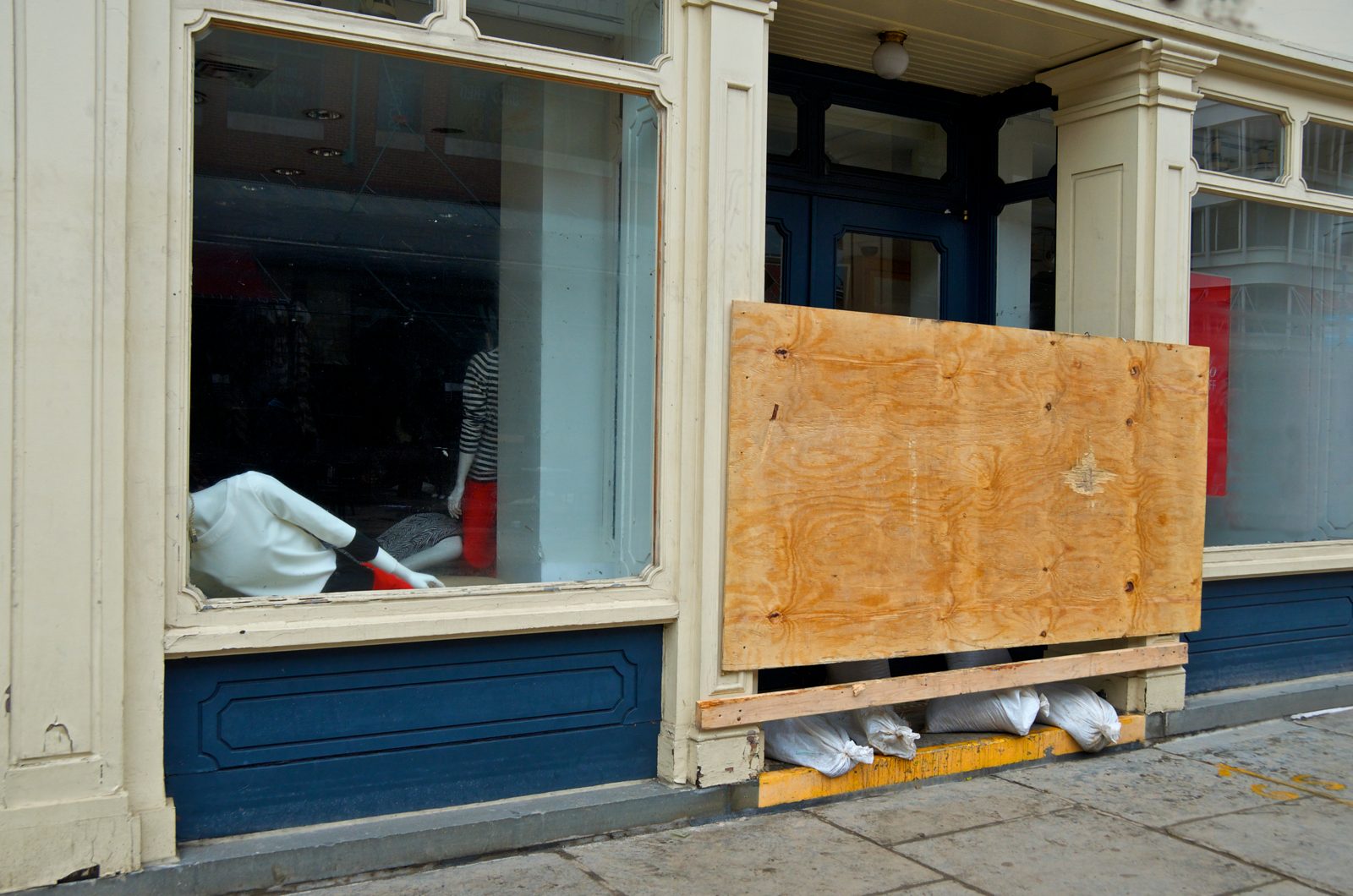
Hurricane and wind: roof and window damage, and the generator-less days after the storm with refrigerated vaccines and medications
Mold and indoor air after a water loss, in a space where the standard is higher than an office
Patient records and the IT rebuild after water or fire reaches the server room
Build-out at tenant expense: plumbing in every room, lead-lined walls, medical gas, cabinetry; the landlord’s policy covers none of it
Medical & Dental Offices: by the numbers
63%Share of hospital property claims, by dollar, that were liquid damage (Zurich, 2008–18)
50%+Chance the next healthcare property claim is water related (Zurich)
6,240U.S. healthcare facility structure fires per year, $52 million in damage (NFPA)
$350,000Lost income in one medical practice roof-leak claim, on top of $200,000 in property damage (The Hartford)
Every commercial policy is a package of separate coverages with separate limits and separate arguments. These are the ones that decide this industry’s claims:
Coverage
Why it matters here
What to check
Business income and extra expense
A practice loses billings by the day and patients by the week
The waiting period, whether provider compensation is covered as continuing expense, and extra expense for a temporary location
Equipment breakdown
Compressors, vacuum pumps, imaging, HVAC that fail after surge or water
Without it, equipment that fails later is excluded as mechanical breakdown
Spoilage
Vaccines, medications and lab materials lost in an outage
Often a small sublimit; know it, and log the refrigerator temperatures
Tenant improvements and betterments
Everything built into the suite beyond the shell
Which policy lists the build-out; leases often shift it to the tenant without the tenant insuring it
Valuable papers and data
Patient records, films, models
Limits are usually small; the IT restoration cost is the real number
Ordinance or law
A rebuild triggers current accessibility, medical gas and infection-control requirements
Coverage C limit against code-driven costs in a clinical build-out
What to Do After the Loss
1
Make it safe and stop the loss: shut the water, cut the power to the affected area, call the fire department for any smoke or gas. Keep people out of a space with a sagging ceiling.
2
Photograph and video before cleanup, every area, every piece of equipment, the stock, the ceiling above and the floor below, with a wide shot and close-ups.
3
Protect what is left and keep the receipts: board-up, tarps, extraction, a generator for the walk-in. Emergency work is reimbursed; permanent repairs wait for the inspection.
4
Have every piece of equipment the water or smoke reached inspected and certified by the vendor in writing, even if it still runs; the certification is the claim.
5
Log the refrigerator and freezer temperatures and the contents before anything is discarded; spoilage is paid on the record.
6
Pull the lease and the build-out invoices: the carrier’s first move in a medical suite is to call the plumbing and cabinetry the landlord’s problem.
7
Let Homeland notify the carrier: call us before the insurance company. Hire us and we file the notice in writing with the facts, the photos and the coverage request.
8
Start the income record the same day: daily sales before and after, the reservations or orders you turned away, the payroll you kept, the extra costs to keep going.
How Homeland Helps
Policy read first: business income, extra expense, ordinance or law, coinsurance, equipment breakdown, spoilage, tenant improvements and the percentage wind deductible, before the carrier’s adjuster frames the claim.
Building, equipment and inventory documented separately, each under the coverage and valuation that applies to it.
Business income built from your records: sales, P&L, payroll and the period of restoration proved, not estimated.
Landlord and tenant policies coordinated so the shell, the build-out and the contents are each claimed once, under the right policy.
Code and ordinance costs identified before demolition, when they can still be claimed.
Appraisal when the number is still short, handled by a licensed public adjuster who is also a certified property appraiser and umpire.
No Recovery, No Fee.
Deadlines to Know
Florida. Notice of an initial or reopened property claim is due within 1 year after the date of loss and a supplemental claim within 18 months (Fla. Stat. §627.70132), which applies to property insurance of every kind, commercial included. The 7-day acknowledgment and 60-day decision rules of §627.70131 apply to residential policies and to certain smaller commercial properties, so for a larger building the policy’s own proof-of-loss and suit clauses control.
New Jersey. Insurers must begin investigating within 10 working days of notice and pay a first-party property claim within 30 calendar days after a properly executed proof of loss, with written delay notices every 45 days after that (N.J.A.C. 11:2-17.7).
In the News: A Real Medical & Dental Offices Claim
In the News. The Hartford describes a medical practice whose roof leak caused $200,000 in business personal property damage and $350,000 in lost income, and Zurich’s review of a decade of healthcare claims found liquid damage was 63% of hospital claims by dollar, with water claims costing about three times other property claims. A practice does not have a hospital’s reserves. When the operatory ceiling comes down, the equipment vendor’s certification, the lease and the billing history are the three documents that decide whether the practice is made whole or absorbs the loss.
The water came from the tenant upstairs. Whose insurance pays?
Yours first, for your equipment, build-out and income, under your own policy; your carrier then pursues the upstairs tenant or the building owner if they were negligent. Waiting for someone else’s liability carrier leaves the practice closed.
Our dental chairs still work. The carrier says there is no damage.
Water in a delivery unit, a compressor or a chair’s electronics is damage whether the chair rises or not, and infection-control standards may bar reuse until the vendor certifies it. The vendor’s written inspection answers the carrier.
Can we claim the patients we had to cancel?
Business income coverage pays the net income and continuing expenses for the period the practice could not operate, proved from the billing and scheduling history. Extra expense pays for a temporary location to keep seeing patients.
Our vaccines spoiled when the power went out after the storm.
Spoilage coverage pays up to its sublimit for refrigerated stock lost to a covered outage; utility service interruption coverage triggers the income claim. Both are endorsements, so check the policy now.
The landlord’s adjuster says the plumbing in our suite is the landlord’s. Our lease says it is ours.
The lease controls, and most medical leases make the build-out the tenant’s. If your policy lists tenant improvements and betterments, that is the coverage; if it does not, the gap is real and worth fixing at renewal.
Do you handle claims for a group with several locations?
Yes, including losses at several offices in the same storm, each under its own deductible and limits, reported to the practice administrator and the owners as they require.
A commercial claim is a property claim and an income claim at once, and the first estimate covers neither. Call Homeland for a free review before you sign anything.

 By Nelson Avila