A hurricane through 200 rooms, a sprinkler line over a lobby, a fire on the third floor. The claim is the building, the furnishings, the guests you sent away and the brand standards the rebuild has to meet.
Homeland Public Adjusters represents hotel, motel, resort and inn owners and operators in Florida and New Jersey with hurricane, wind, fire, water and other property claims, and with the lost room revenue and extra expense that follow. We document every room, every system and every night of lost occupancy, and we handle the claim with the carrier while you run the property. No Recovery, No Fee.
Florida licenses about 2,500 hotels and 2,200 motels, and its hotel stock takes the first hit of every hurricane season: Hurricane Ian damaged an estimated $5 billion of tourism infrastructure, mostly hotels, and a month later roughly 40% of Fort Myers hotel rooms were still closed. Homeland represents Florida hospitality owners with storm, water and fire claims.
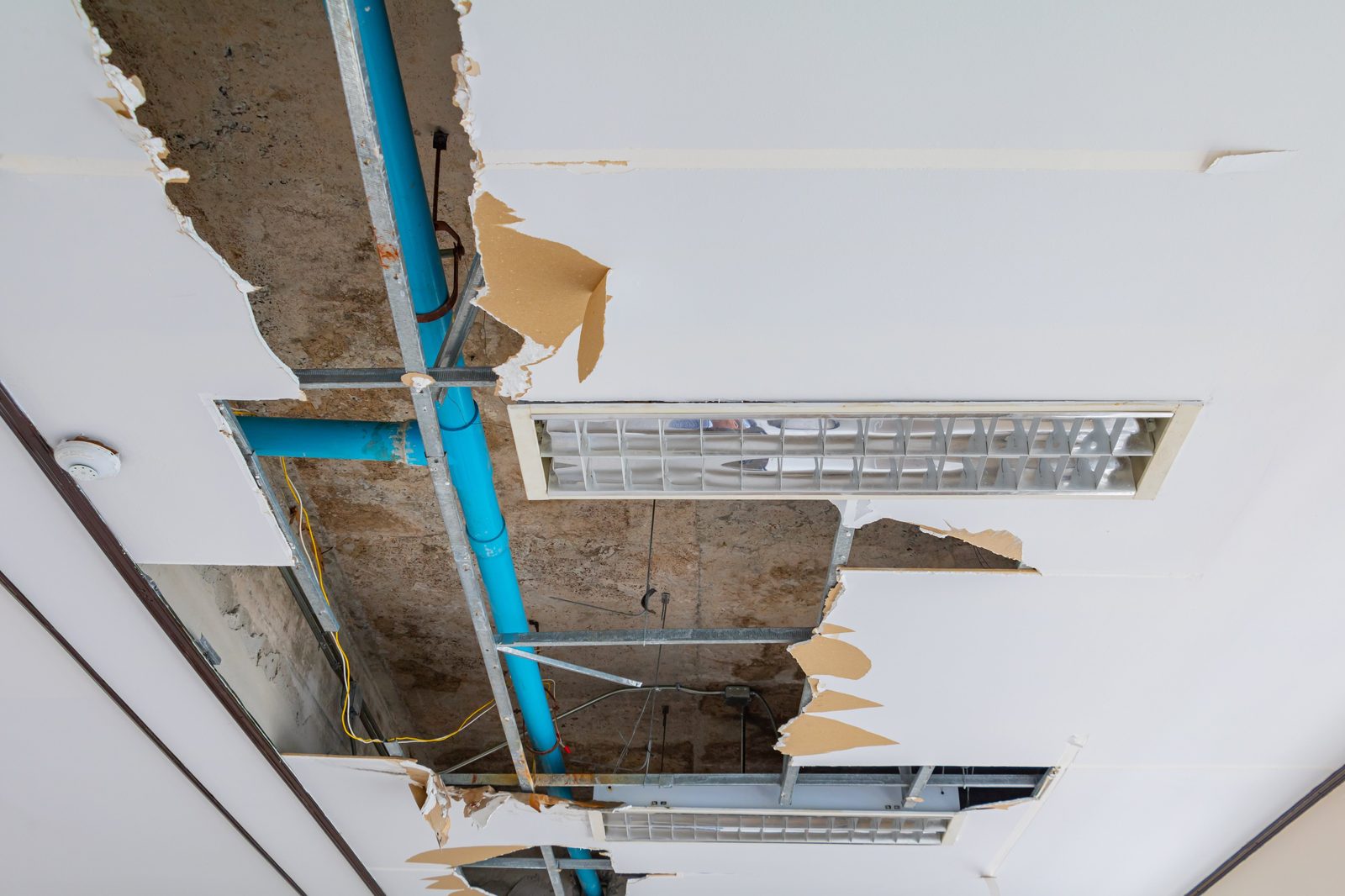
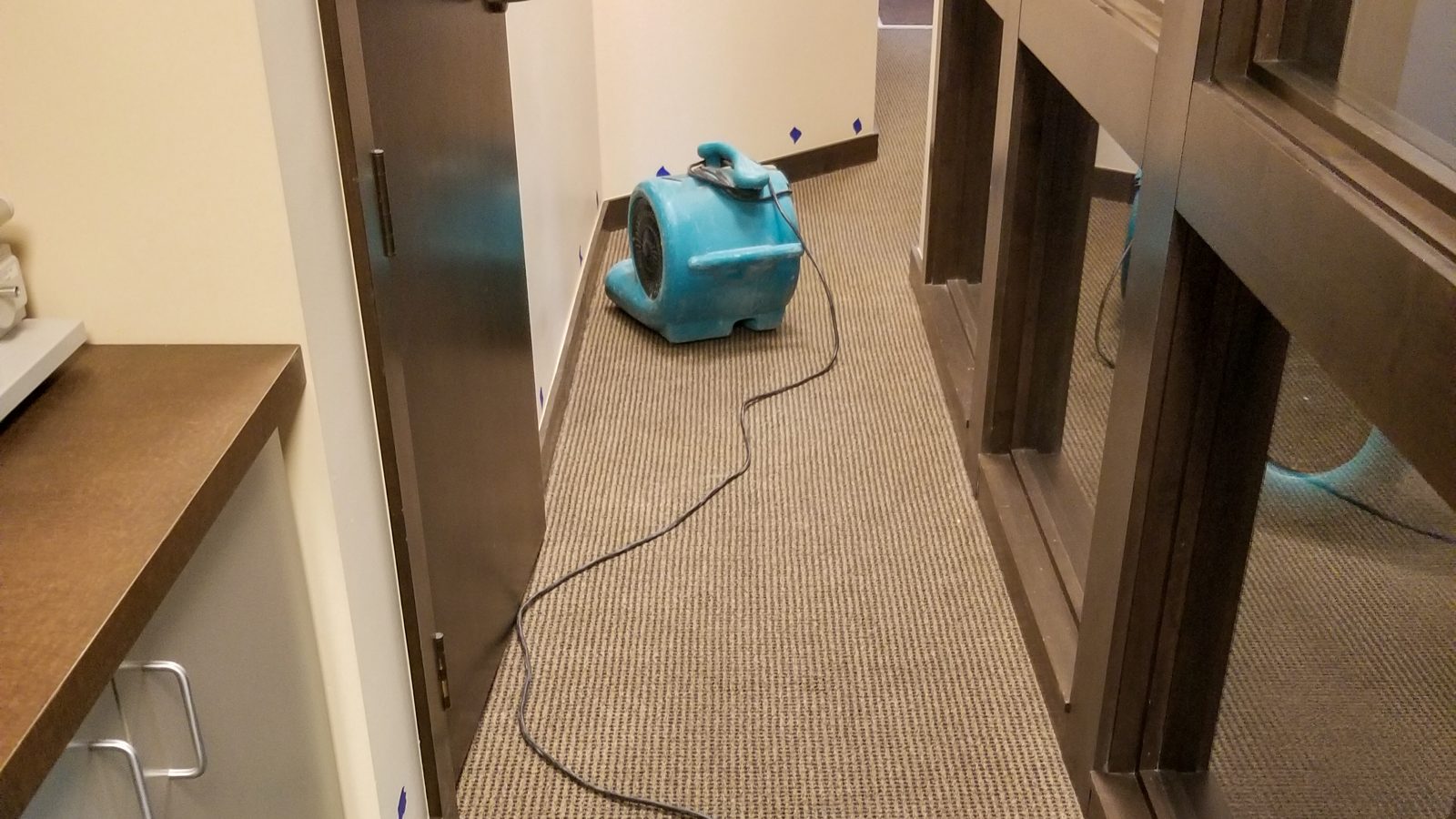
A hotel water loss runs along the corridor: rooms out of service, carpet, drywall and the revenue those rooms would have earned.
Hotels & Motels Claims in New Jersey
Shore motels from Cape May to Asbury Park, airport and highway hotels in the north, and inns in older buildings across the state face nor’easter wind, flood, frozen pipes in the off-season and fire in buildings that predate sprinklers. Homeland handles New Jersey hotel and motel claims and the seasonal revenue claim that comes with a summer loss.
Hospitality claims are larger than their square footage because every room is a unit of revenue and every system serves all of them:
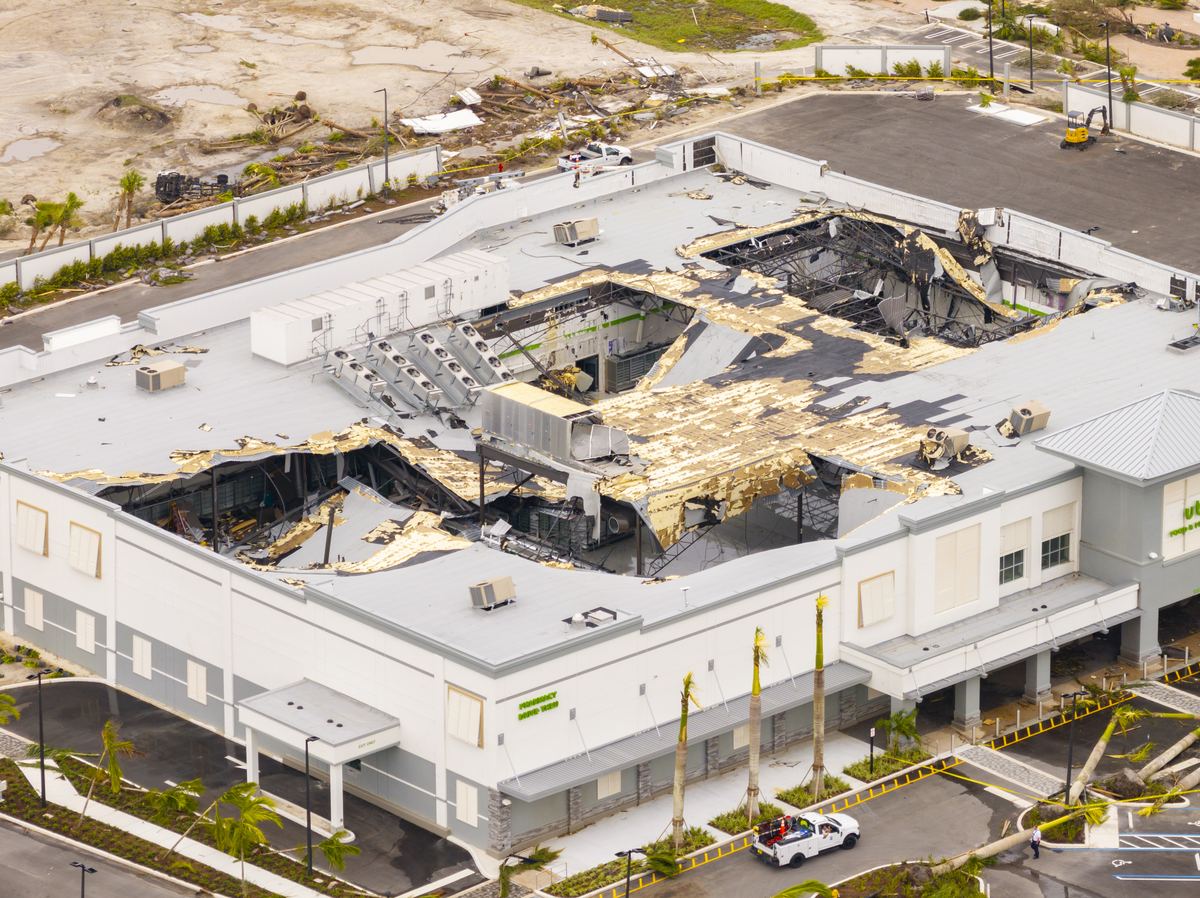
Hurricane and wind: roof membranes and coping, windows and sliders on the exposed elevations, pool decks, signage, and water driven into dozens of rooms at once
Water from the building’s own systems: a sprinkler line, a PTAC unit, a water heater in a mechanical room, a guest’s tub; the rooms below and the corridors between
Fire and smoke: hotels average about 3,500 structure fires a year nationally, and one in twelve properties reports a fire in a typical year (NFPA); smoke travels the corridors and the HVAC
Mold after a water loss in rooms closed and humid for weeks
Lost room revenue and displaced guests: the nights you could not sell and the cost of relocating the guests who were in the building
Brand and franchise standards: the rebuild has to meet the flag’s current property improvement plan, which the carrier calls betterment
Furniture, fixtures and equipment at replacement cost across every affected room, and the kitchen, laundry and fitness equipment below
Utility interruption after a storm, when the building is intact but there is no power or water to sell a room
Hotels & Motels: by the numbers
$5 billionEstimated Hurricane Ian damage to Florida tourism infrastructure, mostly hotels (Enki Research)
40%Fort Myers hotel rooms still closed a month after Ian (CoStar, Oct 27 2022)
1 in 12U.S. hotels and motels that report a structure fire in an average year (NFPA)
2,491Hotels licensed in Florida, plus 2,248 motels, FY 2024–25 (DBPR)
Every commercial policy is a package of separate coverages with separate limits and separate arguments. These are the ones that decide this industry’s claims:
Coverage
Why it matters here
What to check
Business income (room revenue)
Hotels lose revenue by the night; the period of restoration is the whole claim
Whether income is measured on RevPAR with seasonality, the 72-hour waiting period, extended business income after reopening, and whether a partial closure counts
Documented as avoided-loss spending, with every invoice tied to a reason
Ordinance or law
A rebuild of guest rooms triggers current life-safety, accessibility and sprinkler requirements
Coverage C limit against the real cost of code work on an older building
Coinsurance and blanket limits
Hotels are often insured on a blanket limit across buildings; underinsurance penalties follow
The statement of values against current replacement cost, building by building
Percentage wind deductible
Per location, as a percentage of the building limit
On a $20 million property a 5% deductible is $1 million before the policy pays; know it before the storm
Equipment breakdown
Chillers, boilers, elevators, laundry and kitchen equipment
Mechanical failure after a surge or flood is breakdown, not property damage, unless the endorsement is on the policy
What to Do After the Loss
1
Make it safe and stop the loss: shut the water, cut the power to the affected area, call the fire department for any smoke or gas. Keep people out of a space with a sagging ceiling.
2
Photograph and video before cleanup, every area, every piece of equipment, the stock, the ceiling above and the floor below, with a wide shot and close-ups.
3
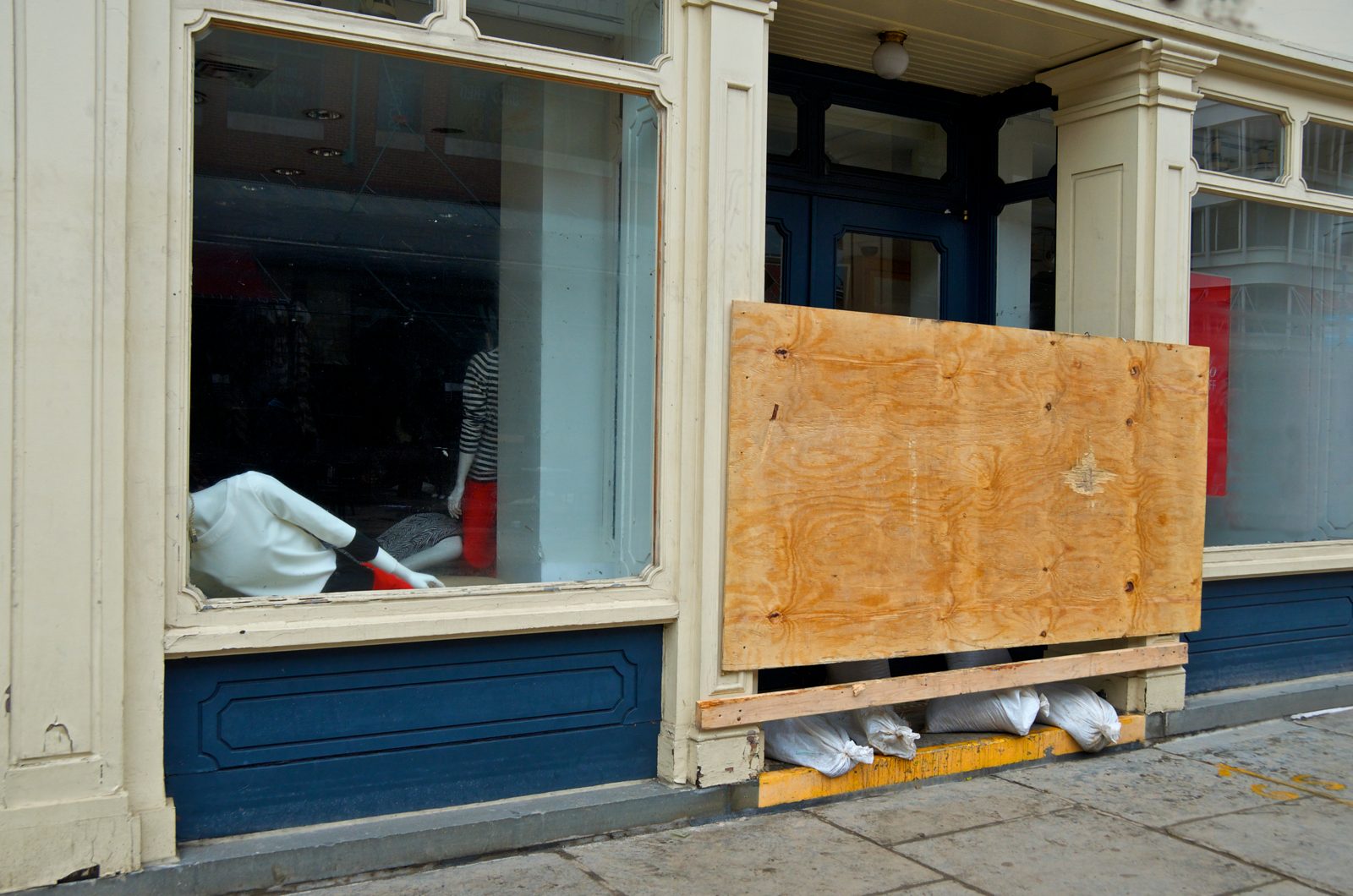
Protect what is left and keep the receipts: board-up, tarps, extraction, a generator for the walk-in. Emergency work is reimbursed; permanent repairs wait for the inspection.
4
Log every room taken out of service, the date and why, and the guests relocated; the occupancy system export is the backbone of the revenue claim.
5
Photograph every affected room the same way: door number, wide shot, ceiling, floor, furnishings, bathroom, before housekeeping touches it.
6
Pull the property improvement plan and the brand standards the rebuild must meet; the carrier will call them betterment unless you show they are required.
7
Let Homeland notify the carrier: call us before the insurance company. Hire us and we file the notice in writing with the facts, the photos and the coverage request.
8
Start the income record the same day: daily sales before and after, the reservations or orders you turned away, the payroll you kept, the extra costs to keep going.
How Homeland Helps
Policy read first: business income, extra expense, ordinance or law, coinsurance, equipment breakdown, spoilage, tenant improvements and the percentage wind deductible, before the carrier’s adjuster frames the claim.
Building, equipment and inventory documented separately, each under the coverage and valuation that applies to it.
Business income built from your records: sales, P&L, payroll and the period of restoration proved, not estimated.
Landlord and tenant policies coordinated so the shell, the build-out and the contents are each claimed once, under the right policy.
Code and ordinance costs identified before demolition, when they can still be claimed.
Appraisal when the number is still short, handled by a licensed public adjuster who is also a certified property appraiser and umpire.
No Recovery, No Fee.
Deadlines to Know
Florida. Notice of an initial or reopened property claim is due within 1 year after the date of loss and a supplemental claim within 18 months (Fla. Stat. §627.70132), which applies to property insurance of every kind, commercial included. The 7-day acknowledgment and 60-day decision rules of §627.70131 apply to residential policies and to certain smaller commercial properties, so for a larger building the policy’s own proof-of-loss and suit clauses control.
New Jersey. Insurers must begin investigating within 10 working days of notice and pay a first-party property claim within 30 calendar days after a properly executed proof of loss, with written delay notices every 45 days after that (N.J.A.C. 11:2-17.7).
In the News. A month after Hurricane Ian made landfall in September 2022, CoStar reported that roughly 40% of Fort Myers hotel rooms were still closed, and an Enki Research estimate put the damage to Florida’s tourism infrastructure, mostly hotels, at up to $5 billion. Two years later, after Hurricane Milton, JLL reported that about a quarter of the hotels in the Tampa and Orlando markets, mainly older ones, were damaged and closed, some permanently. Every one of those closed rooms was a night of revenue a business income claim had to prove, and the properties that reopened fastest were the ones whose claims were documented room by room from the first week.
How is lost room revenue calculated after a storm?
From the property’s own history: occupancy, rate and RevPAR for the same period in prior years, adjusted for the market. The claim runs from the end of the waiting period until the rooms could reasonably be reopened, and extended business income can continue while occupancy recovers. The occupancy system export and the closure dates are the evidence.
We moved guests to another hotel. Is that covered?
As extra expense, yes, when the policy carries it: the cost of relocating guests and the other spending needed to keep operating or to shorten the shutdown.
The carrier says the brand-required upgrades are betterment, not repair.
When the franchise agreement requires the current standard for any rebuilt room, meeting it is the cost of restoring the property to use, and ordinance or law or the policy’s replacement cost terms may respond. The franchise documents go in the claim file.
Our wind deductible is 5%. Of what?
Of the insured value of the building or location, not of the loss. On a blanket policy the deductible may apply per building; read the schedule before the storm, because on a large property the deductible alone can be seven figures.
The building is fine but there is no power. Can we claim the lost nights?
Only with utility service interruption coverage, which is an endorsement. Without it, a closure caused by an off-premises outage is not a covered business income loss on most forms.
Do you work with the hotel’s management company and the owner?
Yes. We document the loss once and report to the owner, the operator and the lender as the contracts require, so the claim does not stall between them.
A commercial claim is a property claim and an income claim at once, and the first estimate covers neither. Call Homeland for a free review before you sign anything.

 By Nelson Avila