Call Now · 24/7 · Hablamos Español
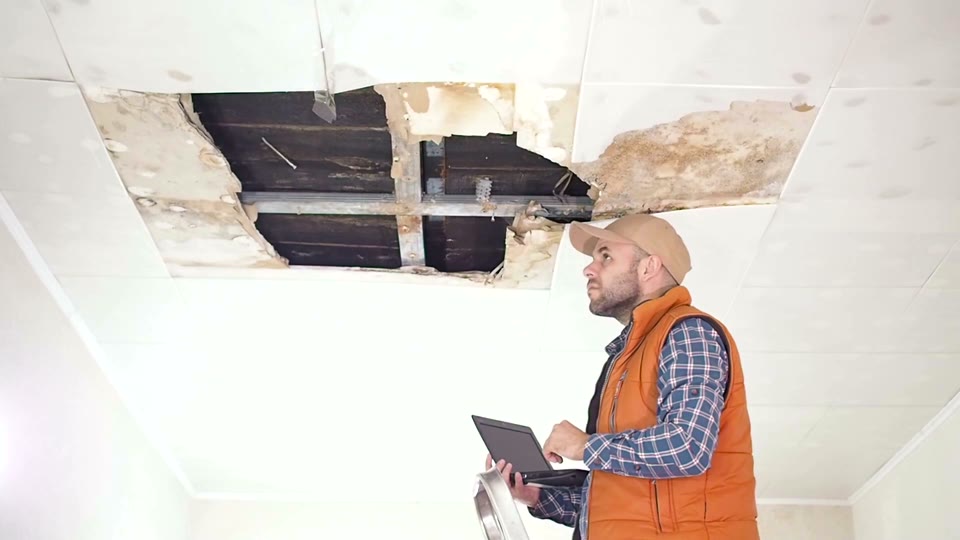
Adjuster inspecting a water-damaged ceiling with exposed rotted framing
CLAIMS

Water Damage

Burst pipe, plumbing leak or mold after water damage. Water spreads farther than you can see — we document where it went.

Homeland Public Adjusters handles water damage claims, from burst pipes and plumbing leaks to roof and appliance leaks, for property owners in Florida and New Jersey. We trace and document the damage well beyond the visible leak, prepare the claim, and negotiate it with your insurer. No Recovery, No Fee. Call 24/7.

Last reviewed: October 2026

NEW JERSEY

Water Damage in New Jersey

Cold winters, heavy rain and older plumbing give New Jersey properties plenty of ways to take on water: pipes that freeze and burst, ice dams that push water under a roof, wet basements, and sewer or drain backups. Moisture that lingers can also lead to mold. Homeland represents New Jersey homeowners, businesses and community associations with water losses. Serving New Brunswick, Elizabeth and communities across New Jersey.
FLORIDA
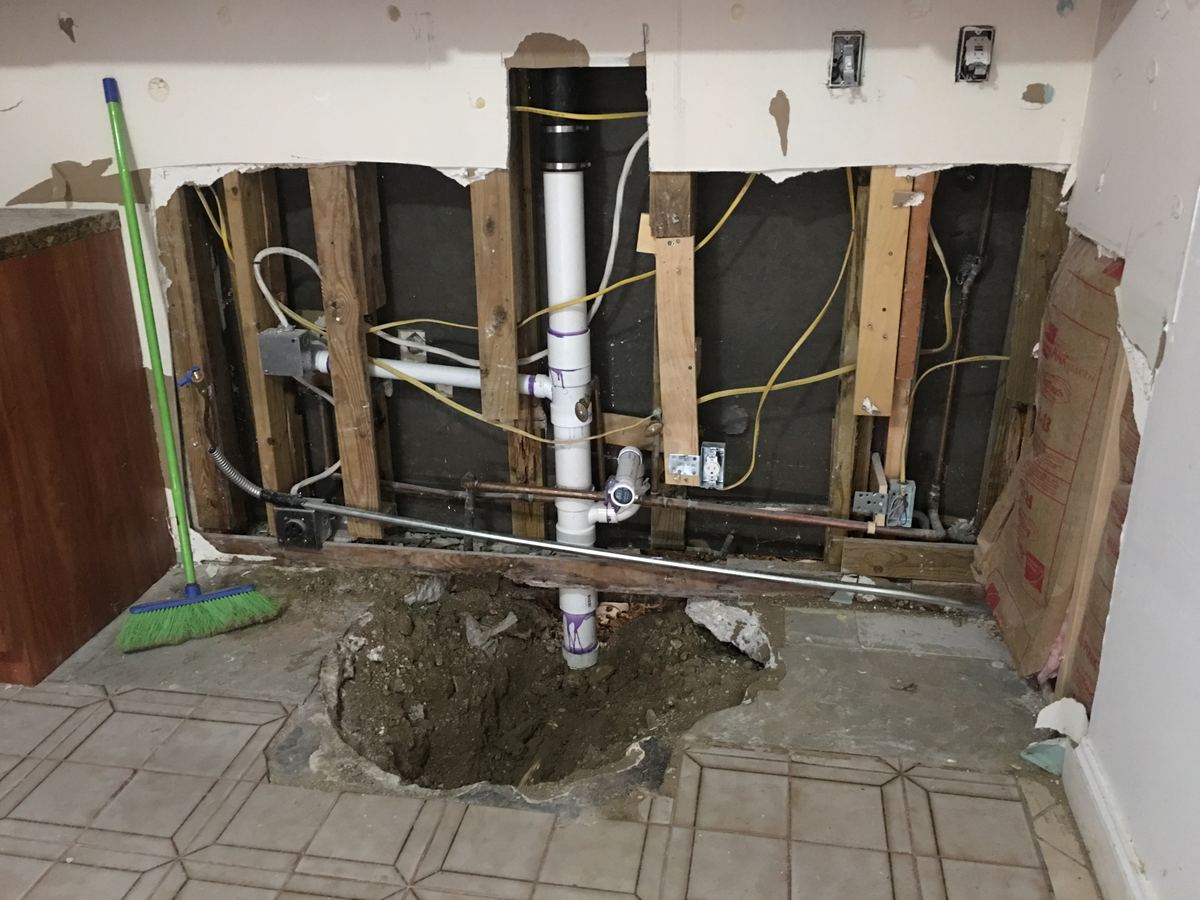
Kitchen cabinets removed to expose water-damaged plumbing and wall in a Southeast Florida home
Opening the cabinet run exposes the leak path. Insurers often pay for the visible stain and not for what is behind it.

Water Damage in Florida

In Florida, water damage often comes from plumbing leaks, appliance failures, air-conditioner drain lines, and roof leaks after heavy rain. In condominium and HOA buildings, water can travel from one unit to another or through shared plumbing. For water from a storm surge or rising water, see our Flood Damage page; for wind-driven rain after a storm, see Hurricane & Wind Damage.

Not all water losses happen the same way, and the cause of the damage can play an important role in how an insurance claim is evaluated. A burst pipe, plumbing failure, appliance leak, sewer line issue, or storm-related water intrusion can each create different damage patterns and raise different questions about coverage, exclusions, sublimits, and policy conditions. Coverage can also depend on whether the water arrived suddenly or leaked gradually over time, so read your policy closely.

Our team can help establish the scope of damage, review applicable policy provisions, organize estimates and supporting evidence, and communicate with the insurance carrier as the claim moves forward.
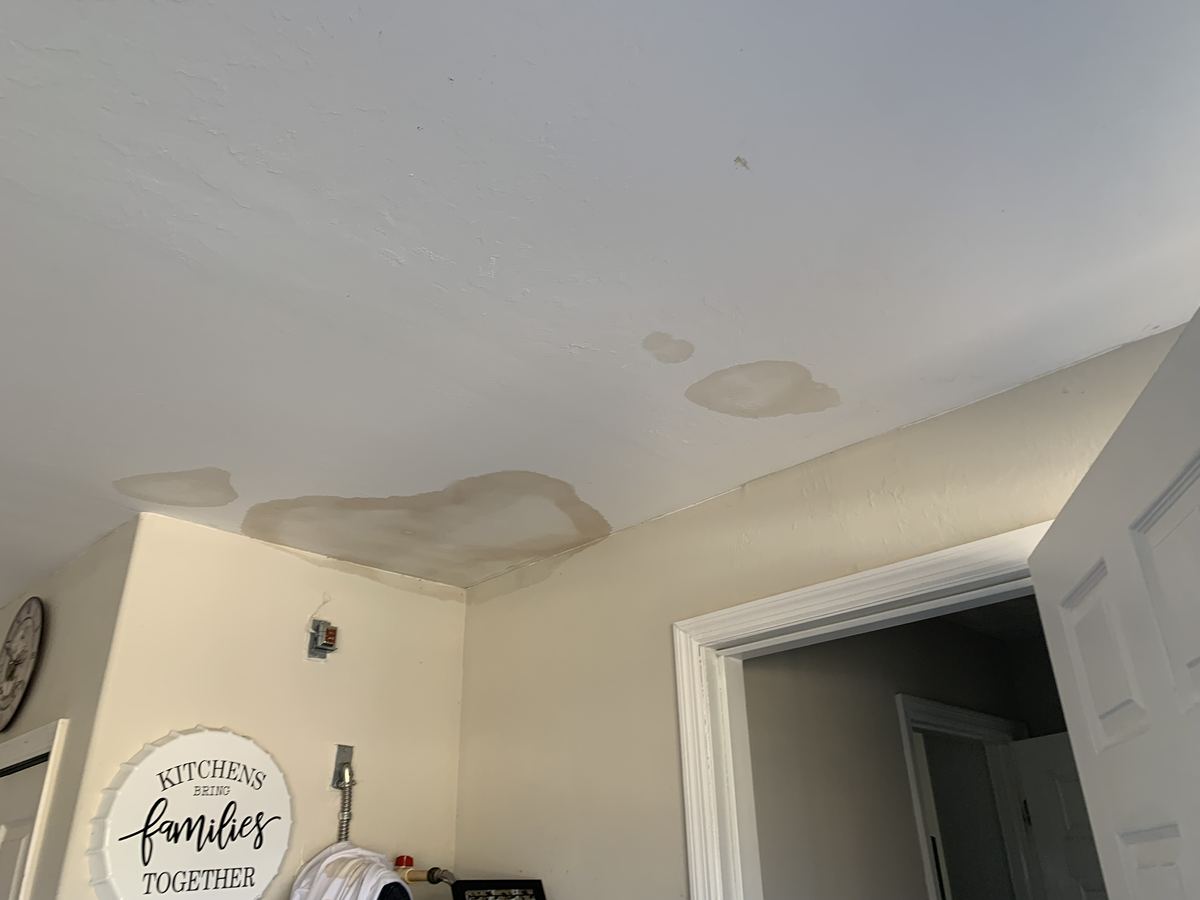
Water stains and ceiling damage from a leak at a home in Fort Lauderdale, FL
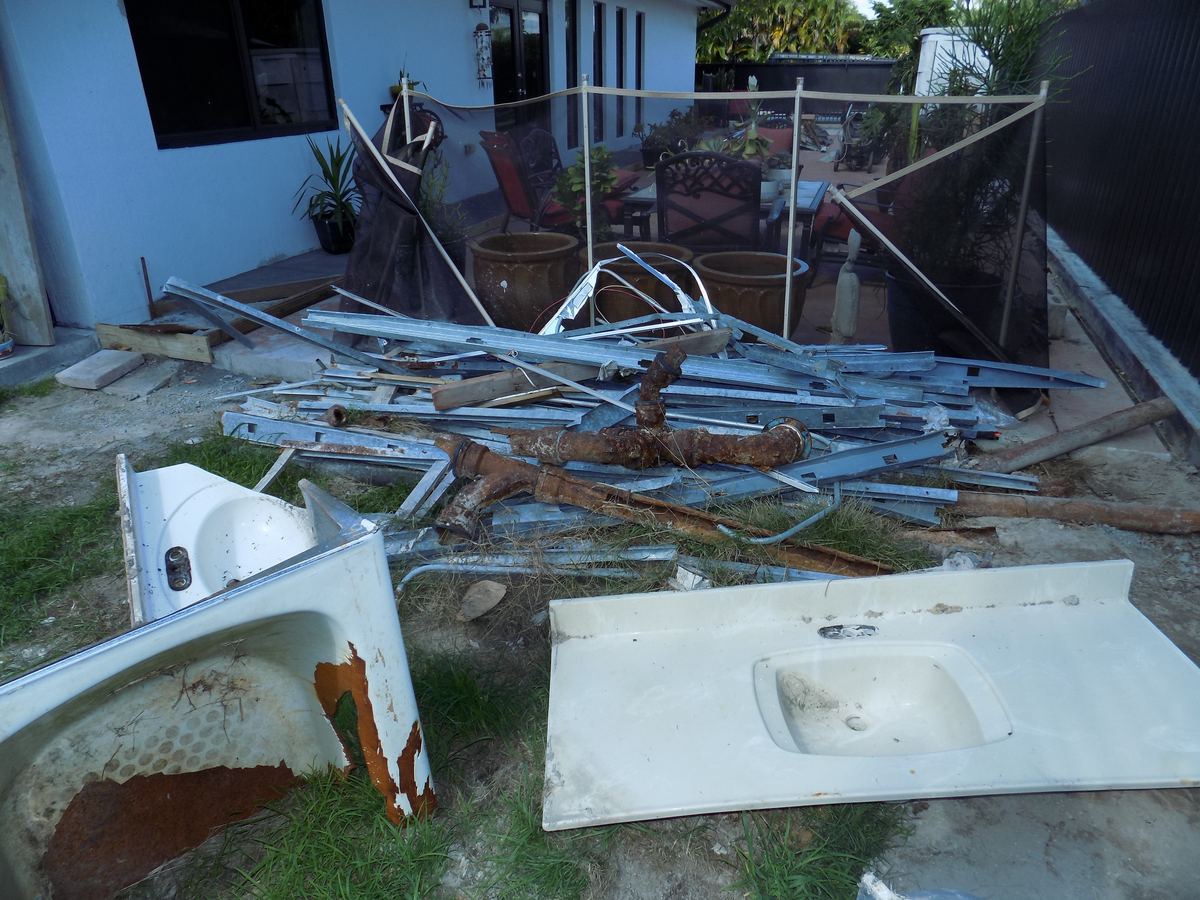
Old plumbing fixtures removed during a water damage repair in Miami, FL
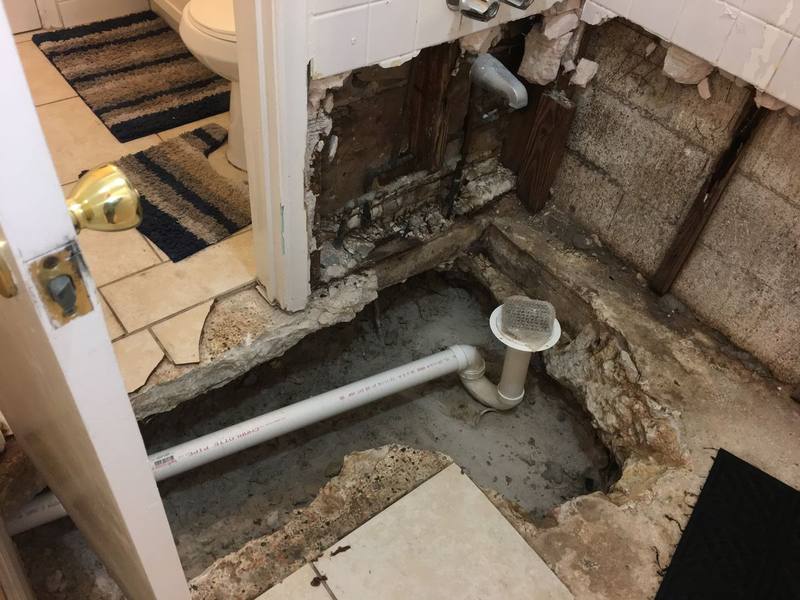
Bathroom floor removed down to the subfloor during a water damage repair, with exposed plumbing
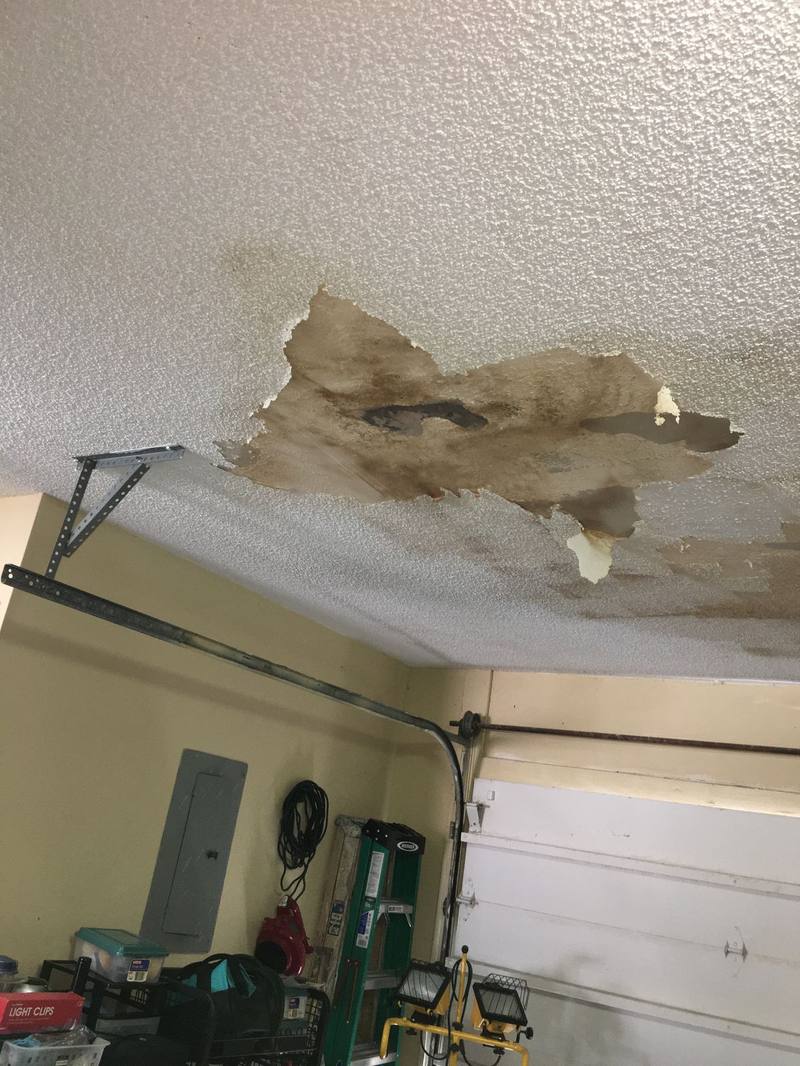
Peeling paint and ceiling damage from a water leak in a garage
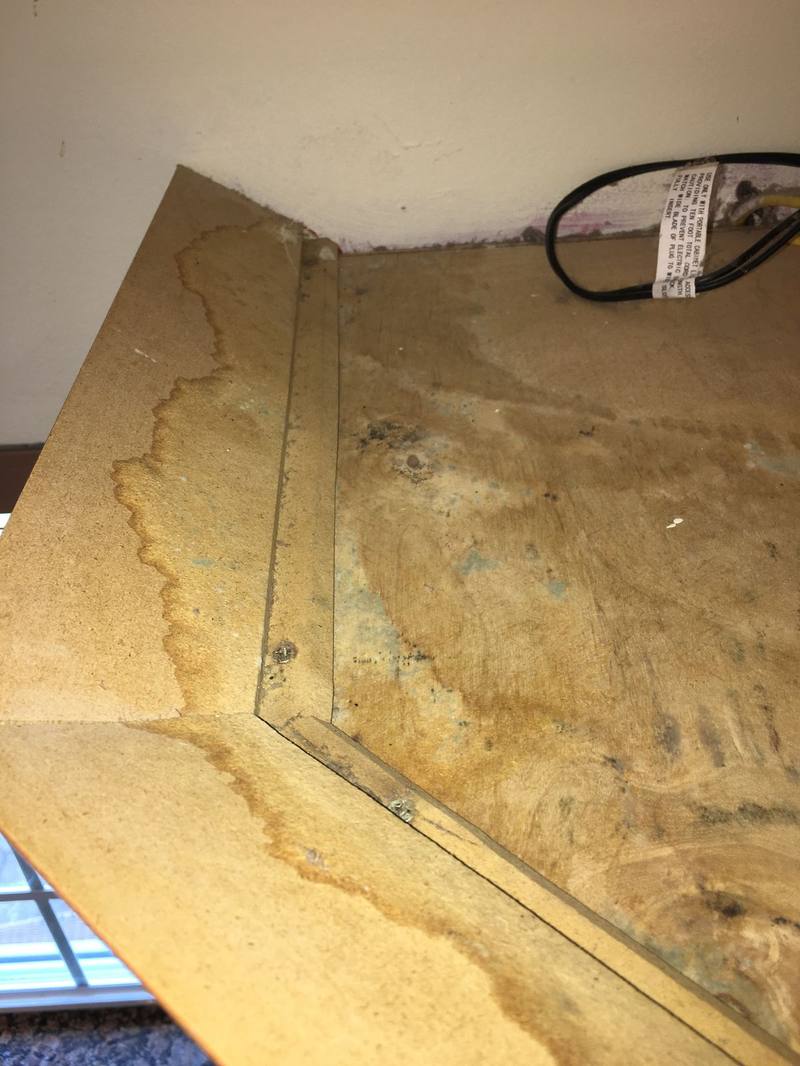
Water staining on the underside of upper kitchen cabinets
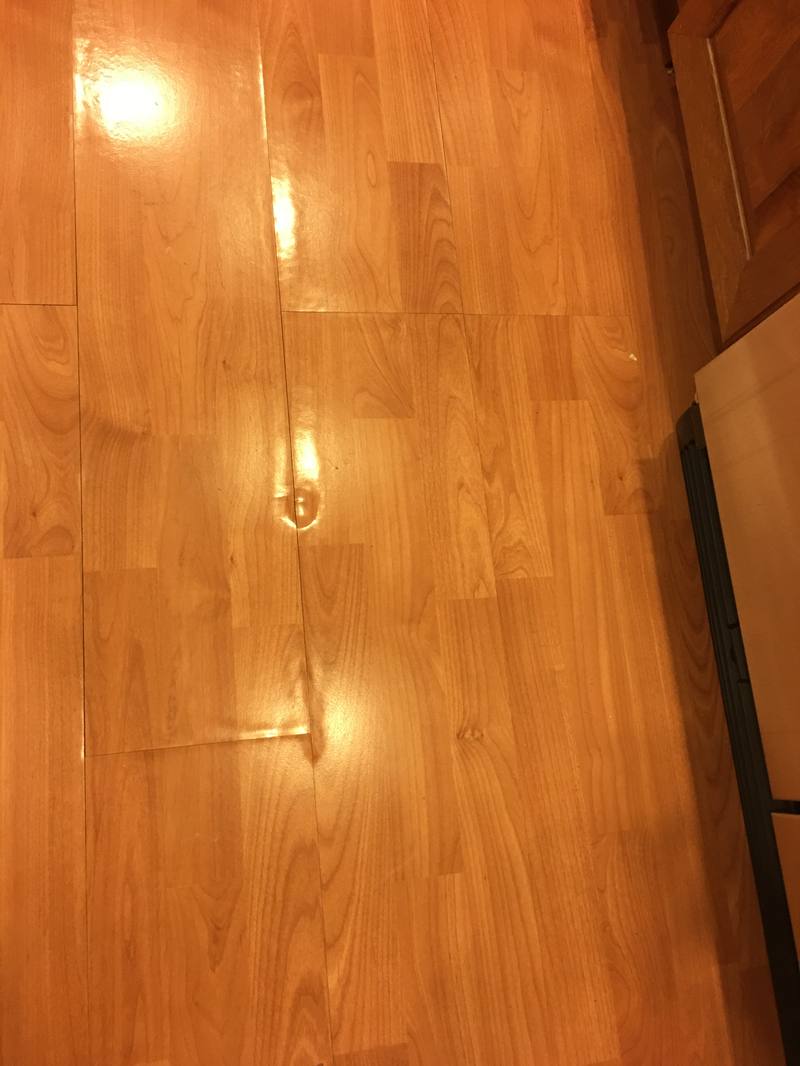
Warped and buckled laminate flooring from water damage
WATER DAMAGE IN A CONDO OR HOA BUILDING

Water Damage in a Condo or HOA Association Building

Water damage in a condominium or HOA building can involve both the association’s master policy and an individual unit owner’s own policy. Which one applies often depends on where the water came from and what caused it, so Homeland reviews both before a claim is filed.
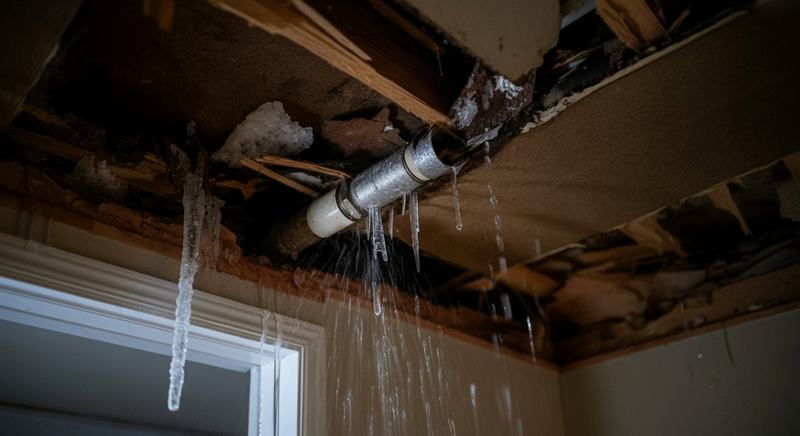
Burst pipe spraying water through an opened common-area ceiling
Common Area & Building System Damage

Leaks from shared plumbing, roofs or building systems can affect common areas and are often addressed under the association’s master policy.
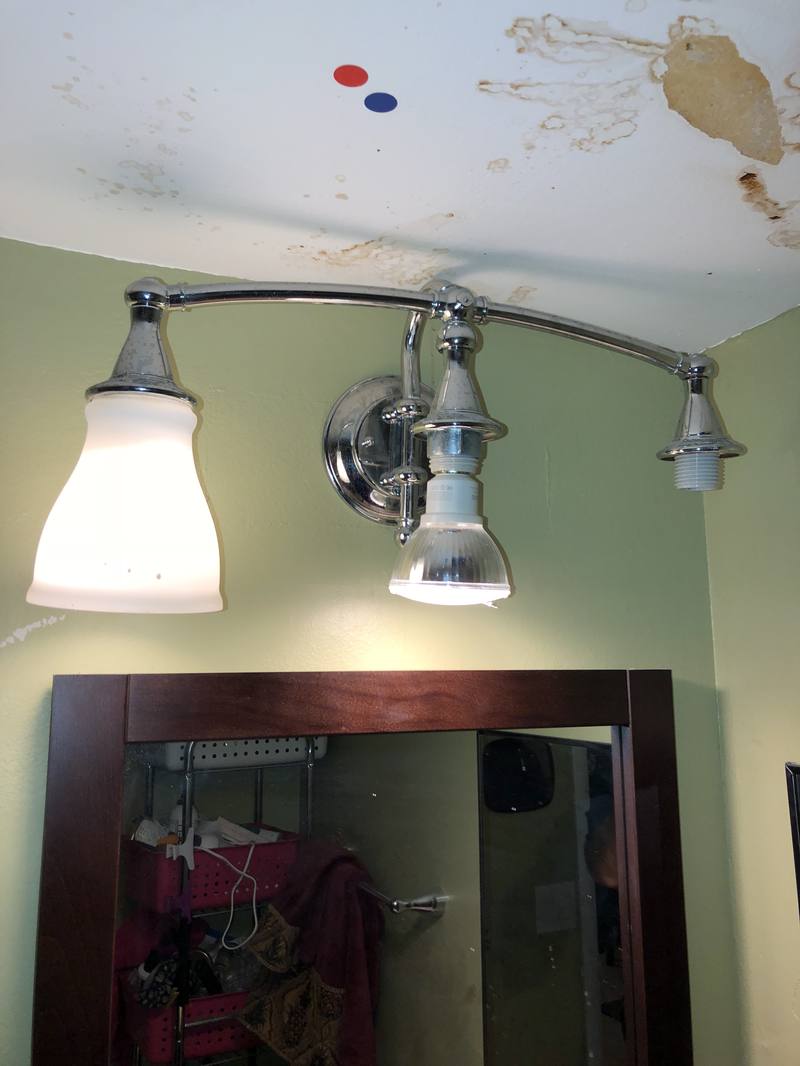
Water-stained wall above a bathroom vanity from a leak in the unit above
Unit-to-Unit Water Intrusion

Water from a neighboring unit or the unit above can raise questions about which policy responds, since coverage can depend on the source and cause.

Unit Owner’s Contents & Finishes

Flooring, cabinetry and personal belongings inside a unit are often the unit owner’s own responsibility to claim.

MASTER POLICY VS. YOUR OWN POLICY

Unlike some other causes of loss, which policy covers water damage in a condo or HOA building can depend on where the damage is and what caused it, so the association’s master policy and the unit owner’s own policy may both be involved. Homeland can help determine which policy applies to each part of the loss.

See our Condo & HOA Associations claims page for more on master-policy claims.

Types of Property Damage Caused by Water

Moisture can travel behind walls, beneath flooring, through ceilings, and into adjoining spaces, meaning the visible wet area may represent only part of the loss. Determining where the water traveled and what materials were affected is an important part of documenting a water damage insurance claim.

Drywall, ceiling, and insulation damage
Hardwood, laminate, carpet, tile, and subfloor damage
Cabinet and built-in fixture damage
Wall and ceiling staining or deterioration
Damage to furniture and personal belongings
Appliance and electronics damage
Electrical component damage
HVAC and mechanical system impacts
Structural material deterioration
Commercial inventory and equipment losses
Damage to adjoining rooms or lower floors
Moisture trapped within concealed building areas

Appliance and Plumbing Failures

People search for the appliance, not for “water damage.” These guides cover the failures that produce most non-storm water claims and the sudden-and-accidental test each one has to pass.

Steps to Take After Water Damage

When a water loss occurs, stopping additional water intrusion and protecting people inside the property should take priority. After you address immediate safety concerns, preserving evidence of the original conditions can support your insurance claim.
1
Stop the water source when possible: If the loss involves a plumbing leak or broken pipe and it is safe to do so, shut off the appropriate water supply or main valve.
2
Be alert for electrical hazards: Avoid standing water near outlets, appliances, wiring, electrical panels, or other powered equipment.
3
Capture the initial conditions: Photograph and record video of the water source, affected rooms, standing water, stains, damaged materials, and belongings before substantial cleanup begins when possible.
4
Report the loss promptly: Review your policy’s notice requirements and keep a record of communications regarding the claim.
5
Take reasonable protective measures: Arrange appropriate water extraction, drying, or temporary repairs when necessary to prevent additional damage.
6
Avoid unnecessary permanent repairs: Preserve evidence of the loss before major repairs or replacement work begins whenever circumstances allow.
7
Document damaged materials: Photograph removed flooring, drywall, cabinetry, or other materials, and retain relevant samples or records when appropriate.
8
Track damaged contents: Create an inventory of furniture, electronics, appliances, merchandise, equipment, and other property affected by the water.
9
Retain invoices and receipts: Save records from plumbers, drying and restoration contractors, temporary repairs, and other loss-related services.
10
Watch for mold: If moisture lingers, mold can follow. Document what you see and review what your policy says about it.
11
Keep reports and claim records together: Preserve moisture readings, contractor reports, estimates, photographs, correspondence, and other documents related to the event.
ADJUSTER ADVANTAGE™ · FREE MEMBERSHIP

You Don’t Have to Remember All of This. Adjuster Advantage Has You Prepared.

The best way to prepare for water damage, or any other damage, is a free Adjuster Advantage membership, for property owners and for associations.

Lifeline Card™
Shutoffs and emergency contacts, available offline.
Safety Vault™
Keep dated photos and documents of your property in one place.
Policy Scan™
A licensed Homeland adjuster explains your policy in plain words.
Damage Guide™
Safety first, how to document, and how insurance works.
Renewal Radar™
See what changed from one policy year to the next.
Prep Kit™
A checklist built for your household and pets.
FOR CONDO, HOA, CO-OP AND MASTER ASSOCIATIONS

Does your building have a record of its equipment and common areas?

AA Associations gives boards and managers the master policy explained in plain words, including what the association insures versus what each owner covers, a dated building record of the roof, exterior, common areas, equipment, clubhouse and amenities, and reminders for the dates you enter. For Florida associations today.

Set Up Your Association →

Joining Adjuster Advantage is free and does not create a contract or agreement with Homeland Public Adjusters for any claim. Hiring Homeland is optional and requires a separate written agreement.

When the Water Came From a Neighbor or Another Unit

Water often comes from somewhere else: a neighbor’s home, the unit upstairs, or a shared pipe in the building. Homeland handles claims where the water came from a neighbor or another unit, for property owners with insurance and without. In a condominium or association building, which policy responds can depend on where the damage is and what caused it, so the master policy and the unit owner’s own policy may both matter. If you have no coverage of your own, see our Third Party Uninsured Damage Claims page (Florida).

Water Damage Claims by the Numbers

Water damage claims by the numbers
22.6%Share of U.S. homeowners insurance losses from water damage and freezing in 2023 (III)
$15,400Average water damage and freezing claim, 2019–2023; 1.5 claims per 100 insured homes each year (III)
$30,000+Average frozen-pipe claim at one national carrier, 2024 through mid-2025; 20,000 claims and $628 million paid (State Farm)
$10,000Limited water-damage cap on many Florida policies, including the Citizens form approved by OIR (see below)

The Coverages That Decide a Water Damage Claim

Water claims are the most frequently argued claims in Florida. These are the clauses the argument is about:

ProvisionWhat it doesWhere claims go wrong
Sudden and accidental dischargeCovers water released from plumbing, HVAC, appliances or a water heater when the release is sudden“Long-term seepage” or “constant leakage over a period of time” is excluded; carriers reach for it on every slow leak discovered late
Limited water damage endorsementCaps non-weather water losses, commonly at $10,000, in exchange for a lower premium; Citizens’ OIR-approved form is the best-known exampleOwners discover the cap after the loss; the cap does not apply to ensuing mold, tear-out or weather-driven water if the policy is read correctly
Tear-out and accessPays to open walls, floors and slabs to reach the failed pipe, even though the pipe repair itself is excludedPlumber’s repair bill denied and the tear-out denied along with it
Mold sublimitMold remediation is usually capped by a separate limit, often $10,000, when it results from a covered water lossRemediation and the rebuild of what remediation removed both charged against the mold cap
Plumbing age and maintenanceFlorida carriers may exclude or limit losses from pipes beyond a stated age (cast iron, polybutylene) on specific formsBlanket denials for “wear and tear” on a sudden break; the cause of the break is the question, not the age of the pipe
Notice of claimInitial or reopened claim within 1 year, supplemental within 18 months (§627.70132); the policy also requires prompt noticeLate notice argued on leaks found months after they began; the date of discovery and the mitigation steps need to be documented the same day

Deadlines to Know

Florida. Florida law requires notice of an initial or reopened property claim within 1 year after the date of loss, and notice of a supplemental claim within 18 months after the date of loss. Your insurance company generally must acknowledge your claim within 7 calendar days, and pay or deny the claim within 60 days after receiving notice of it. Your policy may include its own requirements, so do not wait.
Sources: Sections 627.70132 and 627.70131, Florida Statutes.

New Jersey. New Jersey regulations require insurers to begin an investigation within 10 working days of notice of a claim, and set a 30-calendar-day period, running from receipt of a properly executed proof of loss, for first-party claims. If more time is needed, the insurer must explain why in writing, with updates every 45 days, unless a clear justification or other law provides otherwise.

Why Choose Homeland for Your Water Damage Claim?

Water losses can change quickly as moisture moves through a building, so early, detailed documentation matters. Homeland Public Adjusters works from the policyholder’s side to evaluate the affected areas, organize evidence of the loss, and present a documented claim to the insurance carrier.

Your interests come first: Our public adjusters represent property owners, not the insurance company evaluating the claim.
Water-loss assessment: We examine both the source and the extent of water-related damage throughout the affected property.
Attention to concealed damage: Our approach considers areas where moisture may have traveled beyond immediately visible surfaces.
Comprehensive documentation: We help compile photographs, reports, estimates, inventories, receipts, and other evidence supporting the claim.
Repair scope and estimating: Homeland documents the work needed to restore covered damaged property.
Coverage review: Our team evaluates relevant policy language and claim conditions associated with the reported water loss.
Claim management: We communicate with carrier representatives and help manage the adjusting process on the policyholder’s behalf.
Assistance after an initial decision: If a water damage claim has already been denied or the payment appears insufficient, we can review the claim and supporting documentation.
Florida and New Jersey: We represent homeowners, businesses, and community associations in both states.
Established since 2007.
No Recovery, No Fee.

In the News: A Real Water Damage Claim

In the News. According to FOX 13 Tampa Bay, a burst water main inside Tampa's Element high-rise flooded 27 of the building's 35 floors overnight, displacing more than 500 residents to hotels for about 10 days — and tenants later sued the building's owner, alleging prior pipe problems had gone unaddressed. Non-flood water damage like a burst pipe or plumbing failure can spread through a building far faster than most property owners expect, and policies often draw sharp, confusing lines between "sudden" water damage and damage attributed to gradual, pre-existing leaks the insurer says should have been fixed sooner. That distinction is exactly where many water-damage claims get disputed or reduced. If your property suffers water damage from a burst pipe or plumbing failure, a licensed public adjuster can document the cause and extent of the loss and manage the claim with your insurer.

Water Damage FAQs

Is water damage covered by my insurance?
It depends on your policy and on what caused the water. Coverage can differ for a sudden burst pipe, a gradual leak, a storm-related intrusion and a sewer or drain backup, and your policy may have exclusions or limits. Homeland reviews your policy and the cause of the loss.
What is the difference between water damage and flood damage?
Flood damage is generally not covered by a standard homeowners or commercial property policy, but by a separate flood policy. Water damage from a plumbing failure, an appliance leak or a roof leak is a different kind of loss. If a storm caused the water, see our Flood Damage and Hurricane & Wind Damage pages.
The water came from my neighbor or the unit above me. Can Homeland help?
Yes. Homeland handles claims where the water came from a neighbor or another unit, for property owners with insurance and without. If you have no coverage of your own, see our Third Party Uninsured Damage Claims page (Florida).
What if mold appeared after the water damage?
Mold can follow a water loss when moisture lingers inside a wall, under flooring, or behind cabinets. Many policies limit or exclude mold that results from a long-term or unaddressed leak, so how quickly the original water loss was addressed can affect a mold damage insurance claim. Document what you see, and call Homeland to review what your policy says about it.
How long do I have to file a water damage claim?
In Florida, notice of an initial or reopened claim is required within 1 year after the date of loss, and notice of a supplemental claim within 18 months. Insurers in Florida generally must acknowledge your claim within 7 calendar days and pay or deny it within 60 days. In New Jersey, insurers must begin an investigation within 10 working days of notice. Your policy may have its own requirements, so do not wait.
My water damage claim was denied or underpaid. Can Homeland still help?
Yes. Homeland can review water damage claims that have been delayed, denied or underpaid, and explain what options may be available. Call us 24/7 to talk it through.
More Questions? See Our Full FAQ →

Insights

View All Posts

Water Damage Claims We Handle Across Florida & New Jersey

Homeland handles water damage claims throughout Florida and New Jersey. Wherever your property is in either state, call us 24/7.

Related Coverage
Damage happening now? In Florida
Call (305) 783-3777, 24/7
In New Jersey
Call (732) 517-3777, 24/7

Free Claim Review

Tell us about your loss. We’ll call you back.

Claims We Handle

Hurricane & Wind Damage→Flood Damage→Fire Damage→Winter Storm & Roof Damage→Theft & Vandalism Damage→Vehicle Impact Damage→Business & Commercial→Other Claims→Denied & Underpaid→
FREE MEMBERSHIP

Join Adjuster Advantage™

Know your policy and keep your records ready, before the next leak.

Join Free
Board or manager? AA Associations →

Other Property Damage Claims We Handle

Water damage can have many causes, from a failed pipe to a storm. Homeland Public Adjusters also assists with other types of property damage claims when applicable to the loss and available coverage.
Need Help With a Water Damage Claim?

Whether you are preparing to file a water damage insurance claim or already have a claim in progress, Homeland can review the loss and help you understand the next steps. Call us 24/7 or request a free review.

We Serve
Agricultural Property Owners
We Serve
Hotel & Motel Owners
We Handle
Power Surge Damage
We Serve
Multifamily & Apartment Owners
We Serve
Landlords & Rental Properties
We Handle
Vandalism & Riot Damage
We Handle
Lightning Strike Damage
We Handle
Sinkhole Damage
We Handle
Theft & Vandalism Damage
We Handle
Wildfire & Brushfire Damage
We Serve
Auto Shop & Dealership Owners
We Serve
Mobile & Manufactured Homeowners
We Handle
Winter Storm & Roof Damage
We Serve
Homeowners
We Handle
Business & Commercial Claims
We Serve
Renters
We Serve
Church, School & Nonprofit Owners
We Serve
Daycare & Child Care Owners
We Handle
Hail Damage
We Serve
Government & Municipal Property Owners
We Serve
Vacation & Short-Term Rental Owners
We Handle
Vehicle Impact Damage
We Handle
Denied & Underpaid Claims
We Serve
Marina & Boat Owners
We Handle
Smoke Damage
We Serve
Restaurant Owners
We Handle
Hurricane & Wind Damage
We Serve
Warehouse & Industrial Owners
We Serve
Medical & Dental Office Owners
We Handle
Flood Damage
We Handle
Falling Tree & Debris Damage
We Handle
Fire Damage
We Handle
Lightning, Falling Tree & Other Sudden Damage
We Handle
Business Interruption Claims
We Handle
Vehicle Impact Damage
We Serve
Third Party Uninsured Property Owners
We Handle
Tornado Damage
We Serve
Retail Store & Strip Center Owners
We Serve
Condo & HOA Associations
We Serve
Agricultural Property Owners
We Serve
Hotel & Motel Owners
We Handle
Power Surge Damage
We Serve
Multifamily & Apartment Owners
We Serve
Landlords & Rental Properties
We Handle
Vandalism & Riot Damage
We Handle
Lightning Strike Damage
We Handle
Sinkhole Damage
We Handle
Theft & Vandalism Damage
We Handle
Wildfire & Brushfire Damage
We Serve
Auto Shop & Dealership Owners
We Serve
Mobile & Manufactured Homeowners
We Handle
Winter Storm & Roof Damage
We Serve
Homeowners
We Handle
Business & Commercial Claims
We Serve
Renters
We Serve
Church, School & Nonprofit Owners
We Serve
Daycare & Child Care Owners
We Handle
Hail Damage
We Serve
Government & Municipal Property Owners
We Serve
Vacation & Short-Term Rental Owners
We Handle
Vehicle Impact Damage
We Handle
Denied & Underpaid Claims
We Serve
Marina & Boat Owners
We Handle
Smoke Damage
We Serve
Restaurant Owners
We Handle
Hurricane & Wind Damage
We Serve
Warehouse & Industrial Owners
We Serve
Medical & Dental Office Owners
We Handle
Flood Damage
We Handle
Falling Tree & Debris Damage
We Handle
Fire Damage
We Handle
Lightning, Falling Tree & Other Sudden Damage
We Handle
Business Interruption Claims
We Handle
Vehicle Impact Damage
We Serve
Third Party Uninsured Property Owners
We Handle
Tornado Damage
We Serve
Retail Store & Strip Center Owners
We Serve
Condo & HOA Associations
Call Now · Florida(305) 783-3777Call Now · New Jersey(732) 517-3777