Flood Damage Restoration in Florida: Protect the Claim First

Homeland Public Adjusters · Last reviewed: November 2026
Short answer: Start drying right away, but document first. FEMA’s guidance is to take clear pictures and videos of damaged items before cleaning, fixing or throwing them out. A restoration company removes the water and dries the building; it does not handle your insurance claim. Homeland is a public adjusting firm, not a restoration company. We don’t extract water or rebuild; we work for you on the insurance claim. Call Homeland first, 24/7, at (305) 783-3777: we document the loss and report the claim to your insurer for you.
Have a property claim anywhere in Florida? A licensed Homeland public adjuster comes to you within hours — no need to visit an office. Call (305) 783-3777 (Florida) or (732) 517-3777 (New Jersey), 24/7.
1. Make the property safe
- Turn off electricity and gas before you go in, and have a qualified expert inspect the home before the power goes back on.
- Wear gloves, goggles and an N-95 mask. Floodwater can carry sewage and chemicals.
- Run portable generators outside, away from the building.
2. Document before the crew removes anything
This is the step that protects the claim. FEMA’s flood program lists what to record (FloodSmart):
- Photos and video of every damaged room and item before anything is cleaned, repaired or thrown out.
- The water lines on walls, furniture and appliances, and structural damage to floors, ceilings and the foundation.
- Serial numbers from electronics and appliances.
- Small samples of damaged materials, such as carpet, drywall and insulation.
- Receipts for repairs and for anything you had to buy.
After the photos are taken, FEMA says to throw away anything that could be a health risk, such as spoiled food and moldy cushions or pillows.
3. Start drying: mold moves fast
FEMA notes that mold can start forming within 24 to 48 hours of flooding, and that mold damage is generally not covered under standard NFIP flood policies, with limited exceptions such as when officials restrict access to the home or floodwater remains in or around it. Drying the building promptly is part of protecting both the property and the claim.
4. Before you sign with a flood restoration company
- Get more than one written estimate and check the company’s license, insurance and references. FEMA gives the same advice.
- Be careful with anyone who demands full payment before starting. FEMA warns it may be a scam.
- Know what your policy covers before you sign a contract or pay. Call Homeland first and we go through the policy with you.
- Ask for a written scope of work, daily moisture readings and drying logs, photos of everything removed, and an itemized invoice. Those records support the claim.
In Florida, a contractor can’t negotiate your claim unless also licensed as a public adjuster (§626.854(16)).
Who does what
| Who | What they do |
|---|---|
| Flood restoration or cleanup company | Pumps out water, removes wet materials, dries and disinfects the structure, and later rebuilds. |
| Licensed public adjuster (Homeland) | Works for you: documents the whole loss, writes the itemized estimate, presents and negotiates the claim. |
| The insurer’s adjuster | Adjusts the claim for the insurance company. |
What a flood policy pays toward protecting the property
FEMA says an NFIP policy pays up to $1,000 for reasonable expenses to protect insured property (sandbags, pumps, plastic sheeting, lumber and labor) and a separate amount of up to $1,000 to move insured property away from a flood. No deductible applies to this coverage. It applies when a general and temporary condition of flooding exists near your location or officials issue an evacuation order. Keep every receipt (FEMA flood loss avoidance flyer).
Flood or water damage: which policy?
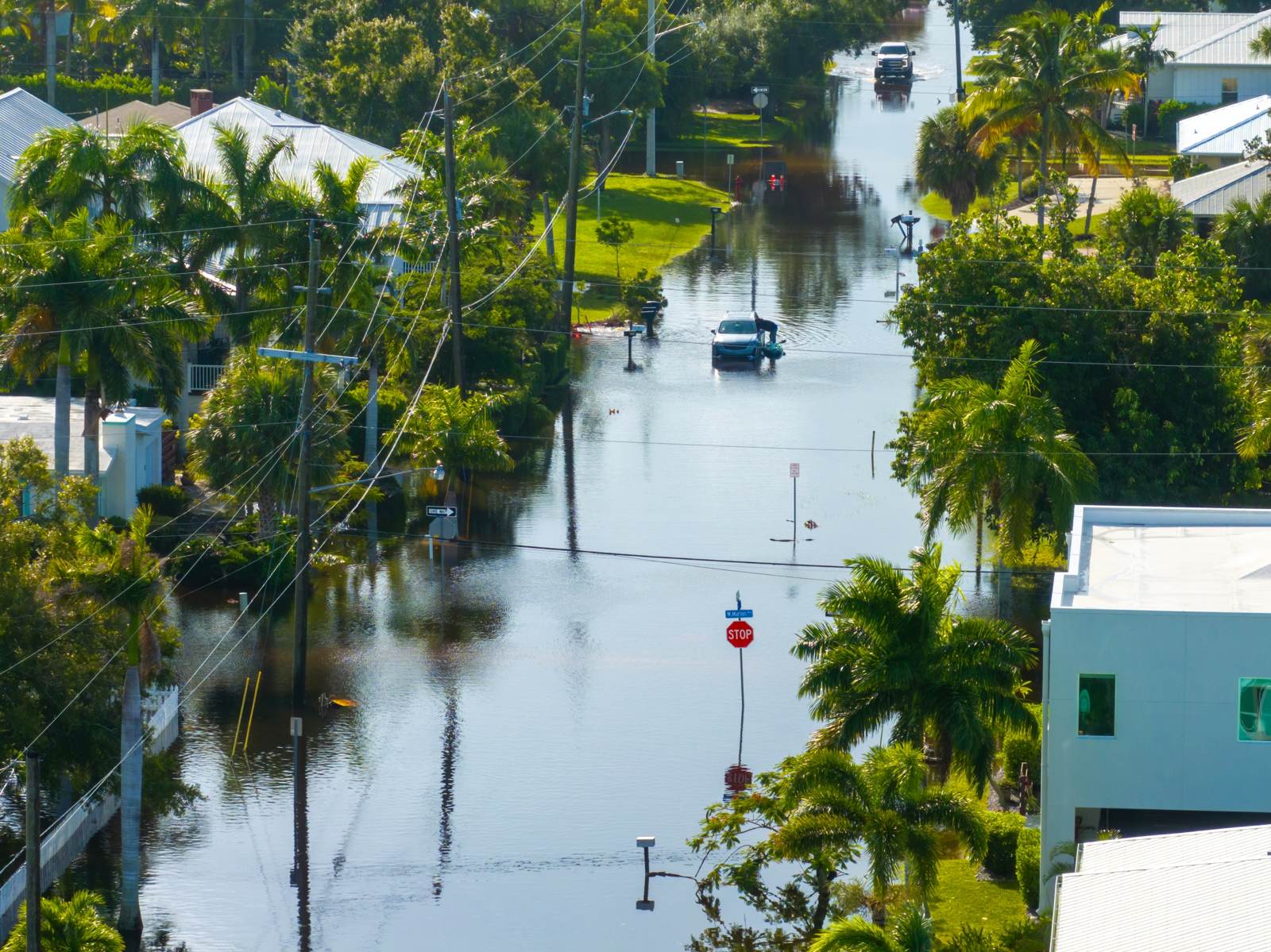
Water that rises from outside, such as storm surge or heavy rain flooding a street, is flood. It is handled under a flood policy (NFIP or private), which is separate from a homeowners policy. A burst pipe or an appliance leak is handled under the homeowners policy instead. See water damage restoration and the claim and flood damage claims.
Deadlines that matter
- NFIP flood policies require a signed proof of loss within 60 days after the loss. See deadlines for NFIP flood claims.
- For a Florida homeowners policy, report a new claim within 1 year after the date of loss; a supplemental claim within 18 months (§627.70132).
Condo, HOA and commercial buildings
A flooded building has more than one policy in play: the association or building policy, each unit owner’s policy and the tenants’ contents. Homeland has a flooded building adjuster page for each coastal city: see flood public adjusters by city.
Frequently asked questions
Can I start cleanup before the insurance adjuster comes?
Is Homeland a flood restoration company?
Who should I call first after a flood?
Does Homeland come to me?
Sources (checked November 19, 2026)
- FloodSmart (FEMA): Document damage and start clean up
- FEMA NFIP: Understanding flood loss avoidance
- Fla. Stat. §627.70132: notice deadlines for new, reopened and supplemental claims
- Fla. Stat. §626.854: public adjuster rules, fee caps and cancellation rights
This article is for general information only and is not legal or insurance advice. Statutes, regulations and policy wording change, and how they apply depends on your own policy and the facts of your claim. Homeland Public Adjusters is a public adjusting firm, not a law firm.
- Insurance Denied Your Property Claim in Florida? What to Do Next
- Public Adjuster or Lawyer for a Florida Insurance Claim?
- Pipe Burst, AC Leak or Roof Leak in Florida: Who to Call First
- Water Damage Restoration in Florida: Who Pays for It?
- Kitchen & Grease Fire Insurance Claims
- Neighbor's Tree Fell on My House: Who Pays?
 Nelson Avila
 Yeni Martinez
 Yisel Dieguez
Homeland Public Adjusters represents policyholders, not insurers. Get a free review of your claim.
Get a Free Claim ReviewIf you already have an open claim, see What to Do in the First 24 Hours After Property Damage, or visit our Denied and Underpaid Claims page.