AC Leaking Water? What to Do and Whether Insurance Pays the Damage

Homeland Public Adjusters · Last reviewed: October 2026
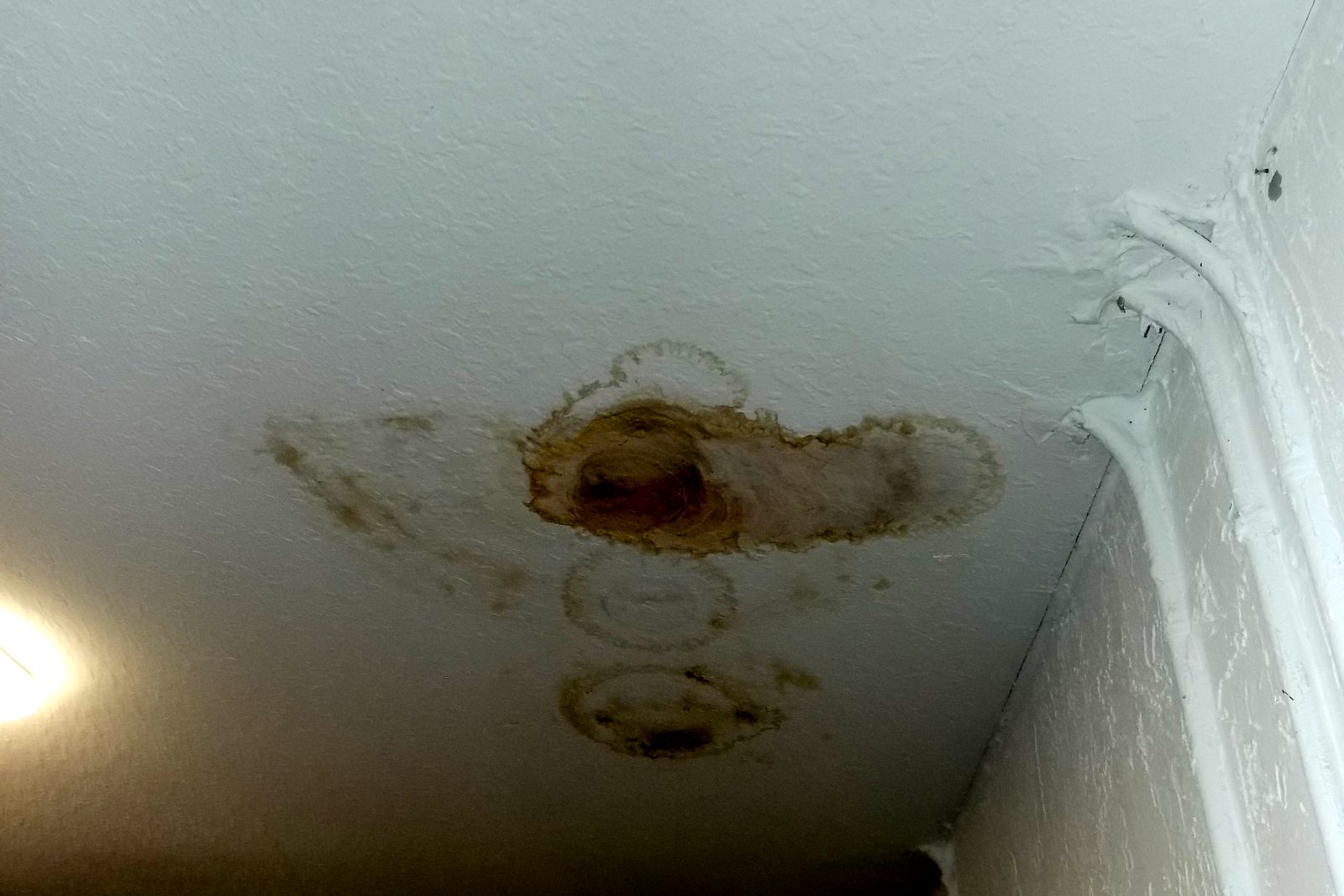
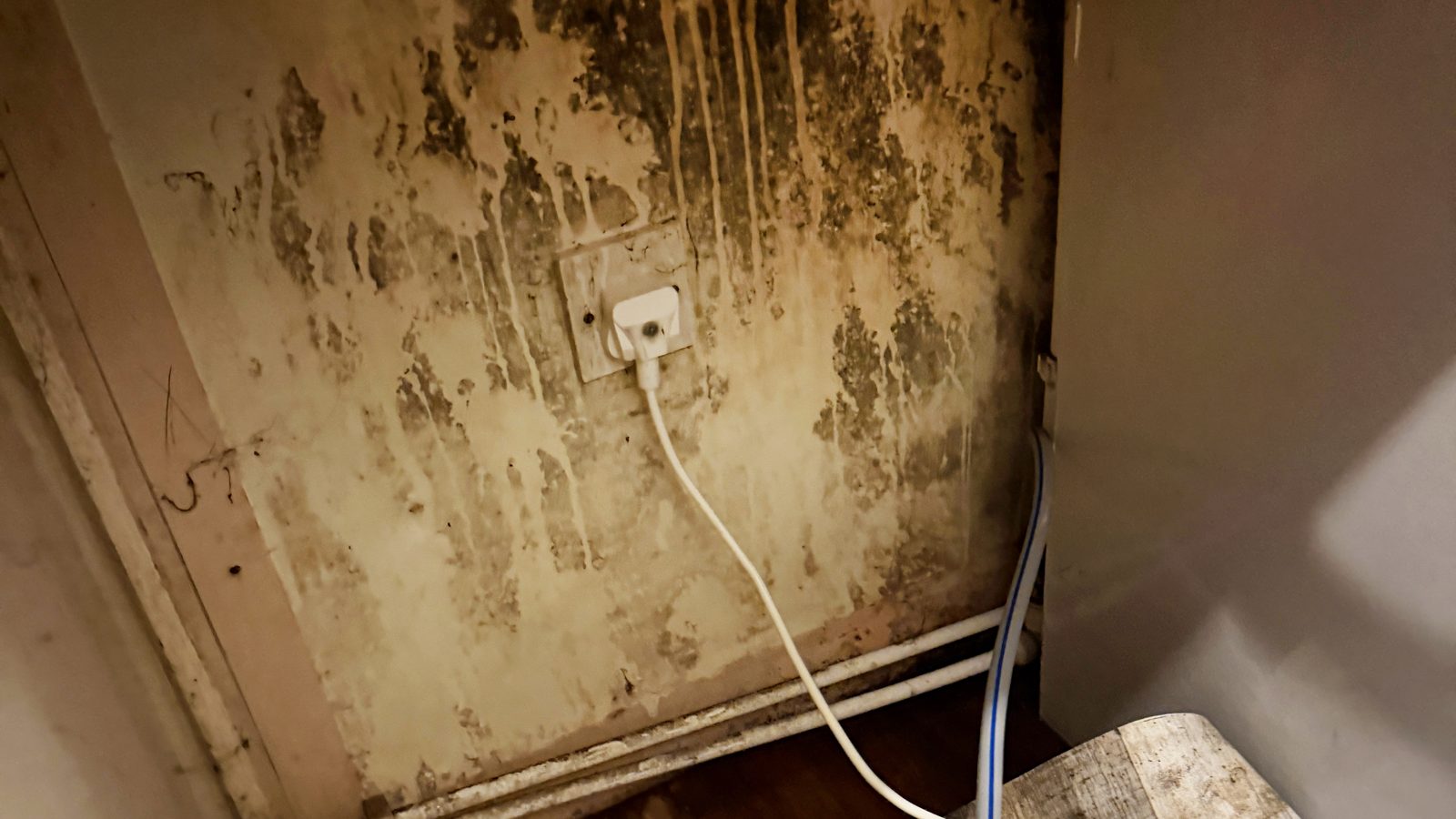
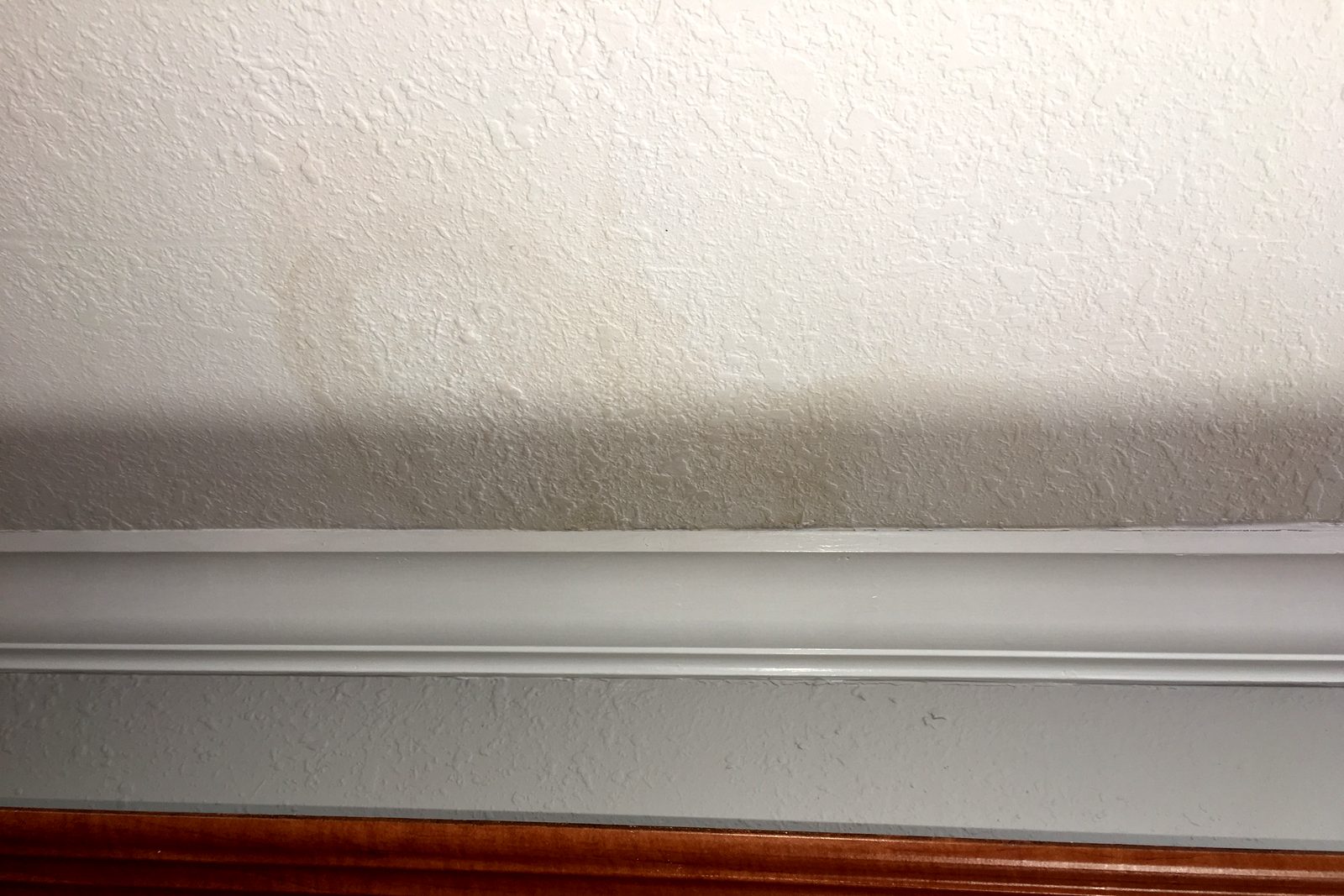
Short answer: An air conditioner that leaks water is usually a clogged condensate drain line or an overflowing drain pan. In Florida the line clogs with algae, the pan fills, and water runs into the closet floor, the walls or the ceiling below. When it happens suddenly, over a day or a weekend, the water damage it causes is generally covered as a sudden discharge; the AC unit itself usually is not. A pan that dripped for weeks is a different claim, so act and document fast.
Where AC water usually comes from
- A condensate drain line clogged with algae or debris, so the pan overflows
- A drain pan that cracked or rusted through
- An air handler in the attic or a ceiling closet that overflows into the ceiling below
- A float switch that failed to shut the system off when the pan filled
- Frozen coils that melt and overflow the pan
What to do first
- Turn the AC off at the thermostat to stop more condensation, and switch it off at the breaker if water is near wiring or lights
- Put a bucket or towels under the drip and move furniture and belongings out of the way
- Photograph and video the unit, the pan, the closet floor, the ceiling and every wet wall before anything is cleaned or removed
- Have an AC technician clear the line, and keep the invoice: it shows the cause and the date
- Run fans or a dehumidifier, and don't let anyone tear out or haul away damaged drywall, flooring or cabinets before it is documented
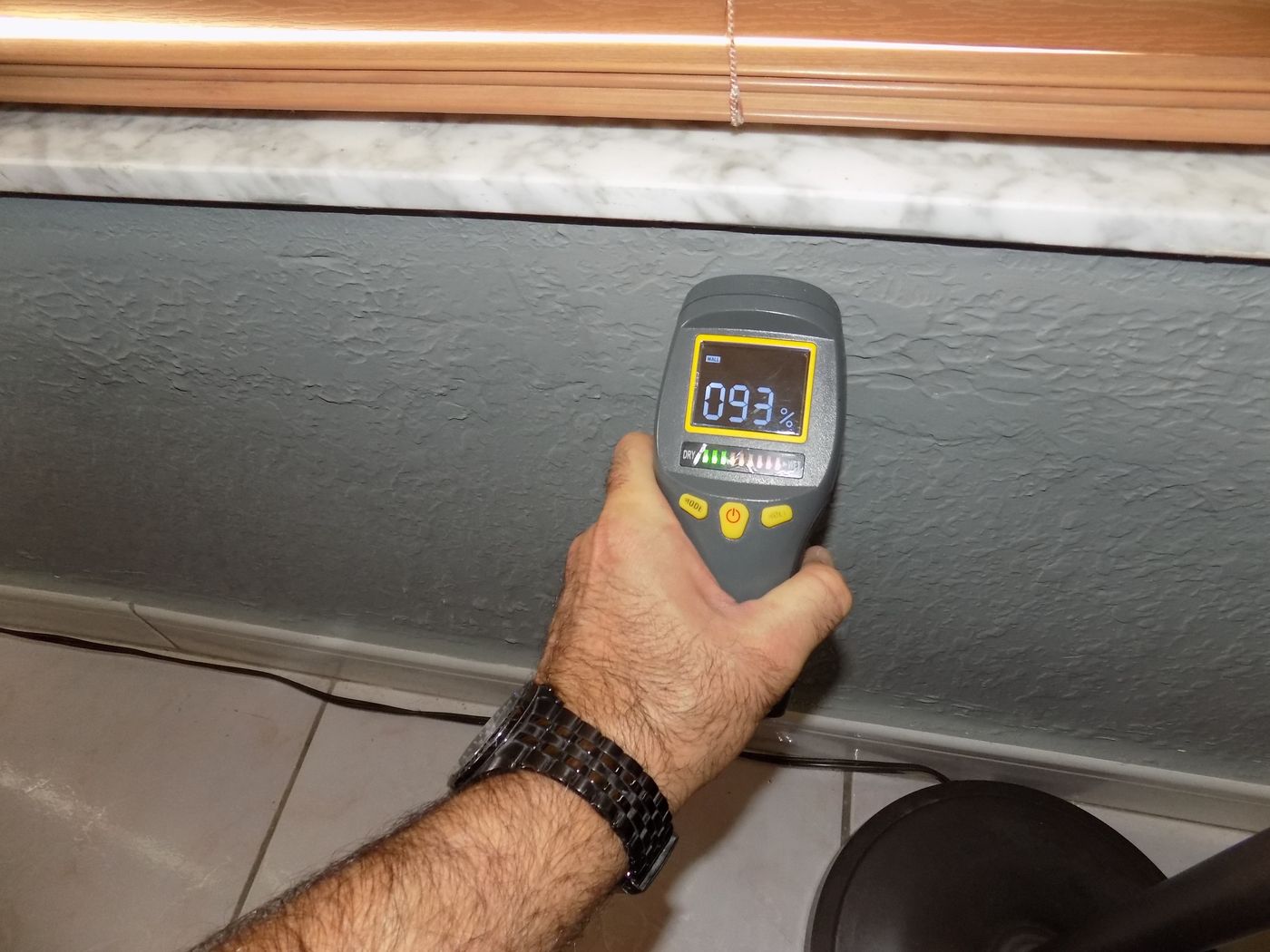
Most homeowners policies list the same duties after a loss: protect the property from further damage, make reasonable and necessary repairs to protect it, and keep an accurate record of repair expenses. Temporary repairs are part of your job; permanent repairs can usually wait until the damage is documented.
Does homeowners insurance pay for AC water damage?
The water damage, often yes. The standard homeowners policy treats a sudden overflow of water from a household appliance or system as a covered water loss. The ceiling, walls, flooring, cabinets and belongings the water damaged are what the claim pays for. The AC unit, the pan and the drain line, usually not: they are treated as the system that failed, not the damage.
“Maintenance” is the usual argument. Insurers often say the line should have been cleaned. An overflow that happened over a day or a weekend is a sudden discharge whether or not the line needed cleaning. Many Florida policies exclude water that leaked or seeped over 14 or more days, so a pan that dripped for a month is the harder claim. See appliance and AC leak claims, explained.
Watch for a water cap. Many Florida insurers now cap non-weather water damage at $10,000, particularly on older homes. See how the $10,000 sublimit works.
Florida and New Jersey deadlines
In Florida, an initial or reopened claim must be reported within 1 year after the date of loss, and a supplemental claim within 18 months (Fla. Stat. §627.70132). The insurer must pay or deny within 60 days after notice (Fla. Stat. §627.70131). In New Jersey, the insurer must decide within 30 calendar days after receiving properly executed proofs of loss, unless clearly justified (N.J.A.C. 11:2-17.7).
Help in Spanish, from start to finish
Homeland's licensed public adjusters handle the whole claim in Spanish or English: the inspection, the estimate, the documents and every conversation about your claim. Hablamos español, las 24 horas.
Frequently asked questions
Does homeowners insurance cover water damage from an AC leak?
Why is my AC leaking water inside the house?
What should I do first when my AC leaks water?
Have damage now? Call Homeland first. Before you call anyone else, call us 24/7 at (305) 783-3777 in Florida or (732) 517-3777 in New Jersey. We document the damage, find where the water really went and present the full claim for you. Hablamos español.
This article is for general information only and is not legal or insurance advice. Statutes, regulations and policy wording change, and how they apply depends on your own policy and the facts of your claim. Homeland Public Adjusters is a public adjusting firm, not a law firm.
- Surprising Things Your Policy Covers
- Neighbor's Condo Fire: Who Pays?
- Damaged Tile or Laminate: A Claim?
- Barn, Stable & Outbuilding Coverage
- Wind and Tornado Risk on the Farm
- Crop Insurance vs. Property Insurance
 Yeni Martinez
 Alberto Enriquez
 Yisel Dieguez
Homeland Public Adjusters represents policyholders, not insurers. Get a free review of your claim.
Get a Free Claim ReviewHave a question we didn't answer? Ask in the Homeland Public Adjuster Forum. If you already have an open claim, see What to Do in the First 24 Hours After Property Damage.