Water Stain on the Ceiling: What It Means and When Insurance Pays

Homeland Public Adjusters · Last reviewed: October 2026
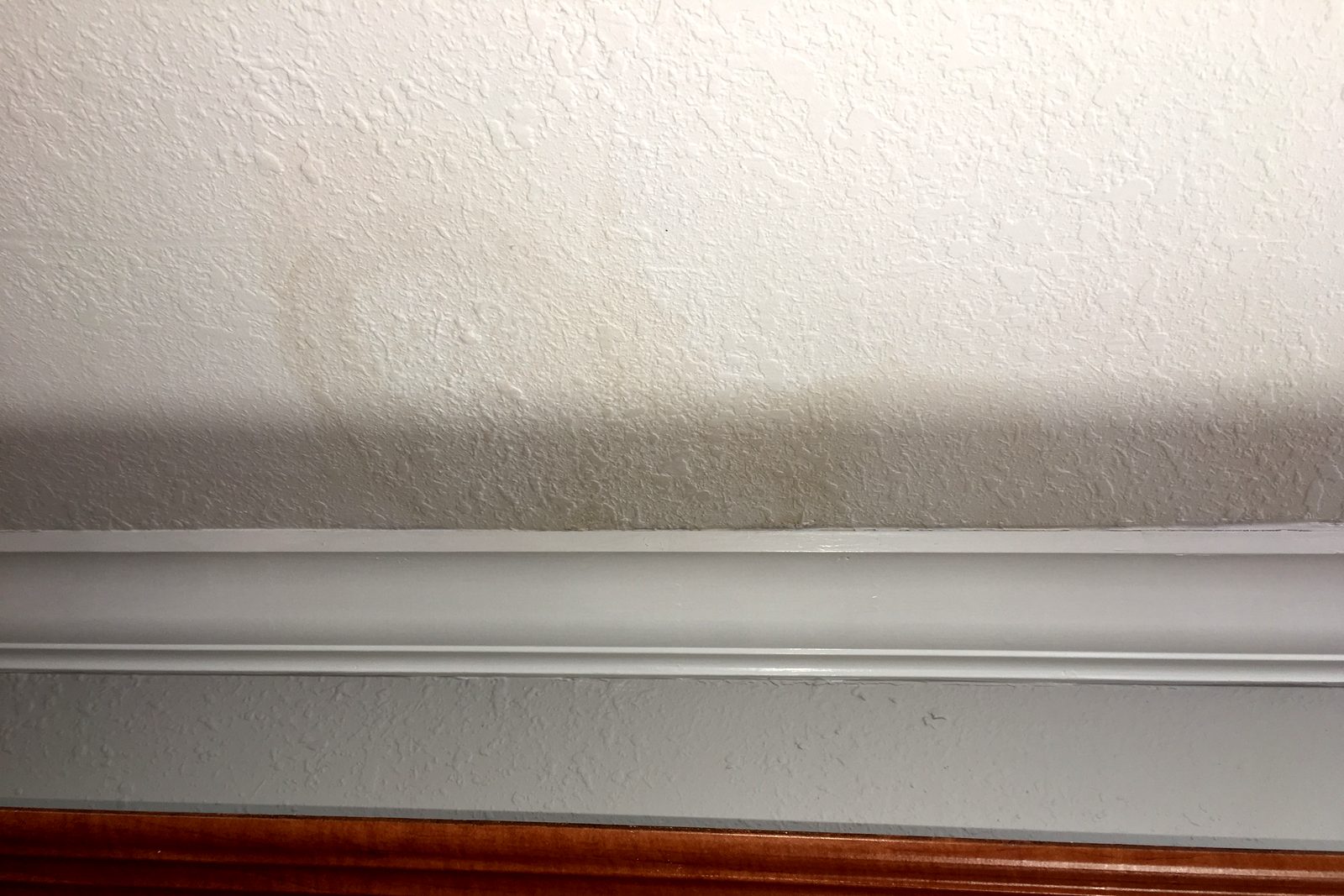
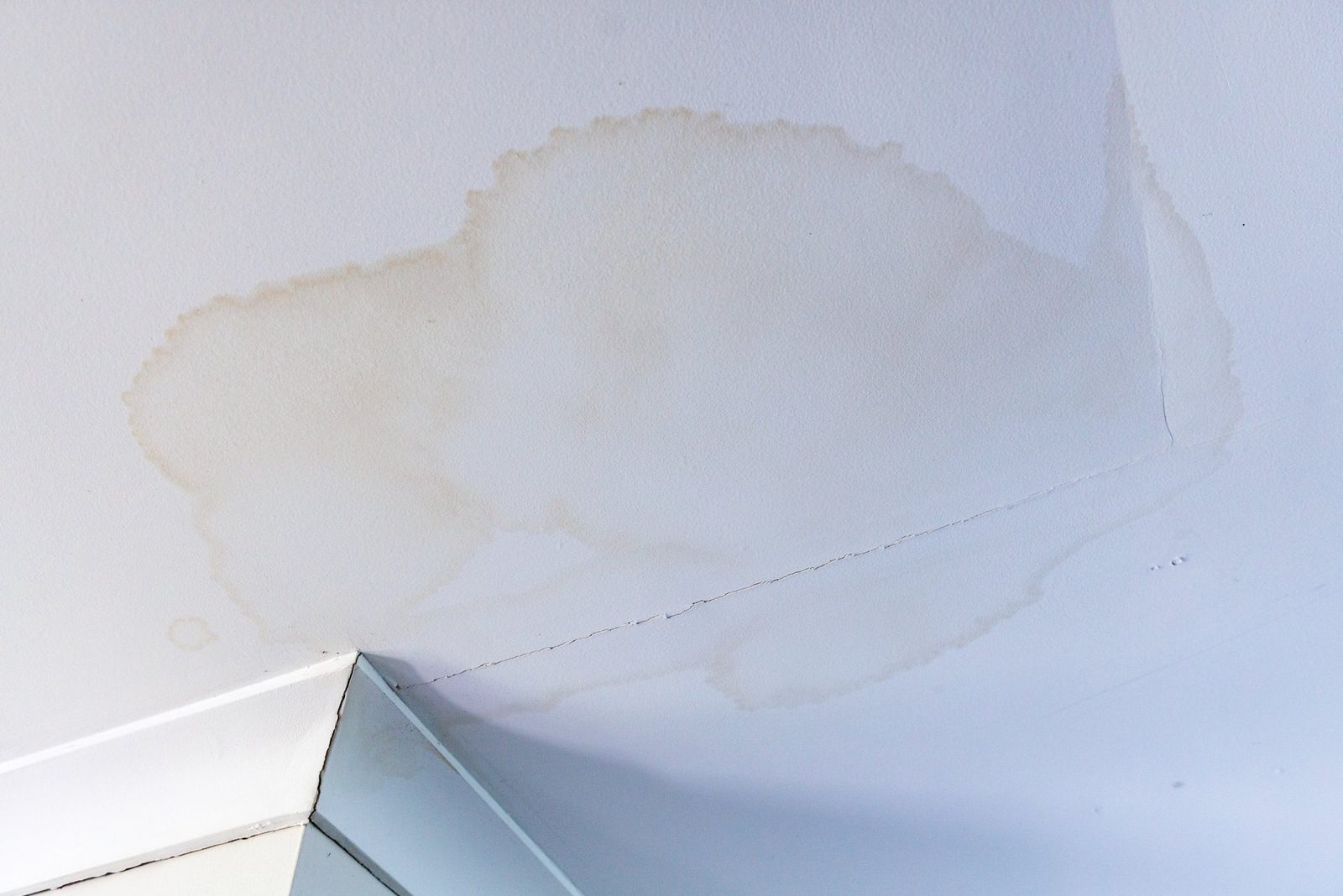
Short answer: A brown water stain on the ceiling means water reached the drywall from above: a roof leak, an air conditioning drain line, a plumbing leak, or a unit upstairs. Insurance usually pays when the cause was sudden, like a storm opening the roof or a pipe that burst, and usually not for slow leaks or wear. Find the cause and document it before you paint over anything.
What usually causes it
- Roof leaks: stains that grow or darken after rain, often near the outside walls or under roof penetrations
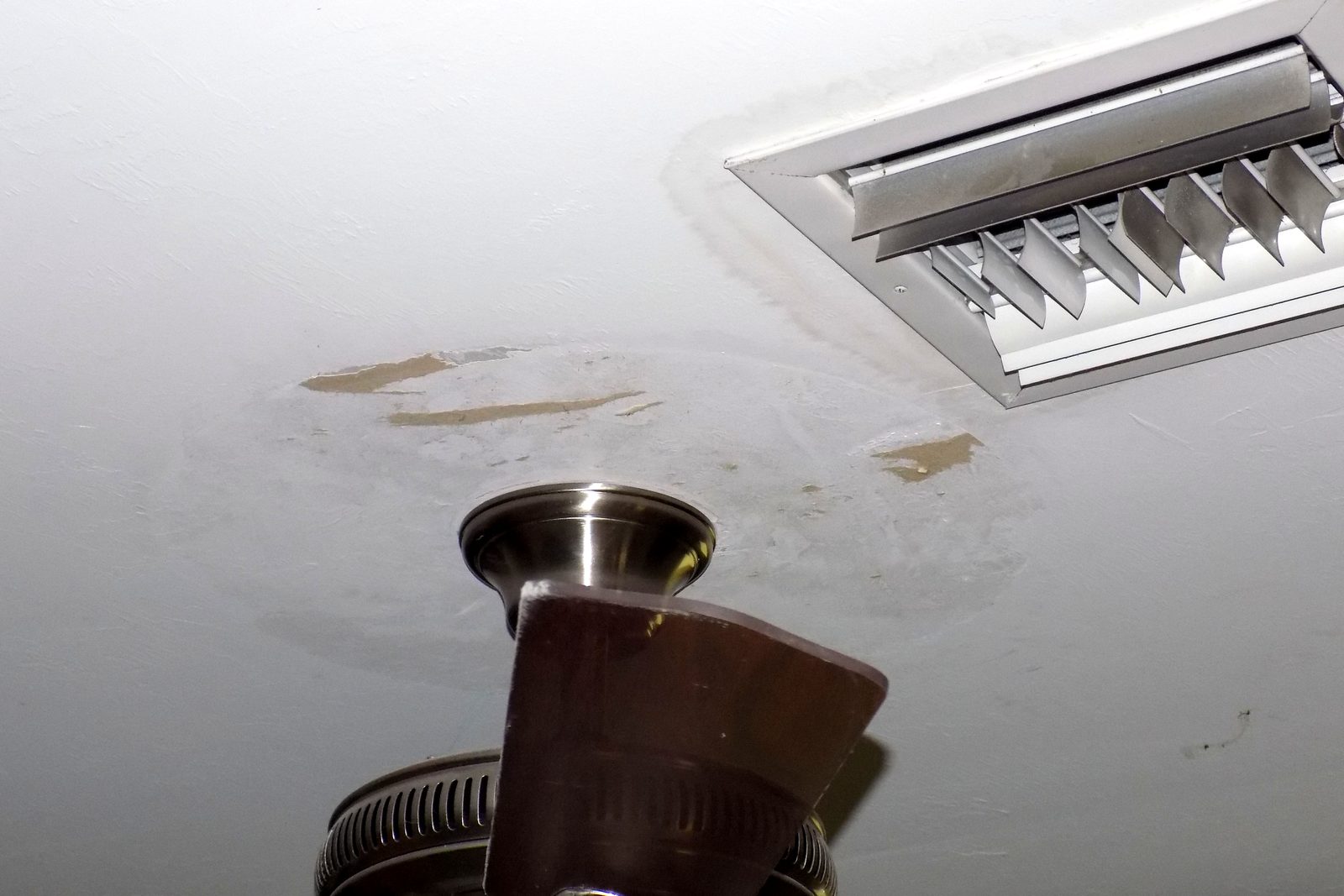
- Air conditioning: a clogged condensate drain or a sweating duct, often around an AC vent or the air handler closet
- Plumbing: a bathroom or kitchen above the stain, or a supply line in the attic
- The unit upstairs: in a condo or apartment, water from a neighbor's unit or the building's common elements
Is the leak still active?
A stain with a dark, damp center or soft drywall is still wet. A dry, tan ring that hasn't changed in months is likely old. A moisture meter answers it in seconds. Rings inside rings usually mean the leak came back more than once, which insurers read as a long-term leak.
Safety first: a sagging or bulging ceiling can come down, and water near a light fixture or fan means turning off that circuit before anything else.
When insurance pays
Most homeowners policies cover sudden, accidental water damage: wind or hail that opens the roof, a supply line or AC drain that suddenly fails, a pipe that bursts. They usually exclude wear and tear, maintenance problems and water that leaked over a long time (many Florida policies say 14 or more days). In a condo, who pays depends on where the water came from; see association vs. unit owner water damage.
Don't wait on a stain. In Florida a claim must be reported within 1 year after the date of loss (Fla. Stat. §627.70132), and a stain that sits for months invites a late-notice or long-term-leak denial. See late notice denials.
What to do now
- Photograph the stain with something for scale, and again every few days
- Check the attic, the roof above and the AC closet for the source
- Keep any repair invoices; they show when you found it and what you did
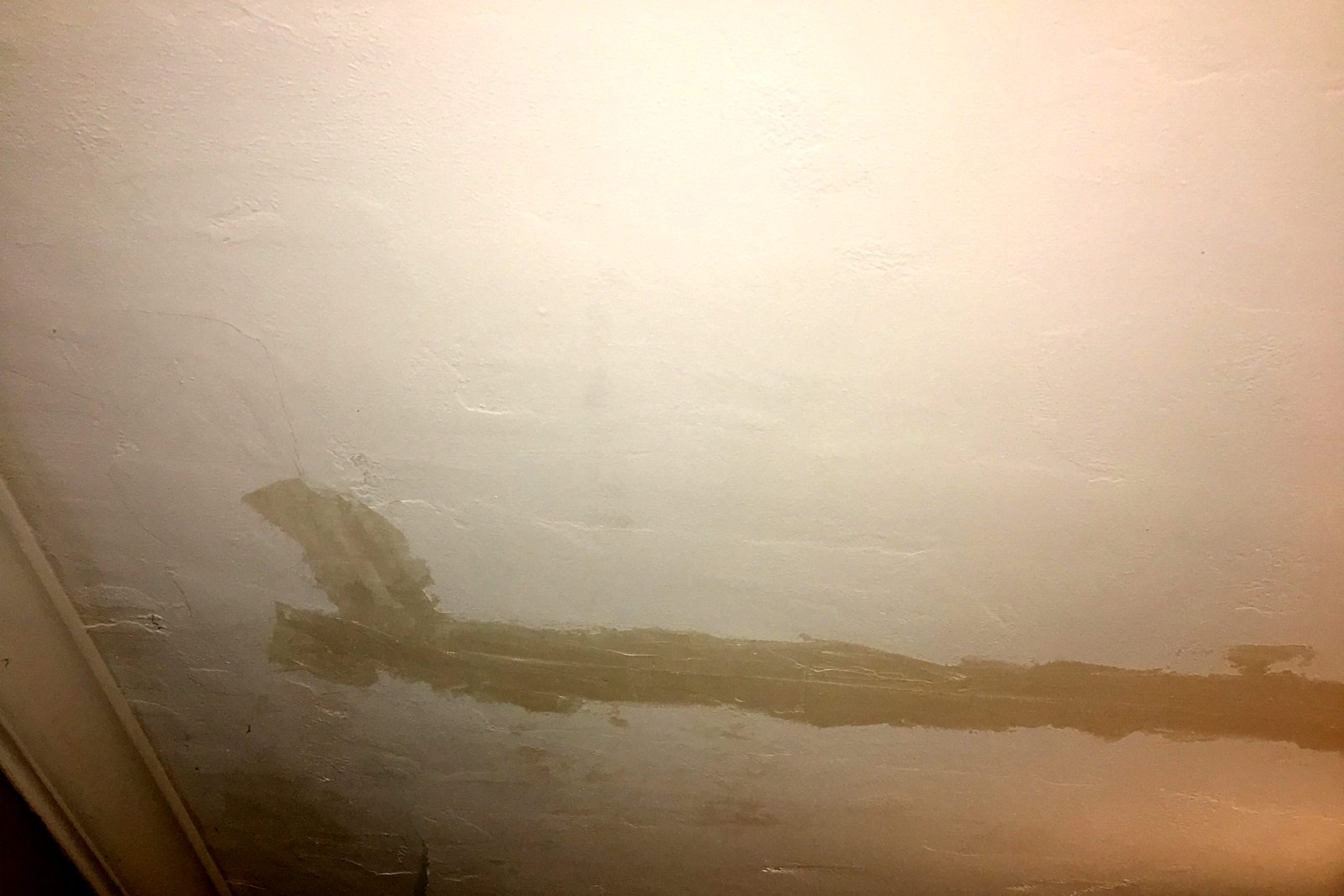
- Don't paint or patch until the cause is documented
Frequently asked questions
What does a brown water stain on the ceiling mean?
Does homeowners insurance cover a water stain on the ceiling?
How do I know if a ceiling stain is old or new?
Have damage now? Call Homeland first. Before you call anyone else, call us 24/7 at (305) 783-3777 in Florida or (732) 517-3777 in New Jersey. We document the damage, find where the water really went and present the full claim for you. Hablamos español.
This article is for general information only and is not legal or insurance advice. Statutes, regulations and policy wording change, and how they apply depends on your own policy and the facts of your claim. Homeland Public Adjusters is a public adjusting firm, not a law firm.
- Surprising Things Your Policy Covers
- Neighbor's Condo Fire: Who Pays?
- Damaged Tile or Laminate: A Claim?
- Barn, Stable & Outbuilding Coverage
- Wind and Tornado Risk on the Farm
- Crop Insurance vs. Property Insurance
 Yeni Martinez
 Alberto Enriquez
 Yisel Dieguez
Homeland Public Adjusters represents policyholders, not insurers. Get a free review of your claim.
Get a Free Claim ReviewHave a question we didn't answer? Ask a public adjuster. If you already have an open claim, see What to Do in the First 24 Hours After Property Damage.