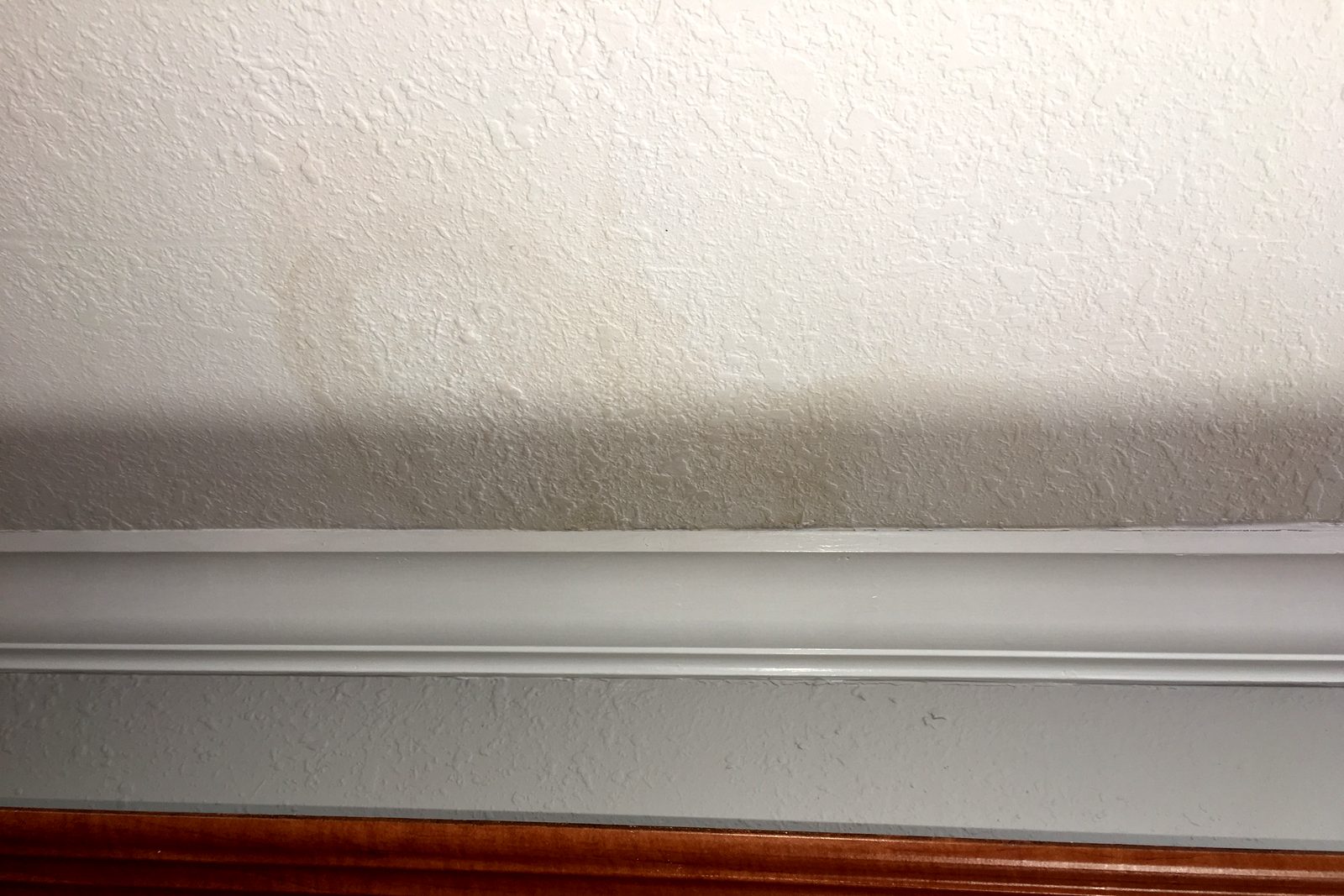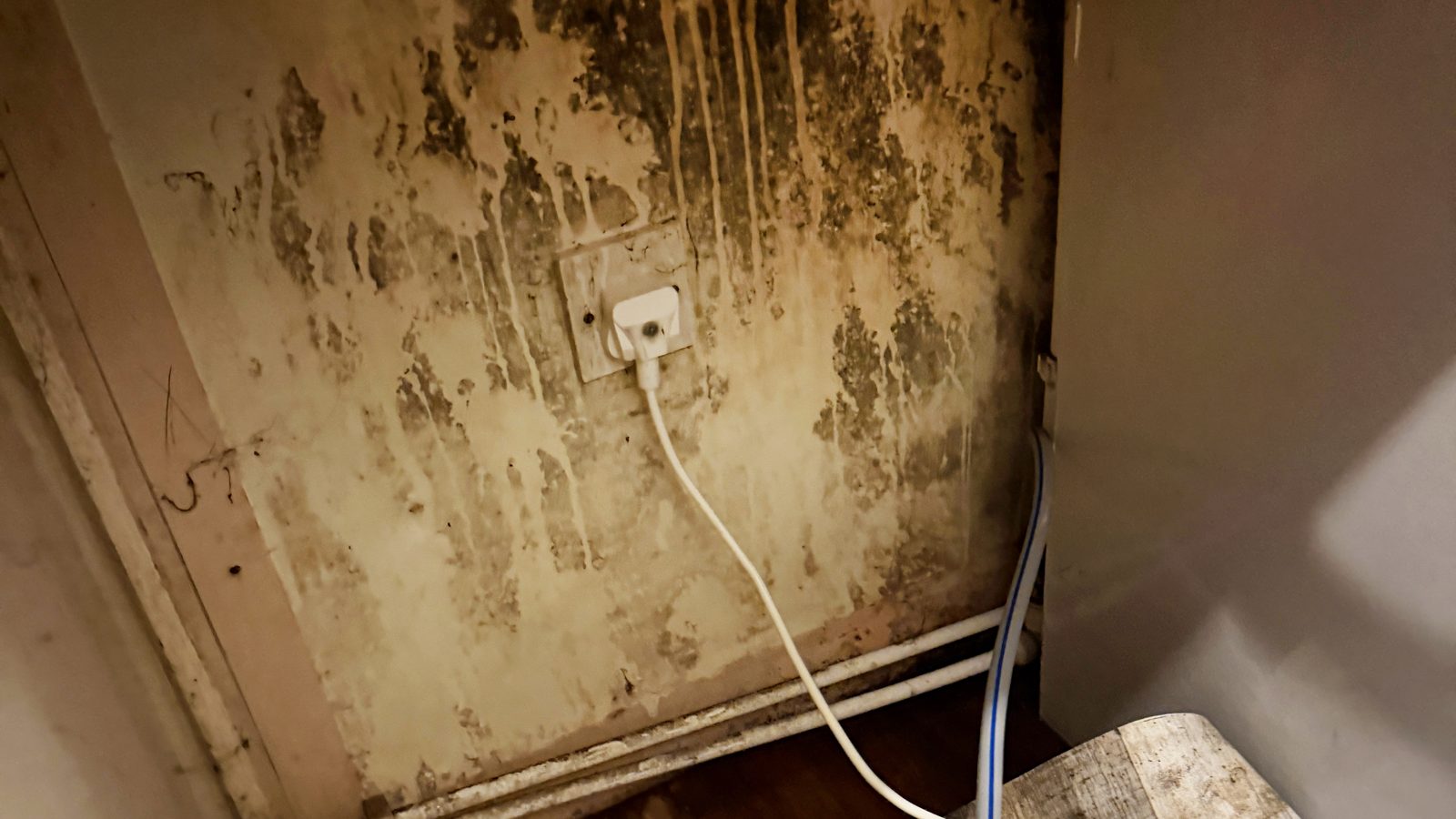
Ceiling Leaking or Dripping? What to Do in the First Hour, and the Claim

Homeland Public Adjusters · Last reviewed: October 2026
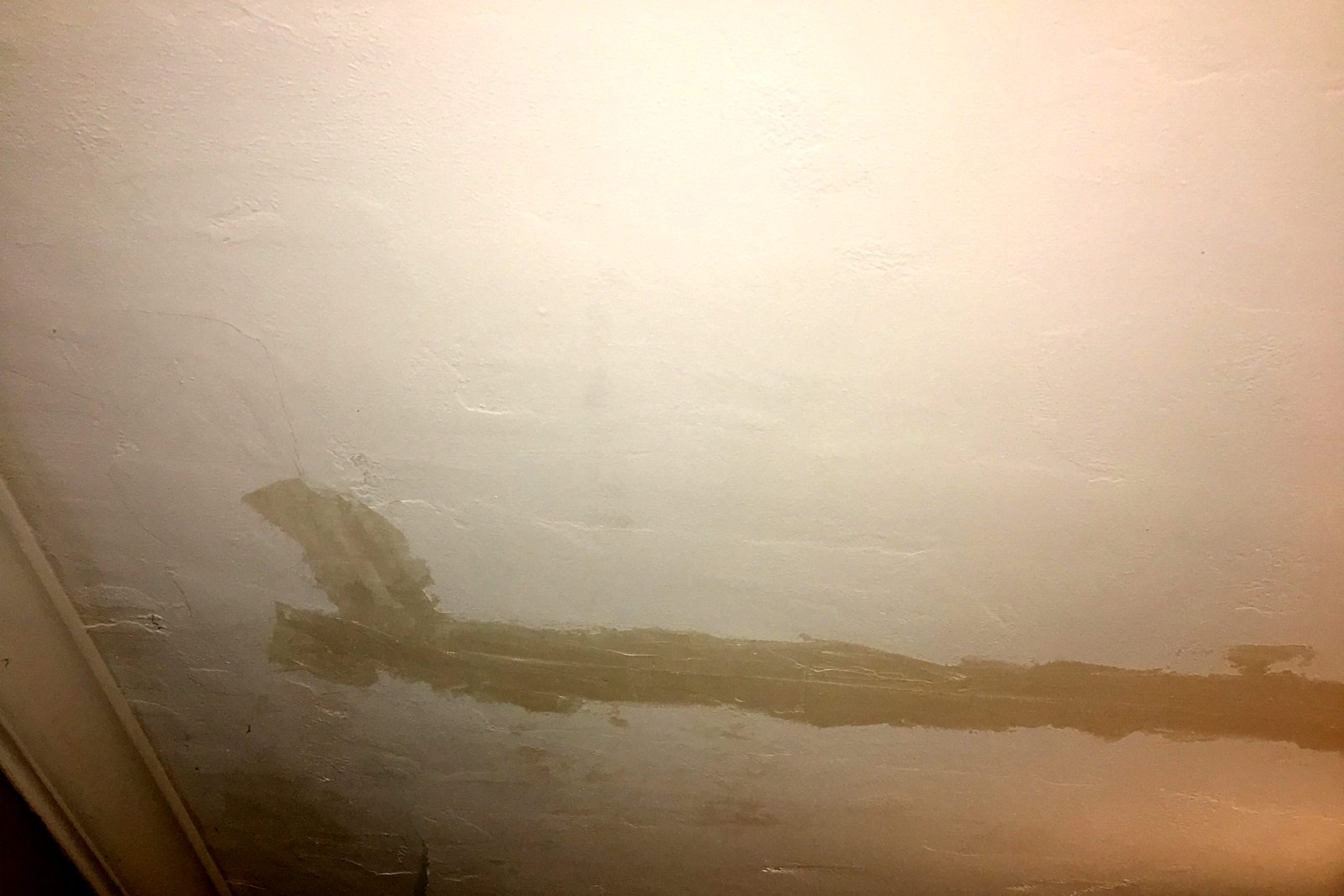
Short answer: If water is dripping from your ceiling: turn off the electricity to that area if water is near lights or outlets, shut off the water if the source is plumbing, catch the water, move your belongings, and photograph everything before cleanup starts. Most homeowners policies cover a sudden leak and the damage it causes; they expect you to take reasonable steps to stop it getting worse, and to keep the receipts.
The first hour
- Power: if water is near a light fixture, fan or outlet, turn off that circuit at the breaker
- Water: if it's plumbing (a bathroom above, a supply line), close the main valve
- Catch it: buckets and towels; if the ceiling is bulging with water, stand clear, because it can come down
- Belongings: move furniture, electronics and documents out of the way
- Photos and video: the drip, the ceiling, the floor and anything wet, before anything is thrown out
- The source: if it's raining, check the attic with a flashlight; if it's the AC, turn the system off
Most homeowners policies list the same duties after a loss: protect the property from further damage, make reasonable and necessary repairs to protect it, and keep an accurate record of repair expenses. Temporary repairs are part of your job; permanent repairs can usually wait until the damage is documented.
What usually causes it
Storm openings in the roof, a clogged air conditioning condensate line, a failed water heater or supply line in the attic, a bathroom above, or a unit upstairs. Appliance and AC leaks are covered in our appliance leak guide.
What insurance pays
Most policies cover sudden, accidental water damage, including the ceiling, insulation, walls, floors and belongings it ruins. They usually exclude long-term leaks, wear and tear and poor maintenance, and many Florida policies cap non-weather water damage at $10,000. Roof leaks from a storm fall under the wind coverage and, in Florida, the hurricane deductible when it applies. See how hurricane deductibles work.
In Florida, the insurer must pay or deny within 60 days after notice of the claim (Fla. Stat. §627.70131). In New Jersey, it must decide within 30 calendar days after receiving properly executed proofs of loss, unless clearly justified (N.J.A.C. 11:2-17.7).
Frequently asked questions
What should I do if my ceiling is leaking?
Should I poke a hole in a bulging ceiling?
Does homeowners insurance cover a leaking ceiling?
Have damage now? Call Homeland first. Before you call anyone else, call us 24/7 at (305) 783-3777 in Florida or (732) 517-3777 in New Jersey. We document the damage, find where the water really went and present the full claim for you. Hablamos español.
This article is for general information only and is not legal or insurance advice. Statutes, regulations and policy wording change, and how they apply depends on your own policy and the facts of your claim. Homeland Public Adjusters is a public adjusting firm, not a law firm.
- Surprising Things Your Policy Covers
- Neighbor's Condo Fire: Who Pays?
- Damaged Tile or Laminate: A Claim?
- Barn, Stable & Outbuilding Coverage
- Wind and Tornado Risk on the Farm
- Crop Insurance vs. Property Insurance
 Yeni Martinez
 Alberto Enriquez
 Yisel Dieguez
Homeland Public Adjusters represents policyholders, not insurers. Get a free review of your claim.
Get a Free Claim ReviewHave a question we didn't answer? Ask a public adjuster. If you already have an open claim, see What to Do in the First 24 Hours After Property Damage.