Buckled Tile, Warped Laminate: When Flooring Damage Is a Claim

Homeland Public Adjusters · Last reviewed: October 2026
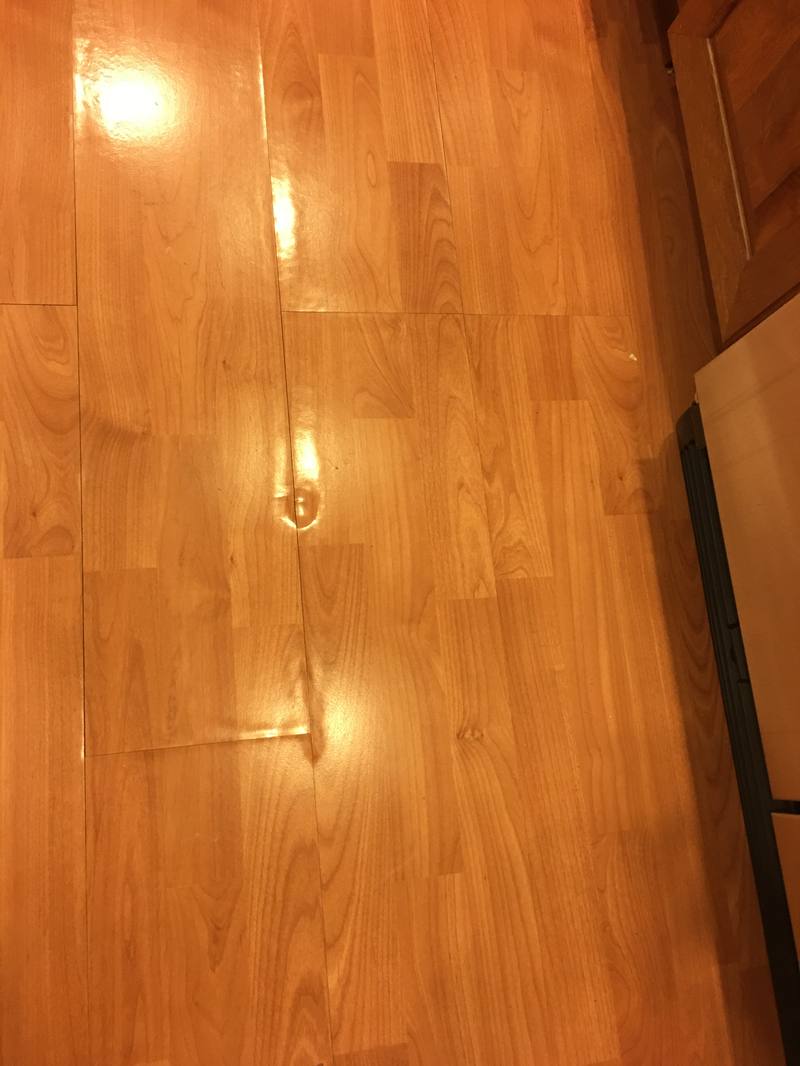
Tile that suddenly cracks and lifts, laminate planks that bow and separate at the seams, hardwood that cups along one wall — flooring damage can show up fast, but by the time it’s visible, the real damage is often already behind the wall or under the slab. Whether it’s a covered claim usually comes down to one question: what caused the moisture in the first place?
Sudden leak versus gradual wear
A supply line that bursts behind a wall, a water heater that fails, or a washing machine hose that lets go are sudden, accidental events, and the flooring damage that follows is typically covered the same way the rest of the water damage is. A slow seep from a degraded wax ring under a toilet, a slab leak that’s been active for months, or flooring that was simply installed over a damp subfloor are the scenarios insurers are far more likely to treat as gradual damage or maintenance issues — and deny.
Why the wall cavity matters
When a plumbing leak is behind a wall or under a slab, the flooring is often only part of the story. Insulation, drywall and framing can hold moisture long after the surface looks dry, creating conditions for mold if it isn’t addressed. Opening the wall to inspect the source — rather than just replacing the visible flooring — is usually necessary both to actually fix the problem and to document the full scope of the covered loss.
For condo and HOA unit owners specifically
In associations with a “bare walls” or “single entity” master policy, flooring inside your unit is often your responsibility, not the association’s, even when the leak originated in a shared wall or a pipe the association maintains. Reading your governing documents and your HO-6 policy together — before a loss, not after — is the best way to know where that line falls for your building.
Homeland documents flooring losses in condo buildings from Hollywood and Boca Raton to Sarasota.
Frequently asked questions
Is buckled or warped flooring covered by insurance?
What evidence helps a flooring water damage claim?
Who covers flooring inside my condo unit?
This article is for general information only and is not legal or insurance advice. Every policy and every claim is different — always review your own policy language or speak with a licensed public adjuster about your specific situation.
- Surprising Things Your Policy Covers
- Neighbor's Condo Fire: Who Pays?
- Barn, Stable & Outbuilding Coverage
- Wind and Tornado Risk on the Farm
- Crop Insurance vs. Property Insurance
- Car or Plane Hit My House: Who Pays?
 Yeni Martinez
 Alberto Enriquez
 Yisel Dieguez
Homeland Public Adjusters represents policyholders, not insurers. Get a free review of your claim.
Get a Free Claim ReviewThis topic often comes up alongside When a Neighbor's Unit Catches Fire: Whose Policy Responds?. If your situation involves this kind of loss, see our Condo & HOA Associations page for how Homeland can help with the claim itself.