HOA Master Policy vs. HO-6: What the Association’s Policy Covers and What Yours Does

Homeland Public Adjusters · Last reviewed: October 2026
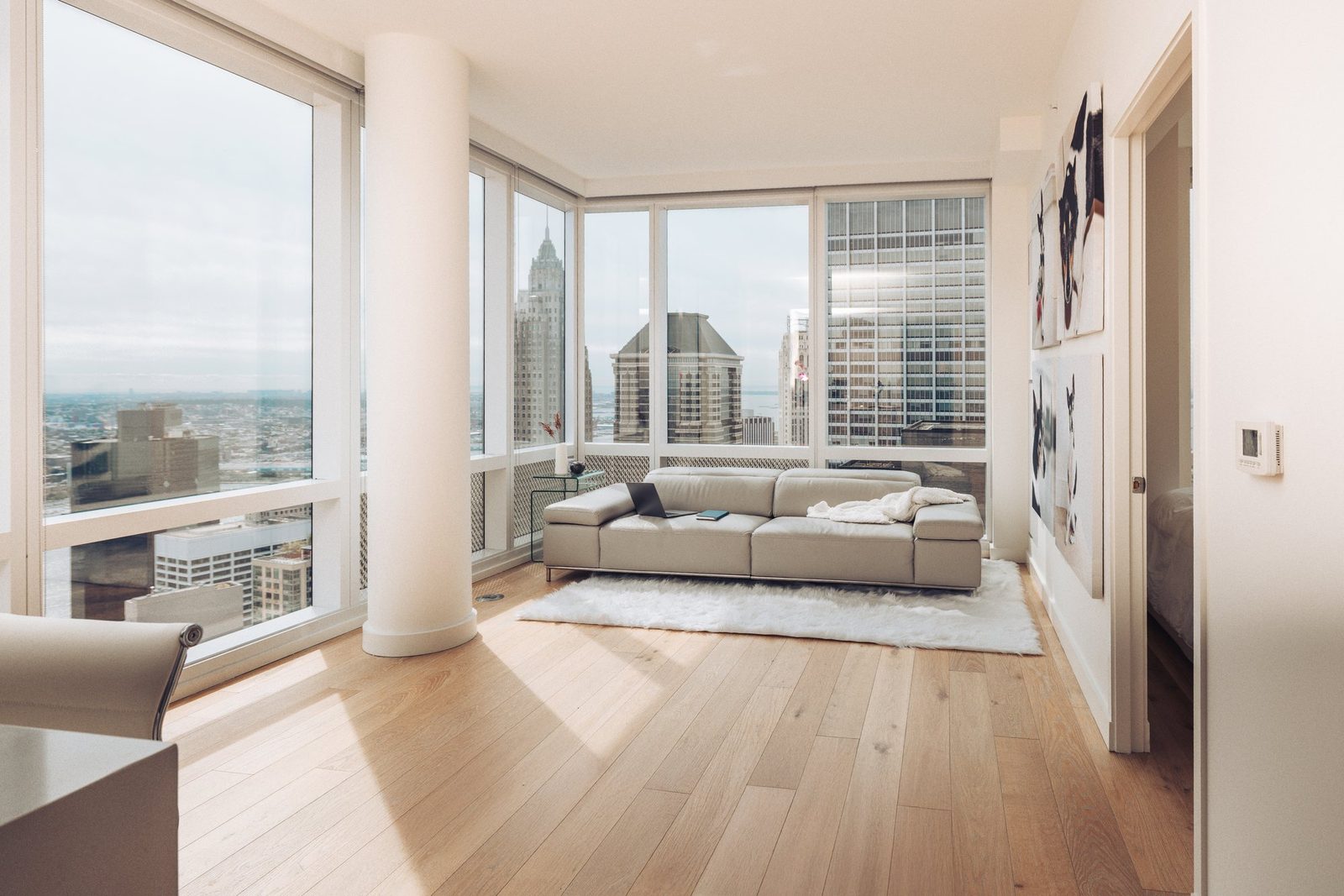
The association’s master policy and your own unit-owner policy are not the same coverage looking at the same loss from two angles — they’re genuinely separate policies, often from separate carriers, and a single loss can fall partly on each.
Have a property claim anywhere in Florida? A licensed Homeland public adjuster comes to you within hours — no need to visit an office. Call (305) 783-3777 (Florida) or (732) 517-3777 (New Jersey), 24/7.
What the master policy usually handles
Short answer: The association’s master policy covers the building structure, common areas and, depending on whether it is “bare walls,” “single entity” or “all-in,” some original fixtures inside units. Your HO-6 covers your belongings, your upgrades, loss of use, and your share of a master deductible or special assessment if the governing documents put it on owners.
The building’s structure, common areas, and — depending on the association’s governing documents and whether it carries a “bare walls,” “single entity” or “all-in” coverage designation — sometimes original fixtures inside the unit, like built-in cabinets or flooring, as they existed when the building was constructed.
What your own policy usually handles
Your personal belongings, upgrades or improvements you made to the unit, loss-of-use if the unit becomes uninhabitable, and your portion of a master-policy deductible or special assessment if the association’s documents make unit owners responsible for it.
What does HOA insurance cover? The Florida rule
In Florida the split is not a matter of custom. Fla. Stat. §718.111(11)(f) requires the association’s master policy to cover all portions of the condominium property as originally installed under the plans and specifications, and all alterations or additions to the common elements. It then lists what the master policy does not cover when the item is inside a unit and serves only that unit: personal property, floor, wall and ceiling coverings, electrical fixtures, appliances, water heaters, water filters, built-in cabinets and countertops, and window treatments including curtains, drapes, blinds and hardware. Everything on that list is the unit owner’s HO-6 to insure. New Jersey has no equivalent statute; the master deed and bylaws draw the line, and most follow the same pattern.
| Item | Master policy or HO-6 (Florida) |
|---|---|
| Roof, exterior walls, windows as originally installed, elevators, pool, hallways | Master policy |
| Drywall inside the unit | Master policy (the drywall is building; the paint on it is a wall covering, HO-6) |
| Flooring, cabinets, countertops, appliances, water heater, light fixtures, window treatments | HO-6 |
| Furniture, electronics, clothing | HO-6 (Coverage C) |
| Your share of an assessment after a covered loss | HO-6 loss assessment coverage, at least $2,000 under §627.714 |
Condo master policy claim: who files it, and how the two claims fit together
The association is the named insured on the master policy, so the association controls that claim, and Homeland reports the building damage for the board. A unit owner who calls the master carrier directly about the roof creates a second, uncoordinated file and sometimes a recorded statement the board never sees. The owner’s claim is the HO-6 claim: call Homeland first, and we report the inside-the-unit damage and contents to your own carrier, give the manager your photos, and keep the two claims consistent about what was damaged and when. On any loss, what matters is that the master claim is proved before the deductible and any shortfall are assessed back to owners.
Why this matters before a loss, not just after
Homeland represents individual condo unit owners, separately from any work we may do for an association’s board. Call us before you speak with either insurance company, and we’ll help sort out which policy responds to what.
Homeland sorts out master-versus-unit coverage for condo owners in Key Biscayne, Clearwater and Miami Beach.
Frequently asked questions
What does a condo association’s master policy usually cover?
What does my own condo unit policy cover?
Can one condo loss involve two insurance claims?
Who files the condo master policy claim?
Does HOA insurance cover the inside of my unit?
This article is for general information only and is not legal or insurance advice. Every policy and every claim is different — call Homeland. We review your policy language with you at no cost.
- Surprising Things Your Policy Covers
- Neighbor's Condo Fire: Who Pays?
- Damaged Tile or Laminate: A Claim?
- Barn, Stable & Outbuilding Coverage
- Wind and Tornado Risk on the Farm
- Crop Insurance vs. Property Insurance
 Yeni Martinez
 Alberto Enriquez
 Yisel Dieguez
Homeland Public Adjusters represents policyholders, not insurers. Get a free review of your claim.
Get a Free Claim ReviewThis topic often comes up alongside When a Neighbor's Unit Catches Fire: Whose Policy Responds?. If your situation involves this kind of loss, see our Condo & HOA Associations page for how Homeland can help with the claim itself.