Call Now · 24/7 · Hablamos Español
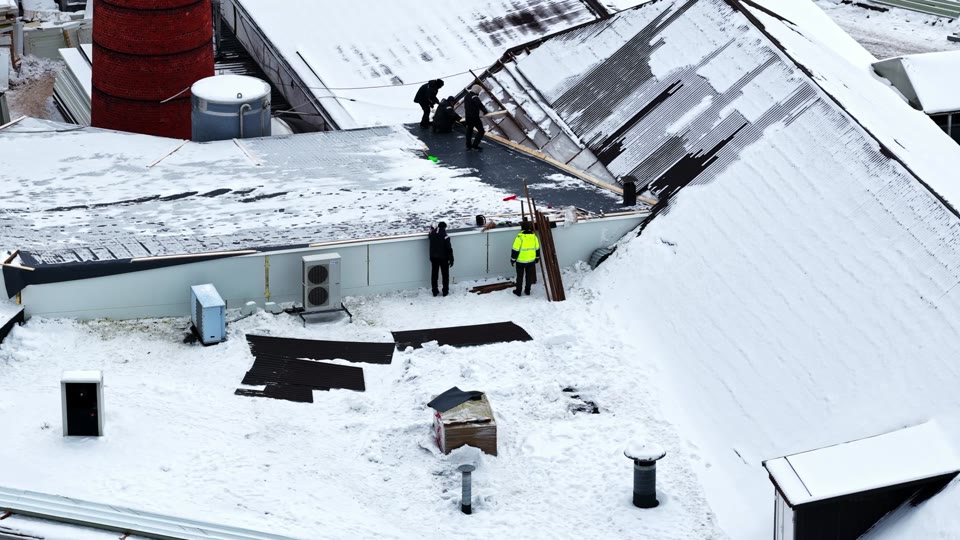
Repair crew clearing snow and ice from a commercial roof after a winter storm
CLAIMS

Winter Storm & Roof Damage

Ice dams, snow-load roof collapse and frozen pipe damage in New Jersey. Snow and ice don't wait for business hours, and neither do we.

Homeland Public Adjusters handles winter storm and roof damage claims, including ice dams, snow-load roof damage and frozen, burst pipes, for property owners in New Jersey and Florida. We document the damage and its timing against the storm, prepare the claim, and negotiate it with your insurer. No Recovery, No Fee. Call 24/7.

Last reviewed: October 2026

NEW JERSEY

Winter Storm & Roof Damage in New Jersey

New Jersey winters bring three closely related property losses: ice dams that force melting snow back under roof shingles, roofs that sag or collapse under the weight of heavy snow, and pipes that freeze and burst in attics, crawl spaces, and exterior walls. Homeland represents New Jersey homeowners, landlords, and community associations through all three. Serving New Brunswick, Elizabeth, Camden, and communities across New Jersey.
FLORIDA
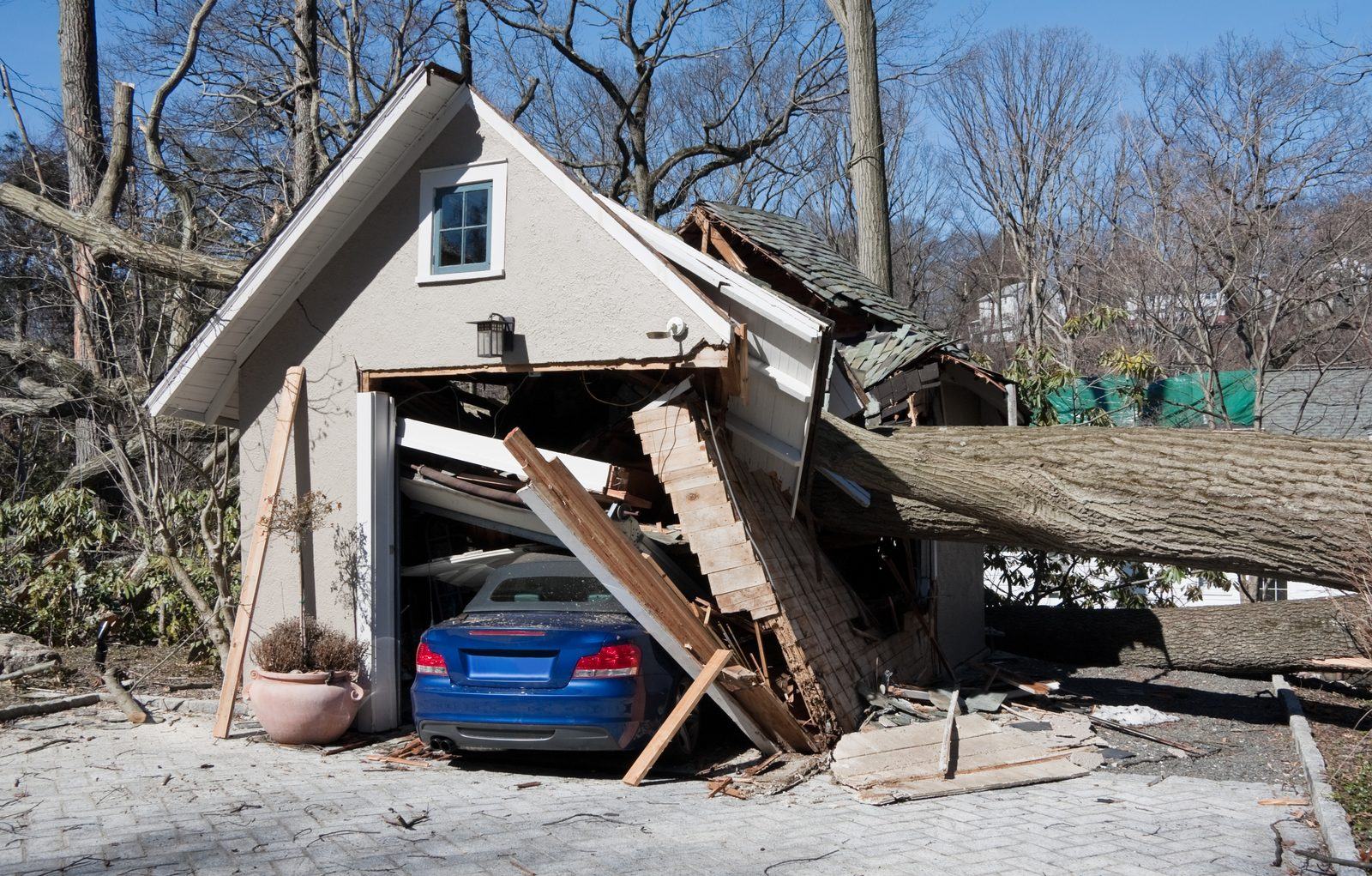
Detached garage roof collapsed onto a car under winter snow load
Snow-load collapse is covered; the insurer's question is whether the structure was sound before the storm.

Winter Storm & Roof Damage in Florida

Florida rarely sees snow, but a hard freeze can still split exposed pipes, especially in attics, garages, and homes built without northern-climate insulation. If a cold snap burst a pipe at your Florida property, the same documentation and claim process applies. For wind-driven damage after a storm, see our Hurricane & Wind Damage page.

Three Winter Perils, One Claim

Ice dams, snow-load roof collapse, and frozen pipes often show up together after the same storm, and an insurer may treat each differently depending on your policy's language on wind, water, weight of ice and snow, and freezing. Homeland documents all three together so nothing is overlooked and the claim reflects the full scope of the loss.
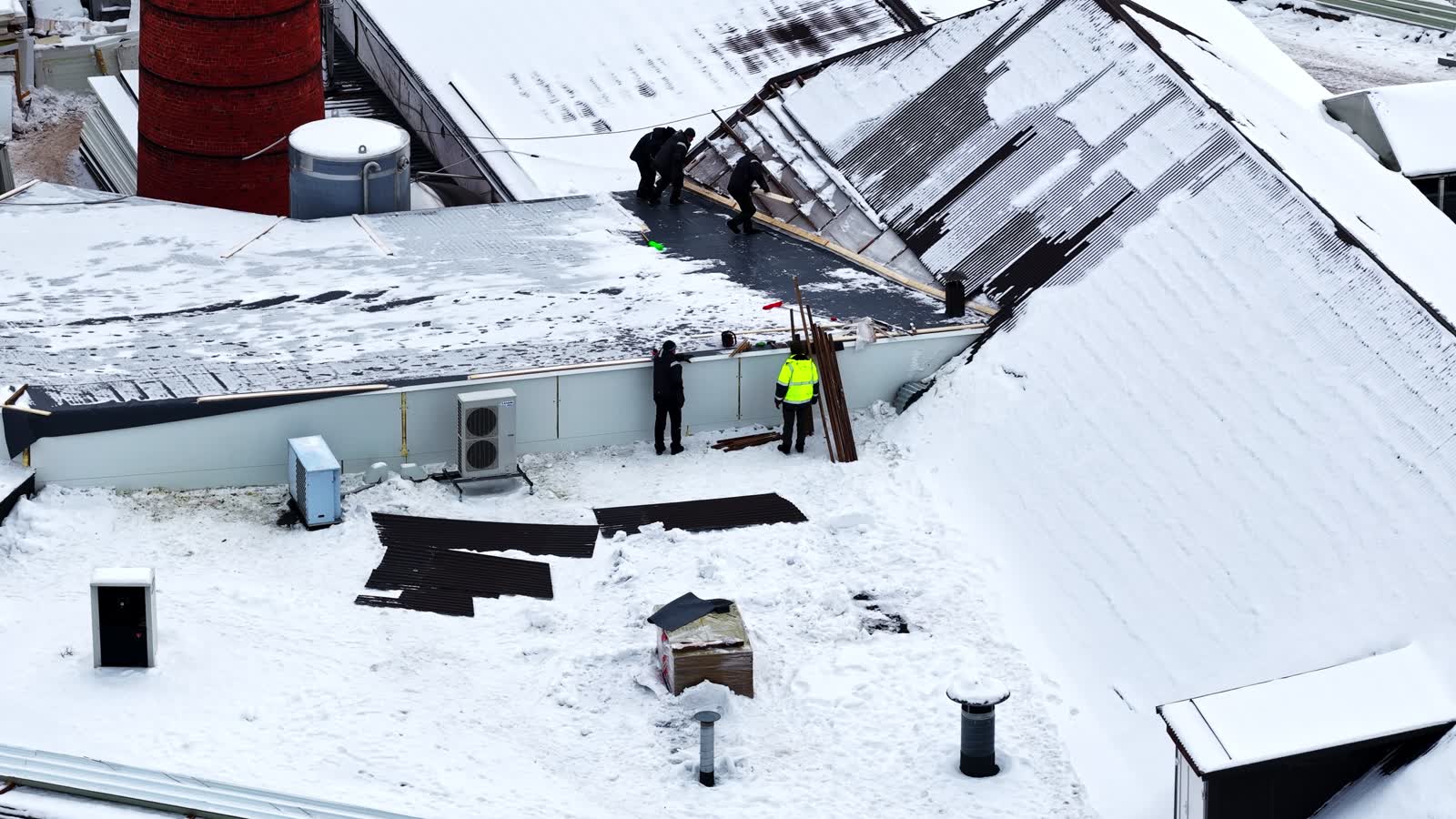
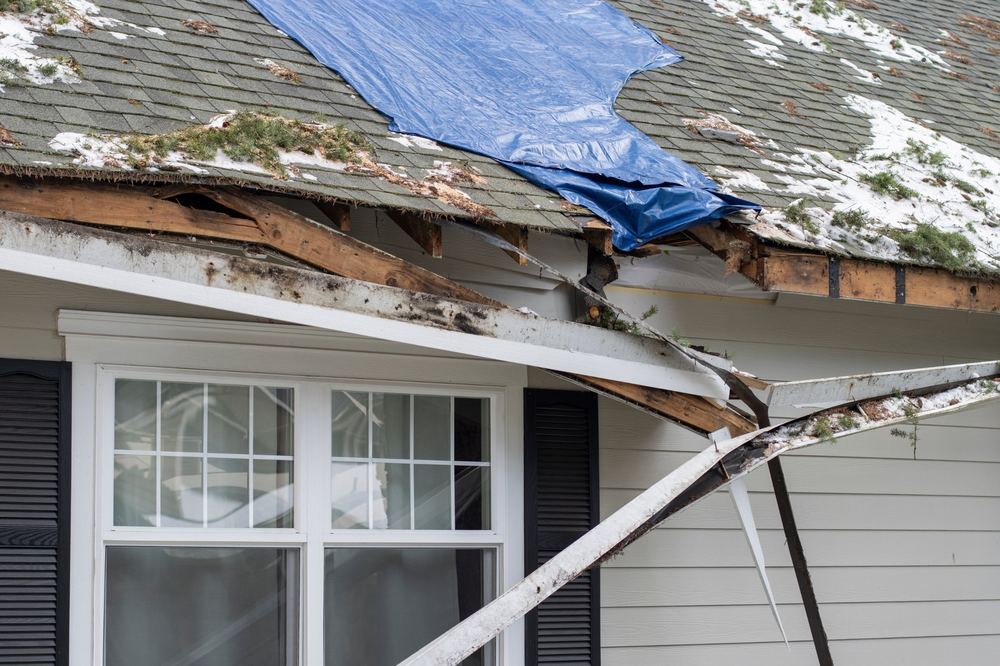
Crew inspecting a snow-covered, storm-damaged roof in New Jersey
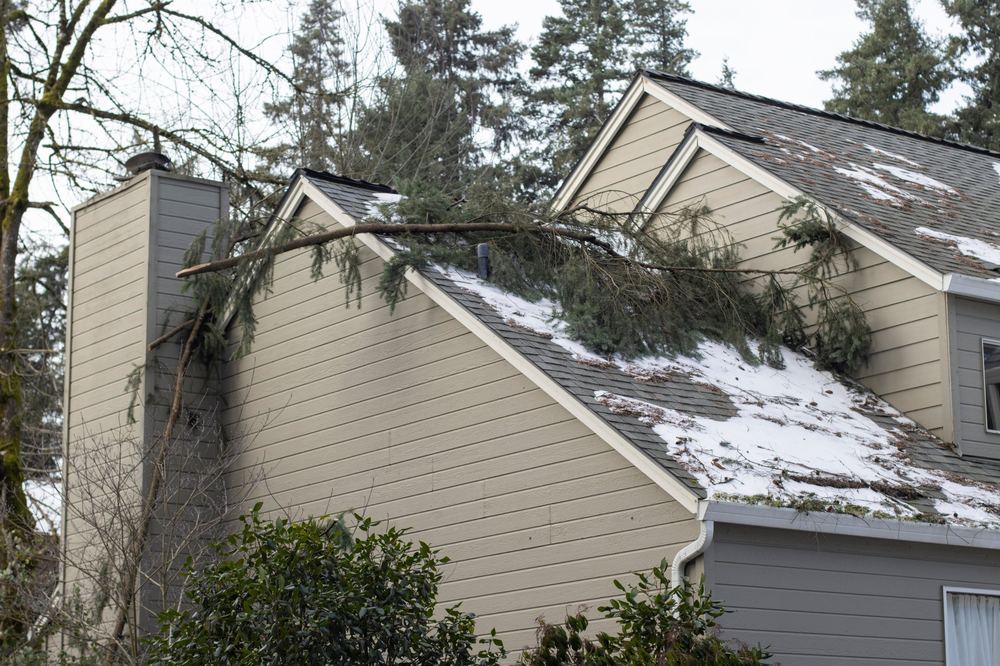
Fallen tree limb across a snow-covered roof after a winter storm
WINTER STORM DAMAGE IN A CONDO OR HOA BUILDING

Winter Storm Damage in a Condo or HOA Association Building

Ice dams, snow-load roof damage and frozen pipes in a condominium or HOA building can affect both the roof and building systems covered by the association’s master policy and the interior finishes and belongings covered by an individual unit owner’s own policy.
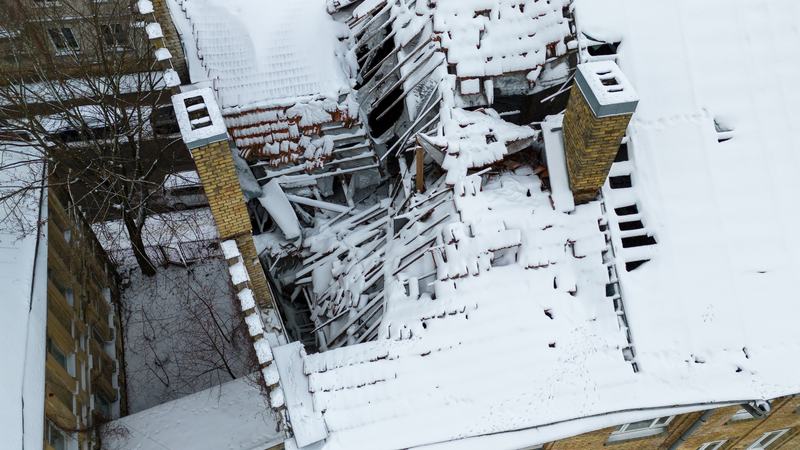
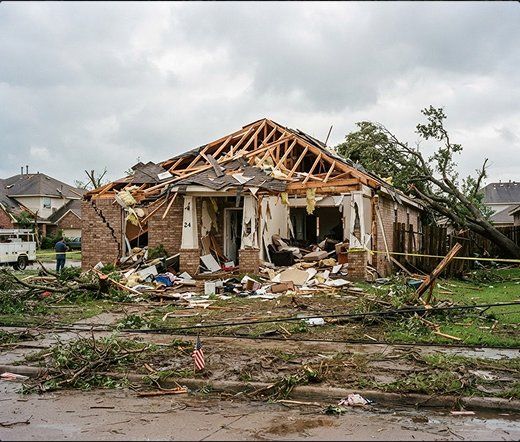
Collapsed roof structure under heavy snow at a condo or HOA association building
Roof & Common Area Damage

Roof damage from ice dams or snow load, and damage to shared building systems, is typically addressed under the association’s master policy.
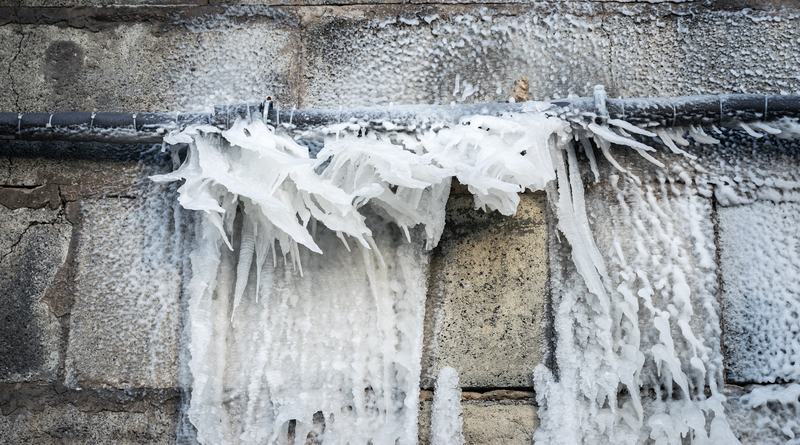
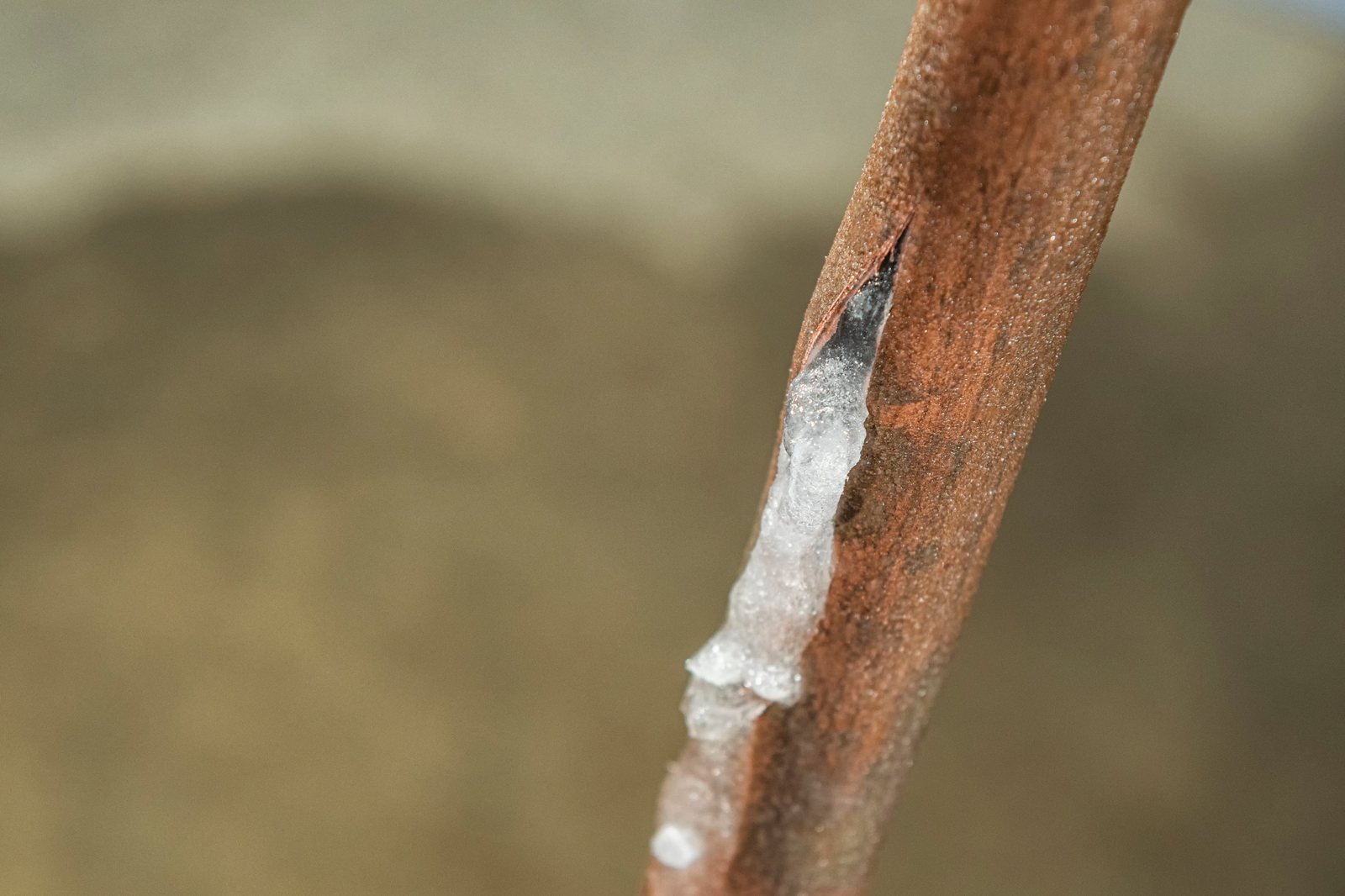
Heavy ice buildup on a frozen exterior pipe at a condo or HOA association building
Shared Pipe or Plumbing Damage

A frozen pipe in a shared wall, ceiling or building system can raise questions about which policy applies.
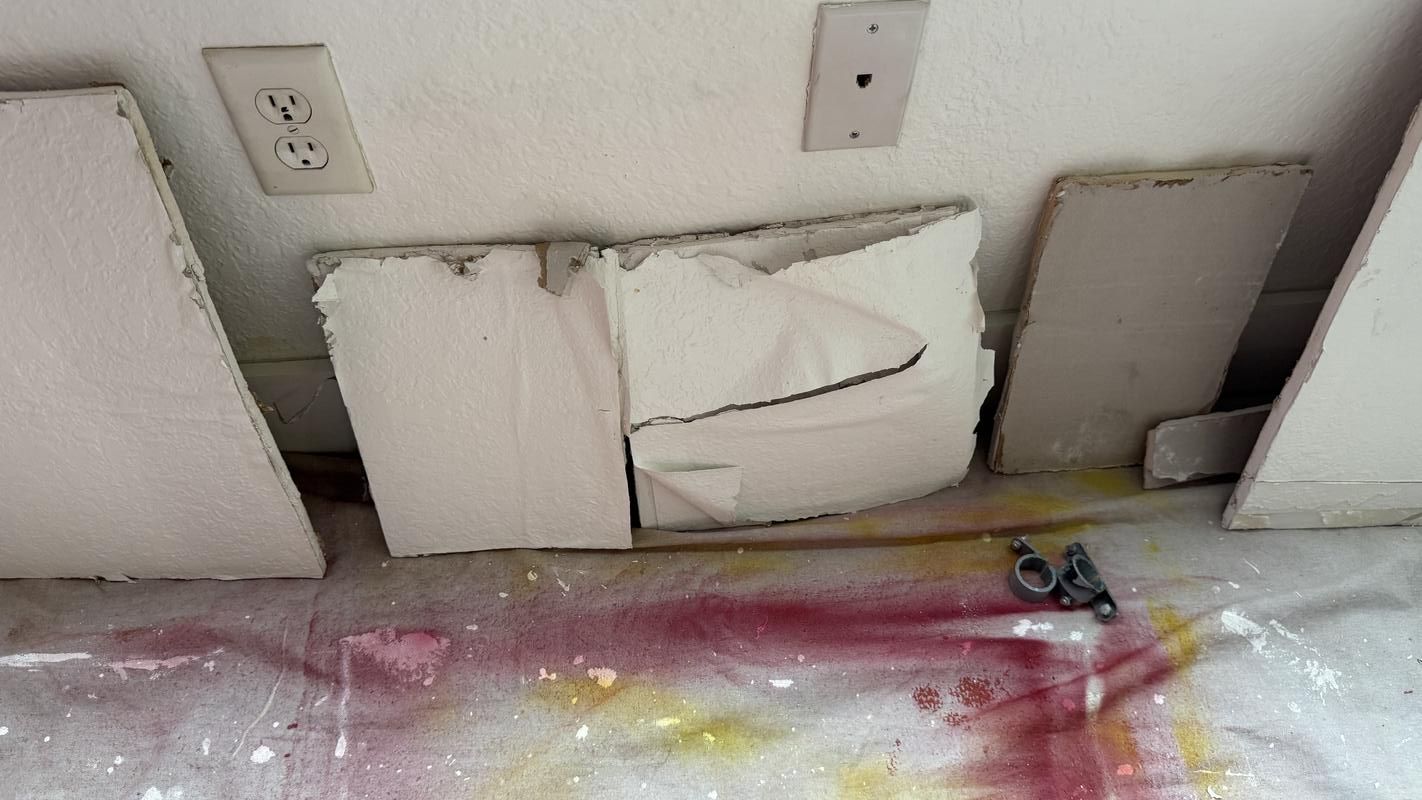
Patched drywall sections from a frozen-pipe repair inside a condo unit
Unit Owner’s Contents & Finishes

Flooring, cabinetry and personal belongings damaged by water from a frozen pipe are often the unit owner’s own responsibility to claim.

MASTER POLICY VS. YOUR OWN POLICY

The association’s master policy typically covers the roof, building systems and common areas, while a unit owner’s own policy covers personal belongings and interior finishes. Homeland can help determine which policy applies to each part of the loss.

See our Condo & HOA Associations claims page for more on master-policy claims.

Ice Dams: How Melting and Refreezing Snow Damages a Roof

An ice dam forms when heat escaping from the attic melts snow on the upper roof while the eaves stay cold. The meltwater refreezes at the colder edge, building a ridge of ice that backs water up under the shingles. That water can soak the roof deck, insulation, and ceiling, and travel into exterior walls before anyone notices a drip inside. Because the damage starts above the visible ceiling stain, an ice dam loss is often larger than it first appears. Professional ice dam removal, done safely by a licensed roofer rather than chipped away by hand, can stop the damage from spreading while the claim is being documented.

Snow-Load Roof Collapse: A Sudden, Serious Loss

Every roof is built to carry a certain weight of snow and ice, and a heavy, wet storm, or several storms stacking up before a thaw, can exceed it. A snow-load collapse can happen all at once, and it frequently damages the structure, the contents below, and anything stored in an attic or top floor. Flat and low-slope roofs on additions, garages, porches, and commercial buildings carry particular risk. If your roof is sagging, cracking, or already failed under snow weight, treat it as an emergency and keep people clear of the area.

Frozen Pipes: Preventing and Documenting a Burst Pipe Claim

Pipes most often freeze where they run through unheated or poorly insulated spaces: attics, crawl spaces, garages, and exterior walls. Water expands as it freezes, and the pressure can split a pipe well before the ice itself blocks it, so the break is often discovered only when the ice thaws and water starts flowing. A frozen pipe claim is typically evaluated as water damage once the pipe fails, so documenting both the freeze event and the resulting water loss matters for the claim.
1
Shut off the water if a pipe has burst: Find the main shutoff valve and stop the flow before it causes more damage.
2
Keep people clear of a sagging or collapsed roof: Treat visible roof deflection, cracking sounds, or collapse as a safety emergency, not just property damage.
3
Photograph and video the conditions: Capture the ice dam, the snow load on the roof, the burst pipe, and the resulting water or structural damage before cleanup or repairs begin when possible.
4
Arrange emergency snow or ice removal carefully: A licensed contractor can help reduce roof load safely; document the work and keep the invoice.
5
Take reasonable steps to prevent further damage: Temporary tarps, heat tape, or emergency pipe repair can be appropriate, but keep records and receipts.
6
Report the loss promptly: Review your policy's notice requirements and keep a record of all communications about the claim.
7
Avoid unnecessary permanent repairs: Preserve evidence of the roof, insulation, and pipe damage before major repair or replacement work begins whenever circumstances allow.
8
Track damaged contents: Create an inventory of attic storage, ceiling and wall finishes, flooring, and any belongings affected by water or collapse.
9
Retain invoices and receipts: Save records from roofers, plumbers, water mitigation companies, and emergency contractors.
10
Watch for mold: Trapped moisture from an ice dam or a slow leak behind a wall can lead to mold. Document what you see.
ADJUSTER ADVANTAGE™ · FREE MEMBERSHIP

You Don’t Have to Remember All of This. Adjuster Advantage Has You Prepared.

The best way to prepare for a winter storm, roof damage, or any other damage, is a free Adjuster Advantage membership, for property owners and for associations.

Lifeline Card™
Shutoffs and emergency contacts, available offline.
Safety Vault™
Keep dated photos and documents of your property in one place.
Policy Scan™
A licensed Homeland adjuster explains your policy in plain words.
Damage Guide™
Safety first, how to document, and how insurance works.
Renewal Radar™
See what changed from one policy year to the next.
Prep Kit™
A checklist built for your household and pets.
FOR CONDO, HOA, CO-OP AND MASTER ASSOCIATIONS

Does your building have a record of its roof and attic spaces?

AA Associations gives boards and managers the master policy explained in plain words, including what the association insures versus what each owner covers, a dated building record of the roof, attic, exterior, common areas, and equipment, and reminders for the dates you enter. For Florida associations today.

Set Up Your Association →

Joining Adjuster Advantage is free and does not create a contract or agreement with Homeland Public Adjusters for any claim. Hiring Homeland is optional and requires a separate written agreement.

When a Frozen Pipe Becomes a Water Damage Claim

Once a frozen pipe bursts, the loss is a water damage claim from that point forward, flooring, drywall, ceilings, and belongings can all be affected the same way as from any other burst pipe. See our Water Damage page for how we document and manage a water loss once the water is already flowing, in addition to the freeze event itself.

Winter Storm Claims by the Numbers

Winter storm claims by the numbers
18Billion-dollar winter storm events that have hit New Jersey since 1980, including December 2022, February 2023 and January 2024 (NOAA)
$628 millionPaid by one national carrier on 20,000+ frozen-pipe claims from 2024 through June 2025, averaging over $30,000 (State Farm)
22.6%Share of U.S. homeowners losses from water damage and freezing in 2023; average claim $15,400 (III)
20°FTemperature below which IBHS says pipes are likely to freeze; frozen-pipe payouts topped $4 billion in a decade (IBHS)

The Coverages That Decide a Winter Storm Claim

Snow, ice and freezing are covered perils on a standard homeowners policy. These conditions decide how much of the loss is paid:

ProvisionWhat it doesWhere claims go wrong
Freezing of plumbingBurst pipes and the resulting water damage are covered, but the policy requires that you maintained heat or shut off and drained the system while the home was unoccupiedDenials on second homes and rentals where the carrier claims heat was off; thermostat settings, utility bills and photos of the shutoff prove compliance
Weight of ice, snow and sleetNamed peril covering roof sag, cracked trusses, gutters and collapsePre-existing deflection blamed for a storm-caused failure; an engineer’s report that reads the fracture surfaces settles it
CollapseCovered when caused by weight of ice or snow, or by hidden decay; a sagging or cracked structure that has not fallen in is usually not “collapse” under the policyCarriers deny imminent-collapse losses while the owner waits for the roof to come down; wording differs by form and matters
Ice damsWater forced under shingles by refreezing meltwater is covered interior and roof damageCalled “wear and tear” or a maintenance issue; the leak path through the roof assembly has to be documented
Tree and debris removalA fallen tree that damages a covered structure is covered; removal of the tree itself is often capped at $500–$1,000 per occurrenceRemoval cap applied to the whole claim; trees that hit a structure are structural damage, not debris
New Jersey claim timelinesInsurers must begin an investigation within 10 working days of notice and accept or deny within 30 calendar days of a properly executed proof of loss, with written explanations of delay every 45 days (N.J.A.C. 11:2-17.7)Silence after the inspection; the regulation gives you a basis to demand a decision in writing

Deadlines to Know

New Jersey. New Jersey regulations require insurers to begin an investigation within 10 working days of notice of a claim, and set a 30-calendar-day period, running from receipt of a properly executed proof of loss, for first-party claims. If more time is needed, the insurer must explain why in writing, with updates every 45 days, unless a clear justification or other law provides otherwise.
Florida. Florida law requires notice of an initial or reopened property claim within 1 year after the date of loss, and notice of a supplemental claim within 18 months after the date of loss. Your insurance company generally must acknowledge your claim within 7 calendar days, and pay or deny the claim within 60 days after receiving notice of it. Your policy may include its own requirements, so do not wait.
Sources: Sections 627.70132 and 627.70131, Florida Statutes.

Why Choose Homeland for Your Winter Storm or Roof Damage Claim?

An ice dam, a snow-load roof collapse, and a frozen pipe each raise different coverage questions, and a single storm can produce all three. Homeland Public Adjusters works from the policyholder's side to evaluate the full scope of the loss and present a documented claim to the insurance carrier.

Your interests come first: Our public adjusters represent property owners, not the insurance company evaluating the claim.
Full-scope assessment: We examine the roof, attic, insulation, and interior finishes together, not just the first visible damage.
Attention to concealed damage: Our approach considers moisture that traveled beyond immediately visible surfaces after an ice dam or a slow leak.
Comprehensive documentation: We help compile photographs, reports, estimates, inventories, receipts, and other evidence supporting the claim.
Repair scope and estimating: Homeland documents the roof, structural, and water-damage repair work needed to restore the property.
Coverage review: Our team evaluates relevant policy language on wind, water, and weight of ice and snow.
Claim management: We communicate with carrier representatives and help manage the adjusting process on the policyholder's behalf.
Assistance after an initial decision: If a winter storm or roof damage claim has already been denied or the payment appears insufficient, we can review the claim and supporting documentation.
Florida and New Jersey: We represent homeowners, businesses, and community associations in both states.
Established since 2007.
No Recovery, No Fee.

In the News: Frozen Pipes Are the Winter Claim Insurers Fear

In the News. In a winter advisory on its newsroom, State Farm reported paying more than $628 million on over 20,000 frozen-pipe and winter water claims from 2024 through June 2025, with the average claim running above $30,000. The carrier’s own number tells the story of a New Jersey cold snap: a single burst supply line can run for hours before anyone notices, and the water finds its way through two floors of drywall, flooring, cabinets and electrical before the shutoff is found. The claim that follows is a water claim, a structural claim and often a contents and additional-living-expense claim at the same time, and the first estimate from the carrier rarely accounts for all four. Homeland documents the freeze event, the water path and the full scope of the rebuild so the settlement reflects the actual loss.

Winter Storm & Roof Damage FAQs

Are ice dams covered by my homeowners insurance?
It depends on your policy. Many policies cover the sudden water damage an ice dam causes even where they exclude damage from a gradual or recurring condition, so how and when the damage happened matters. Homeland reviews your policy and the specific facts of the loss.
Is a roof collapse from snow or ice weight covered?
Many property policies cover collapse caused by the weight of ice, sleet, or snow, subject to the policy's terms and any maintenance-related exclusions. We review your policy language against what actually happened to your roof.
My pipes froze and burst. Is that the same as a water damage claim?
Once the pipe bursts, yes, the resulting damage is handled as a water loss. See our Water Damage page for how we handle the claim once water is involved, in addition to documenting the freeze itself.
Does this apply to Florida properties?
Mostly this page addresses ice dams and snow load, which are New Jersey issues. Florida properties can still experience frozen and burst pipes during a hard freeze, and Homeland handles those claims too.
How quickly do I need to act after a winter storm?
Report the loss promptly and document conditions before cleanup or repairs begin whenever it's safe to do so. Review your policy's notice requirements, since deadlines apply in both New Jersey and Florida.
My claim was denied or underpaid. Can Homeland still help?
Yes. Homeland can review winter storm, roof collapse, and frozen pipe claims that have been delayed, denied, or underpaid, and explain what options may be available. Call us 24/7 to talk it through.
More Questions? See Our Full FAQ →

Insights

View All Posts

Winter Storm & Roof Damage Claims We Handle Across Florida & New Jersey

Homeland handles winter storm, roof collapse, and frozen pipe claims throughout New Jersey, and frozen pipe claims in Florida. Wherever your property is in either state, call us 24/7.

Related Coverage
Damage happening now? In Florida
Call (305) 783-3777, 24/7
In New Jersey
Call (732) 517-3777, 24/7

Free Claim Review

Tell us about your loss. We’ll call you back.

Claims We Handle

Hurricane & Wind Damage→Flood Damage→Fire Damage→Water Damage→Theft & Vandalism Damage→Vehicle Impact Damage→Business & Commercial→Other Claims→Denied & Underpaid→
FREE MEMBERSHIP

Join Adjuster Advantage™

Know your roof, your policy, and your records, before the next storm.

Join Free
Board or manager? AA Associations →

Other Property Damage Claims We Handle

A winter storm can cause many kinds of property damage, from a collapsed roof to a burst pipe. Homeland Public Adjusters also assists with other types of property damage claims when applicable to the loss and available coverage.
Need Help With a Winter Storm or Roof Damage Claim?

Whether you are preparing to file a winter storm, roof collapse, or frozen pipe insurance claim, or already have a claim in progress, Homeland can review the loss and help you understand the next steps. Call us 24/7 or request a free review.

We Serve
Third Party Uninsured Property Owners
We Serve
Daycare & Child Care Owners
We Serve
Retail Store & Strip Center Owners
We Serve
Church, School & Nonprofit Owners
We Serve
Warehouse & Industrial Owners
We Handle
Denied & Underpaid Claims
We Handle
Fire Damage
We Serve
Government & Municipal Property Owners
We Handle
Water Damage
We Serve
Vacation & Short-Term Rental Owners
We Handle
Wildfire & Brushfire Damage
We Serve
Renters
We Serve
Medical & Dental Office Owners
We Handle
Hail Damage
We Handle
Falling Tree & Debris Damage
We Serve
Marina & Boat Owners
We Handle
Vandalism & Riot Damage
We Handle
Flood Damage
We Handle
Business Interruption Claims
We Handle
Tornado Damage
We Handle
Lightning, Falling Tree & Other Sudden Damage
We Handle
Vehicle Impact Damage
We Handle
Hurricane & Wind Damage
We Serve
Homeowners
We Serve
Landlords & Rental Properties
We Serve
Agricultural Property Owners
We Handle
Theft & Vandalism Damage
We Handle
Sewer & Drain Backup Damage
We Serve
Mobile & Manufactured Homeowners
We Serve
Hotel & Motel Owners
We Handle
Vehicle Impact Damage
We Serve
Condo & HOA Associations
We Serve
Multifamily & Apartment Owners
We Handle
Sinkhole Damage
We Handle
Lightning Strike Damage
We Handle
Mold Damage
We Handle
Smoke Damage
We Serve
Auto Shop & Dealership Owners
We Serve
Restaurant Owners
We Handle
Business & Commercial Claims
We Handle
Power Surge Damage
We Handle
Appliance Leak Damage
We Serve
Third Party Uninsured Property Owners
We Serve
Daycare & Child Care Owners
We Serve
Retail Store & Strip Center Owners
We Serve
Church, School & Nonprofit Owners
We Serve
Warehouse & Industrial Owners
We Handle
Denied & Underpaid Claims
We Handle
Fire Damage
We Serve
Government & Municipal Property Owners
We Handle
Water Damage
We Serve
Vacation & Short-Term Rental Owners
We Handle
Wildfire & Brushfire Damage
We Serve
Renters
We Serve
Medical & Dental Office Owners
We Handle
Hail Damage
We Handle
Falling Tree & Debris Damage
We Serve
Marina & Boat Owners
We Handle
Vandalism & Riot Damage
We Handle
Flood Damage
We Handle
Business Interruption Claims
We Handle
Tornado Damage
We Handle
Lightning, Falling Tree & Other Sudden Damage
We Handle
Vehicle Impact Damage
We Handle
Hurricane & Wind Damage
We Serve
Homeowners
We Serve
Landlords & Rental Properties
We Serve
Agricultural Property Owners
We Handle
Theft & Vandalism Damage
We Handle
Sewer & Drain Backup Damage
We Serve
Mobile & Manufactured Homeowners
We Serve
Hotel & Motel Owners
We Handle
Vehicle Impact Damage
We Serve
Condo & HOA Associations
We Serve
Multifamily & Apartment Owners
We Handle
Sinkhole Damage
We Handle
Lightning Strike Damage
We Handle
Mold Damage
We Handle
Smoke Damage
We Serve
Auto Shop & Dealership Owners
We Serve
Restaurant Owners
We Handle
Business & Commercial Claims
We Handle
Power Surge Damage
We Handle
Appliance Leak Damage
Call Now · Florida(305) 783-3777Call Now · New Jersey(732) 517-3777