Airbnb, VRBO, a beach house rented by the week. When a guest, a storm or a pipe wrecks it, the first fight is over which policy, if any, actually covers a home that earns money.
Homeland Public Adjusters represents owners of short-term and vacation rentals in Florida and New Jersey: Airbnb and VRBO hosts, beach and lake houses rented by the week, condo units in managed rental programs, and investors with several of each. We document guest damage, storm, fire and water losses and the income you lost while the calendar was blocked, work out which policy responds, and present the claim to the carrier on your behalf. No Recovery, No Fee.
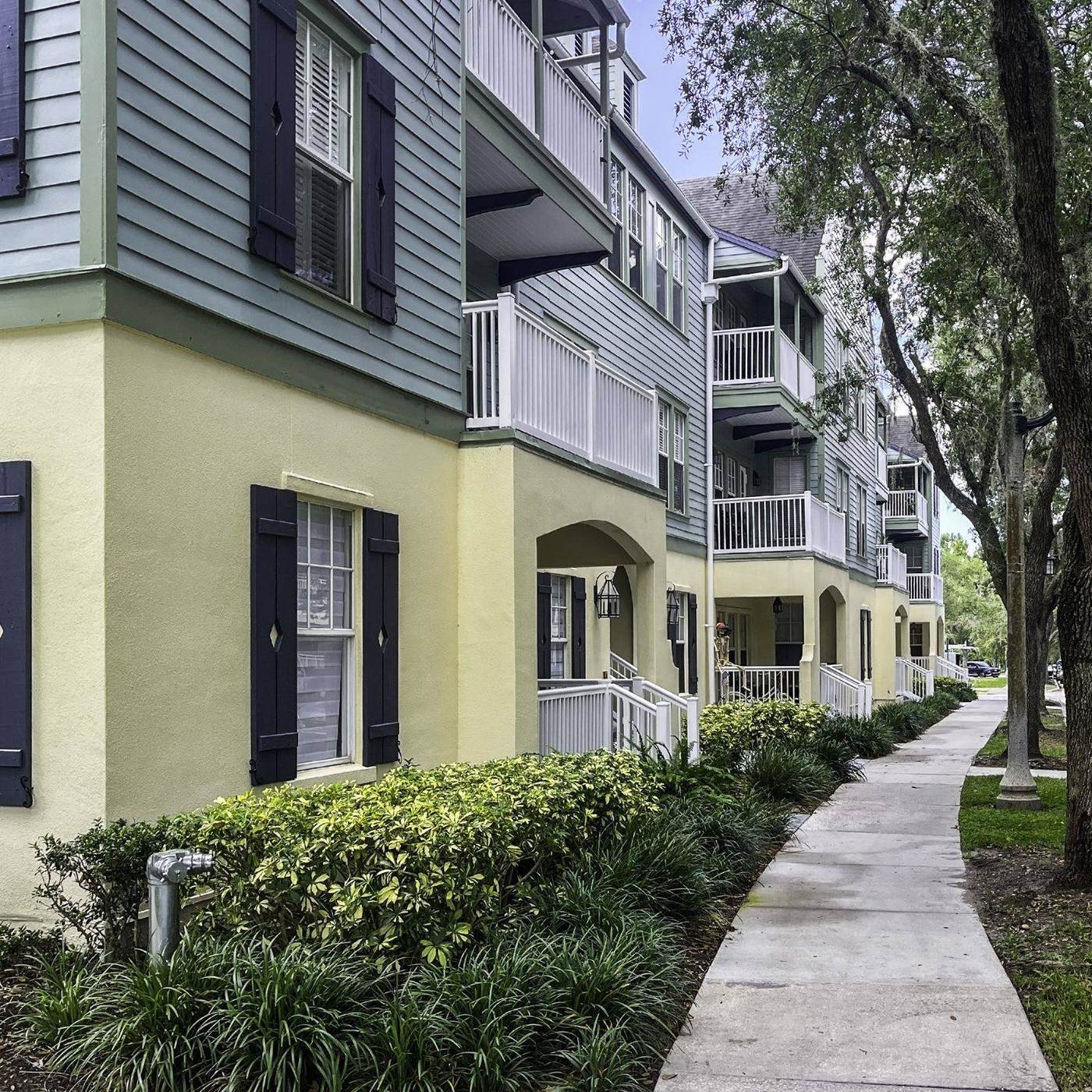
Florida licenses tens of thousands of vacation rentals through the Department of Business and Professional Regulation, and the market has roughly 40,000 active listings in the Orlando area and 18,000 in Miami alone. Hurricane season, water losses in buildings with hundreds of turnovers a year, and guest damage are the claims we see most. Homeland represents Florida vacation rental owners from the Keys to the Panhandle.
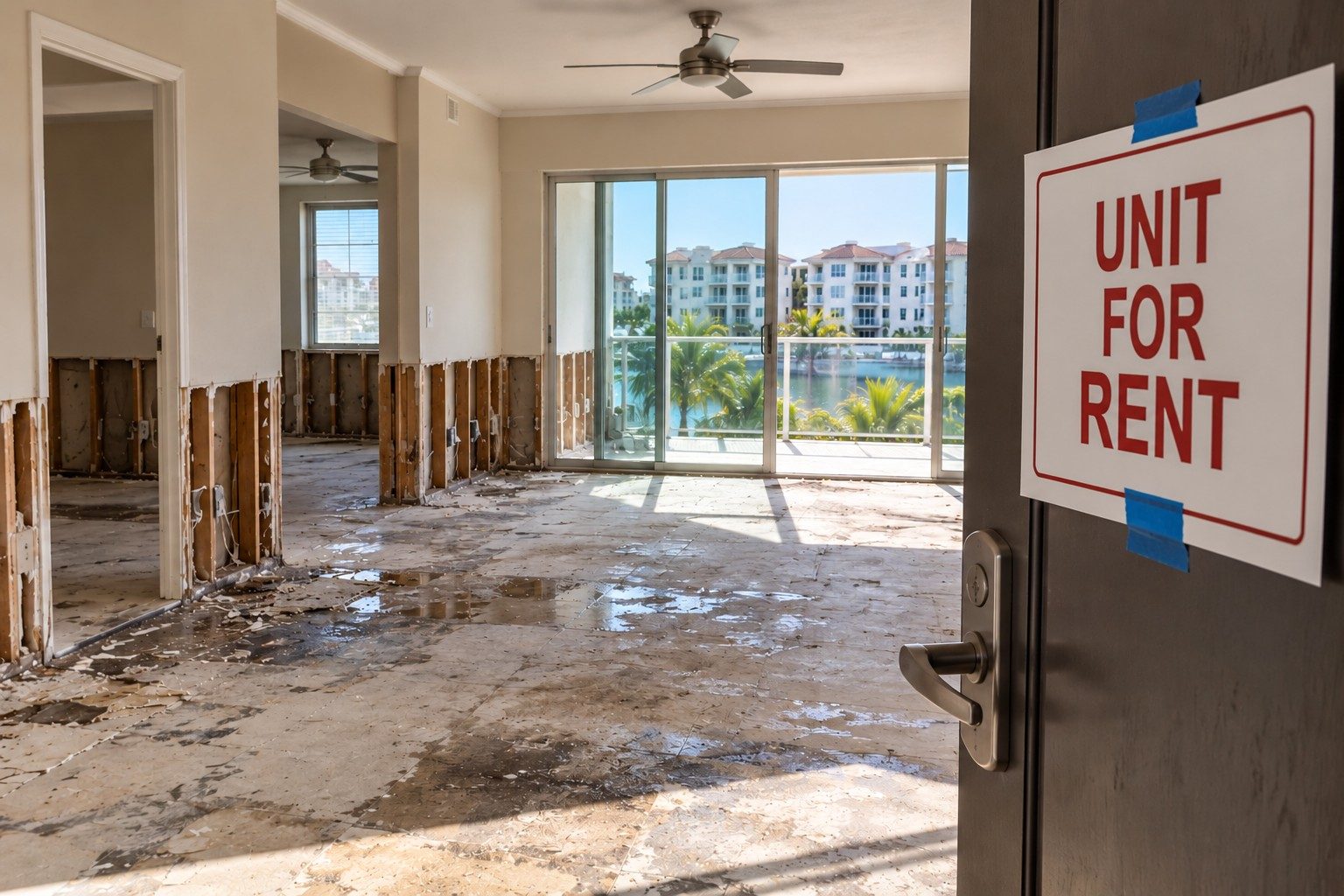
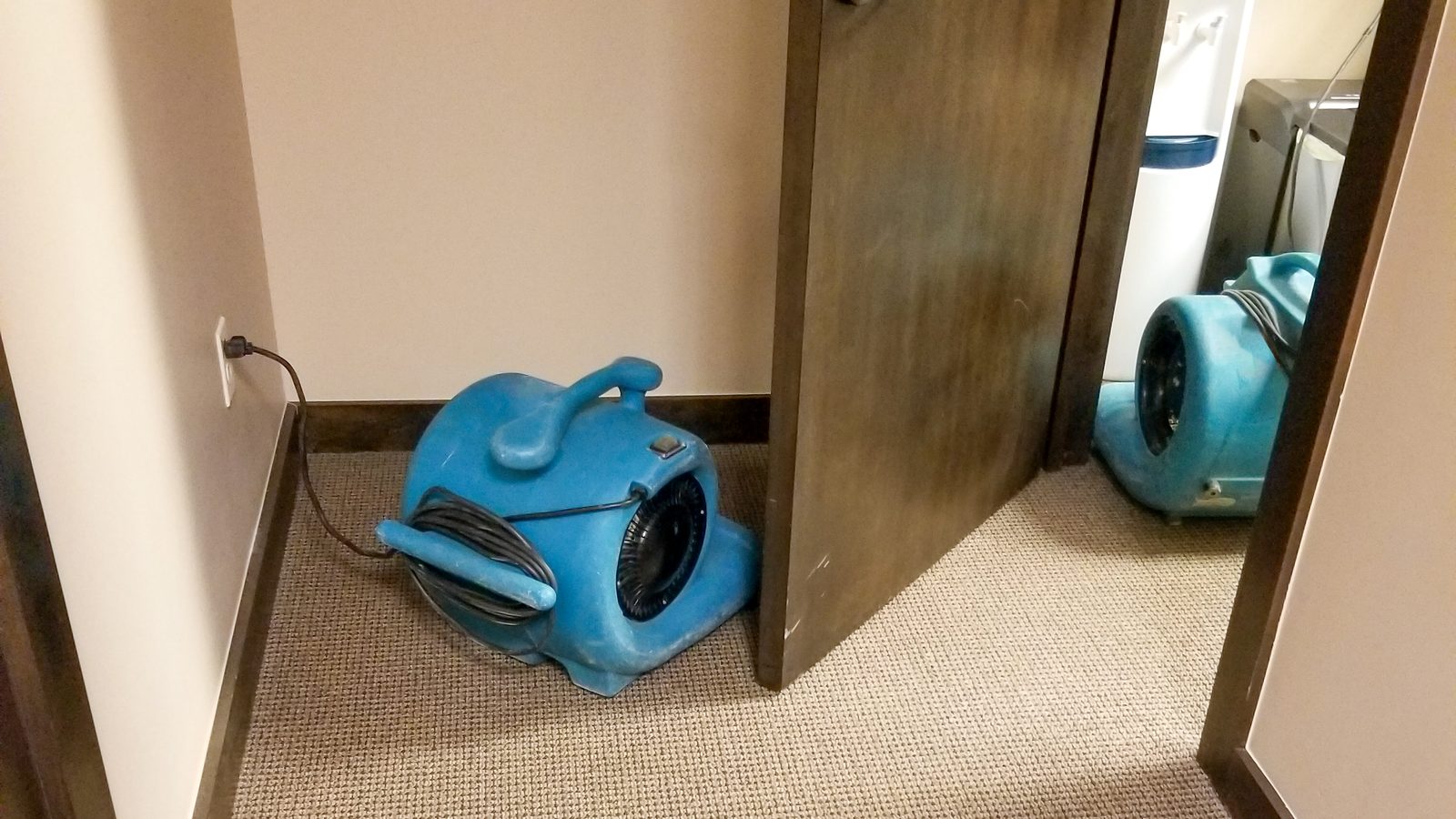
A vacation rental loss is a building claim plus lost bookings; the drying log and the booking calendar both go in the file.
Short-Term Rental Claims in New Jersey
Shore rentals in Cape May, Ocean City, Long Beach Island and Monmouth County carry nor’easter, flood, frozen-pipe and off-season vandalism exposure, and many are insured on a seasonal or secondary-home policy that was never written for weekly guests. Homeland handles New Jersey short-term rental claims and the vacancy and business-use questions that come with them.
Most hosts are insured for the wrong thing. A standard homeowners policy defines “business” as a trade, profession or occupation engaged in full-time, part-time or occasionally, and any other activity engaged in for money, and state regulators warn that regularly renting your home for a fee may be treated as a home-based business. That matters because the homeowners policy limits or excludes property used for business, and the liability section excludes it. Which policy actually responds depends on how the property is used and what you told the carrier:
How the property is used
Policy that fits
What goes wrong at claim time
Your home, rented a few weekends a year
Homeowners policy with a home-sharing or short-term rental endorsement (many carriers offer one)
Without the endorsement, the carrier may deny guest-caused damage, theft by a guest and the liability claim; some deny the whole loss on misrepresentation if rental use was never disclosed
A second home or condo you never live in, rented by the night or week
Landlord (DP-3) policy with short-term rental use disclosed, or a dedicated vacation rental policy
A DP-3 written for an annual tenant can exclude transient occupancy; a “seasonal” or “secondary residence” policy may carry vacancy restrictions that bite in the off-season
Several units run as a business, with cleaners, dynamic pricing and a management company
Commercial property package or a vacation rental program policy with business income
This is the only form that pays lost bookings the way a hotel claims lost room revenue; landlord forms pay “fair rental value,” usually at the long-term rate
A condo unit in a rental program
Unit owner (HO-6) policy with rental use disclosed, plus the association master policy for the building
The master policy covers the structure; the HO-6 covers finishes, furniture and loss of rents, and the association’s rules can limit rentals after a loss
Whatever the form, the carrier will ask three questions after a loss: was rental use disclosed, was the property vacant under the policy’s definition, and was the damage caused by a guest, a tenant or a stranger. Homeland answers all three in the claim package before the adjuster asks.
Airbnb and VRBO Protection Is Not Your Insurance Policy
Airbnb’s AirCover for Hosts advertises $3 million of host damage protection and $1 million of host liability insurance; Airbnb’s own help pages say the damage protection is not an insurance policy. VRBO offers hosts a $1 million liability program that applies in excess of the host’s own insurance, and sells guests a separate property damage protection product. In practice these programs pay for a guest’s broken television after the host documents it through the platform, within tight filing windows, and they are an argument in every real claim: the carrier points to the platform, the platform points to the carrier, and the owner waits. We document the loss once, in a form both will accept, and file with each in the order that gets you paid.
Vacation rentals by the numbers
40,028Active short-term rental listings in the Orlando market, September 2026 (AirDNA)
18,289Active listings in Miami, September 2026 (AirDNA)
$3M / $1MAirbnb AirCover host damage protection and host liability limits; not an insurance policy (Airbnb)
60 daysVacancy period after which most standard policies stop covering vandalism (ISO HO-3 / DP-3)
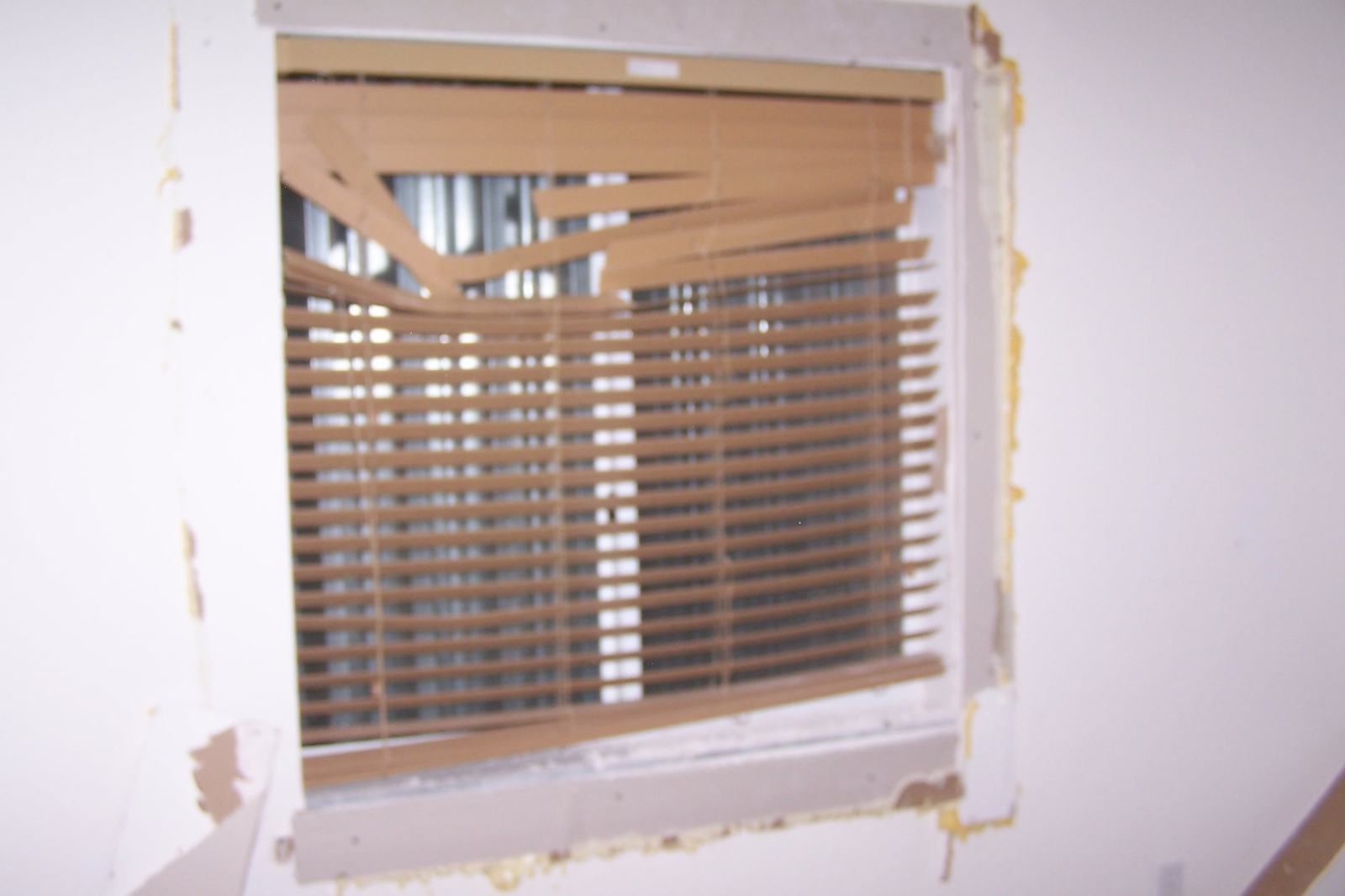
The claim hosts call about most. A party that leaves holes in the walls, a guest who sets the kitchen on fire, a stolen smart lock and television, a bachelor group that floods the upstairs bathroom. Three rules decide these:
Vandalism is covered on an occupied property; the standard forms drop it after the dwelling has been vacant more than 60 consecutive days. A rental with turnover every few days is not vacant, and the booking calendar proves it.
Theft is the weak spot. The standard homeowners form excludes theft from the part of the premises rented to someone who is not an insured, and the basic landlord (DP-3) form does not cover theft at all unless it is endorsed. Vandalism is covered on both, so the line between a guest who stole the television and a guest who smashed it is one the carrier will draw, and one your photos should answer.
Intentional damage by an insured is excluded; a guest is not an insured, so a guest’s deliberate destruction is vandalism, not an excluded intentional act. Carriers sometimes blur this.
The security deposit and the platform claim come first, the policy second, and the carrier will want to see that you pursued both. Keep the guest’s ID, the check-in and check-out photos and the platform’s resolution-center file.
Wear and tear is not a claim, and a carrier will try to reclassify a wrecked unit as it. Dated turnover photos from the cleaner are the answer.
Police report for theft and vandalism, filed the day it is found, even if you do not expect an arrest.
Storm, Fire and Water Losses in a Rental
The perils are the same as any home; the claim is bigger. A hurricane that closes a Keys rental for a season, a water heater that lets go between guests, a kitchen fire set by someone who does not know the stove. On top of the structure and contents claim, a vacation rental owner has:
Furnishings and supplies at replacement cost: a furnished rental carries far more contents than a long-term unit, and most are on the owner’s policy, not a tenant’s
Lost bookings and cancellations: fair rental value or business income, depending on the form, from the date of loss until the unit could reasonably reopen, documented from the platform’s calendar and payout history
Extra expense: rehousing a guest who was in the unit when the loss happened, rush cleaning, expedited repairs to save a peak-season week
Loss of use is not the same as loss of rents: the homeowners form pays your living expenses if you lived there; the landlord and commercial forms pay the rent you lost
Mold and odor after a water loss in a unit that sat closed between discovery and repair
Association limits on a condo unit, where the master policy, the unit policy and the rental program agreement all have a say
What to Do After a Loss at Your Rental
1
Block the calendar and tell the platform: cancellations after a covered loss are documented income loss; a guest who checks into a damaged unit is a liability claim.
2
Get the record from the cleaner or manager the same day: who found it, when, and the photos from the last turnover. That is your proof of condition before the loss.
3
Photograph and video everything before cleanup, room by room, and the exterior. For guest damage, include the guest’s name, dates and booking number in the file.
4
File a police report for theft, vandalism or a party that got out of hand, and open the platform’s damage claim within its window (Airbnb’s runs from checkout and is short).
5
Stop further damage and keep receipts: water extraction, board-up, a plumber, a locksmith. Emergency work is reimbursed; do not start permanent repairs before the inspection.
6
Pull your policy and the application: how the property was described to the carrier decides the first argument. Do not guess about it on the phone.
7
Let Homeland notify the carrier: call us first. We report the loss in writing with the facts framed correctly, and we handle the platform claim alongside it.
8
Export the booking and payout history now: twelve months of calendar, rates and payouts is the evidence for lost income, and platforms limit how far back some reports go.
How Homeland Helps Vacation Rental Owners
Policy review before the carrier’s adjuster frames the claim: business-use definitions, vacancy clauses, rental endorsements and what the application said.
Guest damage documented as a covered loss, with the platform file, deposit and police report in the package so the carrier cannot send you back to Airbnb.
Contents inventory at replacement cost for a furnished unit, down to the linens and the lockbox.
Lost income claimed the way the policy defines it, from the platform’s own calendar and payout history, including the peak weeks that were already booked.
Structure and finishes priced as a rental has to be rebuilt, matching flooring and cabinetry across the unit, not a patch in one room.
Association coordination for condo units: master policy, unit policy and rental program, in the right order.
No Recovery, No Fee.
Deadlines to Know
Florida. Notice of an initial or reopened property claim is due within 1 year after the date of loss and a supplemental claim within 18 months (Fla. Stat. §627.70132); the carrier must acknowledge within 7 days and pay or deny within 60 days of notice (§627.70131). Florida vacation rentals must be licensed by DBPR under §509.241, and an unlicensed rental is one more argument the carrier may raise.
New Jersey. Insurers must begin investigating within 10 working days and pay a first-party property claim within 30 calendar days after a properly executed proof of loss (N.J.A.C. 11:2-17.7). Platform damage claims run on their own short windows measured from checkout.
In the News. When a Jersey City referendum in November 2019 approved short-term rental regulation by a 69% to 31% vote, it capped rentals at 60 nights a year when the owner is not present and put hosts on a licensing and renewal schedule, a pattern that has spread through the Shore towns since. For owners, the practical effect is that a rental’s legal status is now a question the carrier can ask after a loss, alongside whether rental use was disclosed on the application. The claims that go wrong are rarely about the damage; they are about how the property was described before the damage happened.
Not reliably. Standard homeowners policies treat regular renting for money as a business use and limit or exclude it; occasional rentals may be covered if disclosed, and many carriers sell a home-sharing endorsement. A property rented by the night most of the year needs a landlord policy that allows transient use, a vacation rental policy or a commercial package.
A guest trashed my rental. Is that vandalism?
Usually yes. Vandalism is covered on an occupied property, and a nightly guest is not an insured, so a guest’s deliberate destruction is vandalism rather than an excluded intentional act. Theft is treated differently on several forms, so document the condition at the last turnover, file a police report and open the platform claim; the policy pays what those do not.
Will Airbnb’s AirCover pay for the damage?
It may pay part of it. Airbnb describes AirCover’s host damage protection as up to $3 million but says it is not an insurance policy; it requires documentation through the platform within its filing window and pays after the guest is asked to pay. VRBO’s host liability program applies in excess of your own insurance. Treat both as a first stop, not a substitute for the policy.
Can I claim the bookings I had to cancel?
If the policy carries loss of rents (landlord form) or business income (commercial form), yes, from the date of loss until the unit could reasonably reopen. The platform’s calendar, rate history and payouts are the evidence. A homeowners policy without rental use disclosed generally pays nothing for lost bookings.
My carrier says the property was vacant. It was between guests.
A short-term rental with regular turnover is not vacant under the usual policy definition; the booking calendar and the cleaner’s schedule prove occupancy. Vacancy clauses are aimed at properties with no one living in them for 60 days or more, which can apply to a shore rental closed for the winter. Know which clause your policy uses.
The unit is in a condo. Who files?
The association files for the building under the master policy; you file for the unit’s finishes, furniture and lost rents under your HO-6. Florida’s statute draws the line between the two, and a rental program agreement can add a third party. Homeland coordinates all of it.
I never told my insurer I rent the house. Should I now?
Talk to Homeland before you talk to the carrier about anything. How the property was described on the application is the first thing a carrier checks after a loss, and the answer shapes the claim. We review the policy and the application with you and frame the claim correctly.
Do you handle claims for owners with several rentals?
Yes. Homeland represents individual hosts and investors with multiple units, including portfolios insured on a commercial program with business income coverage.
Vacation Rental Claims We Handle Across Florida & New Jersey
From Miami Beach and Orlando’s resort corridor to the Keys, and from Cape May to Ocean City and the Jersey Shore, Homeland handles short-term rental claims throughout both states. Call 24/7.
A damaged rental is a property loss and an income loss at the same time, and the platform’s guarantee is not the policy you think it is. Call Homeland for a free review before you file with anyone.
 By Nelson Avila