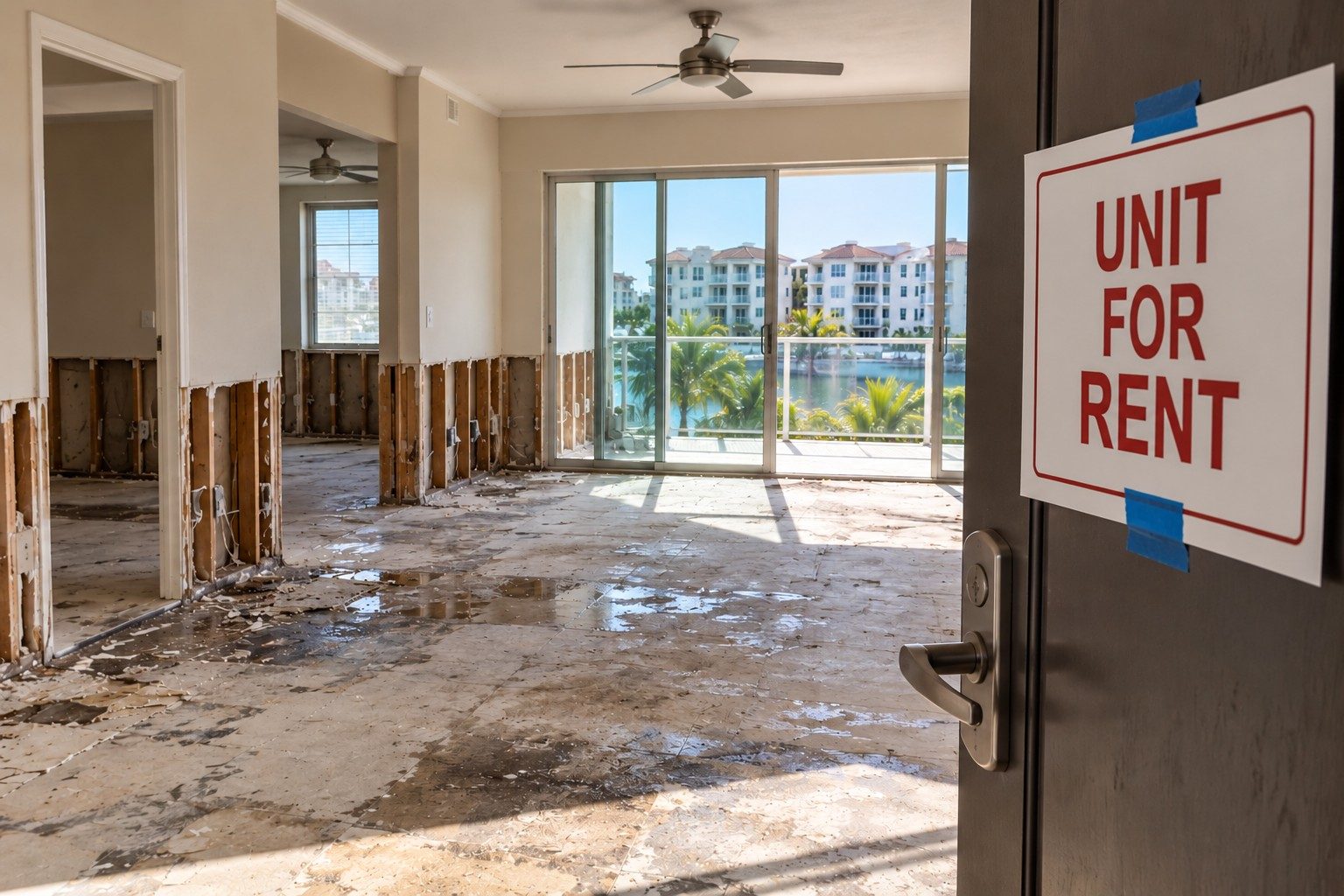
Vacant and Between-Tenancy Property Damage: Is It Covered?

Homeland Public Adjusters · Last reviewed: October 2026
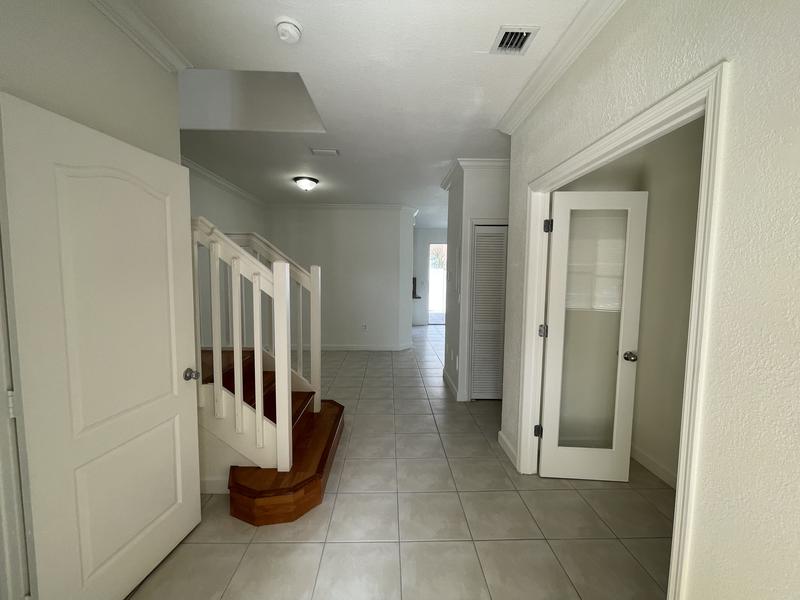
Many landlord policies change what they cover, or stop covering certain perils entirely, once a property has been vacant beyond a set number of consecutive days, often 30 or 60 depending on the policy. Turnover periods, a property between renovations, or a unit sitting empty while you look for the right tenant can all fall into this window, so it pays to check the vacancy terms before a unit sits empty.
Have a property claim anywhere in Florida? A licensed Homeland public adjuster comes to you within hours — no need to visit an office. Call (305) 783-3777 (Florida) or (732) 517-3777 (New Jersey), 24/7.
What commonly changes during vacancy
Short answer: Many landlord policies restrict or exclude certain perils once a property has been vacant beyond a set number of days, often 30 or 60. Water damage and vandalism are the perils most often restricted, and the gap between tenants is when a vacancy clause is most likely to apply.
Water damage and vandalism are the two perils most often restricted or excluded once a vacancy clause kicks in, even on a policy that would otherwise cover them without question.
Why this matters for turnover specifically
The period between tenants, when a unit is being painted, cleaned or repaired before the next move-in, is exactly when minor issues can go unnoticed longest, and exactly when a vacancy exclusion is most likely to apply.
If damage is discovered during a vacancy or turnover period, call Homeland before you report it. Whether a vacancy exclusion actually applies depends on the exact wording of your policy and exactly how long the unit was empty, not just the carrier’s first read of the situation.
Vacancy disputes come up often in Cape Coral, Port St Lucie and Atlantic City; Homeland reviews the policy language before the carrier does.
Frequently asked questions
Does landlord insurance cover damage while a rental is vacant?
Which losses are most often excluded during a vacancy?
How can landlords reduce vacancy risk between tenants?
This article is for general information only and is not legal or insurance advice. Every policy and every claim is different — call Homeland. We review your policy language with you at no cost.
- Surprising Things Your Policy Covers
- Neighbor's Condo Fire: Who Pays?
- Damaged Tile or Laminate: A Claim?
- Barn, Stable & Outbuilding Coverage
- Wind and Tornado Risk on the Farm
- Crop Insurance vs. Property Insurance
 Yeni Martinez
 Alberto Enriquez
 Yisel Dieguez
Homeland Public Adjusters represents policyholders, not insurers. Get a free review of your claim.
Get a Free Claim ReviewThis topic often comes up alongside Landlords: Documenting Damage and Lost Rent After a Loss. If your situation involves this kind of loss, see our Landlords & Rental Properties page for how Homeland can help with the claim itself.