Your Rental Was Used as an Unauthorized Grow Operation. What Happens to Your Claim?

Homeland Public Adjusters · Last reviewed: October 2026
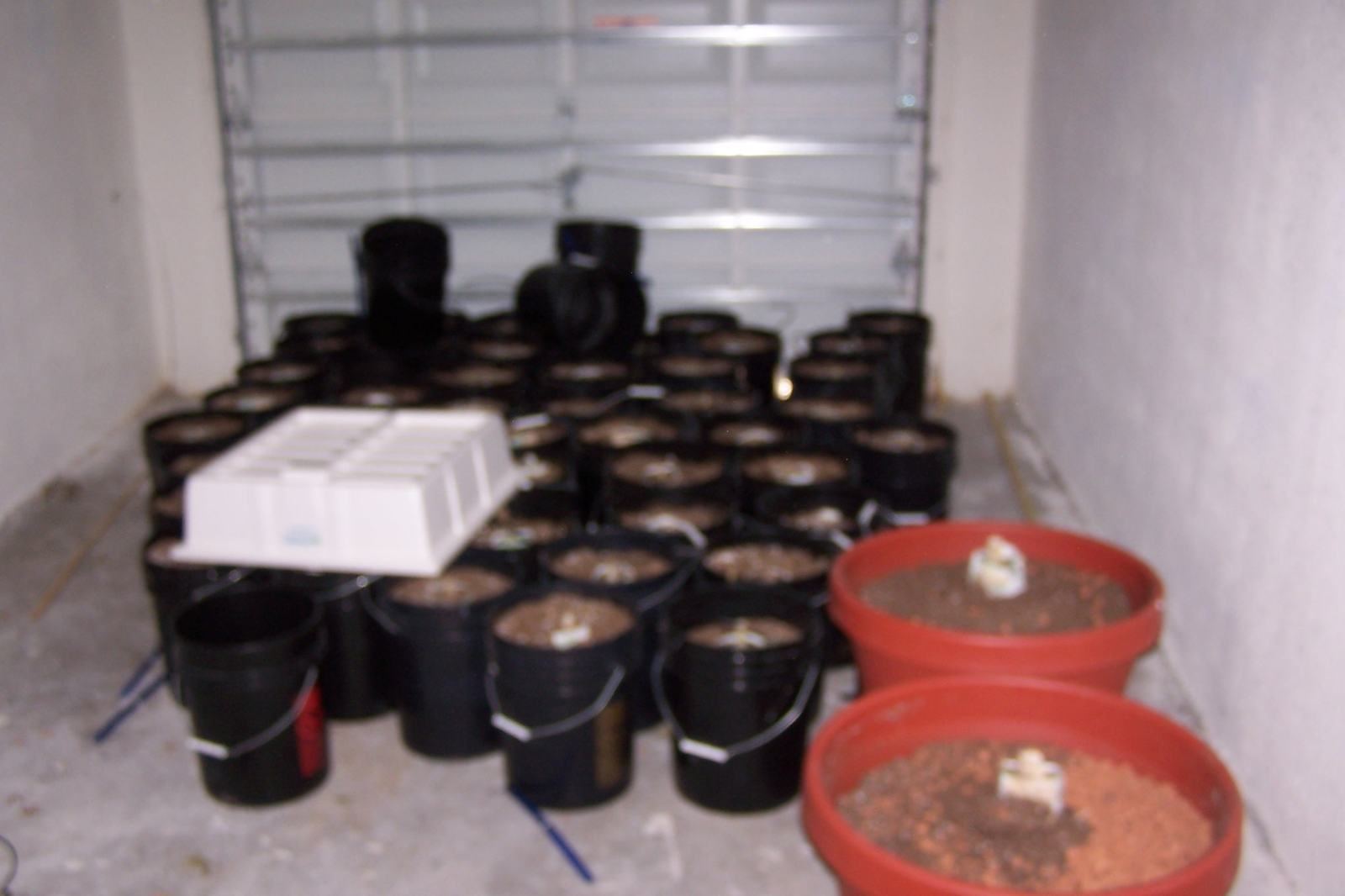
A landlord discovering that a tenant turned a unit into an unauthorized indoor growing operation is dealing with a different kind of loss than ordinary wear or a single accidental break. The damage pattern is distinct, and so is how an insurance company tends to respond to it.
A different damage pattern than most tenant losses
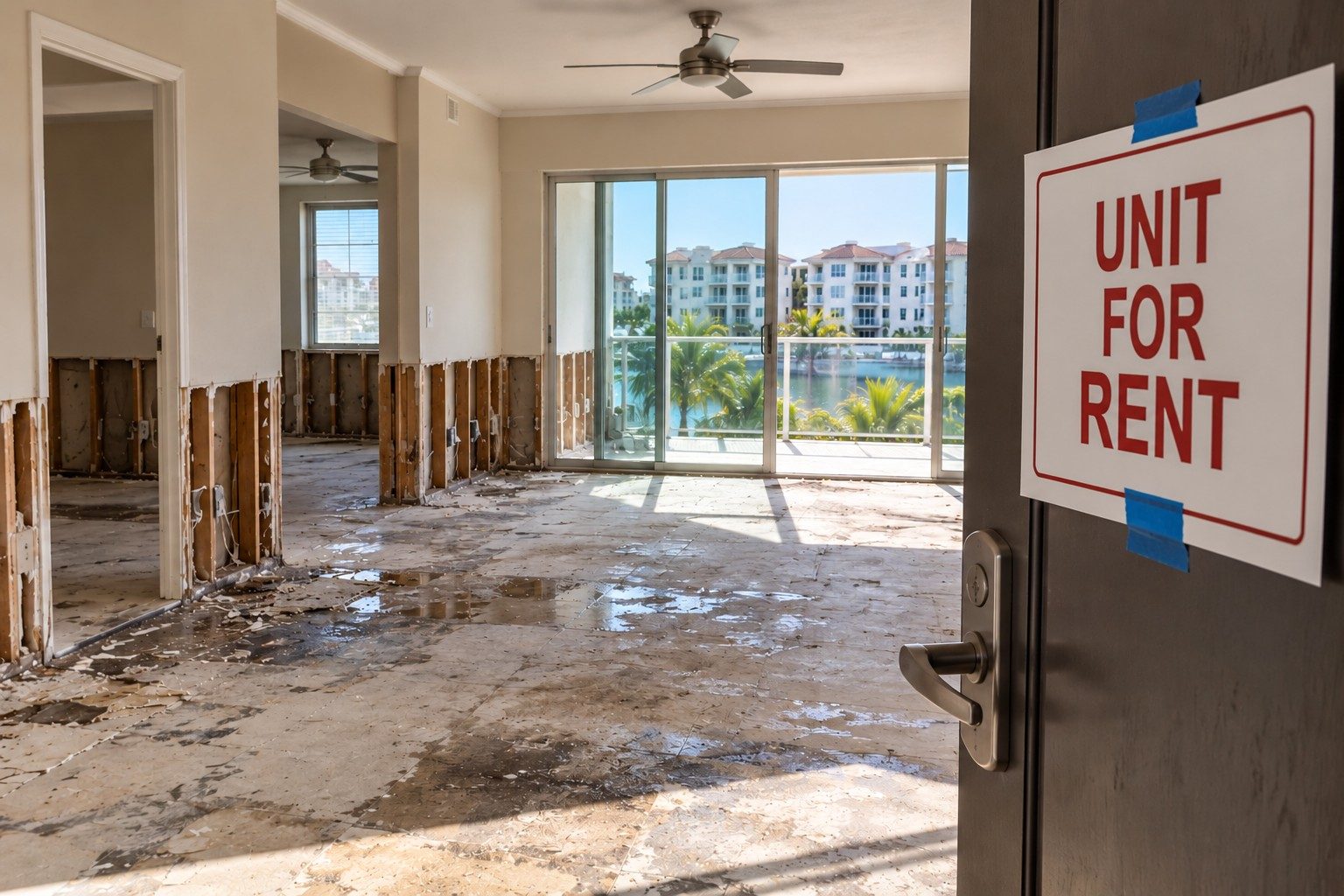
Large-scale indoor cultivation setups are built around humidity, heat and lighting, and the structural damage usually follows from that: excess moisture that rots framing, warps flooring and grows mold behind walls long before anyone notices; electrical wiring bypassed or added to run high-intensity lighting, which is both a code violation and a fire risk; modified plumbing to support irrigation; and holes cut into walls or ceilings for ventilation and ductwork. Odor remediation alone can be a significant line item on its own.
Where carriers push back
An insurer may point to an exclusion for illegal activity or intentional acts and try to deny the claim outright. That kind of exclusion is generally written around the acts of the insured — the landlord — not an undisclosed tenant’s conduct the landlord didn’t know about and didn’t authorize. Whether and how it applies depends on the specific policy language and the facts of how the operation was discovered, which is exactly the kind of question worth getting right before anything is said to the carrier.
What helps document a claim like this
Full photo and video documentation of every affected area before remediation begins, a clear record of when and how the operation was discovered, the lease terms the tenant violated, and separate estimates for the structural, electrical, mold and odor-remediation components of the repair rather than one bundled number. If law enforcement was involved, that report is worth keeping with the rest of the file.
Call Homeland before you speak with the insurance company about damage like this. These claims are more easily mischaracterized than most, and how the facts are presented at the outset tends to determine how the rest of the claim goes.
Homeland reviews these claims for landlords in Lehigh Acres, Orlando and Paterson.
Frequently asked questions
Is damage from a tenant’s unauthorized grow operation covered?
What damage does an indoor grow operation usually cause?
How should a landlord document a grow operation claim?
This article is for general information only and is not legal or insurance advice. Every policy and every claim is different — always review your own policy language or speak with a licensed public adjuster about your specific situation.
- Surprising Things Your Policy Covers
- Neighbor's Condo Fire: Who Pays?
- Damaged Tile or Laminate: A Claim?
- Barn, Stable & Outbuilding Coverage
- Wind and Tornado Risk on the Farm
- Crop Insurance vs. Property Insurance
 Yeni Martinez
 Alberto Enriquez
 Yisel Dieguez
Homeland Public Adjusters represents policyholders, not insurers. Get a free review of your claim.
Get a Free Claim ReviewThis topic often comes up alongside Landlords: Documenting Damage and Lost Rent After a Loss. If your situation involves this kind of loss, see our Landlords & Rental Properties page for how Homeland can help with the claim itself.