No Insurance of Your Own? Third Party Damage Claims
A dead tree from next door, a contractor’s flood, a fire that spread from a neighbor. You have no property insurance, but the person who caused it has liability insurance. That claim is this page.
Home » Clients » Third Party Uninsured Damage Claims
Your neighbor ignored a dead tree and it came through your roof. A contractor’s crew flooded your unit. A fire next door spread to your wall. You have no property insurance of your own, but the person who caused the damage has liability insurance, and that insurer may owe you for your loss. Homeland Public Adjusters handles these third party property damage claims for uninsured property owners in Florida. If a car hit your house and you do have a policy, start with our Vehicle Impact page; if you have no policy, you are in the right place.
When a driver, a neighbor, a contractor or a business damages your property and the at-fault party has liability insurance, you can make a claim against that insurance, whether or not you have a policy of your own. Homeland Public Adjusters documents the damage, identifies the at-fault party’s insurer, and presents your property damage claim. This service is available in Florida.
When someone else's vehicle or contractor damages your property and you have no coverage, the claim goes against their policy: a different process with the same documentation standard.
Not Available in New Jersey
Third party claims against another party’s insurance are a Florida service. In New Jersey, Homeland handles claims under your own property insurance: hurricane and storm, flood, fire, water, theft, business, association, renters, and denied or underpaid claims. If you are in New Jersey and not sure which applies, call us.
A first-party claim is a claim under your own insurance. A third-party claim is a claim against someone else’s liability insurance for damage that person caused. If a neighbor’s dead tree falls on your roof, a contractor floods your unit, or a driver crashes into your home, the at-fault party’s liability insurer may owe you for the damage to your property. Fault matters: a healthy tree that fell in a storm is nobody’s fault, and Florida courts have held a landowner is not liable for damage from healthy, natural vegetation; a dead tree the owner was warned about is a different case.
This is a good fit if you have no property insurance, if your policy does not cover the loss, or if you would rather claim against the at-fault party than use your own policy and pay a deductible. Homeland represents you in the property damage claim and works for you, not for any insurance company.
What This Claim Depends On
The at-fault party must be insured. A third-party claim is paid by the at-fault party’s liability insurance, so it only works if there is coverage to claim against. Limits matter. The most an insurer pays is set by that party’s policy limits, and you often do not know those at the start, so we work to confirm the insurer and the coverage early. It is a negotiation with the other side’s insurer, not a claim under your own policy, and the outcome depends on the facts, the evidence and the coverage. We cannot promise a result. Homeland handles property damage only, and does not handle bodily injury, death or other injury claims.
Common Third Party Property Damage Situations
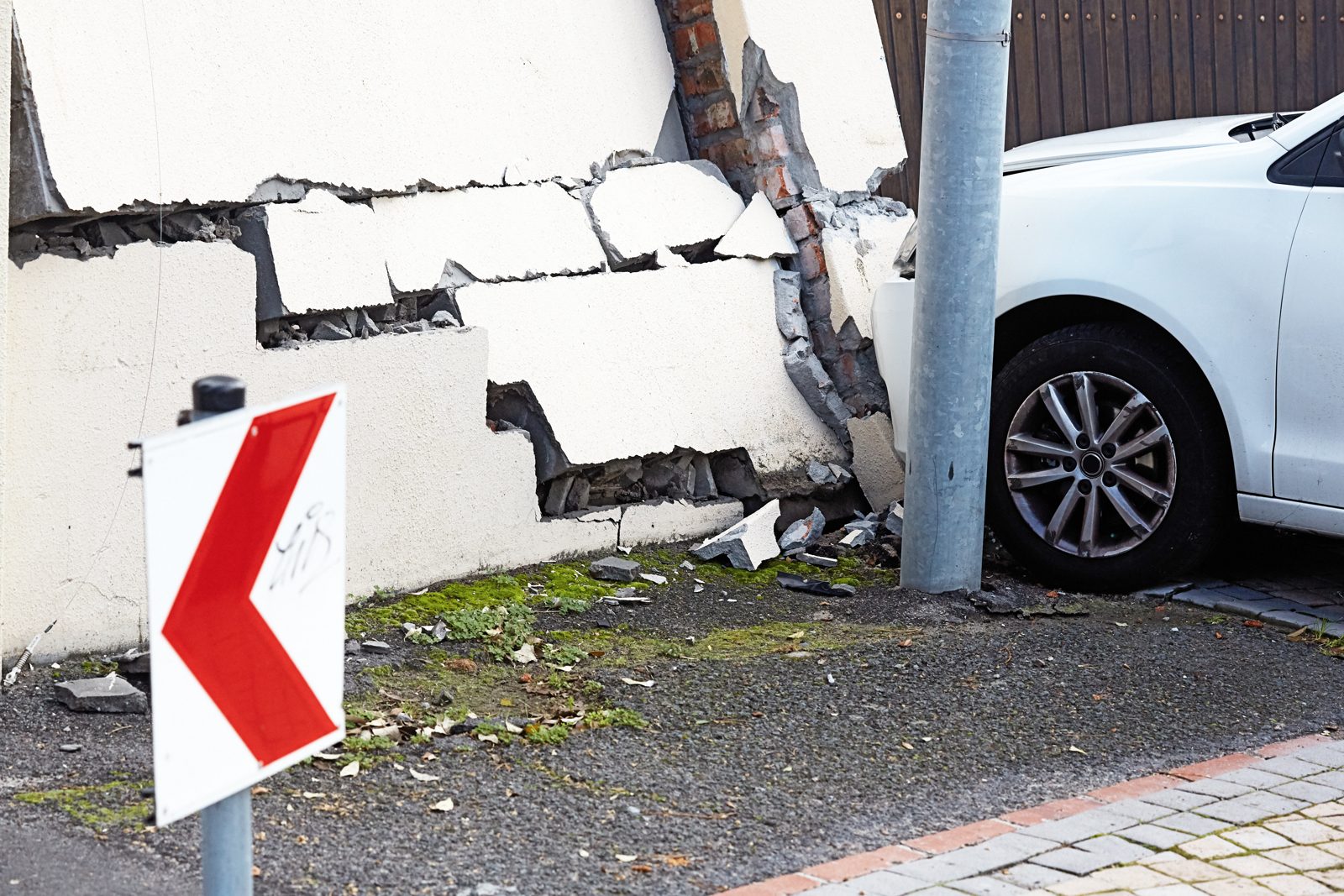
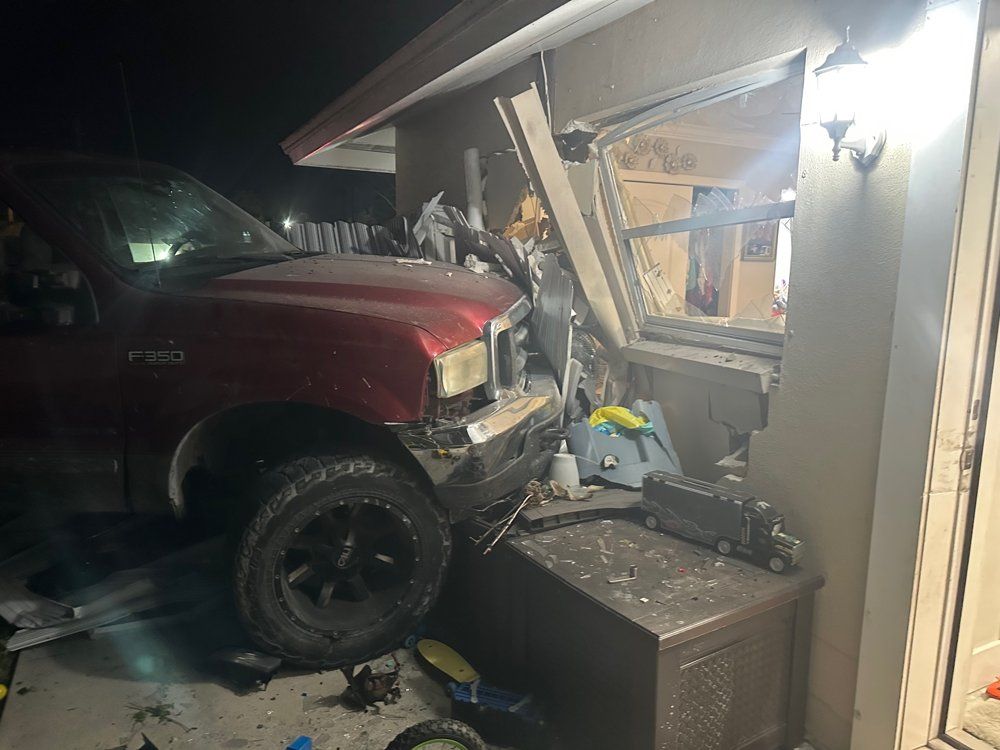
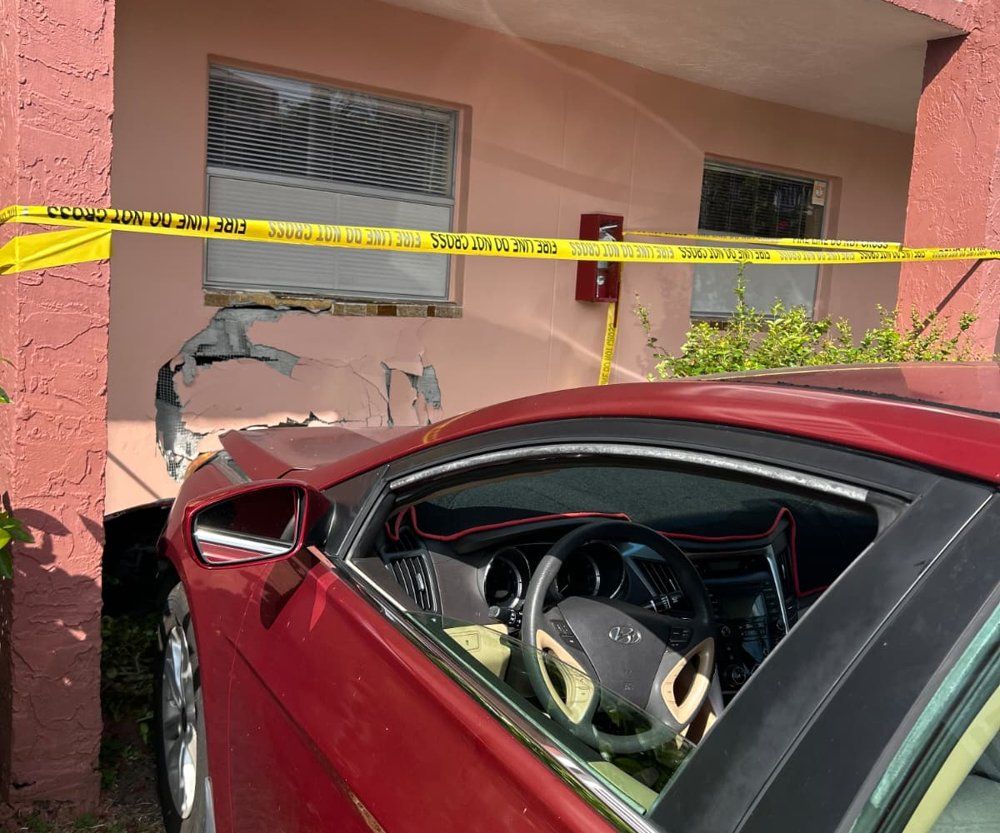
A vehicle hits your home, fence, gate, wall or garage, and you have no property policy (owners with a policy: see Vehicle Impact Claims).
A parked car or belongings damaged in a crash.
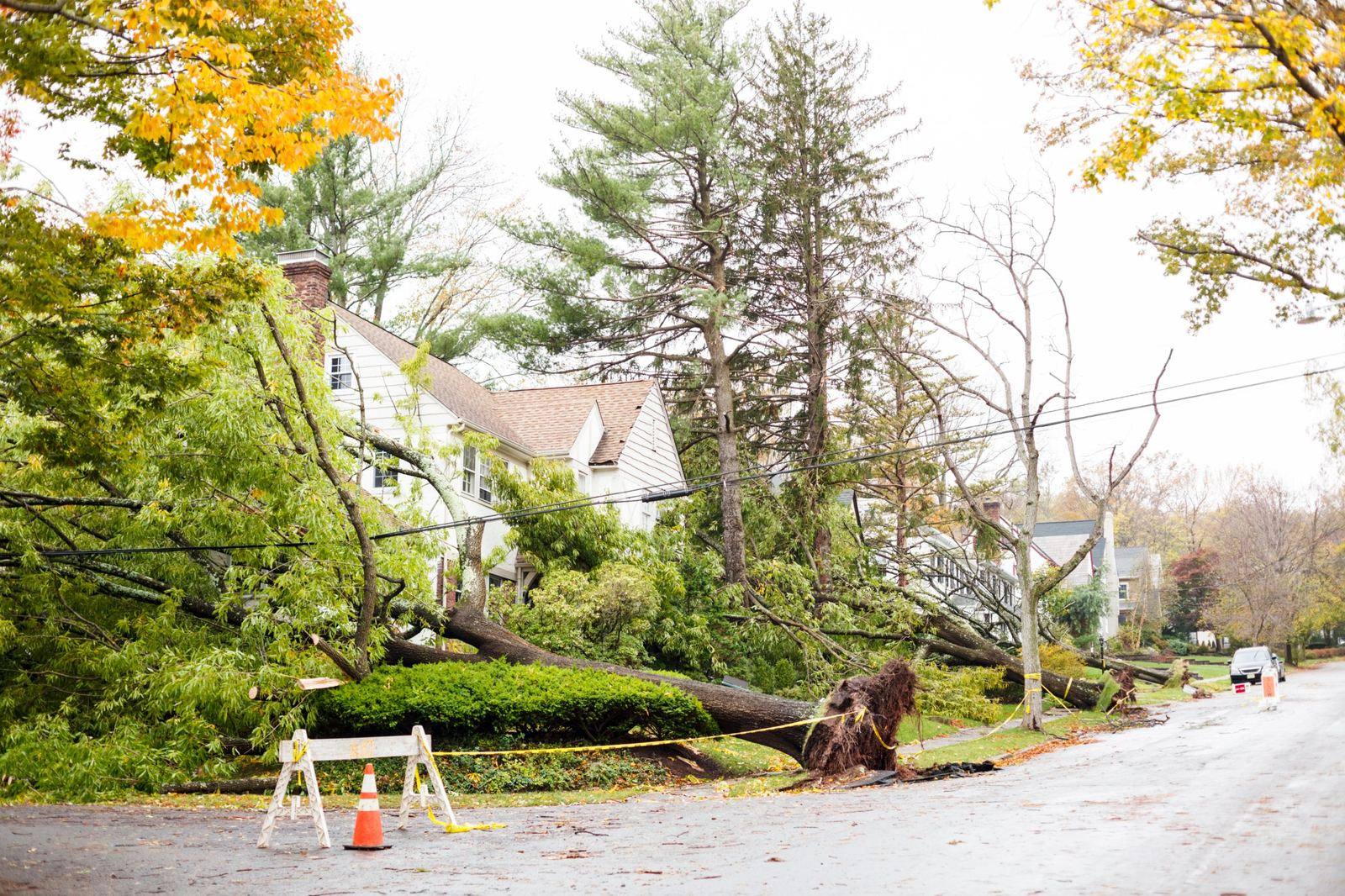
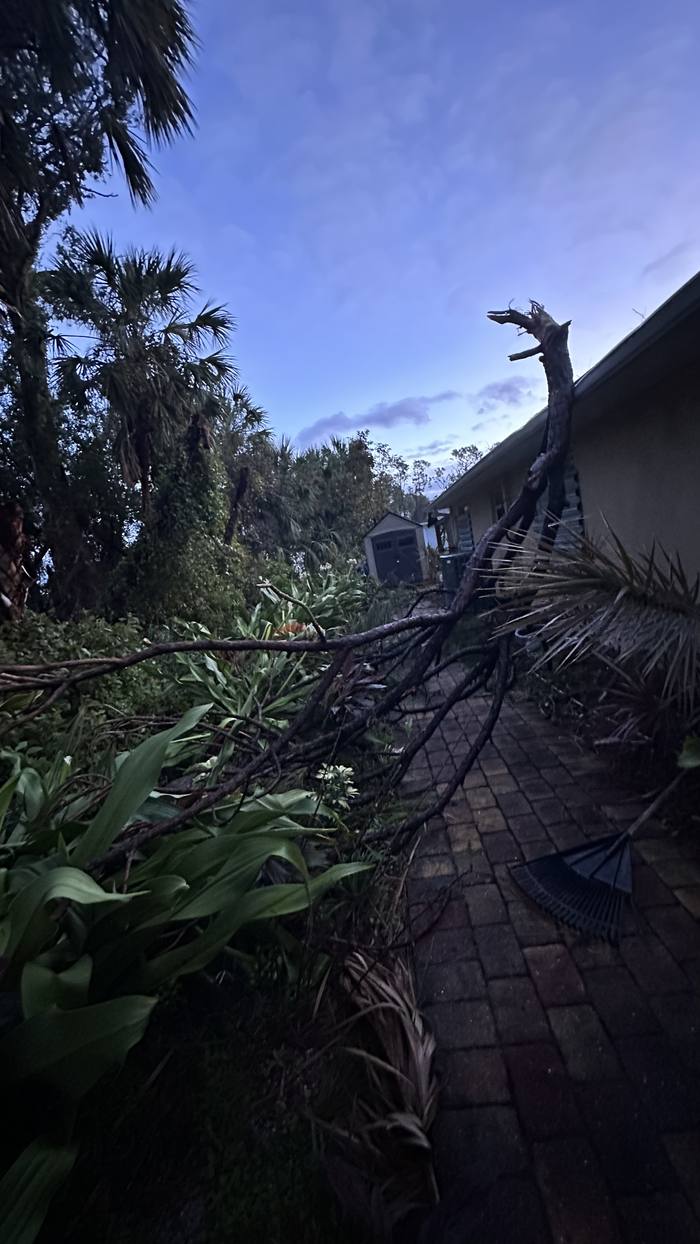
A neighbor’s tree falls on your property.
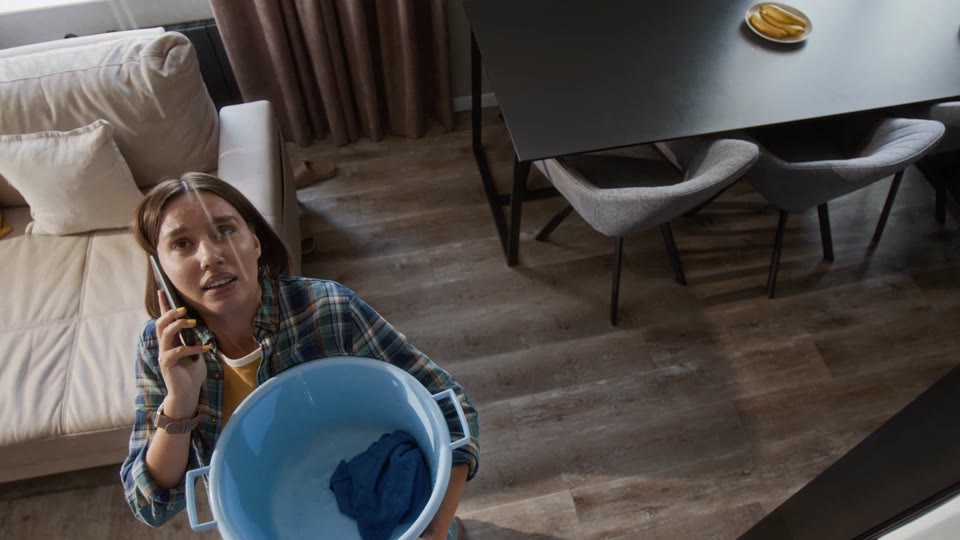
Water from a neighbor’s unit damages your unit and belongings.
A contractor’s work damages your property.
A neighbor’s fire spreads to your property.
A business or its vehicle damages your property.
A hit-and-run with an identified, insured driver.
What to Do After Someone Else Damages Your Property
1
Get to safety: Stay clear of unstable structures, downed lines and water. Call 911 for any emergency.
2
Call the police or fire department: Get a report and keep the report number.
3
Get the other party’s details: Name, address, phone, vehicle and plate, and their insurance company and policy number if you can.
4
Photograph everything: Take photos and video of the damage, the cause and the scene before anything is moved or repaired.
5
Protect your property: Make reasonable temporary repairs to prevent more damage and save every receipt.
6
Write down what happened: Date, time, who was there and what you saw, while it is fresh.
7
Be careful with statements: Do not sign anything or give a recorded statement to the other party’s insurer before you have spoken with us.
8
Get estimates: Collect repair estimates, invoices and records of what you spent.
9
Request their insurance information: You can ask the other party’s insurer in writing to disclose its coverage, as explained below.
10
Call Homeland: We review the facts, the damage and what is known about the other party’s insurance with you, and explain your options.
How Homeland Handles a Third Party Claim
Confirm the insurance first: We identify the at-fault party and their insurer before opening a claim.
Document the damage: We inspect and photograph the loss and organize reports, records and invoices.
Estimate the repair cost: We prepare a detailed estimate for the property damage.
Present the claim: We submit the claim and supporting documents to the at-fault party’s insurer.
Negotiate the property damage: We communicate with the insurer and its adjusters for you.
Property damage only: We do not handle bodily injury, death or noneconomic damages, and we do not give legal advice.
Policyholder-only representation: We work for the property owner.
No Recovery, No Fee.
ADJUSTER ADVANTAGE™ · FREE MEMBERSHIP
Proof of What You Had Before the Damage Makes Every Claim Stronger.
In a third party claim you have to prove what the property was like before someone else damaged it. A free Adjuster Advantage membership helps you keep that dated record in one place.
Safety Vault™
Dated photos and documents of your property in one place.
Policy Scan™
A licensed Homeland adjuster explains your policy in plain words.
Damage Guide™
Safety first, how to document, and how insurance works.
Lifeline Card™
Shutoffs and emergency contacts, available offline.
Renewal Radar™
See what changed from one policy year to the next.
90DAY XPlus™
Reminders before the dates you enter, such as your policy renewal.
Boards and managers can join too. AA Associations gives them the master policy explained in plain words, a dated building record, reminders and Building Storm Check-in. For Florida associations today.
Set Up Your Association →
Joining Adjuster Advantage is free and does not create a contract or agreement with Homeland Public Adjusters for any claim. Hiring Homeland is optional and requires a separate written agreement.
Deadlines and Rules to Know
Florida. A lawsuit founded on negligence must be filed within 2 years, so do not wait to start a claim against an at-fault party. You can ask the at-fault party’s liability insurer, in writing, to disclose its name, the insured, the coverage limits and any coverage defense, and the insurer must respond within 30 days with a sworn statement and a copy of the policy. Florida requires at least $10,000 of property damage liability coverage for a vehicle crash, and the damage to your property can be more than that.
New Jersey. Third party claims are not available. For claims under your own insurance, see our hurricane, flood, fire, water, theft, business, association and renters pages.
Uninsured & Third Party Claims by the Numbers
Uninsured property owners by the numbers
15–20%Share of Florida homeowners estimated to have no property insurance; nearly 30% of Florida homes are owned outright (WUSF, Jan 2025)
$10,000Minimum property-damage liability coverage Florida requires on an auto policy (§324.022); a car into a home usually costs more
$29,880Average liability claim paid on a homeowners policy, 2019–2023 (III): the coverage a neighbor’s or contractor’s policy carries for damage they cause
2 yearsFlorida statute of limitations for a negligence claim for property damage (§95.11(5)(a))
Without your own coverage, the claim is made against the insurance of the person or company that caused the damage. These are the policies that respond:
Who caused it
Policy that responds
What to expect
A driver who hit your home or fence
The driver’s auto property-damage liability; Florida minimum $10,000 (§324.022), New Jersey standard policy minimums are higher
Insurer owes a sworn statement of coverage limits within 30 days of a written request (§627.4137); if the limit is below the loss, the driver is personally liable for the rest
A neighbor’s tree, fire or water
The neighbor’s homeowners liability coverage, but only if they were negligent (a known dead tree, a fire they caused, a leak they ignored)
Carriers deny “act of God” losses; the evidence of notice and neglect is the claim
A contractor or tradesperson
The contractor’s commercial general liability policy
Confirm the certificate of insurance before work starts; after a loss, the carrier will look for a completed-operations exclusion
A tenant
The tenant’s renters liability (if they have it) and the security deposit
Most tenant damage is uninsured; a documented demand and small-claims or civil action is the path
A business next door
The business’s commercial liability policy
Same negligence standard; a public adjuster documents the damage and the cost to repair, which is what the liability adjuster will contest
Deadlines
Florida: 2 years for negligence (§95.11(5)(a)); New Jersey: generally 6 years for injury to property (N.J.S.A. 2A:14-1)
Liability carriers have no duty to you to adjust quickly; the limitations period is the only clock
Policyholder-only representation: We work for property owners, never for the insurance company.
A rare service: Few public adjusters will handle a third party property claim.
Clear about the limits: We tell you up front what depends on the at-fault party’s coverage.
Documentation and estimating: We build the damage record and the repair estimate.
Your own claims too: We also handle claims under your own policy, if you have one.
Florida claims: This service is available in Florida.
Serving property owners since 2007.
No Recovery, No Fee.
In the News: A Real Third Party Uninsured Damage Claims Claim
In the News. According to FOX 13 News, a hit-and-run crash in Tampa in September 2018 set a building ablaze and caused an estimated $800,000 in damage — and the driver responsible was never identified, leaving the property owner with no at-fault driver or insurer to pursue for the loss. This is the exact scenario that makes third-party uninsured (or unidentified) damage claims so difficult in Florida: when a vehicle, falling tree, or neighboring construction project damages your property and the responsible party has no insurance, has vanished, or simply refuses to pay, your own property insurer still owes you a claim under your policy — but proving the loss and getting full value can be an uphill fight. If an uninsured or unidentified third party has damaged your Florida property and your insurer is lowballing the claim, Homeland Public Adjusters can help you document the damage and pursue the recovery you're owed.
Yes, if the at-fault party has liability insurance. A third party claim goes against that party’s insurer, so you do not need a policy of your own. We start by confirming their insurance.
Who pays for the damage?
The at-fault party’s liability insurer, up to the limits of that party’s coverage, if the claim is accepted. Your own insurance is not involved.
I have insurance. Do I have to use it?
No. You can claim under your own policy or against the at-fault party’s insurer, and Homeland can help with either. If you have a policy, we can review which route fits.
How do I find out the at-fault party’s coverage?
Start with the police report and the information exchanged at the scene. You can also ask the insurer in writing to disclose its coverage, and under Florida law it must respond within 30 days. We help with this.
What if the damage is more than their limits?
The insurer generally pays up to the limits of the at-fault party’s policy. Limits are one reason we confirm the coverage early and tell you what to expect.
Do you handle injury claims?
No. Homeland handles property damage only, and does not handle bodily injury, death or noneconomic damages claims, and we do not give legal advice.
How long do I have to make a claim?
A lawsuit founded on negligence must be filed within 2 years in Florida, so start as soon as you can. Insurers can also ask for documents and inspections, so prompt action helps.
What do I need to get started?
The at-fault party’s name and insurance company, if you have them, the police or fire report, photos and video of the damage, estimates or invoices, and a short description of what happened. If you are missing some, call us anyway.
▶ Who damaged your property ▶ Their insurance company, if known ▶ The police or fire report number ▶ Photos and video of the damage ▶ Repair estimates and invoices ▶ Date and place of the loss ▶ A short description of what happened
If the at-fault party has insurance, you may be able to make a claim against it. Call us 24/7 and we will review what happened and explain your options.
 By Nelson Avila