Examination Under Oath or a “Misrepresentation” Denial: What to Know

Homeland Public Adjusters · Last reviewed: October 2026
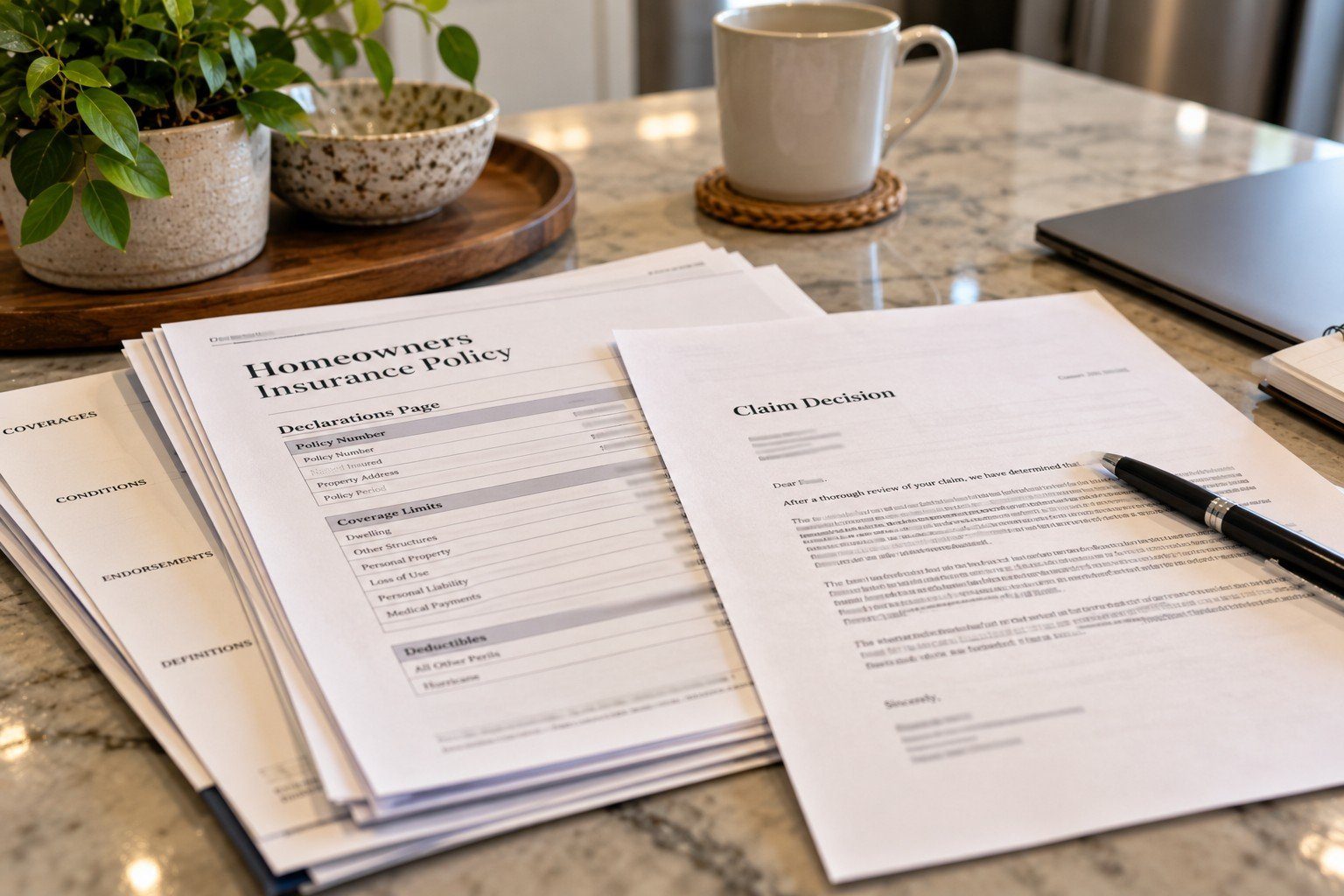
Short answer: An examination under oath (EUO) is formal, sworn questioning that most property policies let the insurer require after a loss. It is a policy condition, not a statute. A misrepresentation denial is different: the insurer says a statement in your application or claim was false. Both are serious, and both are manageable with preparation.
Where the EUO requirement comes from
In the standard ISO homeowners form (HO 00 03 05 11), the Duties After Loss condition requires the insured to “submit to examination under oath, while not in the presence of another ‘insured’, and sign the same.” We found no Florida statute governing EUOs in residential property claims; the policy wording controls. The standard form does not mention recorded statements, which some insurers also ask for. See the examination under oath glossary entry.
Misrepresentation: Florida’s statute
For statements made in an application or in negotiating the policy, Fla. Stat. §627.409 says a misrepresentation, omission or incorrect statement may prevent recovery only if it was fraudulent or material to the risk, or if the insurer in good faith would not have issued the policy, at the same premium, in as large an amount, or with coverage for the hazard that caused the loss. Statements made during a claim fall instead under the policy’s concealment or fraud condition.
For perspective, OIR’s Hurricane Milton claims data lists 187 claims across all lines closed without payment for fraud, out of more than 385,000 claims.
How to prepare for an EUO
- Read the request letter for the date, location and the documents requested, and ask in writing for more time if you need it
- Gather the documents requested: policy, photos, receipts, repair invoices, inventories and correspondence
- Answer what you know; if you don’t know or don’t remember, say so instead of guessing
- Ask for a copy of the transcript to review before signing it
- Consider bringing an attorney, since an EUO is a legal proceeding about your claim
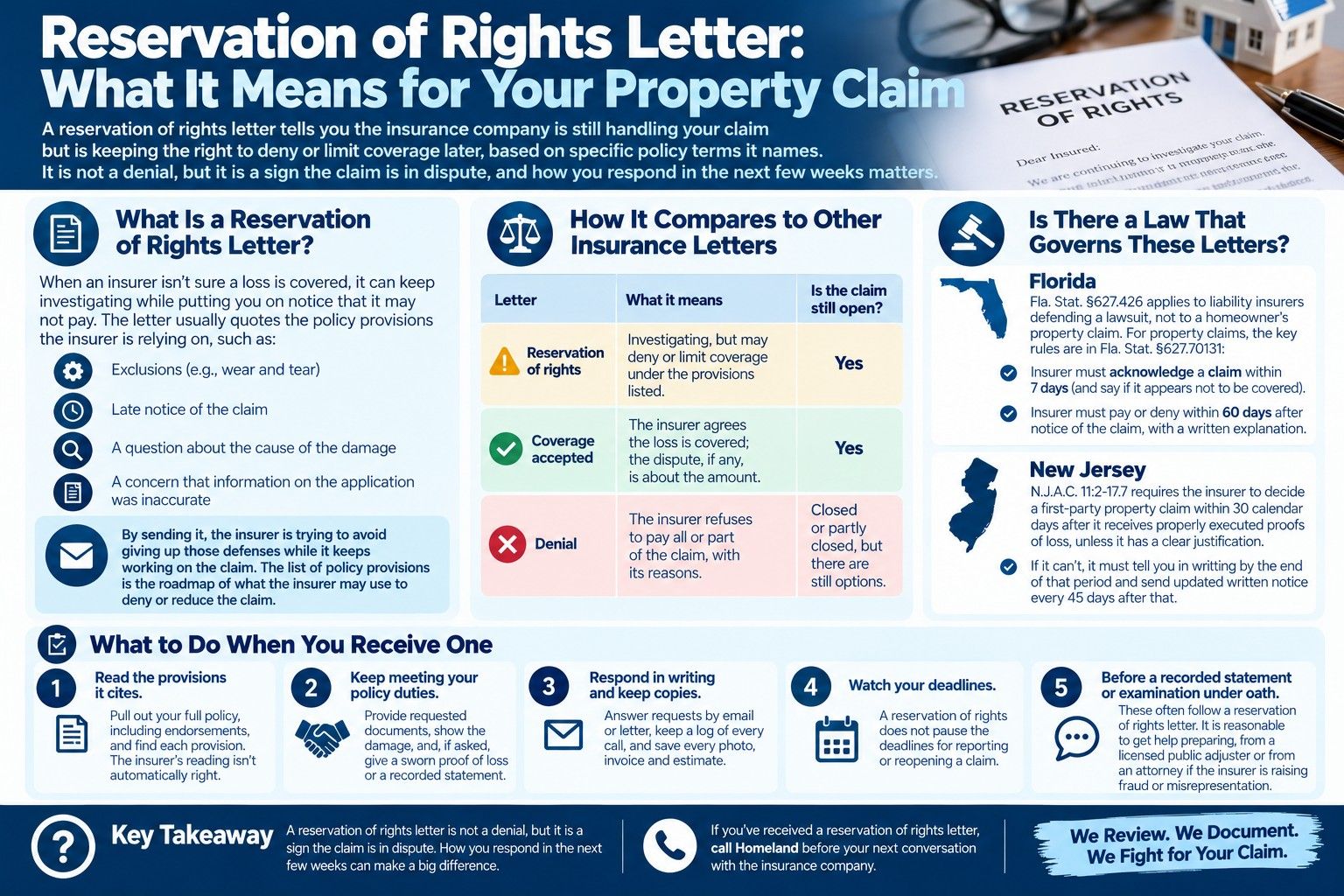
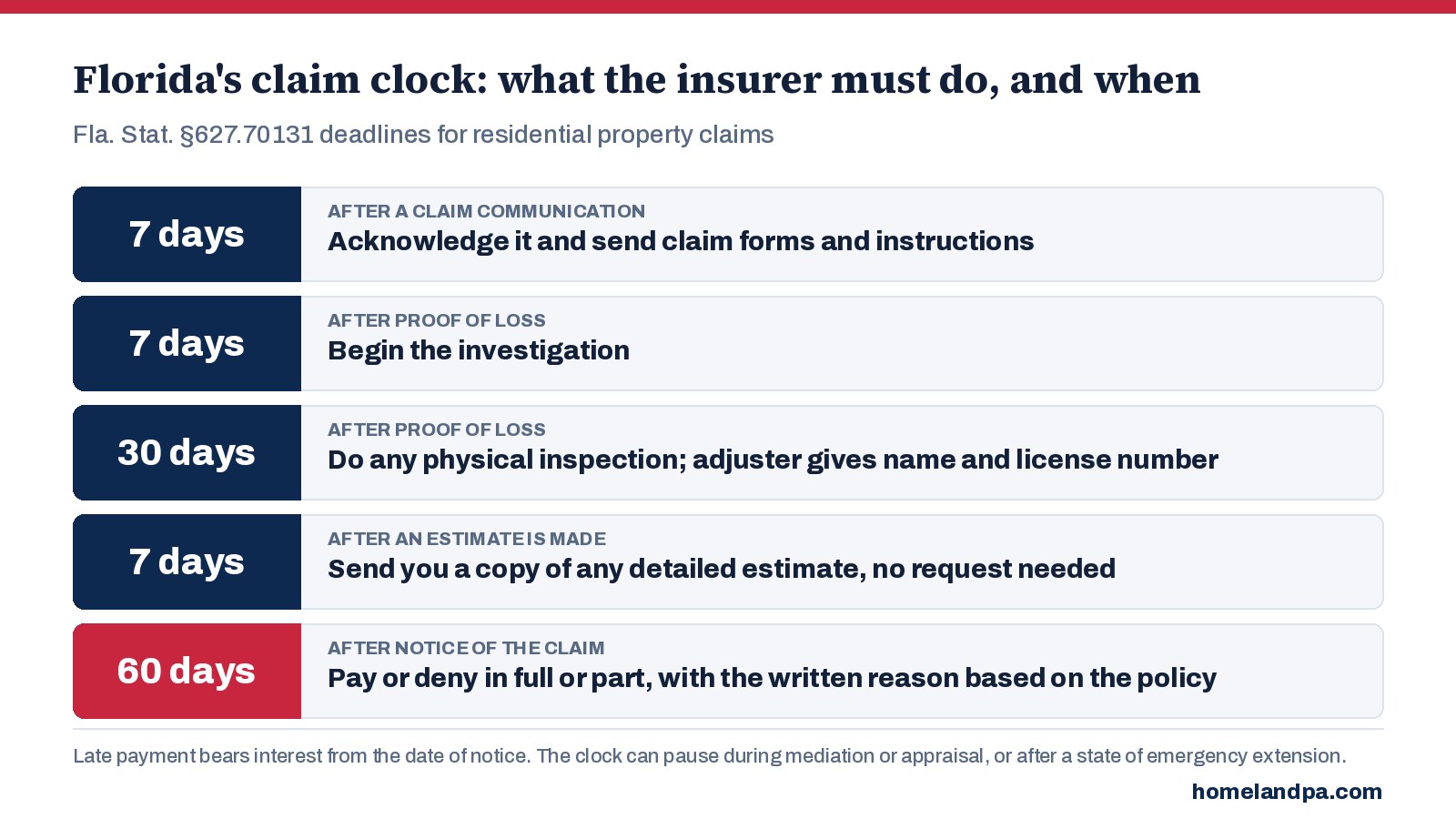
In Florida, the 60-day pay-or-deny clock can pause if requested material information isn’t provided within 10 days of a timely request (§627.70131(8)(b)), so respond to document requests promptly and in writing.
Frequently asked questions
Do I have to attend an examination under oath?
Is an EUO the same as a recorded statement?
When does a misrepresentation void coverage in Florida?
Can a public adjuster attend the EUO?
Call Homeland first. Before you answer the insurer, sign anything or accept a final number, call us 24/7 at (305) 783-3777 in Florida or (732) 517-3777 in New Jersey. We read the letter against your policy, document the loss and present the claim for you. Hablamos español.
This article is for general information only and is not legal or insurance advice. Statutes, regulations and policy wording change, and how they apply depends on your own policy and the facts of your claim. Homeland Public Adjusters is a public adjusting firm, not a law firm.
- Surprising Things Your Policy Covers
- Neighbor's Condo Fire: Who Pays?
- Damaged Tile or Laminate: A Claim?
- Barn, Stable & Outbuilding Coverage
- Wind and Tornado Risk on the Farm
- Crop Insurance vs. Property Insurance
 Yeni Martinez
 Alberto Enriquez
 Yisel Dieguez
Homeland Public Adjusters represents policyholders, not insurers. Get a free review of your claim.
Get a Free Claim ReviewIf you already have an open claim, see What to Do in the First 24 Hours After Property Damage, or visit our Denied and Underpaid Claims page.