When a Neighbor's Unit Catches Fire: Whose Policy Responds?

Homeland Public Adjusters · Last reviewed: October 2026
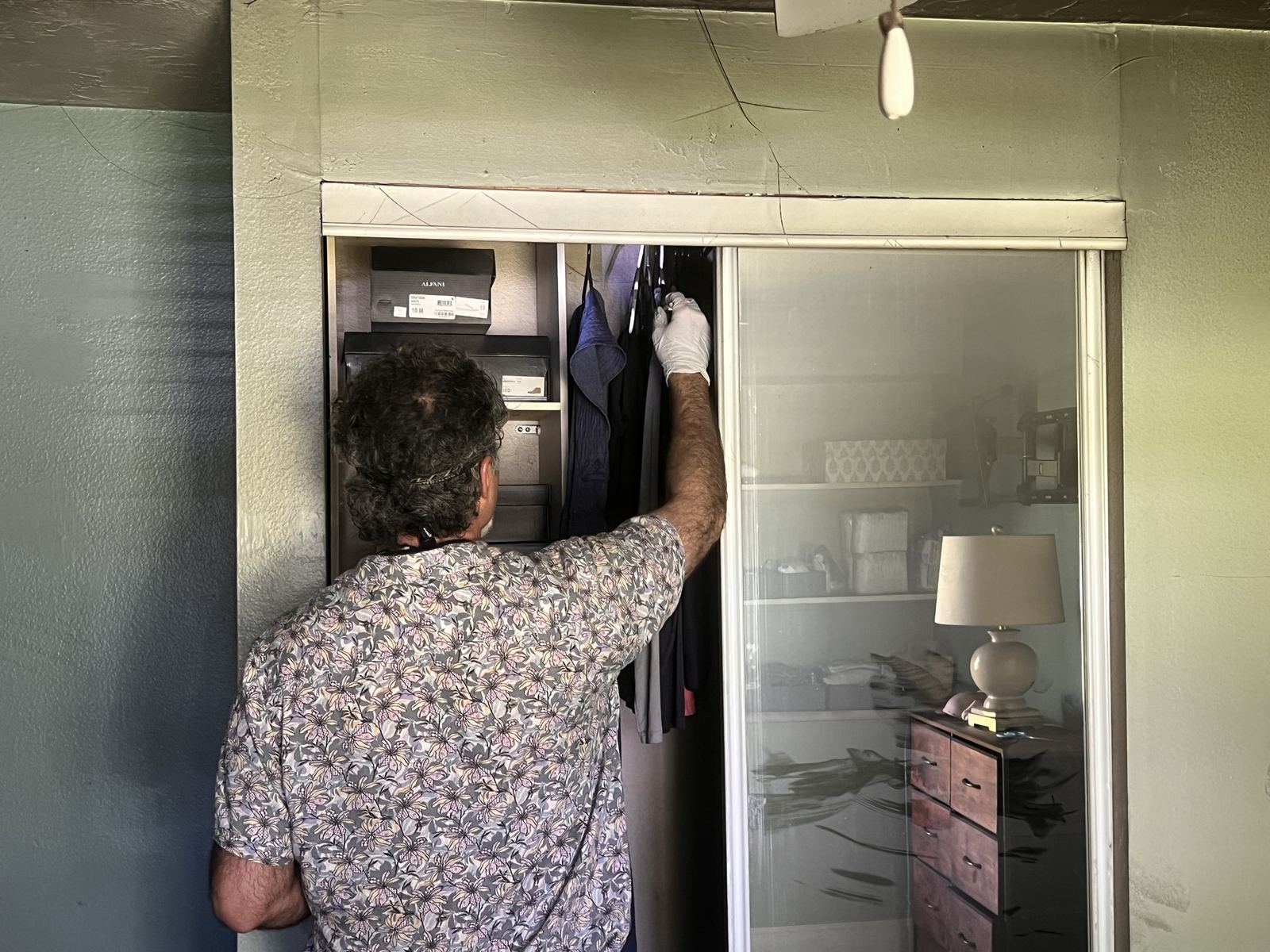
A fire that starts two doors down can leave your own unit with smoke-stained walls, soot-covered contents and water damage from the sprinklers or hoses used to put it out — without a single flame ever reaching your door. For condo and HOA unit owners in Florida and New Jersey, figuring out whose insurance actually responds is often more confusing than the damage itself.
Have a property claim anywhere in Florida? A licensed Homeland public adjuster comes to you within hours — no need to visit an office. Call (305) 783-3777 (Florida) or (732) 517-3777 (New Jersey), 24/7.
Three policies, three jobs
Short answer: When a fire in a neighbor’s unit damages yours with smoke, soot or water, up to three policies can respond: the association’s master policy, your own HO-6, and the neighbor’s liability coverage if negligence caused the fire. Smoke damage is often the hardest part to settle, so inventory damaged belongings before cleanup begins.
In most associations, up to three different policies can be involved. The association’s master policy typically covers the building structure and common areas, and in many associations the original fixtures inside each unit as well, depending on whether the governing documents use a “bare walls,” “single entity” or “all-in” coverage structure. Your own HO-6 condo policy covers the parts of your unit the master policy doesn’t, plus your personal belongings and loss-of-use costs if you can’t stay there. If the fire is found to have started through a neighbor’s negligence, their policy’s liability coverage may also come into play.
Why smoke and soot claims get disputed
Smoke damage is often harder to settle than fire damage itself. Soot can work its way into HVAC systems, cabinetry and fabrics in ways that aren’t visible on the surface, and insurers sometimes push back on cleaning versus full replacement of affected contents and finishes. A thorough inventory of damaged belongings, done before cleanup begins, is one of the most valuable things a unit owner can do for their own claim.
Where it gets contested
Disputes usually center on which policy pays for what: does the master policy’s coverage extend to your flooring and cabinets, or does that fall to your own policy? Should the association’s insurer be reimbursing your insurer under subrogation? These questions depend on the specific governing documents and policy language, which is exactly the kind of detail a public adjuster reviews before a claim gets paid short.
Multi-unit fire and smoke claims are common in dense condo markets such as Miami Beach, Aventura and Hoboken, where Homeland works with unit owners and associations alike.
Frequently asked questions
Whose insurance pays when a neighbor’s condo fire damages my unit?
Should I file with my own insurer if a neighbor caused the fire?
Why are smoke damage claims often disputed?
This article is for general information only and is not legal or insurance advice. Every policy and every claim is different — call Homeland. We review your policy language with you at no cost.
- Surprising Things Your Policy Covers
- Damaged Tile or Laminate: A Claim?
- Barn, Stable & Outbuilding Coverage
- Wind and Tornado Risk on the Farm
- Crop Insurance vs. Property Insurance
- Plane or Odd Impact Hit Your House? Your Policy Covers It
 Yeni Martinez
 Alberto Enriquez
 Yisel Dieguez
Homeland Public Adjusters represents policyholders, not insurers. Get a free review of your claim.
Get a Free Claim ReviewThis topic often comes up alongside Buckled Tile, Warped Laminate: When Flooring Damage Is a Claim. If your situation involves this kind of loss, see our Condo & HOA Associations page for how Homeland can help with the claim itself.