Dryer Fire Insurance Claims: Lint, Vents and Who Pays

Homeland Public Adjusters · Last reviewed: October 2026
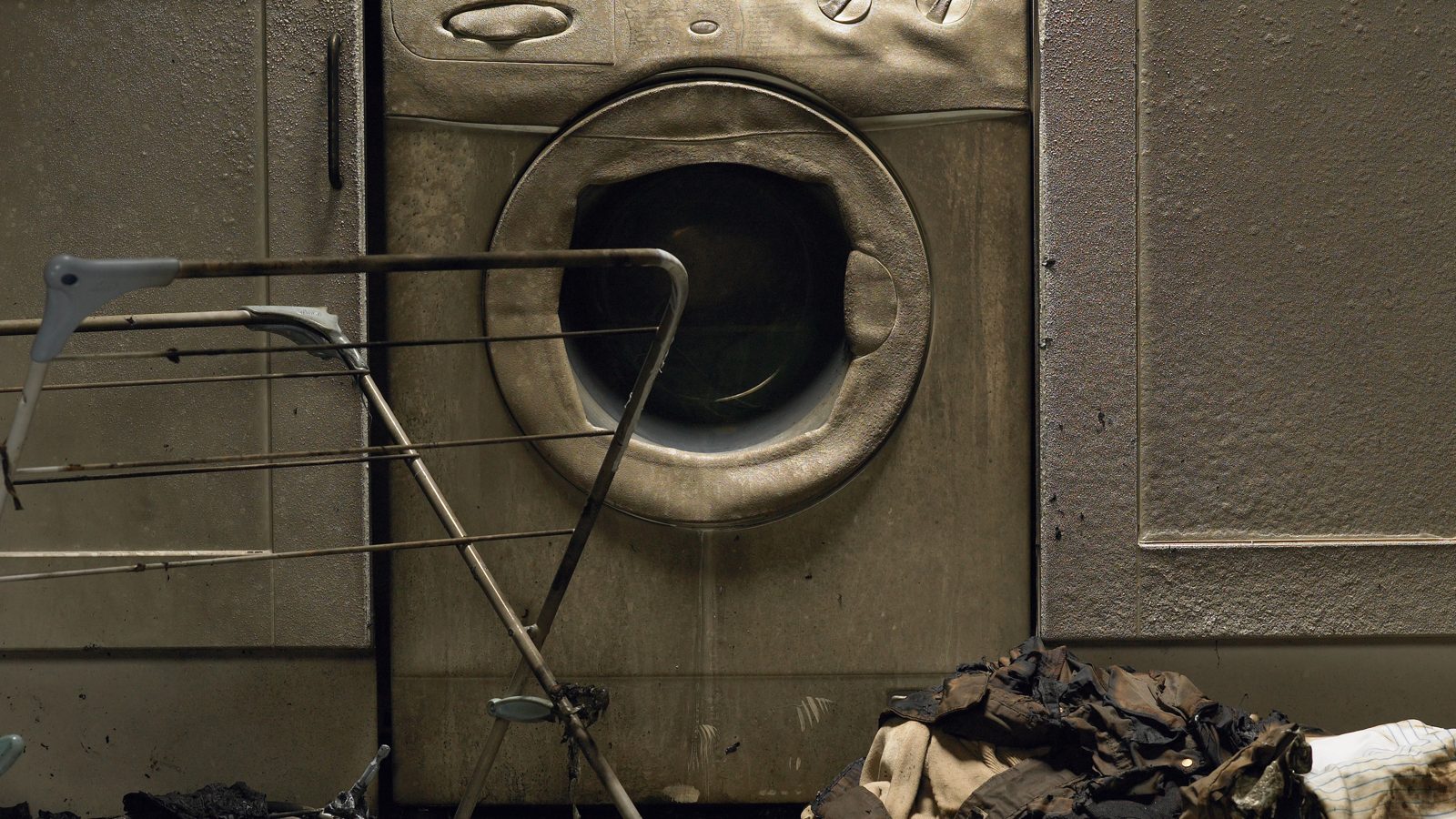
Short answer: A dryer fire is covered as fire under every standard property policy, and “you should have cleaned the lint” is not an exclusion. The USFA estimates about 2,900 clothes dryer fires in residential buildings a year, with failure to clean the leading factor in 34% of them and a January peak. The parts of the claim that get left out are the attic and wall cavities the vent runs through, the smoke in the rest of the house, and the code upgrade to the vent itself.
How a dryer fire starts
Lint collects in the lint trap, in the housing behind it, and in the exhaust duct between the dryer and the outside wall. A long, kinked or foil duct, or one that ends in the attic instead of outdoors, restricts airflow; the dryer runs hotter, and the lint ignites. The USFA’s topical report on clothes dryer fires found failure to clean was the leading factor contributing to ignition at 34%, with fires peaking in January at 11% of the annual total. Those fires cause an estimated 5 deaths, 100 injuries and $35 million in property loss a year. A dryer can also fail on its own: a heating element, a thermostat, a motor, a wiring harness. The difference matters to the carrier’s subrogation, not to your coverage.
Lint is not an exclusion
Carriers sometimes write to a policyholder after a dryer fire about “failure to maintain.” Standard policies do contain an exclusion for faulty or inadequate maintenance, but it is written the same way as the one for faulty workmanship: the excluded loss is the maintenance problem, and a loss that ensues from it through a covered peril, fire, is covered. A dryer that burns because of lint is a fire claim with a lint problem in it. If the carrier cites the maintenance exclusion, ask for the full clause, including the ensuing-loss sentence.
The manufacturer question
When the dryer itself failed, the carrier will often arrange for an engineer to examine it and, if the examination points to a defect, pursue the manufacturer after paying you. Some models have been the subject of recalls. Two things follow for you. First, keep the dryer. Do not let a cleanup crew haul it away; a dryer in a landfill is evidence nobody can examine, and the carrier may later argue you failed to preserve it. Second, the subrogation is the carrier’s project; it does not delay your claim, and a successful recovery usually returns your deductible.
What a dryer fire claim should include
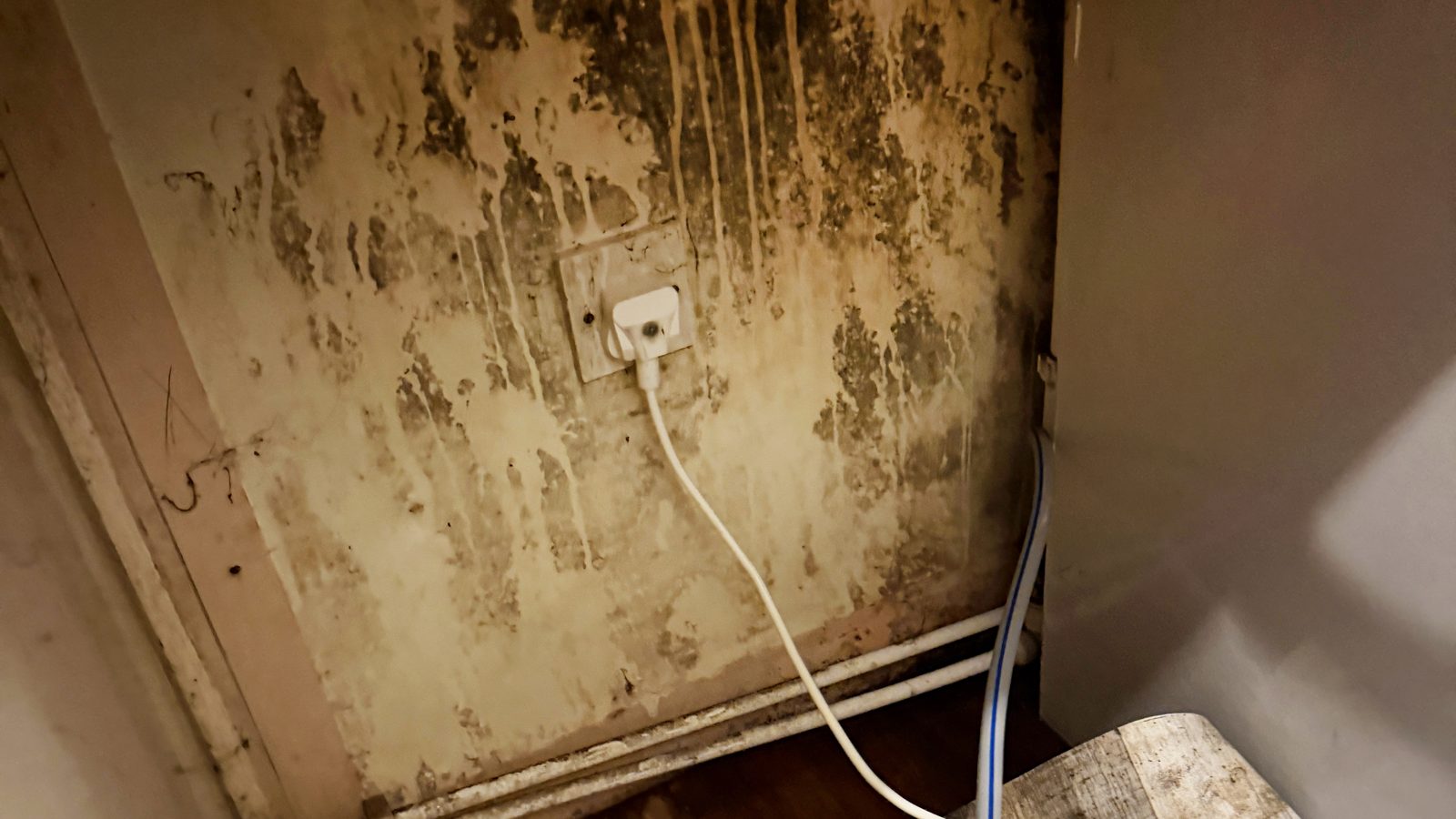
- The laundry room: walls, ceiling, flooring, cabinets, the washer beside the dryer and the plumbing behind it
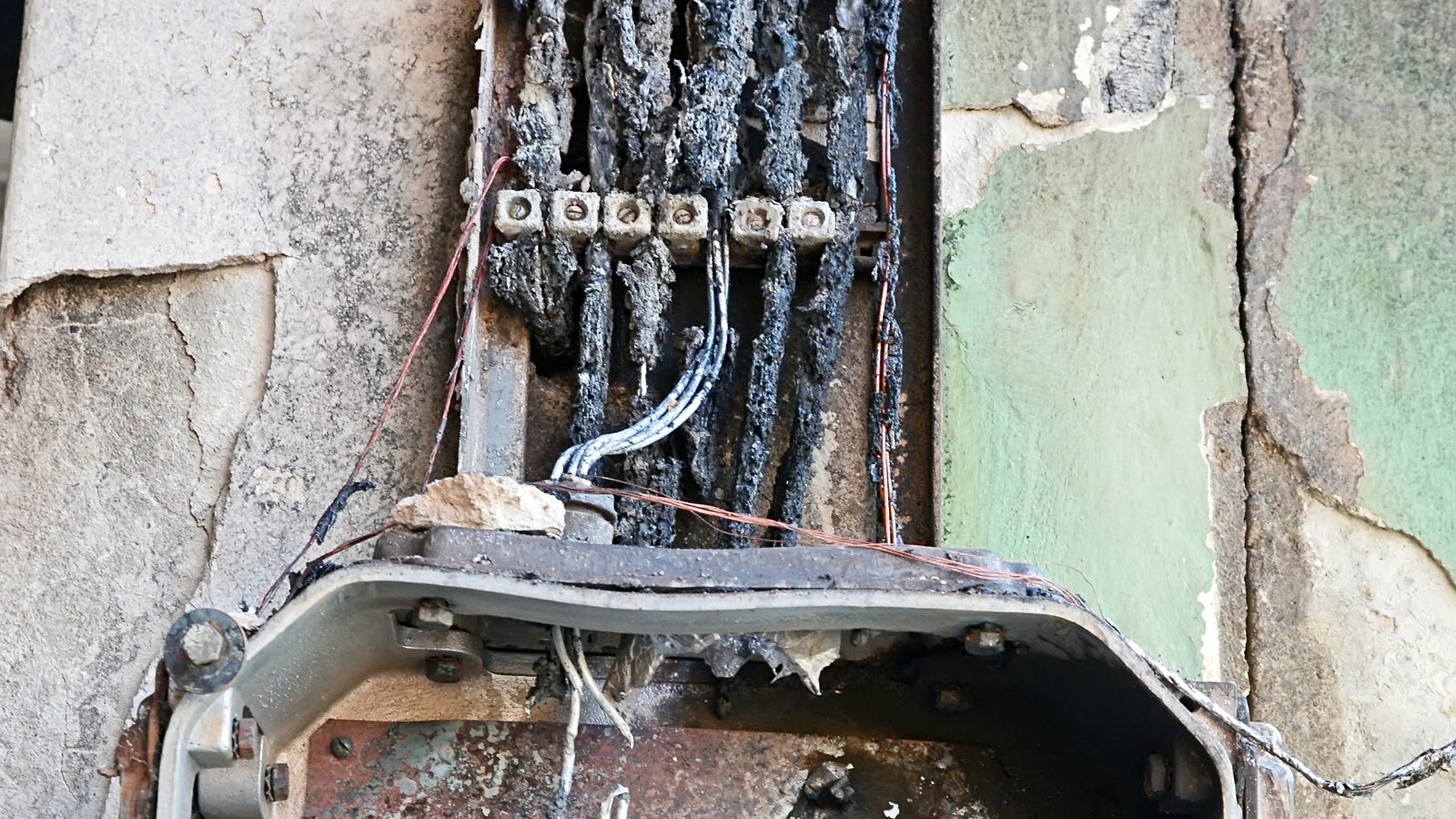
- The vent path: the duct, the wall or ceiling cavities it runs through, and the attic if the duct ends there; lint fires travel the duct, and the damage is often worst where nobody looked
- The dryer and washer at replacement cost on an RCV policy
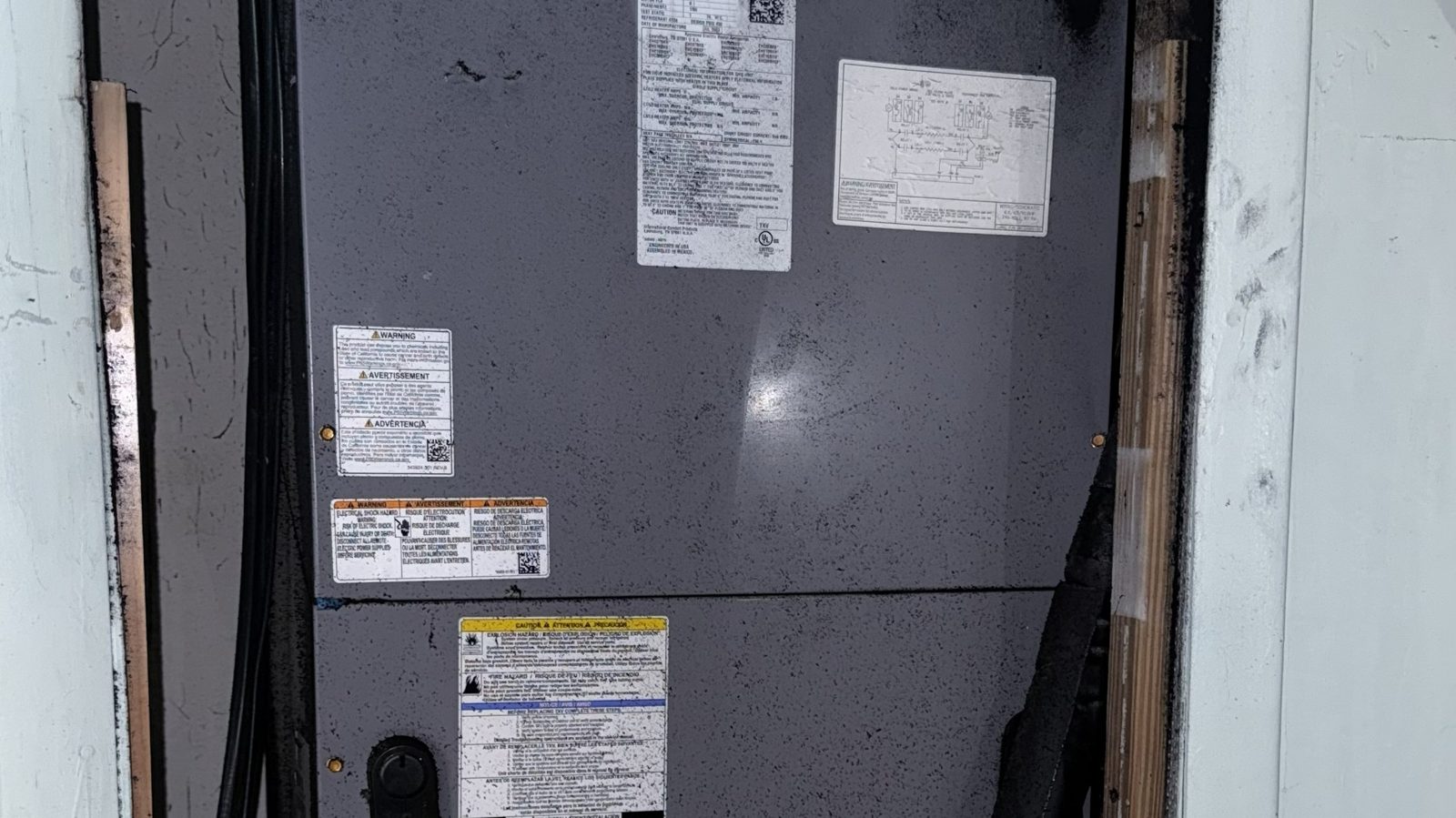
- Smoke and soot in the hallway, bedrooms and HVAC system; see smoke damage claims
- Contents: the laundry in the machines and everything smoke reached
- Code upgrades: replacing the vent brings it to current code, which usually means rigid metal duct, a shorter run and proper termination outdoors; ordinance or law coverage pays the increased cost when the policy carries it
- Additional living expenses while the house is uninhabitable
Condos and apartment buildings
A dryer fire in a condo unit damages the unit, the shared wall cavities and sometimes the units above. The unit owner’s policy covers the inside of the unit and the contents; the association’s master policy covers the structure, including the vent chase if it is a common element. In a rental, the landlord’s policy covers the building and the renter’s policy covers the tenant’s belongings. Our Condo & HOA page explains how Florida draws the line.
Deadlines
In Florida, notice of an initial or reopened claim is due within 1 year of the date of loss and a supplemental claim within 18 months (§627.70132); the insurer must acknowledge the claim within 7 days and pay or deny it within 60 days of notice (§627.70131), and on a replacement cost policy it must pay at least the actual cash value first and the rest as the work is done (§627.7011). In New Jersey, the insurer must begin its investigation within 10 working days of notice and pay a first-party property claim within 30 calendar days after it receives a properly executed proof of loss, with written delay notices after that (N.J.A.C. 11:2-17.7).
What to do after a dryer fire
- Call 911 even if you put the fire out; the fire department report fixes the cause and the date.
- Unplug the dryer and shut the gas valve if it is a gas dryer; do not use the HVAC until the ducts are checked.
- Keep the dryer, the duct and the lint trap exactly as they are; photograph them before anyone moves them.
- Photograph the laundry room, the vent path, the attic and every room with smoke, before cleaning.
- Find the model and serial number and the purchase record; check whether the model was recalled.
- Keep receipts for emergency cleanup, board-up and hotel nights.
- Call Homeland before the carrier; a licensed public adjuster reports the loss with the vent path and the smoke in the scope from the start.
Frequently asked questions
Is a dryer fire covered if I never cleaned the vent?
The insurer wants to take the dryer. Should I let them?
Will the claim pay to replace the vent duct?
The fire was small. Is it worth a claim?
I live in a condo. Who files?
Homeland serves policyholders in Cherry Hill, Toms River and Weston, with local lines and a licensed public adjuster who calls back right away.
If this is your loss, call Homeland before you talk to the insurance company: Florida (305) 783-3777, New Jersey (732) 517-3777, 24 hours. A licensed public adjuster reviews the claim for free and calls you back right away. No Recovery, No Fee.
Sources
- USFA, Clothes Dryer Fires in Residential Buildings (2008–2010), Topical Fire Report Series
- Fla. Stat. §627.70132
- Fla. Stat. §627.70131
- N.J.A.C. 11:2-17.7
This article is for general information only and is not legal or insurance advice. Statutes, regulations and policy wording change, and how they apply depends on your own policy and the facts of your claim. Homeland Public Adjusters is a public adjusting firm, not a law firm.
- Neighbor's Fire Ruined My Belongings
- Renters: Is Your Property Covered After a Loss?
- My Renters Claim Was Denied or Underpaid
- Smoke Damage Insurance Claims: How to Prove the Loss
 Nelson Avila
 Yeni Martinez
 Alberto Enriquez
Homeland Public Adjusters represents policyholders, not insurers. Get a free review of your claim.
Get a Free Claim ReviewIf you already have an open claim, see What to Do in the First 24 Hours After Property Damage, or visit our Public Adjuster Near Me page to get connected with the Homeland adjuster covering your area.