Space Heater Fire Insurance Claims: Covered, and Why the Scope Is the Fight

Homeland Public Adjusters · Last reviewed: October 2026
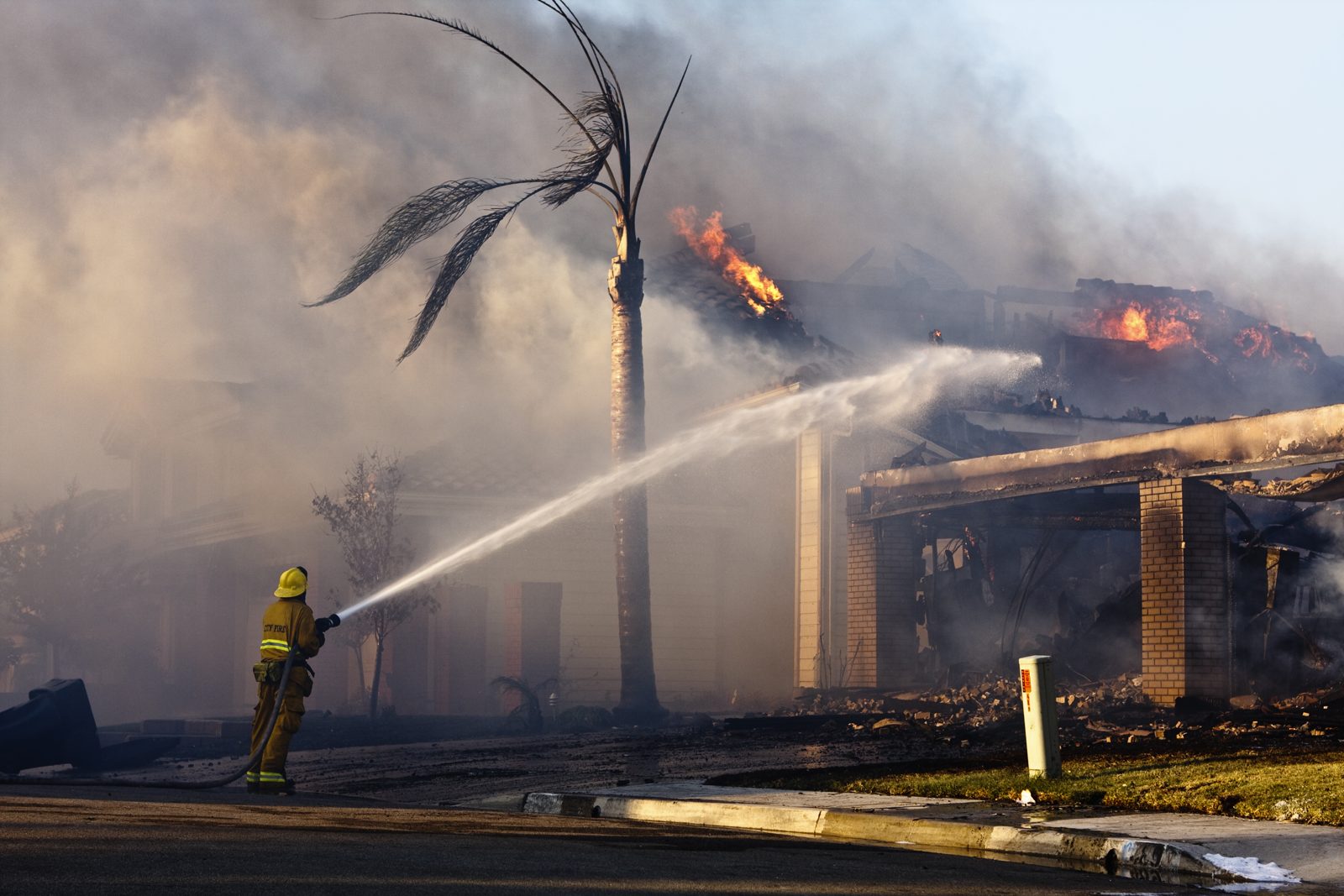
Short answer: A space heater fire is a covered fire loss under a homeowners, renters or landlord policy, and it is covered even when the heater was too close to the bed, left on overnight or plugged into an extension cord. NFPA found that space heaters and heating stoves were involved in 29% of home heating fires from 2019 to 2023; an older NFPA study put them at 79% of heating fire deaths. Because so many of these fires happen in rentals, the claim usually involves two policies, and because they produce heavy smoke, the scope is the dispute.
A small appliance, a large share of the deaths
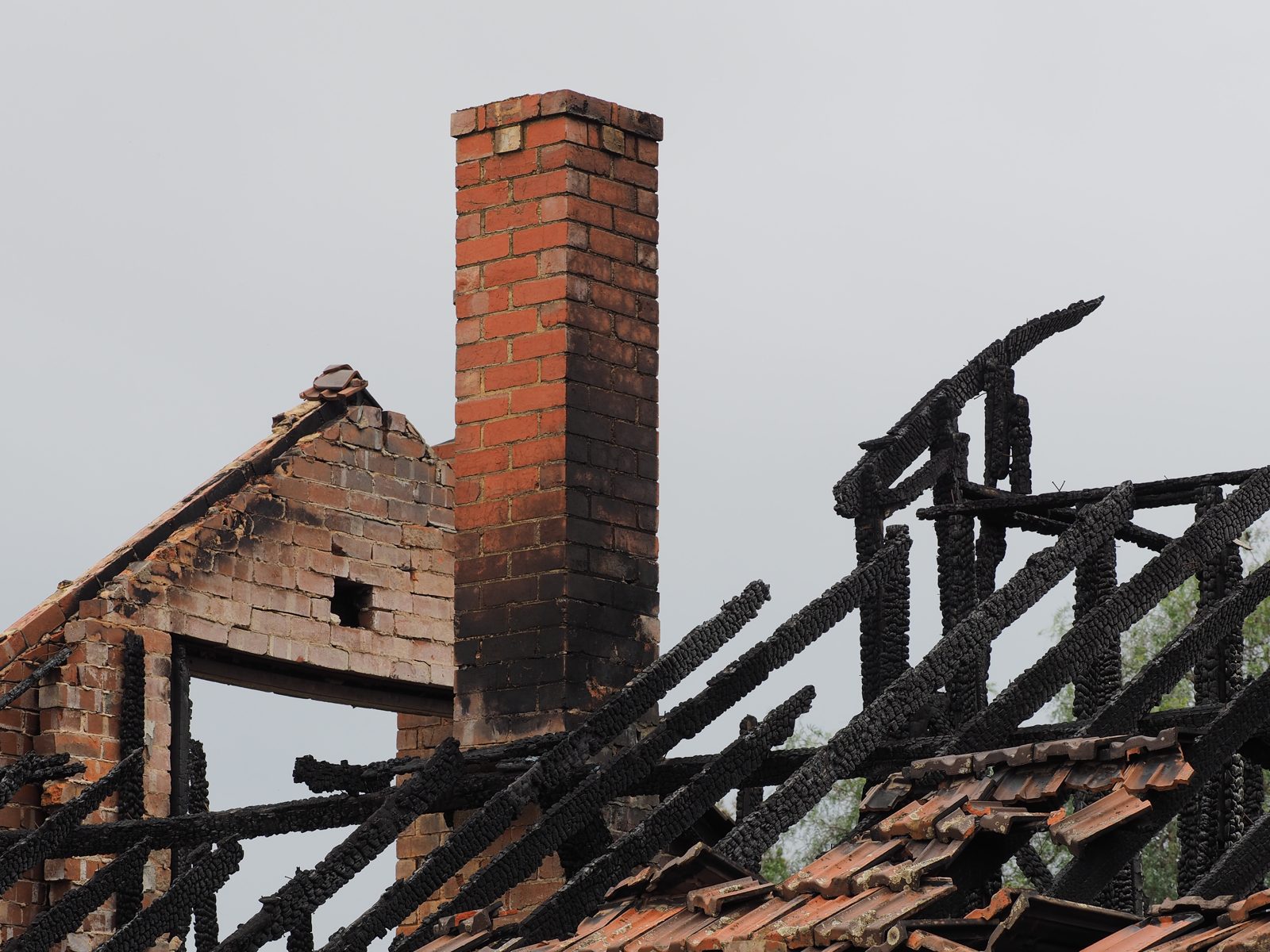
Space heaters are involved in a minority of heating fires and a majority of the deaths, because they burn in bedrooms, at night, close to bedding and clothing. NFPA’s 2019–2023 figures show 38,881 home heating equipment fires a year, 432 deaths and $1.1 billion in damage, with space heaters and heating stoves the equipment in 29% of them. The USFA’s 2023 estimate counted 27,900 residential heating fires and 115 deaths. The fires peak in December, January and February, which in New Jersey is also when apartments in older buildings run portable heaters because the radiators cannot keep up.
Whose policy pays in a rental
| Loss | Policy | Notes |
|---|---|---|
| The apartment: walls, floors, ceiling, fixtures, the building’s wiring | Landlord’s policy (dwelling or commercial) | Fire is covered regardless of the tenant’s carelessness; the landlord’s carrier may seek reimbursement from a negligent tenant afterward |
| The tenant’s furniture, clothing, electronics | Tenant’s renters policy | Without a renters policy, the tenant’s belongings are not covered by the landlord’s insurance |
| The tenant’s hotel and meals while displaced | Renters policy loss of use | The landlord’s policy does not pay the tenant’s living expenses |
| The landlord’s lost rent | Landlord’s policy, fair rental value | For the period the unit cannot be rented |
| A neighbor’s unit with smoke | The neighbor’s own policy first; the tenant’s renters liability if negligent | Common in multifamily buildings |
Landlords sometimes assume a tenant’s negligence turns the fire into a tenant problem rather than a claim. It does not. The landlord’s policy covers the fire; the carrier decides afterward whether to pursue the tenant. Our guide to tenant-caused damage versus a covered loss covers that distinction.
The product question
Some space heater fires are caused by the heater itself: a tip-over switch that failed, a cord that overheated, a thermostat that did not cut out. The carrier may test the heater and pursue the manufacturer after paying the claim. Keep the heater, the cord and the packaging if any survived, and find the model number and the purchase record. A defect is a subrogation matter for the carrier; it is not a reason to delay or reduce your claim.
Why the scope is the fight
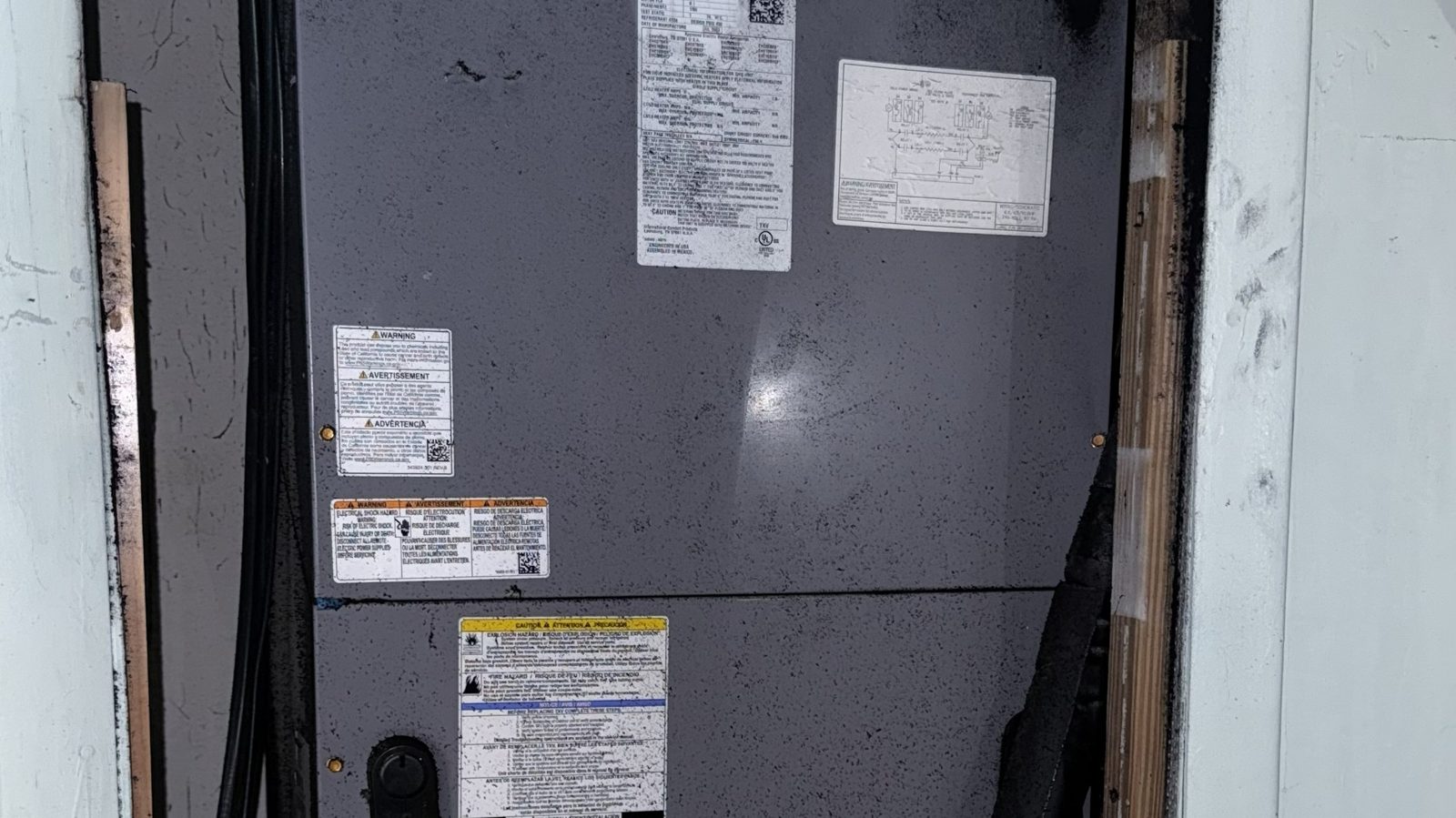
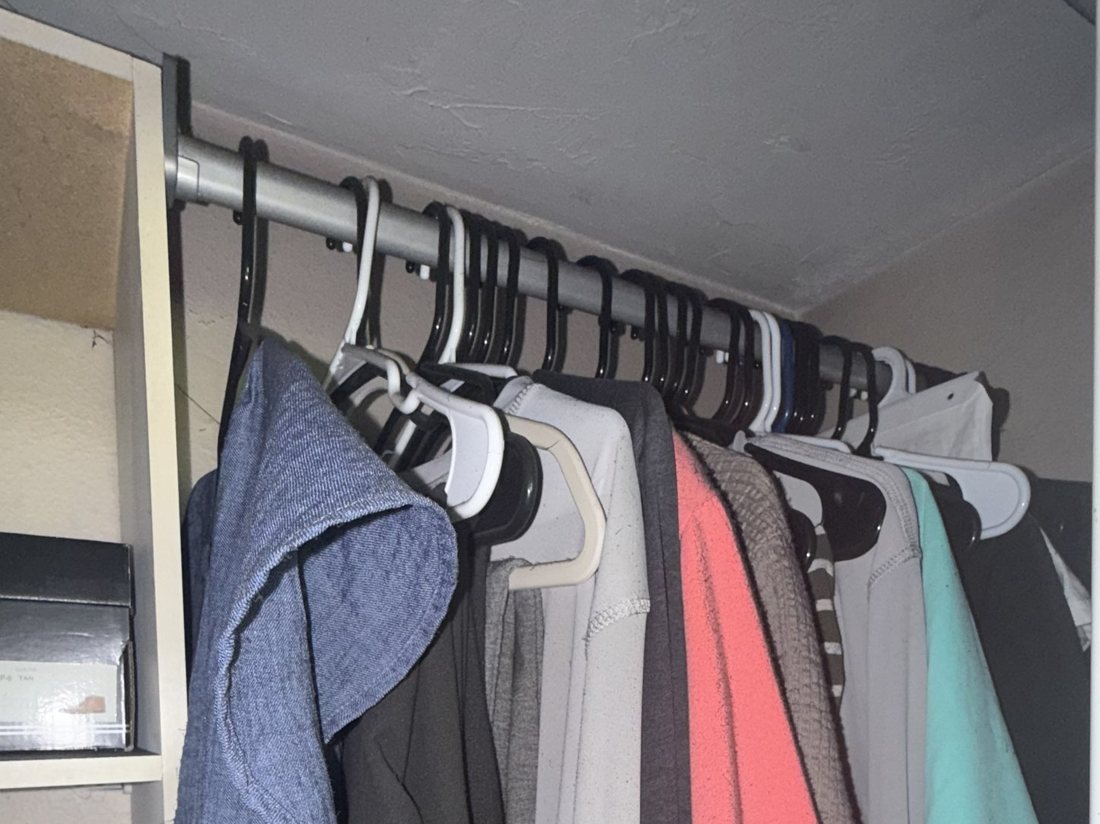
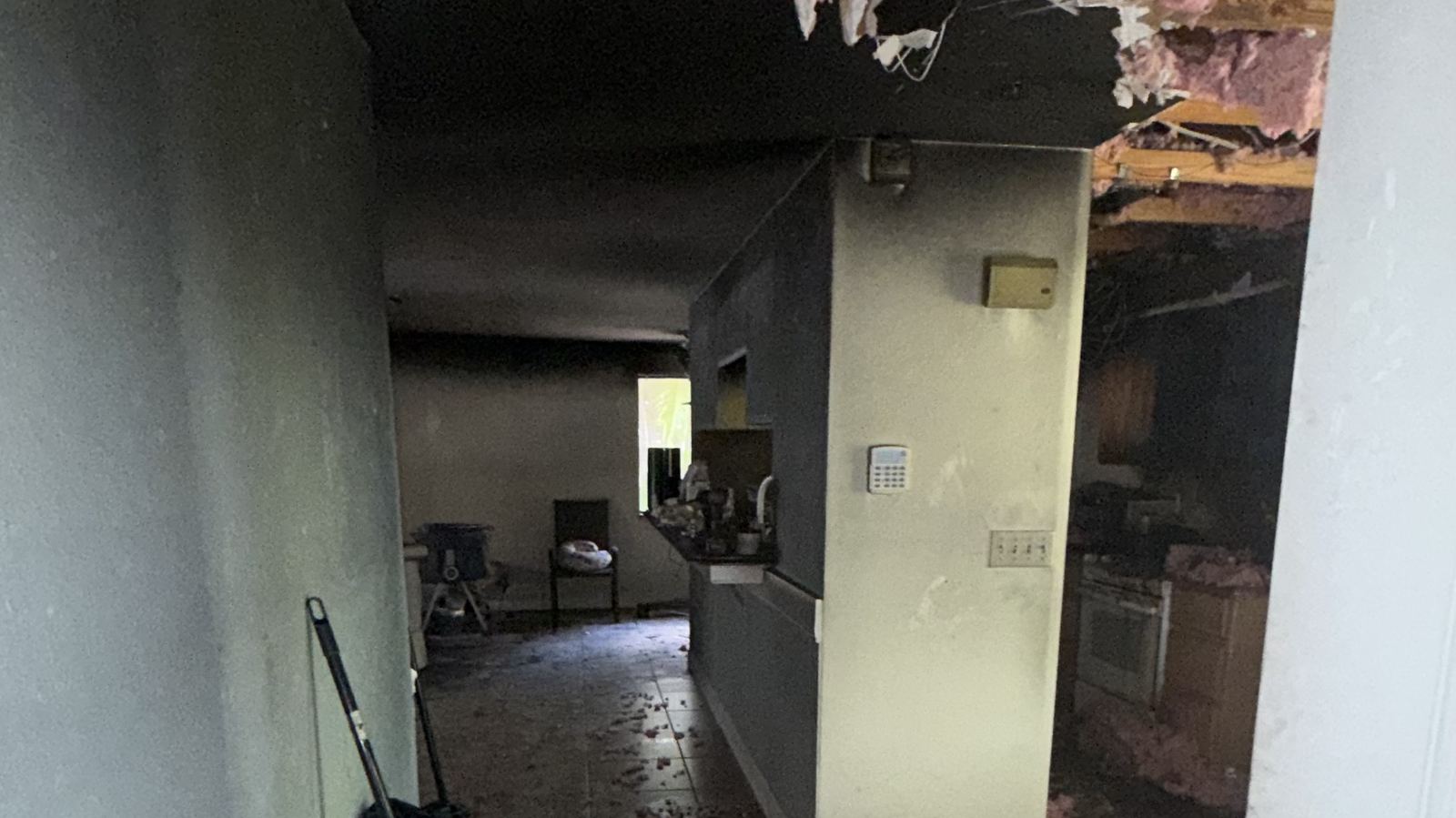
A space heater fire in a bedroom produces dense smoke that reaches every room in minutes and, in an apartment building, the hallway and the units above. The carrier’s first estimate covers the bedroom. The claim covers the smoke: soot on every surface, odor in the drywall and the HVAC system, contents in rooms the fire never touched, electronics that corrode over the following weeks. Our guide to smoke damage claims explains how that loss is proved. Code upgrades follow the rebuild, and for a bedroom fire that often means the electrical circuit and the smoke alarms; ordinance or law coverage pays the increased cost when the policy carries it.
New Jersey claim rules
Under N.J.A.C. 11:2-17.7, the insurer must begin investigating within 10 working days of notice and pay a first-party property claim within 30 calendar days after it receives a properly executed proof of loss, with written delay notices every 45 days if it cannot. Report the fire in writing and keep the fire department’s incident number.
What to do after a space heater fire
- Get out, call 911 and get the incident number; do not re-enter until the fire department clears the unit.
- Keep the heater, the cord and any extension cord; photograph where it was plugged in.
- Photograph every room, closets, the HVAC registers and the hallway, before cleaning.
- Tenants: notify the landlord in writing the same day and file under your renters policy for belongings and living expenses.
- Landlords: file under your own policy; do not wait to see whether the tenant will pay.
- List every item damaged by smoke, not only what burned, with photos and receipts where you have them.
- Call Homeland before the carrier; a licensed public adjuster reports the loss with the smoke scope in it from the first notice.
Frequently asked questions
Is a fire from a space heater covered by renters insurance?
I left the heater on all night. Will the insurer deny the claim?
My tenant’s heater started the fire. Do I claim on my policy or go after the tenant?
The heater was defective. Who pays?
The fire was in one bedroom but the whole apartment smells. Is that covered?
Homeland serves policyholders in Newark, Paterson and New Brunswick, with local lines and a licensed public adjuster who calls back right away.
If this is your loss, call Homeland before you talk to the insurance company: Florida (305) 783-3777, New Jersey (732) 517-3777, 24 hours. A licensed public adjuster reviews the claim for free and calls you back right away. No Recovery, No Fee.
Sources
- NFPA, home heating fires 2019–2023 (via ANSI, Feb 2025)
- NFPA space heater deaths study, via Electrical Contractor magazine
- USFA, Residential Building Heating Fires (2023)
- N.J.A.C. 11:2-17.7
This article is for general information only and is not legal or insurance advice. Statutes, regulations and policy wording change, and how they apply depends on your own policy and the facts of your claim. Homeland Public Adjusters is a public adjusting firm, not a law firm.
- Surprising Things Your Policy Covers
- Neighbor's Condo Fire: Who Pays?
- Damaged Tile or Laminate: A Claim?
- Barn, Stable & Outbuilding Coverage
- Wind and Tornado Risk on the Farm
- Crop Insurance vs. Property Insurance
 Yeni Martinez
 Alberto Enriquez
 Yisel Dieguez
Homeland Public Adjusters represents policyholders, not insurers. Get a free review of your claim.
Get a Free Claim ReviewIf you already have an open claim, see What to Do in the First 24 Hours After Property Damage, or visit our Public Adjuster Near Me page to get connected with the Homeland adjuster covering your area.