Chimney Fire Insurance Claims in New Jersey: Flue Damage, Attic Fires and the Inspection Record

Homeland Public Adjusters · Last reviewed: October 2026
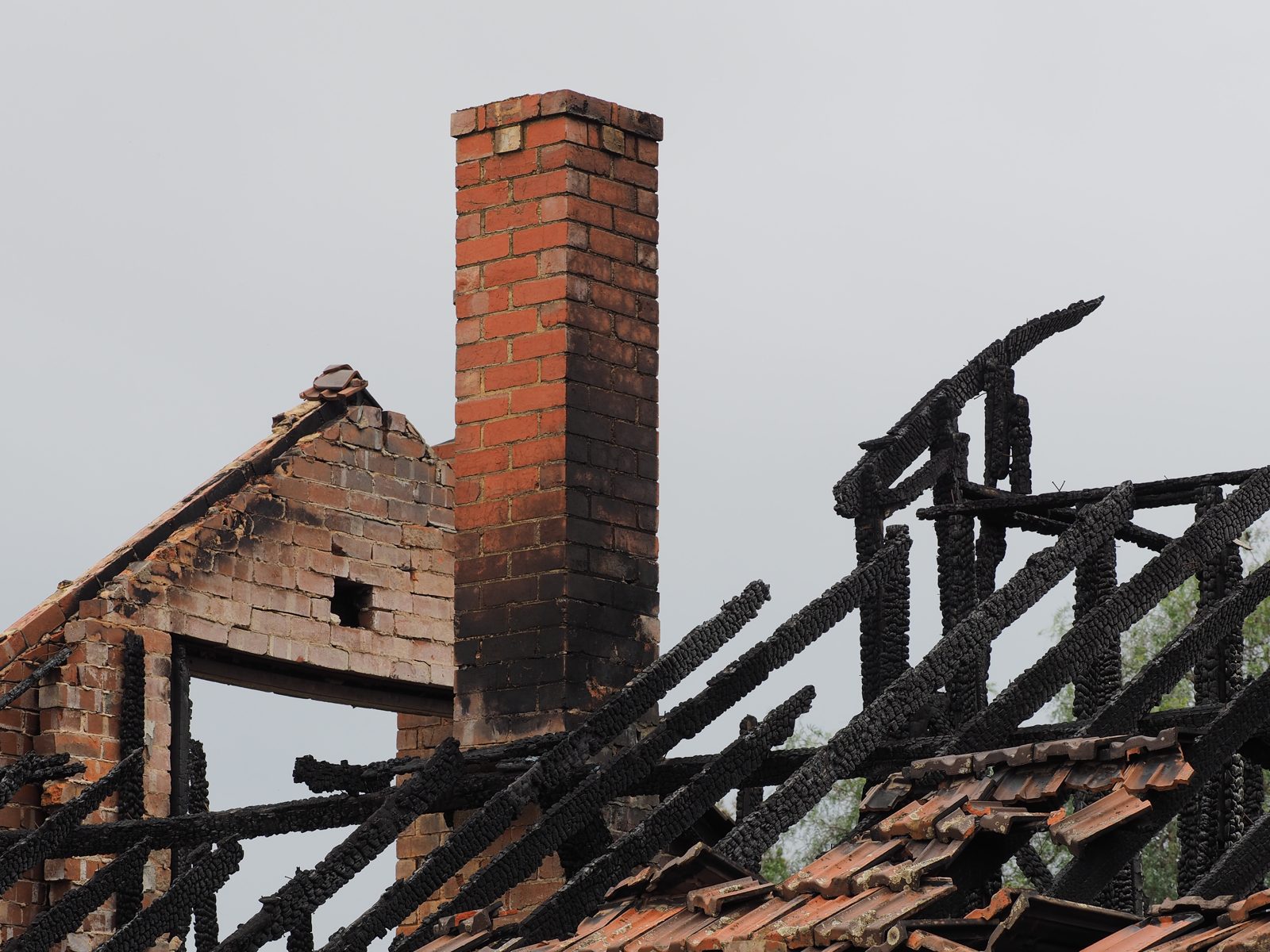
Short answer: A chimney fire is covered as fire under a standard New Jersey homeowners policy, whether it spread into the attic or stayed inside the flue and cracked the liner. Creosote buildup that ignited is the cause, not an exclusion. NFPA counted an annual average of 38,881 home heating equipment fires from 2019 to 2023, peaking in December through February. The claim turns on an inspection record: a Level 2 chimney inspection that shows sudden fire damage to the flue, as opposed to the slow deterioration the carrier will assume.
What a chimney fire does
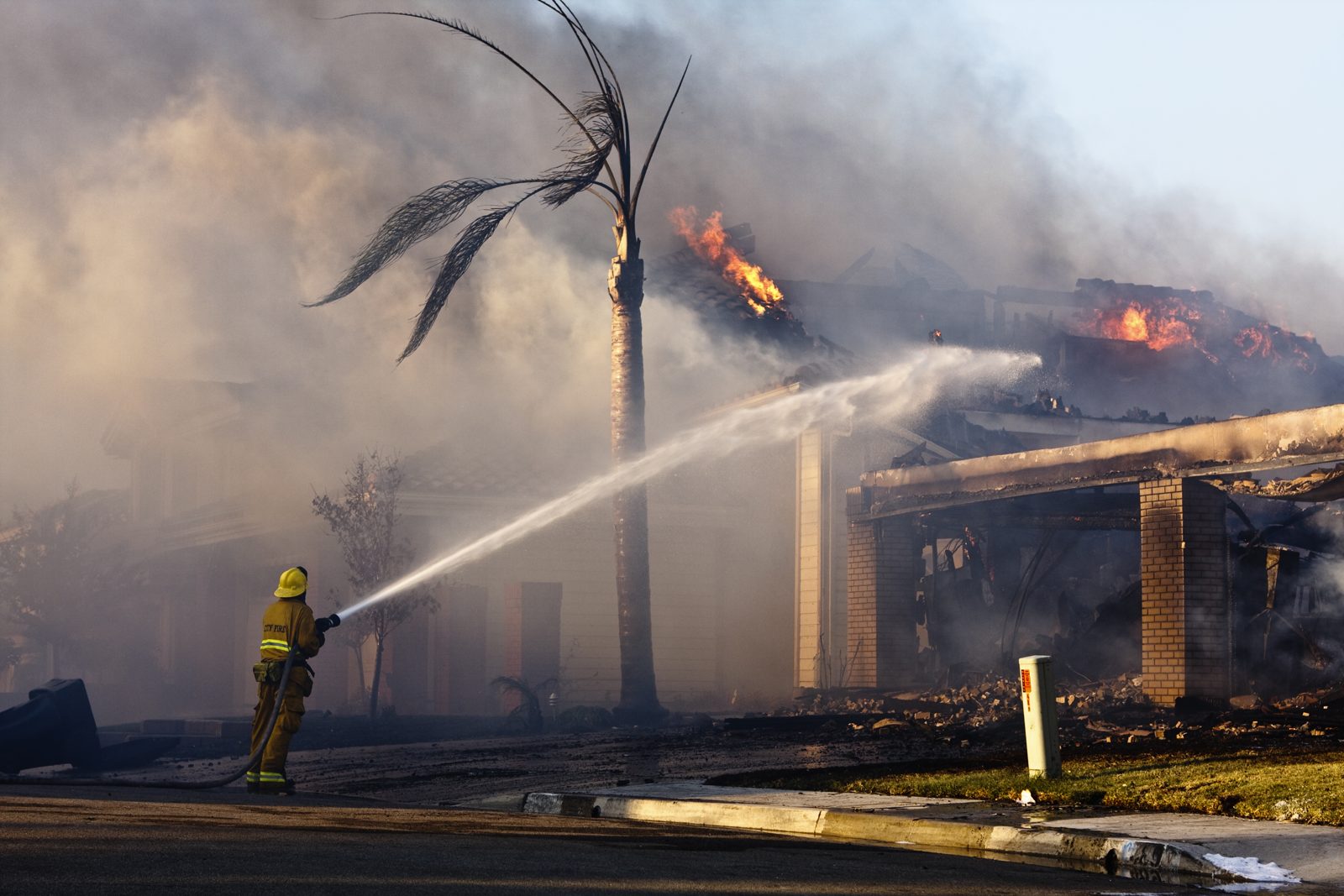
Creosote, the tar left by wood smoke, builds up on the inside of the flue and ignites at high temperature. Some chimney fires roar; many burn quietly and the homeowner never knows. Either way the flue reaches temperatures the clay tiles were not designed for. Tiles crack and shift, mortar joints open, and the heat radiates into the framing that sits against the chimney. The next fire in the fireplace can put flame or hot gas through those cracks into the attic. The NFPA figures put heating fires at 432 deaths and $1.1 billion in damage a year; the USFA’s 2023 estimate is 27,900 residential heating fires and $488 million in losses. New Jersey’s own fire data showed 56% of the state’s fatal fire victims in 2022 died in one- or two-family homes.
The deterioration argument
The carrier’s adjuster will look at a cracked flue and see age. The policy excludes wear and tear, deterioration and the gradual effects of heat, and the adjuster will cite them. The answer is the event. A chimney fire is a sudden, identifiable occurrence that damages the liner in a recognizable pattern: vertical cracks and displaced tiles along the length of the flue, glazed and puffed creosote, scorched mortar, often a melted or warped damper and cap. A chimney that simply aged shows spalling, loose mortar and water damage near the top. The two look different to a trained inspector, and the inspection report is what makes the claim.
What the claim should include
- The flue liner, which usually cannot be patched; a cracked clay liner is typically replaced with a stainless steel liner or relined, and the chimney is sometimes partially rebuilt
- The chimney crown, cap and damper where the heat warped or cracked them
- Framing, sheathing and insulation around the chimney in the attic, including charring that did not become a fire
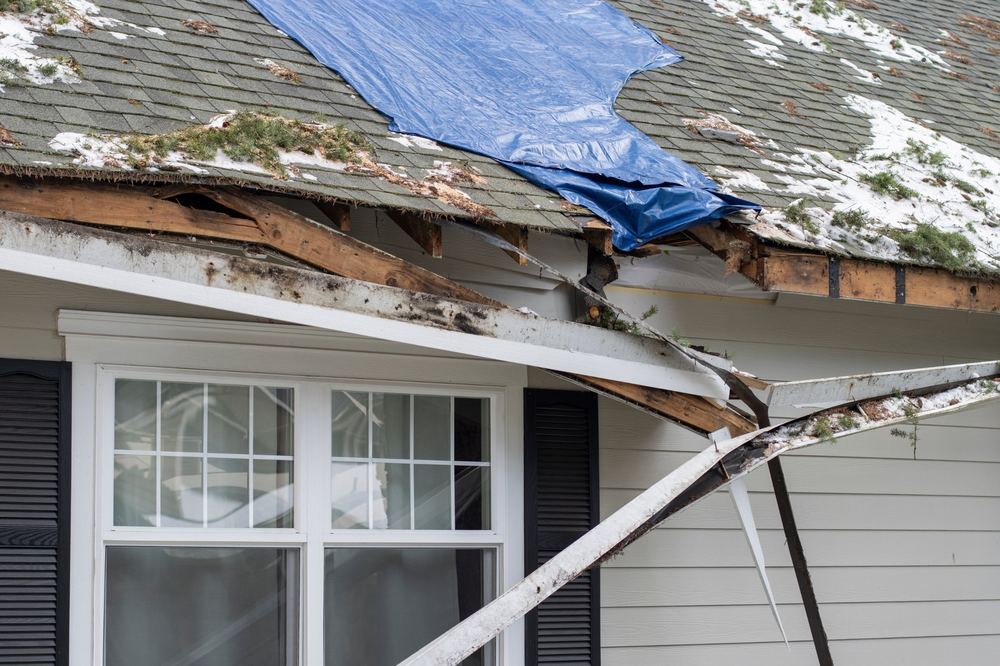
- The roof where the fire department opened it or where embers landed
- The fireplace, hearth and surround, including heat-cracked firebrick and tile
- Smoke and soot in the living areas and the attic; see smoke damage claims
- Code upgrades: a relined chimney must meet current code for clearances, liner type and termination height; ordinance or law coverage pays the increased cost when the policy carries it
- Additional living expenses if the house cannot be heated or occupied
New Jersey claim rules
Under N.J.A.C. 11:2-17.7, your insurer must begin investigating within 10 working days of your notice and must pay a first-party property claim within 30 calendar days after it receives a properly executed proof of loss; if it cannot, it must tell you in writing and send updated notices every 45 days. Your policy sets its own prompt-notice condition and may require a sworn proof of loss within a set period, so report the fire promptly and in writing. New Jersey public adjusters and their fees are regulated under N.J.A.C. 11:1-37, and the fee is stated in the contract you sign.
What to do after a chimney fire
- Call 911 even if the fire seems to be out; a chimney fire can be burning in the attic while the fireplace looks calm.
- Do not use the fireplace again until the flue has been inspected.
- Book a Level 2 inspection with a certified chimney sweep and ask for the camera footage and a written report.
- Photograph the fireplace, the exterior of the chimney, the roof and the attic around the chimney before any repair.
- Keep the fire department report and the sweep’s report together; they are the record of a sudden event.
- Do not let a contractor reline the chimney before the carrier’s adjuster has inspected it, unless the house cannot be heated; if you must, document everything first.
- Call Homeland before the carrier; a licensed public adjuster reports the loss as a fire event with the inspection evidence in hand.
Frequently asked questions
The fire stayed inside the chimney. Is there still a claim?
The insurer says the cracked tiles are wear and tear.
Will the insurer pay for a stainless liner?
I never had the chimney cleaned. Does that void the claim?
How long does the insurer have to pay in New Jersey?
Homeland serves policyholders in Edison, Cherry Hill and Toms River, with local lines and a licensed public adjuster who calls back right away.
If this is your loss, call Homeland before you talk to the insurance company: Florida (305) 783-3777, New Jersey (732) 517-3777, 24 hours. A licensed public adjuster reviews the claim for free and calls you back right away. No Recovery, No Fee.
Sources
- NFPA, home heating fires 2019–2023 (via ANSI, Feb 2025)
- USFA, Residential Building Heating Fires (2023)
- NJ Division of Fire Safety, Fire Focus Winter 2023
- N.J.A.C. 11:2-17.7
This article is for general information only and is not legal or insurance advice. Statutes, regulations and policy wording change, and how they apply depends on your own policy and the facts of your claim. Homeland Public Adjusters is a public adjusting firm, not a law firm.
- NJ Ice Dams, Frozen Pipes and Snow Damage
- New Jersey Public Adjuster License Requirements
- What Is a Hurricane Deductible? FL & NJ
 Nelson Avila
 Alberto Enriquez
 Yisel Dieguez
Homeland Public Adjusters represents policyholders, not insurers. Get a free review of your claim.
Get a Free Claim ReviewIf you already have an open claim, see What to Do in the First 24 Hours After Property Damage, or visit our Public Adjuster Near Me page to get connected with the Homeland adjuster covering your area.