Smoke Damage Insurance Claims: Why They Are Underpaid and How to Prove the Loss

Homeland Public Adjusters · Last reviewed: October 2026
Short answer: Smoke damage is covered on every standard property policy because it is direct physical loss from fire, the one peril no policy excludes. It is underpaid because the carrier’s estimate stops at what is visibly charred, and most of a smoke loss is not visible: soot in the ducts and the attic insulation, odor in drywall and fabric, corrosion inside electronics, and contents that will never smell right again. Fire and lightning were 21.6% of all homeowners insurance losses in 2023 and the average fire and lightning claim ran $88,170 from 2019 through 2023, according to the Insurance Information Institute; the smoke component is where those claims are argued.
Smoke is physical damage, not an inconvenience
Soot is combustion residue: carbon, acids and oils deposited as a film on every surface the smoke reached. It stains, it corrodes metal and electronics, and it carries odor compounds into porous materials. A policy that covers fire covers the smoke and soot the fire produces, whether the fire was in your kitchen, your neighbor’s unit or a brush fire half a mile away. The standard homeowners form does carry a smoke exclusion, but it is narrow: it removes smoke from agricultural smudging and industrial operations, not smoke from a fire. The carrier’s adjuster knows this; the dispute is never whether smoke is covered, it is how much of it there is and what it takes to remove.
The three kinds of soot, and why it matters
| Residue | Where it comes from | What it does |
|---|---|---|
| Dry soot | Fast, hot fires of wood and paper | Powdery; spreads everywhere; wipes but smears; gets into every crack and duct |
| Wet soot | Slow, smoldering fires of plastics and synthetics | Sticky, smeary, pungent; bonds to surfaces; the hardest to clean and the most often under-scoped |
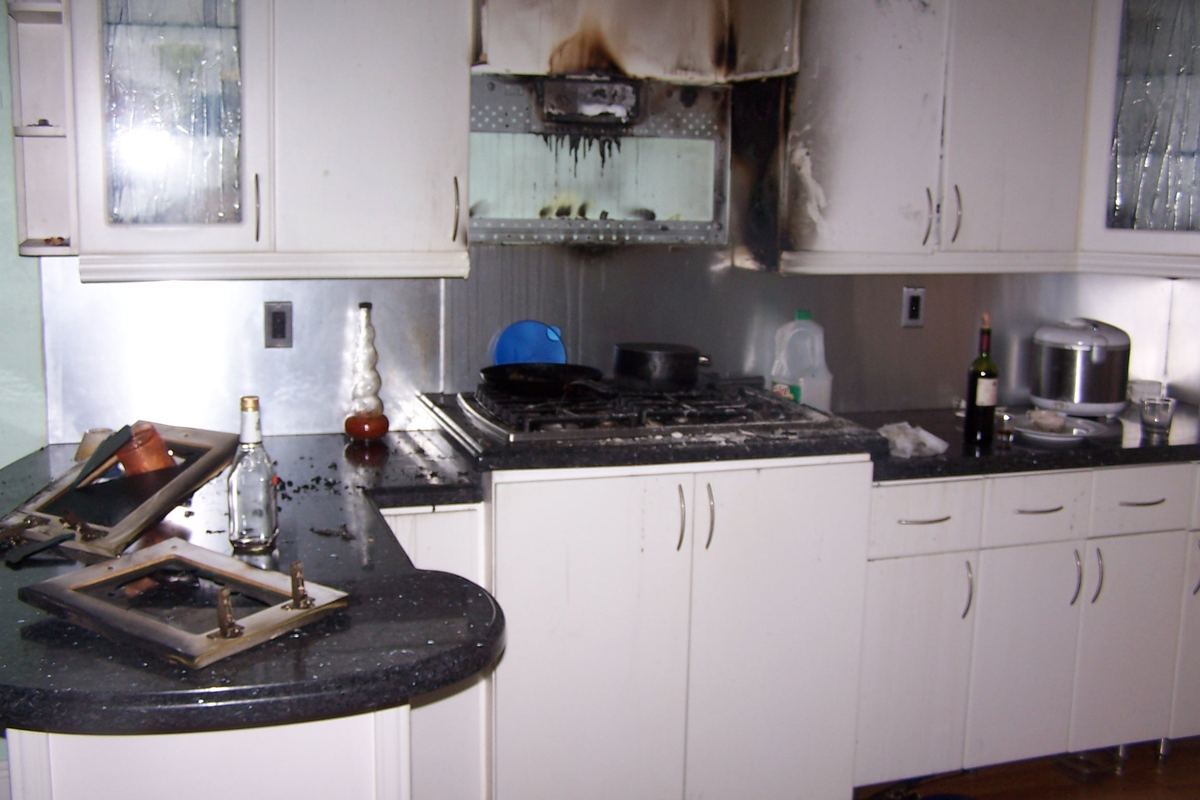
| Protein residue | Kitchen fires: burned food and grease | Nearly invisible film with a strong odor that discolors paint and varnish over weeks |
Each needs a different cleaning method and some cannot be cleaned at all, which is the first argument in a smoke claim: the carrier writes “clean” where the material has to be replaced. Protein residue is the classic case, because the adjuster sees a clean-looking kitchen and the owner smells a fire for the next six months.
Where the smoke went that the estimate did not
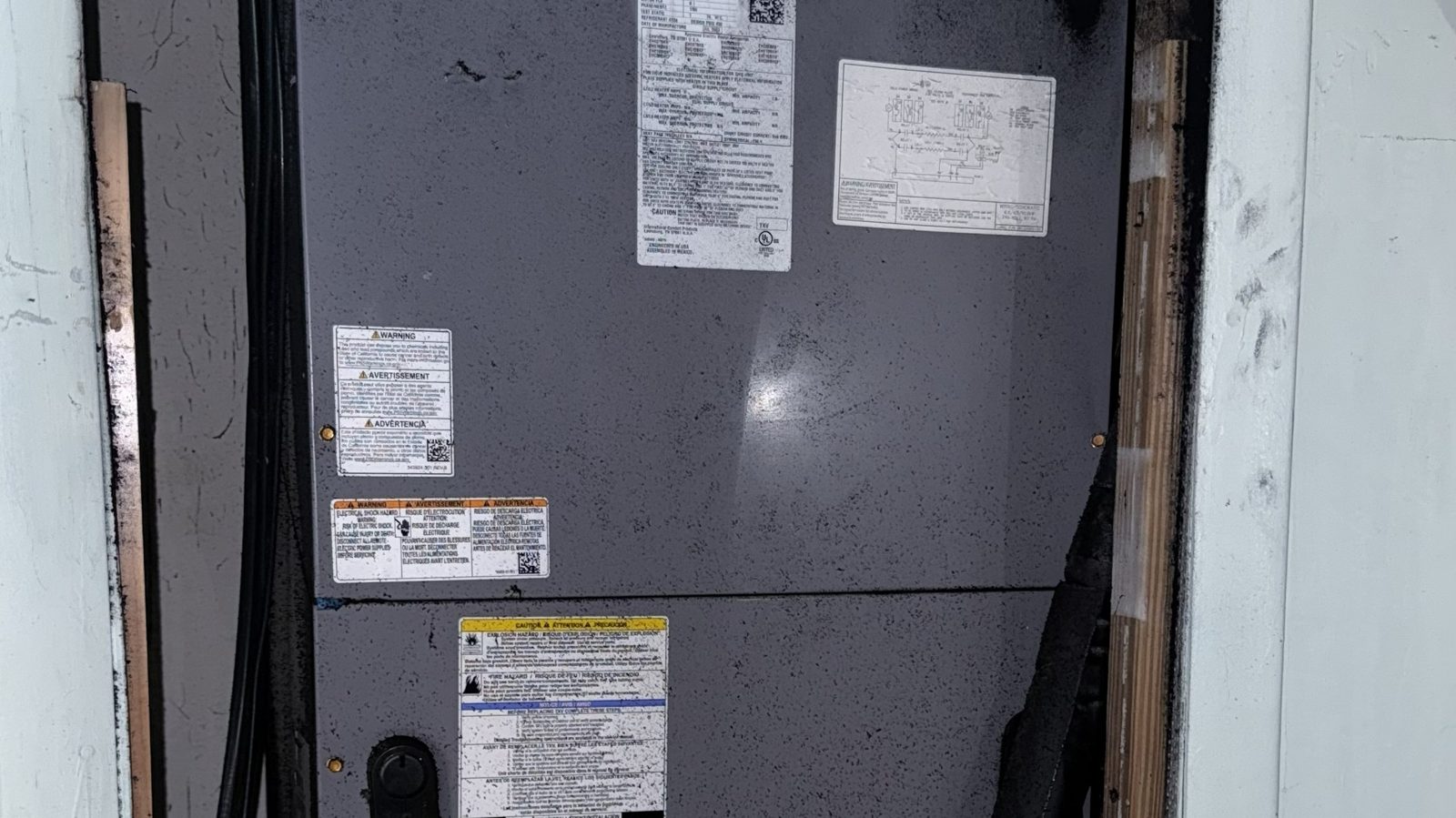
- HVAC: the system pulled smoke through every return while the fire burned; the ductwork, the air handler coil and the filters hold the residue and redistribute it every time the system runs. Duct cleaning or replacement and coil cleaning belong in the scope.
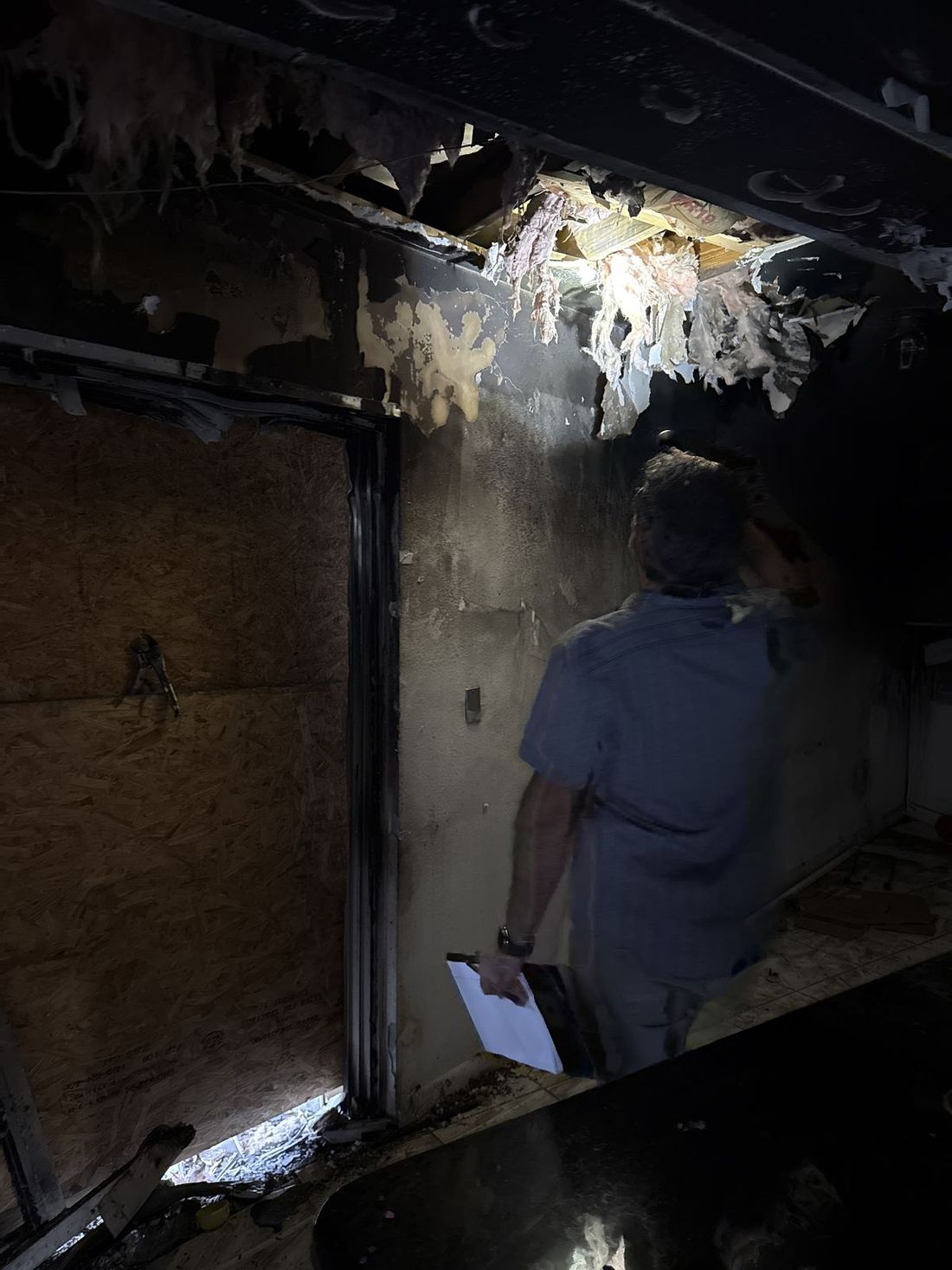
- Attic insulation: blown-in insulation absorbs smoke and cannot be cleaned; it is removed and replaced, and the carrier’s estimate rarely includes it unless someone opens the attic hatch.
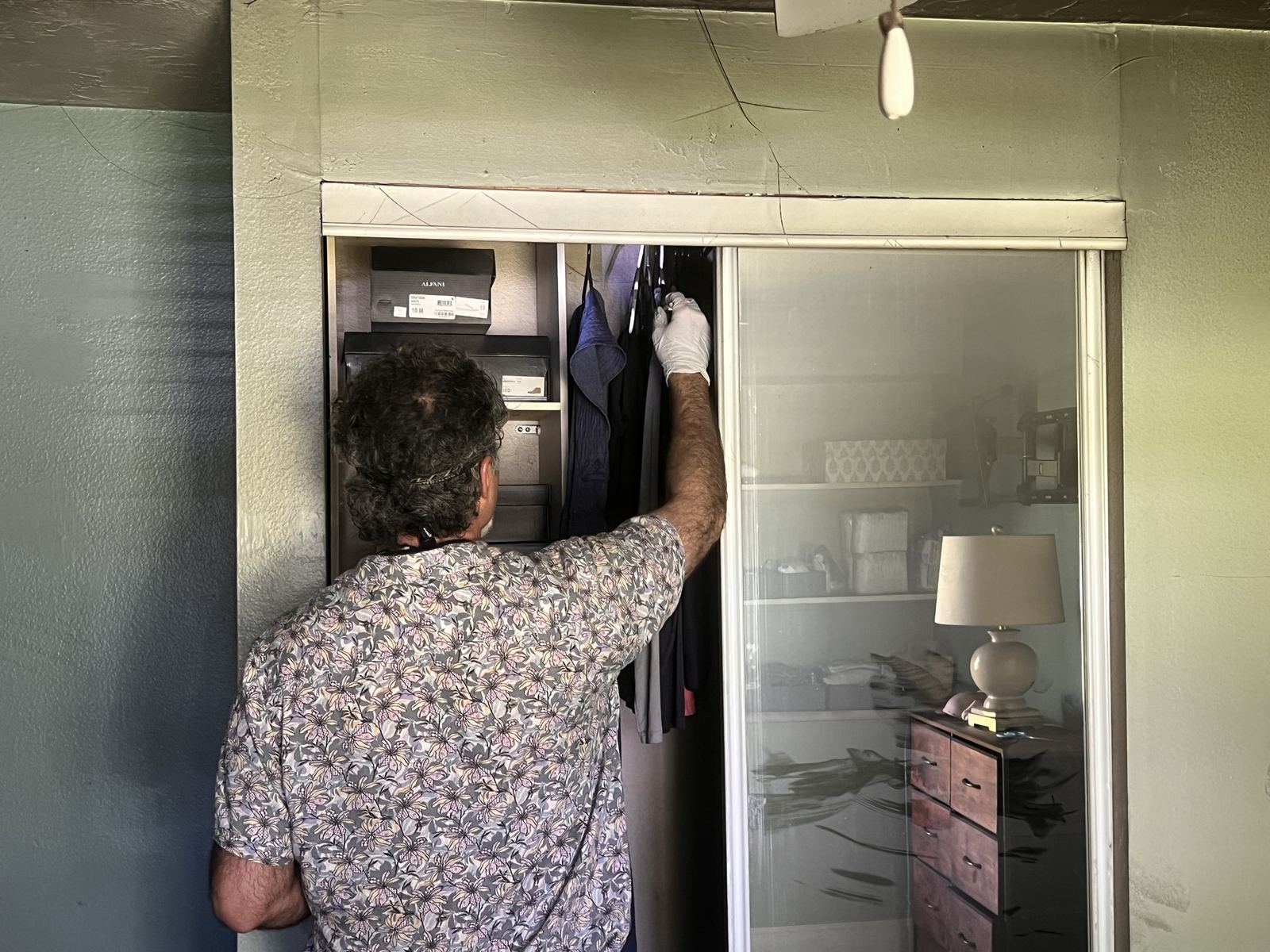
- Inside cabinets, closets and drawers: smoke follows air, and air goes everywhere.
- Wall cavities and the top plates above the fire room, reached through outlets and gaps.
- Electronics and appliances: acidic soot on circuit boards corrodes contacts; equipment that works today fails in three months. A vendor’s inspection, not the adjuster’s glance, decides it.
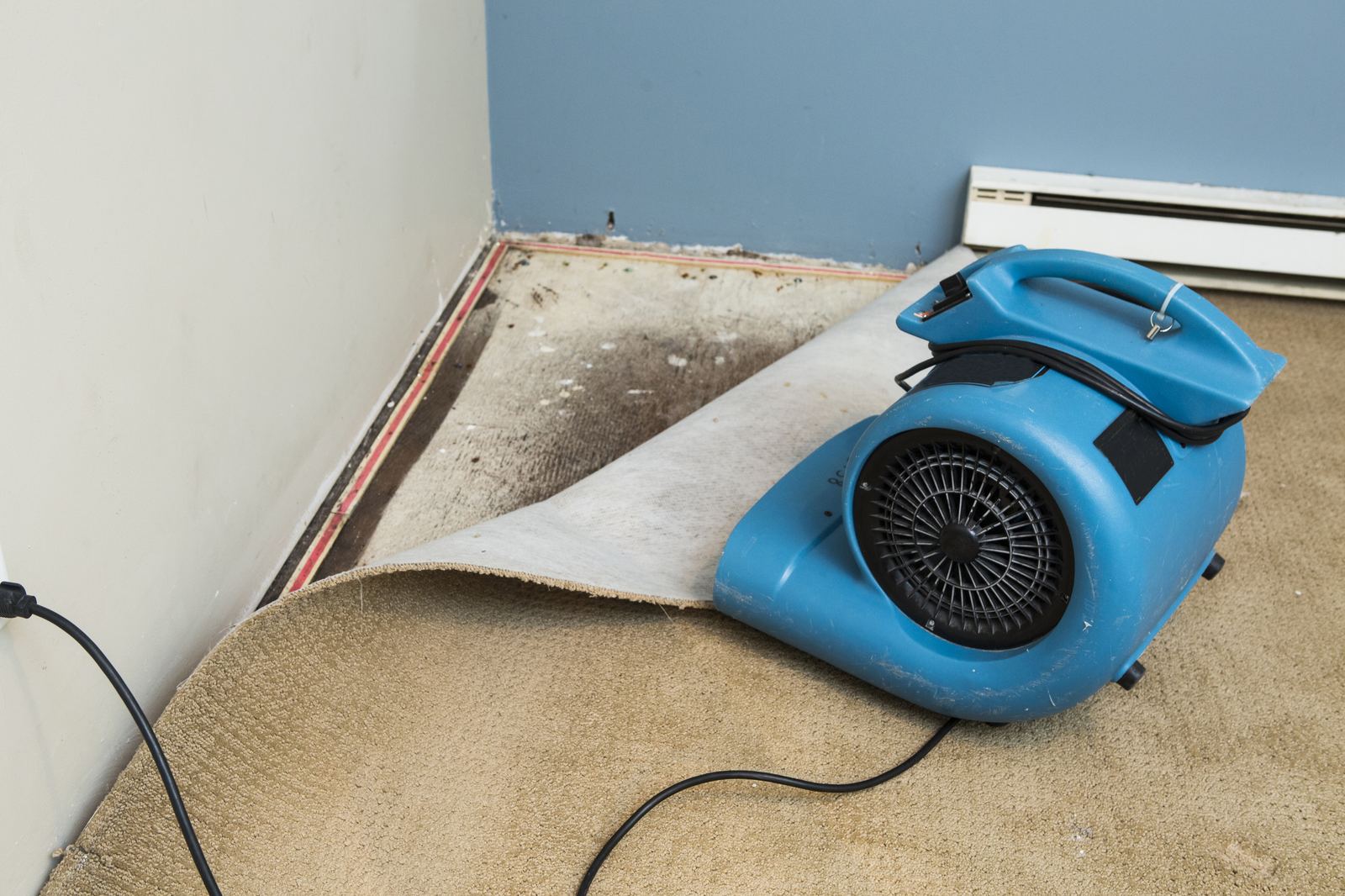
- Porous contents: mattresses, upholstered furniture, carpet pad, books, clothing. Some respond to ozone or hydroxyl treatment; much does not, and the cost to attempt cleaning can exceed the replacement cost.
- Odor sealing: drywall and framing that have absorbed odor need an encapsulating sealer before paint, a line item carriers routinely delete.
How a smoke claim is proved
The owner’s nose is not evidence, and the adjuster’s wipe is not a test. An industrial hygienist or indoor environmental professional takes surface wipe samples and air samples through the house and reports the combustion byproducts present (char, ash, soot) with a remediation protocol. For contents, a restoration contractor’s inventory separates what can be cleaned, what must be replaced and what is a total loss, with the cleaning cost against the replacement cost for each item; some contents are tested in a chamber. Photographs of residue lifted on white cloths from each room, inside a supply register and from the attic insulation complete the file. That is the record that moves a smoke claim from “clean as needed” to a scope the carrier has to answer, and it has to be made before the cleaning starts.
When the fire was next door
Smoke from a neighbor’s fire, a fire in another condominium unit or a fire in the apartment below is a covered loss under your own policy, and the claim is handled under your policy first; your carrier pursues the neighbor’s if there is negligence. In a condominium, the association’s master policy covers the building and your HO-6 covers your finishes and contents, so a smoke loss is often two claims. Renters claim their contents and loss of use under the renters policy and the landlord claims the building. Our guides to a neighbor’s unit fire in a condo and a neighbor’s fire for renters cover the split.
What to do about smoke damage
- Do not clean, paint or run the HVAC before the loss is documented; the first wipe-down destroys the evidence and the first air cycle spreads the residue.
- Photograph residue on white cloths from every room, the inside of a register and the attic, and the discoloration on walls and ceilings.
- Order hygienist testing and keep the lab report and the written remediation protocol.
- Inventory the contents room by room and keep the damaged items until the carrier has inspected; a discarded item is an unpaid item.
- Have electronics and appliances inspected by a vendor and keep the written findings.
- Track loss of use: if the house is unlivable from odor or during remediation, the hotel and meals are part of the claim.
- Call Homeland before the carrier so the loss is reported as fire and smoke with the testing already ordered, and so the scope is written from the hygienist’s protocol rather than the adjuster’s walk-through.
Frequently asked questions
Is smoke damage covered if there was no fire in my home?
The adjuster says the house just needs cleaning. Can they do that?
Does the claim cover my clothes that smell like smoke?
Is HVAC duct cleaning part of a smoke claim?
How long do I have to file?
Homeland serves policyholders in Orlando, Hialeah and Cherry Hill, with local lines and a licensed public adjuster who calls back right away.
If this is your loss, call Homeland before you talk to the insurance company: Florida (305) 783-3777, New Jersey (732) 517-3777, 24 hours. A licensed public adjuster reviews the claim for free and calls you back right away. No Recovery, No Fee.
Sources
- Insurance Information Institute, Facts + Statistics: Homeowners and renters insurance
- U.S. Fire Administration, residential fire estimates (2023)
- Fla. Stat. §627.70132
- N.J.A.C. 11:2-17.7
This article is for general information only and is not legal or insurance advice. Statutes, regulations and policy wording change, and how they apply depends on your own policy and the facts of your claim. Homeland Public Adjusters is a public adjusting firm, not a law firm.
- Neighbor's Fire Ruined My Belongings
- Renters: Is Your Property Covered After a Loss?
- My Renters Claim Was Denied or Underpaid
- Dryer Fire Insurance Claims: Lint, Vents, Who Pays
 Nelson Avila
 Yeni Martinez
 Alberto Enriquez
Homeland Public Adjusters represents policyholders, not insurers. Get a free review of your claim.
Get a Free Claim ReviewIf you already have an open claim, see What to Do in the First 24 Hours After Property Damage, or visit our Public Adjuster Near Me page to get connected with the Homeland adjuster covering your area.