Car, Boat or Golf Cart Fire in the Garage: Two Policies, One Burned House

Homeland Public Adjusters · Last reviewed: October 2026
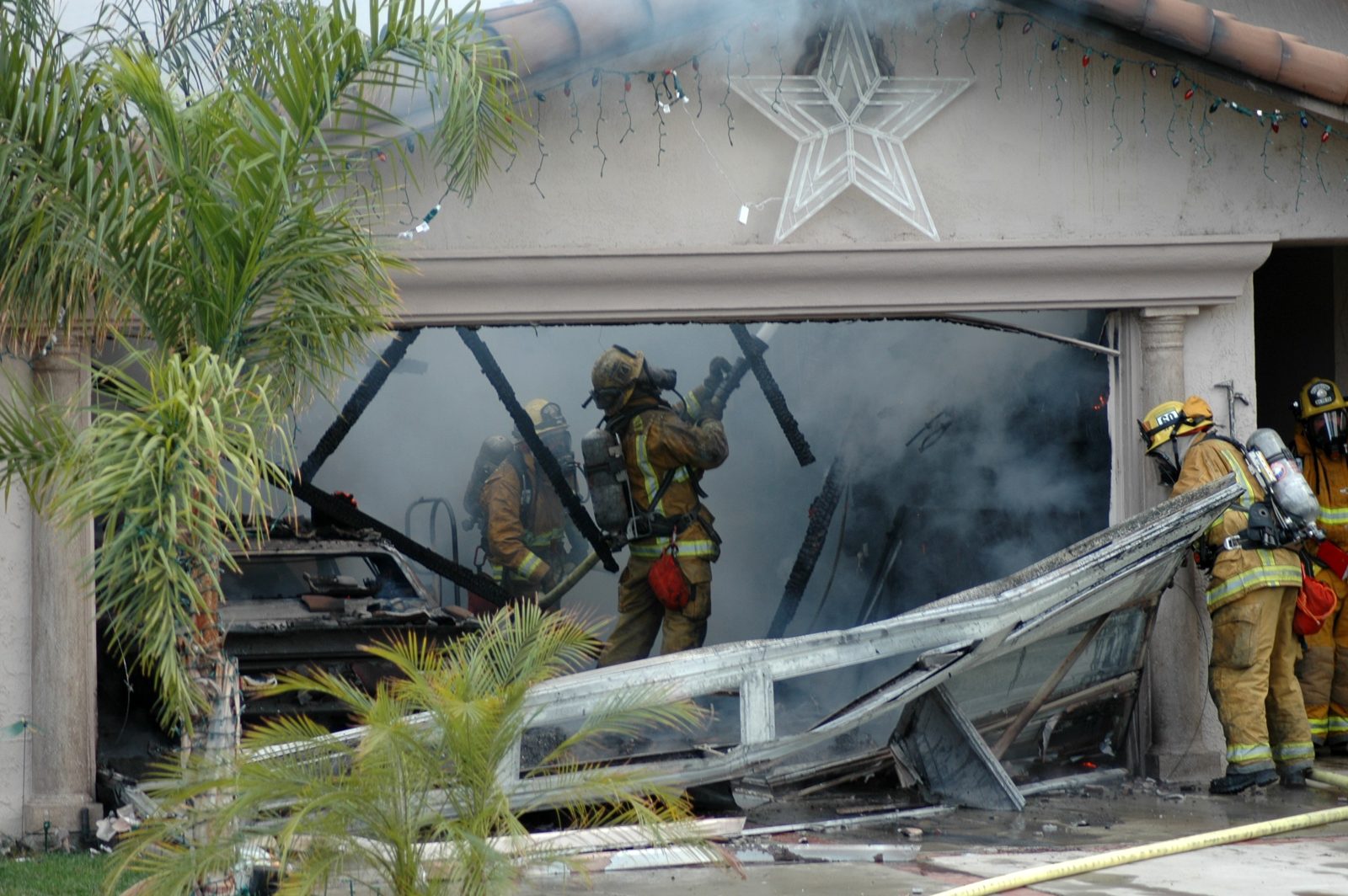
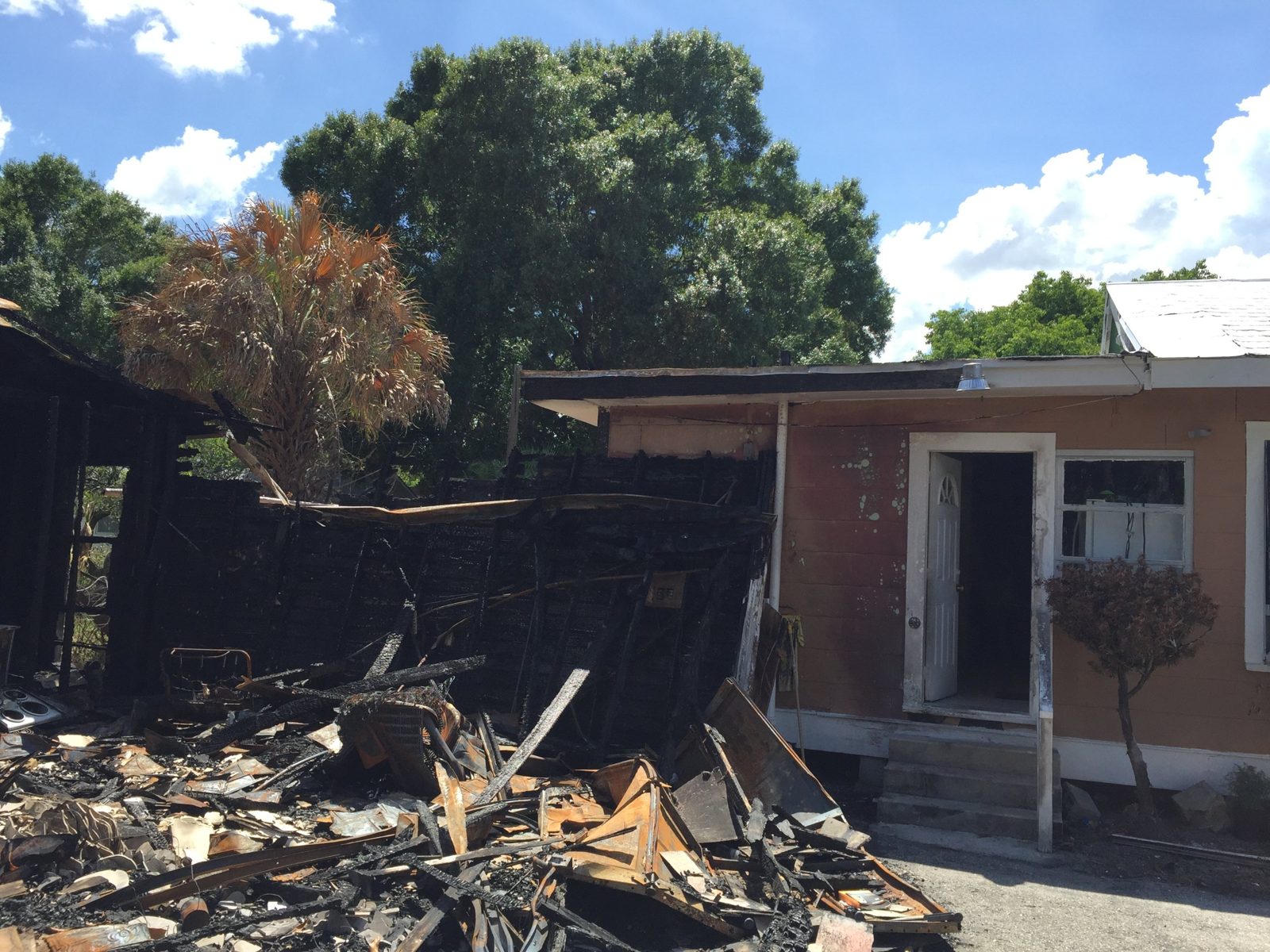
Short answer: When a car, boat or golf cart catches fire in an attached garage, two policies respond. The vehicle itself is a claim under its own auto or boat policy’s comprehensive coverage; the garage, the house, the smoke and the contents are a claim under the homeowners policy, which covers fire as a named peril and excludes only the motor vehicle. The USFA has estimated about 258,500 highway vehicle fires a year, and a vehicle fire in a garage is one of the fastest ways a house becomes a total loss.
Two policies, and what each one owes
| Loss | Policy | Notes |
|---|---|---|
| The car, truck or motorcycle | Its auto policy, comprehensive coverage | Fire is a comprehensive loss, not collision; liability coverage does not pay for your own vehicle |
| A boat on a trailer | Its boat or marine policy; sometimes a homeowners policy for small boats | Many homeowners policies cover small watercraft up to a limit; larger boats need their own policy |
| A golf cart or low-speed vehicle | Its own policy if it is registered or separately insured; otherwise the homeowners policy’s limited coverage for vehicles used on the premises | Check the limit and the definition of motor vehicle in your form |
| The garage, roof, walls, electrical, the house | Homeowners policy, dwelling coverage | Fire is covered on every form; the vehicle exclusion reaches the vehicle, not the building it burned |
| Tools, bikes, storage, contents of the house | Homeowners policy, personal property | Items inside the vehicle are usually personal property under the home policy, not the auto policy |
| Hotel and meals while displaced | Homeowners policy, loss of use | A garage fire often leaves the house uninhabitable for smoke alone |
| A neighbor’s house damaged by the fire | Their policy first; your auto liability or homeowners liability if you were negligent | Attached garages in townhomes and zero-lot-line homes spread fires |
When the vehicle belongs to someone else
If a guest’s car, a contractor’s truck or a neighbor’s boat was the one that burned in your garage or driveway, your homeowners policy still covers your house and contents, without waiting for anyone to decide who was at fault. The vehicle owner’s auto policy covers their vehicle, and their auto liability coverage may owe you the deductible and anything your policy does not pay if the fire was their fault, for example a known fuel leak. Your carrier pursues that claim (subrogation) after it pays you. Our guide to a vehicle hitting your house covers the same first-party-then-liability sequence for an impact.
EVs, hybrids and golf carts
A lithium battery pack that has been flooded, damaged or overcharged can ignite days later, and it burns hotter and longer than a gasoline fire. After Hurricane Helene, Florida’s State Fire Marshal confirmed 48 lithium-ion battery fires from storm surge, 11 of them EVs; the count reported by the state within days reached at least 64, including scooters, hoverboards and golf carts. For the claim, the sequence is the same as any vehicle fire: the vehicle under its own policy, the house under the homeowners policy. The practical difference is the aftermath: the burned pack has to be handled as hazardous, the carrier may test it for a defect, and the flood policy, if any, covers water damage to the house but not the fire. Our guide to lithium battery fires covers e-bikes, scooters and carts in detail.
Getting the two carriers to work together
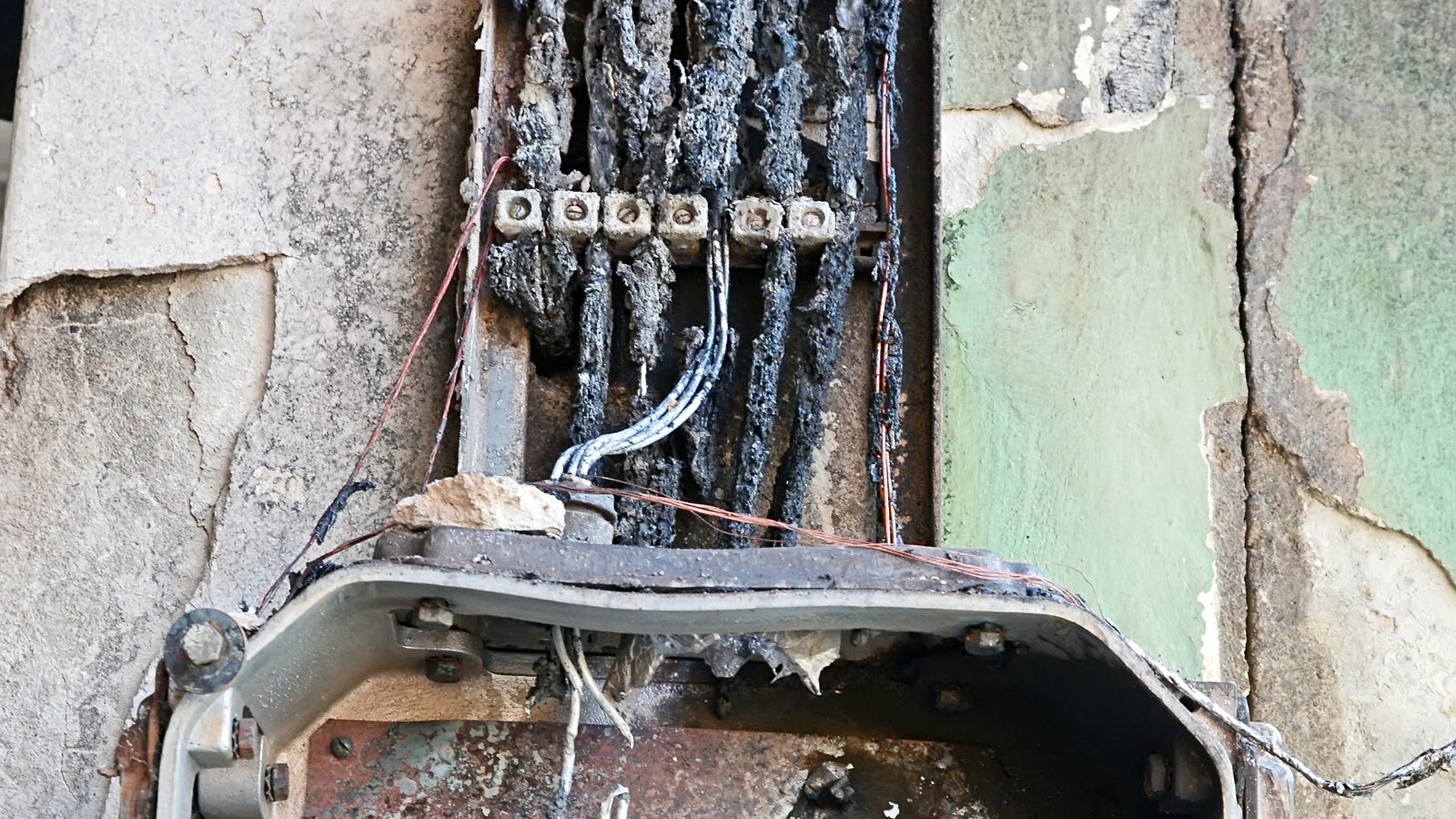
Each carrier will want to know the cause, and each will be tempted to point at the other. The auto carrier’s fire investigator may say the fire started in the garage wiring; the homeowners carrier’s may say it started in the car. Neither opinion changes what each policy owes: the auto policy owes the car whether the car or the wall started it, and the homeowners policy owes the house either way. Report both claims promptly, give both carriers the same fire department report and the same photographs, and do not let one carrier’s delay hold up the other. If the cause turns out to be a product defect, the subrogation against the manufacturer is the carriers’ business after you are paid.
Deadlines
In Florida, notice of an initial or reopened claim is due within 1 year of the date of loss and a supplemental claim within 18 months (§627.70132); the insurer must acknowledge the claim within 7 days and pay or deny it within 60 days of notice (§627.70131), and on a replacement cost policy it must pay at least the actual cash value first and the rest as the work is done (§627.7011). In New Jersey, the insurer must begin its investigation within 10 working days of notice and pay a first-party property claim within 30 calendar days after it receives a properly executed proof of loss, with written delay notices after that (N.J.A.C. 11:2-17.7). The auto and boat policies have their own notice conditions; report those claims the same day.
What to do after a vehicle fire in the garage
- Get everyone out and call 911; do not open the garage door into a fire, and do not go back for the car.
- Get the fire department incident number and ask whether an investigator will examine the vehicle.
- Do not have the vehicle towed or scrapped until both carriers have inspected it; photograph it where it sits.
- Photograph the garage, the roof above it, the rooms beside and above the garage, and every room with smoke.
- Report the vehicle claim to the auto or boat carrier and the property claim to the homeowners carrier the same day, in writing.
- List the contents of the garage and the vehicle, and everything smoke reached inside the house.
- Call Homeland before the homeowners carrier; a licensed public adjuster handles the property claim and keeps it from waiting on the auto claim.
Frequently asked questions
My car caught fire in the garage. Does homeowners insurance cover the car?
The homeowners carrier says the fire started in the car, so it is an auto claim.
A friend’s boat burned in my driveway and took the garage with it.
Is a golf cart covered by homeowners insurance?
The car was an EV that flooded in the hurricane. Which policy?
Homeland serves policyholders in Lehigh Acres, Port St. Lucie and Union City, with local lines and a licensed public adjuster who calls back right away.
If this is your loss, call Homeland before you talk to the insurance company: Florida (305) 783-3777, New Jersey (732) 517-3777, 24 hours. A licensed public adjuster reviews the claim for free and calls you back right away. No Recovery, No Fee.
Sources
- USFA, Highway Vehicle Fires (via Fire Engineering, Oct 2008)
- WUSF, Oct 11 2024 (Ian and Helene EV and battery fires)
- Florida CFO / Division of State Fire Marshal, Oct 7 2024
- Fla. Stat. §627.70132
- Fla. Stat. §627.70131
- N.J.A.C. 11:2-17.7
This article is for general information only and is not legal or insurance advice. Statutes, regulations and policy wording change, and how they apply depends on your own policy and the facts of your claim. Homeland Public Adjusters is a public adjusting firm, not a law firm.
- Surprising Things Your Policy Covers
- Neighbor's Condo Fire: Who Pays?
- Damaged Tile or Laminate: A Claim?
- Barn, Stable & Outbuilding Coverage
- Wind and Tornado Risk on the Farm
- Crop Insurance vs. Property Insurance
 Yeni Martinez
 Alberto Enriquez
 Yisel Dieguez
Homeland Public Adjusters represents policyholders, not insurers. Get a free review of your claim.
Get a Free Claim ReviewIf you already have an open claim, see What to Do in the First 24 Hours After Property Damage, or visit our Public Adjuster Near Me page to get connected with the Homeland adjuster covering your area.