Arson and Tenant-Set Fires: Is an Intentional Fire Covered?

Homeland Public Adjusters · Last reviewed: October 2026
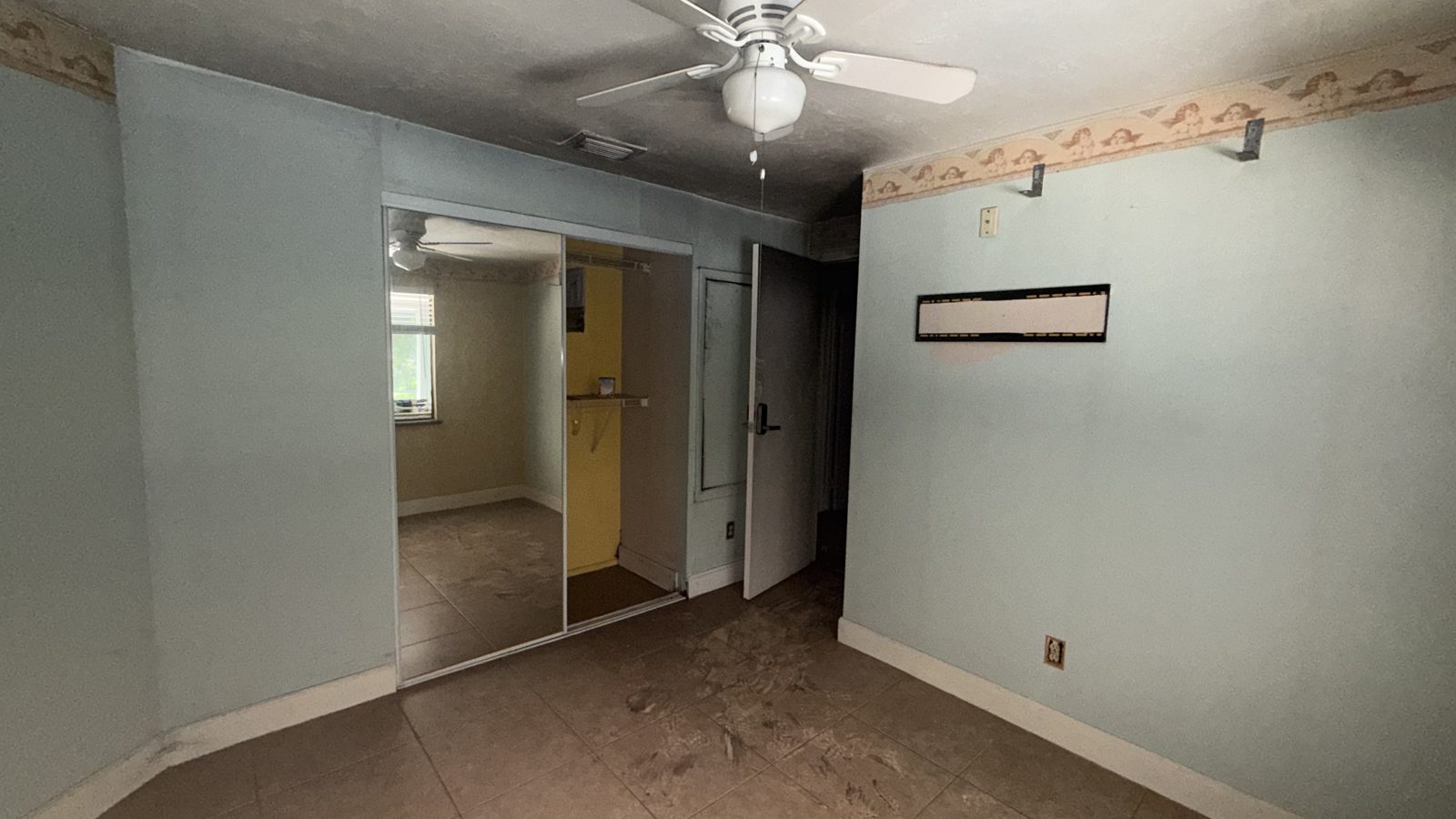
Short answer: A fire someone set on purpose is still a covered fire unless the person who set it was an insured under the policy. The intentional-loss exclusion on the standard forms applies to loss caused by an insured, or on many forms at an insured’s direction; it does not apply to a tenant, a guest, an ex-partner who is not on the policy, or a stranger. The U.S. Fire Administration counted 17,200 intentionally set residential fires in 2023, with $631 million in losses, and most of the resulting claims were paid. The ones that are not paid fail on the investigation, not on the fire.
What the exclusion says, and who it reaches
Every standard property policy excludes an intentional loss, defined as a loss arising out of an act an insured commits or directs with the intent to cause a loss. Three words carry the exclusion: an insured. On a homeowners policy, that means the named insured and the resident relatives of the household. On a landlord’s dwelling policy, it means the owner. A tenant is not an insured on the landlord’s policy, so a fire the tenant set is, from the landlord’s side, a covered fire set by a third party. The same is true of a guest, a contractor, a neighbor and a stranger.
Two situations are harder. The first is the fire set by someone who is an insured: a spouse, an adult child living at home. Many forms now carry an “innocent co-insured” provision that lets the insured who did not participate recover their share; where the form does not, state law and case law in Florida and New Jersey have reached different results, and that claim needs a lawyer alongside the adjuster. The second is the fire the carrier suspects the policyholder set. That claim is covered on its face, and the fight is over proof.
The arson investigation
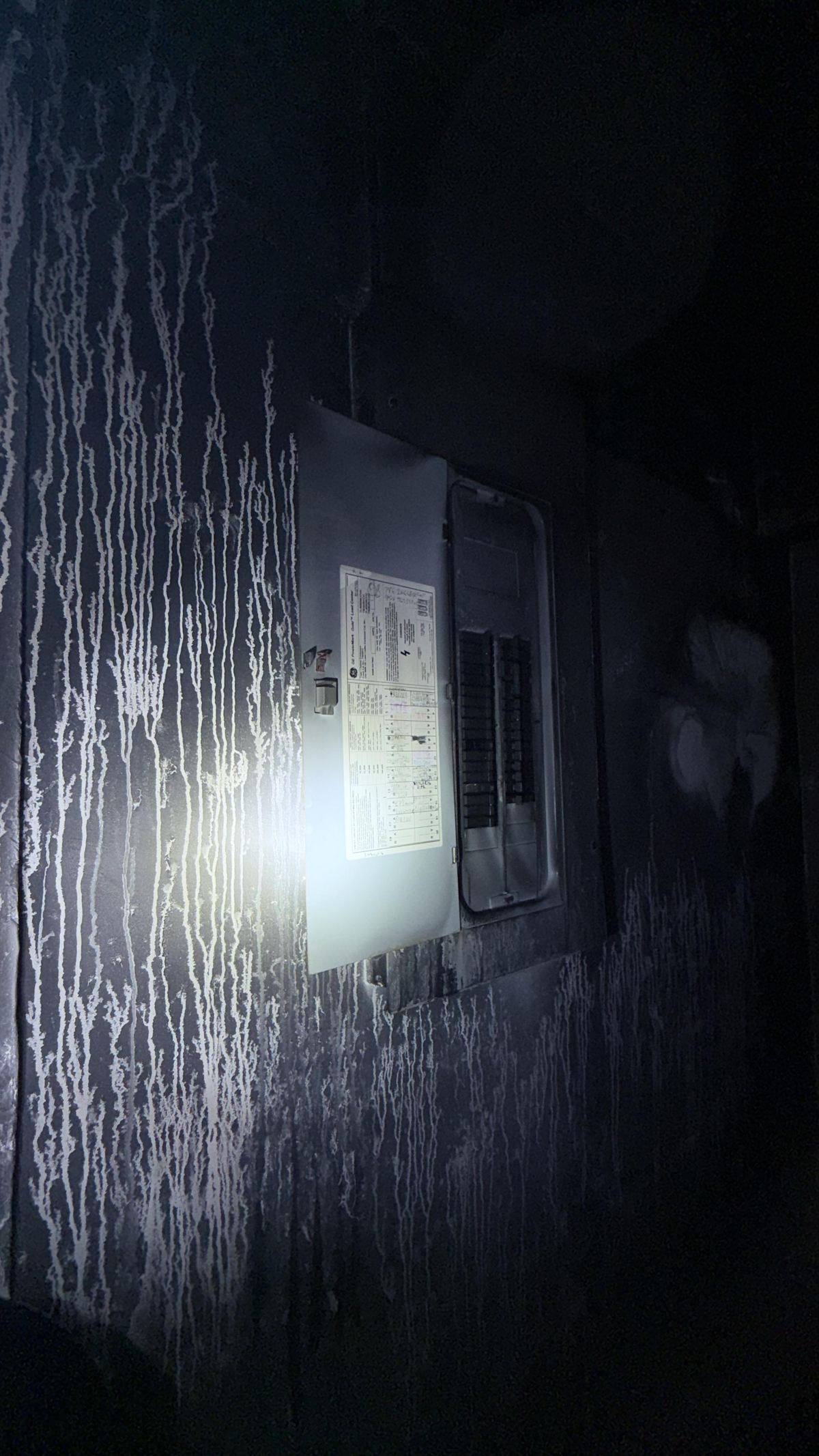
A fire with an unknown cause, a fire in a vacant or financially distressed property, a fire with no forced entry and the family’s photo albums in the car: these draw an origin-and-cause investigation, by the fire marshal for the state and by the carrier’s own retained investigator for the claim. The investigator looks for ignitable liquid residue, multiple points of origin, disabled smoke alarms and the burn patterns that distinguish a set fire from an accidental one. The carrier then looks at motive and opportunity: the mortgage, the listing history, the insurance recently increased, who had keys.
For a landlord, the investigation usually points at the tenant, and that is a covered claim. The carrier will still want the police and fire marshal reports, the lease, the eviction file if there was one, and your statement about the tenant’s access and the property’s condition. For an owner-occupant, the investigation is the claim, and the duties below decide it.
Examination under oath and the duty to cooperate
Property policies require the insured to cooperate in the investigation: produce documents, submit to an examination under oath (EUO) on request, and sign a sworn proof of loss. On a suspected arson claim the carrier uses all three. The EUO is a formal, transcribed questioning under oath by the carrier’s attorney, and refusing it is a breach that can defeat the claim on its own. Preparation matters: the financial records, the timeline of the day, the inventory of contents. A public adjuster prepares the claim file and the inventory; an attorney attends the EUO when the carrier is building a fraud defense. Our guide to the reservation of rights letter explains the notice that usually precedes this stage.
Vacancy: the exclusion that actually denies landlord fire claims
Carriers rarely deny a landlord’s tenant-set fire as intentional. They deny it as vacant. The standard forms drop vandalism coverage after the dwelling has been vacant for more than 60 consecutive days, and a fire set in a vacant building is often argued as vandalism rather than fire, or the policy’s vacancy clause suspends coverage altogether. A unit between tenants, a property in eviction, a house listed for sale with the tenant gone: each is a vacancy question before it is a fire question. Our guide to vacant rental property claims covers the definitions and the vacancy permit endorsement that keeps coverage in place.
| Who set the fire | Landlord’s DP-3 claim | What the carrier will raise |
|---|---|---|
| Current tenant | Covered fire; tenant is not an insured | Vacancy if the tenant had moved out; your knowledge of threats or prior incidents |
| Former tenant after eviction | Covered fire; usually argued as vandalism | The 60-day vacancy rule; whether utilities and occupancy continued |
| Stranger, in a vacant unit | Covered fire if the vacancy clause has not suspended coverage | Vacancy and the vacancy permit; security of the premises |
| Owner or owner’s household member | Excluded as intentional loss | Everything: motive, finances, EUO |
What to do after a suspected intentional fire
- Get the fire department and police reports and the fire marshal’s cause determination when it issues; ask for the incident number the first day.
- Secure the property and do not clean until the carrier’s investigator has inspected; spoliation of the scene is a defense in itself.
- Preserve the lease, the tenant file, the eviction file and all communications with the tenant, including texts.
- Document occupancy: utility bills, the tenant’s move-out date, the listing, the cleaner’s invoices; the vacancy question will be asked.
- Inventory the contents room by room from photographs and receipts, whether yours or, for a furnished rental, the furnishings.
- Do not give a recorded statement or attend an EUO unprepared; call Homeland and, where the carrier has raised fraud, an attorney.
- Give notice in writing and watch the clocks: Florida’s 1-year notice rule under §627.70132 and the 7-day acknowledgment and 60-day decision rules under §627.70131; New Jersey’s 10-working-day investigation and 30-day payment rules under N.J.A.C. 11:2-17.7.
Frequently asked questions
My tenant set fire to my rental. Is it covered?
The fire was set by my ex, who still had a key but is not on the policy.
The insurance company sent me a reservation of rights letter and wants an examination under oath. What does that mean?
My rental was empty between tenants when someone set the fire.
Can the carrier deny the whole claim because one family member set the fire?
Homeland serves policyholders in Weston, Miami Gardens and Camden, with local lines and a licensed public adjuster who calls back right away.
If this is your loss, call Homeland before you talk to the insurance company: Florida (305) 783-3777, New Jersey (732) 517-3777, 24 hours. A licensed public adjuster reviews the claim for free and calls you back right away. No Recovery, No Fee.
Sources
- U.S. Fire Administration, intentional residential building fires (2023)
- NFPA Home Structure Fires, 2013–2017 (Maine Fire Marshal mirror)
- Merlin Law Group, vacancy and vandalism (60-day wording)
- Fla. Stat. §627.70132
- N.J.A.C. 11:2-17.7
This article is for general information only and is not legal or insurance advice. Statutes, regulations and policy wording change, and how they apply depends on your own policy and the facts of your claim. Homeland Public Adjusters is a public adjusting firm, not a law firm.
- Surprising Things Your Policy Covers
- Neighbor's Condo Fire: Who Pays?
- Damaged Tile or Laminate: A Claim?
- Barn, Stable & Outbuilding Coverage
- Wind and Tornado Risk on the Farm
- Crop Insurance vs. Property Insurance
 Yeni Martinez
 Alberto Enriquez
 Yisel Dieguez
Homeland Public Adjusters represents policyholders, not insurers. Get a free review of your claim.
Get a Free Claim ReviewIf you already have an open claim, see What to Do in the First 24 Hours After Property Damage, or visit our Public Adjuster Near Me page to get connected with the Homeland adjuster covering your area.