From hurricane and fire to wildlife damage, tornadoes and other losses most owners don’t realize are covered. Your home, your biggest asset, deserves someone working only for you.
Homeland Public Adjusters represents homeowners in Florida and New Jersey after hurricane, flood, fire, water, theft and other covered losses. We document the damage, review your policy, and present the claim to your insurance company, so you are not doing it alone while trying to get your home and your life back to normal.
Florida homeowners face hurricane and wind damage, flooding, fire, water loss and theft, often with high hurricane deductibles and policies that are hard to read in the middle of a loss. Homeland represents homeowners through every stage of the claim, across Miami-Dade, Broward, Palm Beach and the rest of the state.
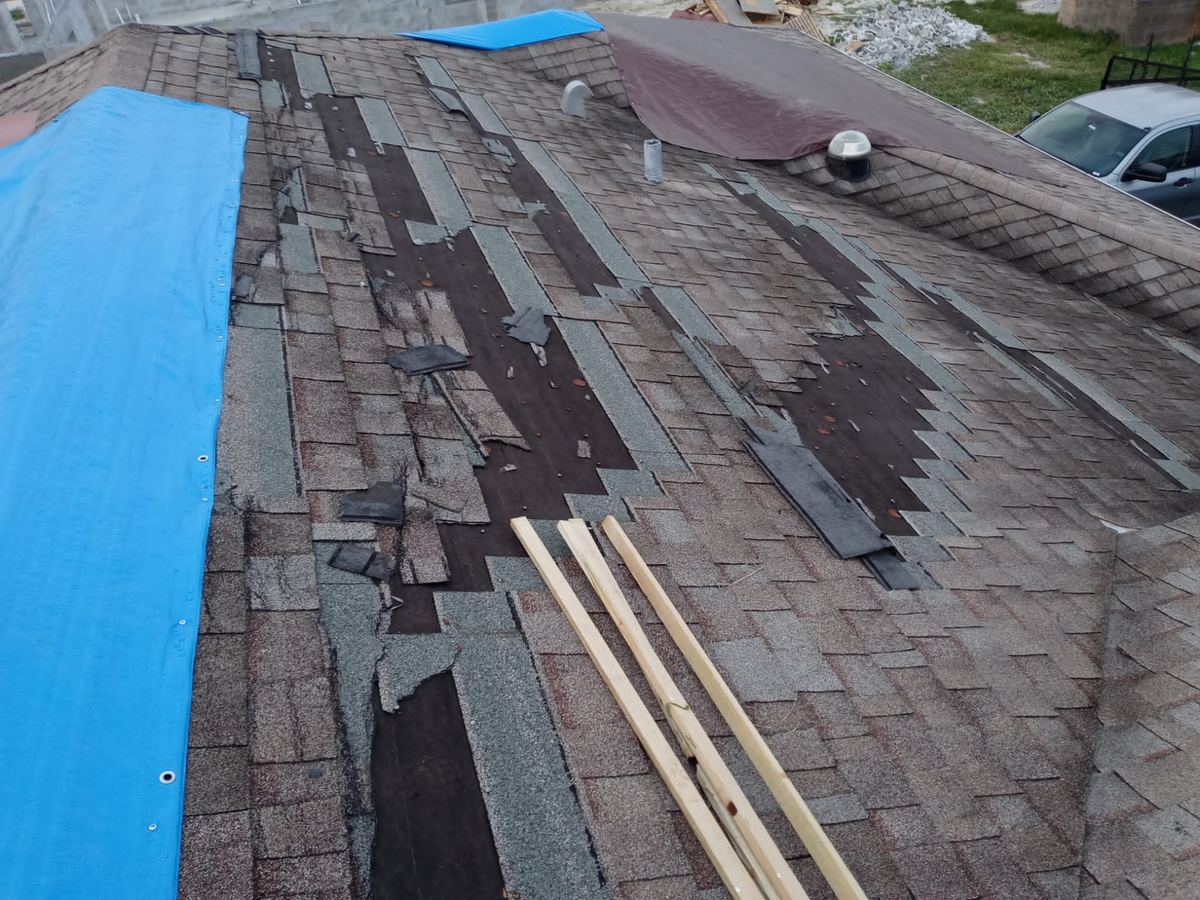
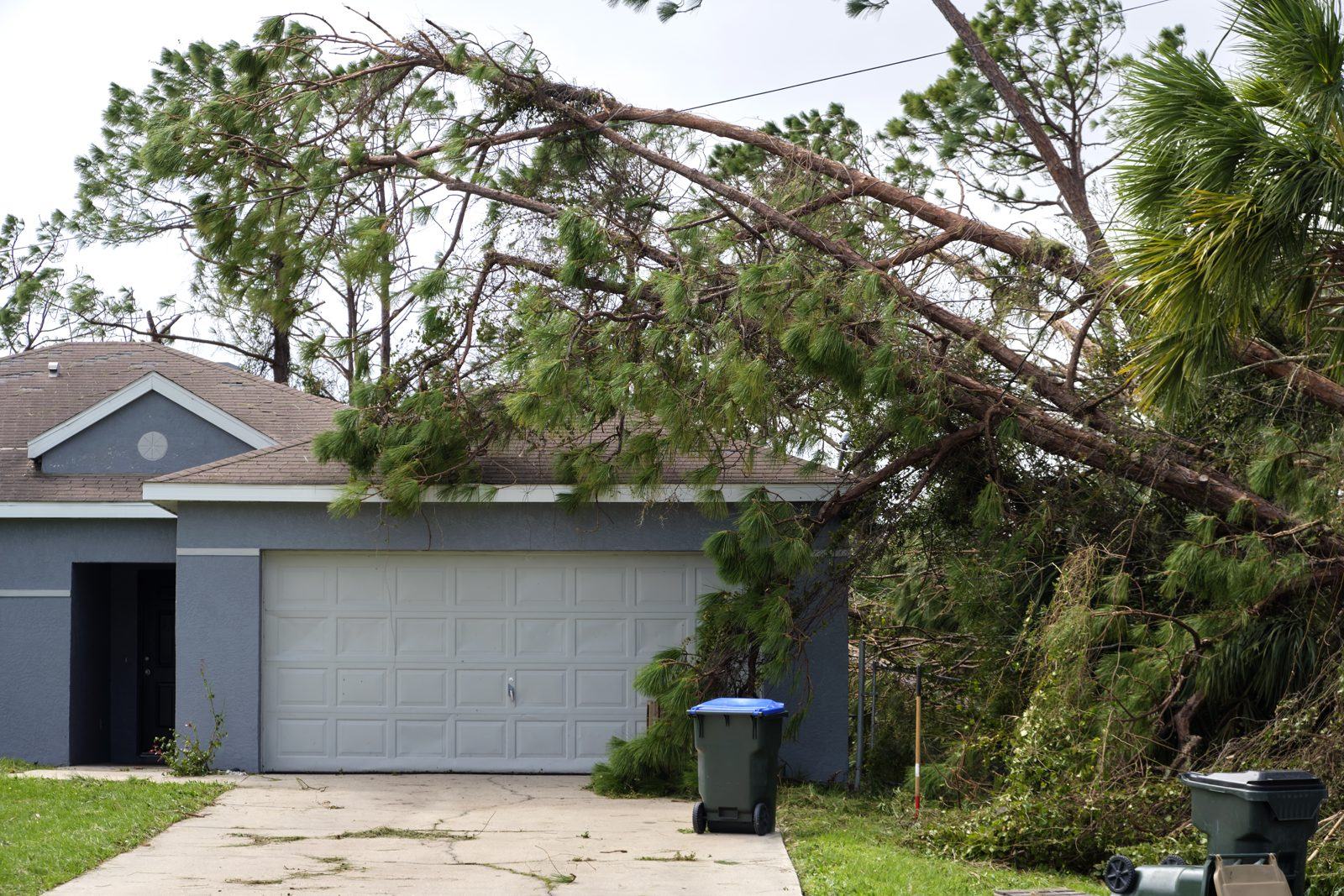
Roof damage from a fallen tree: covered under the standard policy, and the first place insurers argue age and wear.
Homeowners Claims in New Jersey
New Jersey homeowners deal with nor’easters, coastal flooding, fire and water damage. Homeland represents homeowners across New Jersey with these losses, from the first inspection through resolution.
Most homeowner losses fall under one of our peril-specific Claim Types, and we document and present each one the same way: thoroughly, and on your behalf, not the insurer’s.
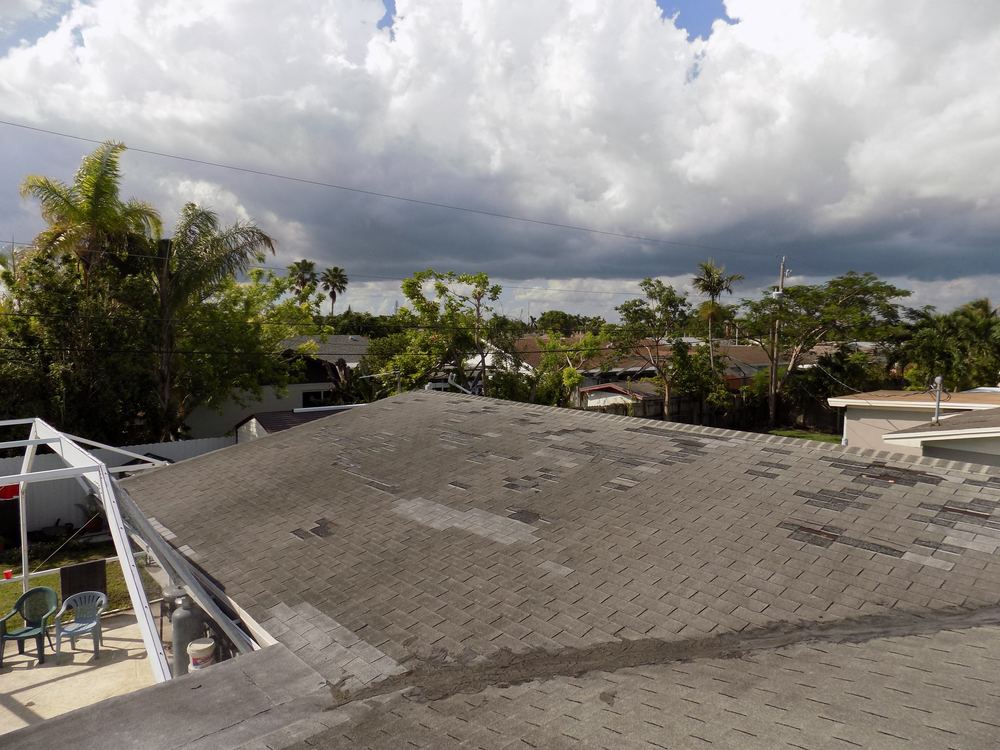
Hurricane & wind damage: Roof, exterior and structural damage from storms
Flood damage: NFIP and private flood claims
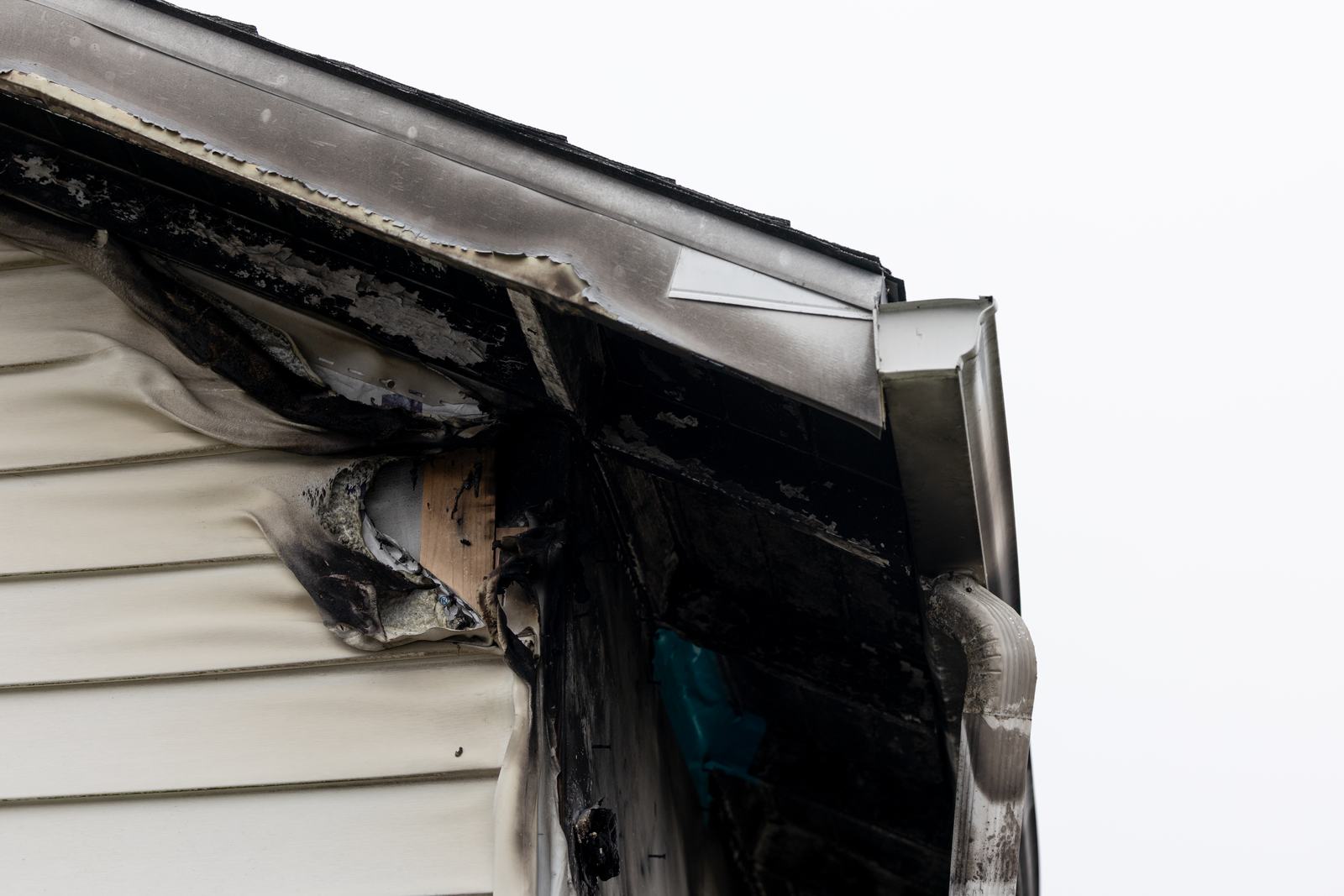
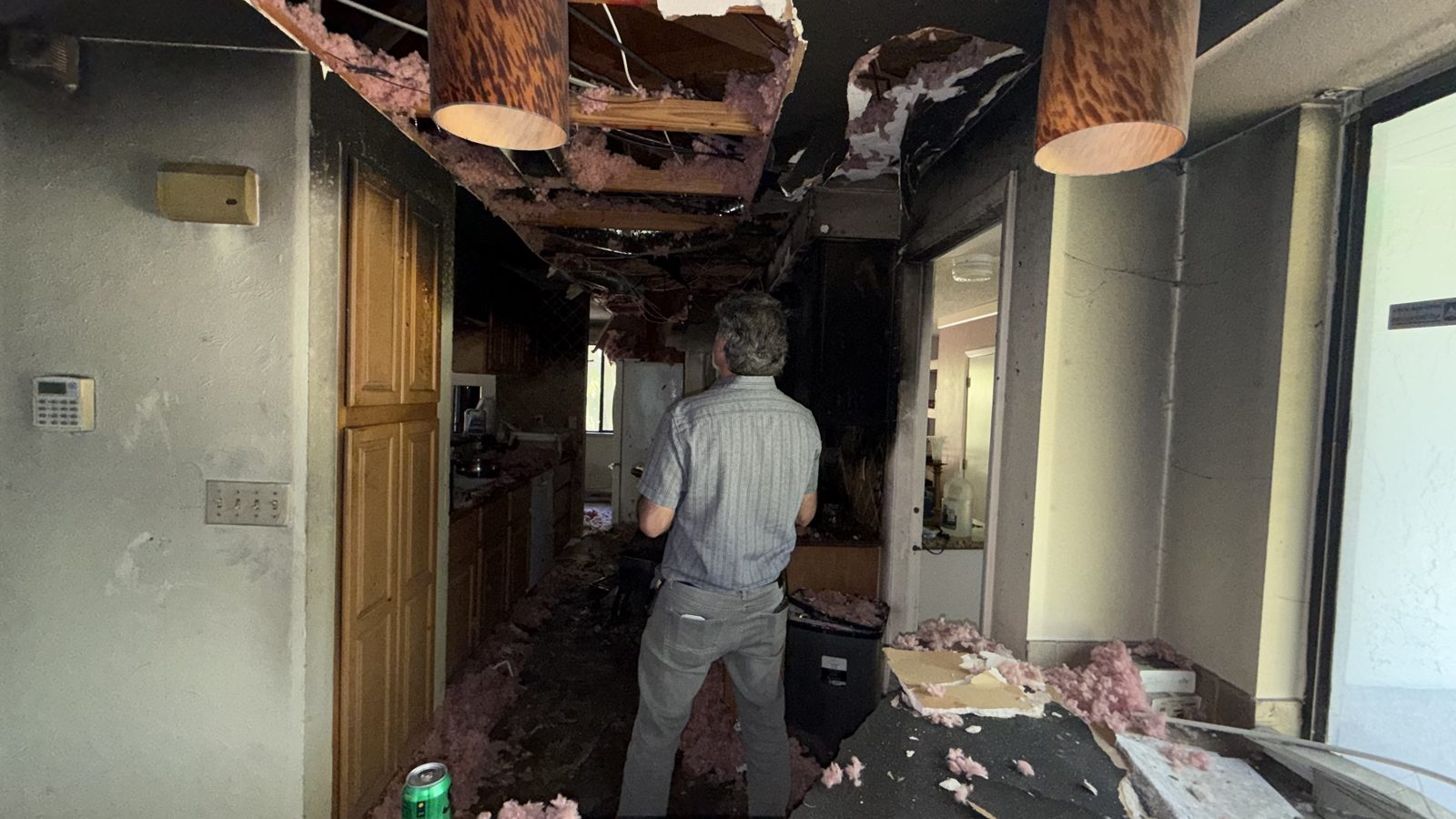
Fire & smoke damage: Structure, contents and smoke damage
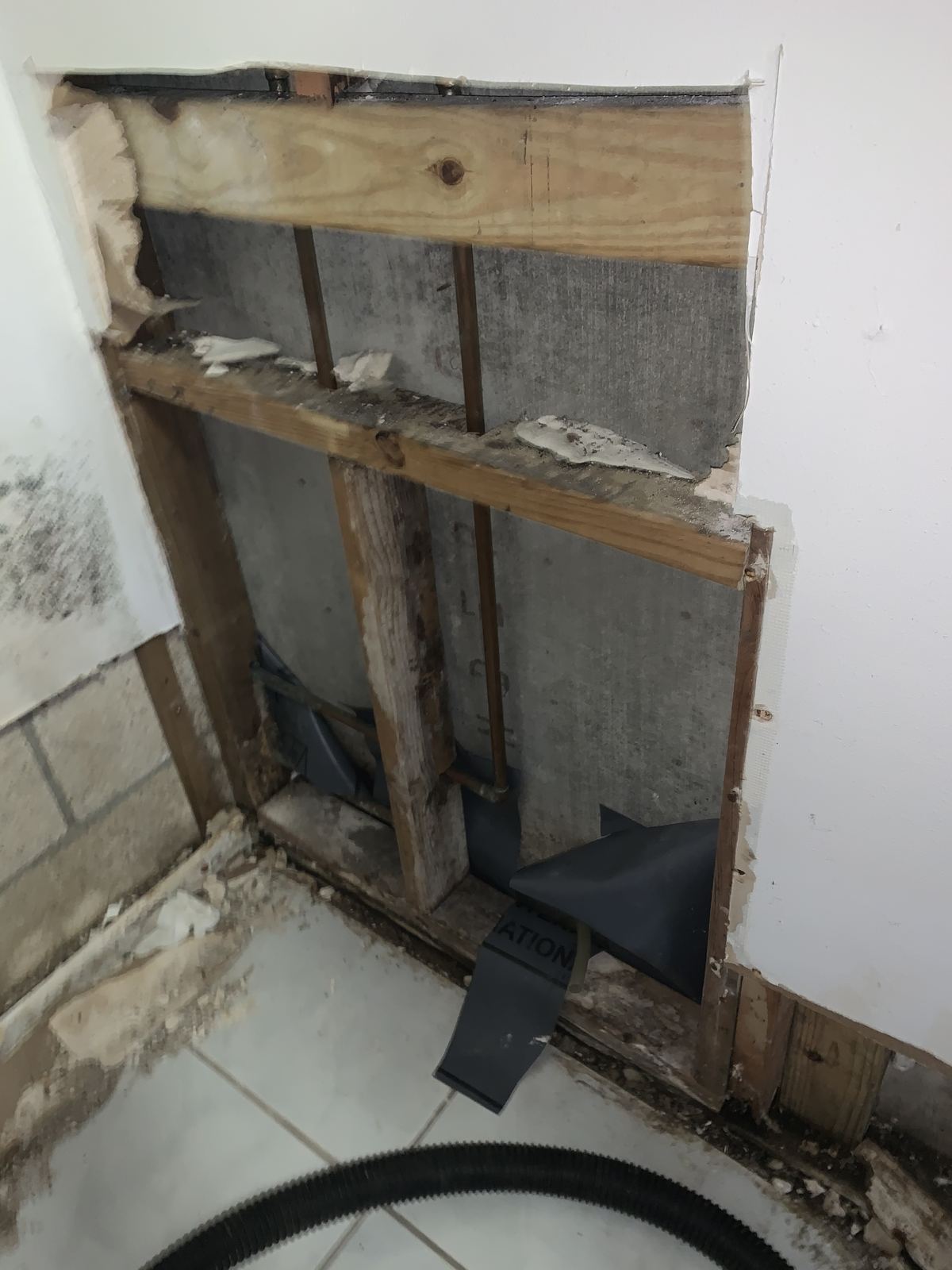
Water damage: Burst pipes, plumbing failures and water intrusion
Theft & vandalism: Forced entry, stolen and damaged property
Denied & underpaid claims: A second look when the insurer said no or paid too little
Covered Losses Homeowners Often Miss
Some of the most overlooked homeowners claims are not the big, obvious ones. These are real, documented scenarios that are often covered the same way as other sudden, accidental damage, but homeowners frequently do not realize it until it is too late to ask:
Wildlife in the attic: Damage from an animal getting into the attic or roofline, separate from the cost of removal itself
A neighbor’s fire: Smoke or water damage from a fire that started on someone else’s property
A vehicle or aircraft striking the home: Rare, but a real covered-loss scenario
Debris impact, including rocket or space debris: Florida’s Space Coast sees frequent launches and reentries, making debris a real, if uncommon, property risk
Tornado damage: Florida is not known for tornadoes the way the Midwest is, but they happen here, including tornadoes spawned during hurricane landfalls
Buckled tile or damaged laminate flooring: Sudden flooring damage can be a covered loss depending on the cause
Sudden Accidents That Are Not a Storm
Most homeowners know to call after a hurricane. The losses below happen a few times a year to every neighborhood, are covered on nearly every policy, and are handled badly because nobody expects them. Each has its own guide.
Make safety the priority: Get everyone to a safe place and stay out of unstable or damaged areas.
2
Protect the property: Tarp roofs, stop active leaks and take reasonable steps to prevent further damage, keeping receipts for any work.
3
Document everything: Photograph and video the damage from multiple angles before cleanup or repairs begin.
4
Let Homeland notify the carrier: Call us before you speak with the insurance company. Hire us, and we’ll submit the notice of loss and handle every carrier conversation from there.
5
Gather your records: Your policy, prior inspection reports, receipts and any photos you have of the home before the loss.
6
Track every related expense: Temporary repairs, hotel stays and other loss-related costs all need receipts.
7
Speak with a public adjuster: Contact Homeland Public Adjusters before accepting a settlement or signing a release so we can review the claim and the policy.
Why Choose Homeland as Your Homeowners Advocate
Policyholder-only representation: Homeland works for homeowners, not insurance carriers.
Thorough documentation: We inspect and document the full scope of damage, not just what is visible at first glance.
Policy review: We review your policy for applicable coverage, limits, deductibles and conditions.
Carrier communication: We communicate with the insurance company and its adjusters for you.
Denied and underpaid claims: We review claims that were denied or paid less than expected.
Florida and New Jersey: We represent homeowners in both states.
Serving property owners since 2007.
No Recovery, No Fee.
Homeowners Claims by the Numbers
Homeowners claims by the numbers
1 in 19Insured homes that file a claim in a given year (5.3% in 2023; III)
$14,747Average wind and hail claim; wind and hail were 42.5% of homeowners losses in 2023 (III)
$88,170Average fire and lightning claim, the costliest common peril; water damage and freezing averages $15,400 (III, 2019–23)
$2,677Average Florida homeowners premium in 2022, the highest in the nation; New Jersey $1,417 (III)
Every homeowners claim runs through the same handful of provisions. Knowing them before the loss is the difference between a settlement and a fight:
Provision
What it does
Where claims go wrong
Coverage A–D
Dwelling, other structures (usually 10% of A), personal property (usually 50% of A) and loss of use (usually 20% of A)
Detached structures, contents and living expenses are separate buckets; carriers settle A and go quiet on B, C and D
Replacement cost and the holdback
Florida insurers must pay at least actual cash value first and the depreciation holdback as repairs progress (§627.7011)
Holdback never collected because the owner did not know to ask; depreciation applied to labor and to items with no useful-life schedule
Roof surfacing payment schedule
An optional Florida endorsement that pays a depreciated amount for roofs over a stated age in exchange for a discount
Owners accept it at renewal without realizing a 15-year-old roof may be paid at a fraction of replacement
Hurricane deductible
A percentage deductible applied to named-hurricane losses, once per calendar year on personal residential policies (§627.701)
Applied to an underscoped loss so the net check is small; the scope is the fix
Limited water damage
A cap, commonly $10,000, on non-weather water losses on many Florida forms
The cap is read to swallow tear-out, mold and ensuing damage that sit outside it
Notice and proof of loss
Initial or reopened claim within 1 year of the loss, supplemental within 18 months (§627.70132); the policy also requires prompt notice and may require a sworn proof of loss
Late-notice denials on damage discovered after the first inspection
Florida. Florida law requires notice of an initial or reopened property claim within 1 year after the date of loss, and notice of a supplemental claim within 18 months. For hurricanes and similar weather events, the date of loss is the landfall date or the date the event is verified. Your policy may include its own requirements, so do not wait.
New Jersey. New Jersey regulations require insurers to begin an investigation within 10 working days of notice of a claim and set a 30-calendar-day period, running from receipt of a properly executed proof of loss, for first-party claims, with written explanations and updates every 45 days if more time is needed.
In the News. According to NBC 6 South Florida, a small plane crashed into a Pompano Beach neighborhood in May 2016, tearing through one homeowner's backyard and setting fire to a neighboring house — a loss few homeowners would ever think to plan for. Standard homeowners policies typically do cover sudden, accidental events like aircraft strikes, falling trees, vehicle impacts, and even wildlife intrusions, but getting a fair payout for an unusual loss often requires proving exactly what happened and what it will cost to repair or rebuild — not always straightforward when the damage doesn't fit a routine claim. It's a good reminder that homeowners insurance exists for exactly these unpredictable moments, not just hurricanes and fires. If something unexpected damages your Florida or New Jersey home and your insurer is slow-walking or undervaluing the claim, Homeland Public Adjusters can help you get the full, accurate settlement your policy promises.
Is damage from an animal getting into my attic covered?
Often, yes, depending on the cause. Sudden damage from an animal entering the attic or roofline can be a covered loss, separate from the cost of removing the animal itself, which is generally not covered. Homeland reviews your policy to see what applies.
A neighbor’s fire damaged my home. Can I file a claim?
Yes. Your own homeowners policy typically responds first for damage to your property, even when the fire started elsewhere. Homeland can also help you understand whether a claim against the responsible party is possible.
Does Florida actually get tornado damage?
Yes. Florida sees tornadoes, including ones spawned during hurricane landfalls and standalone outbreaks, such as the February 2007 Groundhog Day tornado outbreak in central Florida. This kind of wind damage is typically handled the same way as other storm-driven damage.
What about debris damage, including something unusual like rocket or space debris?
Debris striking your home, whatever the source, is generally documented as the cause of loss and evaluated under your policy’s wind and storm or other-perils coverage. Florida’s Space Coast sees this scenario more often than people expect given the volume of launches and reentries.
My claim was denied or the payment seems too low. What now?
Contact Homeland before accepting a settlement or signing a release. We review denied and underpaid claims against your policy and the documented damage, and can help determine next steps.
Do you only handle hurricane claims?
No. Homeland handles hurricane, flood, fire, water, theft, vandalism, and denied or underpaid claims, along with less common scenarios like vehicle or debris impact and wildlife-related damage.
Recovering from damage to your home is hard enough without also managing a complex insurance claim. Contact Homeland for a free review. Our team can document the damage, organize the supporting evidence, and represent you throughout the claims process.


 By Nelson Avila
 By Alberto Enriquez