Water Heater Leak or Burst: Is It Covered, and What the Claim Includes

Homeland Public Adjusters · Last reviewed: October 2026
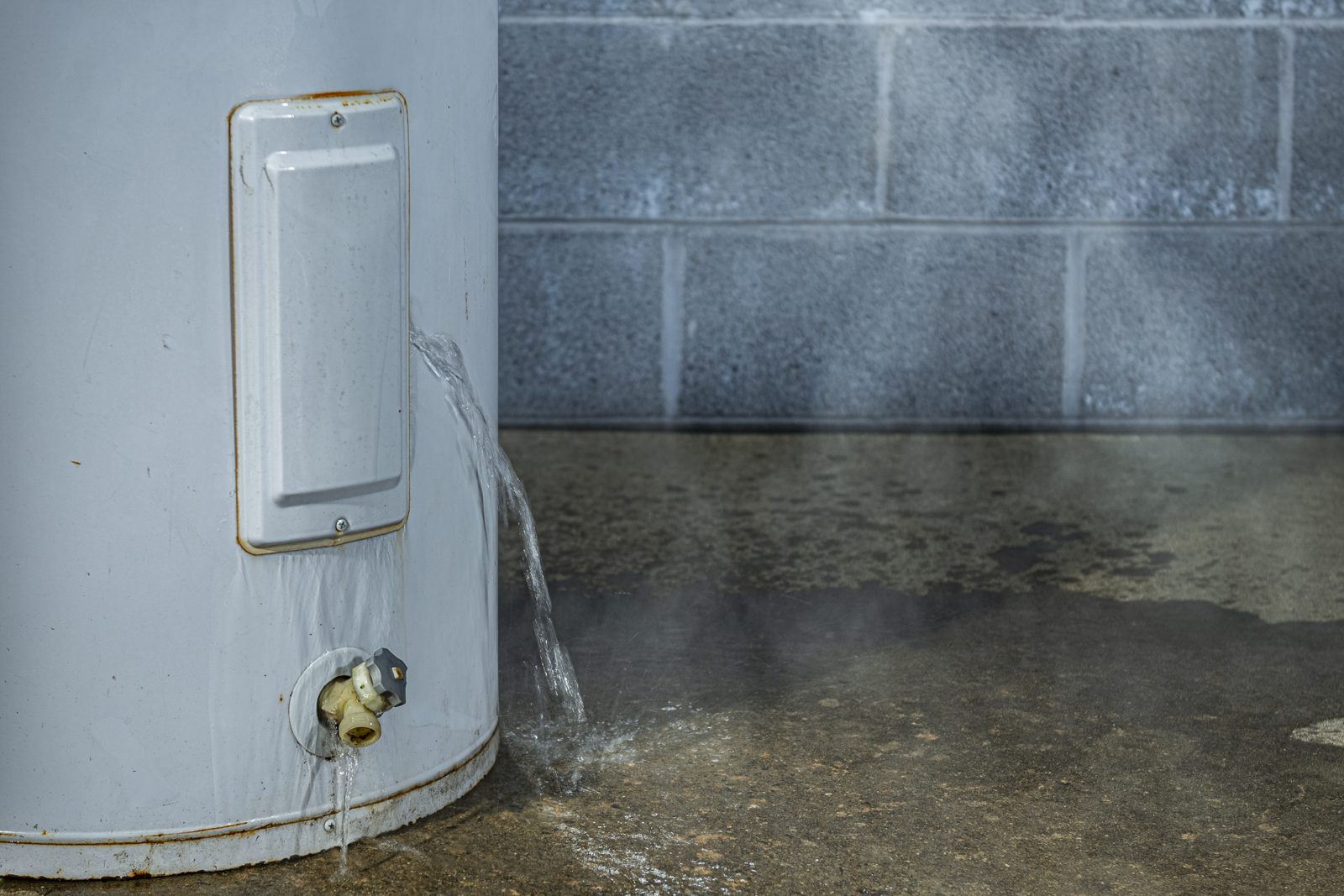
Short answer: A water heater that suddenly leaks or bursts is a covered loss under the standard homeowners policy: the resulting damage to floors, walls, cabinets and contents is paid, while the heater itself, the appliance that failed, usually is not. A slow leak that went on for weeks is excluded as continuous or repeated seepage. In Florida, many policies cap non-weather water damage at $10,000 unless the limitation was removed, and emergency extraction can use most of it.
Why water heaters fail, and when
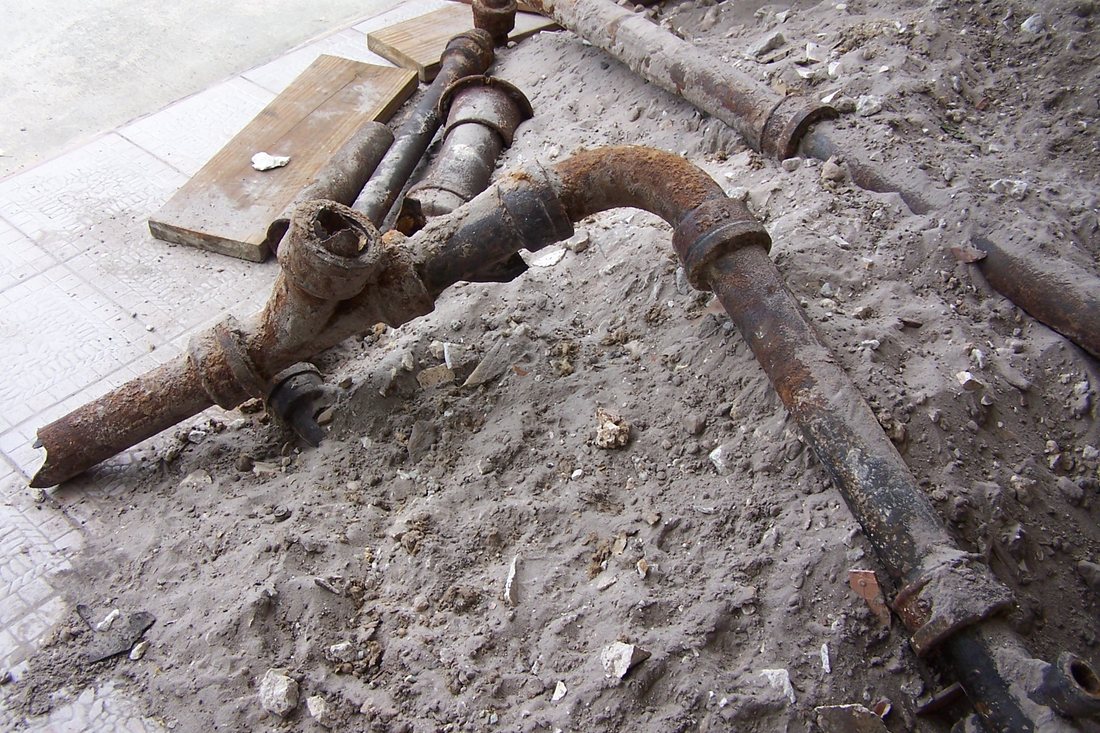
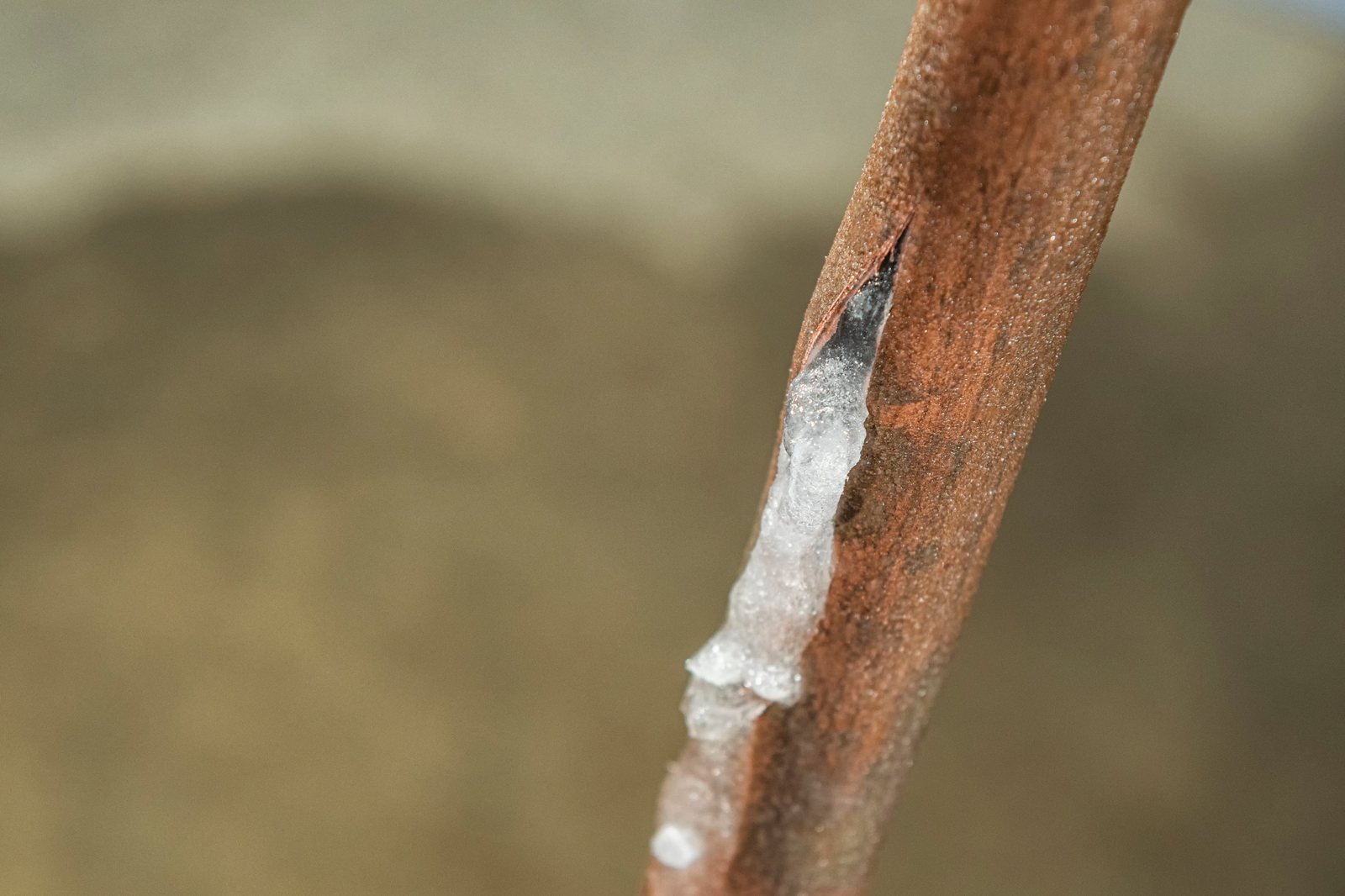
The Insurance Institute for Business & Home Safety studied 700 water heater claims and found the average age at failure was 10.7 years, with a range from one to thirty years, and that 69% of failures were a tank leaking or bursting from rust or corrosion. Three-quarters of water heaters fail before they are twelve years old, and the risk climbs after year five. A home inspector’s rule of thumb puts the typical lifespan at about ten years. A tank in a garage drains to the driveway; a tank in a closet, an attic or an interior utility room drains into the house.
Covered, excluded, and the line between them
| Situation | Covered? | Why |
|---|---|---|
| Tank splits or a fitting blows and floods the room in an afternoon | Yes | Sudden and accidental discharge of water from a plumbing system or household appliance is a covered peril |
| The water heater itself | Usually no | Most forms exclude the appliance or system from which the water escaped; the damage it caused is covered |
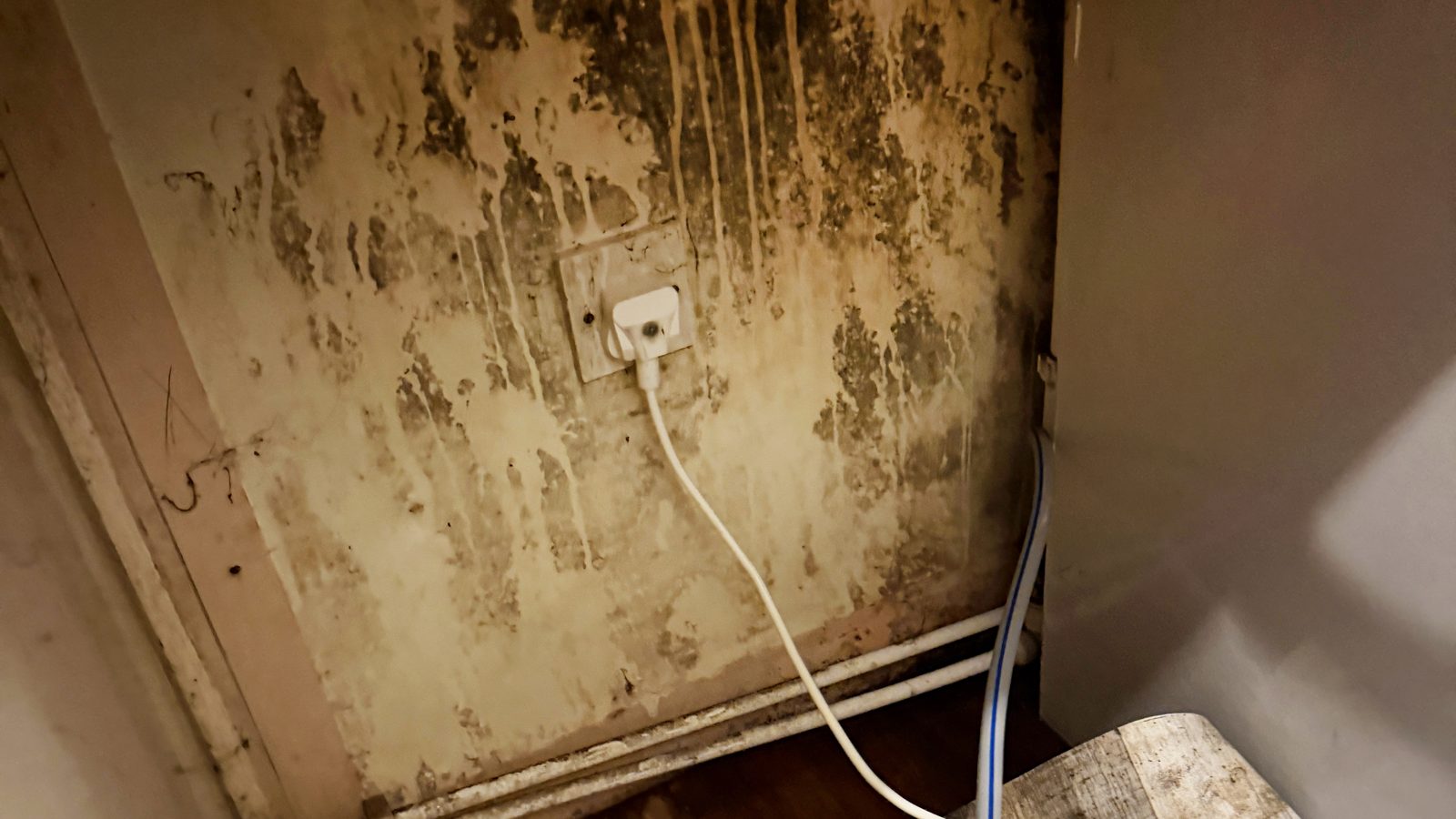
| A drip over weeks that rotted the subfloor and grew mold | Usually no | Policies exclude continuous or repeated seepage or leakage “over a period of weeks, months or years” |
| Hidden leak inside a wall or under a slab, discovered when the floor buckled | Often yes, in part | Many forms cover the resulting damage when the leak was hidden and could not reasonably have been found; the carrier will argue the timeline |
| Mold after the loss | Limited | Mold is usually a sublimit; see Florida mold coverage |
| Access to the leak: opening the wall or slab | Often yes | Tear-out to reach the failed part is commonly covered even where the part is not |
The Florida $10,000 water limitation
Many Florida policies written since 2018 limit non-weather water losses to $10,000. The limitation is not a statute; it is policy language the Office of Insurance Regulation approved for Citizens Property Insurance in 2017, effective August 1, 2018, that became a private-market standard for older homes. Citizens told the Legislature at the time that 80% of its undisputed non-weather water claims settled for less than $10,000 and that litigated water claims averaged $38,000 against $6,400 for the rest. The limitation can be waived on some policies by using the carrier’s managed repair program, and Citizens pairs it with a $3,000 sublimit for reasonable emergency measures. A water extraction company that bills $4,000 in the first 48 hours has spent a large share of the cap before the drywall comes down. Our guide to the $10,000 water sublimit covers how to read yours.
What the claim should include
- Flooring and subfloor in every room the water reached, not just the utility closet; water travels under tile and laminate.
- Drywall and baseboards to the height of the wicking, plus insulation.
- Cabinets and vanities that sat in the water, and the matching problem when one run is replaced.
- Drying and dehumidification, with the moisture readings.
- Contents: stored items in a garage or closet, rugs, furniture legs.
- Access and reset: disconnecting and reinstalling the replacement heater, and in an attic installation, the pan and the ceiling below.
- Code upgrades the replacement triggers (expansion tank, pan and drain, seismic or hurricane strapping) where ordinance or law coverage applies.
What to do when the water heater lets go
- Shut the cold-water supply valve on the tank and the breaker or gas valve; then stop the spread with towels and a wet vac.
- Photograph the tank, its label and date code, the failed point and every wet area before anything is moved.
- Keep the old heater. A carrier that wants to argue corrosion or age needs to inspect it; a discarded tank becomes their argument.
- Call Homeland before the carrier and before a restoration company presents an assignment to sign.
- Track every emergency expense and the extraction company’s invoice against your policy’s water and emergency limits.
- Report within the policy’s prompt-notice condition; Florida law allows 1 year for notice and 18 months for a supplemental claim (§627.70132), New Jersey carriers must pay within 30 days of a proper proof of loss (N.J.A.C. 11:2-17.7).
Frequently asked questions
Is a burst water heater covered by homeowners insurance?
What if the leak was slow?
Why did the carrier only pay $10,000?
The adjuster says the heater was old and the failure was wear and tear.
Is the mold covered?
Does a home warranty cover any of this?
Homeland serves policyholders in Hialeah, Port St. Lucie and Union City, with local lines and a licensed public adjuster who calls back right away.
If this is your loss, call Homeland before you talk to the insurance company: Florida (305) 783-3777, New Jersey (732) 517-3777, 24 hours. A licensed public adjuster reviews the claim for free and calls you back right away. No Recovery, No Fee.
Sources
- Canadian Underwriter, An oft-forgotten risk (IBHS water heater study)
- IBHS, Preventing water damage (Connecticut Insurance Department copy)
- InterNACHI, Water heater lifespan
- Insurance Information Institute, Homeowners and renters insurance facts
- Merlin Law Group, the continuous or repeated seepage exclusion
- Citizens Property Insurance, nonweather water-related loss limits (2018)
- Citizens presentation to the Senate Banking and Insurance Committee, Nov 7 2017
This article is for general information only and is not legal or insurance advice. Statutes, regulations and policy wording change, and how they apply depends on your own policy and the facts of your claim. Homeland Public Adjusters is a public adjusting firm, not a law firm.
 Nelson Avila
 Yeni Martinez
 Yisel Dieguez
Homeland Public Adjusters represents policyholders, not insurers. Get a free review of your claim.
Get a Free Claim ReviewIf you already have an open claim, see What to Do in the First 24 Hours After Property Damage, or visit our Public Adjuster Near Me page to get connected with the Homeland adjuster covering your area.