How Mold Coverage Actually Works Under a Florida Homeowners Policy

Homeland Public Adjusters · Last reviewed: October 2026
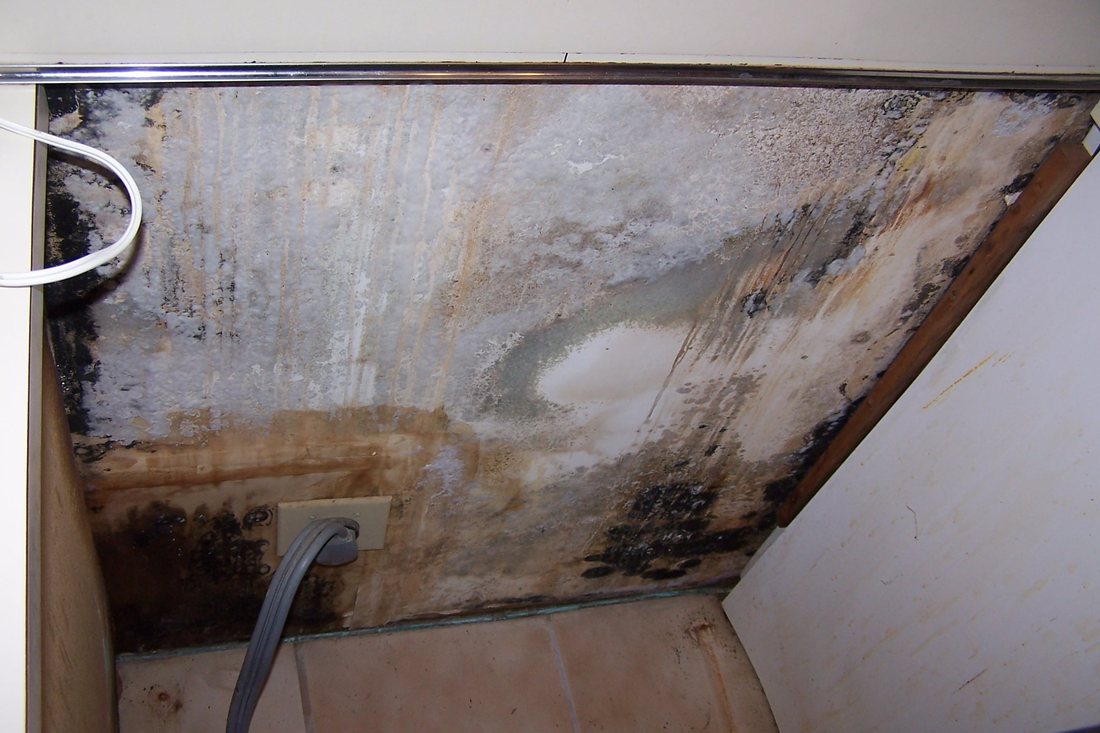
Standard homeowners policies generally exclude mold, fungus, and wet rot outright. What most policies also include is a carve-back: if mold shows up as a result of a separate, covered loss — most often a sudden and accidental water discharge, like a burst pipe or a failed appliance connection — the mold that follows is typically treated as part of that covered claim, not as the excluded peril itself.
Have a property claim anywhere in Florida? A licensed Homeland public adjuster comes to you within hours — no need to visit an office. Call (305) 783-3777 (Florida) or (732) 517-3777 (New Jersey), 24/7.
The question every mold claim comes down to
Short answer: Most Florida homeowners policies exclude mold, but cover mold that results from a covered sudden water loss, like a burst pipe, usually under a separate mold sublimit. Mold from a slow, long-running leak or ambient humidity is typically treated as maintenance and denied.
In practice, whether mold is covered turns on when and why the water appeared. Mold that shows up within days of a documented, sudden pipe burst generally falls on the covered side of the line. Mold traced to a slow, long-running leak the homeowner could reasonably have caught and fixed — or that develops gradually from ambient humidity with no documented water event at all — is the kind of thing insurers treat as a maintenance issue, not a covered loss, and commonly deny.
Even when it’s covered, it’s usually capped separately
Most Florida homeowners policies that do cover resulting mold cap what they’ll pay for it under its own sublimit, separate from — and in addition to — the water damage sublimit covering the underlying loss itself (some carriers offer a higher cap through an added endorsement). A homeowner can have a fully covered water loss and still find the mold remediation portion capped well below the actual cost of doing it right. Exact sublimits vary significantly by carrier and policy.
How Homeland and a policy scan help here
Most homeowners never see this distinction until they’re already disputing a denial. Through Adjuster Advantage, a policy scan reviews your policy’s actual mold and water-damage provisions before a loss happens, so you know what’s covered, what’s capped, and what documentation a future claim would need — rather than finding out for the first time during a dispute.
Call Homeland before you speak with the insurance company about any water intrusion, visible mold, or musty odor. How quickly the loss gets documented is often what decides whether the mold that follows is covered at all.
Mold limits affect water claims across Florida, including Miami, Fort Myers and Orlando.
Frequently asked questions
Does Florida homeowners insurance cover mold?
Why do insurers deny mold claims?
Is mold coverage capped even when it’s covered?
This article is for general information only and is not legal or insurance advice. Mold coverage and sublimits vary significantly by carrier and policy — always review your own policy’s mold and fungus provisions.
- Surprising Things Your Policy Covers
- Neighbor's Condo Fire: Who Pays?
- Damaged Tile or Laminate: A Claim?
- Barn, Stable & Outbuilding Coverage
- Wind and Tornado Risk on the Farm
- Crop Insurance vs. Property Insurance
 Yeni Martinez
 Alberto Enriquez
 Yisel Dieguez
Homeland Public Adjusters represents policyholders, not insurers. Get a free review of your claim.
Get a Free Claim ReviewThis topic often comes up alongside Florida's $10,000 Water Damage Sublimit: What It Means for Your Claim. If your situation involves this kind of loss, see our Water Damage page for how Homeland can help with the claim itself.