Business property damage anywhere in Florida? A licensed Homeland public adjuster comes to you within hours — no need to visit an office. New Jersey: we come to you statewide.
Homeland Public Adjusters represents business owners and commercial property owners with property insurance claims in Florida and New Jersey. When a hurricane, fire, water loss, or other covered event damages a commercial building or business, our licensed public adjusters document the loss, review the policy, and present the claim to the insurance company on your behalf.
If you need help with a commercial property insurance claim on a store, office, warehouse, restaurant or other business property in Florida or New Jersey, Homeland Public Adjusters handles exactly this kind of claim. Homeland is a licensed public adjusting firm (Florida W818638; New Jersey 3003982360) with 20 years in the industry (since 2006) and a network of experts in Florida and New Jersey ready to take on any loss. In Florida we come to you within hours, wherever you are. Call (305) 783-3777 (Florida) or (732) 517-3777 (New Jersey), 24/7, English or Spanish.
Last reviewed: October 2026
How Can We Help You Recover, or Prepare?
Business and Commercial Claims in Florida
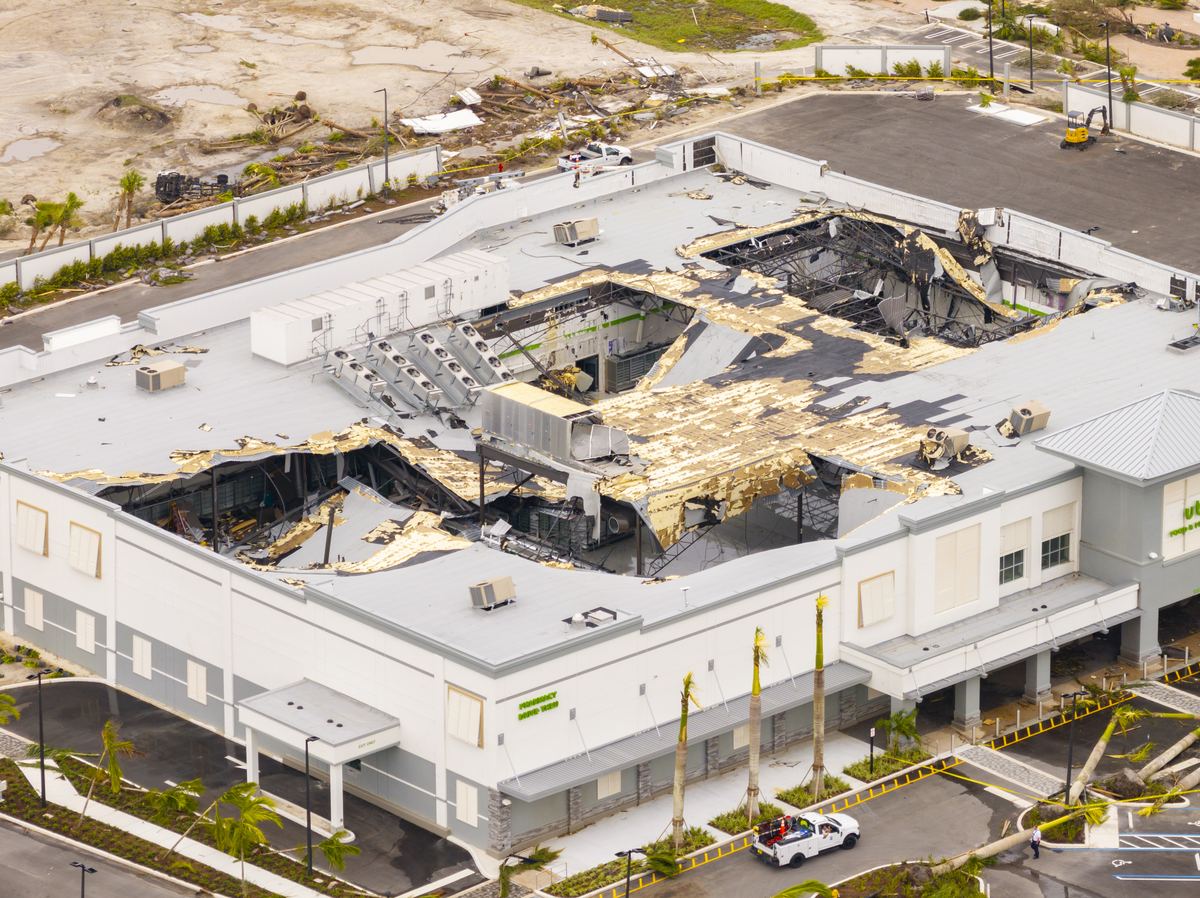
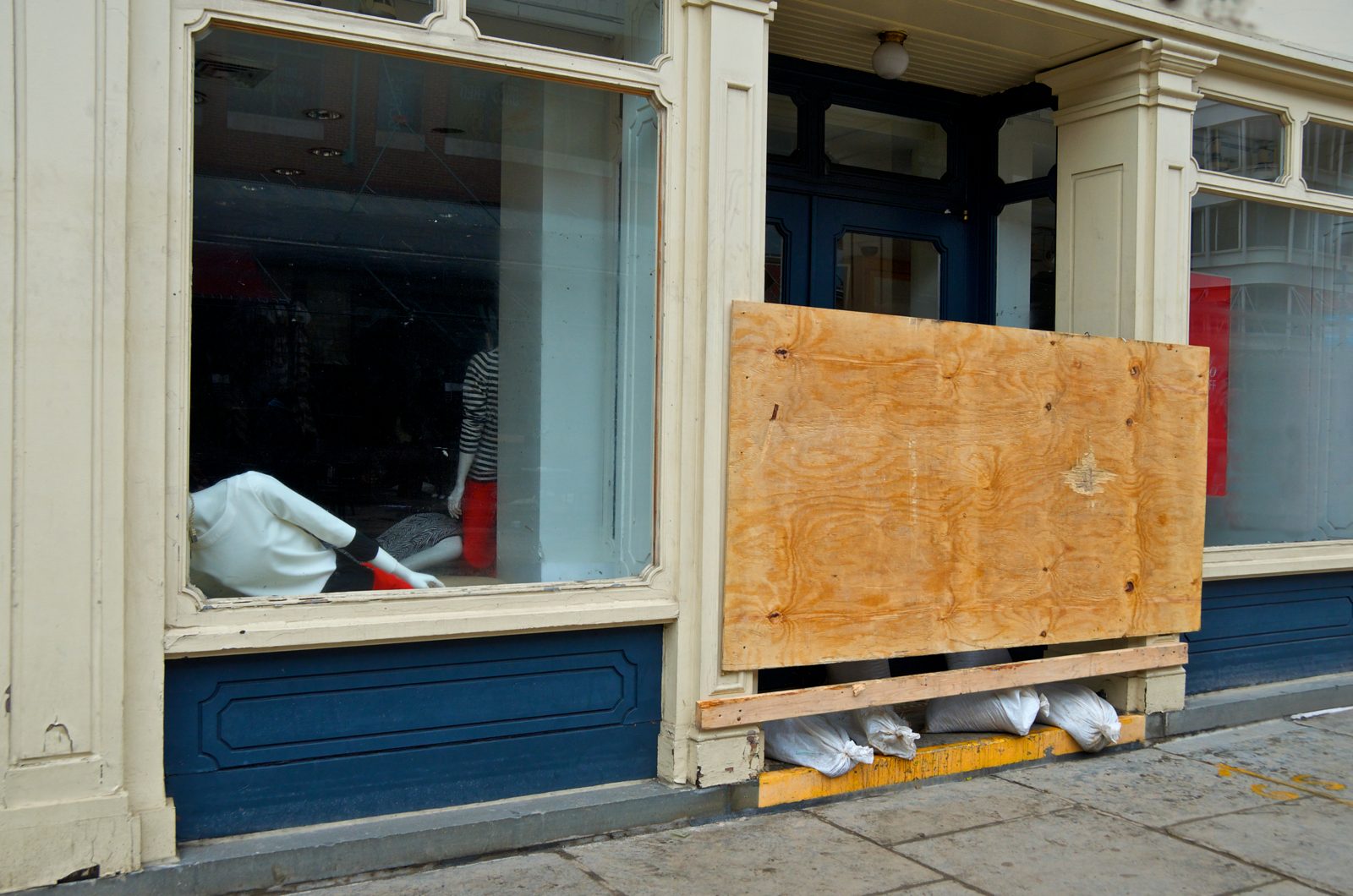
Florida businesses and commercial property owners face wind and hurricane losses, water damage, fire and theft, often with percentage-based hurricane deductibles. Homeland represents them from the first inspection through resolution, in Miami-Dade, Broward, Palm Beach and across the state.
Business and Commercial Claims in New Jersey
New Jersey store owners, landlords, and office and warehouse owners deal with nor’easters, coastal storms, flooding, fire and water damage. Homeland represents them across New Jersey, from New Brunswick and Elizabeth to the shore, documenting the loss, reviewing the policy and presenting the claim.
Commercial Property Insurance Claims
Commercial claims are often larger and more complex than residential claims. A single loss can involve the building, tenant improvements, equipment, inventory, signage, and lost business income, each with its own coverage terms, limits, and deductibles. Commercial policies may also include coinsurance provisions, separate hurricane or wind deductibles, and specific reporting requirements that affect the amount recovered.
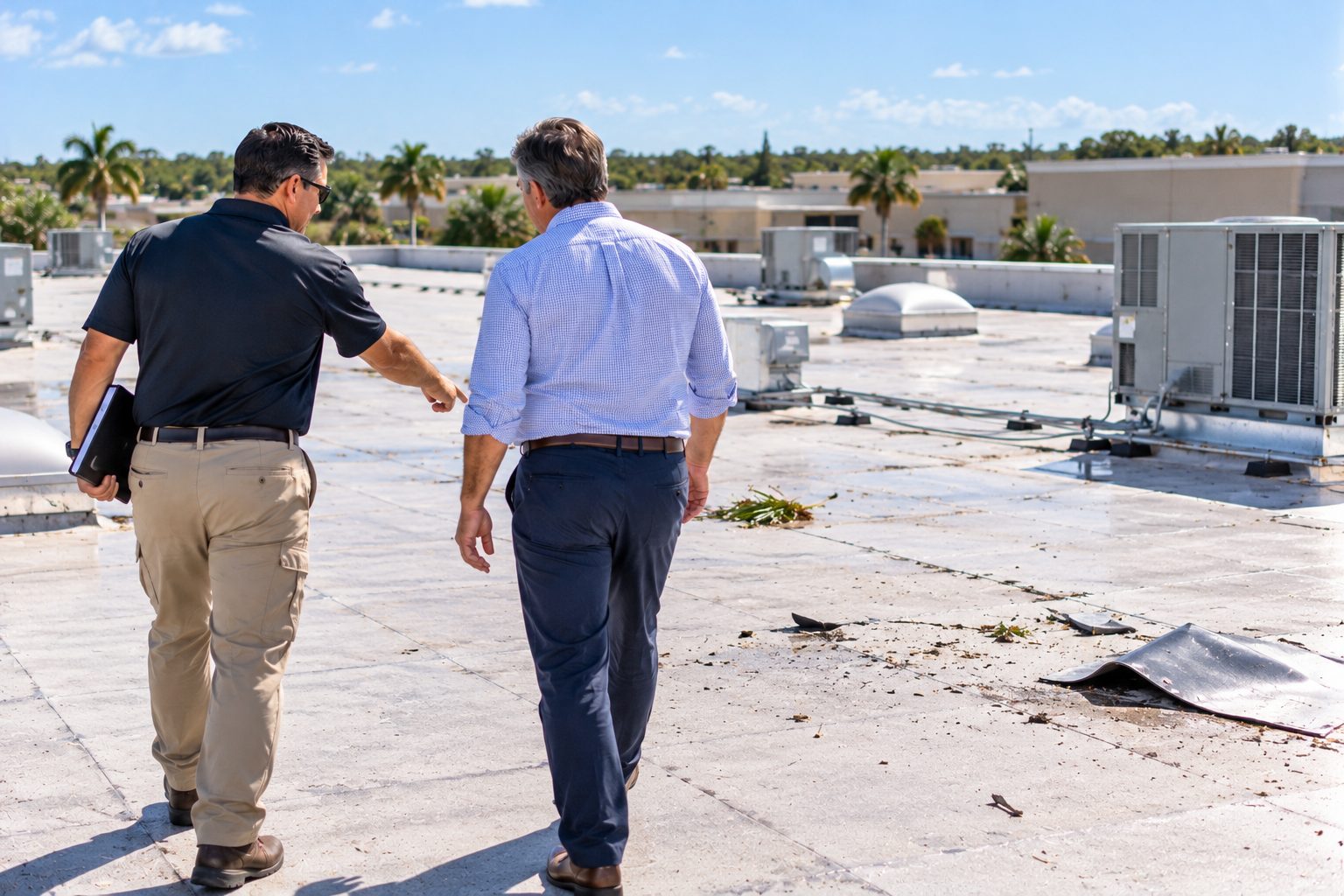
Homeland Public Adjusters works with retail stores, restaurants, offices, warehouses, medical practices, hotels, churches, and other commercial properties. We inspect the damage, prepare a detailed estimate of repair or replacement costs, and organize the financial records needed to support every part of the claim.
Business Interruption and Extra Expense Losses
When covered property damage forces a business to slow down, relocate, or temporarily close, the financial loss can continue long after the initial event. Business interruption coverage may address certain lost income and necessary extra expenses during the period of restoration, subject to the policy’s terms and conditions. We connect the physical damage to its operational impact and document the lost revenue, continuing payroll, temporary space, and other costs tied to the interruption.
Many policies have a waiting period before this coverage begins, so read yours early. The records that matter most are sales reports and profit-and-loss statements from before the loss, payroll, rent and lease records, and a running list of extra expenses.
Commercial Claims by Industry
A restaurant’s fire, a hotel’s hurricane and a warehouse’s roof leak are three different claims with three different policies, three different adjusters and three different ways to be underpaid. Each industry below has its own page: the losses that actually happen there, the coverages that decide the claim, and what to document.
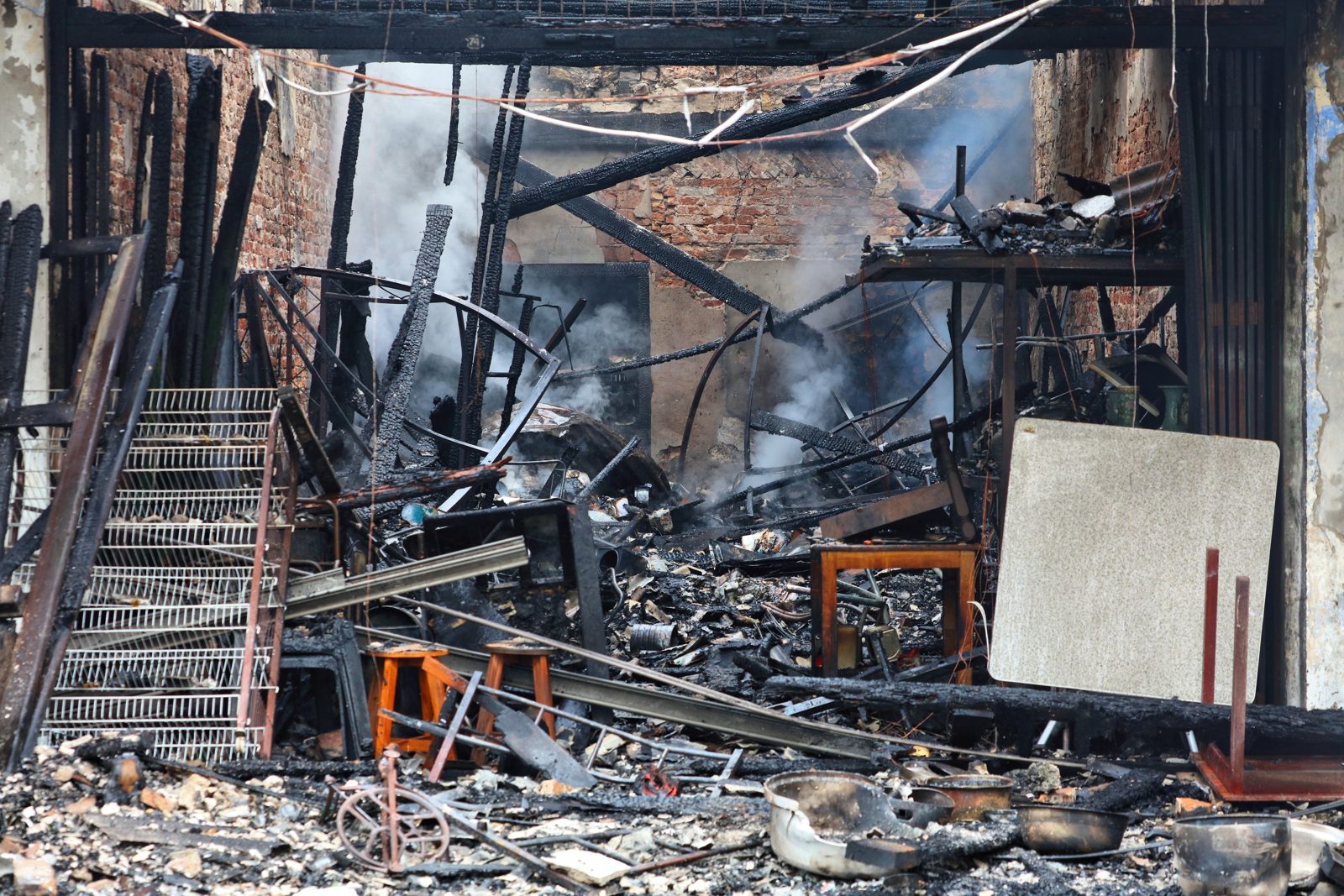 Restaurants & Food ServiceKitchen fires, grease and hood systems, walk-in spoilage, water into the dining room, and the income lost while the doors are closed.CLAIMS FOR THIS INDUSTRY ›
 Hotels & MotelsHurricane and water losses across hundreds of rooms, guest displacement, lost room revenue and the brand standards the rebuild has to meet.CLAIMS FOR THIS INDUSTRY ›
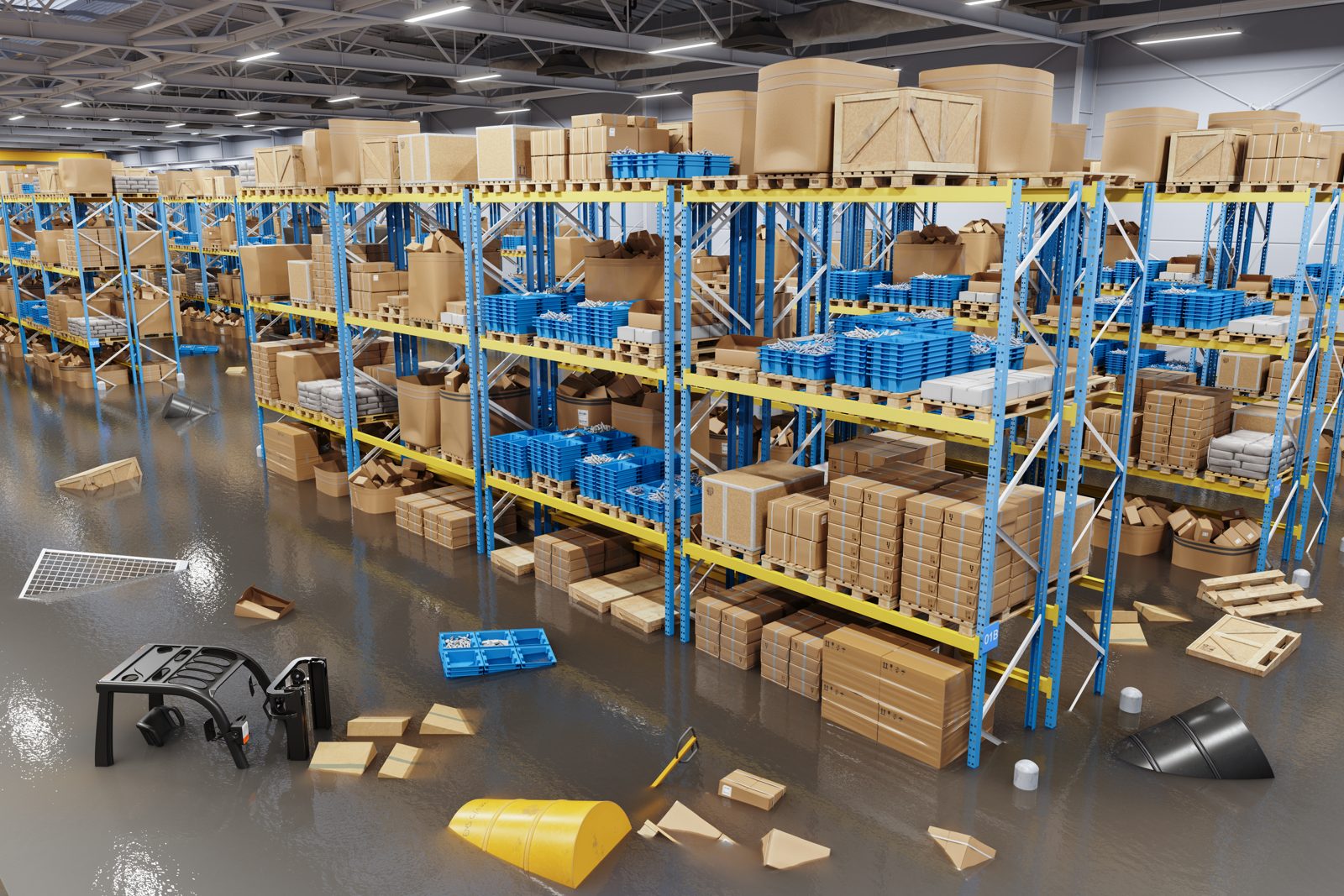 Warehouses & IndustrialLow-slope roofs, racking and inventory, equipment, sprinkler discharge, and business income for a plant that cannot ship.CLAIMS FOR THIS INDUSTRY ›
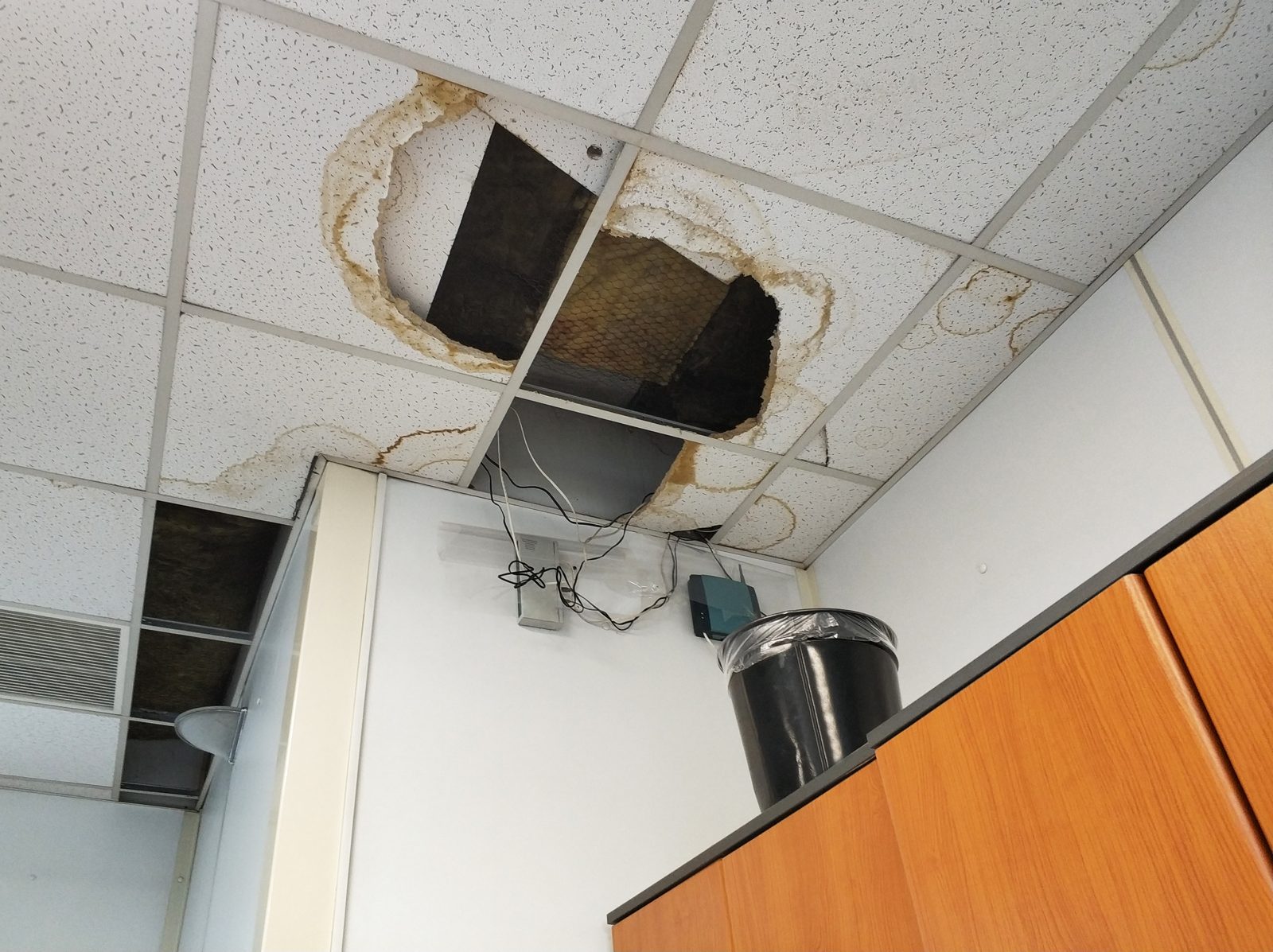 Medical & Dental OfficesWater into exam rooms and sterilization, equipment that cannot be repaired, build-out at tenant expense, and patients who go elsewhere.CLAIMS FOR THIS INDUSTRY ›
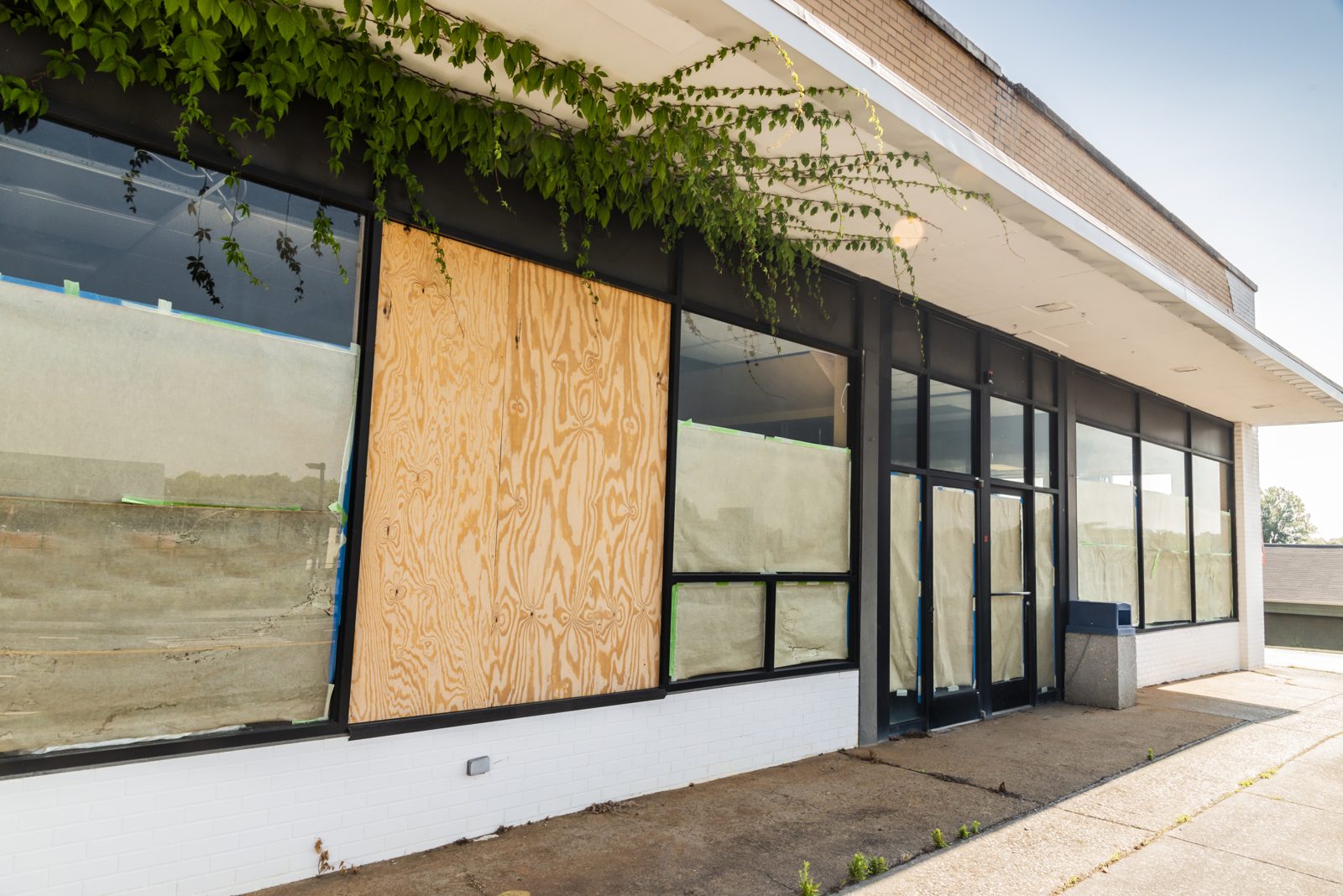 Retail & Strip CentersStorefront glass, vehicle strikes, roof leaks over several tenants, and the split between the landlord’s policy and the tenant’s.CLAIMS FOR THIS INDUSTRY ›
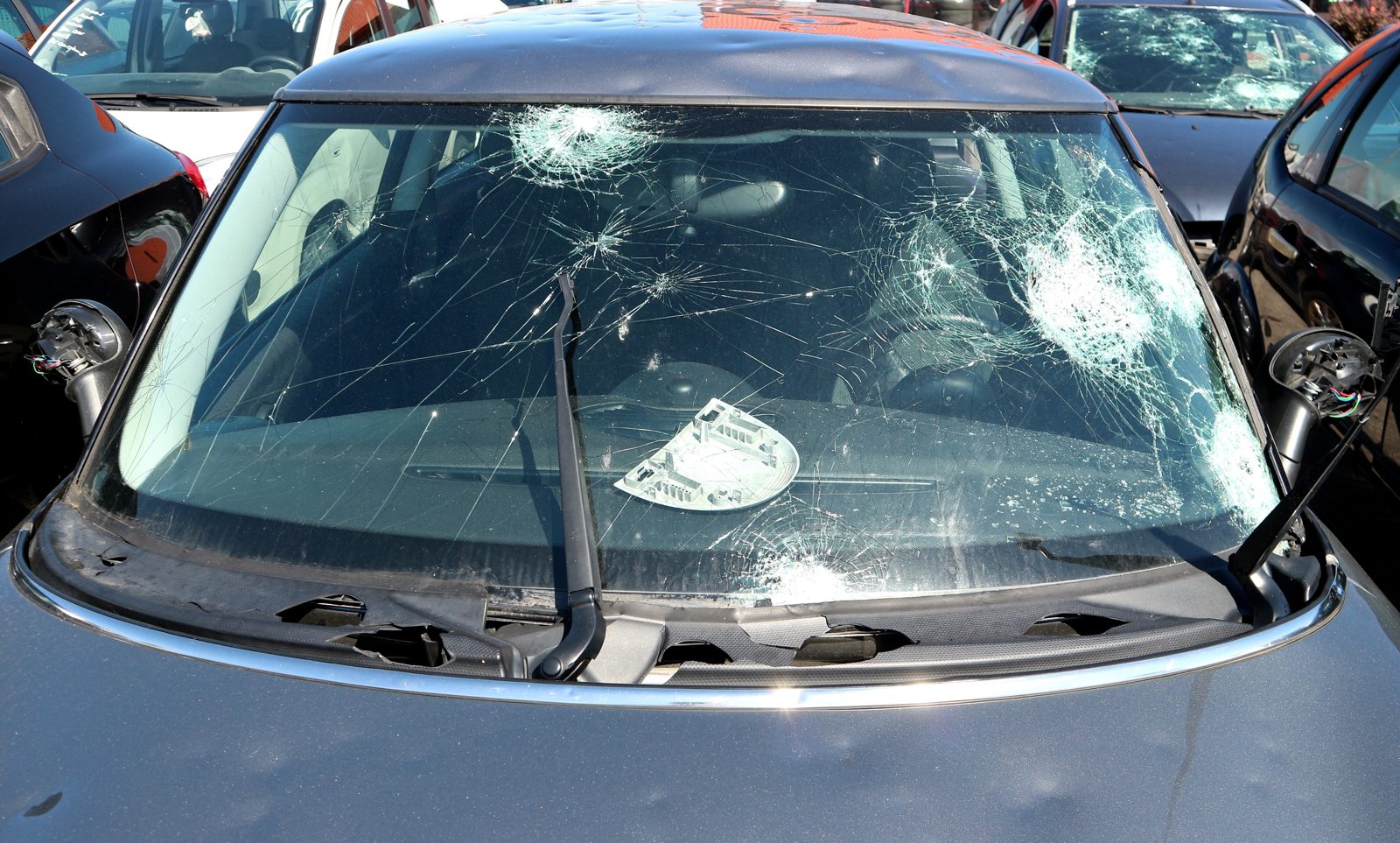 Auto Shops & DealersHail on the lot, flood on the lot, fire in the bays, lifts and diagnostic equipment, and customer vehicles in your care.CLAIMS FOR THIS INDUSTRY ›
Commercial Water Damage
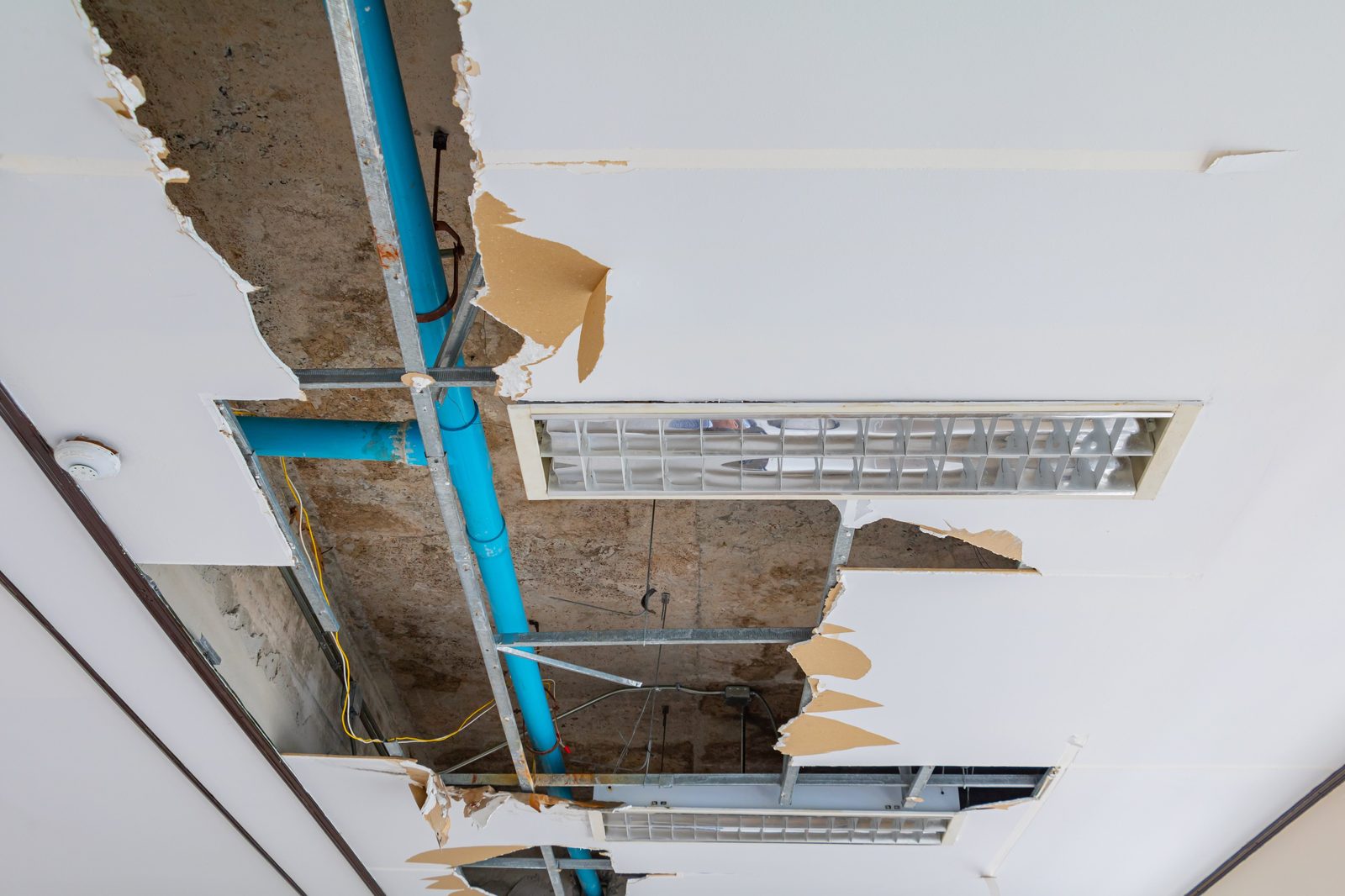
Water is the most frequent commercial property claim in both states and the most frequently underpaid. The Hartford’s review of its small-business claims from 2020 through 2024 found water and freezing damage was about one claim in five, at an average cost of $34,600, and in healthcare property Zurich found that more than half of its next claims would be water related. The patterns: a supply line or sprinkler head in a ceiling over finished space, an A/C condensate line in a plenum, a roof drain that backs up in a tropical downpour, a frozen line in a New Jersey building shut for a holiday weekend. The carrier’s estimate stops at drying and drywall; the claim includes the flooring, the millwork, the equipment the water reached, the mold protocol, the tenant improvements, and the days you could not open. The sudden-and-accidental rules are the same as for a home, and our Water Damage page covers them; the commercial difference is the business income clock and the coinsurance clause, below.
Commercial Fire and Smoke Damage
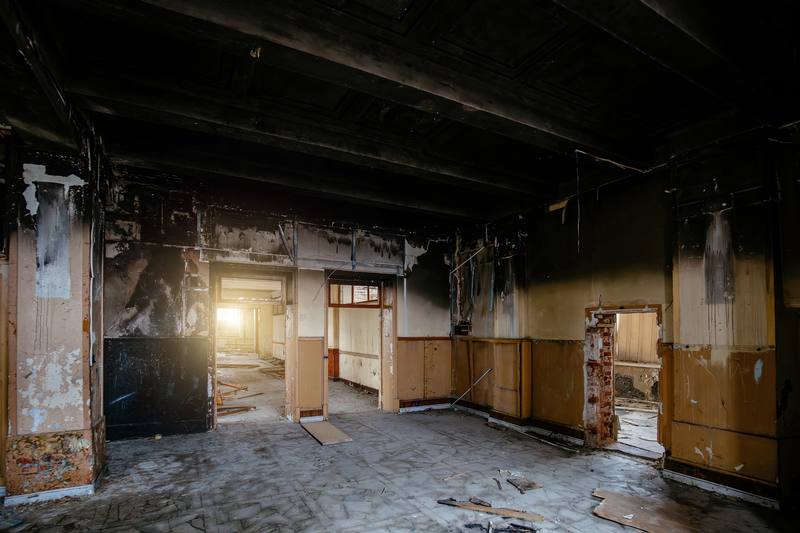
The U.S. Fire Administration counted about 110,000 nonresidential building fires in 2023 with $3.2 billion in losses, and fires in businesses have risen 19% over the decade. Commercial fire claims are smoke claims: soot in the HVAC, odor in inventory, heat damage to equipment that still powers on, and a code-driven rebuild of everything the fire touched. The Hartford found fire was 10% of its small-business claims but the costliest, at an average of $80,000. Our Fire & Smoke Damage page covers the claim itself and the fire-by-cause guides, including restaurant and warehouse fires; the commercial side adds business income, extra expense, ordinance or law and the inventory and equipment schedules.
The Coverages That Decide a Commercial Claim
Commercial claims are won or lost on provisions most owners have never read. These are the ones that come up on nearly every claim we handle:
| Provision | What it does | Where claims go wrong |
|---|---|---|
| Business income (BI) | Pays net income that would have been earned plus continuing normal operating expenses, including payroll, during the period of restoration | On the standard ISO form the period of restoration starts 72 hours after the loss and ends when the property should be repaired with reasonable speed; carriers argue both ends. Records from before the loss are the proof |
| Extra expense | Pays the cost to keep operating: temporary space, rush shipping, overtime, equipment rental | Treated as optional by adjusters unless every dollar is tied to avoiding a larger BI loss; document the why, not just the amount |
| Ordinance or law (CP 04 05) | Three coverages: A, the undamaged part of the building that code requires you to demolish; B, demolition cost; C, increased cost of construction to meet current code | Many policies carry A only, or a small C limit; a Florida roof or electrical rebuild triggers code work the base policy excludes |
| Coinsurance | Requires insuring the building to a percentage (usually 80–90%) of its value; if underinsured, the payment is reduced in proportion | Example: a $1,000,000 building insured for $600,000 with an 80% clause pays only 75% of a $300,000 loss, less the deductible. Older buildings valued years ago are the usual victims |
| Equipment breakdown | Covers mechanical, electrical and pressure-system failures (compressors, boilers, panels, transformers) the property form excludes | Owners assume a failed chiller is “property damage”; without the endorsement, the carrier calls it breakdown and denies |
| Spoilage | Pays for perishable stock lost to a power failure or equipment breakdown | Usually a small sublimit; restaurants and medical offices rarely know what theirs is until the walk-in fails |
| Tenant improvements and betterments | Covers the build-out a tenant paid for in a landlord’s building | The landlord’s policy covers the shell; the tenant’s covers the build-out; each adjuster points at the other |
| Percentage wind or hurricane deductible | A deductible stated as a percentage of the building limit, not a dollar figure | On a $5 million building a 5% deductible is $250,000 before the policy pays, and it applies per location |
| Actual cash value vs. replacement cost | ACV deducts depreciation; replacement cost pays to rebuild once the work is done | Florida requires the insurer to pay at least ACV first and the rest as work is performed (§627.7011); the holdback is money owed, not a settlement |
Terms in this table, defined: Coinsurance, Ordinance or Law Coverage, Overhead and Profit, Proof of Loss, Hurricane Deductible. See the full claims glossary.
Landlord, Tenant or Lender: Who Claims What on a Commercial Loss
On a leased commercial property, one loss usually becomes two or three claims on different policies, and the lease decides the split. Getting the split right at the start keeps one insurer from pointing at the other.
| Item | Usually claimed by | What decides it |
|---|---|---|
| Roof, structure, exterior walls | The building owner | The lease’s insurance and repair clauses; in a triple-net lease the tenant may pay the premium, but the owner’s policy usually holds the coverage |
| Tenant improvements and build-out | Whoever paid for them under the lease | Who paid, and whether the lease makes them the landlord’s property at installation or at the end of the term |
| Inventory, furniture, equipment | The tenant | The tenant’s business personal property coverage |
| Lost income | Each party for its own income | The tenant’s business income; the owner’s rental value or loss of rents coverage |
| The check | Named insureds and the lender | A mortgagee listed on the policy is usually named on building payments, so the lender’s release process belongs in the timeline |
Florida Rules That Apply to Commercial Claims
- Notice deadlines: 1 year for a new or reopened claim and 18 months for a supplemental claim apply to commercial property policies, surplus lines included (Fla. Stat. §627.70132).
- No DFS mediation for purely commercial coverages: the program covers personal lines and commercial residential policies only (Fla. Stat. §627.7015). Negotiation and the policy’s appraisal clause are the usual tools.
- Before any lawsuit: a notice of intent to the Department of Financial Services at least 10 business days before filing applies to commercial property policies too (Fla. Stat. §627.70152).
- Hurricane Ian: 12,932 of 32,850 commercial property claims were closed without payment, as of March 4, 2025 (Florida OIR).
What to Do After Commercial Property Damage
Acting quickly and keeping careful records can help protect a business or commercial claim from the start.
Don’t Wait for the Loss. Adjuster Advantage Has You Prepared.
The best way to prepare for damage to a business or commercial property is the free Adjuster Advantage app, so the records, the policy and the reminders are ready before the loss.
Do you manage or sit on a condo or HOA board?
Associations have their own page and their own Adjuster Advantage tools: the master policy in plain words, a dated building record, reminders and Building Storm Check-in. See Condo & HOA Associations.
Joining Adjuster Advantage is free and does not create a contract or agreement with Homeland Public Adjusters for any claim. Public adjusting services require a separate written agreement.
How Homeland Helps Businesses and Commercial Owners
Our team handles the claim from inspection through resolution so owners and managers can focus on operations and recovery.
Commercial Property Damage Lawyer or Public Adjuster? Who to Call First
Before you hire a commercial property insurance attorney, look at what the insurer actually disputes. Most commercial claims are decided on scope, valuation and records — the building estimate, the inventory, the business income model — and those are won with documentation, which Homeland builds from day one.
- Underpaid building or inventory, a short business income period, coinsurance or deductible math: a public adjuster’s work.
- A coverage question that needs a legal opinion, bad faith, or a lawsuit: a commercial insurance lawyer, and we work alongside the lawyer.
- No DFS mediation for purely commercial coverages in Florida (627.7015): negotiation and the policy’s appraisal clause are the usual tools before suit.
If it becomes a legal fight, we work alongside your attorney. Commercial claim support for law firms · lawyer or public adjuster: who to call.
Commercial Claim Document Checklist (Printable)
- Full policy, endorsements and declarations, including the schedule of locations and values
- Lease (who insures the building, the roof and the build-out)
- Photos and video of every area, before cleanup
- Inventory records, purchase invoices and the last physical count
- Equipment list with makes, models, serial numbers and ages
- Mitigation and board-up invoices
- Monthly P&Ls, payroll and tax returns for business income
- Permits, code notices and contractor estimates
- Every insurer letter, request and reservation of rights
Start a Commercial Property Claim
A licensed Homeland public adjuster calls you back and comes to the property: anywhere in Florida, and statewide in New Jersey.
Damage happening right now? Call (305) 783-3777 · New Jersey (732) 517-3777, 24/7.
Deadlines to Know
New Jersey. New Jersey regulations require insurers to begin an investigation within 10 working days of notice of a claim and set a 30-calendar-day period, running from receipt of a properly executed proof of loss, for first-party claims, with written explanations and updates every 45 days if more time is needed. These rules do not apply to certain commercial property policies with an annual premium over $10,000 where the commercial insured is the claimant, so check your policy.
In the News: A Real Business & Commercial Claim
Business & Commercial Claim Threads in the Forum
Threads answered by a licensed public adjuster. Reply with your own experience, or post a question of your own.
Am I covered for this?
Nelson Avila, PA: It depends on your policy's wording: what perils it covers, what it excludes, your deductibles and any sublimits or endorsements.
Reply ›Florida & New Jersey LawHow long does the insurance company have to pay?
Nelson Avila, PA: In Florida, the insurer must pay or deny your claim within 60 days after it receives notice of the claim, in writing.
Reply ›Insurers & PoliciesHow do I file a claim, and can my premium go up?
Nelson Avila, PA: Start by calling a licensed public adjuster before you file, so the claim is documented, valued and presented right from day one.
Reply ›Business & Commercial FAQs
Does Homeland handle business interruption claims?
What commercial properties does Homeland handle?
I own a building and my tenant has damage. Whose policy applies?
How do hurricane deductibles work for a commercial property?
What are coinsurance and ordinance or law coverage?
Can you handle a loss at several locations?
What does a commercial property insurance claim cover?
Depending on the policy: the building, business personal property (inventory, equipment, improvements), business income and extra expense, ordinance or law, and endorsements such as spoilage or equipment breakdown. Each part has its own limit and proof.
I lease my space. Who claims the damage, me or the landlord?
Usually both, each on their own policy: the landlord for the building, you for your inventory, equipment and the improvements the lease makes yours. The lease decides the split, so it belongs in the claim file.
What is a coinsurance penalty?
If the building or contents limit was below the percentage of value the policy requires (often 80% or 90%), the insurer reduces the payment proportionally. It is calculated on value at the time of loss, so the insurer’s valuation has to be checked.
Is there DFS mediation for a commercial claim in Florida?
Not for purely commercial coverages. Florida’s DFS mediation program covers personal lines and commercial residential policies, such as associations and apartment buildings (Fla. Stat. 627.7015).
How much of the Hurricane Ian commercial claims went unpaid?
Florida’s Office of Insurance Regulation reports that 12,932 of 32,850 commercial property claims were closed without payment, as of March 4, 2025, about 39%.
Insights

 By Nelson Avila
Business & Commercial Claims We Handle Across Florida & New Jersey
Homeland handles business and commercial claims throughout Florida and New Jersey. Wherever your property is in either state, call us 24/7.
Talk to a Public Adjuster
How Can We Help You Recover, or Prepare?
Tell us about your loss. We’ll call you back.
Other Property Damage Claims We Handle
Business and commercial claims usually begin with a specific type of property damage. Homeland Public Adjusters assists businesses and commercial property owners with each of these covered losses.
Who This Is For
Homeland handles this kind of claim for:
Claims We Handle for You
Claim types these clients typically have, and how Homeland handles each:
Verify Homeland
Check us before you hire anyone. Every license below links to its public record on the Florida Department of Financial Services licensee search.
- Serves all of Florida: Yes — every city and county. A licensed Homeland public adjuster comes to your property — no need to visit an office. Call (305) 783-3777, 24/7.
- Homeland Public Adjusters Corporation: Florida public adjusting firm license W818638 · New Jersey public adjuster firm license 3003982360
- Yeni Martinez, President: Florida public adjuster license P103370 (licensed since 2007) · New Jersey 3003714097 · designated primary adjuster
- Alberto Enriquez: Senior licensed public adjuster, Florida P112658
- Yisel Dieguez: Licensed public adjuster and Xactimate estimator, Florida W873884 · New Jersey 3003714335
- Nelson Avila: Florida public adjuster license G332385 · Florida Certified Contractor CRC1331322 · property insurance appraiser and umpire
- Complaints and reputation: 5.0★ on Google · BBB Accredited Business, A+ rating
- Since 2006: Homeland Public Adjusters, Corp. was incorporated in Florida on December 11, 2006. Our President, Yeni Martinez, has held Florida public adjuster license P103370 since 2007. When Florida began requiring adjusting firms to hold their own firm license (a 2021 law, Senate Bill 1598; DFS began licensing adjusting firms in November 2021), Homeland was issued firm license W818638 on January 11, 2022. On November 10, 2026, Homeland became a BBB Accredited Business (BBB Serving Southeast Florida & the Caribbean), with an A+ rating. Each adjuster’s appointment with Homeland appears on that adjuster’s own DFS record.
- English and Spanish. Office: 8004 NW 154th Street, Suite 609, Miami Lakes, FL 33016 (visits by appointment). Florida (305) 783-3777 · New Jersey (732) 517-3777, 24/7.