Documenting a Commercial Property Loss: Where to Start

Homeland Public Adjusters · Last reviewed: October 2026
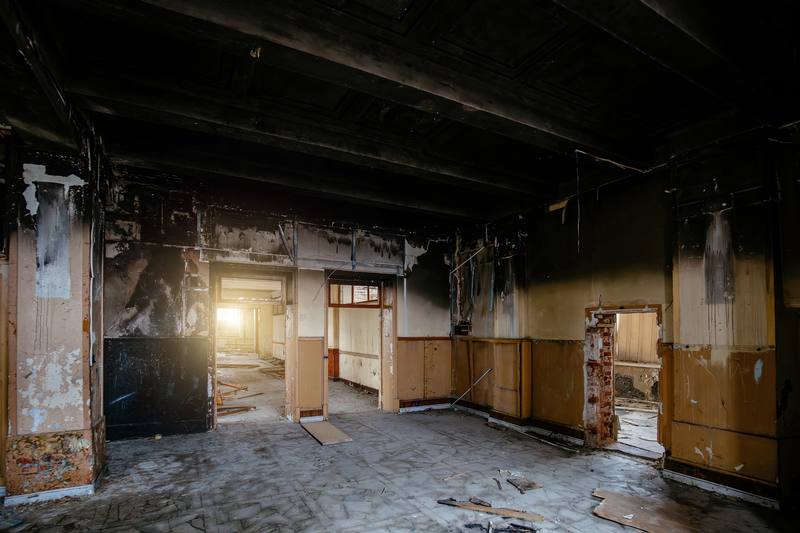
Commercial losses tend to move fast once contractors and restoration companies are on site, and that speed can work against a property owner if documentation isn’t captured before cleanup begins.
Start with the building itself
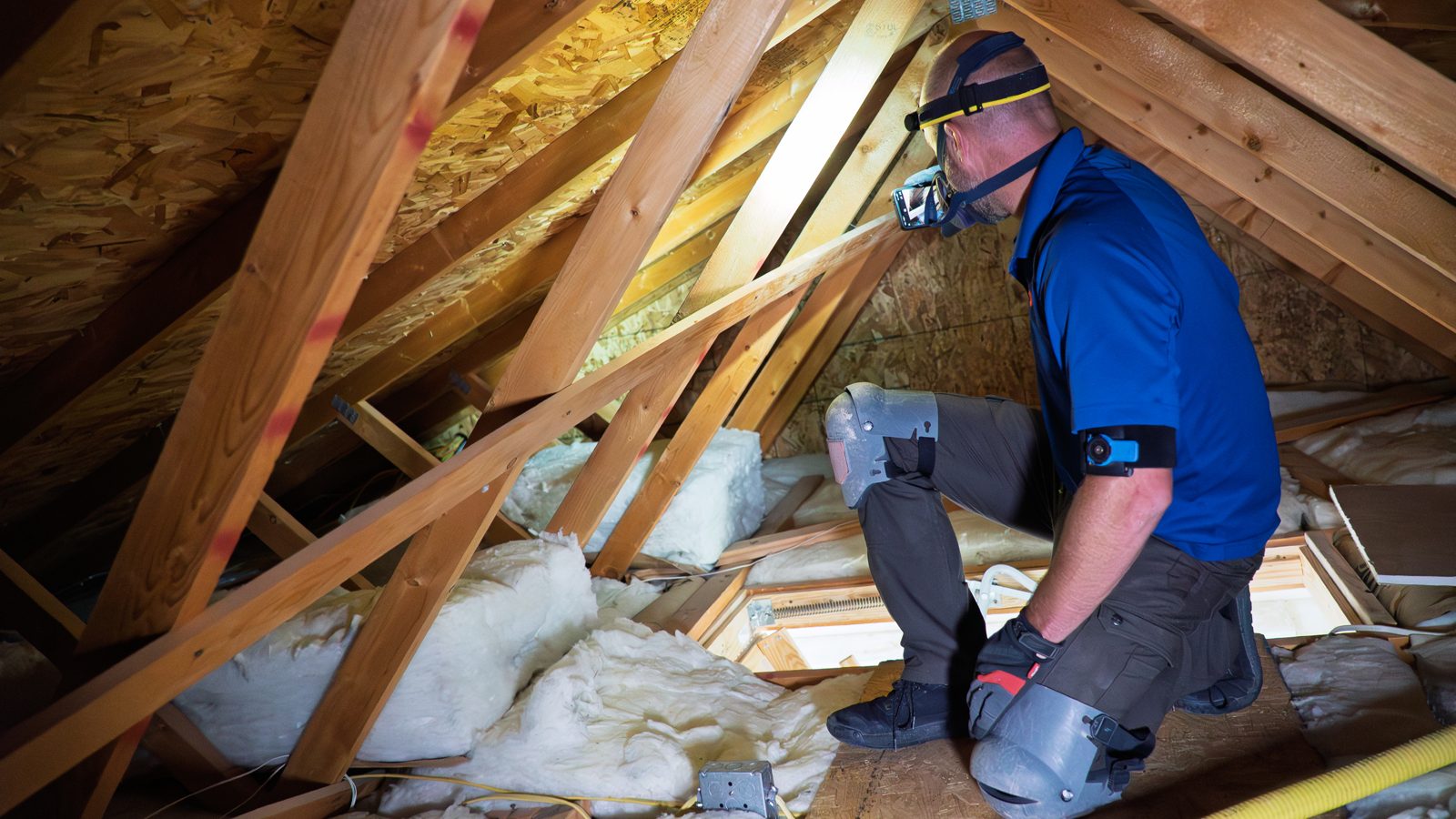
Full photo and video coverage of every affected area, including structural elements that may get covered up once repairs start — roofing, mechanical systems, electrical, anything behind drywall that may need to come out.
Separate tenant spaces from common areas
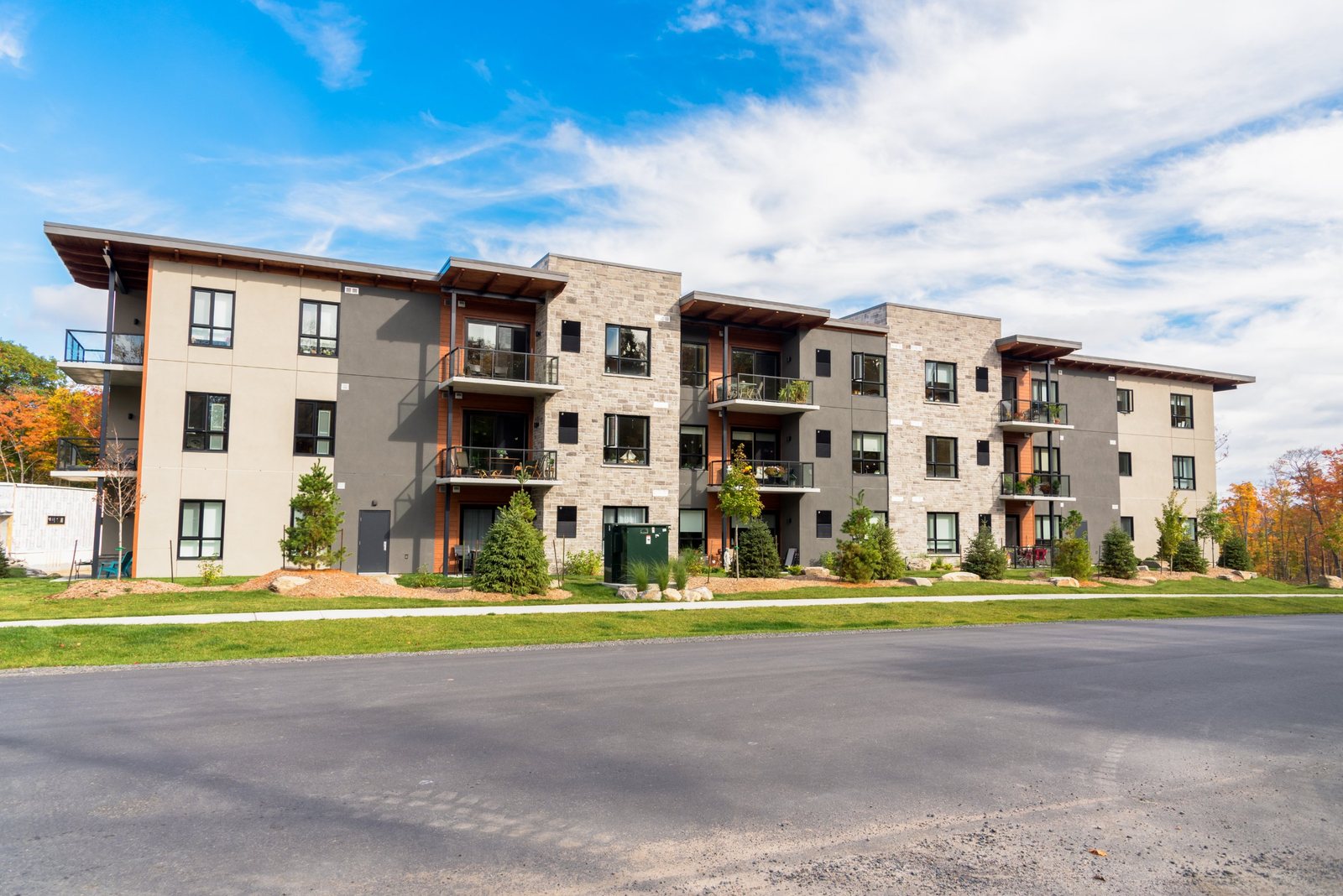
In a multi-tenant commercial building, damage to a tenant’s leased space and damage to areas the owner is directly responsible for are often different claims, sometimes under different coverage — keep the documentation organized that way from day one.
Don’t let emergency mitigation work erase the evidence — document the “before” condition thoroughly first, since mitigation work by its nature changes or removes the damage it’s addressing. Call Homeland before you speak with the insurance company. A commercial loss with multiple tenants, multiple contractors and a longer timeline benefits the most from someone organizing the claim from the start.
Homeland documents commercial property losses in Doral, St Petersburg and Cherry Hill.
Frequently asked questions
What should I document first after a commercial property loss?
Should I keep every contractor’s damage estimate?
Why separate tenant spaces from common areas in a commercial claim?
This article is for general information only and is not legal or insurance advice. Every policy and every claim is different — always review your own policy language or speak with a licensed public adjuster about your specific situation.
- Surprising Things Your Policy Covers
- Neighbor's Condo Fire: Who Pays?
- Damaged Tile or Laminate: A Claim?
- Barn, Stable & Outbuilding Coverage
- Wind and Tornado Risk on the Farm
- Crop Insurance vs. Property Insurance
 Yeni Martinez
 Alberto Enriquez
 Yisel Dieguez
Homeland Public Adjusters represents policyholders, not insurers. Get a free review of your claim.
Get a Free Claim ReviewThis topic often comes up alongside Multi-Tenant Commercial Buildings: Whose Policy Covers What. If your situation involves this kind of loss, see our Business & Commercial page for how Homeland can help with the claim itself.