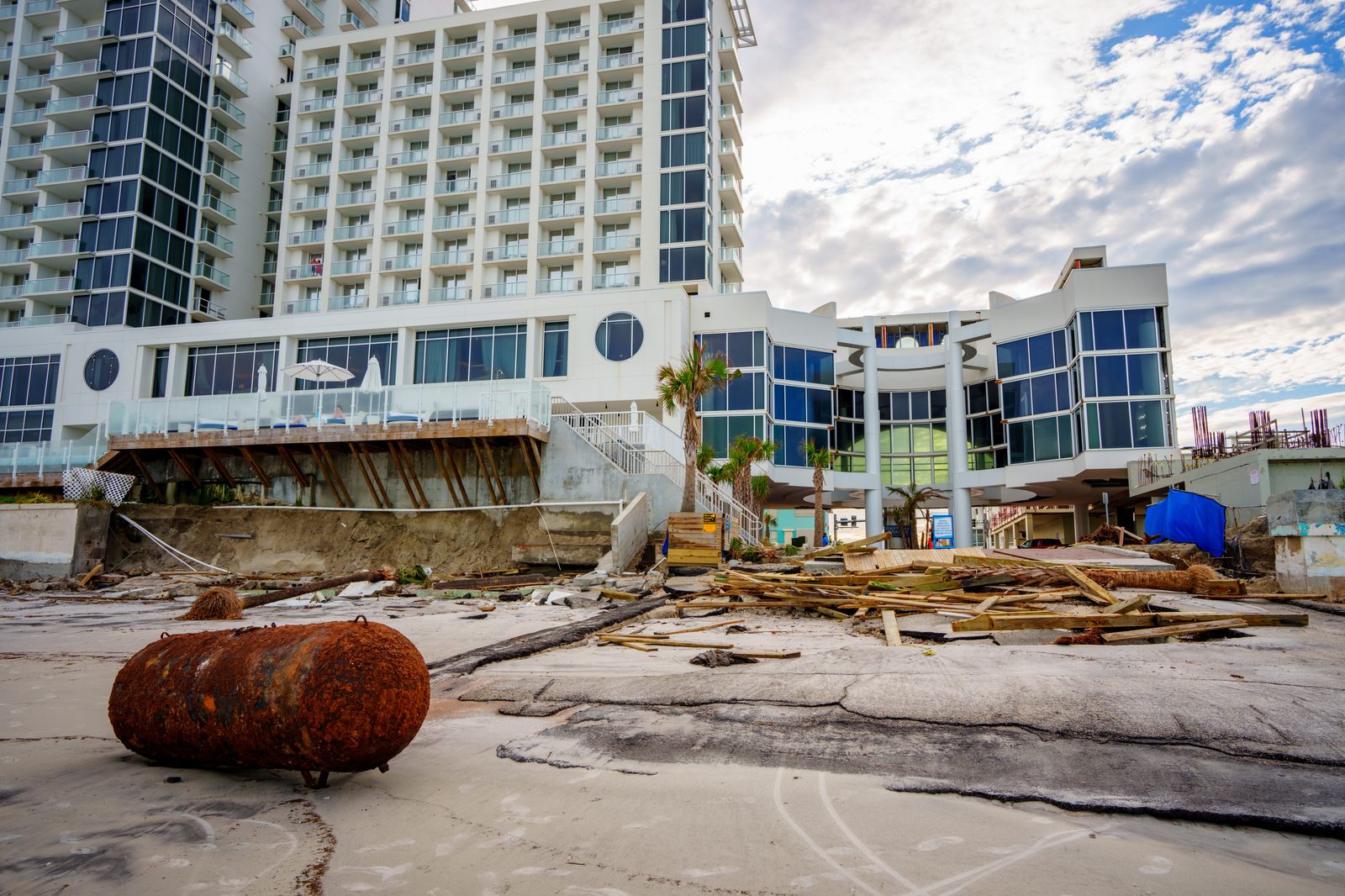
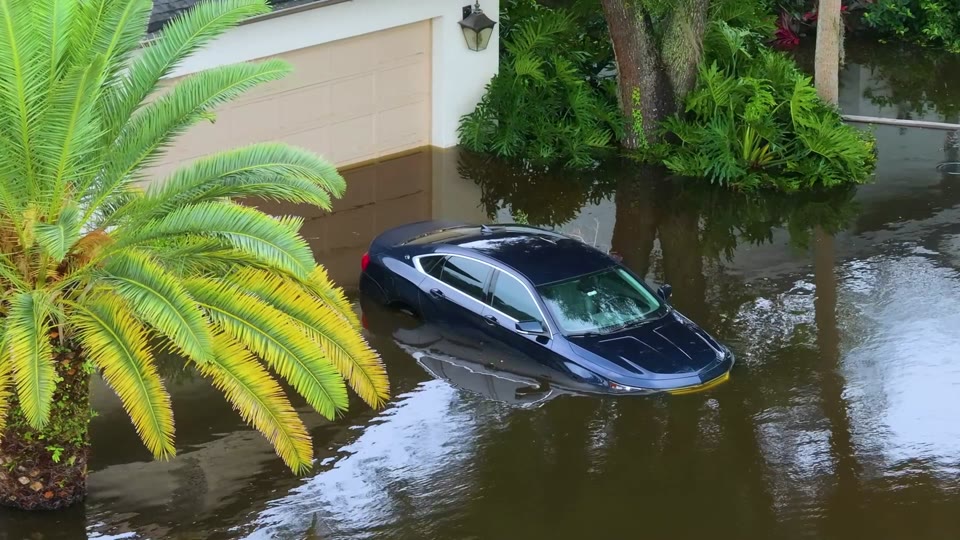
Homeland Public Adjusters handles flood insurance claims, under both National Flood Insurance Program (NFIP) and private flood policies, for property owners in Florida and New Jersey. We document structural, electrical and contents damage, prepare the claim to the policy’s requirements, and negotiate it with the insurer. No Recovery, No Fee. Call 24/7.
Last reviewed: October 2026
Flood Damage in New Jersey
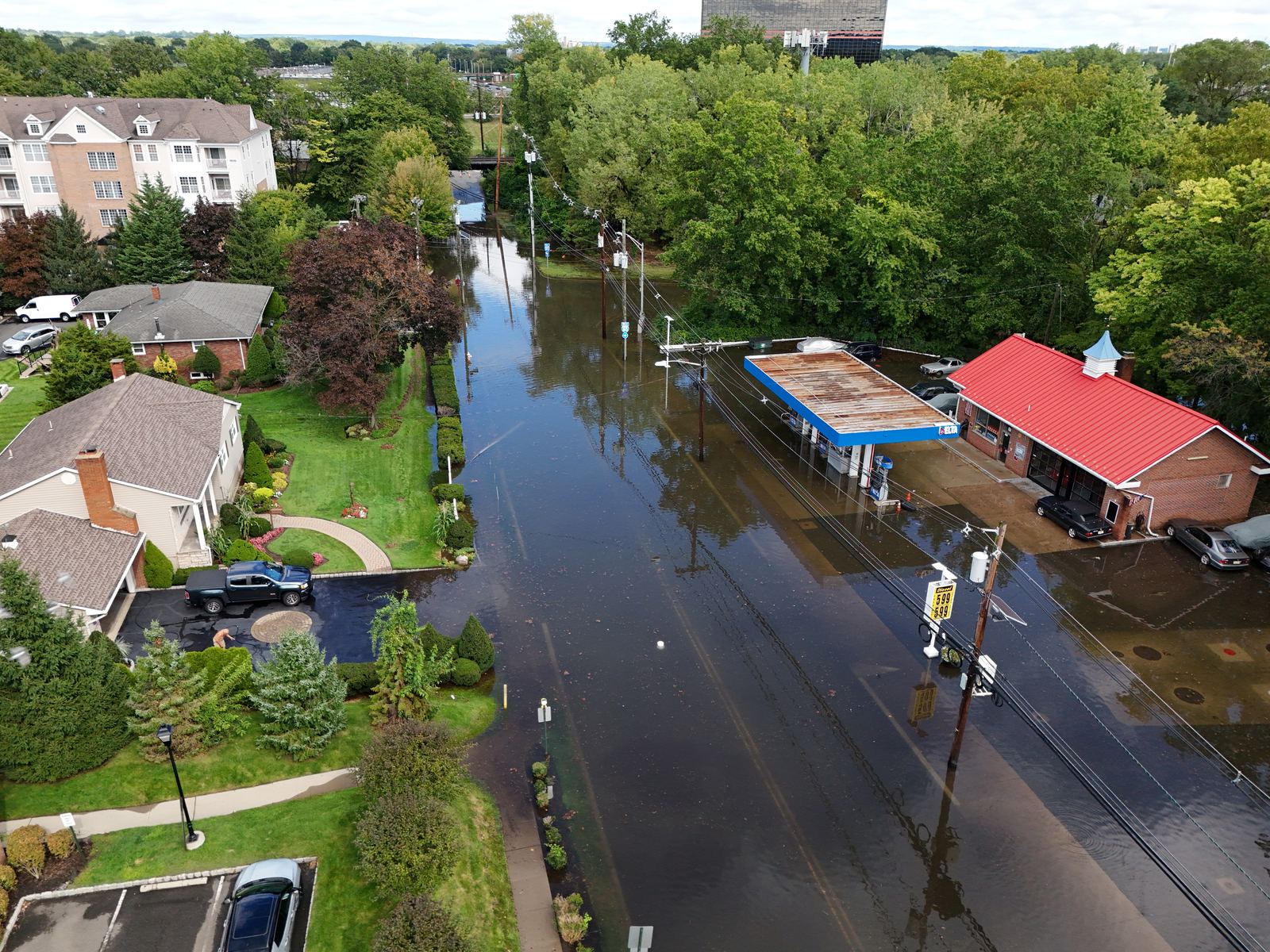
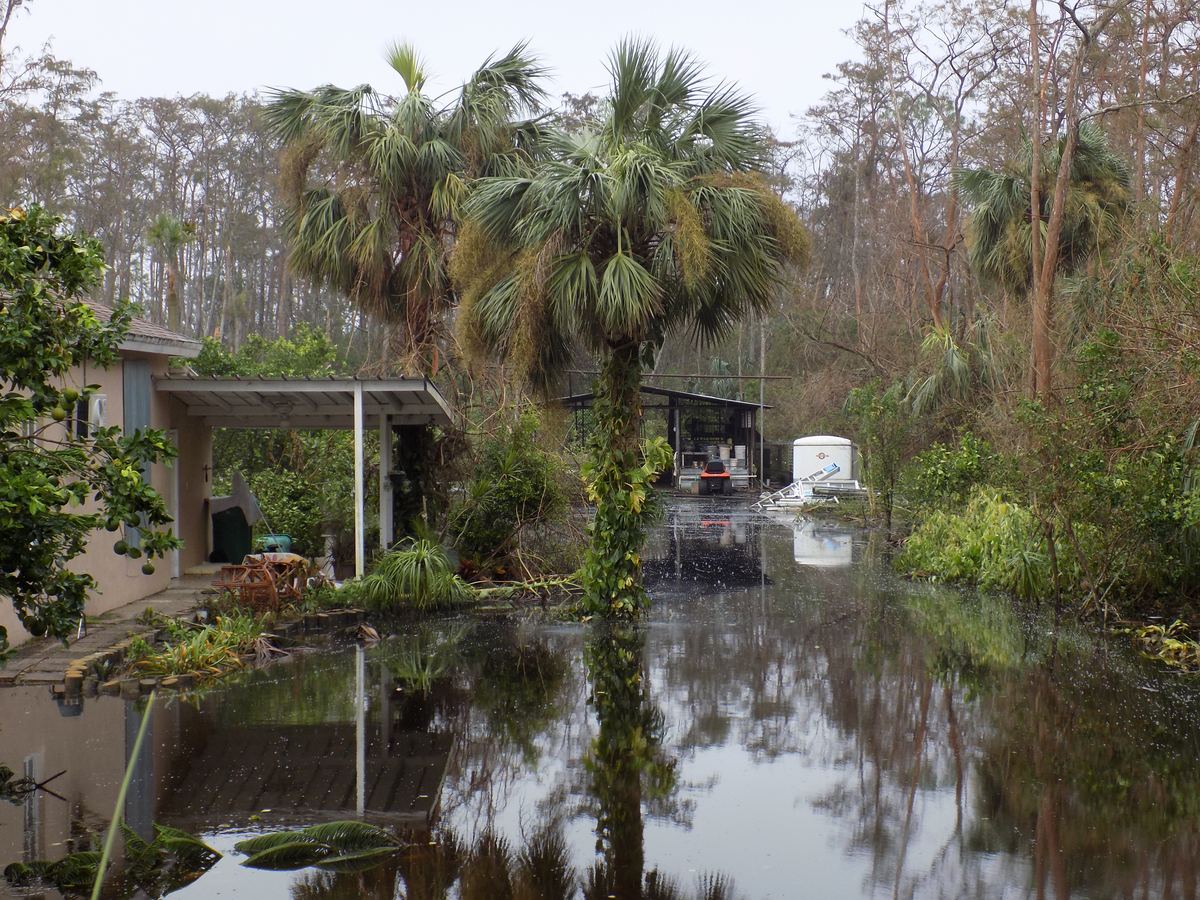
Superstorm Sandy in 2012 and the remnants of Hurricane Ida in 2021 showed New Jersey property owners how quickly floodwater can damage homes and businesses, including far from the shore. Flooding can come from coastal storm surge, overflowing rivers and streams, or heavy rain that overwhelms drainage, and it can happen outside mapped flood zones.
Homeland represents New Jersey property owners with flood losses, including those with National Flood Insurance Program (NFIP) policies and private flood policies. Serving New Brunswick, Elizabeth and communities across New Jersey.
Flooding in Florida: Storm Surge and Heavy Rain
On the coasts. The National Hurricane Center defines storm surge as an abnormal rise in water level generated by a storm, over and above the predicted tide. Along Florida’s Gulf and Atlantic coasts, a hurricane can push seawater onto land, and surge can also travel up rivers and canals and reach well inland. FEMA notes that flooding from storm surge is covered by flood insurance, which is separate from a standard homeowners or commercial wind policy.
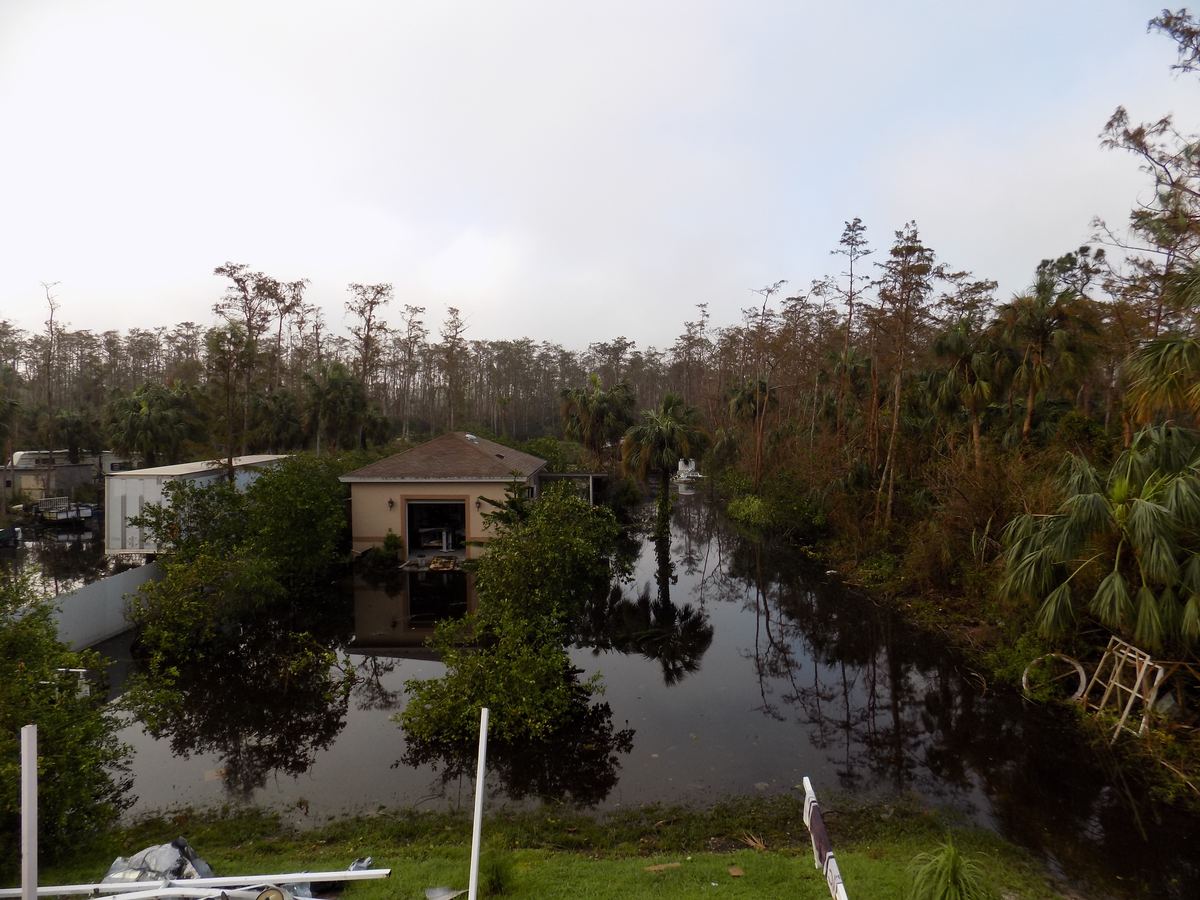
Inland. Flooding is not only a coastal problem. Tropical storms and slow-moving systems can drop enough rain to flood neighborhoods far from the water, as Tropical Storm Eta did in South Florida in November 2020, even when wind damage is limited. After a storm, a Florida property can have wind damage and flood damage, and each needs its own documentation and claim. See our Hurricane & Wind Damage page for the wind side.
How a Public Adjuster Helps With Flood Damage Claims
Flood damage claims can be complex because coverage depends on the specific insurance policy, the source of the water, and the circumstances surrounding the loss. A public adjuster represents the policyholder throughout the claim, helping identify and document the extent of the damage while addressing applicable policy requirements. Our team can assist with new flood claims as well as existing claims that may have been delayed, denied, or underpaid.
Flood Damage in a Condo or HOA Association Building
Flood insurance works differently from a standard property policy, and it isn’t included in most homeowners, condo or commercial policies. In a condominium or HOA building, the association’s own flood policy and an individual unit owner’s flood policy can both be part of the same loss.
The association’s NFIP building policy (an RCBAP) generally covers flood damage to the structure and common areas, up to its coverage limit.
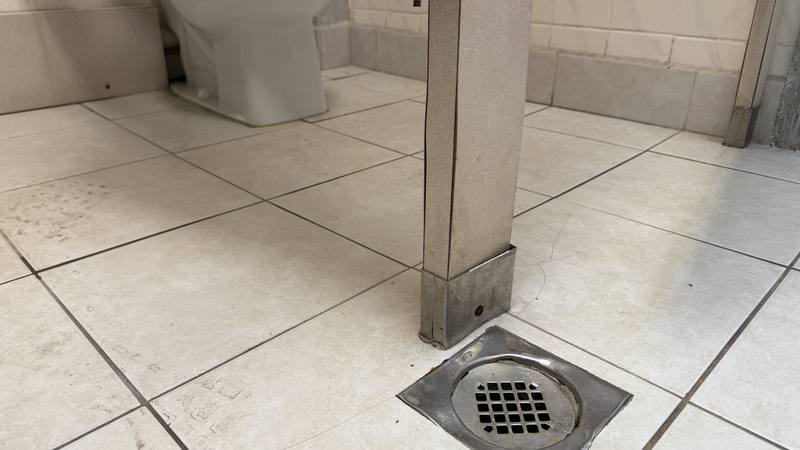
Certain built-in items, such as permanently installed cabinets and flooring, may be covered under the association’s policy rather than a unit owner’s own coverage.

A unit owner’s own flood policy covers personal belongings inside the unit, and FEMA guidance says a unit owner generally does not need additional building coverage.
Flood damage is generally excluded from a standard property policy, so a separate flood policy is needed. For a condo or HOA building, the association’s NFIP policy (a Residential Condominium Building Association Policy, or RCBAP) typically covers the building up to $250,000 per unit. Which policy covers a specific interior item can depend on the terms of both policies, so Homeland reviews both when a flood claim involves a condo or HOA unit.
See our Condo & HOA Associations claims page for more on master-policy claims.
Common Types of Flood Damage
Floodwater can affect multiple building systems and areas of a property at once, and some problems may become apparent only after the water recedes. Thoroughly documenting the affected property can help establish the scope of a flood damage insurance claim.
What to Do After Flood Damage
Safety should be the priority following a flood. Once authorities or qualified professionals determine that the property is safe to enter, taking steps to preserve evidence and organize your records can help support the insurance claim.
You Don’t Have to Remember All of This. Adjuster Advantage Has You Prepared.
The best way to prepare for a flood, or any other damage, is a free Adjuster Advantage membership, for property owners and for associations.
Is your association ready for a flood?
AA Associations gives boards and managers the master policy explained in plain words, including what the association insures versus what each owner covers. It also gives a dated building record of the common areas, equipment, clubhouse and amenities, and a Building Storm Check-in after a storm, with unit-by-unit status for the owners who choose to share. For Florida associations today.
Joining Adjuster Advantage is free and does not create a contract or agreement with Homeland Public Adjusters for any claim. Hiring Homeland is optional and requires a separate written agreement.
Do You Have Flood Coverage?
Whatever the source of the water, flood is generally not covered by a standard homeowners or commercial property policy. It is covered, if at all, under a separate flood policy, either a National Flood Insurance Program (NFIP) policy or a private flood policy. NFIP policies follow the federal Standard Flood Insurance Policy, with its own claim steps and deadlines. Private flood policies follow their own terms, so read yours. If a storm brought both wind and water, see our Hurricane & Wind Damage page. For water from a burst pipe, a leak or an appliance, see Water Damage.
Deadlines for NFIP Flood Claims
Proof of loss. NFIP claims generally require a signed proof of loss with supporting documentation within 60 days of the loss, unless FEMA extends the deadline in writing. Do not wait for an extension.
Lawsuits. The Standard Flood Insurance Policy sets a one-year deadline to sue, which runs from the date your insurer mails its written notice that your claim was denied in whole or in part.
Rebuilding After Severe Flooding
After a serious flood, local officials decide whether a building is substantially damaged, generally when the cost to repair it is 50% or more of its market value before the damage. A substantially damaged building may have to be brought up to current floodplain rules before it is rebuilt. Some flood policies include Increased Cost of Compliance coverage to help with those costs, so ask about it when you review your policy.Source: FEMA, National Flood Insurance Program.
Flood Claims by the Numbers
The Coverages That Decide a Flood Claim
A flood policy is a different animal from a homeowners policy. These are the terms that control what it pays:
| Provision | What it does | Where claims go wrong |
|---|---|---|
| NFIP limits | Standard Flood Insurance Policy pays up to $250,000 for a residential building and $100,000 for contents; contents must be bought separately | A total loss above the cap has no recovery unless an excess flood policy was in place; contents left off at purchase |
| Proof of loss, 60 days | A signed, sworn proof of loss is due to the NFIP within 60 days of the date of loss (FEMA); the adjuster’s report does not satisfy it | Missing the 60 days, or signing the adjuster’s figure as final when the damage was underscoped |
| Actual cash value items | Contents, detached structures, and certain building items (carpet, appliances in some cases) are paid at depreciated value; the main dwelling is replacement cost only if it is your principal residence insured to 80% of value | Depreciation taken on items that qualify for replacement cost, or the 80% test applied without checking the valuation |
| Basement and below-grade limits | Finished basement surfaces, personal property, and most contents below the lowest elevated floor are excluded; mechanical systems are covered | Whole-floor exclusions applied to ground-floor rooms that are not basements under the policy definition |
| Increased Cost of Compliance (ICC) | Up to $30,000 toward elevating, relocating, floodproofing or demolishing a substantially damaged home to meet local floodplain rules | Never claimed because no one tells the owner it exists; needs a substantial-damage letter from the local floodplain manager |
| 30-day waiting period | A new NFIP policy generally takes effect 30 days after purchase (FEMA) | Policies bought after a storm is named do not respond to that storm |
Terms in this table, defined: Proof of Loss, Actual Cash Value vs. Replacement Cost, Policy Exclusions, Date of Loss. See the full claims glossary.
Why Work With Homeland for Your Flood Damage Insurance Claim?
Flood losses can leave property owners managing cleanup, mitigation, damaged contents, contractors, and insurance requirements at the same time. Homeland Public Adjusters represents the policyholder’s interests, helping document the loss and organize the information necessary to present the claim to the insurance carrier.
In the News: A Real Flood Damage Claim
Flood Damage FAQs
Is flood damage covered by my homeowners policy?
What is the difference between NFIP and private flood insurance?
What are the deadlines for an NFIP flood claim?
Should I clean up before the adjuster arrives?
Does Homeland handle flood claims in New Jersey and Florida, NFIP and private?
My flood claim was denied or underpaid. Can Homeland still help?
Insights
 By Nelson Avila
Flood Damage Claims We Handle Across Florida & New Jersey
Homeland handles flood damage claims throughout Florida and New Jersey. Wherever your property is in either state, call us 24/7.
Free Claim Review
Tell us about your loss. We’ll call you back.
Claims We Handle
Hurricane & Wind Damage→Fire Damage→Water Damage→Winter Storm & Roof Damage→Theft & Vandalism Damage→Vehicle Impact Damage→Business & Commercial→Other Claims→Denied & Underpaid→Join Adjuster Advantage™
Know your policy and keep your records ready, before the next flood.
Join FreeOther Property Damage Claims We Handle
Flooding is only one type of water-related property loss, and the water source can affect how an insurance claim is handled. Homeland Public Adjusters also assists with other types of property damage claims when applicable to the loss and available coverage.