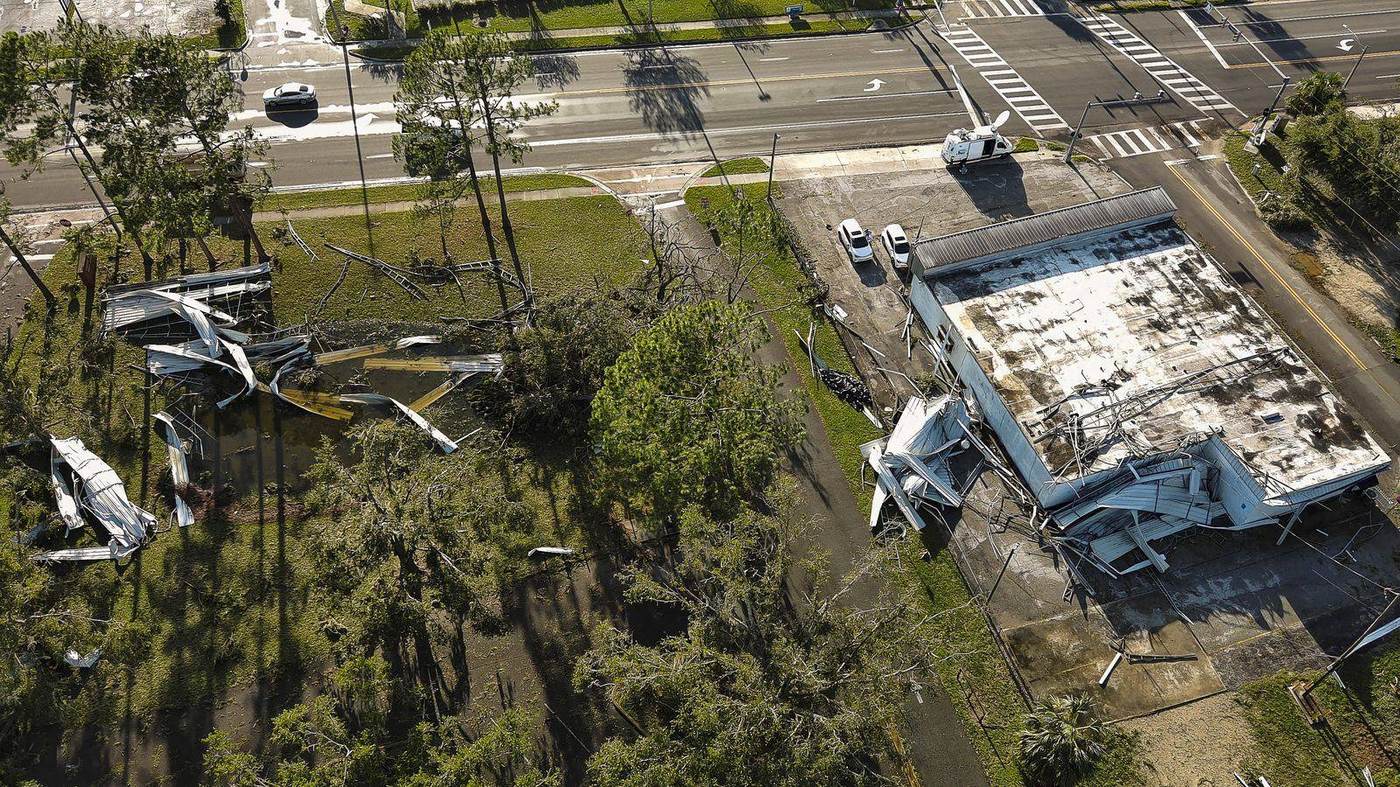
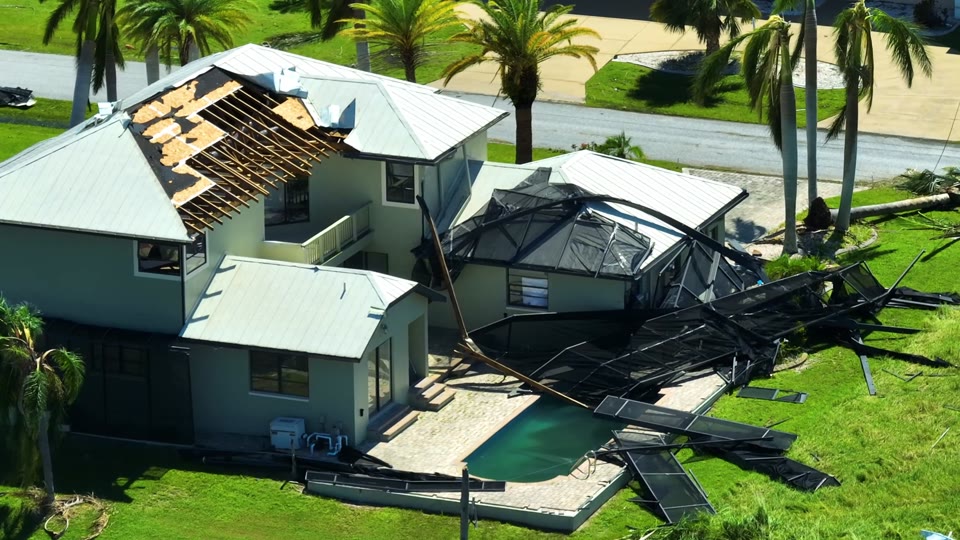
Homeland Public Adjusters handles hurricane, wind, hail and lightning damage claims for homeowners, businesses and associations in Florida and New Jersey. We inspect and document the damage, including roof and water damage that shows up after the storm, prepare the claim, and negotiate it with your insurer. No Recovery, No Fee. Call 24/7.
Last reviewed: October 2026
How a Public Adjuster Helps With Hurricane & Wind Damage Claims
A hurricane damage insurance claim can involve multiple areas of a property and detailed policy requirements. While the insurance company’s claims adjuster evaluates the loss for the carrier, a public adjuster represents you, the policyholder, and your interests throughout the claims process. The Homeland Public Adjusters team can assist with new hurricane and wind claims as well as existing claims that may have been delayed, denied, or underpaid.
Hurricane & Wind Damage in a Condo or HOA Association Building
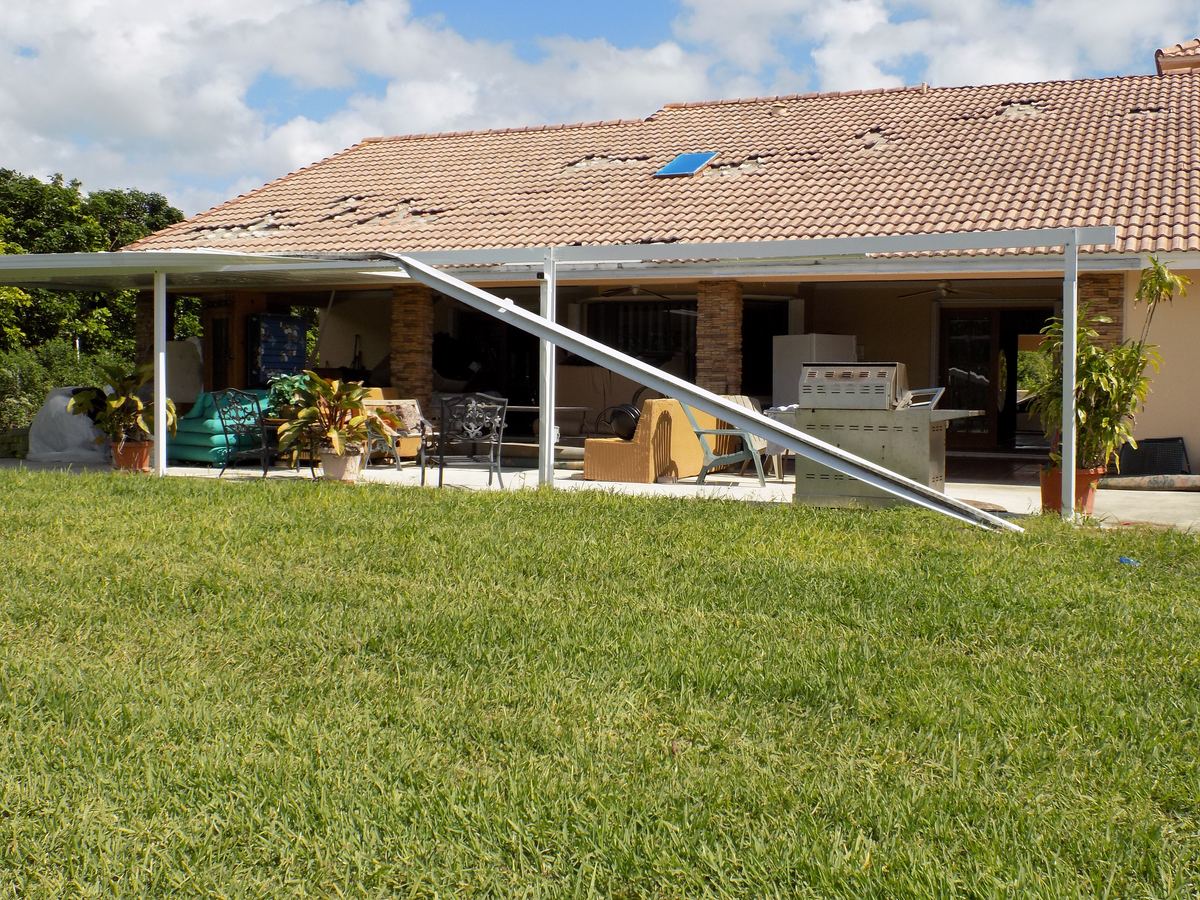
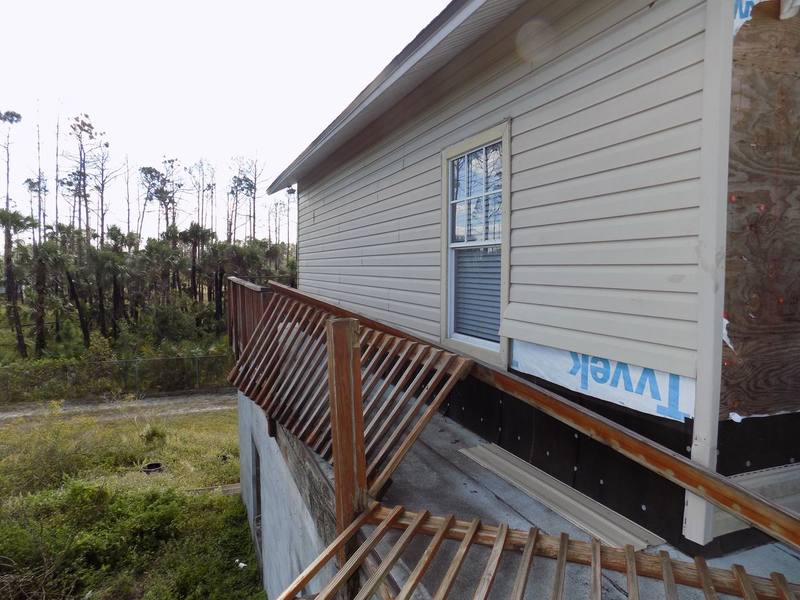
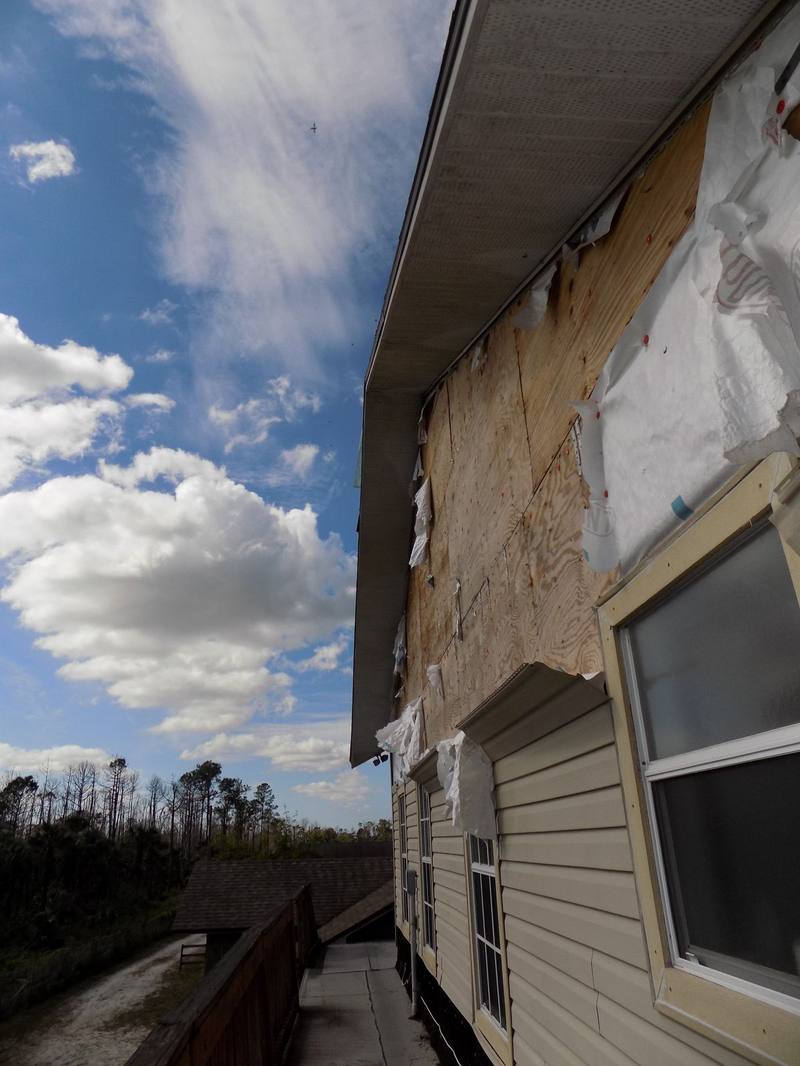
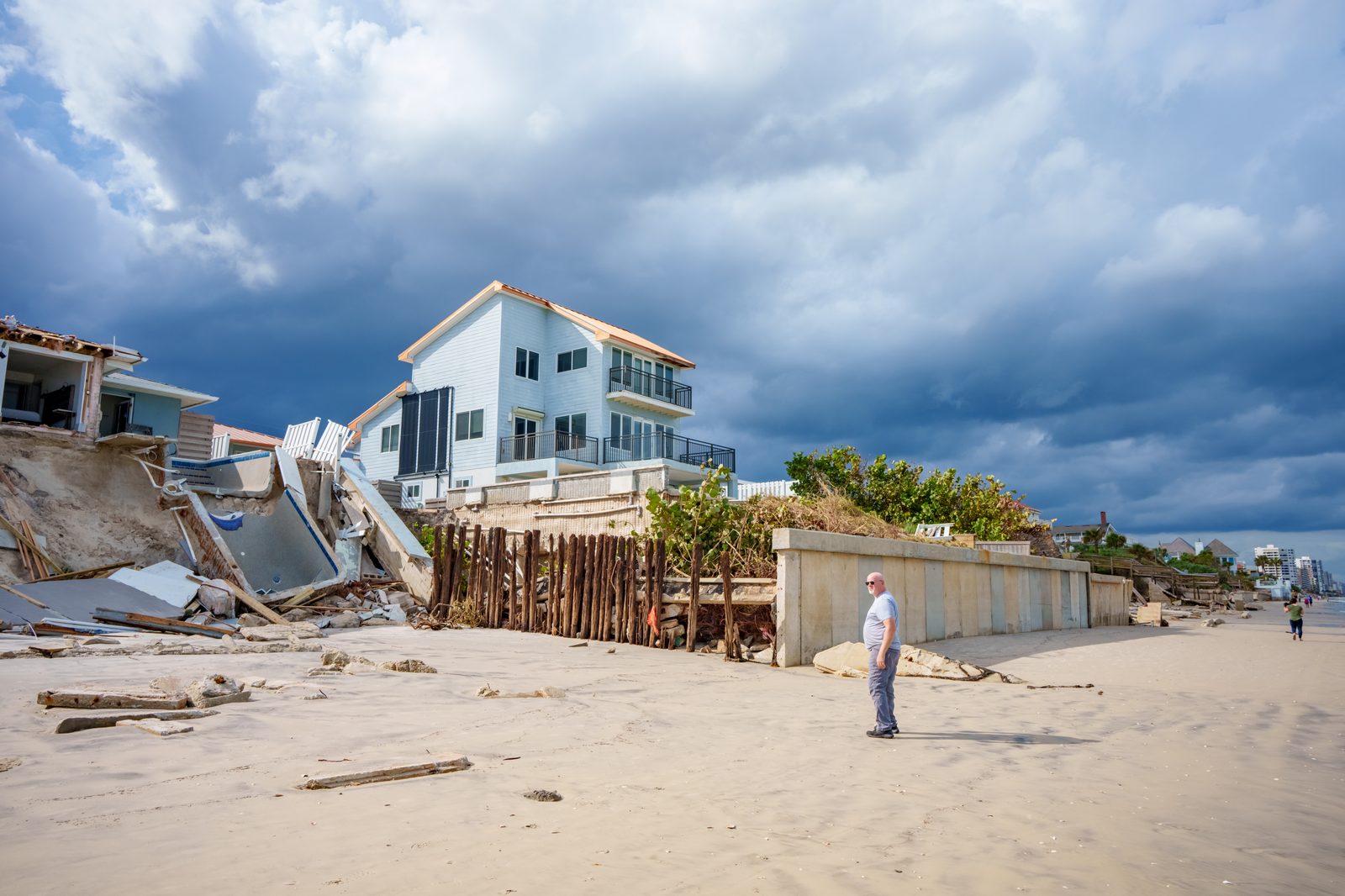
Hurricane and wind damage in a condominium or HOA building can affect both the structure covered by the association’s master policy and the contents and interior finishes covered by an individual unit owner’s own policy.
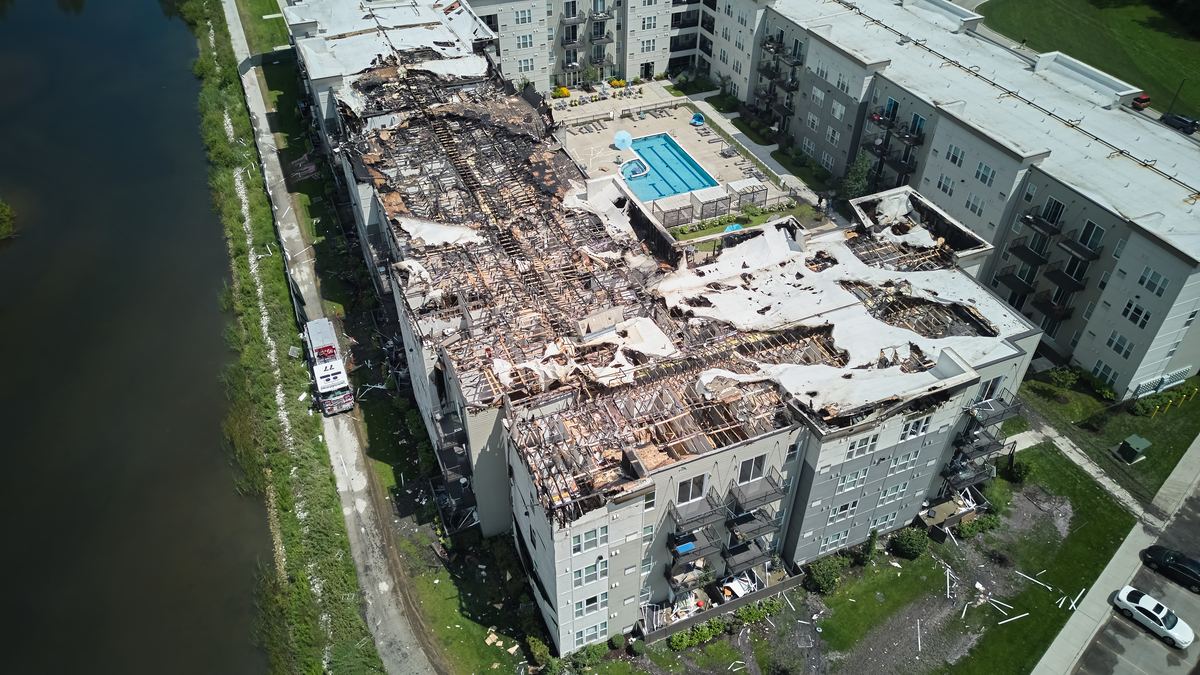
Roof, window and exterior wall damage from wind is typically addressed under the association’s master policy.
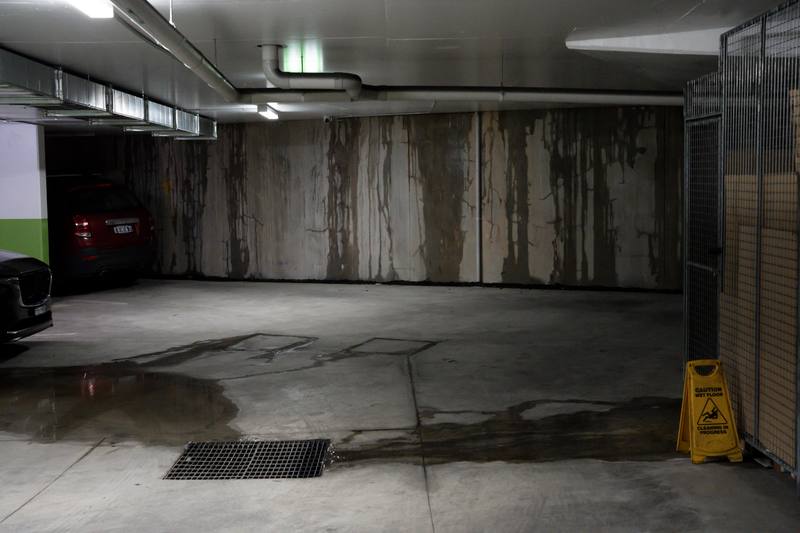
Hallways, stairwells, pools and other shared spaces can be damaged by wind and wind-driven rain along with individual units.
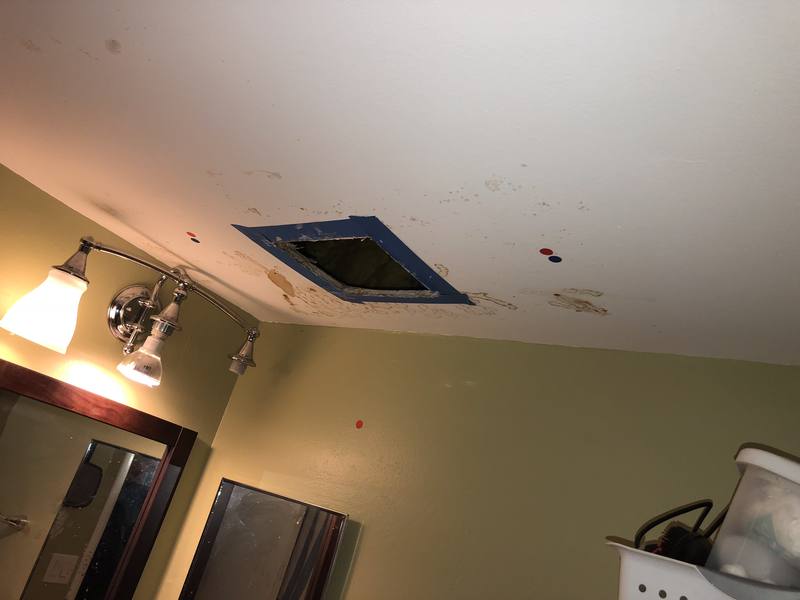
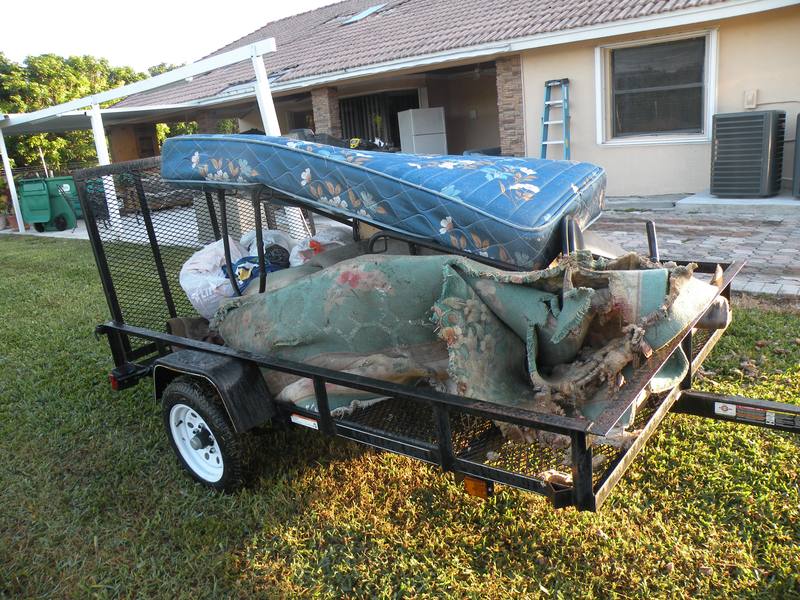
Flooring, cabinetry and personal belongings inside a unit are often the unit owner’s own responsibility to claim.
The association’s master policy typically covers the building structure and common areas, while a unit owner’s own policy covers personal belongings and interior finishes. Associations and unit owners should also be aware that Florida law requires a separate hurricane deductible, usually a percentage of the dwelling or structure coverage limit rather than a flat dollar amount. Homeland can help determine which policy applies to each part of the loss.
See our Condo & HOA Associations claims page for more on master-policy claims and hurricane deductibles.
Common Types of Hurricane & Wind Damage
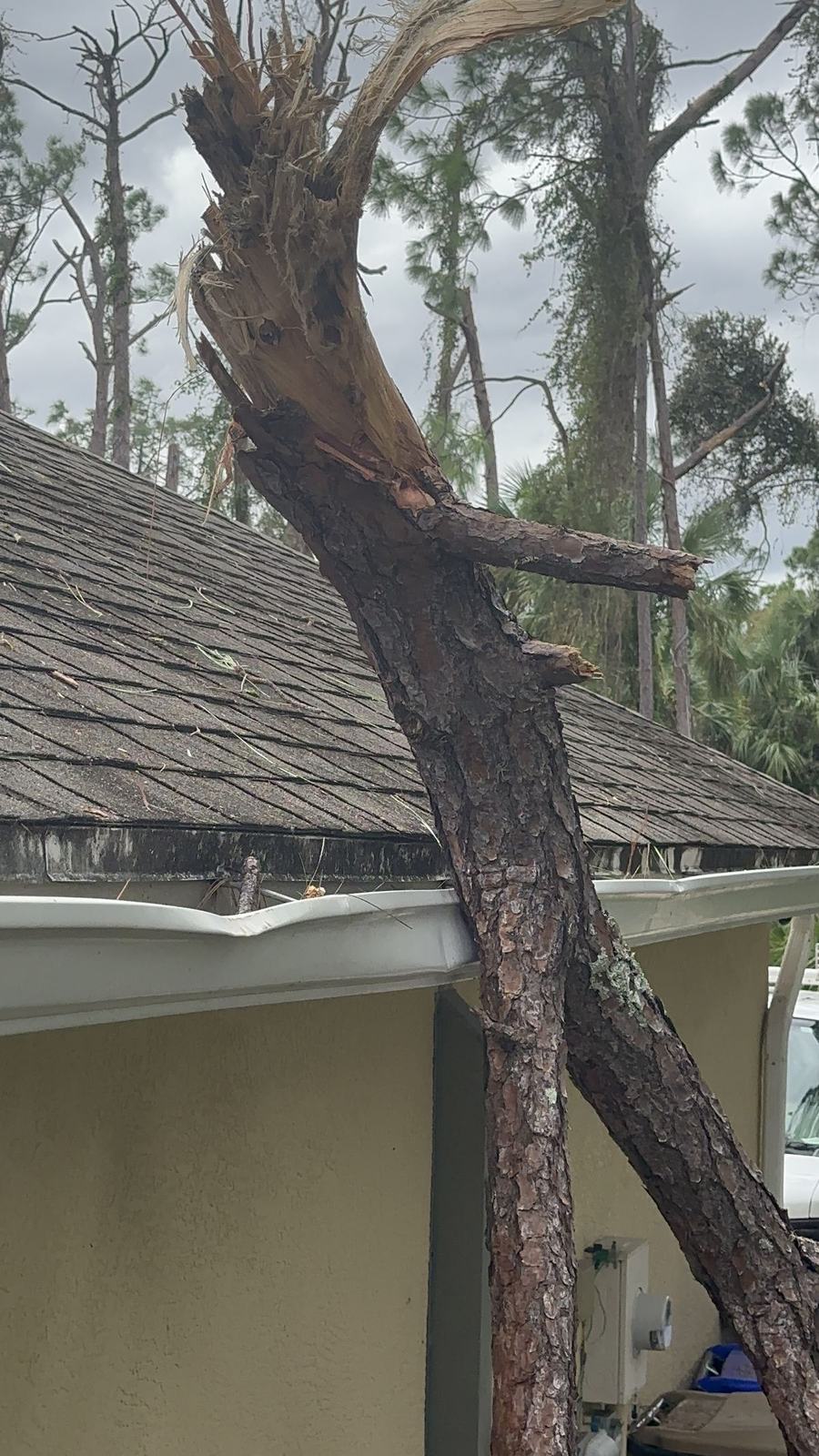
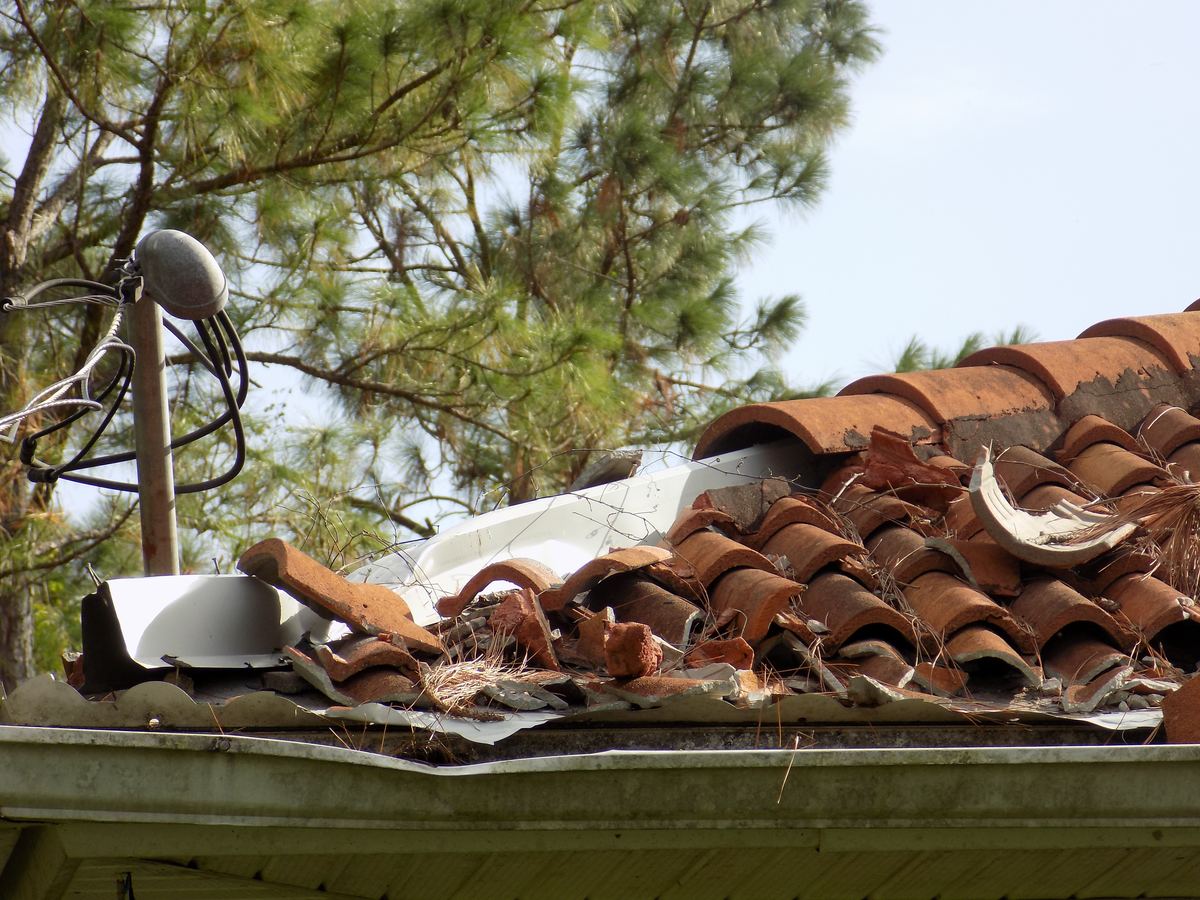
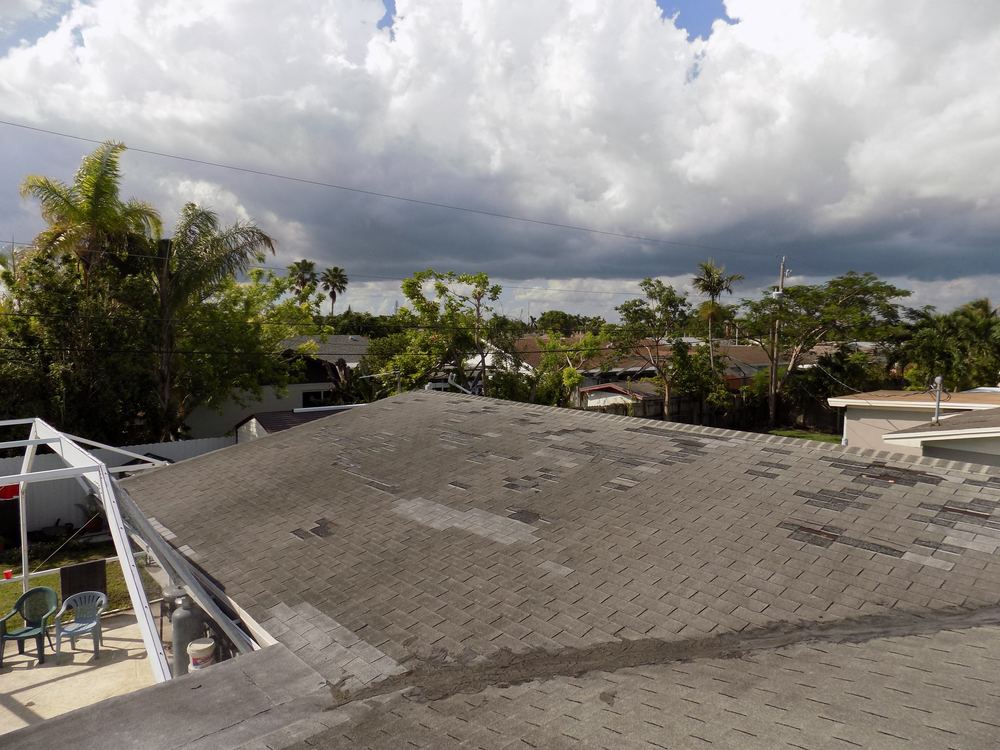
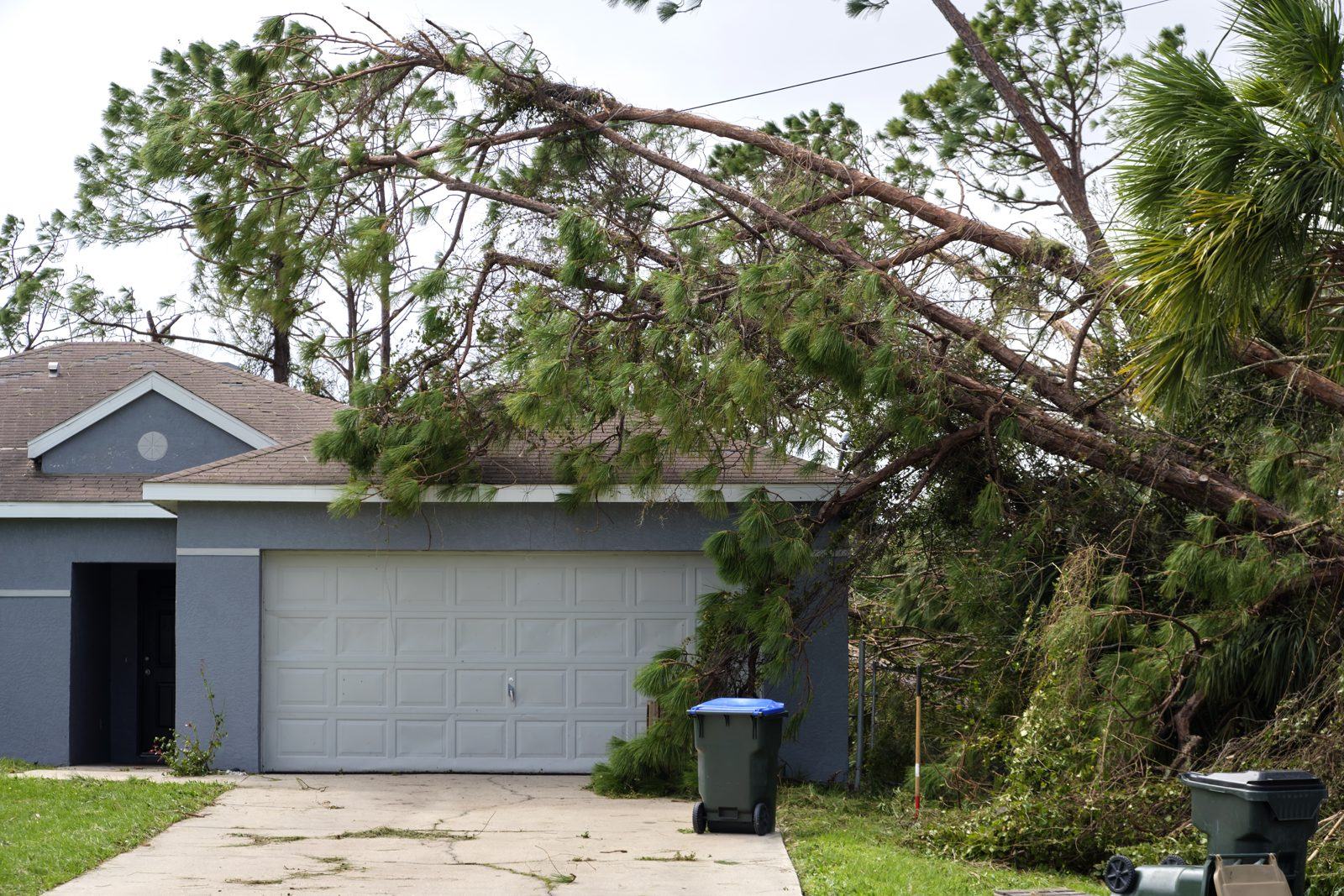
Hurricanes can create several types of damage during a single event. Identifying and documenting the full scope of the loss is an important part of preparing a hurricane or storm damage insurance claim.
What to Do After Hurricane or Wind Damage
Your well-being comes first. Once authorities have determined that it is safe to access the property, taking the right steps can also help preserve important information for your insurance claim.
You Don’t Have to Remember All of This. Adjuster Advantage Has You Prepared.
The best way to prepare for a hurricane, or any other damage, is a free Adjuster Advantage membership, for property owners and for associations.
Is your association ready for hurricane season?
AA Associations gives boards and managers the master policy explained in plain words, a dated building record of the roof, exterior and common areas, a Building Storm Check-in after a storm, with unit-by-unit status for the owners who choose to share, and reminders for the dates you enter. For Florida associations today.
Joining Adjuster Advantage is free and does not create a contract or agreement with Homeland Public Adjusters for any claim. Hiring Homeland is optional and requires a separate written agreement.
Wind or Flood? Know the Difference
Standard homeowners and most commercial property policies generally cover wind damage but exclude flood. Flood damage is covered, if at all, under a separate flood policy. A single storm often causes both, so how and when the damage happened can affect which policy responds. That is why documenting what you see, with photos and dates, matters from the first day. For flood losses, see our Flood Damage page.
Hail and Lightning Damage
Severe thunderstorms bring hail and lightning with the wind, and each raises its own coverage questions: cosmetic-damage endorsements on hail claims, and the “artificially generated current” argument on surge damage after a strike. Those claims, along with falling trees, explosions and other sudden losses, are covered in detail on our Lightning, Falling Trees, Hail & Other Sudden Damage page. Wind damage from the same storm stays here.
Your Hurricane Deductible
Florida Hurricane Claims by the Numbers
The Coverages That Decide a Hurricane Claim
Most hurricane disputes are not about whether the storm happened. They are about these provisions:
| Provision | What it does | Where claims go wrong |
|---|---|---|
| Hurricane deductible | A percentage of Coverage A (commonly 2%, 5% or 10%) that applies instead of the flat deductible to losses from a named hurricane; on personal residential policies it applies once per calendar year (§627.701) | The carrier applies the percentage to a loss it has already underscoped, so the net check is small; the fix is the scope, not the deductible |
| Replacement cost vs. actual cash value | Florida requires the insurer to pay at least actual cash value up front and the depreciation holdback as repairs are made (§627.7011) | Holdback treated as the end of the claim; depreciation applied to labor; roof paid under a separate roof-surfacing payment schedule if that endorsement was accepted |
| Wind-driven rain | Interior water damage is covered when wind first creates an opening in the roof or wall | Carriers call it “seepage” or a maintenance leak when no opening is documented; the inspection has to find and photograph the opening |
| Wind vs. flood (anti-concurrent causation) | Storm surge and rising water are flood, excluded on the homeowners policy and insured through the NFIP or a private flood policy | When wind and water both hit, the wind carrier blames water and the flood adjuster blames wind; the two claims must be built to the same facts |
| Ordinance or law | Pays the extra cost of bringing the repair up to current code; Florida insurers must offer 25% and 50% options (§627.7011) | Code upgrades left out of the estimate entirely, or paid only after you have spent the money |
| Notice of claim | Initial or reopened claim within 1 year of the date of loss, supplemental claim within 18 months (§627.70132) | Hidden roof and interior damage found after the first payment is a supplemental claim with its own clock |
Terms in this table, defined: Hurricane Deductible, Calendar-Year Deductible, Recoverable Depreciation, Ordinance or Law Coverage, Date of Loss, Supplemental Claim and Reopened Claim. See the full claims glossary.
Deadlines to Know in Florida
Your insurer. Your insurance company generally must acknowledge your claim within 7 calendar days, and pay or deny the claim within 60 days after receiving notice of it. Some circumstances, such as a state of emergency declared by the Governor, can extend those timelines.
Before You Sign With a Contractor
After a storm, many property owners are asked to sign repair contracts quickly. In Florida, for residential and commercial property policies issued on or after January 1, 2023, a policyholder may not assign post-loss insurance benefits, and an attempted assignment is void and unenforceable. Read any contract carefully, keep copies of everything you sign, and ask questions before you commit.Source: Section 627.7152, Florida Statutes.
Already Filed? Delayed, Denied or Underpaid
It is not too late to get help if your claim is already open. Homeland can review hurricane and wind claims that have been delayed, denied or underpaid, and explain what options may be available. See our Denied & Underpaid Claims page.
Florida and New Jersey
Hurricanes and tropical storms are a fact of life in Florida, and wind damage from tropical storms and nor’easters affects New Jersey property owners too. Homeland represents property owners in both states, with the same approach: document the loss fully, prepare the claim, and advocate for the benefits available under your policy.
Why Work With Homeland for Your Hurricane Damage Insurance Claim?
After a major storm, property owners may be dealing with emergency repairs, contractors, damaged belongings, and an insurance claim at the same time. Homeland Public Adjusters manages the claim on the policyholder’s side, reducing stress, building a detailed record of the loss, and communicating it to the insurance carrier.
In the News: A Real Hurricane & Wind Damage Claim
Hurricane & Wind Damage FAQs
What is the difference between wind and flood damage?
How long do I have to file a hurricane claim in Florida?
How does my hurricane deductible work?
How long does my insurance company have to respond?
Is hail damage to my roof covered by insurance?
Is lightning damage covered by my insurance?
My hurricane claim was denied or underpaid. Can Homeland still help?
Insights
 By Yeni Martinez
 By Nelson Avila
 By Alberto Enriquez
Hurricane & Wind Damage Claims We Handle Across Florida & New Jersey
Homeland handles hurricane and wind damage claims throughout Florida and New Jersey. Wherever your property is in either state, call us 24/7.
Free Claim Review
Tell us about your loss. We’ll call you back.
Claims We Handle
Flood Damage→Fire Damage→Water Damage→Winter Storm & Roof Damage→Theft & Vandalism Damage→Vehicle Impact Damage→Business & Commercial→Other Claims→Denied & Underpaid→Join Adjuster Advantage™
Know your policy and keep your records ready, before the storm.
Join FreeOther Property Damage Claims We Handle
Hurricanes and severe storms can result in more than wind damage alone. Homeland Public Adjusters also assists property owners with other types of property insurance claims when applicable to the loss and available coverage.