Short answer: roof insurance claim help starts with proving what damaged the roof and when. Most policies cover sudden damage from wind, hail or a falling tree and exclude wear and tear, so the claim turns on evidence, not the roof’s age. A licensed public adjuster inspects the roof, documents storm damage separately from aging and deals with the insurer.
Last reviewed: October 2026
Roof Leaks: When Interior Water Damage Is Covered
A roof leak claim usually turns on one question: what let the water in. Interior water damage is covered when wind first creates an opening in the roof or wall. Carriers call it “seepage” or a maintenance leak when no opening is documented, so the inspection has to find and photograph the opening. A slow leak from age or deterioration is usually treated as wear and tear.
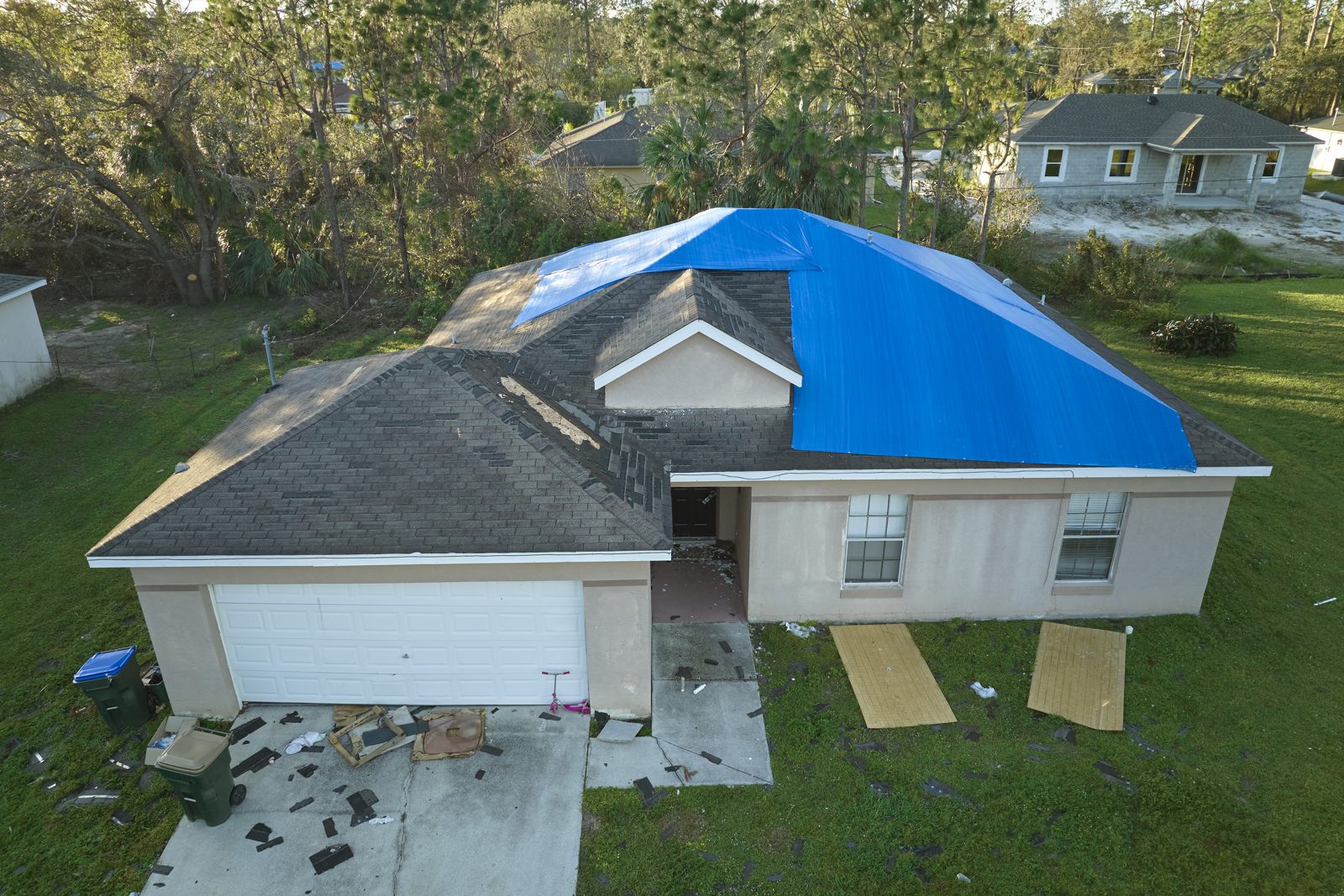
If water is coming in now: tarping a hole in the roof is a reasonable step to prevent additional damage, and such steps are expected and usually reimbursable. Photograph the “before” condition and keep the receipts first. Then upload your photos to Start My Claim or call us 24/7.
Hurricane, Wind and Hail Roof Damage
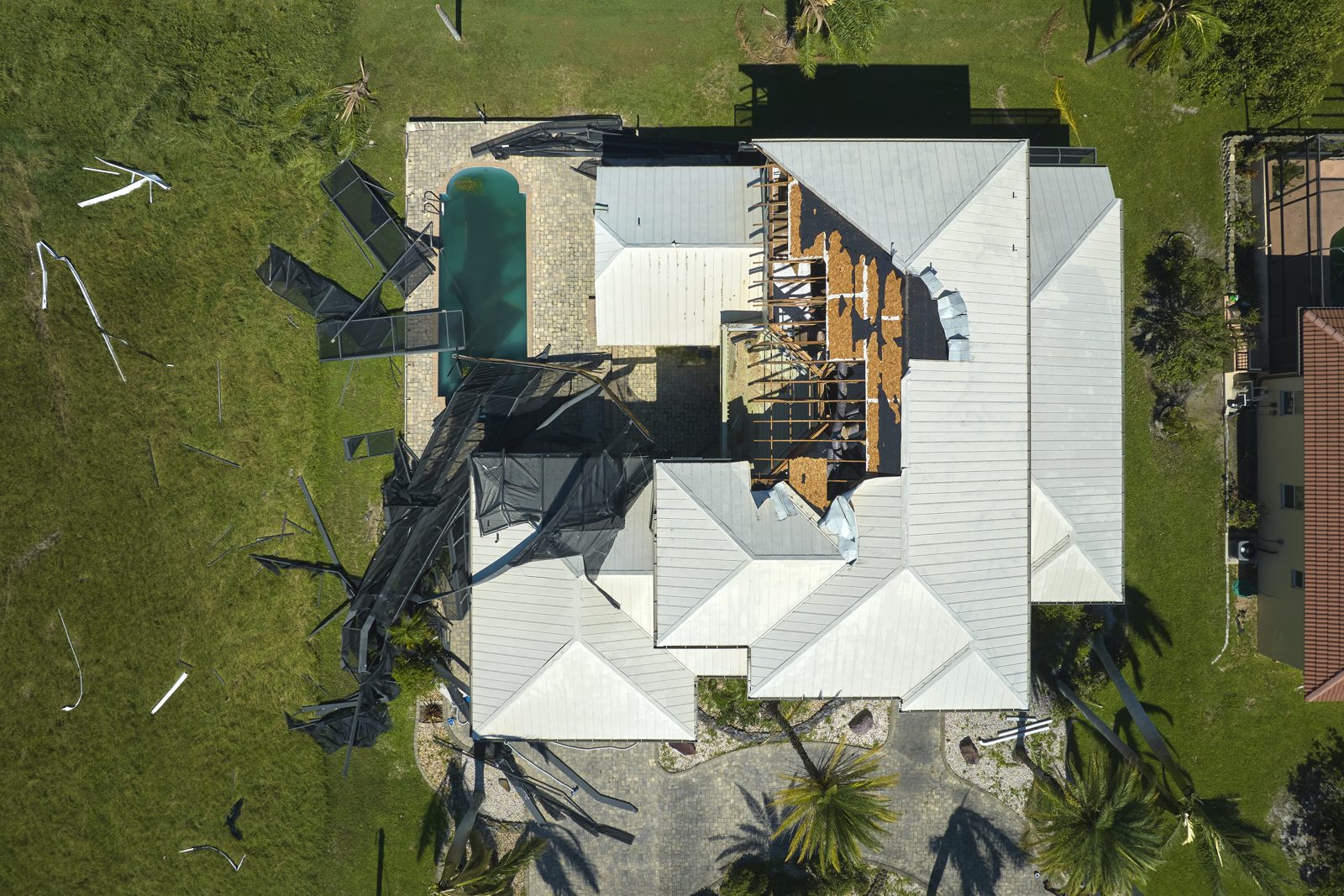
In Florida, hurricane and windstorm roof claims raise the same questions again and again: how the hurricane deductible applies, whether the roof is paid on a roof payment schedule or at actual cash value, whether the insurer can approve a partial repair instead of a replacement, and whether the repair has to match the rest of the roof. Hail is covered under windstorm or hail; the fight is over cosmetic-damage endorsements, matching and roof deductibles. See our hurricane and wind damage page and our guide to hail damage claims.
In New Jersey, roof claims more often follow ice dams, snow load and nor’easters. See winter storm and roof damage. A fallen tree on the roof is its own kind of claim; see lightning, trees and other sudden damage.
Wear and Tear and Cosmetic Damage Denials
“Wear and tear” is one of the most common reasons roof claims are denied, because most property policies exclude damage caused by age and deterioration. But a roof can be old and still have real storm damage. A cosmetic damage denial is different: some policies exclude damage that affects only the roof’s appearance, such as dents in metal roofing, rather than its ability to keep water out.
| Storm damage often looks like | Aging usually looks like |
|---|---|
| Creased, torn or missing shingles, often on the side facing the wind | Even granule loss and curling across the whole roof |
| Freshly broken or displaced tiles with clean fracture edges | Weathered, discolored cracks with dirt or growth in them |
| Hail bruises or impact marks in a random pattern | Blistering or cracking that follows the shingle’s age |
| Leaks that start right after a dated weather event | Slow staining and rot that built up over time |
What you can do after a wear and tear denial:
The full guide: roof claim denied for wear and tear or cosmetic damage. You can also upload the denial letter to Review My Claim for a first read in about a minute.
How Homeland Handles a Roof Claim
Before the next storm, Scan My Policy shows your roof deductible in dollars and whether your roof is paid at actual cash value or on a payment schedule.
Deadlines to Know
New Jersey. New Jersey regulations require insurers to begin an investigation within 10 working days of notice of a claim, and set a 30-calendar-day period, running from receipt of a properly executed proof of loss, for first-party claims. If more time is needed, the insurer must explain why in writing, with updates every 45 days, unless a clear justification or other law provides otherwise.
Roof Insurance Claim FAQs
Does homeowners insurance cover a roof leak?
Will insurance cover an old roof?
Will my insurer pay for a full roof replacement or just a repair?
How long do I have to file a roof claim in Florida?
Can Homeland help after my roof claim was denied?
Talk to a Public Adjuster
Tell us about your loss. We’ll call you back.

Roof Claims We Handle
From a leaking ceiling after a summer storm to a hurricane roof or a winter ice dam, these are the roof-related claims property owners bring us.