Roof Claim Denied for “Wear and Tear” or “Cosmetic Damage”?

Homeland Public Adjusters · Last reviewed: October 2026
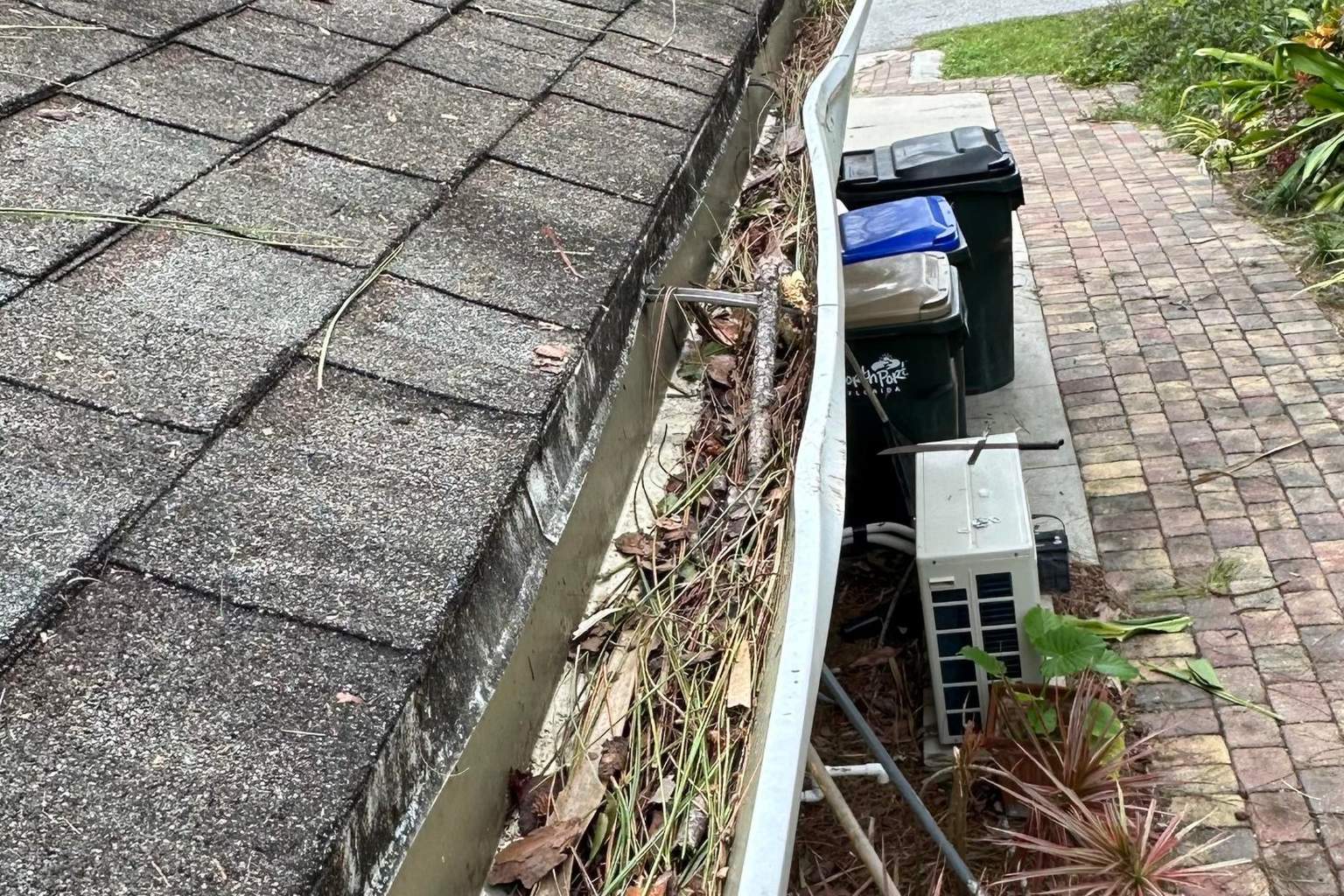
Short answer: “Wear and tear” is one of the most common reasons roof claims are denied, because most property policies exclude damage caused by age and deterioration. But a roof can be old and still have real storm damage. What decides the claim is evidence of what caused the damage and when, not the roof's age alone.
What the insurer is saying
A wear and tear denial means the insurer believes the damage came from age, deterioration, poor maintenance or a defect, not from a sudden event like wind or hail. This is a policy exclusion, not a statute: the exact wording in your policy controls.
A cosmetic damage denial is different. Some policies include an exclusion or endorsement for damage that affects only the roof's appearance, such as dents in metal roofing, rather than its ability to keep water out. If your policy has that language, the dispute is about whether the damage is truly only cosmetic.
Storm damage vs. aging: what the evidence usually shows
| Storm damage often looks like | Aging usually looks like |
|---|---|
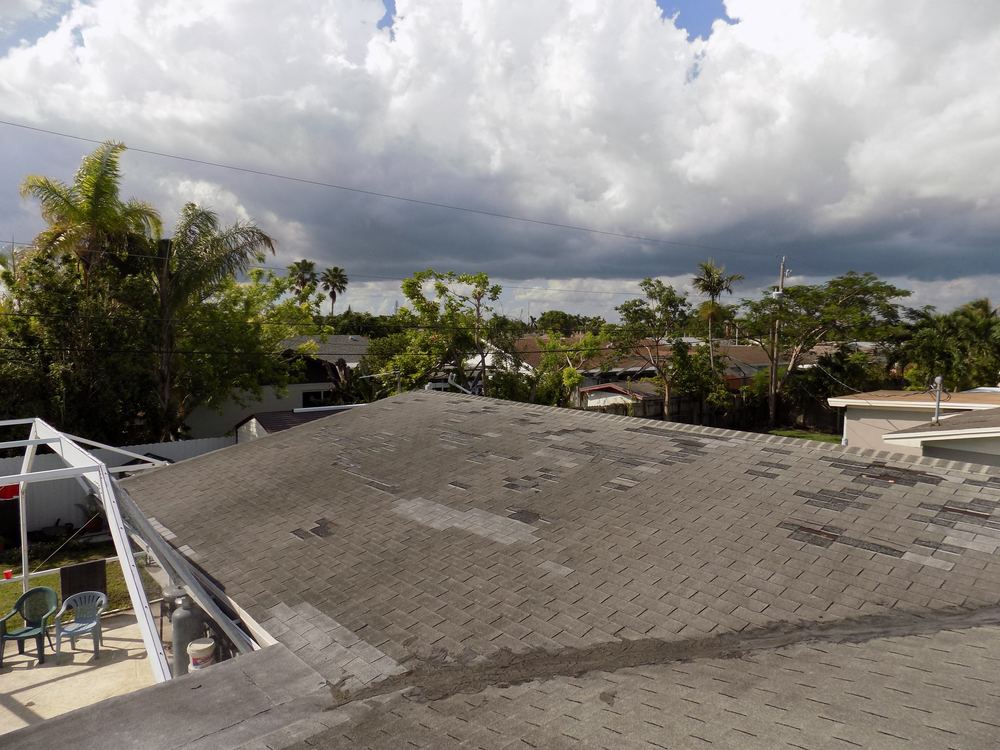
| Creased, torn or missing shingles, often on the side facing the wind | Even granule loss and curling across the whole roof |
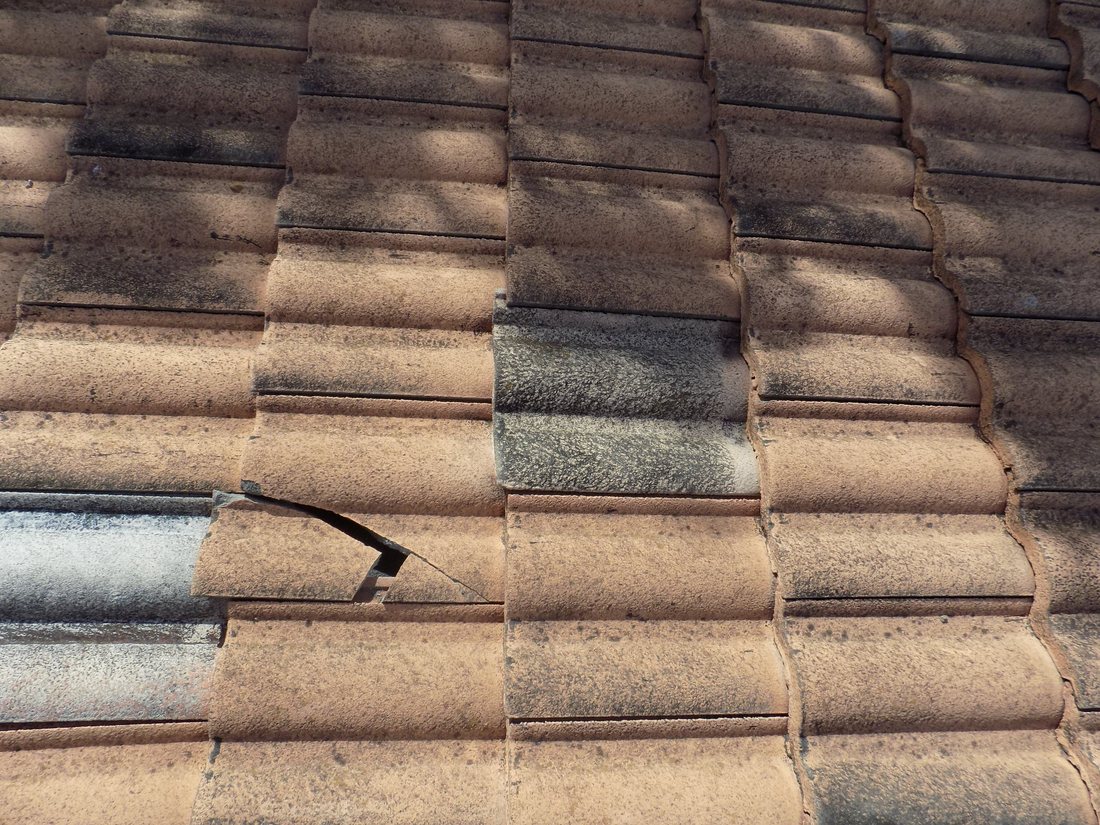
| Freshly broken or displaced tiles with clean fracture edges | Weathered, discolored cracks with dirt or growth in them |
| Hail bruises or impact marks in a random pattern | Blistering or cracking that follows the shingle's age |
| Leaks that start right after a dated weather event | Slow staining and rot that built up over time |
Because Florida and New Jersey roofs face different weather (hurricane wind and hail in Florida; ice dams, snow load and nor'easters in New Jersey), the evidence that matters differs too. Weather data for your address and date of loss, photos from before the storm, and close-up photos of each damaged area all help show cause and timing.
Florida rules that affect roof claims
Under Fla. Stat. §627.70132, notice of an initial or reopened claim must be given within 1 year after the date of loss, and a supplemental claim within 18 months. Under §627.70131, the insurer must pay or deny within 60 days after notice, in writing.
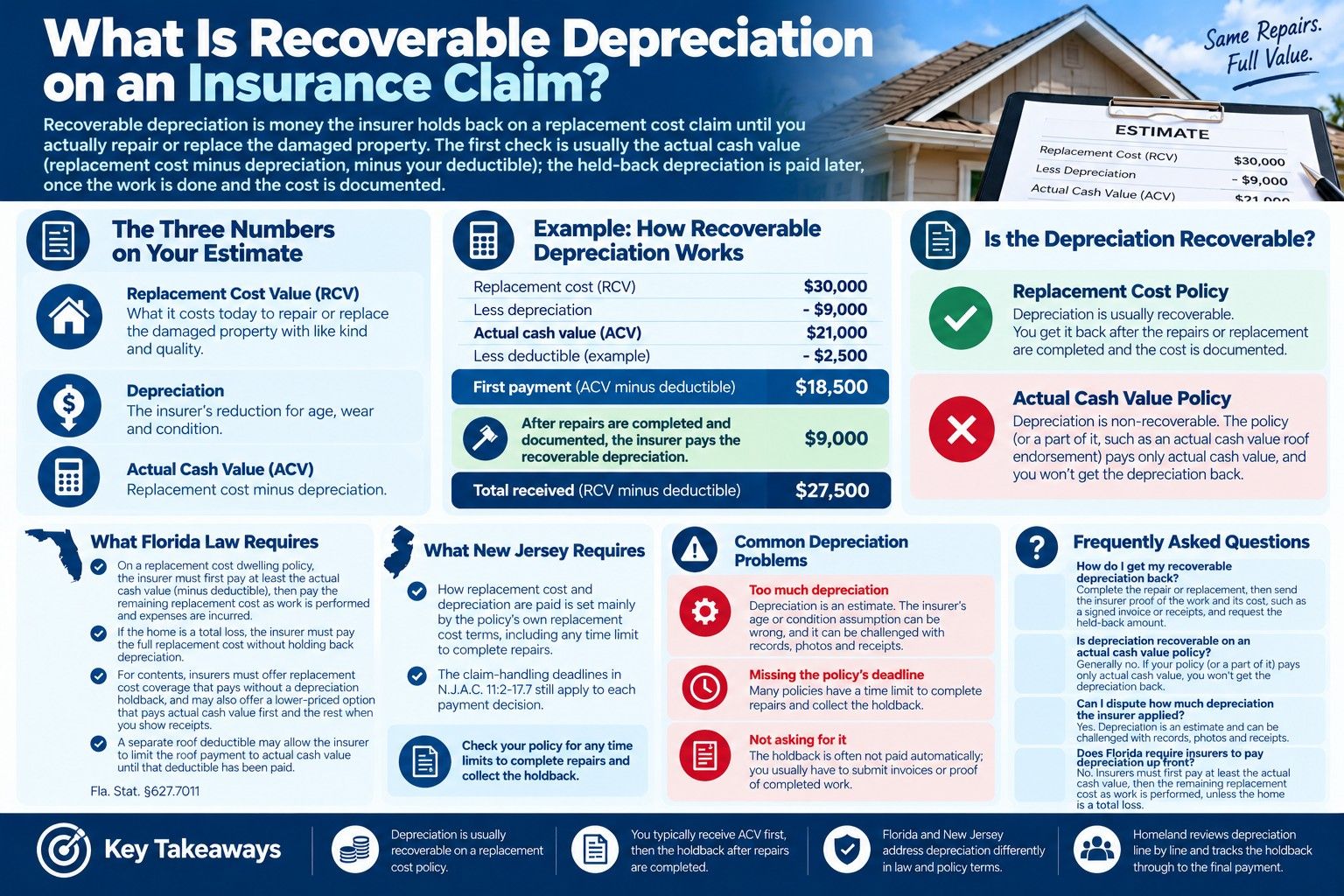
Florida's §627.7011 also says an insurer generally must pay at least the actual cash value of a covered dwelling loss up front, minus the deductible, with the rest paid as repairs are done, and that the insurer may limit a roof payment to actual cash value until a separate roof deductible, where one applies, has been paid. Partial repairs and matching are covered in our articles on Florida's roof repair rules and the matching law.
What you can do after a wear and tear denial
Ask for the basis in writing. Request the inspection report, photos and the policy language the insurer relied on.
Get an independent inspection. A licensed roofer or contractor can document what they find, area by area, with photos and an opinion on cause.
Ask for a reinspection with your own representative present, and send any new evidence in writing.
Use the dispute options. Depending on the state and the dispute, that can mean appraisal, Florida's free DFS mediation program, a complaint to the state insurance department, or an attorney. See every option, compared.
Wear-and-tear roof denials are among the most common claims Homeland reopens in Hialeah, Cape Coral and Ocala.
Frequently asked questions
Will insurance cover an old roof?
Is wear and tear ever covered by homeowners insurance?
What is a cosmetic damage exclusion?
How long do I have to dispute a roof denial in Florida?
A roof denial is often where Homeland starts: we inspect the roof, document storm damage separately from aging, and present it to the insurer with the evidence behind it.
This article is for general information only and is not legal or insurance advice. Statutes, regulations and policy wording change, and how they apply depends on your own policy and the facts of your claim. Homeland Public Adjusters is a public adjusting firm, not a law firm.
- Surprising Things Your Policy Covers
- Neighbor's Condo Fire: Who Pays?
- Damaged Tile or Laminate: A Claim?
- Barn, Stable & Outbuilding Coverage
- Wind and Tornado Risk on the Farm
- Crop Insurance vs. Property Insurance
 Yeni Martinez
 Alberto Enriquez
 Yisel Dieguez
Homeland Public Adjusters represents policyholders, not insurers. Get a free review of your claim.
Get a Free Claim ReviewIf you already have an open claim, see What to Do in the First 24 Hours After Property Damage, or visit our Public Adjuster Near Me page to get connected with the Homeland adjuster covering your area.