Open Land, Open Exposure: Wind and Tornado Risk on the Farm

Homeland Public Adjusters · Last reviewed: October 2026
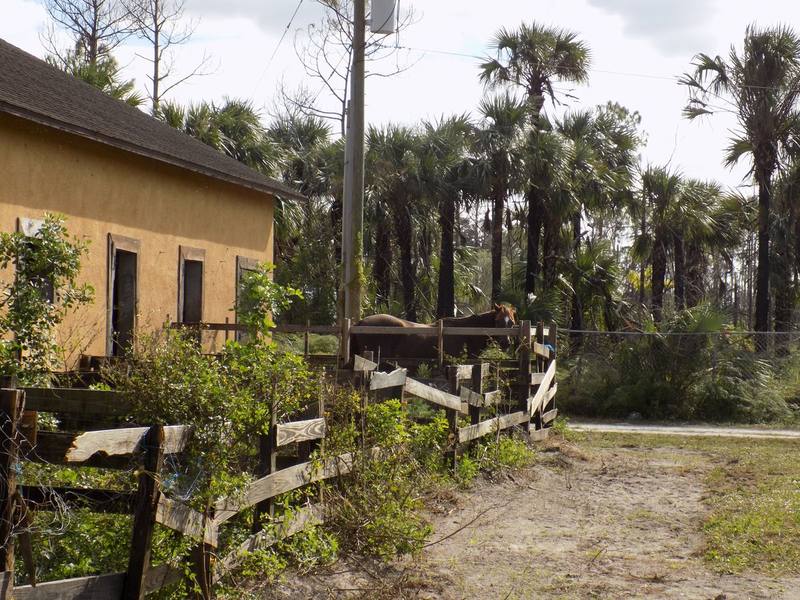
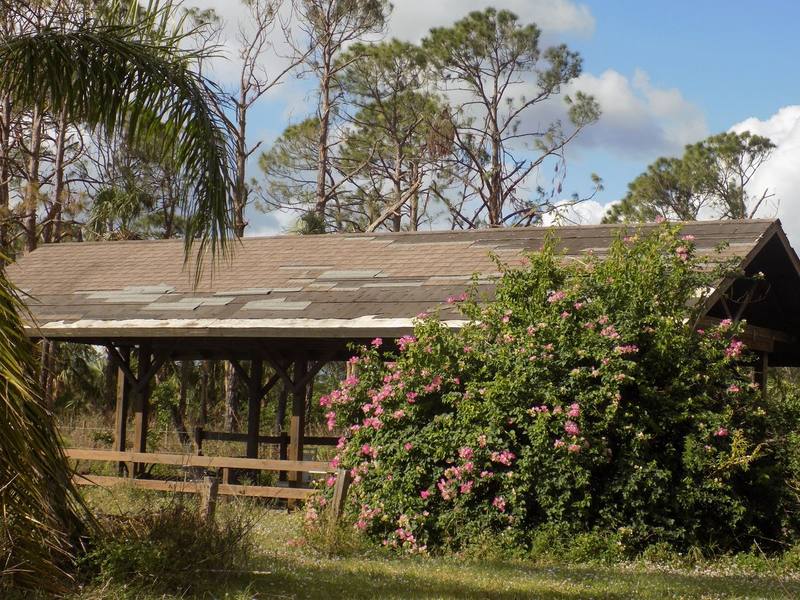
A structure standing alone in open farmland takes wind very differently than one surrounded by other buildings and trees in a subdivision. Fencing, stables, equipment sheds and barns on Florida and New Jersey farms are exposed on every side, and that exposure shows up in how wind and tornado claims typically unfold.
Have a property claim anywhere in Florida? A licensed Homeland public adjuster comes to you within hours — no need to visit an office. Call (305) 783-3777 (Florida) or (732) 517-3777 (New Jersey), 24/7.
Why open terrain changes the damage pattern
Short answer: Farm buildings in open land take direct, sustained gusts, which is why barn roof panels peel back and fencing comes down in long runs. On a wind or tornado claim, documenting the damage pattern across the whole property, not just one building, helps show what kind of wind caused it.
Without trees, hedgerows or neighboring structures to break the wind, farm buildings often take sustained, direct gusts that a similar structure in a developed area wouldn’t see. This is part of why metal roofing panels on barns and sheds peel back, fencing runs come down in long sections rather than isolated posts, and open-sided structures like run-in sheds and hay barns are especially prone to roof lift and partial collapse.
Straight-line wind versus tornado damage
Both Florida and New Jersey see tornado activity, usually spun off from hurricanes, tropical storms or severe thunderstorm lines, and distinguishing tornado damage from straight-line wind damage can matter for how a claim is evaluated. Tornado damage tends to show a narrower, more concentrated path with debris scattered in varying directions, while straight-line wind damage is typically more uniform across a wider area, with debris generally thrown the same direction. Noting the pattern of damage across the property, not just at one structure, helps support the claim.
After a wind event
Photograph damage to every structure and fence line before repairs begin, and note the direction debris fell relative to each building — that detail can help establish whether the event was straight-line wind or a tornado, which insurers may evaluate differently depending on the specific peril language in your policy.
Wind and tornado losses on farms and groves around Sebring, Lakeland and Homestead are the kind of claims Homeland documents in the field.
Frequently asked questions
Why do farm buildings take more wind damage?
How do you tell tornado damage from straight-line wind damage?
Is farm fencing covered by insurance?
This article is for general information only and is not legal or insurance advice. Every policy and every claim is different — call Homeland. We review your policy language with you at no cost.
- Surprising Things Your Policy Covers
- Neighbor's Condo Fire: Who Pays?
- Damaged Tile or Laminate: A Claim?
- Barn, Stable & Outbuilding Coverage
- Crop Insurance vs. Property Insurance
- Plane or Odd Impact Hit Your House? Your Policy Covers It
 Yeni Martinez
 Alberto Enriquez
 Yisel Dieguez
Homeland Public Adjusters represents policyholders, not insurers. Get a free review of your claim.
Get a Free Claim ReviewThis topic often comes up alongside Barn, Stable and Outbuilding Damage: What Your Policy Actually Covers. If your situation involves this kind of loss, see our Agricultural Properties page for how Homeland can help with the claim itself.