Surprising Things Your Homeowners Policy Might Actually Cover

Homeland Public Adjusters · Last reviewed: October 2026
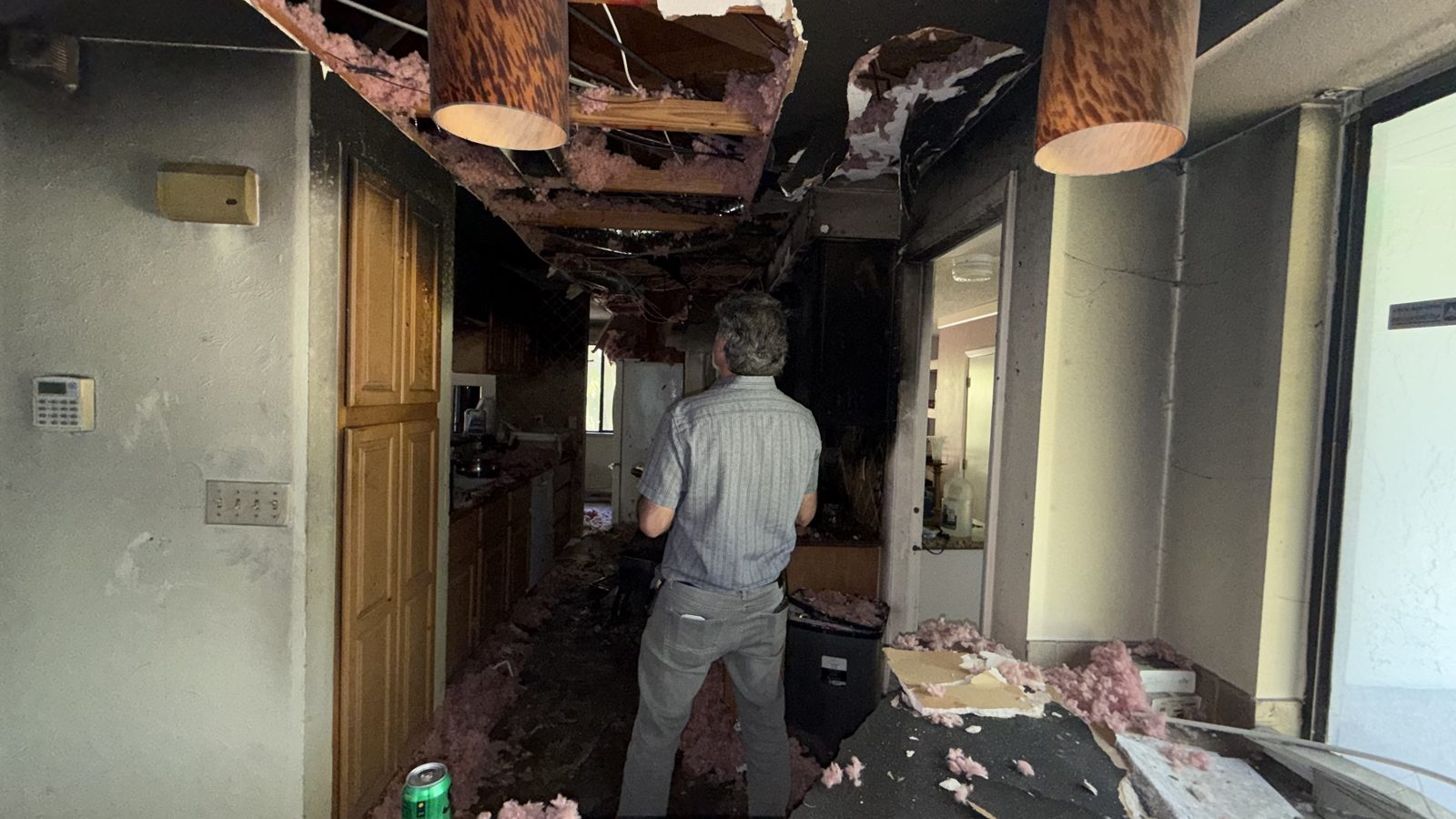
A standard homeowners policy is built around one core idea: sudden and accidental damage is generally covered, while damage that happens gradually, from neglect, or from normal wear is generally not. That distinction explains a lot of coverage decisions that catch homeowners in Florida and New Jersey off guard — in both directions.
Animals, debris and other sudden surprises
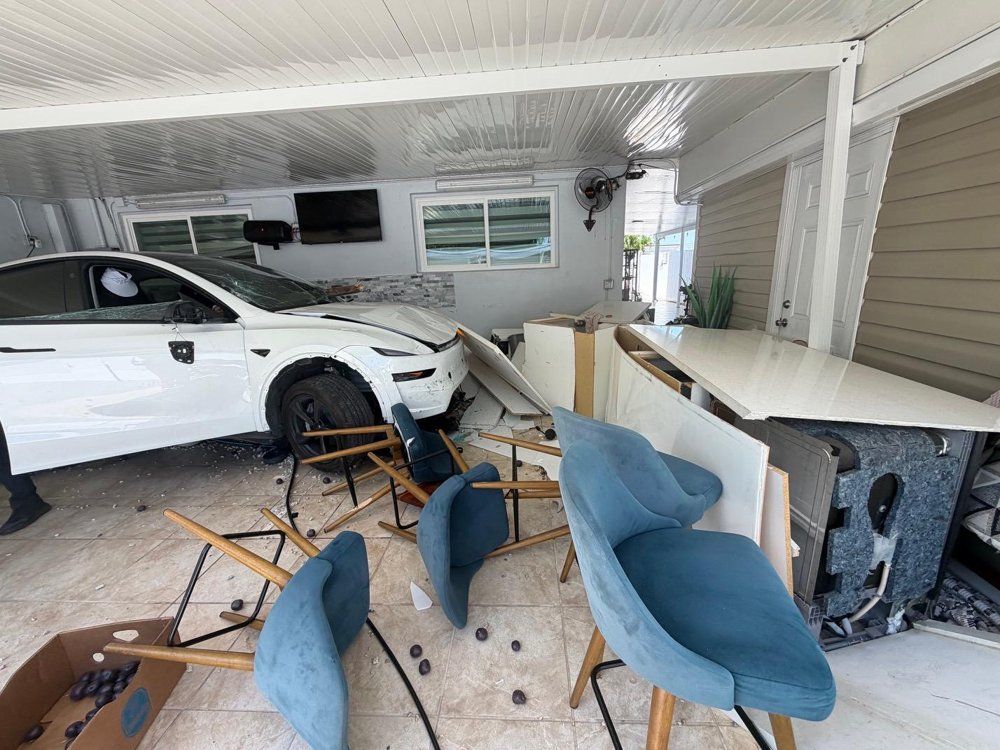
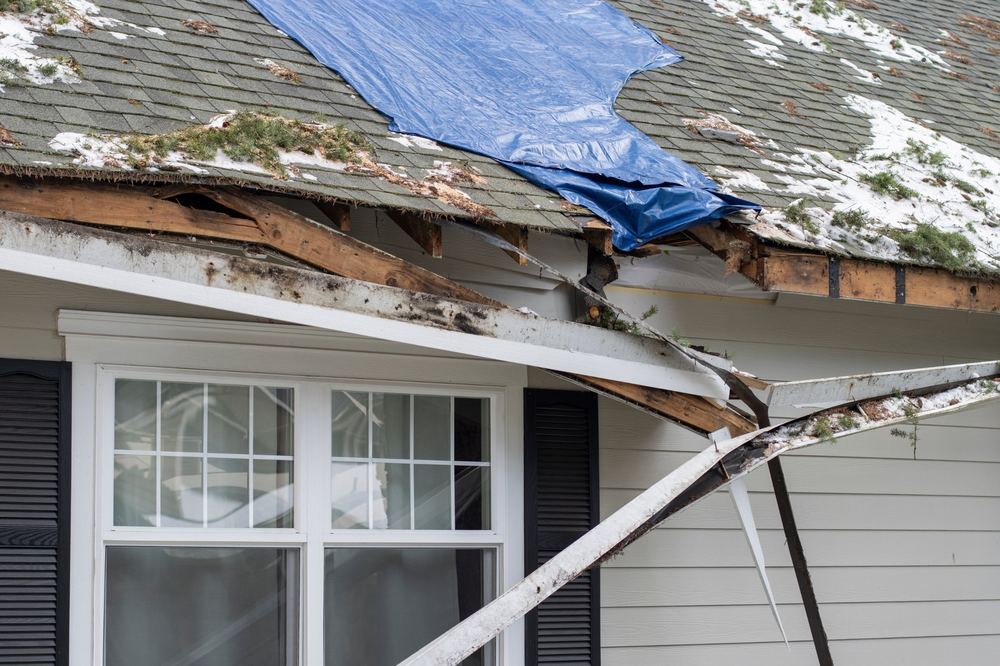
A raccoon tearing through soffit and attic insulation, a tree limb crashing through a roof during a summer storm, a neighbor’s fire spreading to your fence or siding, a stray baseball or a vehicle leaving the road and striking your home — these are all sudden events, and most homeowners policies treat them the way they treat wind or hail: as a covered peril, subject to your deductible and policy limits. What trips people up is assuming that because the cause wasn’t a storm, it must not be covered. The cause matters less than whether the event was sudden and accidental.
Where it gets complicated
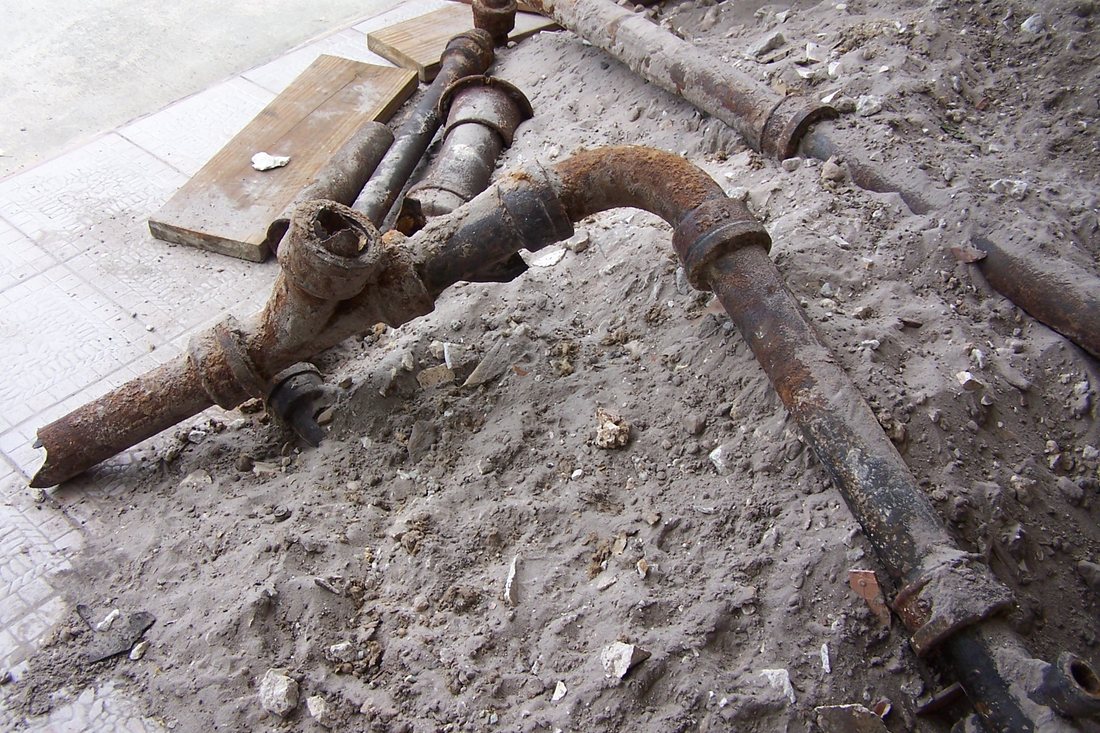
Coverage for these scenarios isn’t automatic or unlimited. A homeowners policy typically responds first, but if a named third party caused the damage — a driver, for example — their liability coverage may also come into play, and your insurer may pursue subrogation against them after paying your claim. Vermin and pest damage is covered only when it’s the direct result of a sudden event, not when an infestation has been ongoing for months. And a fire that starts in a neighbor’s unit or structure and spreads to yours is a covered loss on your own policy even though you didn’t cause it.
Why this matters in Florida and New Jersey
These aren’t rare, hypothetical scenarios. Florida’s dense tree canopy and frequent summer storms make falling-debris claims common, and both states have enough multifamily and closely built neighborhoods that a fire or water loss next door regularly crosses property lines. Knowing that your own policy may respond — and knowing how to document the loss correctly from day one — is often the difference between a smooth claim and a denied one.
Homeland handles homeowners claims like these across Florida and New Jersey, including Miami Lakes, Orlando and Toms River.
Frequently asked questions
Does homeowners insurance cover damage from animals or falling trees?
Is pest or vermin damage covered by homeowners insurance?
If a neighbor’s fire spreads to my home, is it covered by my policy?
This article is for general information only and is not legal or insurance advice. Every policy and every claim is different — always review your own policy language or speak with a licensed public adjuster about your specific situation.
- Neighbor's Condo Fire: Who Pays?
- Damaged Tile or Laminate: A Claim?
- Barn, Stable & Outbuilding Coverage
- Wind and Tornado Risk on the Farm
- Crop Insurance vs. Property Insurance
- Car or Plane Hit My House: Who Pays?
 Yeni Martinez
 Alberto Enriquez
 Yisel Dieguez
Homeland Public Adjusters represents policyholders, not insurers. Get a free review of your claim.
Get a Free Claim ReviewThis topic often comes up alongside What to Do in the First 24 Hours After Property Damage. If your situation involves this kind of loss, see our Homeowners page for how Homeland can help with the claim itself.