Dishwasher, Washing Machine, A/C Line, Toilet or Refrigerator Leak: What Homeowners Insurance Covers

Homeland Public Adjusters · Last reviewed: October 2026
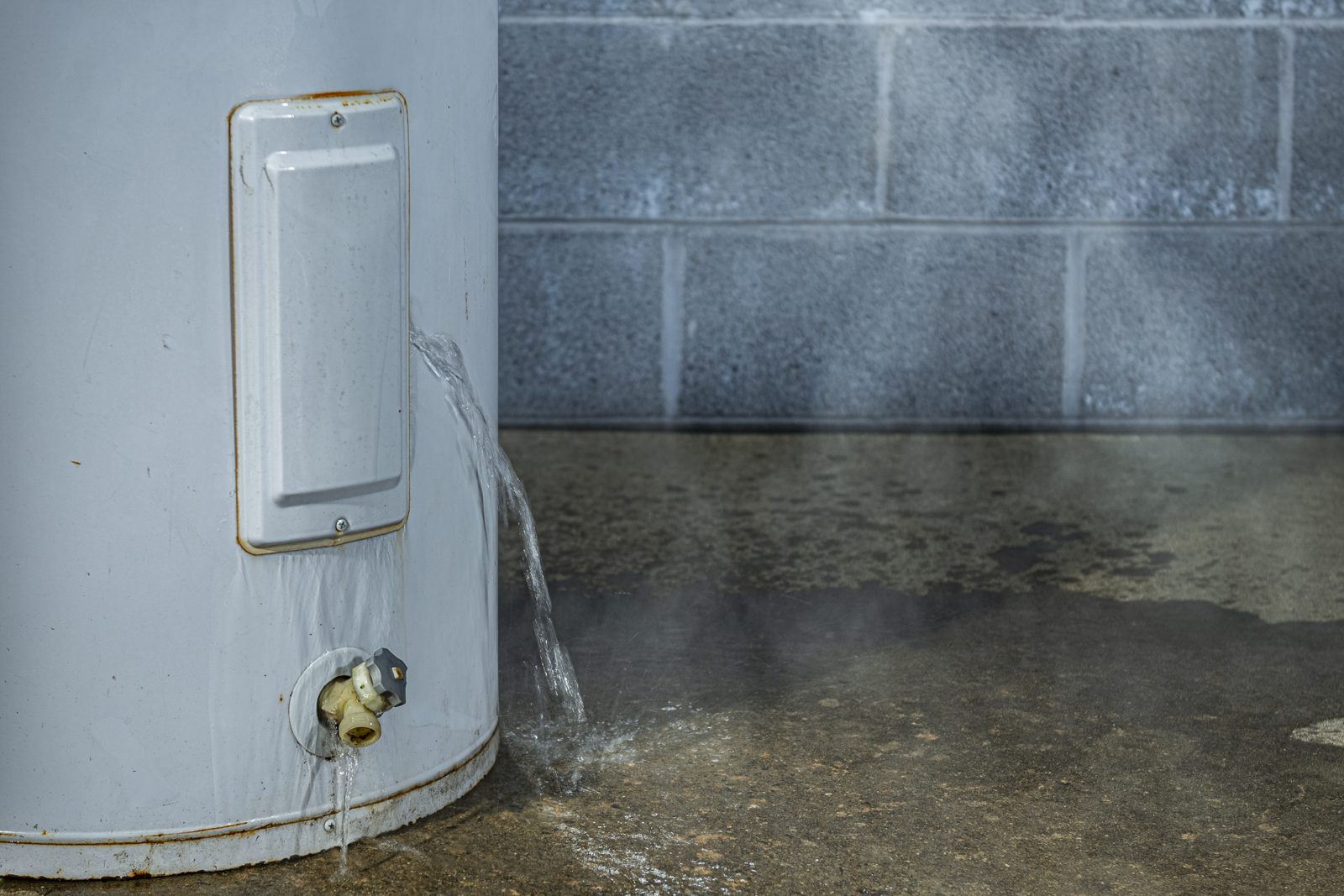
Short answer: A dishwasher, washing machine, refrigerator, air-conditioning condensate line or toilet that suddenly overflows or lets go is a covered water loss under the standard homeowners policy; the damage to floors, cabinets, drywall and contents is paid, the appliance that failed usually is not, and a leak that dripped for weeks is excluded as repeated seepage. In Florida, many policies cap these non-weather water losses at $10,000.
The appliances that cause most claims
IBHS’s review of water claims found that a burst supply hose caused about half of all washing-machine incidents, at more than $6,000 average damage, and recommended replacing the hoses every five years. Toilet failures ran from $2,000 to $10,000 per incident, sink and dishwasher failures more than $7,000, and 73% of icemaker losses were a supply-line failure. Homes more than thirty years old had three times the plumbing problems of newer homes. In Florida there is a sixth appliance on the list that IBHS did not study: the air conditioner, whose condensate drain line clogs with algae and overflows the pan into the ceiling or the closet floor.
Sudden and accidental versus repeated seepage
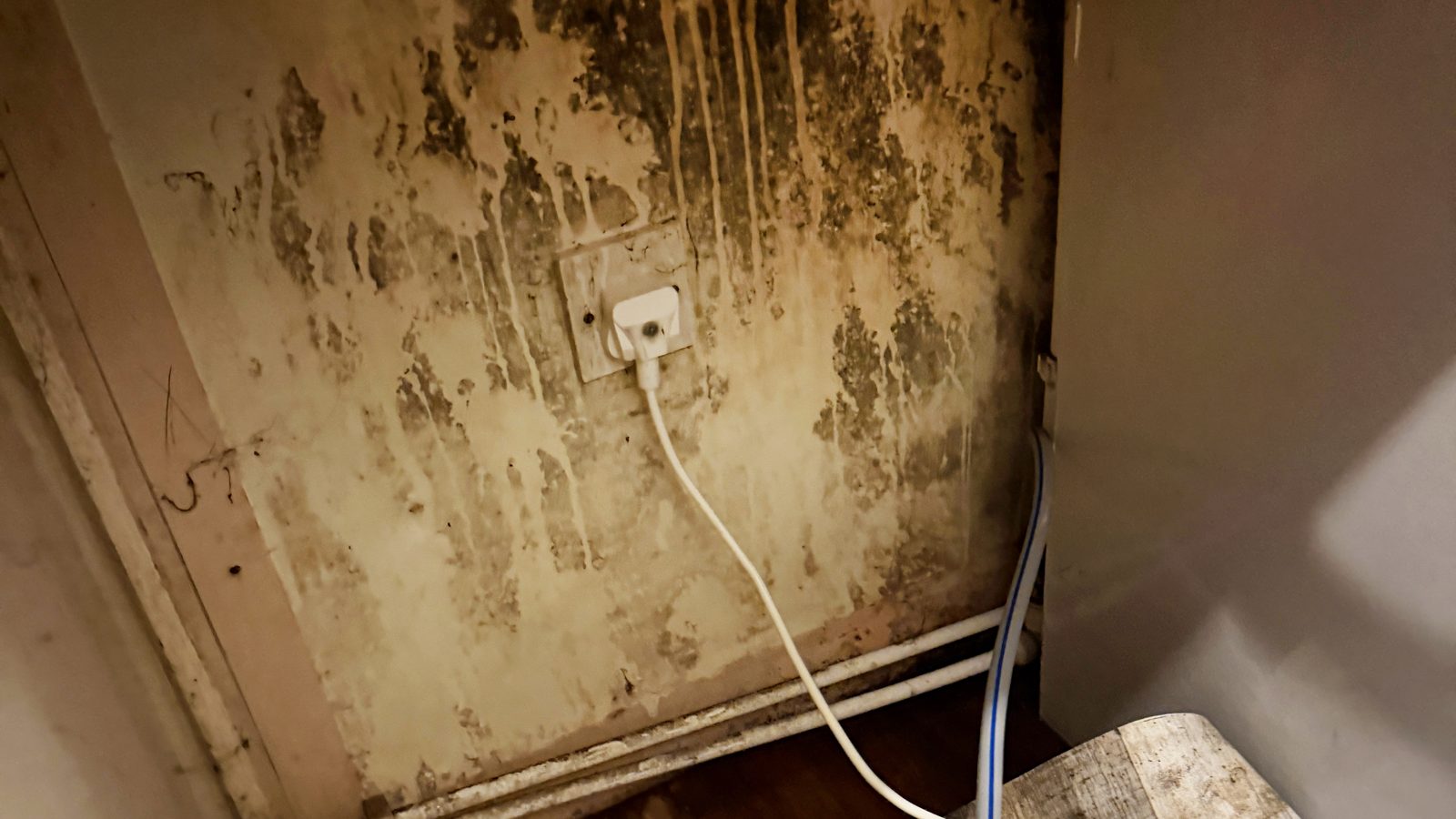
The covered peril is sudden and accidental discharge or overflow of water from a plumbing system or a household appliance. The exclusion carriers use is continuous or repeated seepage or leakage “over a period of weeks, months or years.” Every appliance claim is argued on that line, and the physical evidence decides it: a swollen particleboard cabinet floor with a black stain says weeks; a wet floor with no staining says yesterday.
| Appliance | Typical sudden failure (covered) | Typical gradual failure (disputed) |
|---|---|---|
| Dishwasher | Door seal or drain hose lets go mid-cycle; water across the kitchen floor | Slow drip under the unit that rots the cabinet toe-kick and subfloor |
| Washing machine | Supply hose bursts; dozens of gallons in minutes | Weeping valve behind the machine for months |
| Refrigerator / icemaker | Supply line splits | Pinhole in the line that stains the floor under the unit over a season |
| Toilet | Supply line or fill valve fails; overflow from a clog | Wax ring seep that softens the subfloor |
| A/C condensate line (Florida) | Drain clogs and the pan overflows into the ceiling in one weekend | Pan rusts through and drips for weeks; carriers call it “constant seepage” and maintenance |
| Water heater | Tank bursts | See water heater claims |
What is paid and what is not
- Covered: flooring and subfloor, drywall and baseboard, cabinets and vanities that absorbed water, drying, contents, and often the tear-out needed to reach the failed part.
- Usually not covered: the appliance, hose, valve or line that failed; a service call to fix it; mold beyond the sublimit; damage that accumulated over weeks.
- Capped in Florida: many policies carry a $10,000 non-weather water limitation approved for Citizens in 2017 and common on private policies since 2018. Emergency extraction counts against it. Our guide to the $10,000 limitation explains the managed-repair waiver.
- Matching: when one run of cabinets or one room of flooring is replaced, Florida’s §626.9744 requires reasonable repair or replacement of adjoining areas so the result matches. See the matching rule.
Whose policy, in a condo or a rental
A dishwasher leak in a condo unit damages the unit owner’s flooring and cabinets, which are the unit owner’s HO-6 under Florida’s statute, and sometimes the drywall and the unit below, which raise master-policy and neighbor questions covered in our guide to water damage between units. In a rental, the tenant’s renters policy covers the tenant’s belongings, the landlord’s policy covers the building, and a tenant who ignored a leak for a month hands the landlord a maintenance argument. Each policy is claimed separately.
What to do
- Shut the supply valve to the appliance and the main if you cannot find it.
- Photograph the appliance, the failed hose or seal, the water on the floor and every wet surface before cleanup; the lack of staining is your evidence that it was sudden.
- Keep the failed part. Carriers inspect hoses and seals to date the failure.
- Dry fast and document the moisture readings; the mold sublimit is small.
- Call Homeland before the carrier and before signing an assignment with a restoration company.
- Watch the $10,000 limitation and the emergency sublimit in Florida.
- Report within the policy’s prompt-notice clause; Florida allows 1 year for notice and 18 months for a supplemental claim (§627.70132).
Frequently asked questions
Does homeowners insurance cover a dishwasher leak?
Is a washing machine hose burst covered?
My A/C drain line overflowed into the ceiling. The carrier says it was maintenance.
Is the toilet overflow covered if a clog caused it?
Why is my Florida payment capped at $10,000?
Do I need a public adjuster for a kitchen leak?
Homeland serves policyholders in Cape Coral, Pembroke Pines and Hoboken, with local lines and a licensed public adjuster who calls back right away.
If this is your loss, call Homeland before you talk to the insurance company: Florida (305) 783-3777, New Jersey (732) 517-3777, 24 hours. A licensed public adjuster reviews the claim for free and calls you back right away. No Recovery, No Fee.
Sources
- IBHS water damage facts (Connecticut Insurance Department copy)
- IBHS, Preventing water damage (Safety Insurance copy)
- Merlin Law Group, the continuous or repeated seepage exclusion
- Citizens Property Insurance, nonweather water-related loss limits (2018)
- Fla. Stat. 626.9744
This article is for general information only and is not legal or insurance advice. Statutes, regulations and policy wording change, and how they apply depends on your own policy and the facts of your claim. Homeland Public Adjusters is a public adjusting firm, not a law firm.
- Surprising Things Your Policy Covers
- Neighbor's Condo Fire: Who Pays?
- Damaged Tile or Laminate: A Claim?
- Barn, Stable & Outbuilding Coverage
- Wind and Tornado Risk on the Farm
- Crop Insurance vs. Property Insurance
 Yeni Martinez
 Alberto Enriquez
 Yisel Dieguez
Homeland Public Adjusters represents policyholders, not insurers. Get a free review of your claim.
Get a Free Claim ReviewIf you already have an open claim, see What to Do in the First 24 Hours After Property Damage, or visit our Public Adjuster Near Me page to get connected with the Homeland adjuster covering your area.