Lithium Battery Fires: E-Bike, Scooter, Golf Cart and EV Fire Insurance Claims

Homeland Public Adjusters · Last reviewed: October 2026
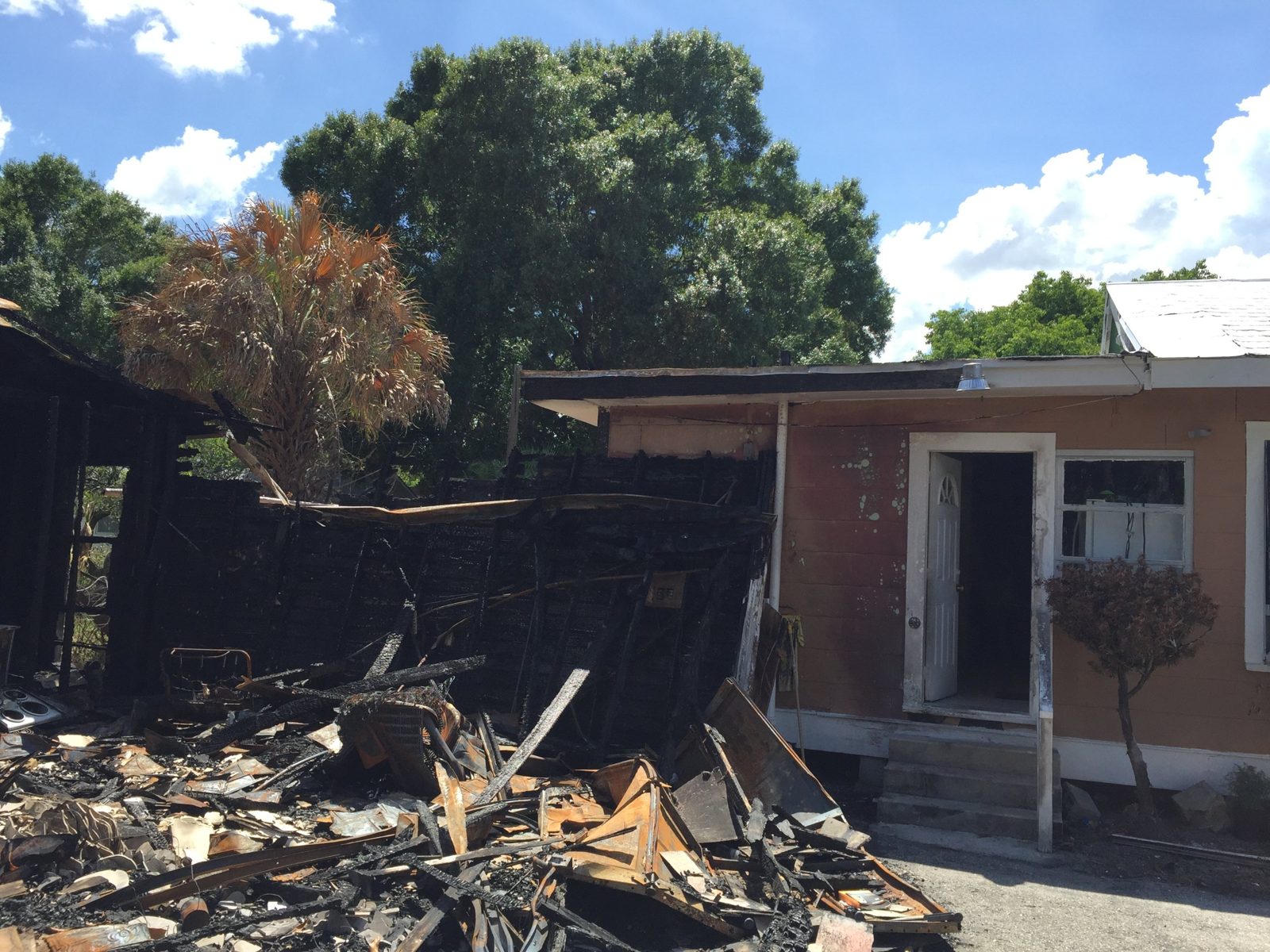
Short answer: A fire started by a lithium-ion battery in an e-bike, scooter, hoverboard, golf cart, power tool or electric vehicle is covered as fire under a standard homeowners, condo or renters policy. The battery and the vehicle it powered are a separate question: an e-bike is personal property under the home policy, while a registered car or golf cart is usually an auto claim. New York City’s fire department counted 277 lithium-ion battery fires in 2024, and Florida’s State Fire Marshal confirmed at least 48 battery fires from Hurricane Helene’s storm surge alone. These are fast, hot, total-loss fires, and the claim has to be built that way.
Why these fires are different
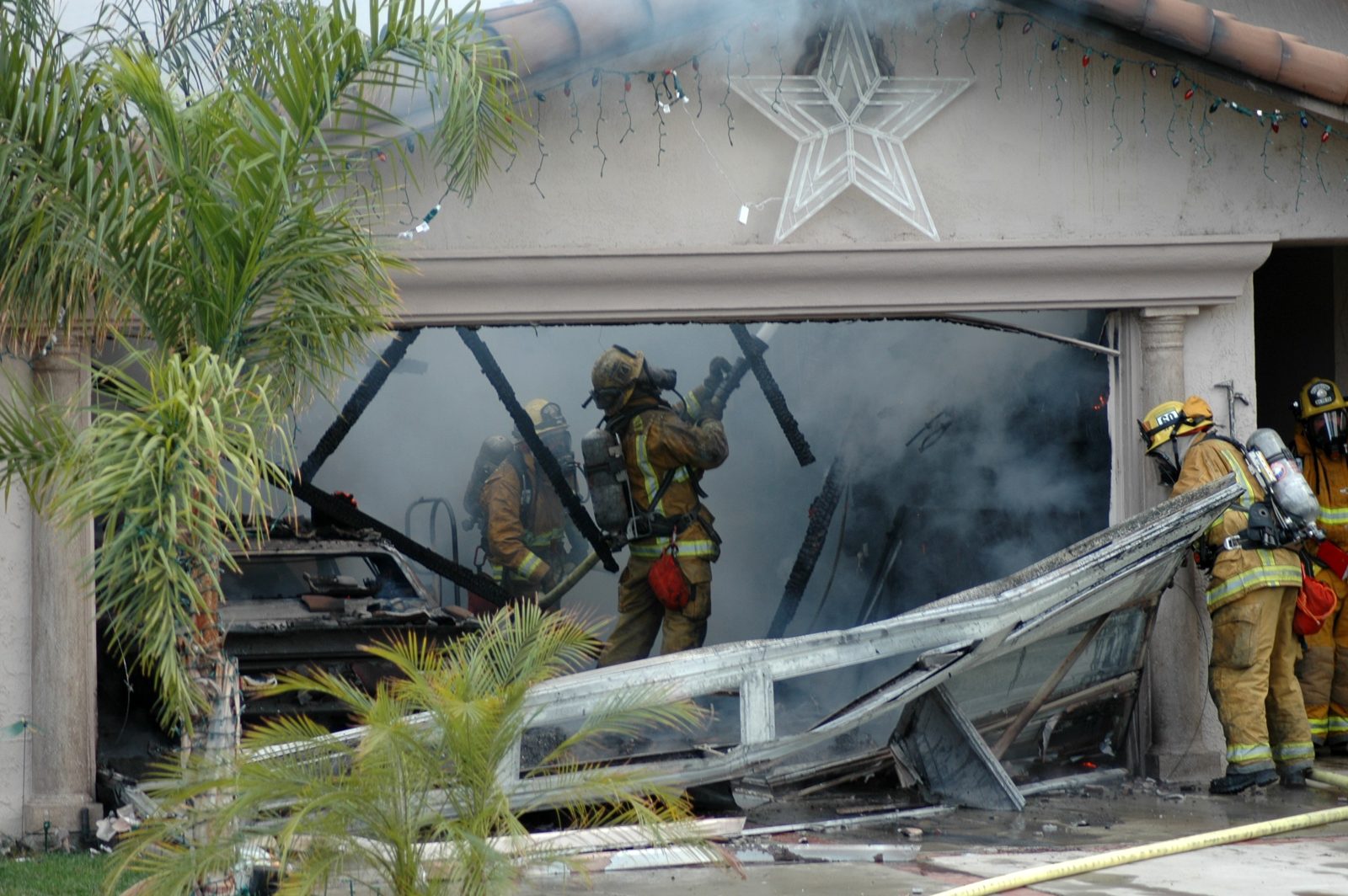
A damaged, overcharged or poorly made lithium-ion cell goes into thermal runaway: it heats itself, vents flammable gas, and ignites the cells beside it. The fire does not smolder. It reaches full room involvement in minutes, re-ignites after it is put out, and produces dense, corrosive smoke that travels the whole building. UL Standards & Engagement found that e-mobility fires cost New York City $518.6 million in damage and loss from 2019 to 2023, and the Consumer Product Safety Commission logged 208 micromobility fire or overheating incidents across 39 states, with 19 deaths, in under two years.
Florida has its own version. After Hurricane Helene in 2024, the State Fire Marshal confirmed 48 lithium-ion battery fires tied to saltwater storm surge, 11 of them electric vehicles; within days the count reported by the state had reached at least 64, with the rest in scooters, hoverboards and golf carts. After Hurricane Ian in 2022, NHTSA figures reported by WUSF put the number of EVs affected at 3,000 to 5,000, with 36 catching fire. A flooded battery can ignite days later, in a garage, under a roof.
Which policy pays for what
| Item | Policy that responds | Notes |
|---|---|---|
| The house, garage, condo unit, finishes | Homeowners or condo unit policy (building coverage); the association master policy for a condo building’s structure | Fire is a named peril on every form and the HO-3 covers the dwelling on an open-perils basis |
| Furniture, clothing, electronics, tools | Personal property coverage under the home, condo or renters policy | Smoke and heat damage counts; inventory everything, not only what burned |
| The e-bike, scooter, hoverboard or power tool | Personal property under the home policy | Check the policy’s limit for motorized vehicles; many forms cover devices not subject to registration and used on the premises |
| A registered golf cart, motorcycle or electric car | Its own auto or golf cart policy (comprehensive coverage) | The home policy generally excludes motor vehicles subject to registration, but not the garage they burned |
| Living expenses while the home is uninhabitable | Loss of use / additional living expenses | Smoke contamination alone can make a home uninhabitable |
| A neighbor’s unit damaged by your fire | Their own policy first; your liability coverage if you were negligent | Common in condo buildings where batteries charge in hallways and units |
The arguments carriers raise
- Product defect. The carrier may argue the battery or charger was defective, which is a reason for the carrier to subrogate against the manufacturer or seller after paying you, not a reason to deny your claim.
- Modified or non-certified equipment. A rebuilt pack, an aftermarket charger or a battery without a safety certification does not make the fire an excluded loss; carelessness is not an exclusion. It can affect the carrier’s subrogation and, in a condo, the association’s rules.
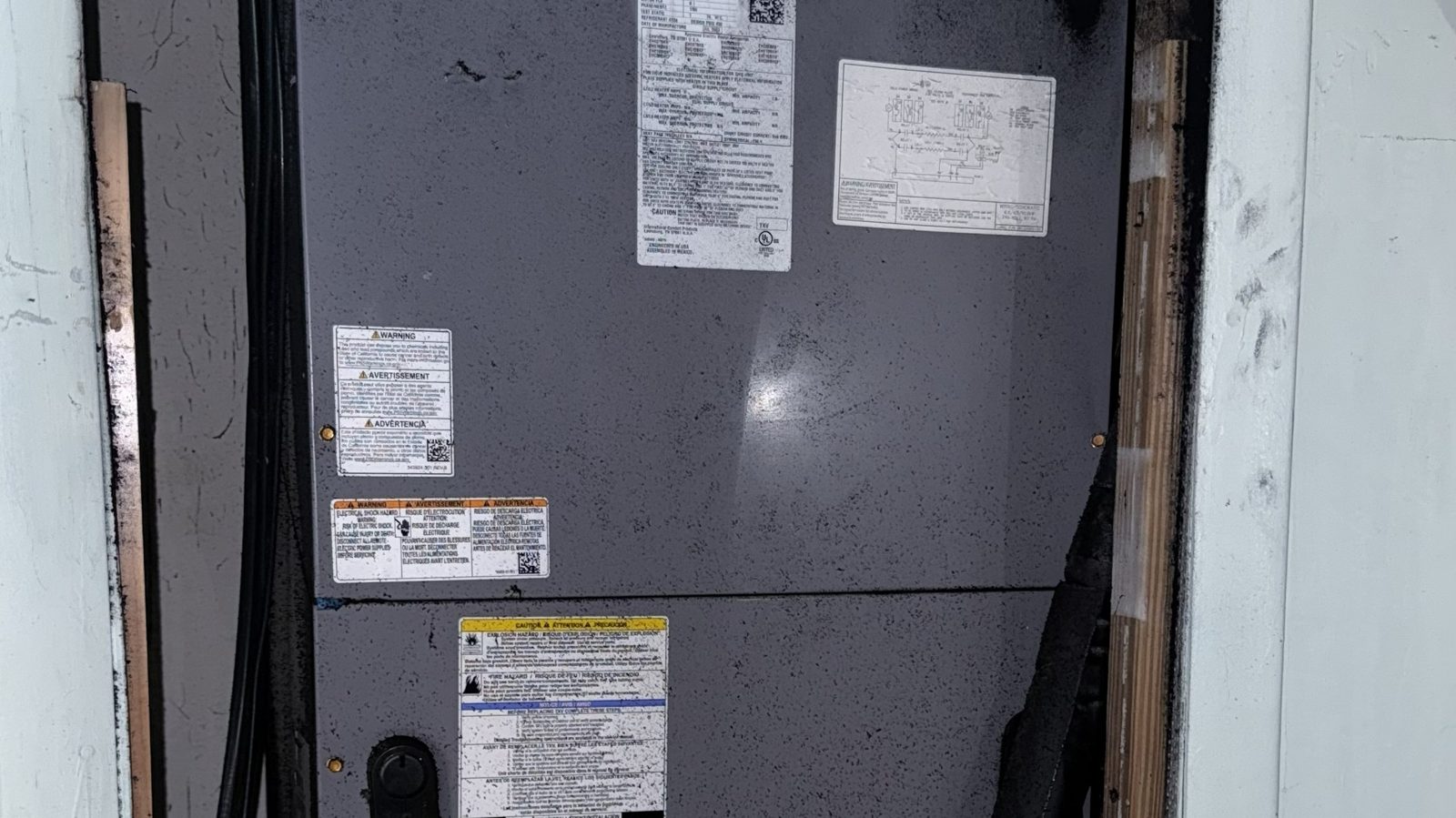
- Scope. The usual fight: the carrier pays for the room and treats the rest of the house as “cleaning.” Lithium fire smoke is corrosive; electronics, HVAC equipment and metal fixtures far from the fire fail weeks later. Test, do not assume.
- The vehicle question. If a car or registered cart started the fire, the carrier may say the whole loss belongs to the auto policy. It does not: the auto policy covers the vehicle, the home policy covers the building and contents, and the two carriers coordinate on cause.
Condos, HOAs and charging rules
Many associations now restrict where e-bikes and scooters may be stored or charged, and some ban charging in units. A fire that violates a rule is still a covered fire under the unit owner’s policy and the master policy, but the association may pursue the owner for the deductible or the uninsured portion under the governing documents. Boards handling a battery fire should read our Condo & HOA Associations page on which policy covers which part of the building.
Deadlines
In Florida, notice of an initial or reopened claim is due within 1 year of the date of loss and a supplemental claim within 18 months (§627.70132); the insurer must acknowledge the claim within 7 days and pay or deny it within 60 days of notice (§627.70131), and on a replacement cost policy it must pay at least the actual cash value first and the rest as the work is done (§627.7011). In New Jersey, the insurer must begin its investigation within 10 working days of notice and pay a first-party property claim within 30 calendar days after it receives a properly executed proof of loss, with written delay notices after that (N.J.A.C. 11:2-17.7).
What to do after a lithium battery fire
- Get out and stay out; these fires re-ignite. Let the fire department confirm the batteries are cooled and removed.
- Keep the battery, the charger, the device and the packaging if any survived; they are the evidence of cause and of what you owned.
- Photograph every room, the HVAC returns and registers, and the exterior, before cleaning.
- Find the purchase records: receipts, order confirmations, the listing, the manufacturer and model.
- List every item in the home at replacement cost, room by room; smoke reaches all of it.
- After a flood, move EVs, carts and scooters out of the garage and away from the house until a dealer or the fire department clears them; photograph them first.
- Call Homeland before the carrier; a licensed public adjuster separates the auto claim from the property claim and reports both correctly.
Frequently asked questions
Is a fire from a charging e-bike covered by homeowners insurance?
My golf cart caught fire in the garage. Which policy pays?
The battery was a cheap replacement I bought online. Can the insurer deny the claim?
My EV flooded in the storm surge and burned three days later. Is that flood or fire?
The HOA says charging in units is banned. Does that void coverage?
Homeland serves policyholders in Kissimmee, Cape Coral and Jersey City, with local lines and a licensed public adjuster who calls back right away.
If this is your loss, call Homeland before you talk to the insurance company: Florida (305) 783-3777, New Jersey (732) 517-3777, 24 hours. A licensed public adjuster reviews the claim for free and calls you back right away. No Recovery, No Fee.
Sources
- FDNY press release, January 2025
- UL Standards & Engagement, e-mobility fires in NYC 2019–2023
- CPSC, micromobility fire incidents (Dec 2022)
- Florida CFO / Division of State Fire Marshal, Oct 7 2024
- WUSF, Oct 11 2024 (Ian and Helene battery fire counts)
- Fla. Stat. §627.70132
- N.J.A.C. 11:2-17.7
This article is for general information only and is not legal or insurance advice. Statutes, regulations and policy wording change, and how they apply depends on your own policy and the facts of your claim. Homeland Public Adjusters is a public adjusting firm, not a law firm.
- Surprising Things Your Policy Covers
- Neighbor's Condo Fire: Who Pays?
- Damaged Tile or Laminate: A Claim?
- Barn, Stable & Outbuilding Coverage
- Wind and Tornado Risk on the Farm
- Crop Insurance vs. Property Insurance
 Yeni Martinez
 Alberto Enriquez
 Yisel Dieguez
Homeland Public Adjusters represents policyholders, not insurers. Get a free review of your claim.
Get a Free Claim ReviewIf you already have an open claim, see What to Do in the First 24 Hours After Property Damage, or visit our Public Adjuster Near Me page to get connected with the Homeland adjuster covering your area.