Brush Fire and Wildfire Smoke Damage Claims in Florida and New Jersey

Homeland Public Adjusters · Last reviewed: October 2026
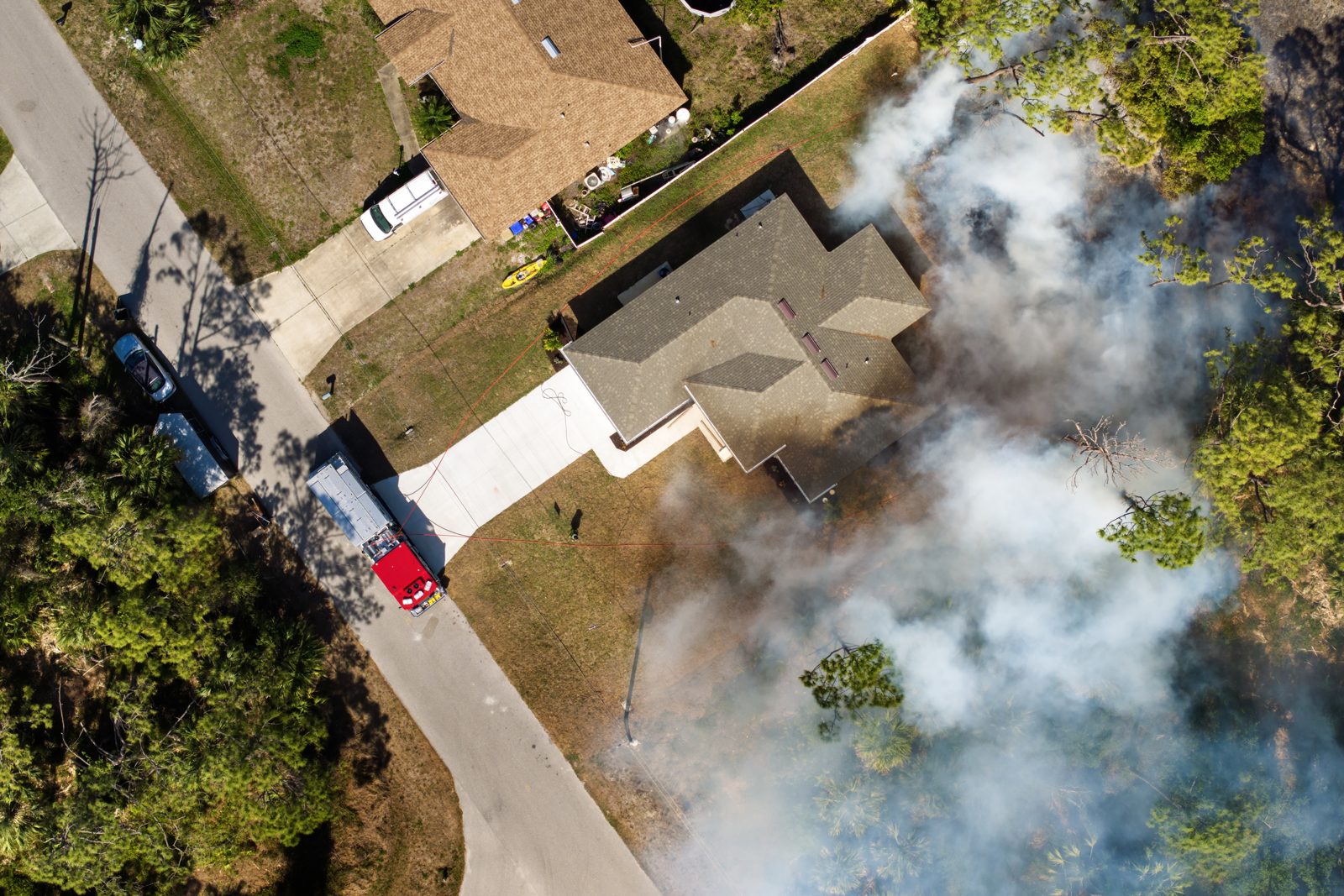
Short answer: Fire is a covered peril on every standard property policy, and that includes a brush fire or wildfire that burns your home, your fence, your screen enclosure or your landscaping. It also includes the smoke, soot and ash a fire leaves on a house it never reached. New Jersey recorded 1,322 wildfires on 27,229 acres in 2025, and Florida burned more than 100,000 acres by the end of June 2026. The claims that go wrong are the smoke claims, because the carrier’s adjuster looks for char and finds none.
Two states, two fire seasons
New Jersey’s wildfires come in spring, when the Pine Barrens dry out before the trees leaf. The New Jersey Forest Fire Service’s first annual wildfire report counted 1,322 wildfires on 27,229 acres in 2025, 22% above the 20-year average in number and 116% above it in acreage, and 99.6% of them were caused by people. The Jones Road Wildfire in Ocean County, from April 22 to 28, 2025, burned 15,300 acres and threatened 1,320 structures at its height; about 5,000 residents were evacuated, one commercial building and several outbuildings were destroyed, and no homes were lost. That is the usual New Jersey outcome: a few structures burned, thousands of homes smoked.
Florida’s season runs through the dry months into early summer, and it is larger. The Florida Forest Service counted 2,531 fires and 146,761 acres by July 2025, about 162,448 acres by early October, and 2026 passed 100,000 acres by June 27, with the National fire in Collier County alone at 35,027 acres. The 1998 Firestorm, the benchmark event, burned more than 500,000 acres, damaged more than 300 homes and caused about $600 million in losses. Lehigh Acres, Golden Gate Estates, the Big Bend and the rural edges of Central Florida see brush fires every spring that never make statewide news and still cost homeowners a roof, a lanai or a month of cleaning.
What the policy covers when the fire reaches you
The standard homeowners form (HO-3) insures the dwelling and other structures against direct physical loss from any cause it does not exclude, and fire is not excluded on any property form. A brush fire that burns the house, the detached garage, the fence, the shed or the pool cage is a covered loss under the dwelling and other structures coverages, subject to the deductible, with contents under personal property and your hotel and meals under loss of use. The things a brush fire takes that owners forget to claim:
- Screen enclosures and pool cages, which melt and warp before the house ignites; check whether your policy covers them under other structures or under a separate screened-enclosure limit
- Fences, sheds, wells, pumps and irrigation on the edge of the property
- Landscaping: the standard form covers trees, shrubs and plants against fire, but at a small limit per item and a modest percentage of the dwelling limit; the Insurance Information Institute puts the typical per-item figure at about $500
- Vehicles, boats and golf carts on the property, which are auto or boat claims, not property claims, and need to be reported separately
- Exterior finishes: heat-blistered paint, warped siding, crazed windows and damaged roof underlayment on the fire side of the house, which survive the fire and fail later
The smoke claim: the house the fire never reached
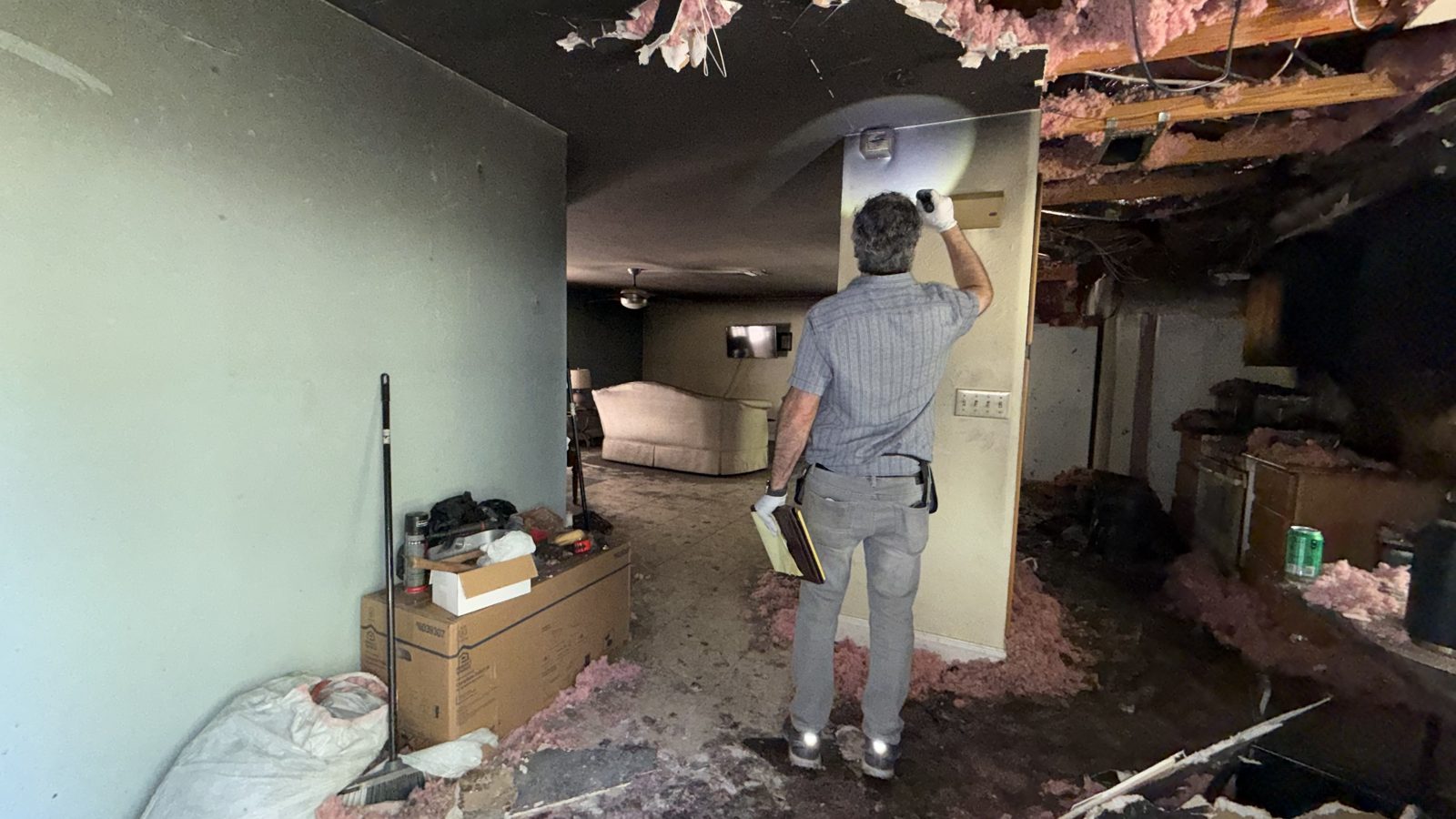
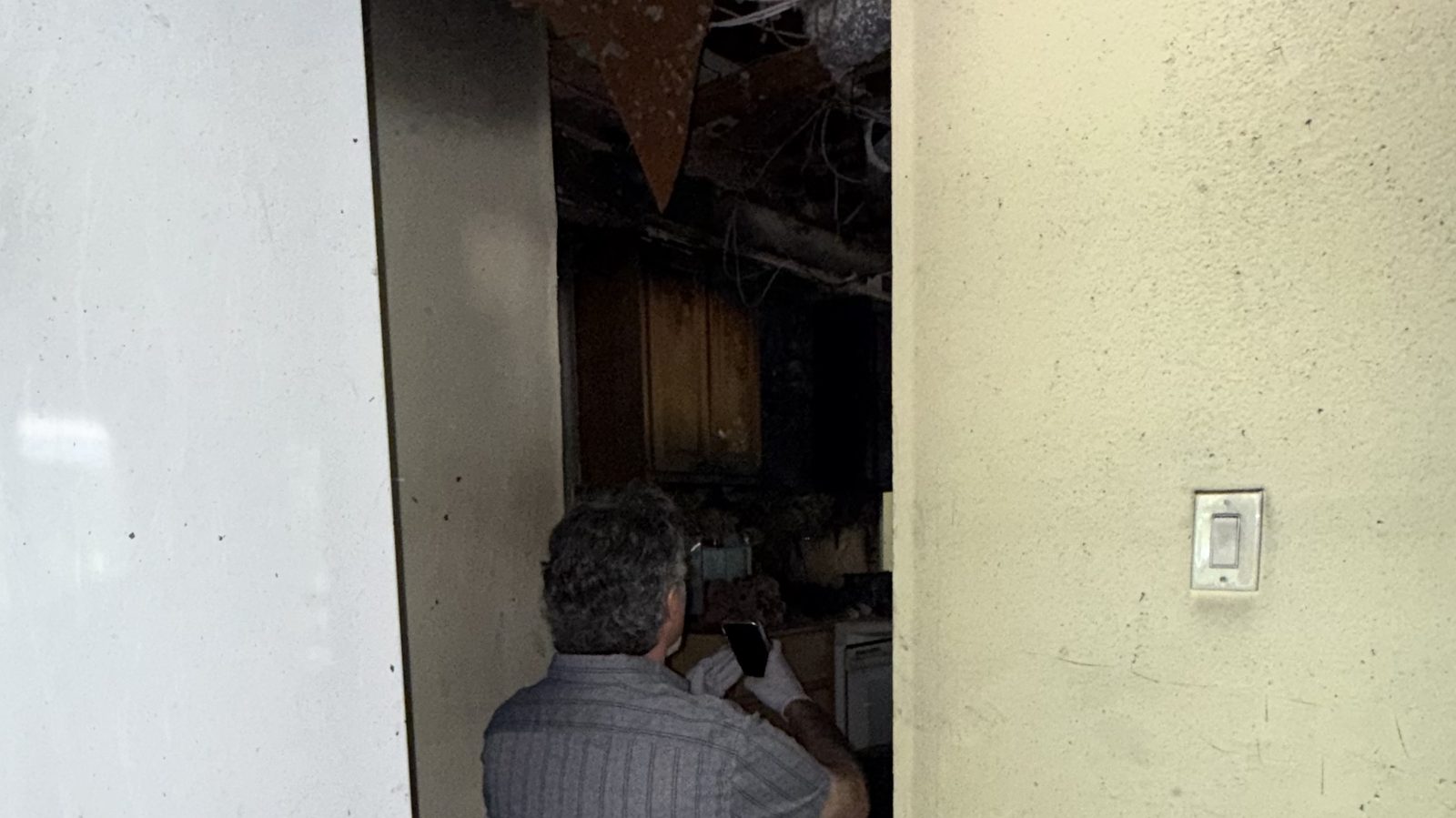
Most wildfire claims in Florida and New Jersey are not fire claims. They are smoke, soot and ash claims on homes a quarter mile from the fire line, and they are the claims carriers deny most readily, on the ground that there is “no damage.” Smoke residue is direct physical loss to the property: it is a foreign substance deposited on surfaces that has to be removed and that corrodes, stains and smells if it is not. A policy that covers fire covers the smoke from that fire. The standard form’s smoke exclusion is narrow; it is aimed at smoke from agricultural smudging and industrial operations, not at a wildfire.
What the carrier’s adjuster does on a smoke claim is walk through, wipe a finger across a counter, and write “light odor, clean as needed.” What the loss actually involves:
- Soot on every horizontal surface, inside closets and cabinets, on the attic insulation and in the ductwork, where it stays until it is removed
- Odor in drywall, carpet pad, upholstery, clothing and wood, which does not come out with a wipe-down and sometimes requires sealing or replacement
- Ash and char on the exterior, in gutters, on the roof, in the pool and the pool equipment, and in the soffit vents that fed it into the attic
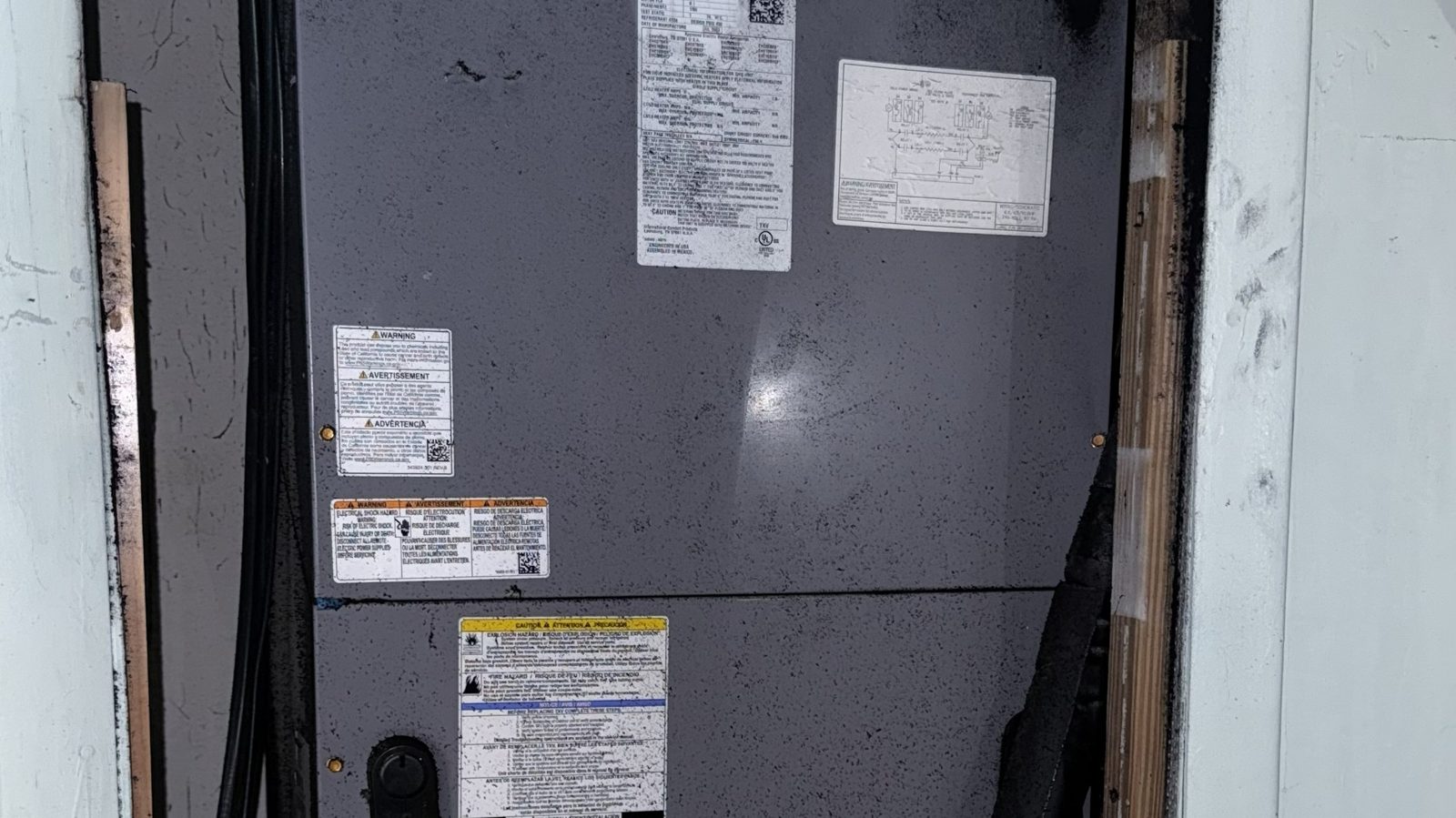
- Electronics and HVAC, where fine particulate corrodes contacts and coats coils; the air handler often needs cleaning or replacement
- Contents cleaning versus replacement, decided item by item, with the cost of cleaning sometimes exceeding the value
Evacuation orders and loss of use
When a civil authority orders you out of your home because of a fire nearby, most homeowners policies pay your additional living expenses for a limited period under a “prohibited use” or civil authority provision, even if your home is never damaged. The period is short and the policy wording controls it, so read the loss of use section of your policy and keep every receipt from the first night: hotel, meals above what you would normally spend, boarding for pets, mileage. If the home was damaged, loss of use continues for the time it reasonably takes to repair it.
What to do after a brush fire or wildfire
- Do not clean before documenting. Photograph the soot on light surfaces, the ash on the roof and in the pool, the discoloration on the fire side of the house, and the inside of a supply register.
- Get the evacuation order and the fire department’s incident information in writing or by screenshot; they fix the dates and the civil authority period.
- Order hygienist testing for a smoke claim before the carrier’s inspection, and keep the lab report.
- List the exterior items separately: enclosure, fence, shed, landscaping, pool equipment, vehicles and carts.
- Keep every receipt for the hotel, meals, pet boarding and air purifiers from the day you left.
- Call Homeland before the carrier. We report the loss in writing, with the testing ordered and the scope framed as fire and smoke, not “cleaning.”
- Watch the clocks: Florida requires notice within 1 year of the date of loss and a supplemental claim within 18 months under §627.70132; New Jersey insurers must begin investigating within 10 working days and pay a first-party claim within 30 calendar days after a proper proof of loss under N.J.A.C. 11:2-17.7.
Frequently asked questions
The fire never reached my house. Can I still file a claim?
We were evacuated for four days. Is the hotel covered?
The adjuster said the house just needs a cleaning. Is that a fair settlement?
My pool cage melted but the house is fine. Is the cage covered?
My car and golf cart burned in the driveway.
Homeland serves policyholders in Lehigh Acres, Naples and Toms River, with local lines and a licensed public adjuster who calls back right away.
If this is your loss, call Homeland before you talk to the insurance company: Florida (305) 783-3777, New Jersey (732) 517-3777, 24 hours. A licensed public adjuster reviews the claim for free and calls you back right away. No Recovery, No Fee.
Sources
- NJ DEP Forest Fire Service, 2025 wildfire report (June 12 2026 bulletin)
- 6abc, Jones Road Wildfire (April 2025)
- 2025 Florida wildfires (FDACS data)
- 2026 Florida wildfires
- Florida Trend, the 1998 Firestorm
- Insurance Information Institute, homeowners insurance basics (trees and shrubs)
- Fla. Stat. §627.70132
- N.J.A.C. 11:2-17.7
This article is for general information only and is not legal or insurance advice. Statutes, regulations and policy wording change, and how they apply depends on your own policy and the facts of your claim. Homeland Public Adjusters is a public adjusting firm, not a law firm.
- Surprising Things Your Policy Covers
- Neighbor's Condo Fire: Who Pays?
- Damaged Tile or Laminate: A Claim?
- Barn, Stable & Outbuilding Coverage
- Wind and Tornado Risk on the Farm
- Crop Insurance vs. Property Insurance
 Yeni Martinez
 Alberto Enriquez
 Yisel Dieguez
Homeland Public Adjusters represents policyholders, not insurers. Get a free review of your claim.
Get a Free Claim ReviewIf you already have an open claim, see What to Do in the First 24 Hours After Property Damage, or visit our Public Adjuster Near Me page to get connected with the Homeland adjuster covering your area.