What to Do After a House Fire: The First 72 Hours and the Insurance Claim

Homeland Public Adjusters · Last reviewed: October 2026
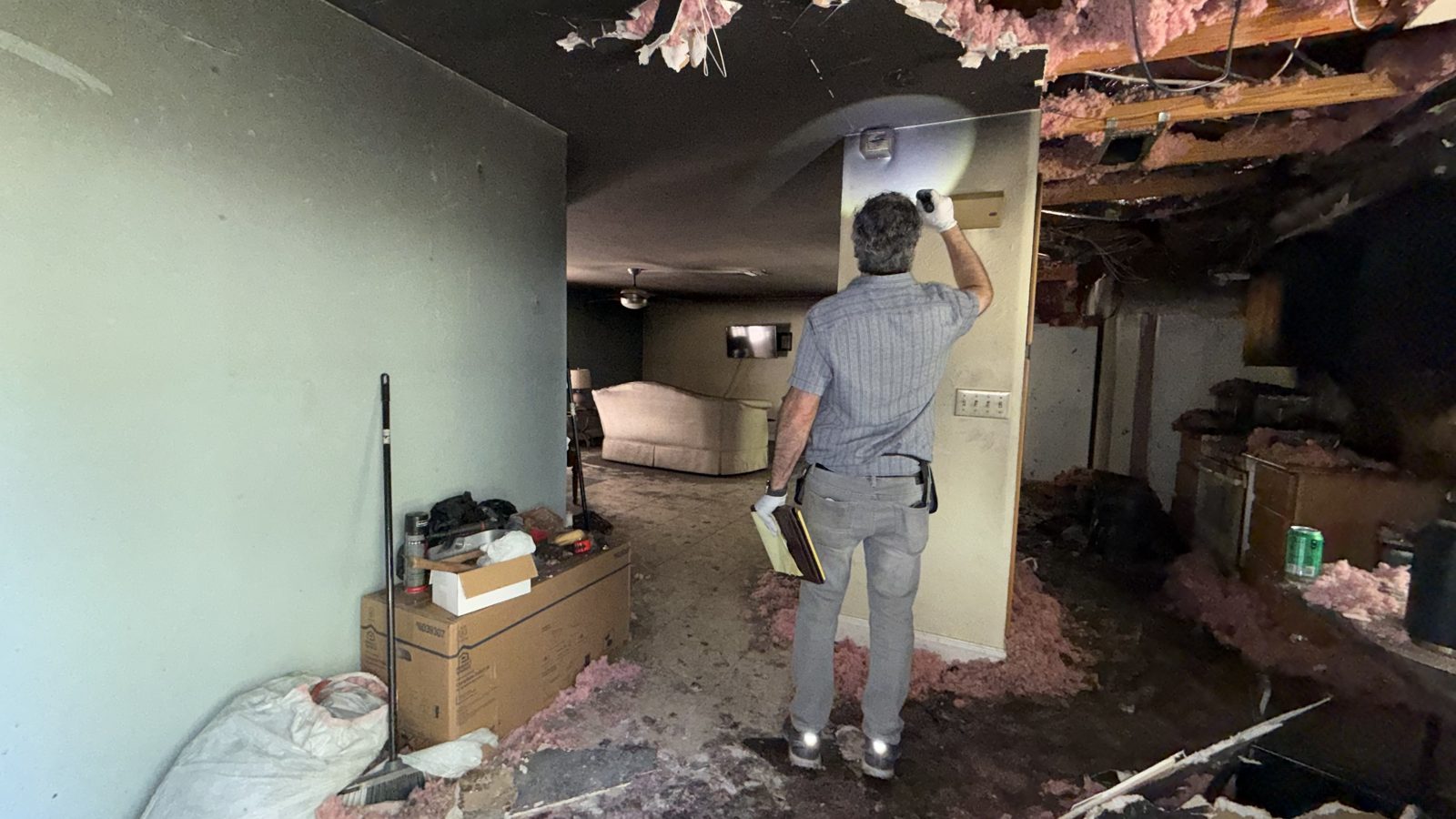
Short answer: After a house fire, the order of events matters more than speed: get the fire department’s incident report, find a place to stay and keep every receipt, secure the house, throw nothing away, and call a public adjuster before you call the insurance company. The U.S. Fire Administration counted 344,600 residential building fires in 2023 with $11.3 billion in losses; the claims that pay what the policy owes are the ones where the owner spent the first three days documenting rather than cleaning.
Hours 0 to 2: people, pets, the report
- Stay out until the fire department releases the house. Roof structures and floors fail after the flames are out, and the air inside is not safe.
- Get the incident number and the station from the officer in charge before they leave; the fire incident report fixes the date, the time, the cause as first observed, and who was there.
- Medical attention first for anyone who breathed smoke, even without symptoms.
- Tell the fire department if you have a safe, firearms, medications or an urn they should know about during overhaul.
Day 1: a place to stay, the house secured, nothing discarded
Your policy’s loss of use coverage (additional living expenses, or ALE) pays the increase in your living costs while the home is unfit to live in: the hotel or rental, meals beyond what you would normally spend, laundry, pet boarding, extra mileage. It starts the night of the fire. Keep every receipt from the first one and open a separate card or envelope for them. Many carriers will advance ALE funds in the first days; ask.
- Secure the property: board-up, a temporary roof cover, a fence if the structure is open. This is your duty under the policy and the cost is reimbursed; use a contractor and keep the invoice.
- Shut off utilities at the meter if the fire department has not, and call the utility companies.
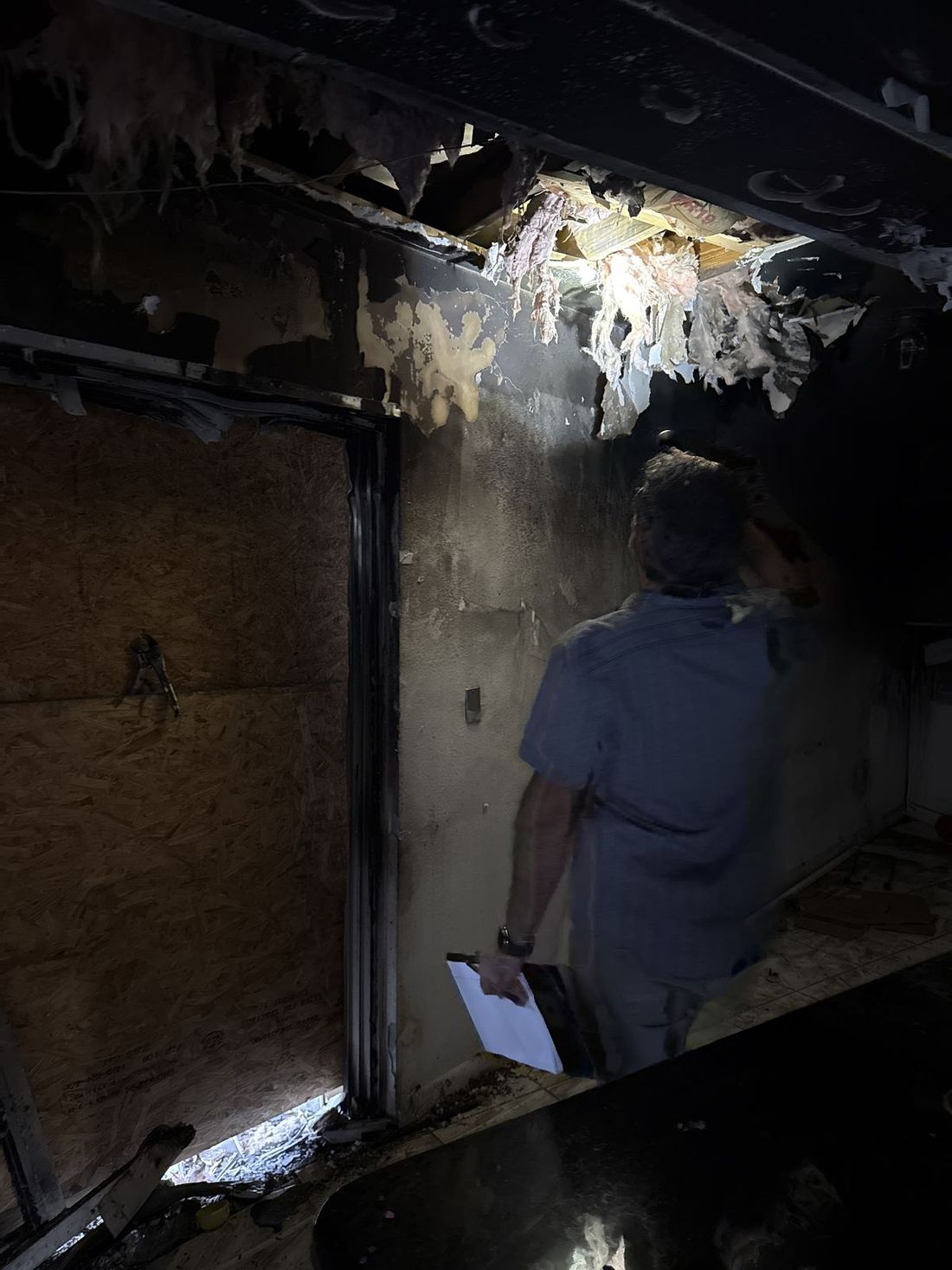
- Do not throw anything away. Not the burned sofa, not the ruined clothes, not the appliance the fire started in. The carrier’s adjuster and investigator need to see them, and a discarded item is an item you will be arguing about.
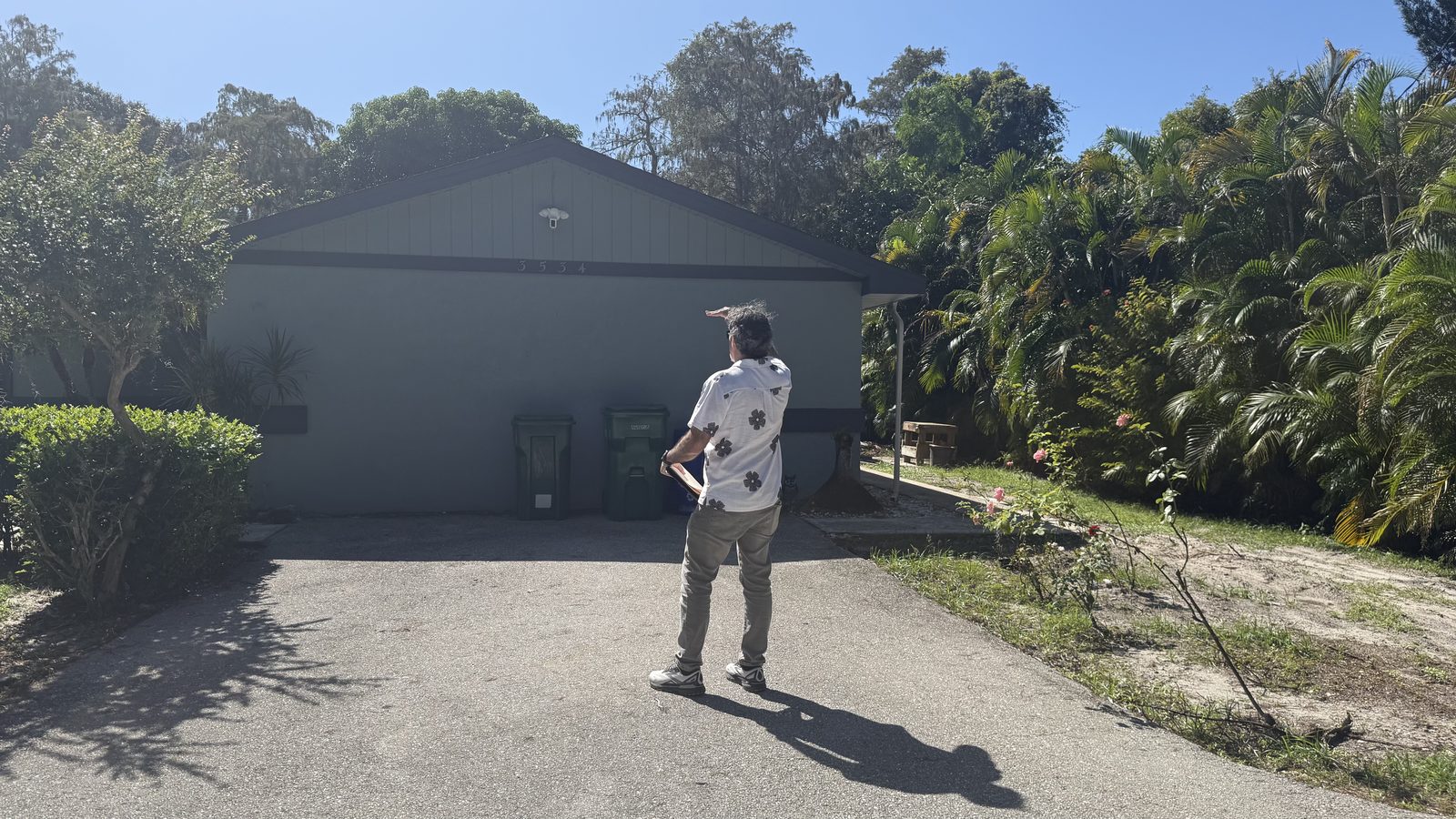
- Photograph everything before anything moves: every room, every wall, the ceiling, the floor, the exterior from all sides, the contents where they lie.
- Call Homeland before you call the carrier. The first report of the loss frames the claim; a public adjuster reports it in writing, with the fire report number, the photographs and the coverages being claimed, and schedules the inspection so you are not alone with the carrier’s adjuster.
- Then give notice to the carrier, in writing, the same day.
Days 2 and 3: the paperwork that stops bleeding money
- Mortgage servicer: tell them about the fire; insurance checks for the structure will name them, and some servicers pause payments after a loss on request.
- Mail, deliveries, school and work addresses redirected to where you are staying.
- Pull the policy and the declarations page from the carrier’s portal or your agent, with every endorsement; you need the dwelling, other structures, contents, loss of use and ordinance or law limits in front of you.
- Start the contents inventory while memory is fresh: room by room, from photographs taken before the fire if you have them (phone, social media, insurance app), and from the burned items in place.
- Replace the essentials and keep receipts: clothing, toiletries, medications, a phone charger. These are contents claims and ALE, not personal expenses.
- Medications and documents: prescriptions refilled, passports and titles listed as lost.
Week 1: the inspection, the investigator, and the statement
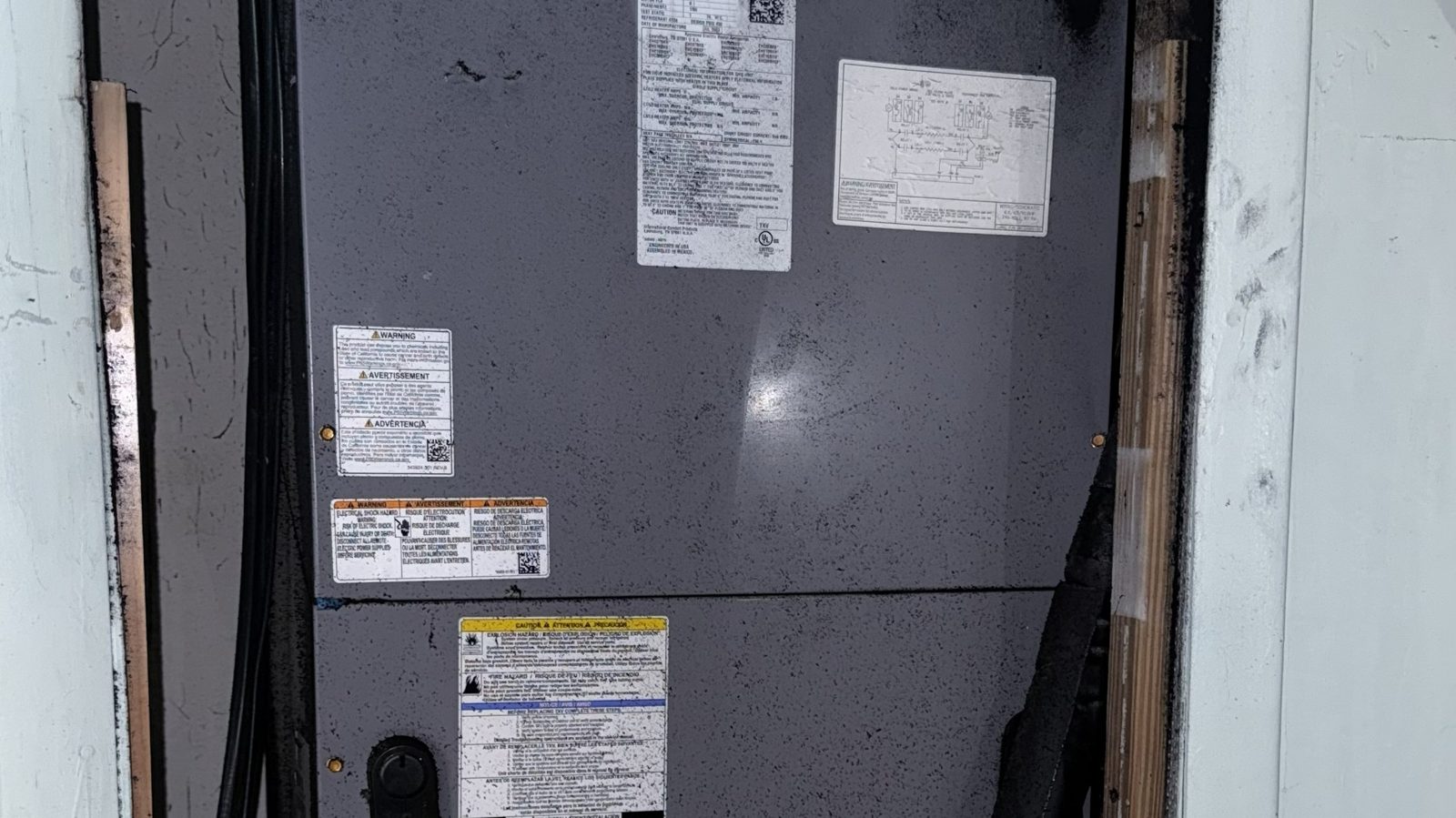
The carrier’s adjuster inspects within days and often brings or refers an origin-and-cause investigator, especially when the cause is undetermined or the fire started in an appliance (which the carrier may later pursue the manufacturer for). The investigator will want the appliance, the panel, the extension cord, whatever started it, in place. The adjuster will scope the structure, write a contents list and ask for a recorded statement.
The claim itself: what a fire loss includes
| Coverage | What it pays on a fire | What gets missed |
|---|---|---|
| Dwelling (Coverage A) | Rebuild or repair the structure | Smoke in wall cavities and attic, HVAC, electrical and plumbing behind finished walls, code upgrades |
| Other structures (B) | Detached garage, fence, shed, pool cage | Heat damage on structures that did not burn |
| Personal property (C) | Contents, usually at replacement cost after depreciation is released | Items discarded before inventory; cleaning priced where replacement is owed |
| Loss of use (D) | ALE for as long as repairs reasonably take | Meals, pet boarding, mileage; the period cut short by the carrier’s repair estimate |
| Ordinance or law | Increased cost to meet current code | Panel, roof, windows, egress, sprinklers in some buildings; a limit often set too low |
| Debris removal | Hauling the burned material | Often a separate small limit; ask |
Florida requires the carrier to pay at least the actual cash value of a covered loss first and the rest as the work is done under §627.7011, which is why the first check is smaller than the estimate; the holdback is money owed, not a settlement. Our guide to recoverable depreciation explains how it is collected. Notice of the claim is due within 1 year of the date of loss and a supplemental claim within 18 months under §627.70132; the carrier must acknowledge within 7 days and pay or deny within 60 days under §627.70131. In New Jersey, N.J.A.C. 11:2-17.7 requires the carrier to begin investigating within 10 working days and to pay a first-party claim within 30 calendar days after a proper proof of loss.
What to do, in one list
- Get the fire department incident number before they leave.
- Keep every receipt from the first night; loss of use starts immediately.
- Board up, cover the roof, shut off utilities; keep the contractor’s invoice.
- Throw nothing away, including the appliance or device that started it.
- Photograph every room and the exterior before anything moves.
- Call Homeland, then give the carrier written notice the same day.
- Start the contents inventory on day two from photos and memory.
- Give the recorded statement prepared and accompanied; never guess at facts.
Frequently asked questions
Can I start cleaning up before the adjuster comes?
Will insurance pay for a hotel?
The fire started in my dryer. Does that change the claim?
Should I call my insurance company or a public adjuster first?
How long do I have to file a fire claim?
Homeland serves policyholders in Fort Myers, Tampa and Newark, with local lines and a licensed public adjuster who calls back right away.
If this is your loss, call Homeland before you talk to the insurance company: Florida (305) 783-3777, New Jersey (732) 517-3777, 24 hours. A licensed public adjuster reviews the claim for free and calls you back right away. No Recovery, No Fee.
Sources
- U.S. Fire Administration, residential fire estimates (2023)
- NFPA Home Structure Fires, 2013–2017
- Insurance Information Institute, homeowners and renters insurance facts
- Fla. Stat. §627.7011
- Fla. Stat. §627.70131
- Fla. Stat. §627.70132
- N.J.A.C. 11:2-17.7
This article is for general information only and is not legal or insurance advice. Statutes, regulations and policy wording change, and how they apply depends on your own policy and the facts of your claim. Homeland Public Adjusters is a public adjusting firm, not a law firm.
- Surprising Things Your Policy Covers
- Neighbor's Condo Fire: Who Pays?
- Damaged Tile or Laminate: A Claim?
- Barn, Stable & Outbuilding Coverage
- Wind and Tornado Risk on the Farm
- Crop Insurance vs. Property Insurance
 Yeni Martinez
 Alberto Enriquez
 Yisel Dieguez
Homeland Public Adjusters represents policyholders, not insurers. Get a free review of your claim.
Get a Free Claim ReviewIf you already have an open claim, see What to Do in the First 24 Hours After Property Damage, or visit our Public Adjuster Near Me page to get connected with the Homeland adjuster covering your area.