Electrical Fire Insurance Claims: Panels, Wiring and the “Faulty Workmanship” Argument

Homeland Public Adjusters · Last reviewed: October 2026
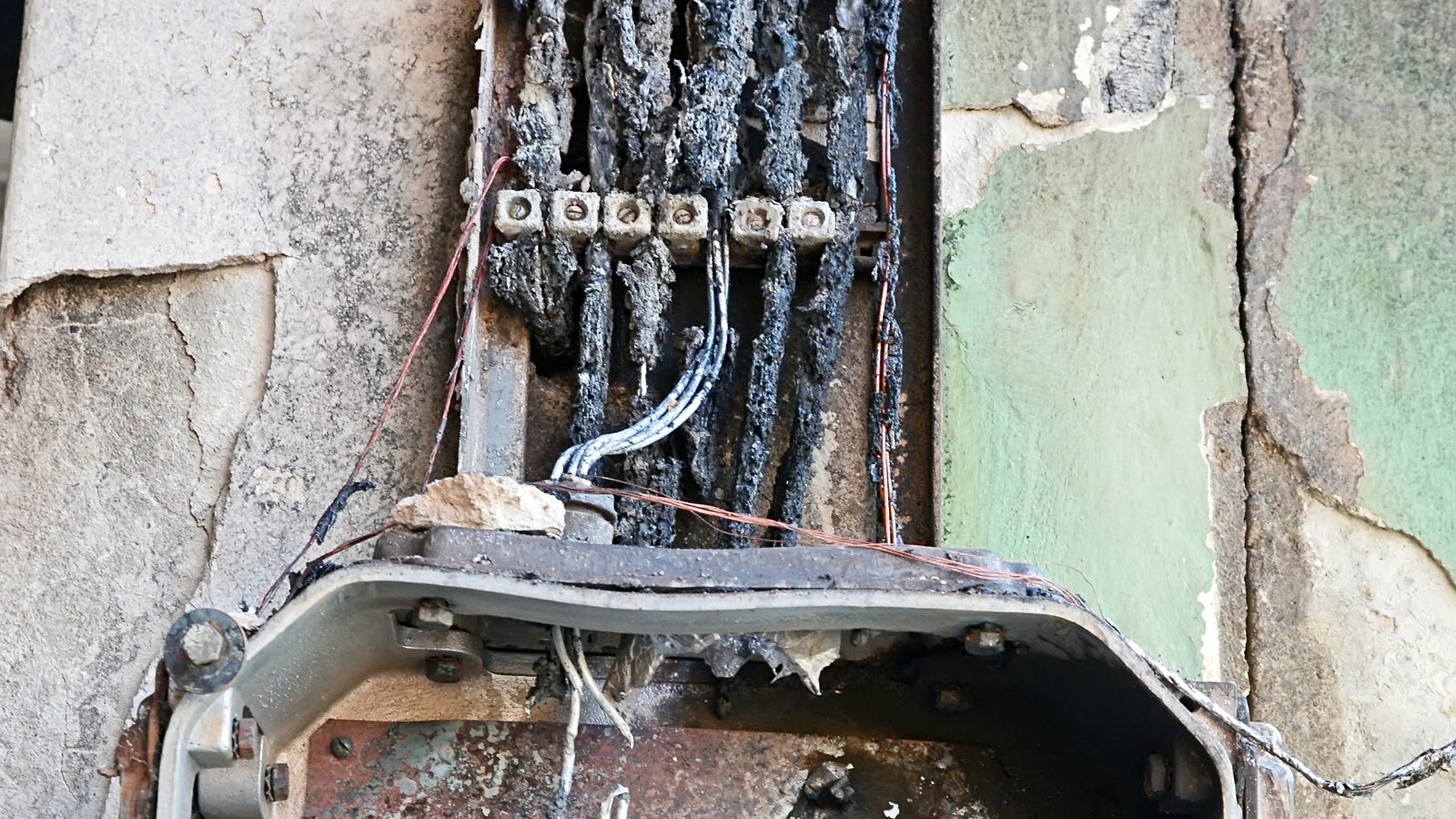
Short answer: Yes. An electrical fire is covered as a fire loss under every standard property policy, including when the cause was a worn breaker, aluminum wiring, an overloaded circuit or an electrician’s mistake. The policy excludes the defect that started it, not the fire that followed, and the U.S. Fire Administration counted 23,700 residential electrical malfunction fires in 2023 with more than $1.5 billion in losses. The dispute is almost never whether the fire is covered; it is how much of the house, the wiring and the smoke the carrier will pay for.
How electrical fires start, and why that matters to the claim
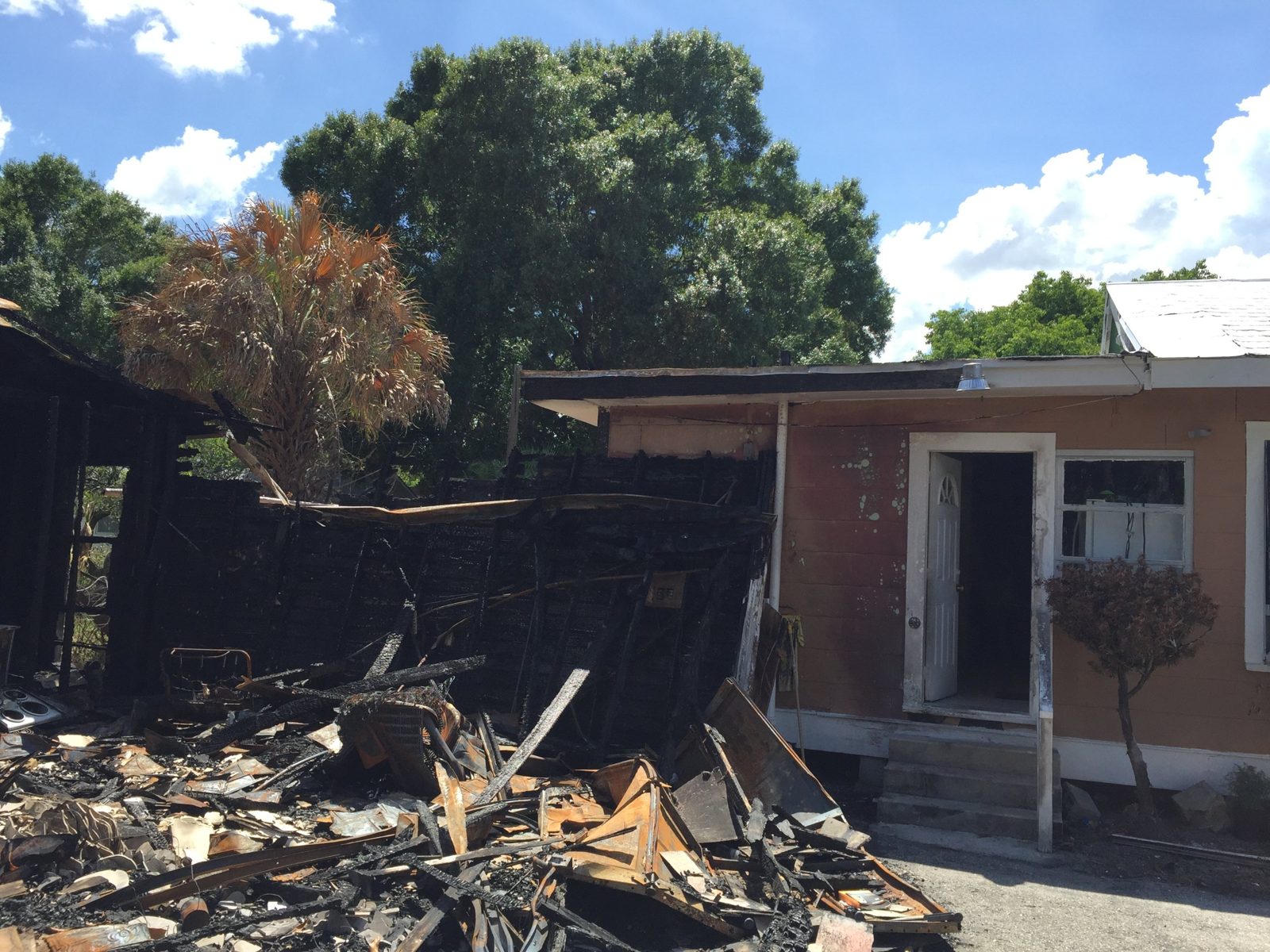
Electrical fires come from a short list of causes: a panel or breaker that fails to trip, a loose connection that arcs behind drywall, aluminum branch wiring in homes built in the late 1960s and early 1970s, an overloaded circuit feeding a window air conditioner or a space heater, a damaged cord, or a lighting fixture that overheats its box. NFPA’s long-run analysis puts electrical distribution and lighting equipment at about 10% of home structure fires, roughly 35,000 a year, and the USFA figures show the dollar loss per electrical fire running well above the average fire.
The cause matters because the carrier’s adjuster will look for an exclusion in it. Standard policies exclude loss caused by “faulty, inadequate or defective” design, workmanship, materials or maintenance. A fire that started in a panel installed wrong, or in wiring that should have been replaced, looks at first glance like it fits. It does not, because the same exclusion ends with an ensuing-loss clause: a loss that results from the defect and is itself a covered peril is covered. Fire is the covered peril. The defective breaker is excluded; the burned kitchen is not.
The three arguments the carrier makes
- Faulty workmanship or materials. The letter cites the exclusion and stops before the ensuing-loss sentence. Ask for the full exclusion in writing and point to the clause that follows it.
- Wear and tear, deterioration. Corroded bus bars, a brittle cord, old breakers. Again, deterioration is excluded as a cause of loss to the deteriorated part; the fire it caused is not. A 40-year-old panel that burns is a fire claim with a 40-year-old panel in it.
- Scope. The argument that actually costs money. The carrier pays to replace the burned circuit and the drywall around it, and declines the rest of the panel, the service entrance, the smoke in the other rooms and the code work the permit will require. This is where most electrical fire claims are underpaid, and where documentation decides the outcome.
What the claim should include
An electrical fire is rarely a single-room event, because the wiring runs through the whole house and the smoke follows it. A complete claim covers:
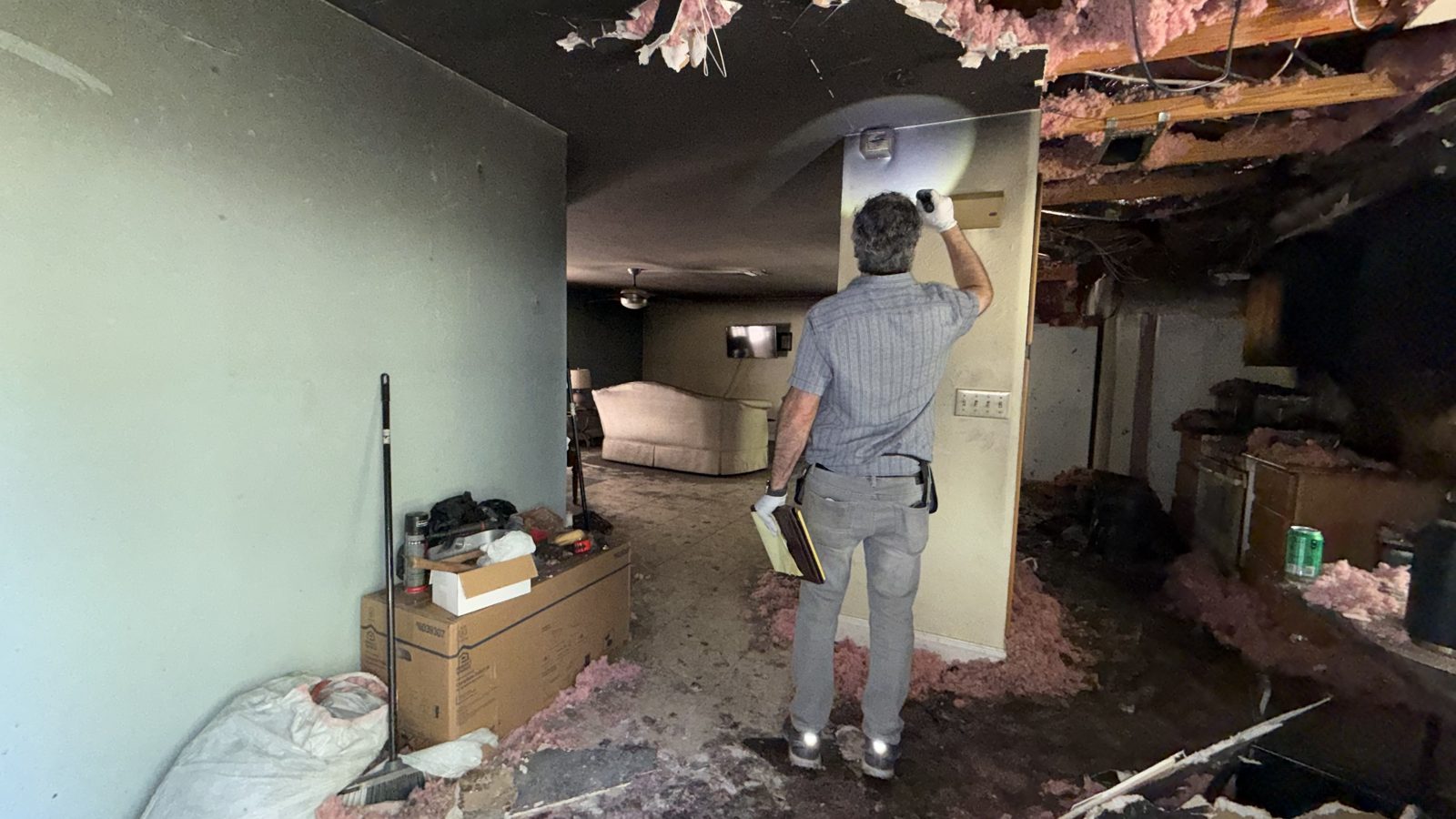
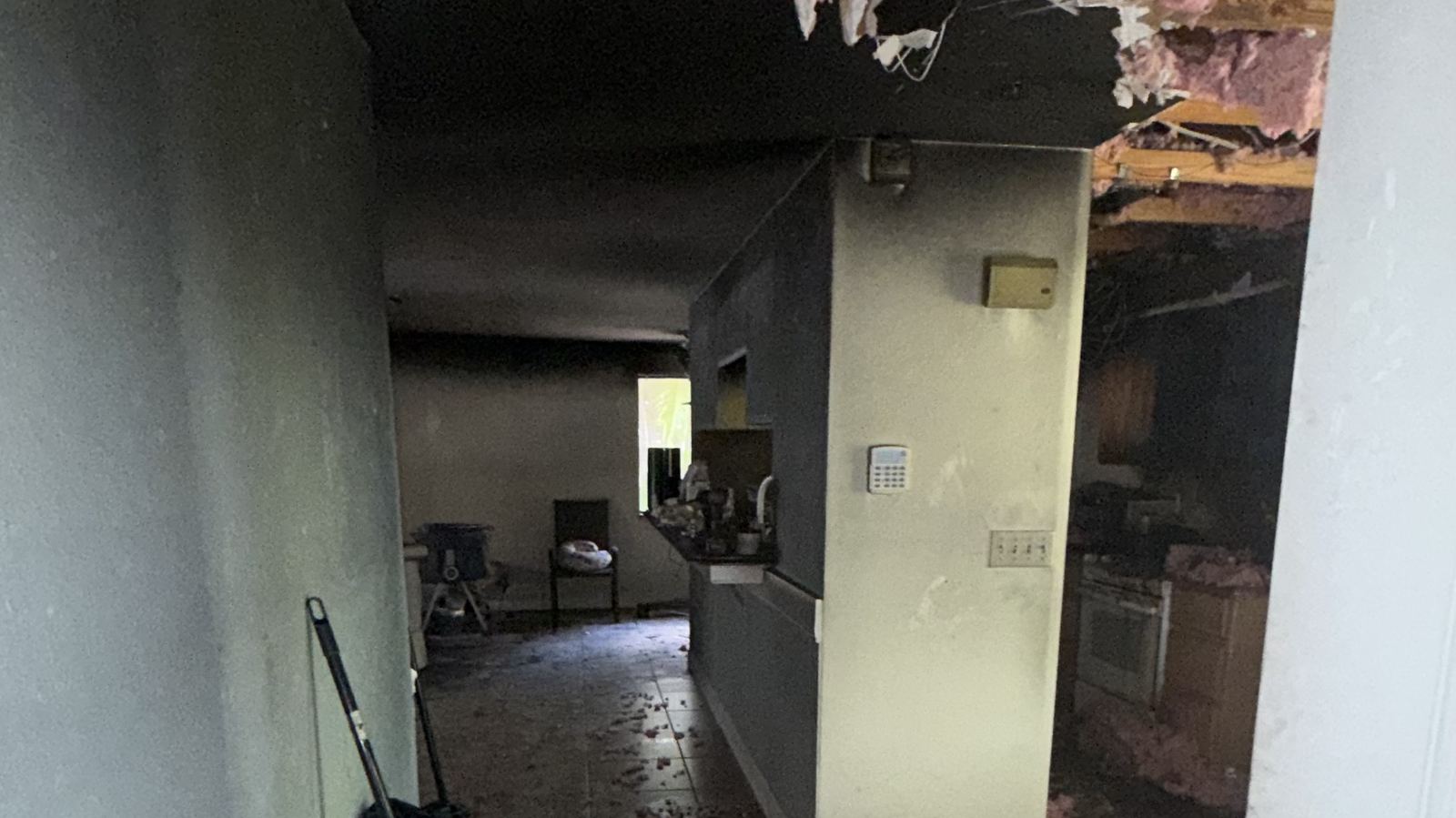
- The structure: burned framing, drywall, insulation and finishes, plus the wall cavities the fire traveled through
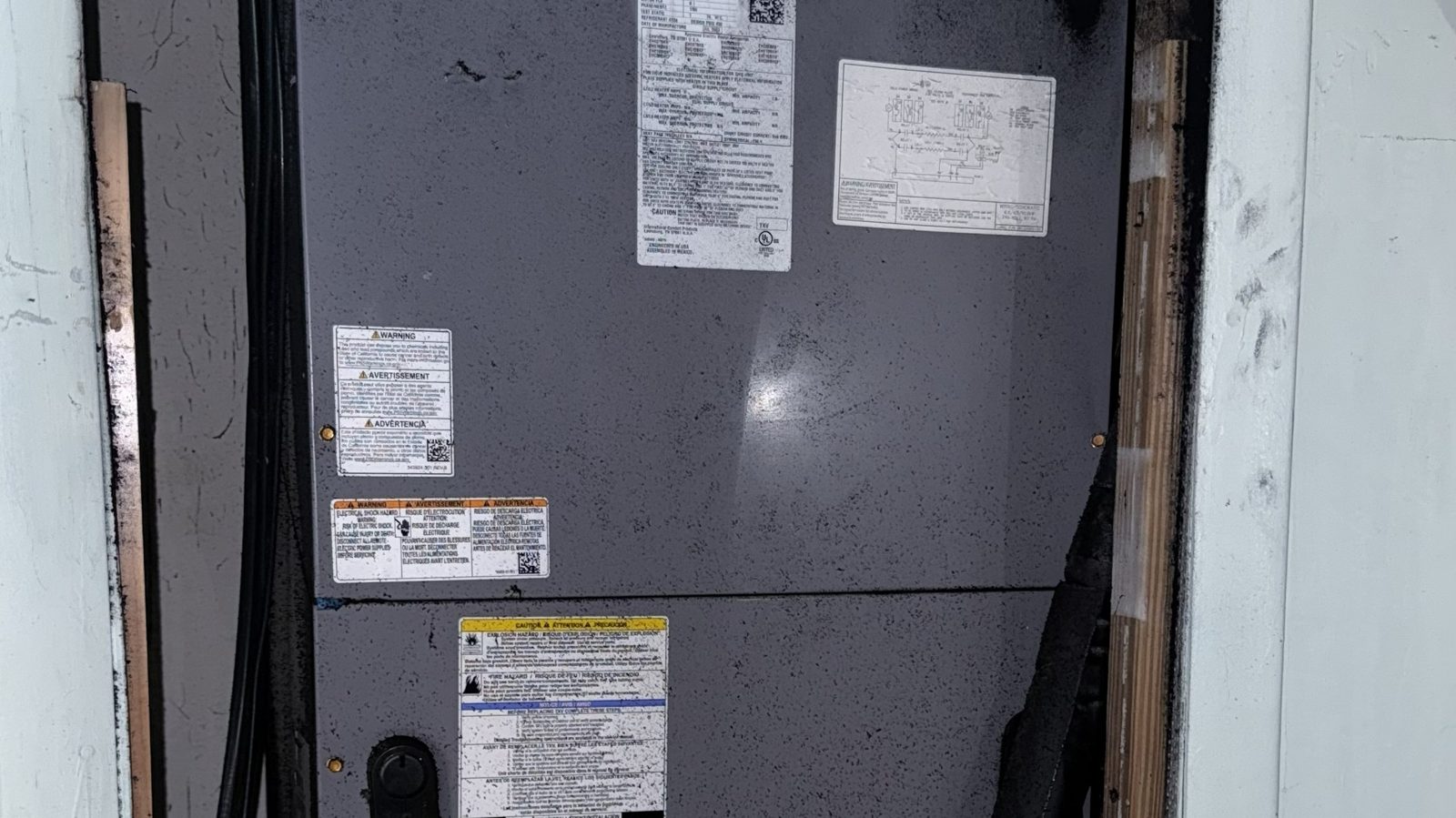
- The electrical system: the panel, the circuits that were energized during the fire, and any wiring the fire department or the electrician cut to make the house safe
- Code upgrades: once a panel or service is replaced, the permit brings the work to current code, which can mean arc-fault and ground-fault protection, a new service mast and grounding; ordinance or law coverage pays the increased cost when the policy carries it
- Smoke and soot in rooms the fire never reached, the HVAC system, the attic insulation and the contents; see our guide to smoke damage claims
- Electronics and appliances damaged by the fault itself before the fire, which are covered as part of the same occurrence
- Additional living expenses while the house has no power or is uninhabitable
Origin and cause, and who else may owe
The carrier will usually send an origin-and-cause investigator to find where the fire started and why. Do not let anyone discard the panel, the breaker or the appliance that was involved; the investigator needs it, and so does your own expert if the carrier’s conclusion is wrong. If the cause was a defective product or an electrician’s work, the carrier will pursue the manufacturer or contractor after it pays you (subrogation). That pursuit is the carrier’s business; it is not a reason to delay or reduce your claim, and your deductible may come back to you if the subrogation succeeds.
Deadlines
In Florida, notice of an initial or reopened claim is due within 1 year of the date of loss and a supplemental claim within 18 months (§627.70132); the insurer must acknowledge the claim within 7 days and pay or deny it within 60 days of notice (§627.70131), and on a replacement cost policy it must pay at least the actual cash value first and the rest as the work is done (§627.7011). In New Jersey, the insurer must begin its investigation within 10 working days of notice and pay a first-party property claim within 30 calendar days after it receives a properly executed proof of loss, with written delay notices after that (N.J.A.C. 11:2-17.7).
What to do after an electrical fire
- Do not restore power until an electrician has inspected the panel and the circuits; a second fire in a damaged system is common.
- Get the fire department report and the incident number; it fixes the date, the origin and the first opinion on cause.
- Photograph the panel, the outlet or fixture involved, the wall cavities and every room with smoke, before cleanup.
- Keep the panel, breakers, cords and any appliance the fire department or electrician removed.
- Keep receipts for the emergency electrician, board-up and hotel; they are part of the claim.
- Call Homeland before you call the carrier; a licensed public adjuster reports the loss in writing and frames the cause correctly from the first notice.
- Do not accept an estimate that repairs the burned circuit and leaves the rest of the system and the smoke for later.
Frequently asked questions
Does homeowners insurance cover a fire caused by bad wiring?
Will the insurer replace the whole panel or just the damaged breaker?
The adjuster says the wiring was old and the claim is denied. Is that right?
My house had aluminum wiring. Does that change anything?
Who pays if an electrician’s work caused the fire?
Homeland serves policyholders in Hialeah, Fort Lauderdale and Edison, with local lines and a licensed public adjuster who calls back right away.
If this is your loss, call Homeland before you talk to the insurance company: Florida (305) 783-3777, New Jersey (732) 517-3777, 24 hours. A licensed public adjuster reviews the claim for free and calls you back right away. No Recovery, No Fee.
Sources
- U.S. Fire Administration, Residential Building Electrical Malfunction Fires (2023 estimates)
- NFPA, Home Structure Fires (2013–2017), mirrored by the Maine Fire Marshal
- Fla. Stat. §627.70132
- Fla. Stat. §627.70131
- Fla. Stat. §627.7011
- N.J.A.C. 11:2-17.7
This article is for general information only and is not legal or insurance advice. Statutes, regulations and policy wording change, and how they apply depends on your own policy and the facts of your claim. Homeland Public Adjusters is a public adjusting firm, not a law firm.
- Surprising Things Your Policy Covers
- Neighbor's Condo Fire: Who Pays?
- Damaged Tile or Laminate: A Claim?
- Barn, Stable & Outbuilding Coverage
- Wind and Tornado Risk on the Farm
- Crop Insurance vs. Property Insurance
 Yeni Martinez
 Alberto Enriquez
 Yisel Dieguez
Homeland Public Adjusters represents policyholders, not insurers. Get a free review of your claim.
Get a Free Claim ReviewIf you already have an open claim, see What to Do in the First 24 Hours After Property Damage, or visit our Public Adjuster Near Me page to get connected with the Homeland adjuster covering your area.