Kitchen and Grease Fire Insurance Claims: What Gets Paid After a Stove Fire

Homeland Public Adjusters · Last reviewed: October 2026
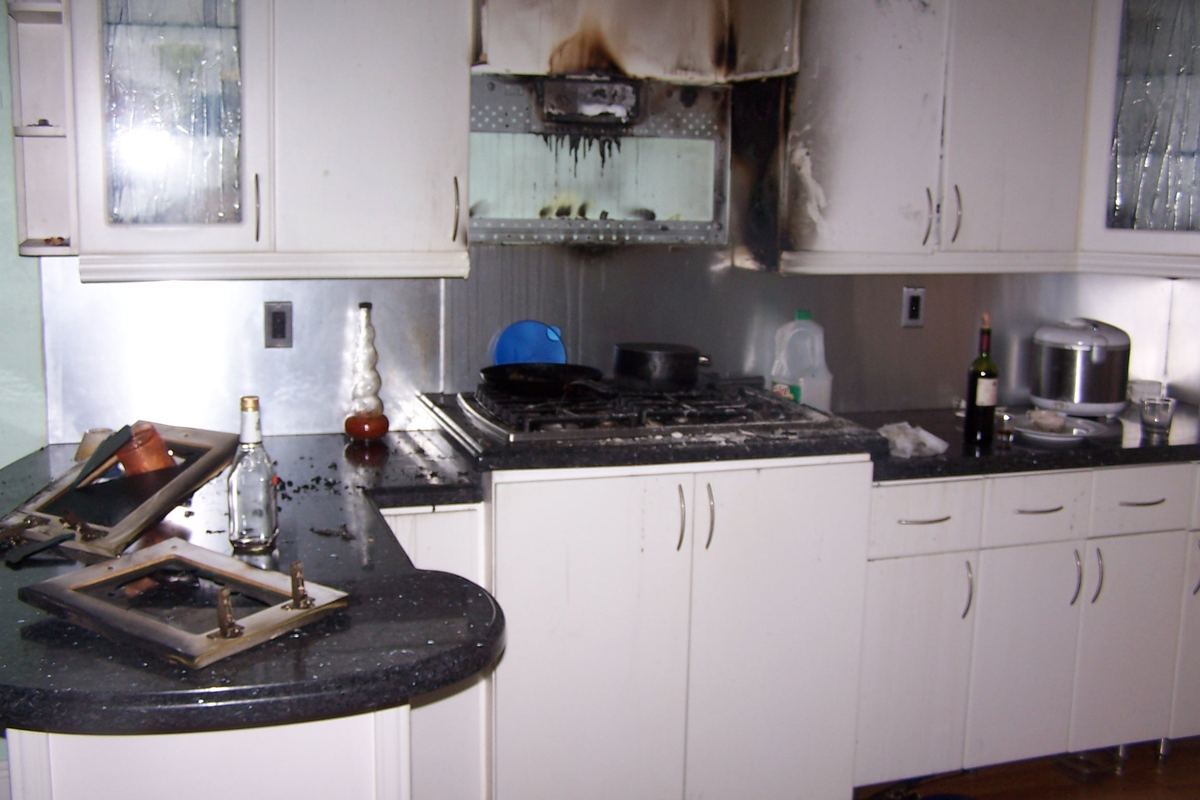
Short answer: A kitchen or grease fire is covered as fire under every standard homeowners, condo and renters policy, and it is covered even when it was your fault. Negligence is not an exclusion; only a fire set intentionally by an insured is. Cooking causes about half of all home fires, and the USFA counted 167,800 residential cooking fires in 2023. The claim is usually underpaid in the same way every time: the carrier pays for the burned cabinets and treats the rest of the house as cleaning.
The most common fire in the house
NFPA’s analysis puts cooking at 49% of reported home fires over 2013–2017, and its latest figures cited by the Illinois State Fire Marshal raise that to 52%. Ranges and cooktops are involved in about 62% of cooking fires and 89% of the deaths, and unattended cooking is by far the leading factor. Thanksgiving is the peak: 1,446 home cooking fires on the day in 2023, 388% above the daily average. The USFA’s 2023 estimate for residential cooking fires is 167,800 fires, 125 deaths and $572.7 million in losses.
What those numbers mean for a claim is that carriers see a great many kitchen fires and have a routine for them. The routine is a kitchen-only estimate. Your claim has to show what the fire actually did.
“It was my fault.” That is not an exclusion
Homeowners worry that a pan left on the burner, a grease fire doused with water, or a towel too close to the flame will void the claim. It will not. Property policies cover accidental fires regardless of carelessness; the exclusion is for an intentional loss, meaning a fire an insured set on purpose. Tell the adjuster what happened plainly and move on to the damage. The one thing that can hurt a claim is a statement that contradicts the fire department report, so read the report before you give a recorded statement, and consider having a public adjuster present when you do.
What a kitchen fire claim should include
- Cabinets and countertops: the burned run, plus the matching cabinets on the other walls when the burned ones cannot be matched; Florida’s matching statute, §626.9744, requires the insurer to make reasonable repairs or replacement of items in adjoining areas when the replaced items do not match in quality, color or size
- Range, hood, microwave and the appliances near the fire, at replacement cost on an RCV policy
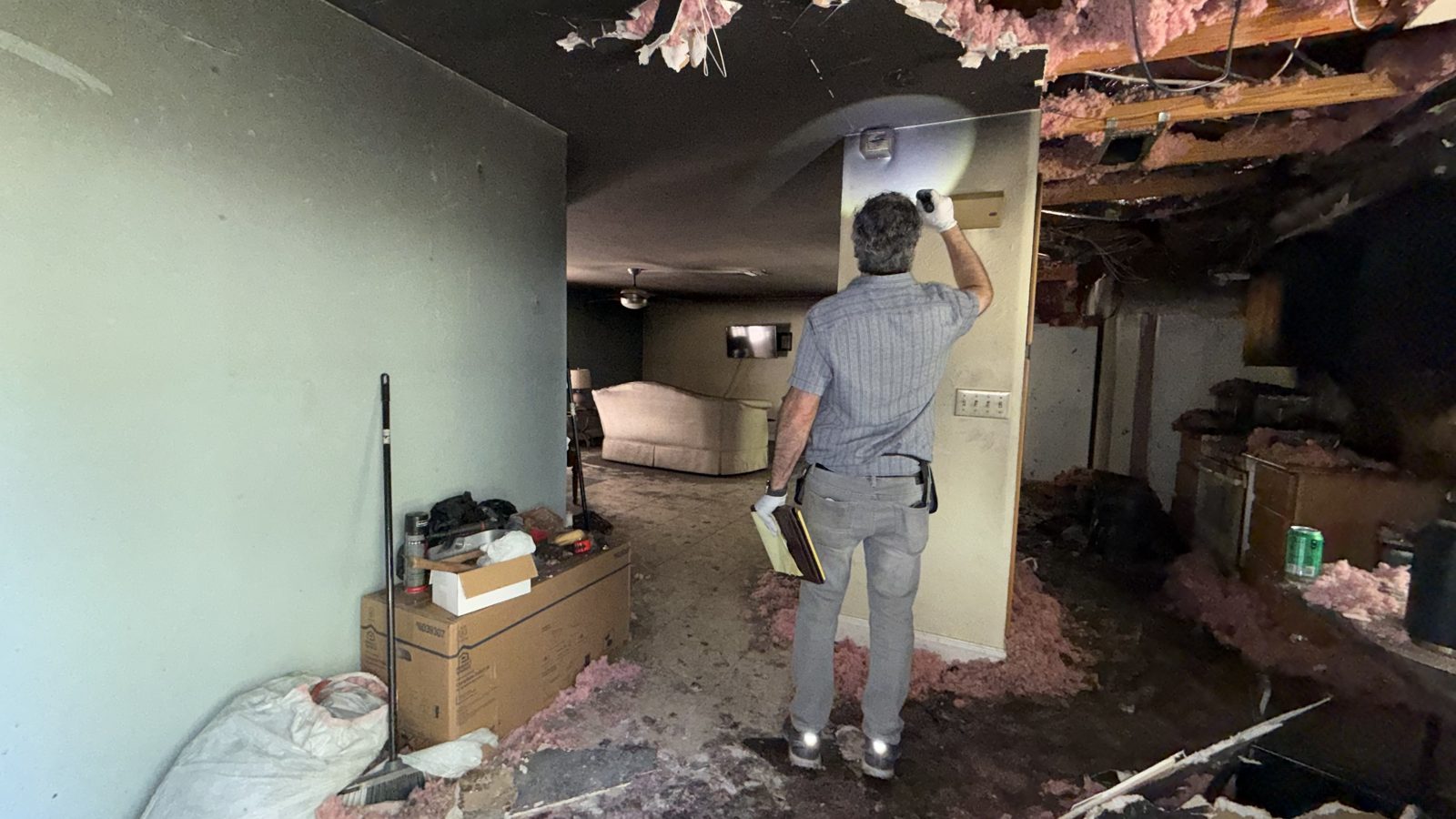
- Ceiling, soffit and attic above the range, where heat and smoke go first; charred trusses and melted insulation are common and invisible from the floor
- Walls, floors and finishes in the kitchen and the rooms the smoke reached
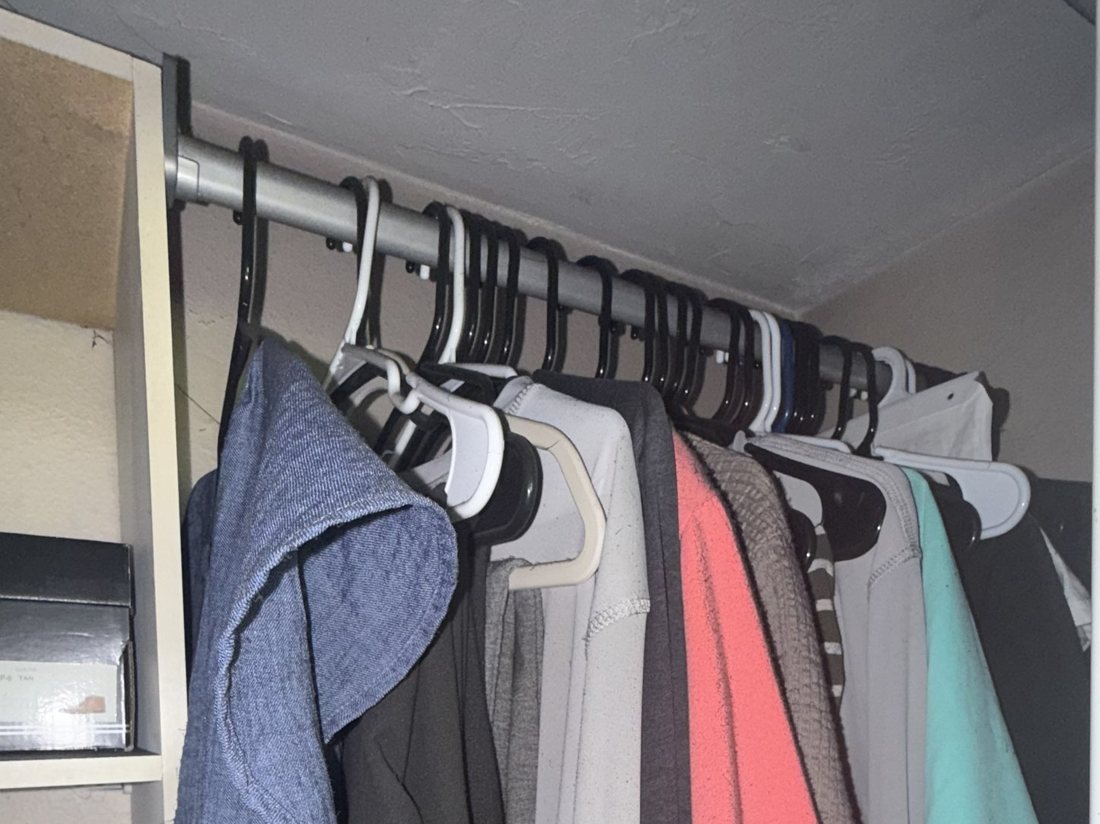
- Smoke and soot throughout the house: a grease fire produces protein smoke that coats surfaces with a film and an odor that does not scrub off; see our guide to smoke damage claims
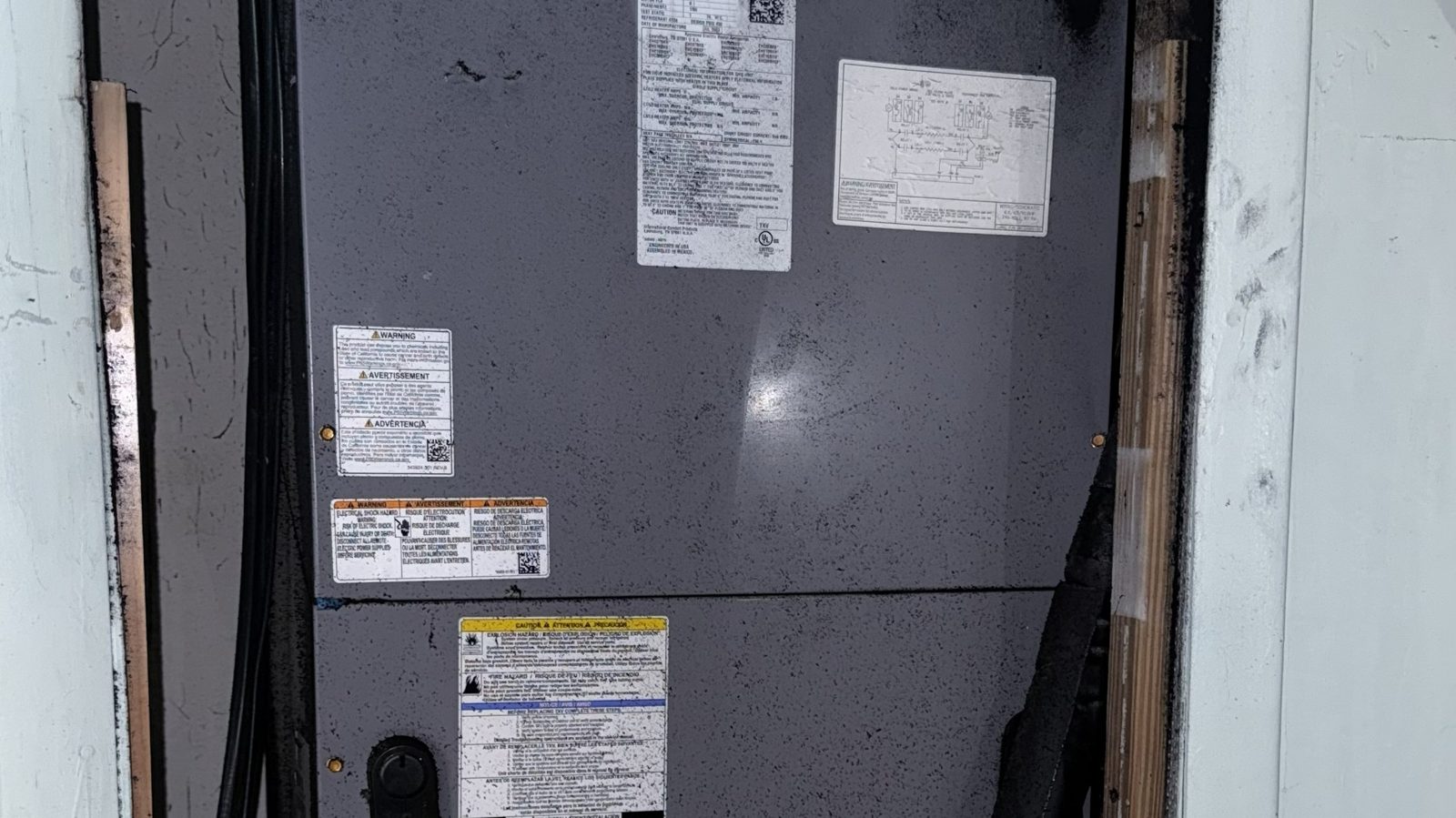
- HVAC cleaning and duct replacement where the system ran during the fire
- Contents: clothing, upholstery, electronics, pantry food, cookware; cleaning where it works, replacement where it does not
- Additional living expenses for the nights you cannot cook or sleep in the house, which with smoke contamination can be weeks
- Code upgrades when the rebuild triggers current electrical or ventilation requirements
Renters and condo units
In a rental, the renter’s policy covers the tenant’s belongings and living expenses, and the landlord’s policy covers the building. The landlord’s carrier may pursue the tenant if the tenant was negligent, which is why renters liability coverage matters. In a condominium, the unit owner’s policy covers the cabinets, countertops, appliances, flooring and contents inside the unit, and the association’s master policy covers the structure; in Florida the line between them is drawn by statute. Our guides to a neighbor’s unit fire in a condo and a neighbor’s fire that damaged a renter’s belongings cover the other side of the wall.
Deadlines
In Florida, notice of an initial or reopened claim is due within 1 year of the date of loss and a supplemental claim within 18 months (§627.70132); the insurer must acknowledge the claim within 7 days and pay or deny it within 60 days of notice (§627.70131), and on a replacement cost policy it must pay at least the actual cash value first and the rest as the work is done (§627.7011). In New Jersey, the insurer must begin its investigation within 10 working days of notice and pay a first-party property claim within 30 calendar days after it receives a properly executed proof of loss, with written delay notices after that (N.J.A.C. 11:2-17.7).
What to do after a kitchen fire
- Get everyone out; call 911 even for a fire you put out, and get the incident number.
- Turn off the range and the gas; do not run the HVAC until the ducts are checked.
- Photograph the kitchen from every angle, then every other room, the ceiling and the attic hatch, before anyone cleans.
- Do not throw away the range, the pan or the burned cabinets until the adjuster has seen them.
- List the contents of the kitchen and the rooms with smoke, with photos of labels and model numbers.
- Keep receipts for meals, hotel nights and cleaning; they are part of the claim.
- Call Homeland before the carrier; a licensed public adjuster reports the loss with the smoke and matching issues on the table from day one.
Frequently asked questions
Does homeowners insurance cover a grease fire I started?
The insurer will replace the burned cabinets but not the rest. Is that right?
Does the claim cover smoke in rooms the fire never reached?
I rent. Who pays for the kitchen?
Can I stay somewhere else while the house smells of smoke?
Homeland serves policyholders in Orlando, Pembroke Pines and Elizabeth, with local lines and a licensed public adjuster who calls back right away.
If this is your loss, call Homeland before you talk to the insurance company: Florida (305) 783-3777, New Jersey (732) 517-3777, 24 hours. A licensed public adjuster reviews the claim for free and calls you back right away. No Recovery, No Fee.
Sources
- USFA, Residential Building Cooking Fires (2023)
- NFPA, Home Cooking Fires (2013–2017), Maine Fire Marshal mirror
- Illinois Office of the State Fire Marshal, Nov 18 2025, citing NFPA
- Security Sales & Integration, Thanksgiving cooking fires, citing NFPA
- Fla. Stat. §626.9744
- Fla. Stat. §627.70132
- N.J.A.C. 11:2-17.7
This article is for general information only and is not legal or insurance advice. Statutes, regulations and policy wording change, and how they apply depends on your own policy and the facts of your claim. Homeland Public Adjusters is a public adjusting firm, not a law firm.
 Nelson Avila
 Yeni Martinez
 Yisel Dieguez
Homeland Public Adjusters represents policyholders, not insurers. Get a free review of your claim.
Get a Free Claim ReviewIf you already have an open claim, see What to Do in the First 24 Hours After Property Damage, or visit our Public Adjuster Near Me page to get connected with the Homeland adjuster covering your area.