Roof Leaking? What to Do, Repair or Replace, and Whether Insurance Pays

Homeland Public Adjusters · Last reviewed: October 2026
Short answer: If your roof is leaking: protect the inside first, then the roof. Photograph the damage, get a tarp or temporary repair on it, and keep every receipt. Homeowners insurance pays for roof damage from a sudden event like wind, hail or a falling tree, and for the rain that comes in through the opening it made; age and wear are excluded. A roofer can tell you what the repair costs; your policy and the evidence decide what the insurer pays, and Homeland builds that evidence for you.
Have a property claim anywhere in Florida? A licensed Homeland public adjuster comes to you within hours — no need to visit an office. Call (305) 783-3777 (Florida) or (732) 517-3777 (New Jersey), 24/7.
First steps
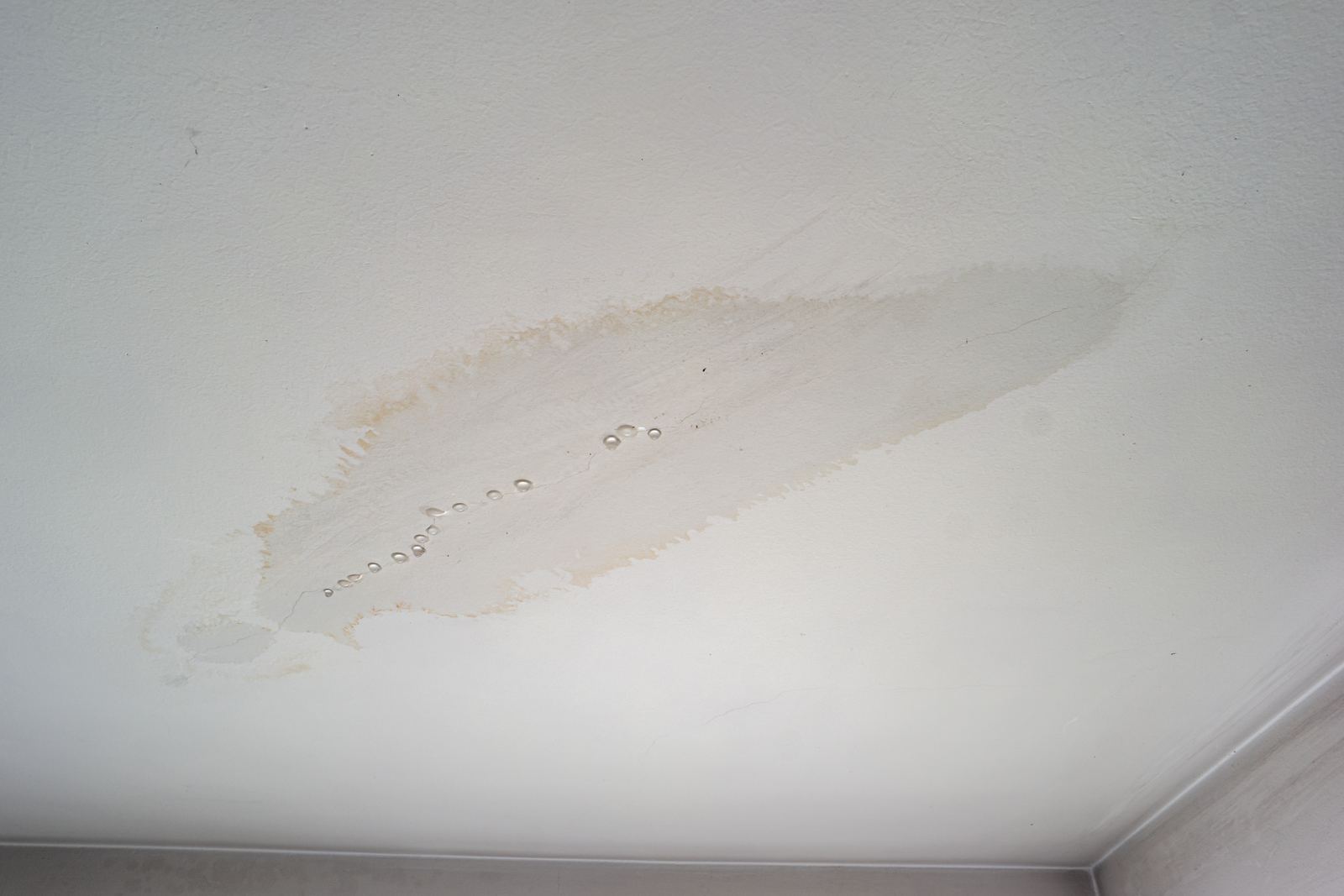
- Catch the water inside and move belongings; turn off power near wet lights or outlets
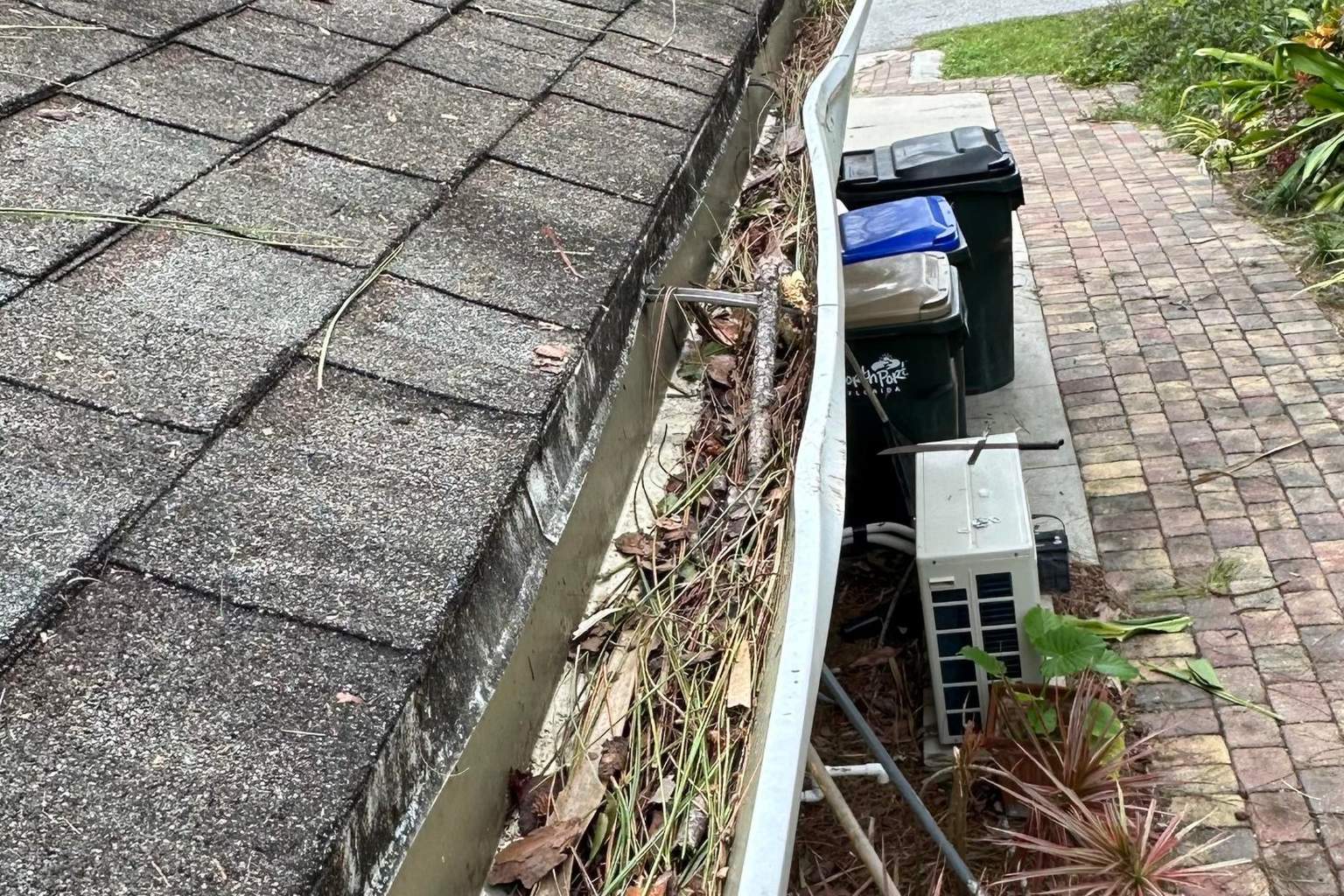
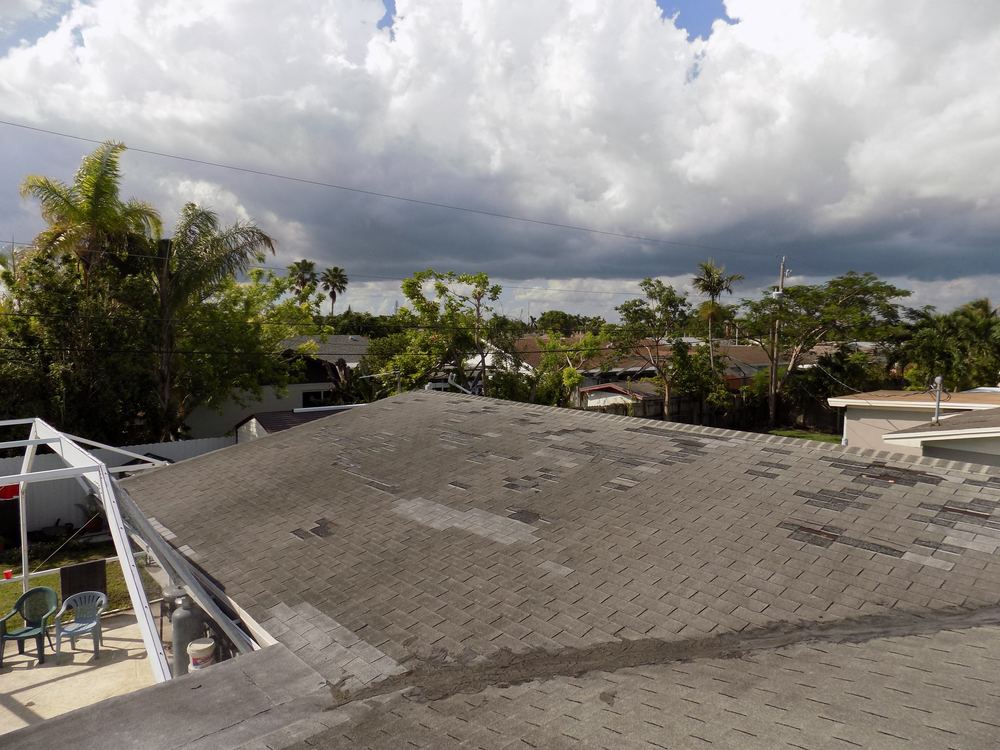
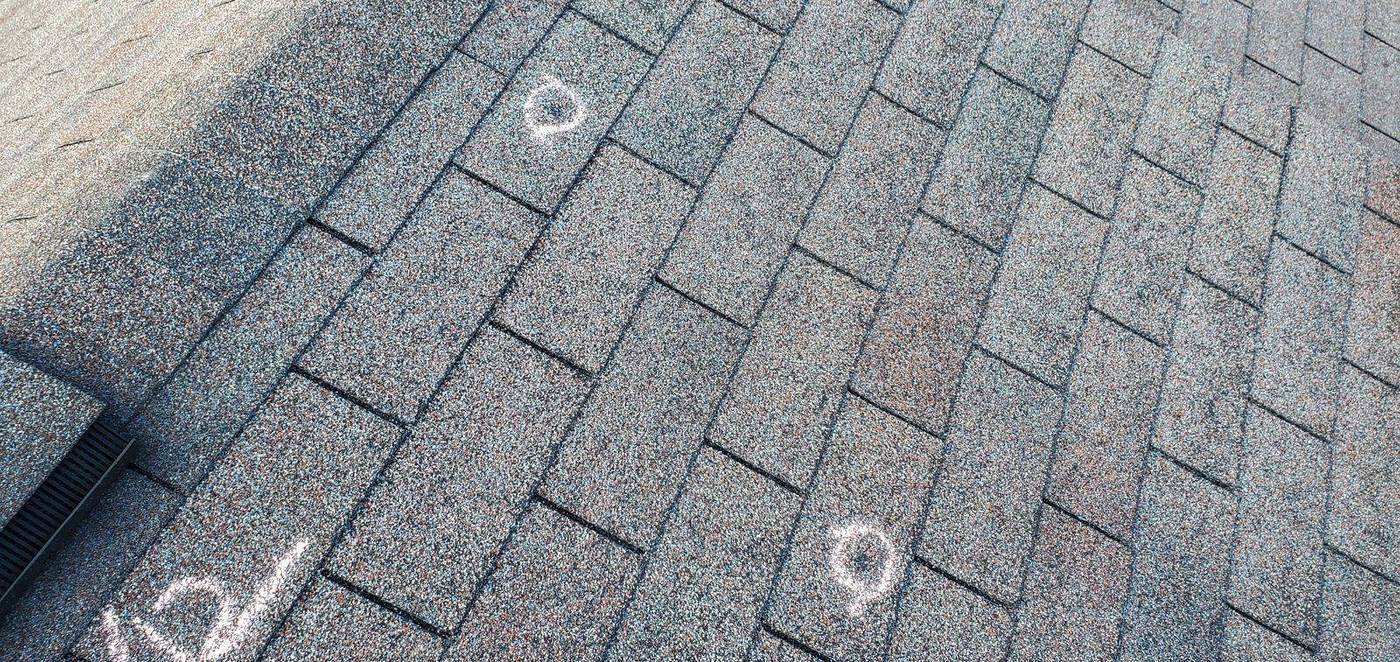
- Photograph the ceiling inside and, safely from the ground, the roof outside
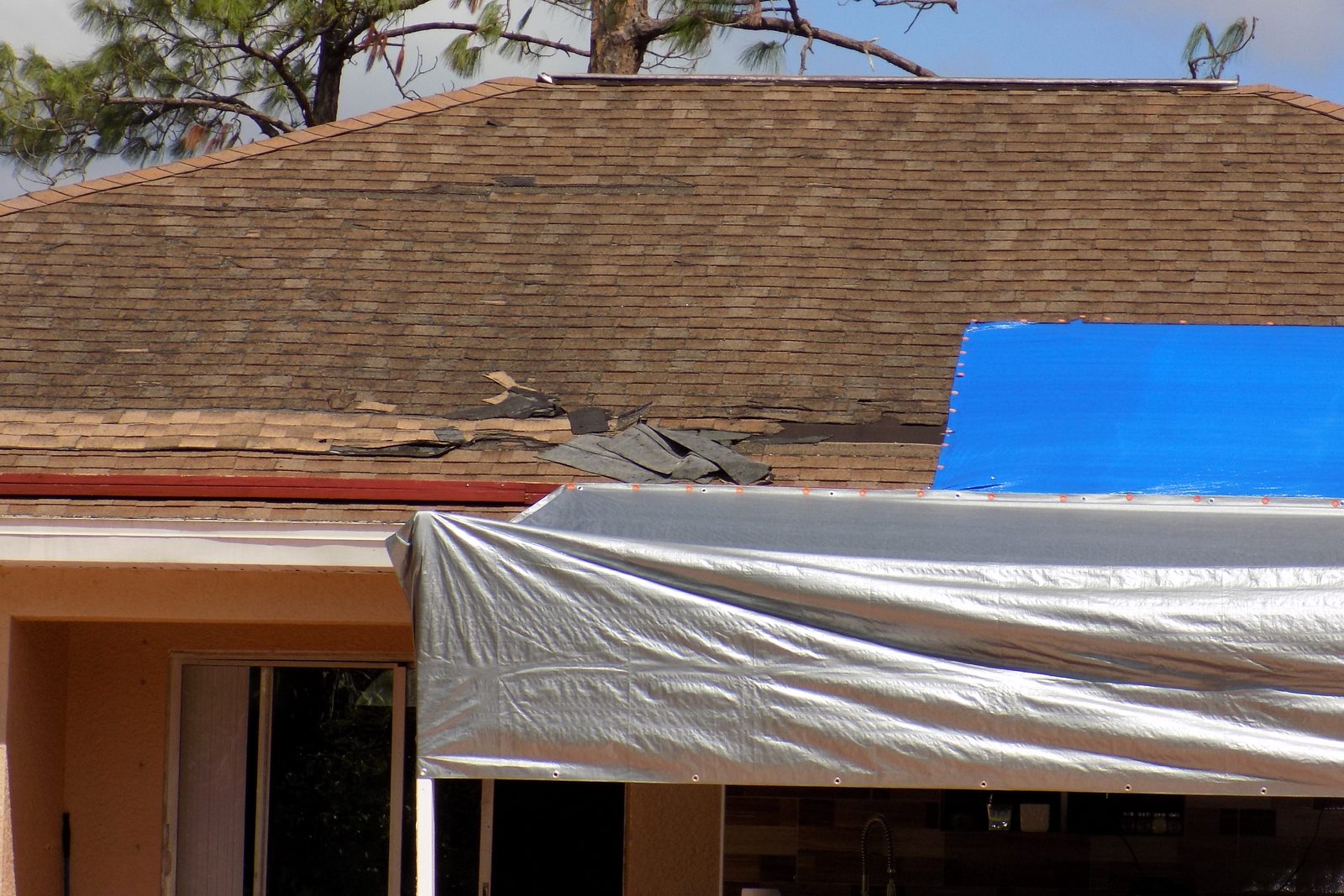
- Get a tarp or temporary repair on the roof, and keep the invoice
- Don't let anyone tear off the roof before the damage is documented
Most homeowners policies list the same duties after a loss: protect the property from further damage, make reasonable and necessary repairs to protect it, and keep an accurate record of repair expenses. Temporary repairs are part of your job; permanent repairs can usually wait until the damage is documented.
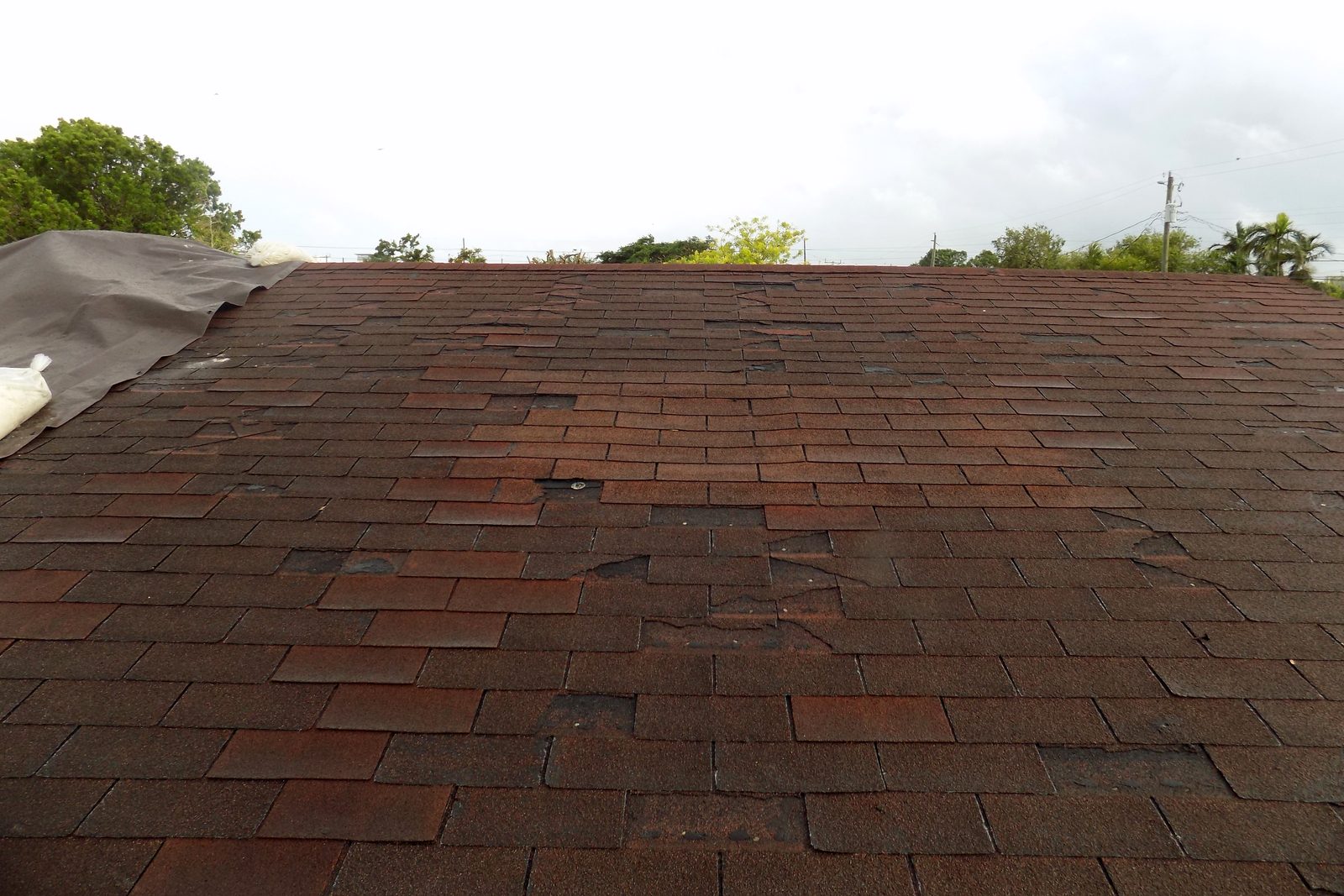
The owner's side of roof repairs
Repair or replace? A few missing shingles or broken tiles can usually be repaired. Widespread damage, a roof near the end of its life, or materials that can't be matched may mean replacement. Get the roofer's recommendation in writing, with photos.
What a written estimate must include. In Florida, a contractor may not give you a repair agreement for an insurance claim without a good faith estimate of the itemized and detailed cost of the work and materials (Fla. Stat. §489.147).
Storm-chaser red flags. Under the same law, a Florida contractor may not offer you a rebate, gift, cash or a waiver of your deductible to inspect your roof or file a claim, and may not interpret your policy or adjust your claim unless it also holds a public adjuster license (Fla. Stat. §489.147). Anyone offering to "cover your deductible" is a reason to walk away.
Old roof rules in Florida. Since Senate Bill 4-D (2022), a roof built or replaced to the 2007 Florida Building Code or later only needs the repaired section brought to current code. See the old 25% rule, explained, and for who pays the extra cost of meeting code, does homeowners insurance cover building code upgrades. And an insurer may not refuse to issue or renew a policy solely because a roof under 15 years old is old; for an older roof, an inspection showing 5 or more years of useful life left has the same effect (Fla. Stat. §627.7011(5)).
Will insurance pay for a roof leak?
Yes, when the leak comes from sudden damage, like wind lifting shingles, hail, or a falling tree. Age, wear and poor maintenance are excluded. Insurers often deny older roofs as "wear and tear"; the answer is evidence of what caused the damage and when. See wear and tear denials. Many policies also pay older roofs on a roof payment schedule or at actual cash value.
How a roof leak claim works: the opening rule
Rain is treated differently from wind. Many homeowners policies cover rain damage inside the home only when a covered peril, such as wind, hail or a falling tree, first damages the roof or a wall and makes an opening the rain comes through. Citizens Property Insurance Corporation’s policy, as quoted by Florida’s Third District Court of Appeal, does not cover loss “caused by . . . [r]ain . . . to the interior of a building unless a covered peril first damages the building causing an opening in a roof . . . and the rain . . . enters through this opening” (Ortega v. Citizens Property Ins. Corp., Fla. 3d DCA 2018). Other carriers use similar wording. See the rain exclusion and the opening rule.
What the carrier argues. That no storm-made opening exists; that the water came in through worn flashing or aging underlayment, which it calls wear and tear; or that the leak is a long-term one, since many policy forms exclude constant or repeated seepage or leakage of water over a period of weeks, months or years. Each of those is a question of evidence.
What Homeland documents. The opening itself (lifted or creased shingles, broken seal strips, missing or cracked tiles, punctures, displaced flashing), photographed and measured; the storm date and weather data; the path the water took from the opening to your ceiling; and every bit of interior damage, with moisture readings and your temporary repair receipts. In Ortega, testimony that a branch went through the roof and a contractor’s affidavit describing windstorm uplift damage were enough for the court to reverse a judgment for Citizens.
Every roof leak gets a look. Homeland reviews every roof leak, large or small, at no cost: we find what caused it and tell you plainly what your policy covers before anything goes to the insurer.
Frequently asked questions
What should I do first when my roof is leaking?
Can a roofer pay my deductible in Florida?
Does homeowners insurance cover a leaking roof?
Is rain damage covered if the wind didn’t make a hole in the roof?
Will Homeland look at my roof leak?
Have damage now? Call Homeland first. Before you call anyone else, call us 24/7 at (305) 783-3777 in Florida or (732) 517-3777 in New Jersey. We document the damage, find where the water really went and present the full claim for you. Hablamos español.
This article is for general information only and is not legal or insurance advice. Statutes, regulations and policy wording change, and how they apply depends on your own policy and the facts of your claim. Homeland Public Adjusters is a public adjusting firm, not a law firm.
- Surprising Things Your Policy Covers
- Neighbor's Condo Fire: Who Pays?
- Damaged Tile or Laminate: A Claim?
- Barn, Stable & Outbuilding Coverage
- Wind and Tornado Risk on the Farm
- Crop Insurance vs. Property Insurance
 Yeni Martinez
 Alberto Enriquez
 Yisel Dieguez
Homeland Public Adjusters represents policyholders, not insurers. Get a free review of your claim.
Get a Free Claim ReviewHave a question we didn't answer? Ask in the Homeland Public Adjuster Forum. If you already have an open claim, see What to Do in the First 24 Hours After Property Damage.