Rain Exclusion and the Opening Rule
Also called: wind-driven rain, the opening requirement, rain limitation, storm-created opening

Homeland Public Adjusters · Last reviewed: November 2026
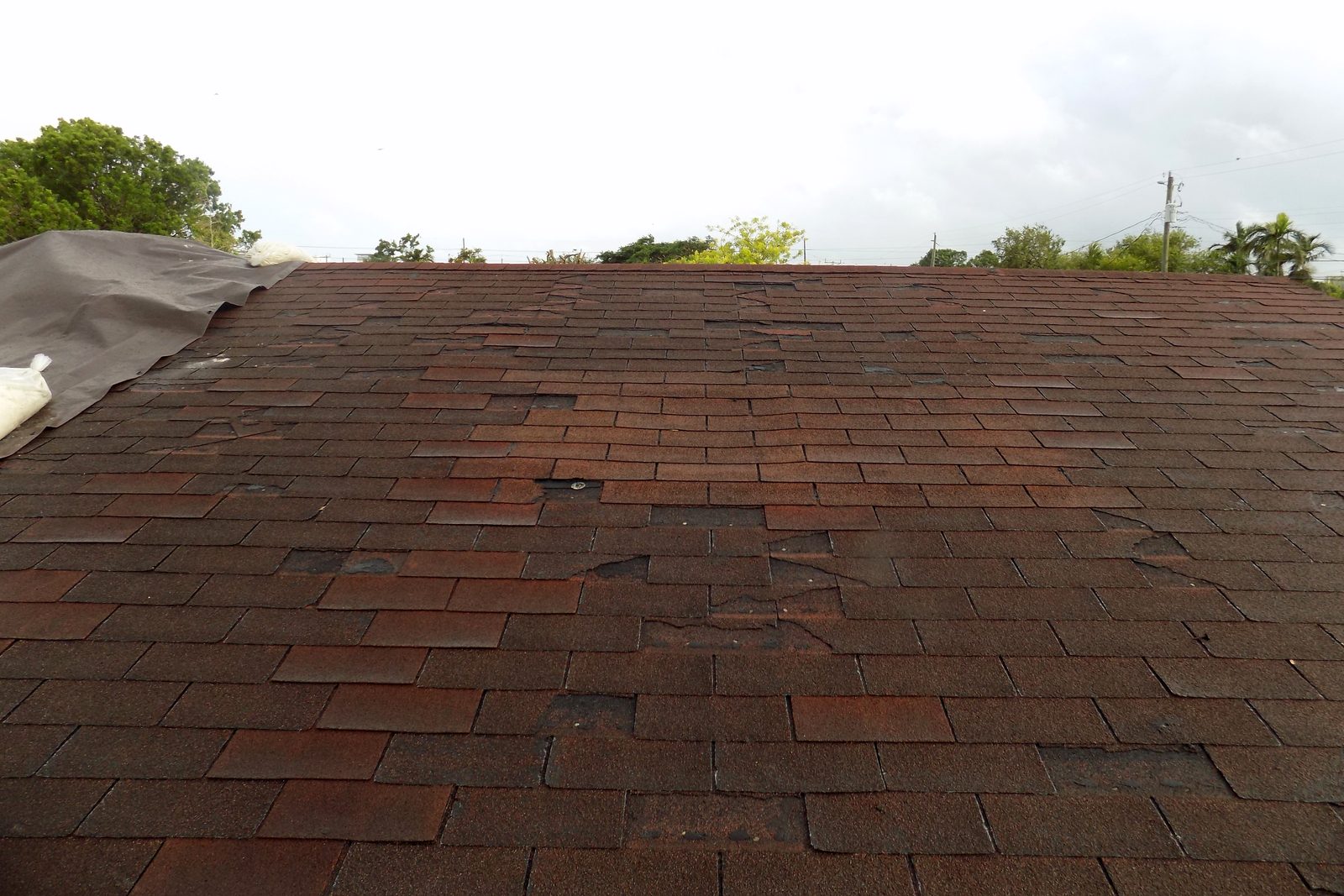
The opening rule is the part of many property policies that covers rain damage inside a home or building when a covered peril, such as wind, hail or a falling tree, first damages the roof or a wall and makes an opening the rain comes through. Rain that enters through a storm-made opening is covered. Rain that enters with no storm-made opening, through worn flashing or aging underlayment, is what carriers point to when they deny a roof leak.
Dealing with this on a claim anywhere in Florida? A licensed Homeland public adjuster comes to you within hours — no need to visit an office. Call (305) 783-3777 (Florida) or (732) 517-3777 (New Jersey), 24/7.
Full guide: Roof Leaking? What to Do and Will Insurance Pay
How the wording reads
Citizens Property Insurance Corporation’s policy, as quoted by Florida’s Third District Court of Appeal, does not cover loss “caused by . . . [r]ain . . . to the interior of a building unless a covered peril first damages the building causing an opening in a roof . . . and the rain . . . enters through this opening” (Ortega v. Citizens Property Ins. Corp., Fla. 3d DCA 2018). Other carriers use similar wording, sometimes in the perils section and sometimes in the exclusions. Homeland requests a certified copy of your policy and reads the exact text on your form.
What the carrier argues
- No opening: the inspector found no storm damage to the roof or walls.
- Age, not the storm: the water came in through worn materials, which the carrier calls the wear and tear exclusion.
- A long-term leak: many policy forms exclude constant or repeated seepage or leakage of water over a period of weeks, months or years.
- Damage before the storm: the stain or rot was there before the date of loss.
What the court looked at
In Ortega, the owner’s evidence was testimony that a tree branch went through the roof and a contractor’s affidavit describing windstorm uplift damage. The court held that this created a genuine dispute over whether a covered peril made the opening and reversed the judgment for Citizens. The opening does not have to be a large hole; it has to be damage from a covered peril that let the rain in.
What Homeland documents
- The opening: lifted or creased shingles, broken seal strips, missing or cracked tiles, punctures, displaced flashing or ridge vents, photographed and measured.
- The storm: the date, wind and hail reports, and weather data for your address.
- The water path: from the opening through the attic or wall cavity to the ceiling stain.
- The interior damage: ceilings, walls, insulation, flooring and contents, with moisture readings.
- Temporary repairs: the tarp invoice and photos of the damage under it.
Florida and New Jersey
Florida and New Jersey homeowners policies both use wind-and-opening wording on many forms. Policies in both states set deadlines for giving notice of a claim, and Florida also sets them by statute. Call Homeland first: we give your insurer notice and meet every deadline for you. See date of loss for why the storm date matters on a roof claim.
Frequently asked questions
Is rain damage covered if the wind didn’t make a hole in the roof?
My carrier says my roof leak is a long-term leak. Is that the end of the claim?
Will Homeland look at my roof leak?
Related terms
The wear and tear exclusion removes coverage for damage that happens gradually through age, use and exposure: worn shingles, deteriorated seals, rust, rot, corrosion, settling.
An ensuing loss provision is the exception inside an exclusion that says "any ensuing loss not excluded is covered." The excluded event (faulty workmanship, wear and tear, a corroded pipe, a…
A roof payment schedule (roof surfacing payment schedule) is a policy endorsement that pays a roof loss at a percentage of replacement cost set by the roof's age and material, instead of full…
An ACV roof endorsement pays wind and hail roof losses at depreciated value instead of replacement cost.
If this is your loss, call Homeland before you talk to the insurance company: Florida (305) 783-3777, New Jersey (732) 517-3777, 24 hours. A licensed public adjuster reviews the claim for free and calls you back right away. No Recovery, No Fee.
Sources
This article is for general information only and is not legal or insurance advice. Statutes, regulations and policy wording change, and how they apply depends on your own policy and the facts of your claim. Homeland Public Adjusters is a public adjusting firm, not a law firm.
- Surprising Things Your Policy Covers
- Neighbor's Condo Fire: Who Pays?
- Damaged Tile or Laminate: A Claim?
- Barn, Stable & Outbuilding Coverage
- Wind and Tornado Risk on the Farm
- Crop Insurance vs. Property Insurance
 Yeni Martinez
 Alberto Enriquez
 Yisel Dieguez
Upload the denial letter or the insurer’s estimate. A licensed public adjuster reads it and calls you back right away. Free.
Free Claim Review